Climate & Seasons
Jordan's climate changes greatly over short distances, because the land rises and falls so sharply. The highlands have cool, rainy winters and warm, dry summers, while the desert and the low-lying valley are much drier and hotter. Knowing these differences helps you choose the right season and pack the right clothes.
Three climates in one country
The western highlands, including Amman, Irbid, Ajloun, Karak and the area around Petra, have a Mediterranean-type climate. Winters are cool and fairly wet, and summers are warm, dry and sunny, with pleasant evenings. Because these areas are high above sea level, temperatures are often lower than many visitors expect, especially at night.
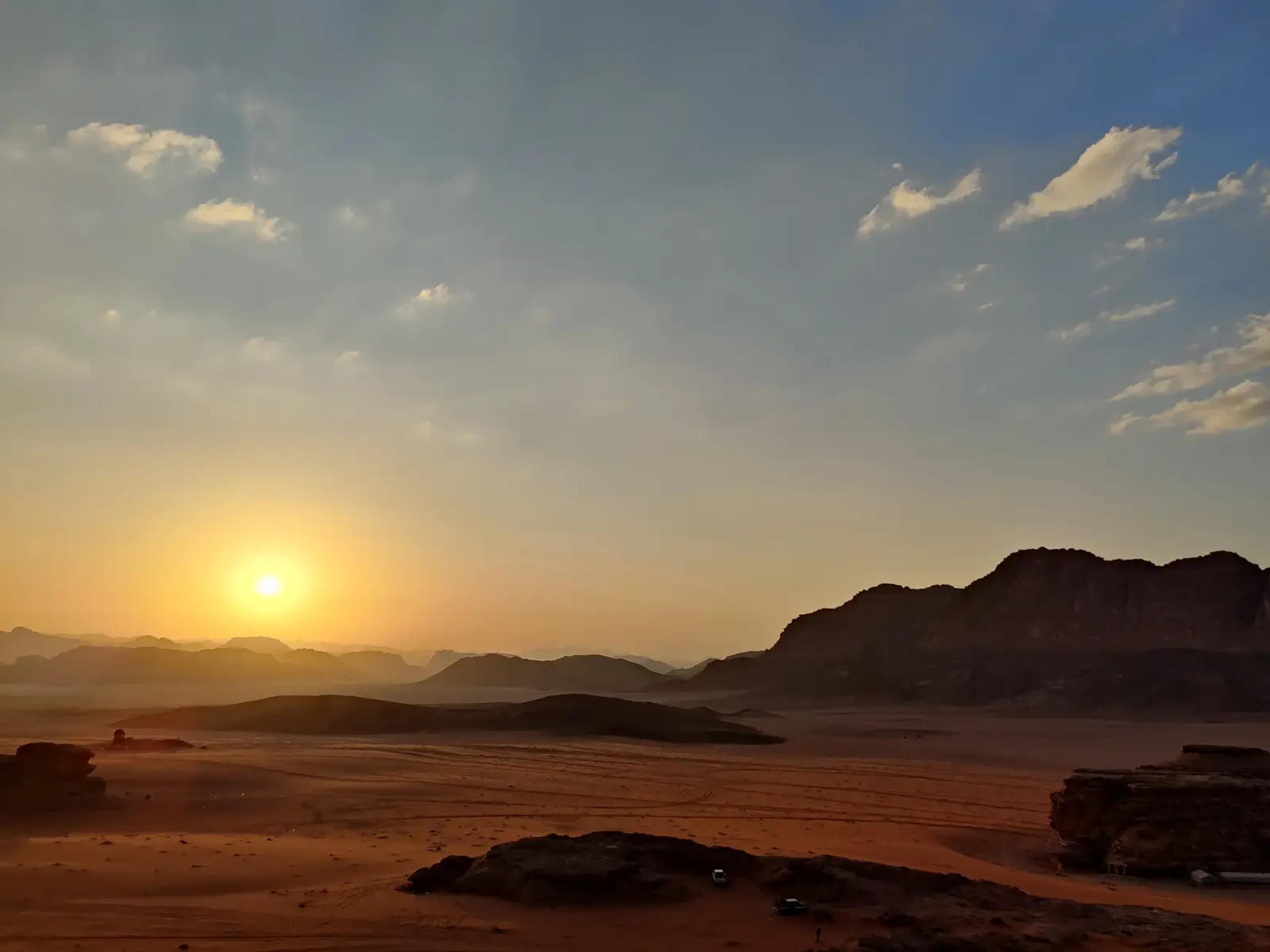
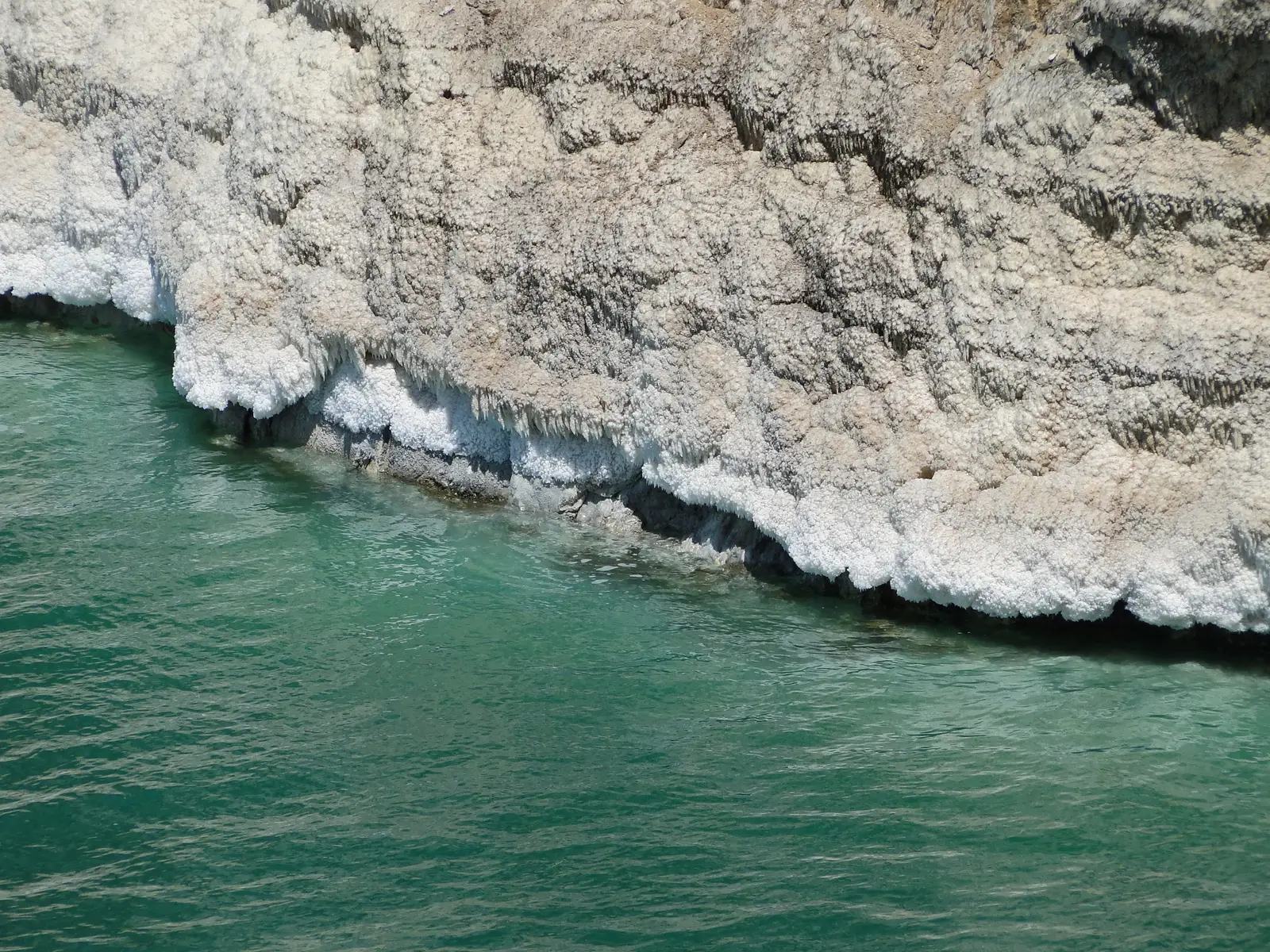
The eastern and southern deserts have an arid climate, with very little rain, hot summer days and cold winter nights. The Jordan Valley, the Dead Sea area and Aqaba, which lie at low elevations, have a warm, subtropical character. They are mild and pleasant in winter but can be very hot in summer, when temperatures often rise above 40 degrees Celsius.
Spring
Spring is one of the most popular times to visit. The hills turn green, wildflowers such as the black iris bloom in some areas, and temperatures are comfortable for walking and hiking. Occasional dusty winds can blow in from the desert, and early spring evenings in the highlands can still feel cool.
Summer
Summer is dry and sunny across the whole country. The highlands are warm by day and pleasant at night, while the Jordan Valley, the Dead Sea and Aqaba can be very hot. Visit outdoor sites early in the morning or late in the afternoon, wear a hat and drink water often.
Autumn
Autumn offers warm days, clear skies and gradually cooler nights, making it another excellent season for travel. It is a good time for Petra, Wadi Rum and long walks on the Jordan Trail. The first rains usually arrive towards the end of the season, freshening the air in the highlands.
Winter
Winter in the highlands is cool to cold, with rain and occasional snow. Days can still be bright and sunny between storms. Many visitors enjoy the quieter sites at this time, but warm clothing is essential, and desert nights in places such as Wadi Rum can be close to freezing.
Dead Sea and Aqaba in winter
While the highlands are cold, the Dead Sea area and Aqaba usually remain mild and sunny in winter. This makes them popular with Jordanian families on weekends and with visitors seeking warmth. Swimming in the Red Sea is possible for many people throughout the year.
Desert days and nights
In the desert, the difference between day and night temperatures can be large. A hot afternoon may be followed by a cool or even cold night, especially from late autumn to early spring. Bring warm layers for evenings in camps, and protect yourself from the strong sun during the day.
Rain in the valleys
During the rainy season, sudden heavy showers can send fast-moving water through dry valleys and narrow canyons. Hiking routes in canyons are usually closed in winter for this reason. Always check the weather and follow the guidance of local guides and reserve staff before entering a wadi.
Sun and water
The sun is strong in Jordan for much of the year, even when the air feels cool. Use sunscreen, wear a hat and sunglasses, and drink water regularly, especially when walking at Petra, in Wadi Rum or near the Dead Sea, where the dry air causes the body to lose water quickly.
Rain and snow
Almost all of Jordan's rain falls between about November and April. The north-western highlands receive the most, while the south and east receive very little, and some desert areas may see only a few rainy days each year. Short, heavy rain showers in the desert can cause sudden floods in valleys and canyons, so it is wise to follow local advice in winter.
Snow is not common, but it does fall on the highlands in some winters, including in Amman, Ajloun, Tafilah, Shobak and the area around Petra. A snowfall usually lasts only a day or two, yet it can close roads and schools for a short time. For many Jordanians, a snowy day is a special occasion to enjoy with family.
The best time to visit
For most of the country, the best seasons are spring, from about March to May, and autumn, from about September to November. Days are warm and bright, nights are comfortable, and it is pleasant to walk around archaeological sites, hike in nature reserves and spend time in the desert. Spring also brings wildflowers to the hills and the edges of the desert.
Winter is a good time to visit the Dead Sea, the Jordan Valley and Aqaba, which stay mild while the highlands are cold. Summer suits those who stay mostly on the coast or in the highlands, and who plan outdoor visits for the early morning and late afternoon. In the desert, summer middays are very hot, so shade, water and rest are important.
What to pack
Light, breathable clothing that covers the shoulders and knees is useful in every season, both for comfort in the sun and for visiting religious sites. Add a sun hat, sunglasses, sunscreen and a refillable water bottle. Comfortable walking shoes with a good grip are important for Petra, Jerash and nature trails, where paths can be uneven and dusty.
Even in summer, a light jacket or sweater is helpful for desert nights and early mornings in the highlands. From November to March, bring warm layers, a waterproof jacket and closed shoes, because buildings may be cooler inside than expected. Swimwear is needed for the Dead Sea and Aqaba, and water shoes help on stony beaches and in canyon hikes.
More from the guide
Jordan at a Glance
Key facts and first impressions
Read the guideHistory & Heritage
Ten thousand years of human story
Read the guideHow the State Is Organised
Institutions, governorates and national symbols
Read the guideRegions & Governorates
Twelve governorates, three landscapes
Read the guideRoads & Getting Around
Airports, highways, buses and taxis
Read the guideFood & Flavours
The Jordanian table
Read the guideCulture & Traditions
Hospitality, heritage and daily life
Read the guideNature & Wildlife
Reserves, trails and living landscapes
Read the guidePractical Information
Before you go and while you are there
Read the guide