Wadi Mujib
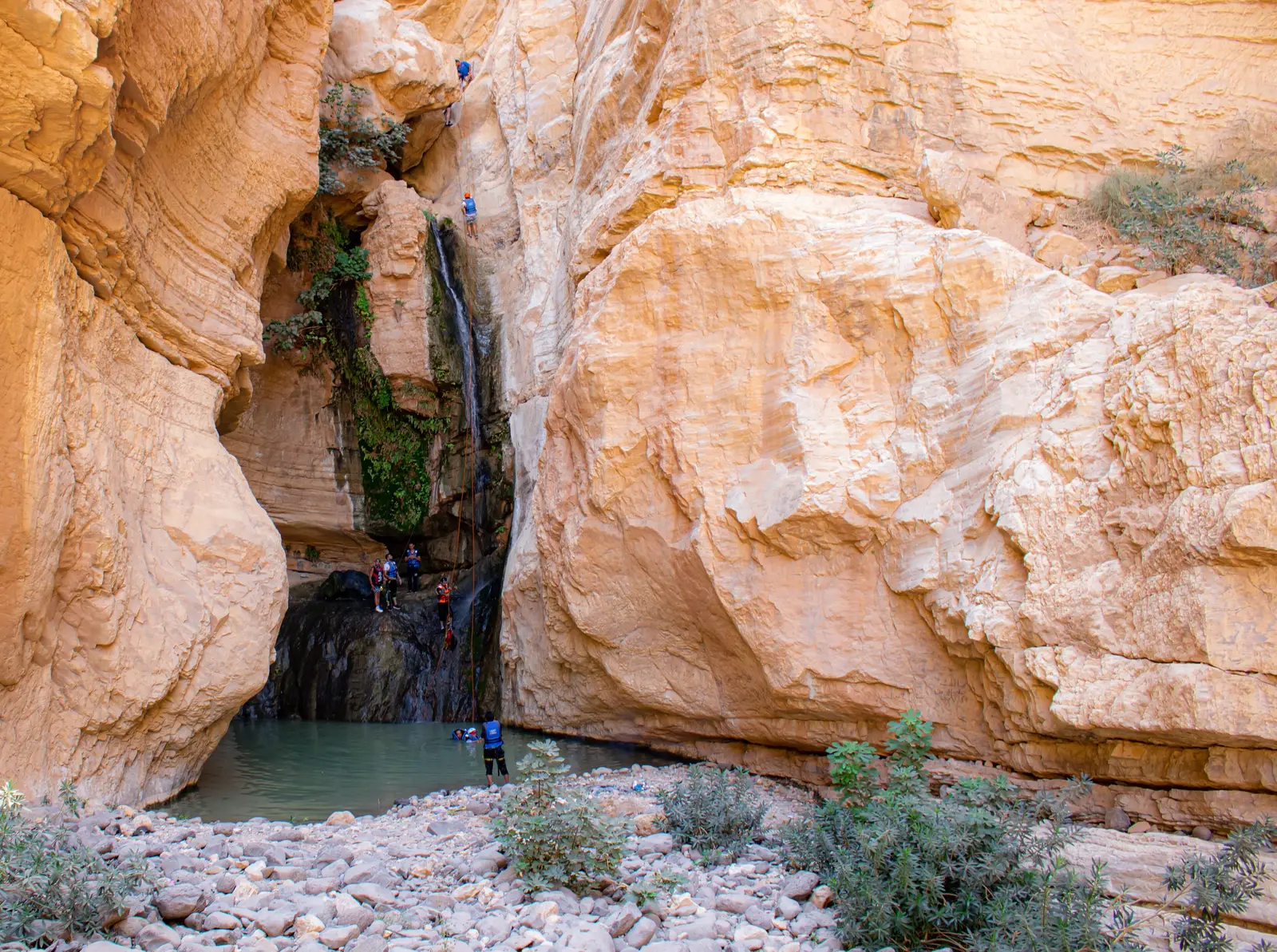
Wadi Mujib is a canyon adventure like no other. Its narrow gorge cuts through towering walls of red and ochre sandstone, and a river of warm water rushes through it toward the Dead Sea. Walking, wading and sometimes swimming upstream to the waterfall is one of the most exhilarating experiences in Jordan.
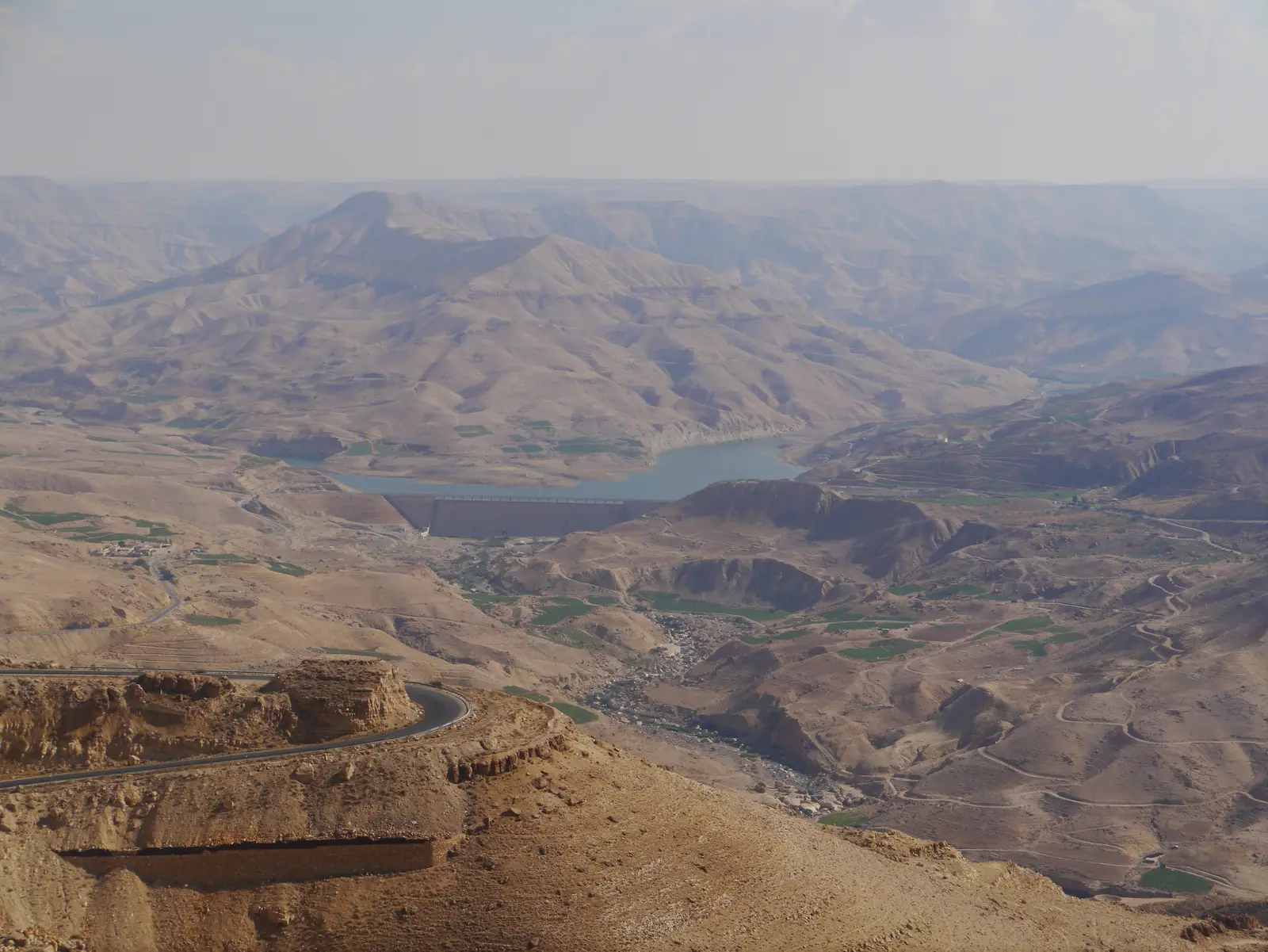
The Mujib Biosphere Reserve stretches from the mountains east of the Dead Sea down to its shore, and much of it lies below sea level, making it the lowest nature reserve in the world. Managed by the Royal Society for the Conservation of Nature, it protects a rugged landscape of deep valleys and high plateaus, with a dramatic change in height over a short distance. That variety creates rich habitats, and the reserve is home to the Nubian ibex, wild cats, birds of prey and many kinds of plants.
The best-known route is the Siq Trail, which starts beside the Dead Sea road and follows the river upstream into the gorge. Visitors wear life jackets, wade through clear, flowing water, scramble over boulders and use ropes and ladders in places. The walls rise high on both sides, sunlight falls in narrow shafts, and the sound of water grows louder until the trail ends at a waterfall pouring into a pool. The walk takes a few hours there and back, and you will be wet from start to finish.
The wet trails open only in the warmer months, usually from spring to autumn, and they close whenever there is a risk of flash floods. For those who prefer drier routes or want a longer challenge, the reserve offers guided hikes that climb into side valleys and up to viewpoints high above the Dead Sea. Some longer canyon routes require a licensed guide, and every trail depends on the season and the weather.
Near the trailhead, simple chalets on the shore let visitors stay overnight between the canyon and the sea, with sunsets over the water and the mountains behind. The reserve is an easy trip from Amman or from the Dead Sea resorts, and it pairs perfectly with a relaxing float in the Dead Sea afterwards. For many travellers, a day in Mujib becomes the most memorable part of their journey through Jordan.
Highlights
- 1The Siq Trail through the narrow gorge to the waterfall
- 2Wading and swimming against the warm current
- 3Towering sandstone walls in shades of red and ochre
- 4Guided canyon and ridge hikes for experienced walkers
- 5Sunset from the reserve's chalets by the Dead Sea
- 6Wildlife such as the Nubian ibex
Gallery
Frequently asked questions
What is the Siq Trail in Wadi Mujib?
The Siq Trail is the most popular water trail in the Mujib Biosphere Reserve. You walk and wade upstream through a narrow sandstone gorge with high, colourful walls until you reach a waterfall. The water varies from ankle-deep to chest-deep, and in some places you may need to swim with a life jacket or climb short rope sections. Most people take two to three hours.
When is Wadi Mujib open?
The water trails usually open from spring to autumn and close in winter, because rain can cause dangerous flash floods in the canyon. Exact opening dates depend on weather and water levels, and trails may also close at short notice when rain is expected. Check current times, conditions and fees on official sources before you travel.
Do you need to be able to swim for Wadi Mujib?
You do not need to be a strong swimmer, because life jackets are provided and required. However, you must feel comfortable in moving water, as there are deeper pools, a fairly strong current in places and slippery rocks. Reasonable fitness is needed to climb over boulders and pull yourself up on ropes. If you are unsure, consider the shorter dry trails.
What should I wear for Wadi Mujib?
Wear shoes that stay on your feet in water and grip well on wet rocks, such as water shoes or sports sandals with straps. Flip-flops are not suitable. Wear swimwear under quick-drying clothes, and bring a waterproof bag for your phone, a towel and a change of clothes. Leave valuables in the car or at your hotel.
Is Wadi Mujib suitable for children?
The water trails have minimum age requirements and need some strength and confidence in water, so they suit older children rather than young ones. Check the current age limits on official sources before you go. Older children who enjoy adventure often love the experience. Families with younger children can enjoy the views from the Dead Sea road and the shore nearby.
How do I get to Wadi Mujib from Amman?
Wadi Mujib is about 90 kilometres from Amman, around one and a half hours by car. The route descends to the Dead Sea and follows the coastal highway south, past the main resort area, to the reserve's visitor centre beside the bridge over the river. It is about 30 minutes south of the main Dead Sea hotels, so it combines well with a stay there.
Continue the journey
 09
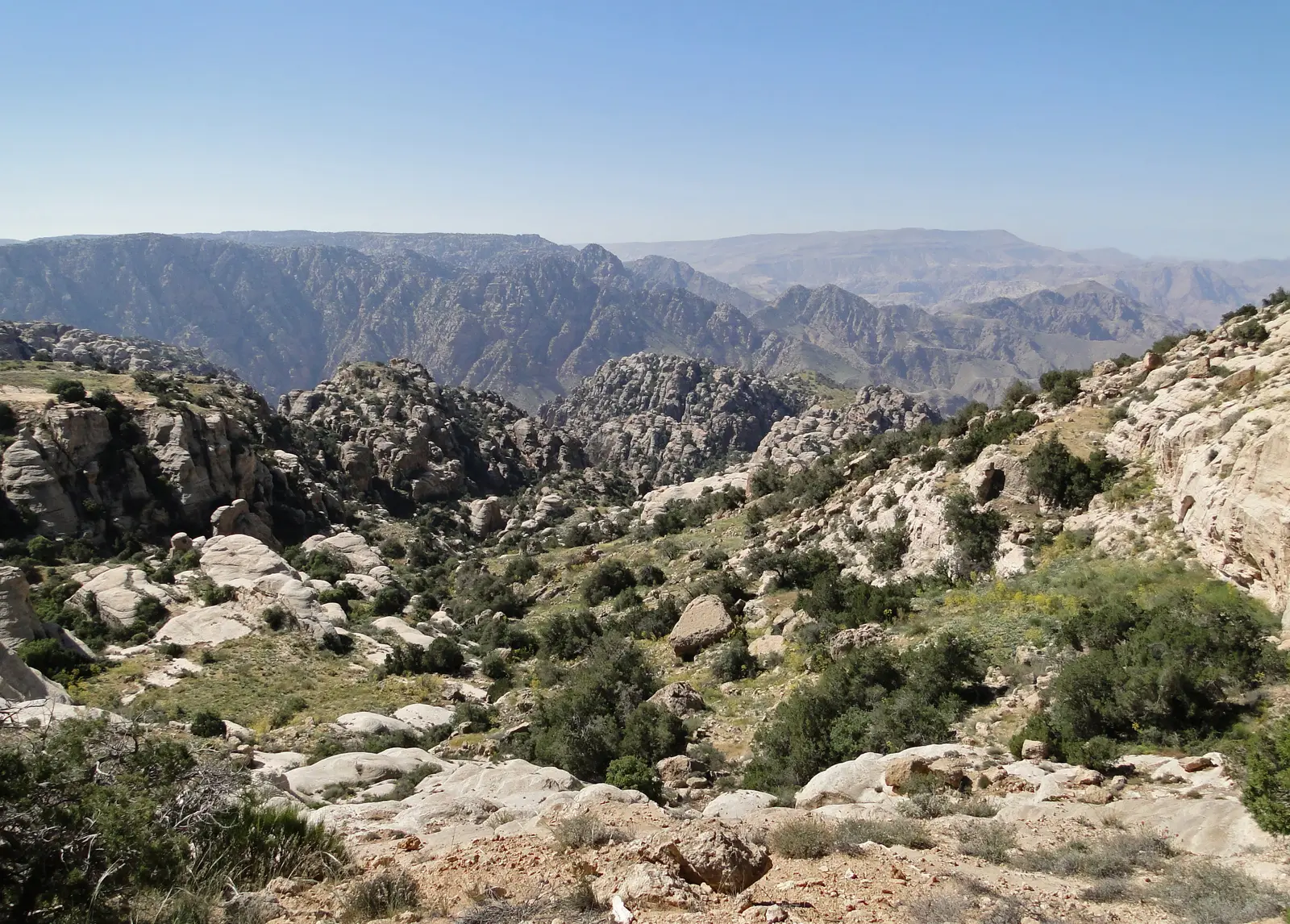
Dana
A stone village perched above a vast valley that falls from mountain cliffs to desert, rich in wildlife and silence.
 10
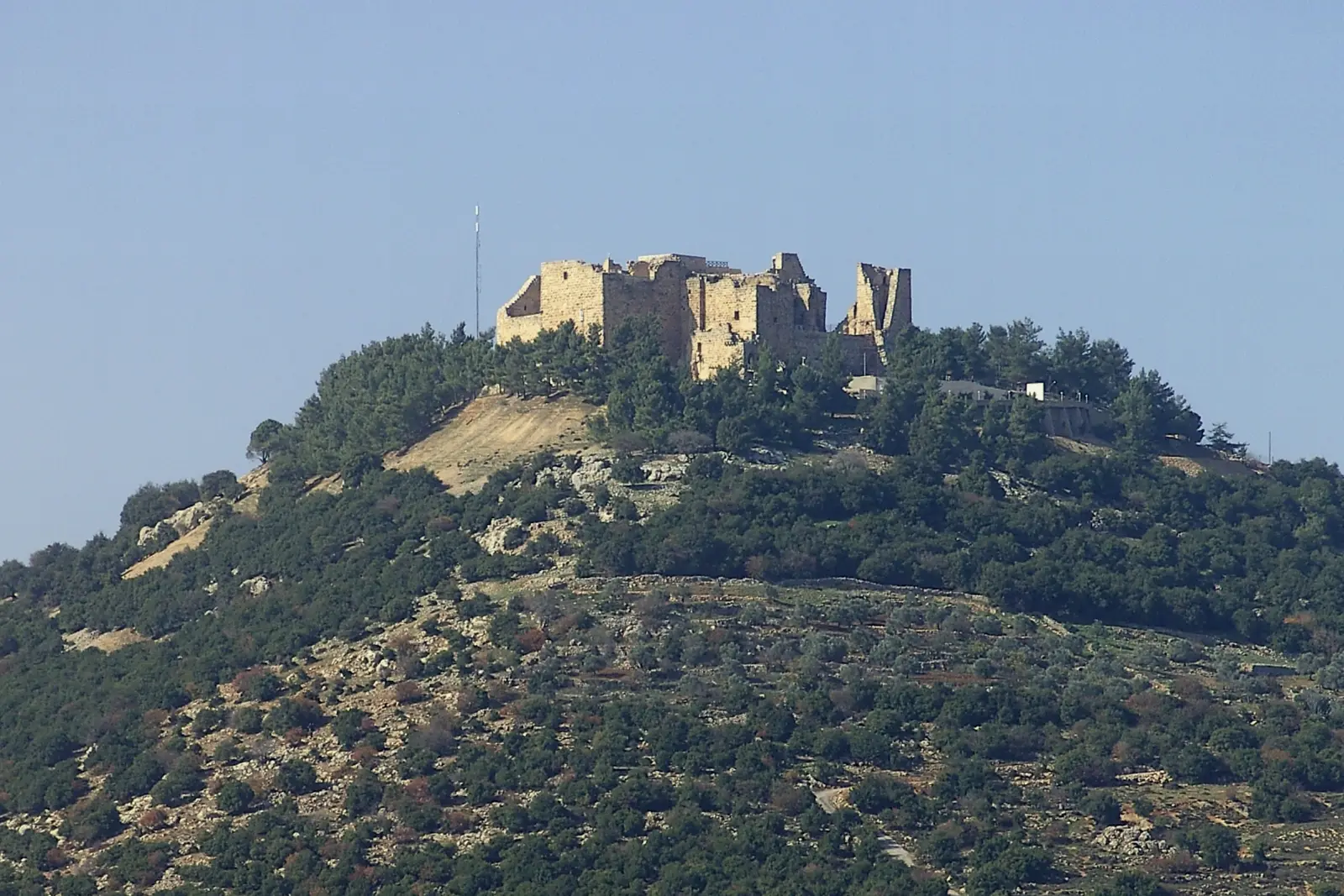
Ajloun
A medieval hilltop castle and green oak forests in the cool, rolling hills of northern Jordan.
 11
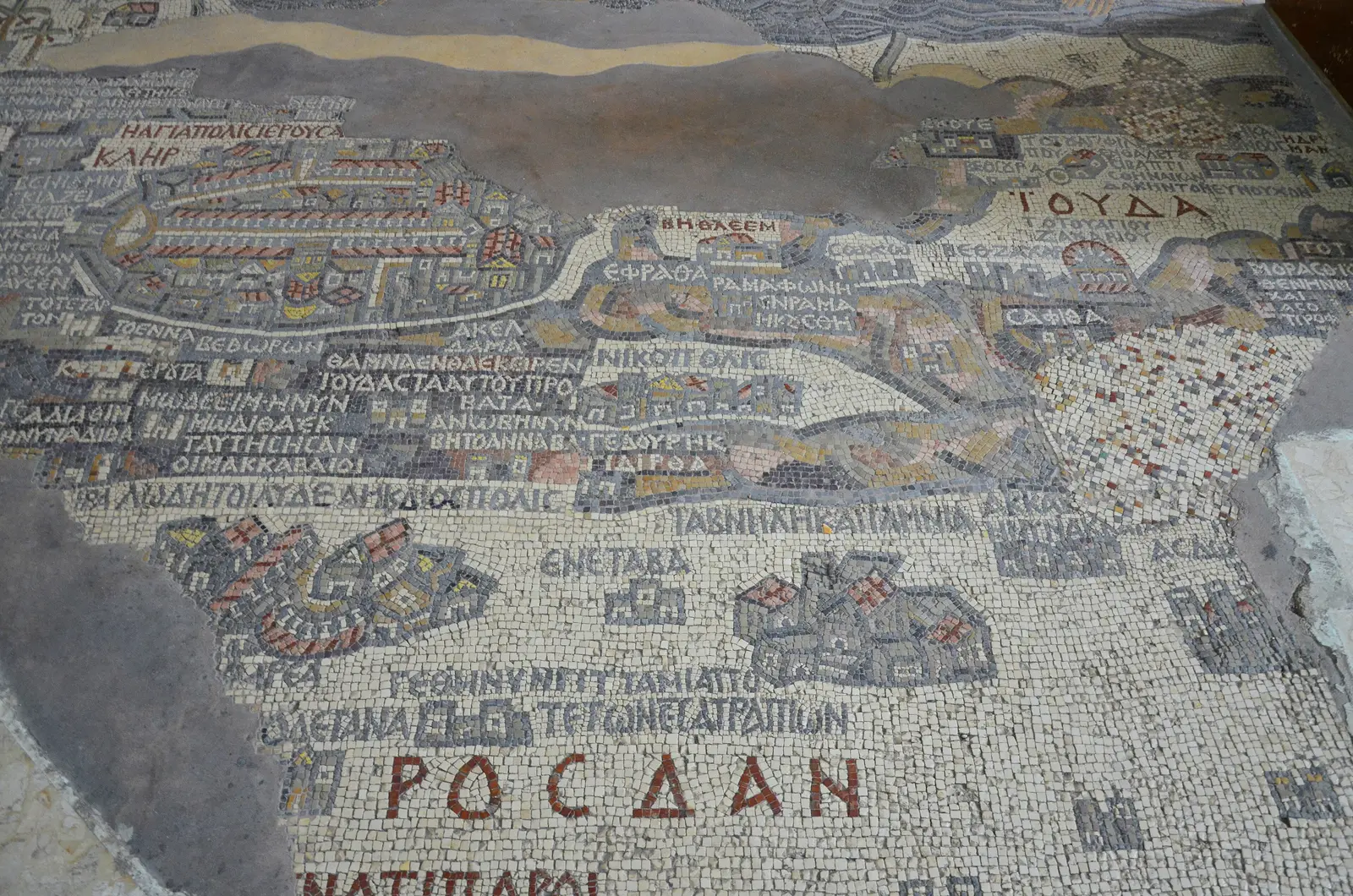
Madaba and Mount Nebo
A friendly town famed for its Byzantine mosaics and an ancient map of the Holy Land, close to Mount Nebo.
 12
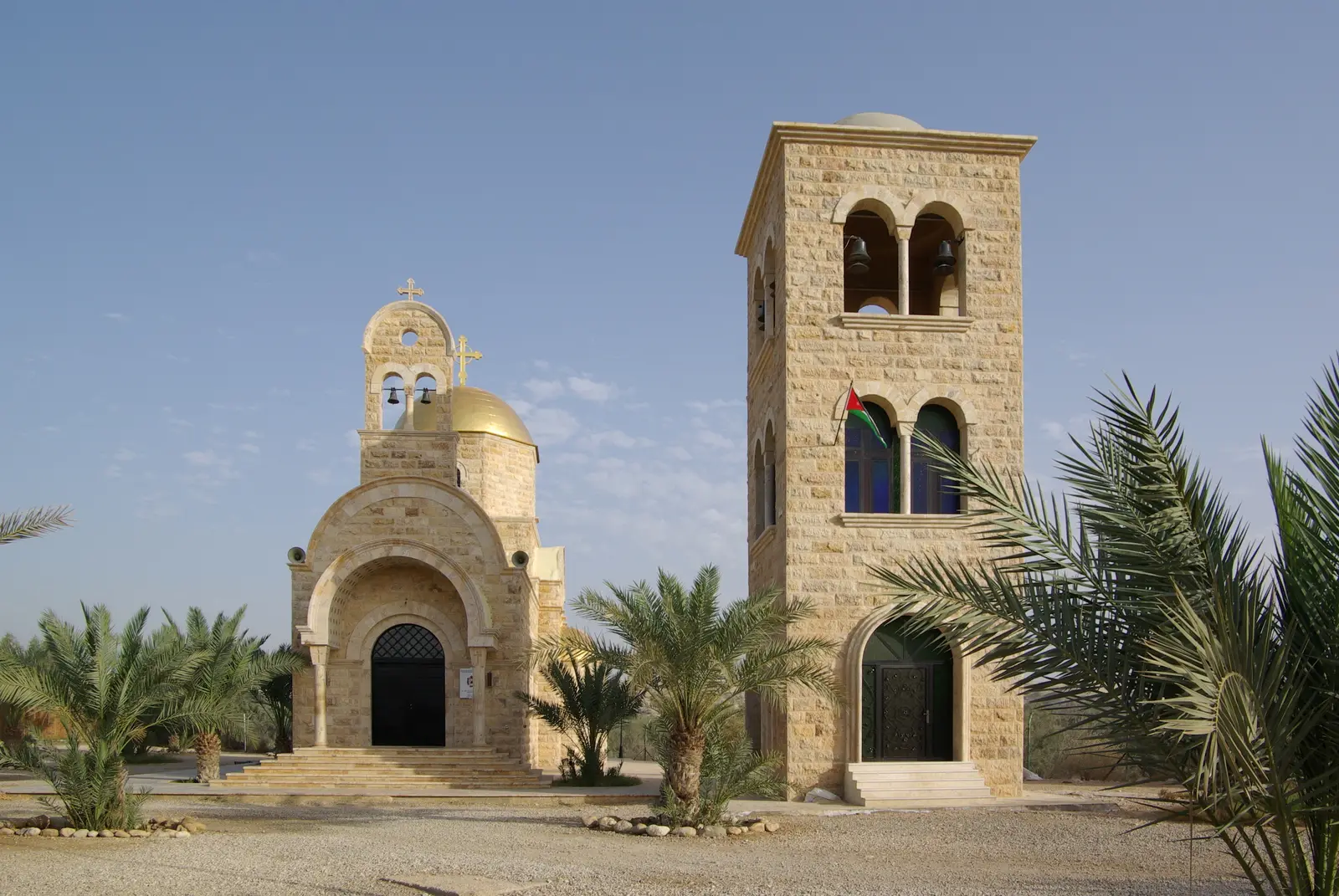
Baptism Site
A peaceful place on the Jordan River, revered by Christians as the site where John the Baptist baptised Jesus.
 13
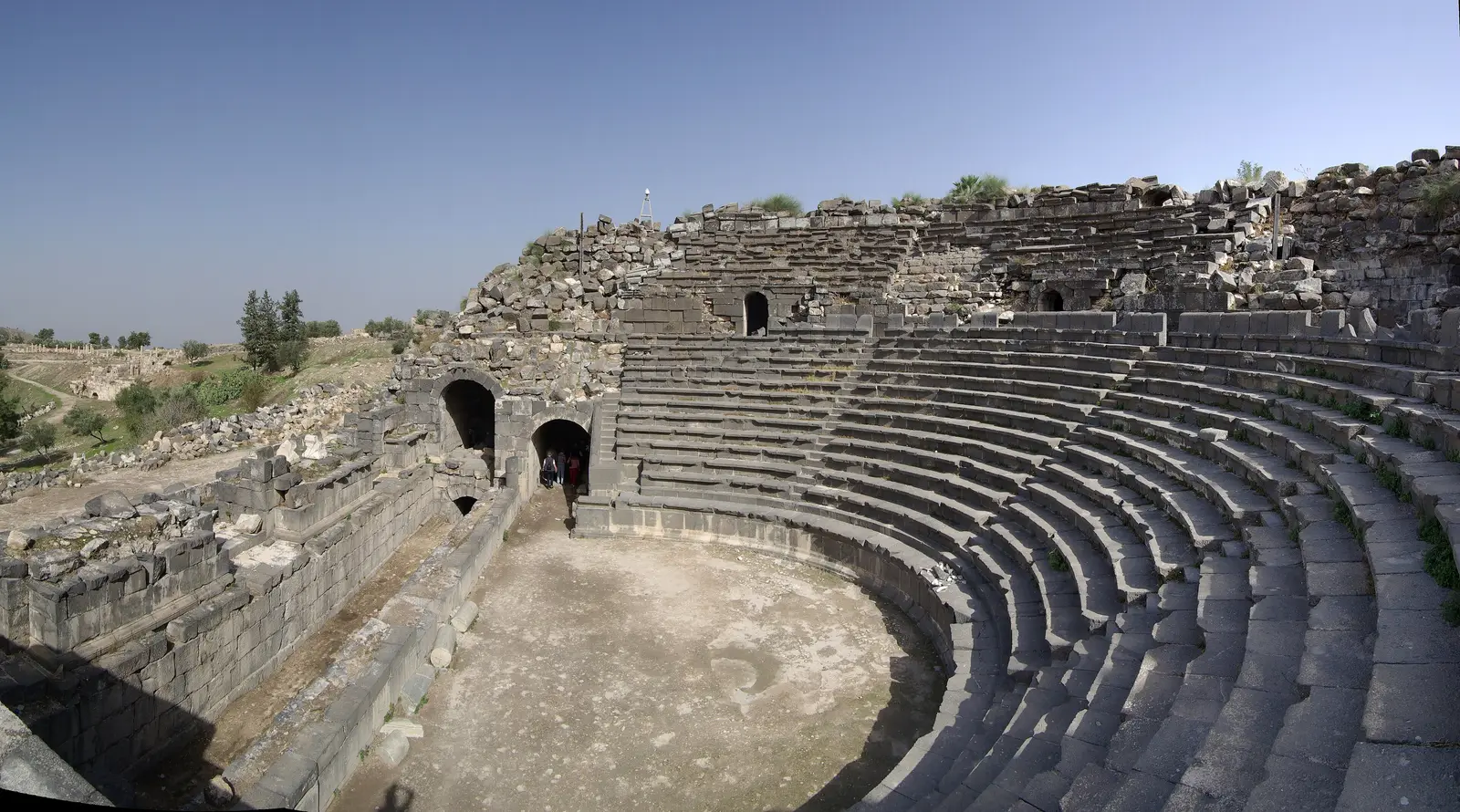
Umm Qais
Basalt ruins of ancient Gadara perched high above the Jordan Valley, with sweeping views toward the Sea of Galilee.
 14
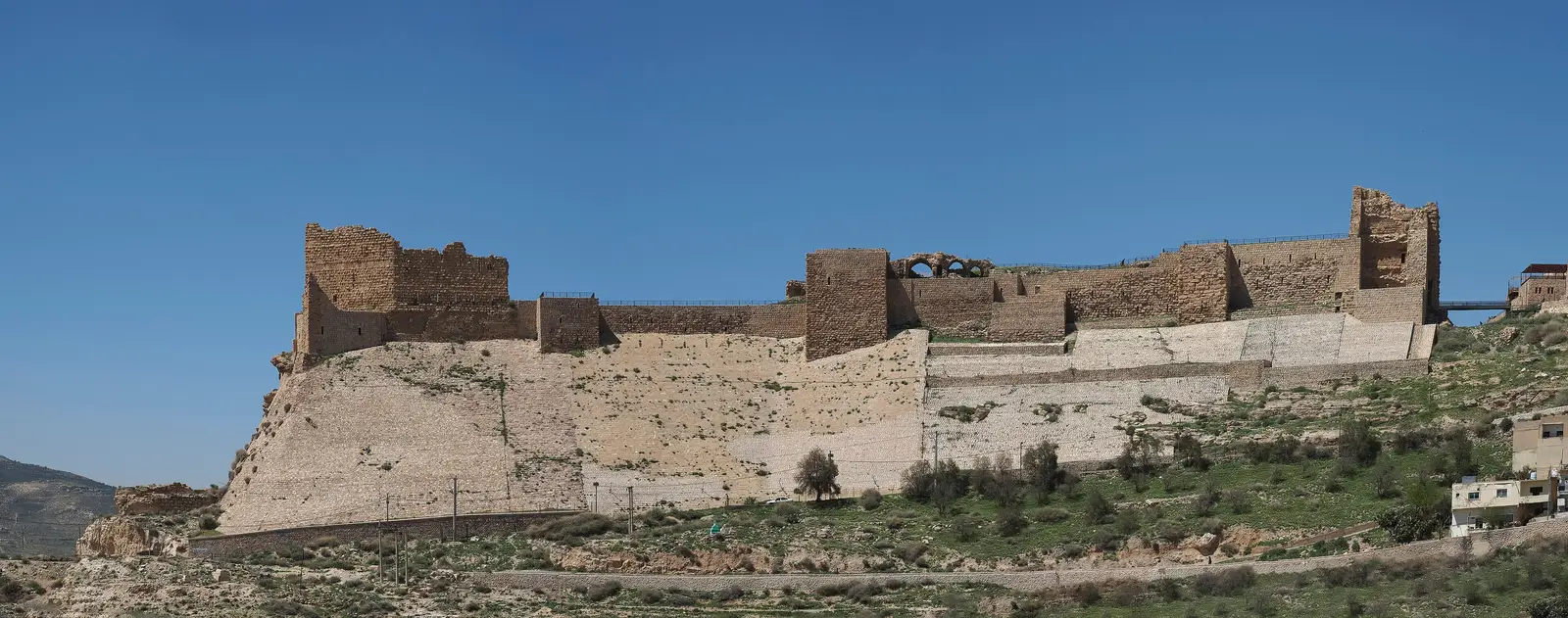
Kerak Castle
A vast medieval fortress on a mountain spur, full of dark vaulted halls and wide views over the surrounding valleys.
 15
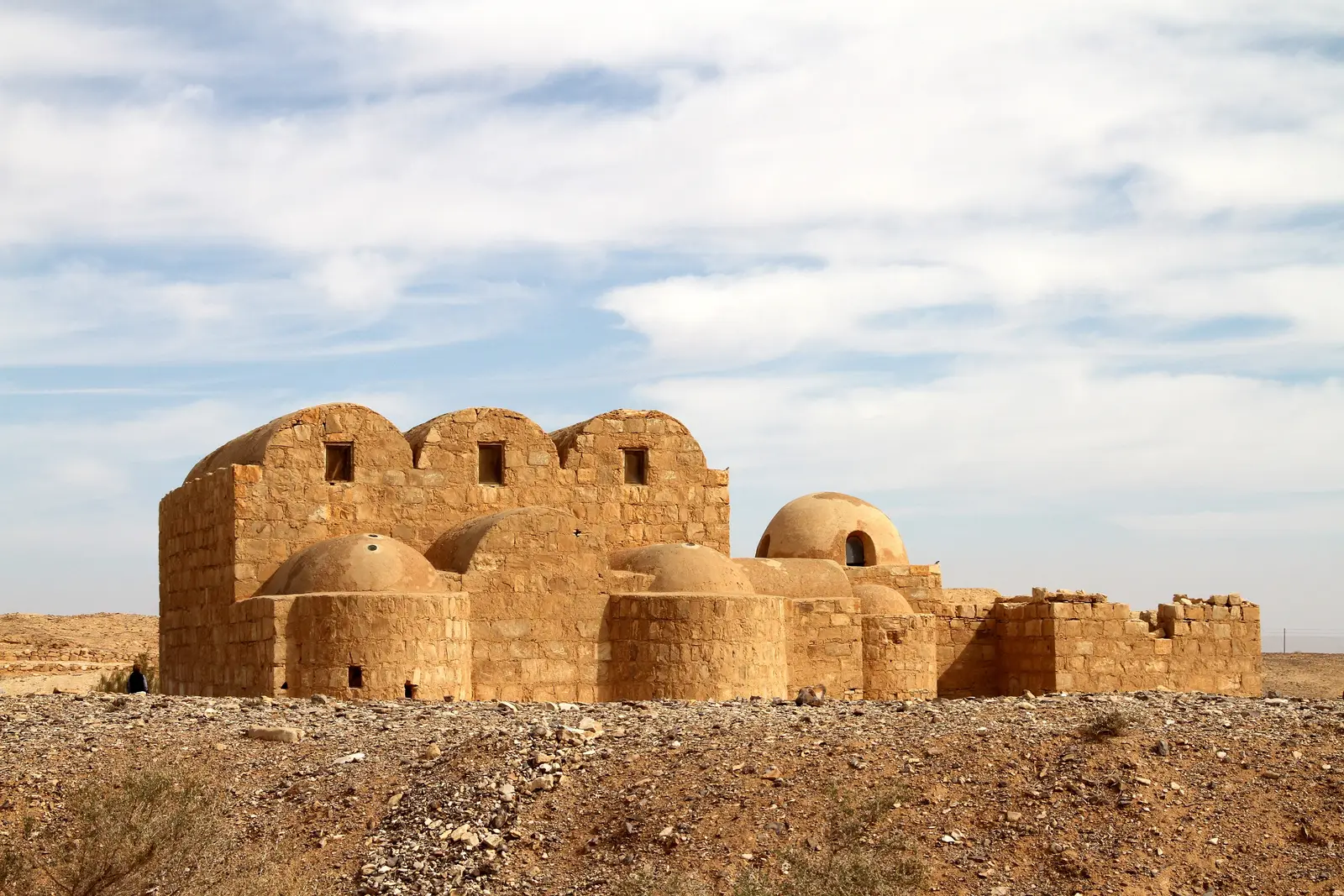
Desert Castles
Early Islamic palaces, baths and forts scattered across the eastern desert, with rare frescoes and a hidden oasis.
 01
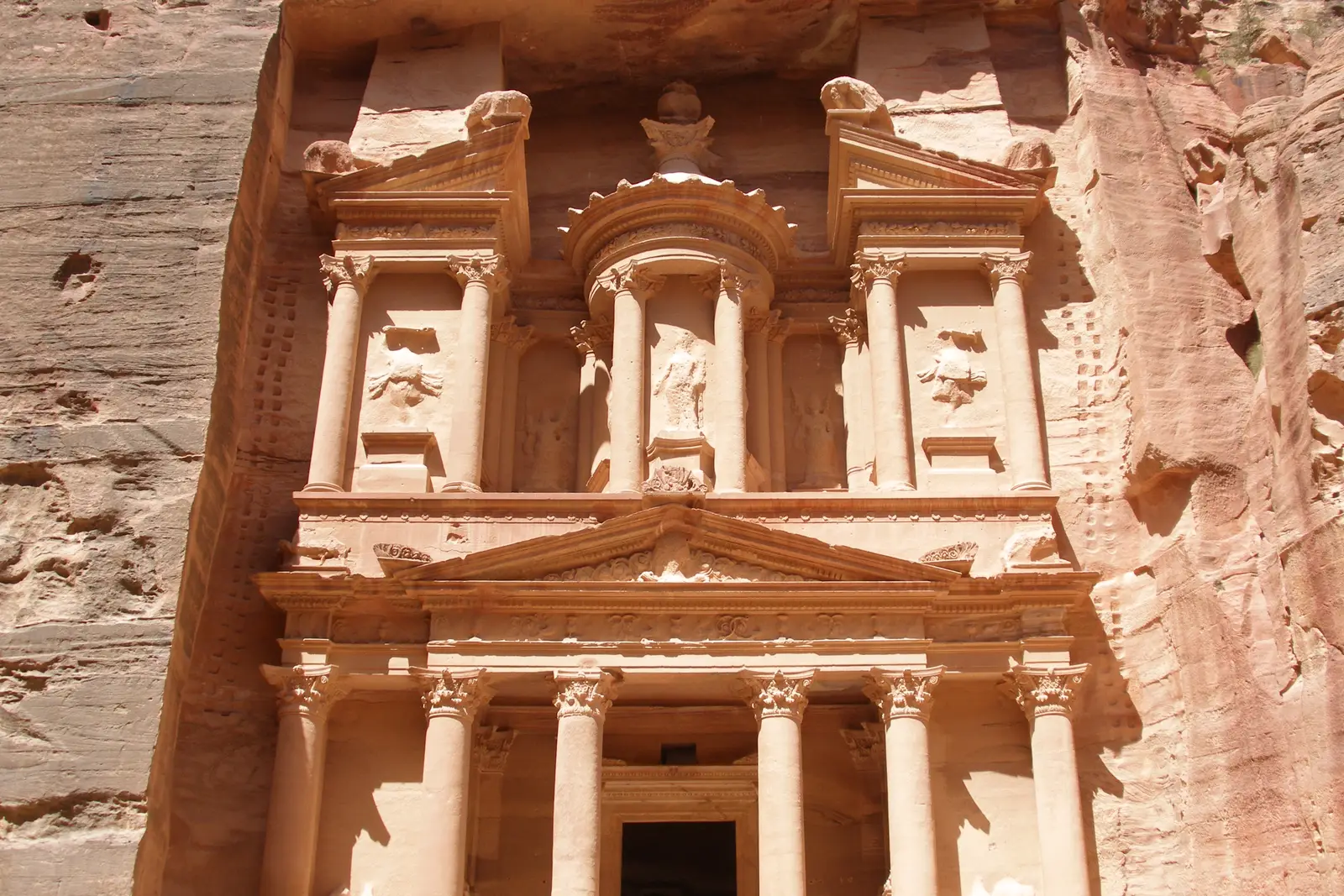
Petra
A Nabataean city carved into rose-red cliffs, reached through a narrow, winding canyon that opens onto the Treasury.