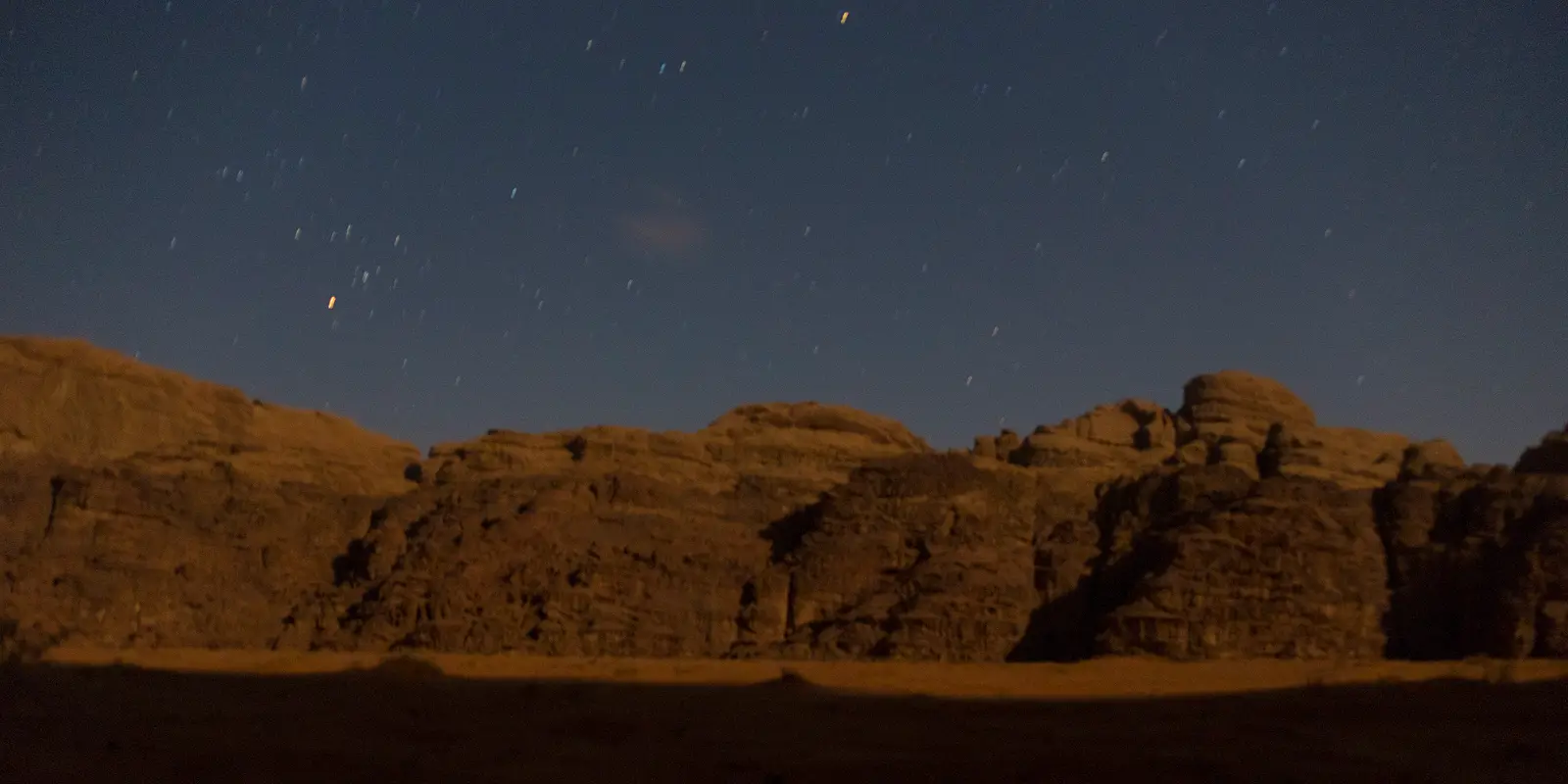
Legends, traditions and the tales behind the stones
The urn that travellers shot at, the spring Moses struck, the coffee cup that speaks without words — Jordan is told best in stories.
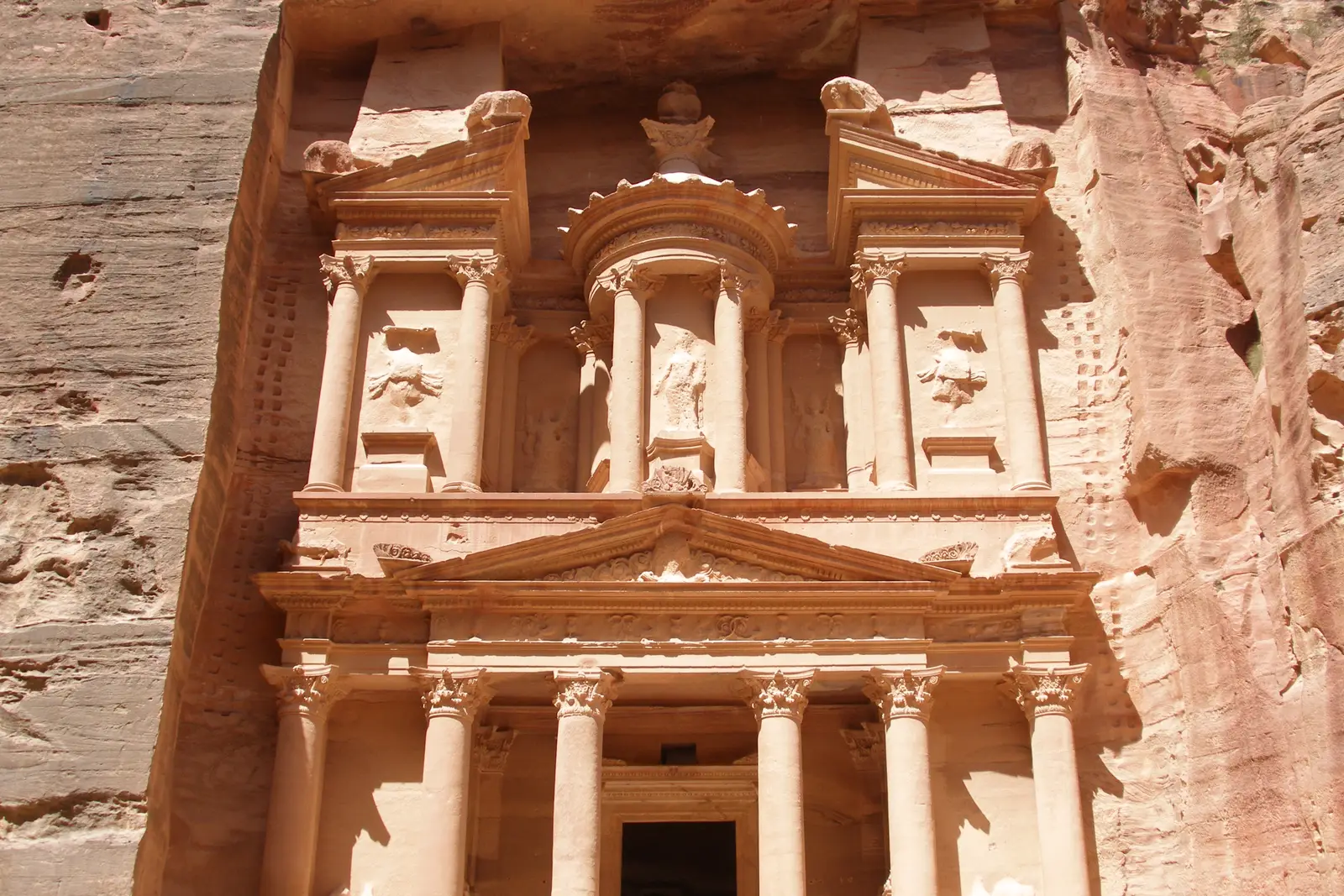
The Pharaoh's Gold: The Legend of the Urn at Petra's Treasury
High on the facade of Petra's most famous monument sits a carved stone urn, and if you look closely you will see that it is scarred with small round holes. For generations, people believed this urn was full of gold hidden by an ancient pharaoh. The holes are the marks left by those who tried to bring the treasure down.
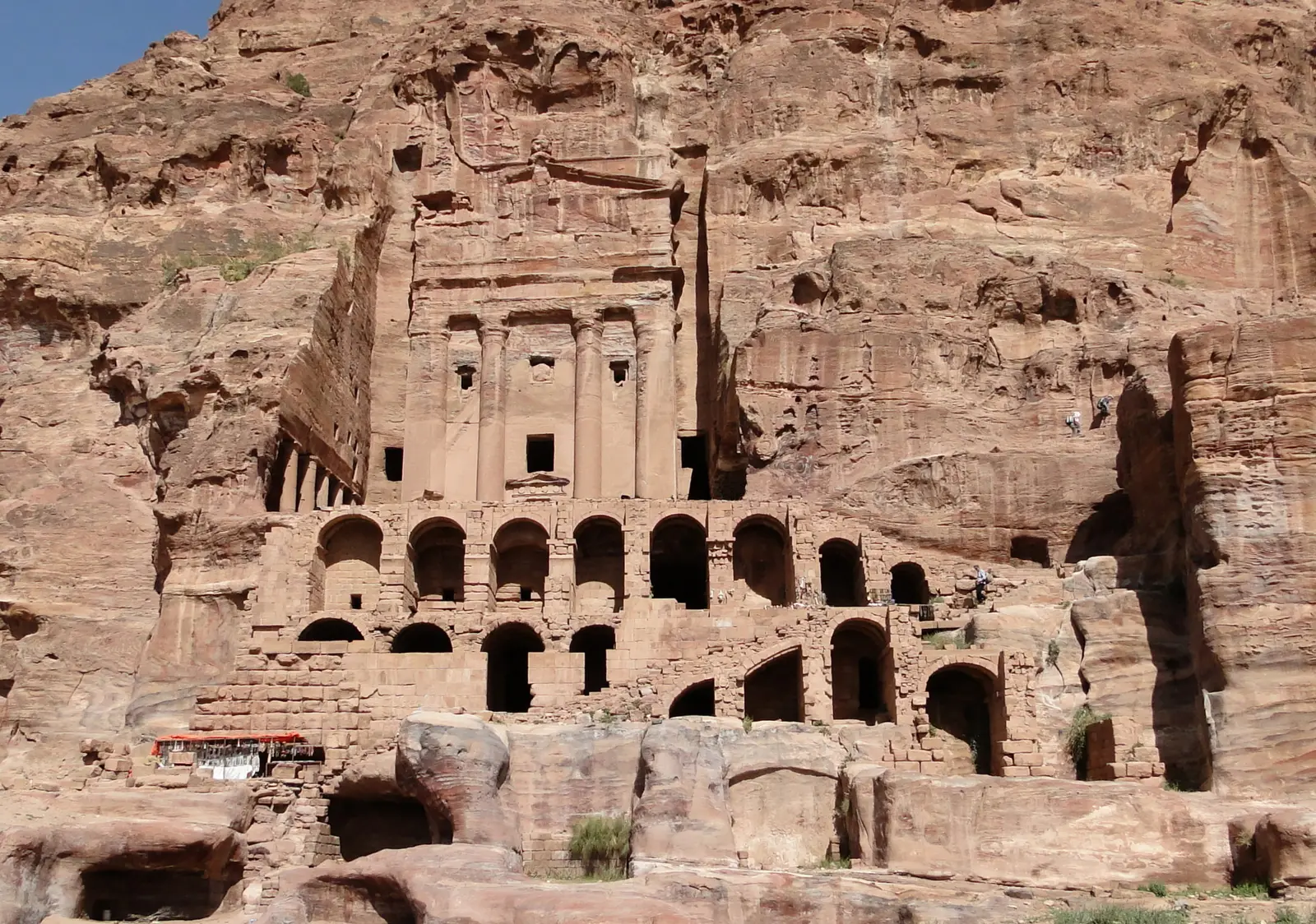
Ain Musa: The Spring of Moses at the Gates of Petra
The town that welcomes every visitor to Petra carries a famous name: Wadi Musa, the Valley of Moses. At its edge, water still flows from a spring that local tradition links to one of the best known stories in the world. It is a small place, easy to pass by, and it holds a very large story.
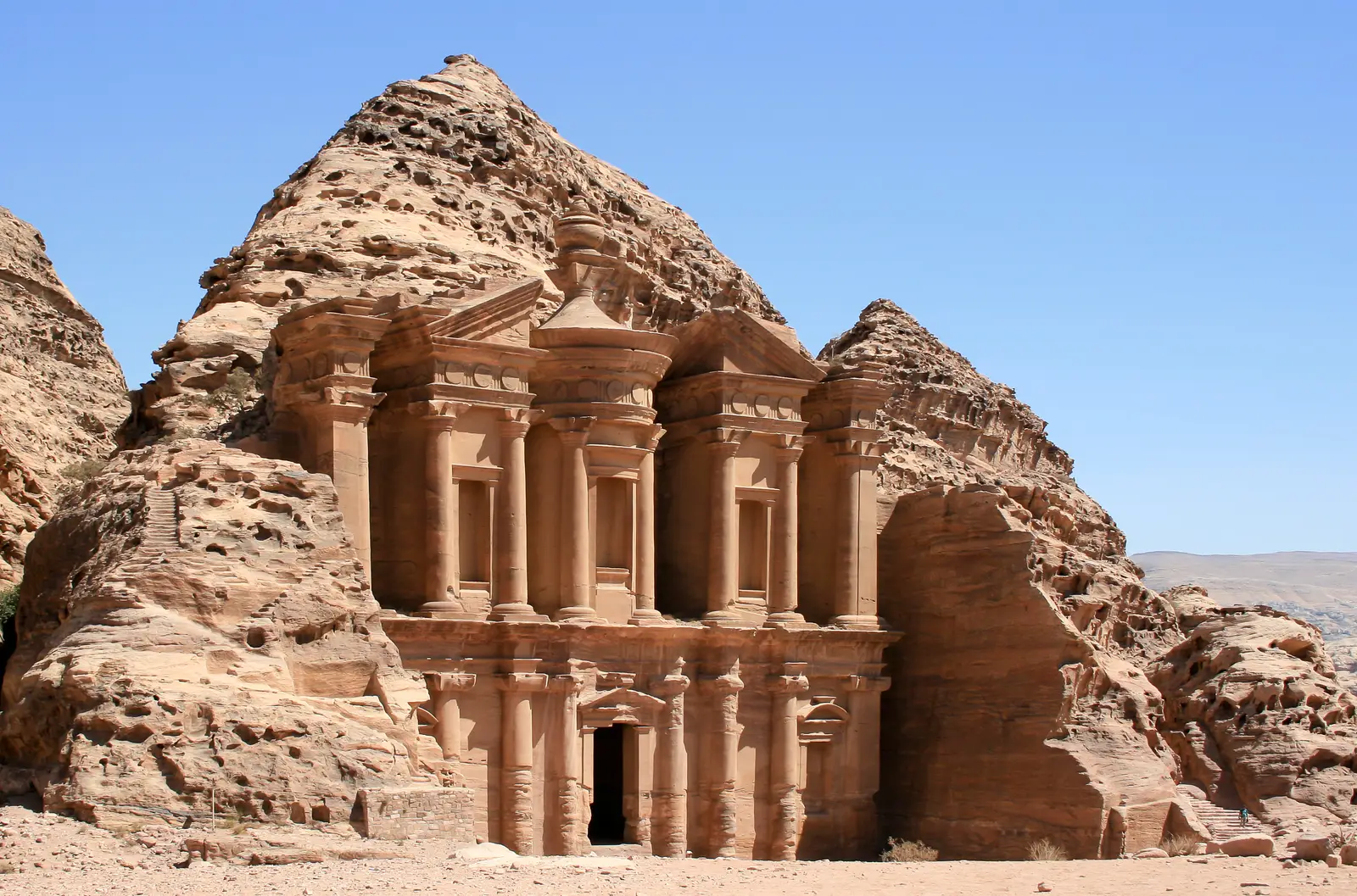
Sheikh Ibrahim and the Rose-Red City: How Burckhardt Reached Petra in 1812
In the summer of 1812, a traveller dressed as a scholar from the East asked a local guide to take him to the tomb of Aaron. He said he wanted to make a sacrifice. In truth, he wanted to see a hidden city that no European had described for centuries.
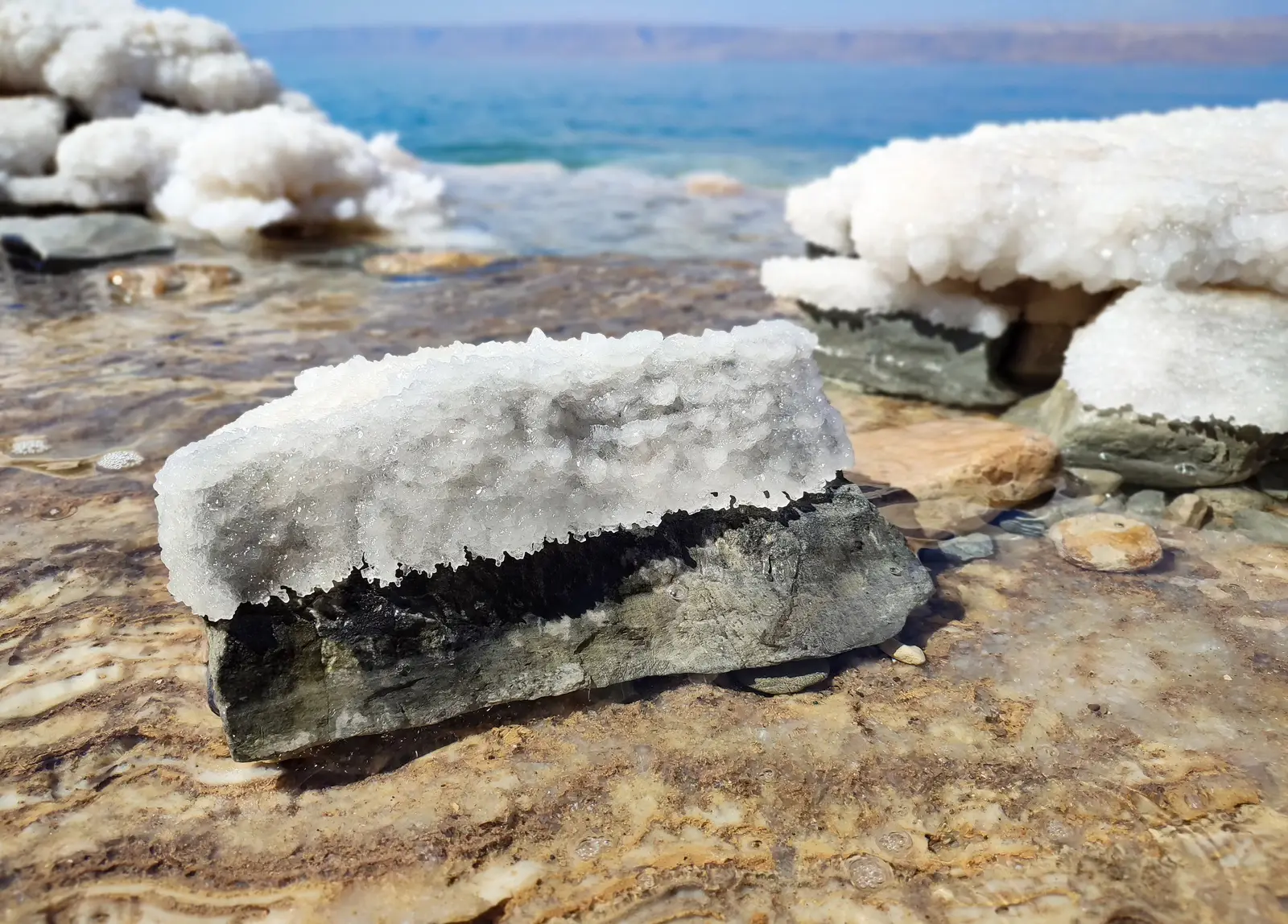
Lot's Wife, the Pillar of Salt and the Cave Above the Dead Sea
On the shores of the Dead Sea, the land itself seems to be made of salt. White crusts cover the rocks, and strange pillars rise from the hills. It is no surprise that one of the oldest stories of this region is about a woman who turned into salt.
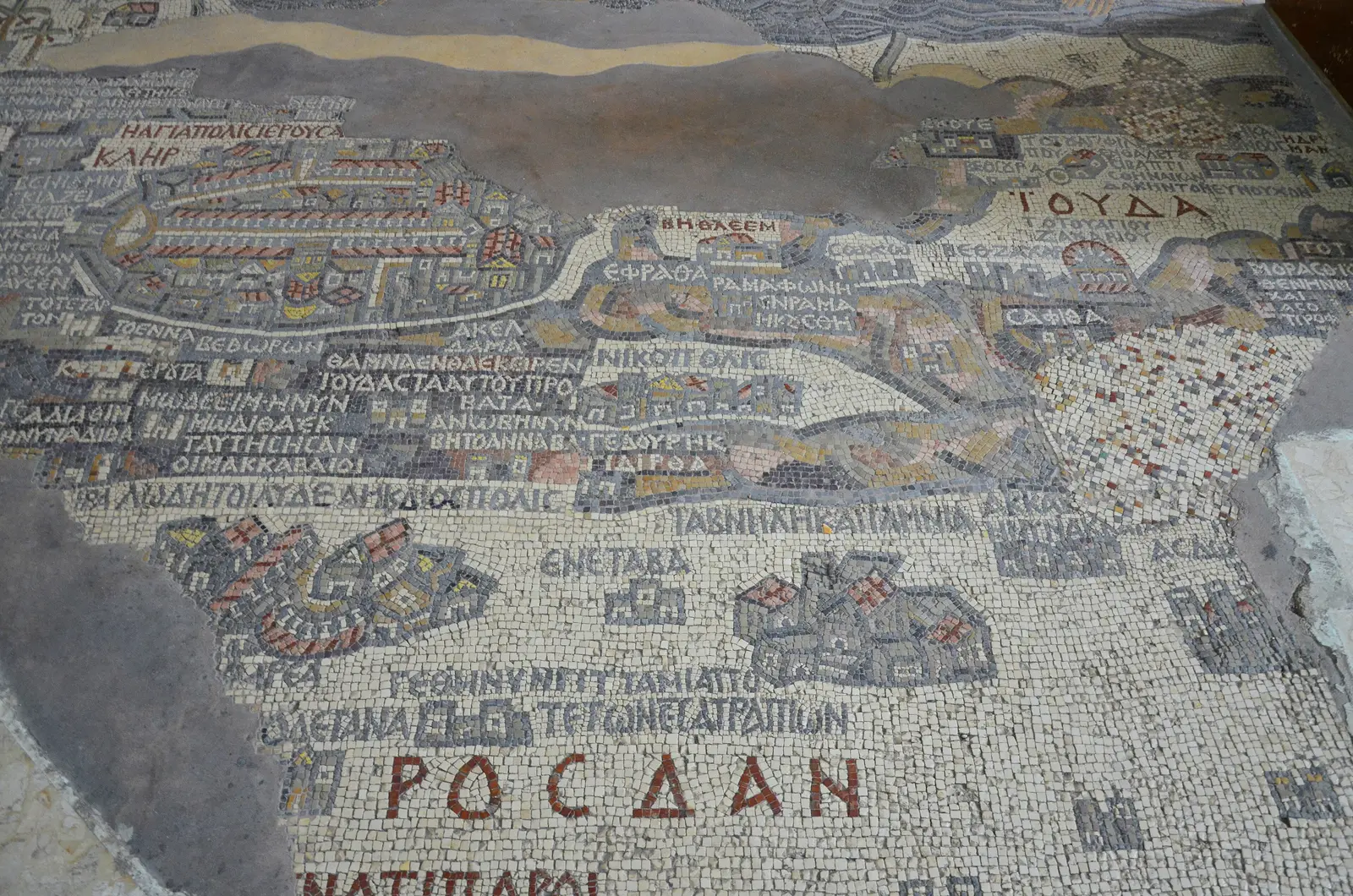
The Madaba Mosaic Map: The Oldest Map of the Holy Land Found Under a Church Floor
In a quiet church in the centre of Madaba, visitors gather around a floor. Beneath their feet lies a map made of tiny stones, laid by craftsmen around 1,450 years ago. It shows rivers with fish, boats on a salty sea and a walled city with its streets and churches.
The Silent Faces of 'Ain Ghazal: Among the Oldest Statues of the Human Form
They stand quietly behind glass, with wide eyes outlined in black and calm, flat faces. They have no names and no inscriptions. Yet the statues of 'Ain Ghazal were made about 9,000 years ago, and they are among the oldest large figures of human beings ever found.
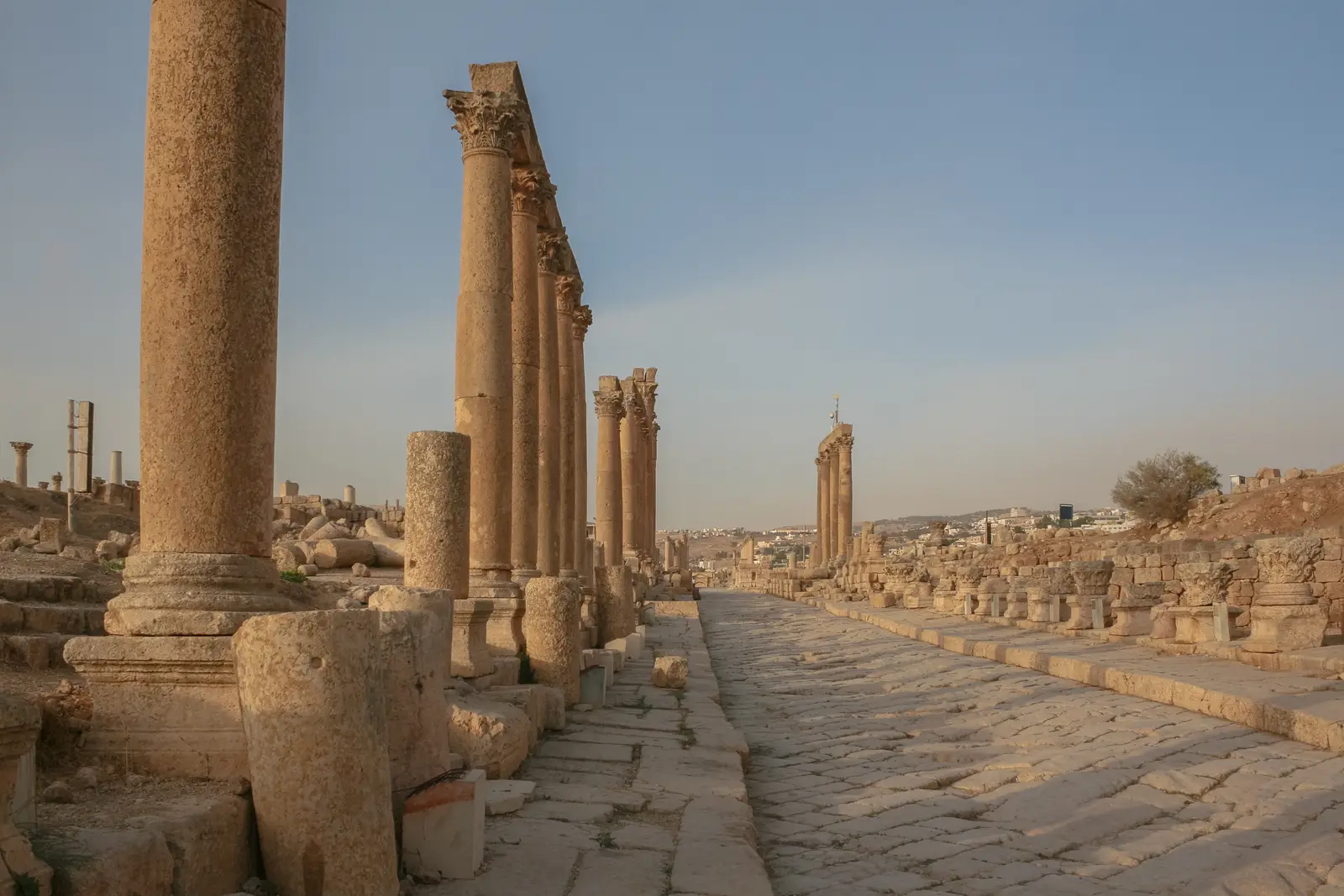
Jerash: The Roman City That Slept Under the Earth
For centuries, travellers passing through the green hills north of Amman saw only the tops of columns rising from fields and mounds of earth. Below them lay one of the best preserved Roman cities in the world, waiting to be uncovered.
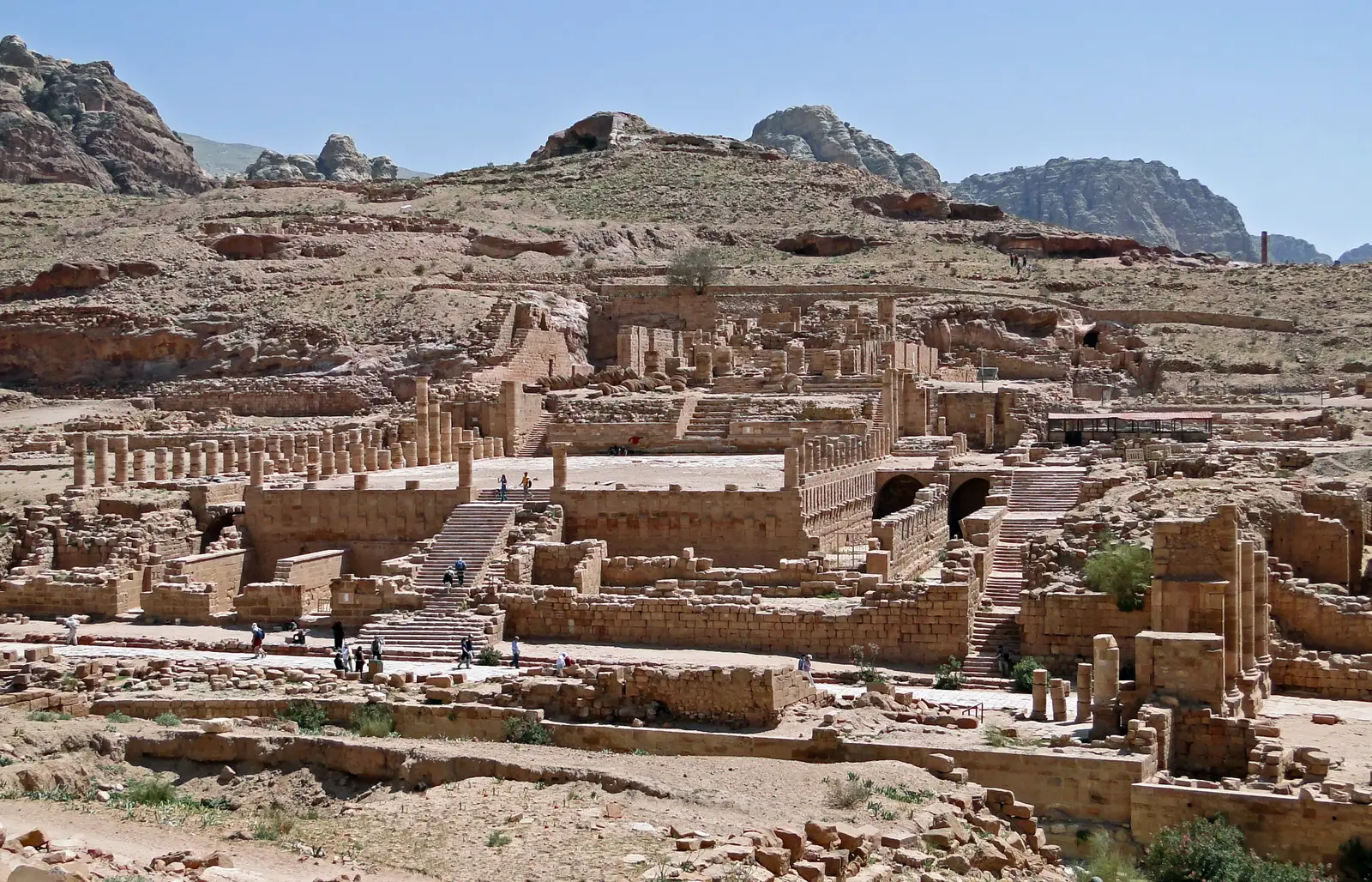
Masters of Water: How the Nabataeans Made the Desert Bloom
Most visitors come to Petra for its carved facades. But the greatest achievement of the Nabataeans may be something much easier to miss: a hidden network of water that allowed a thriving city to live in a land of very little rain.
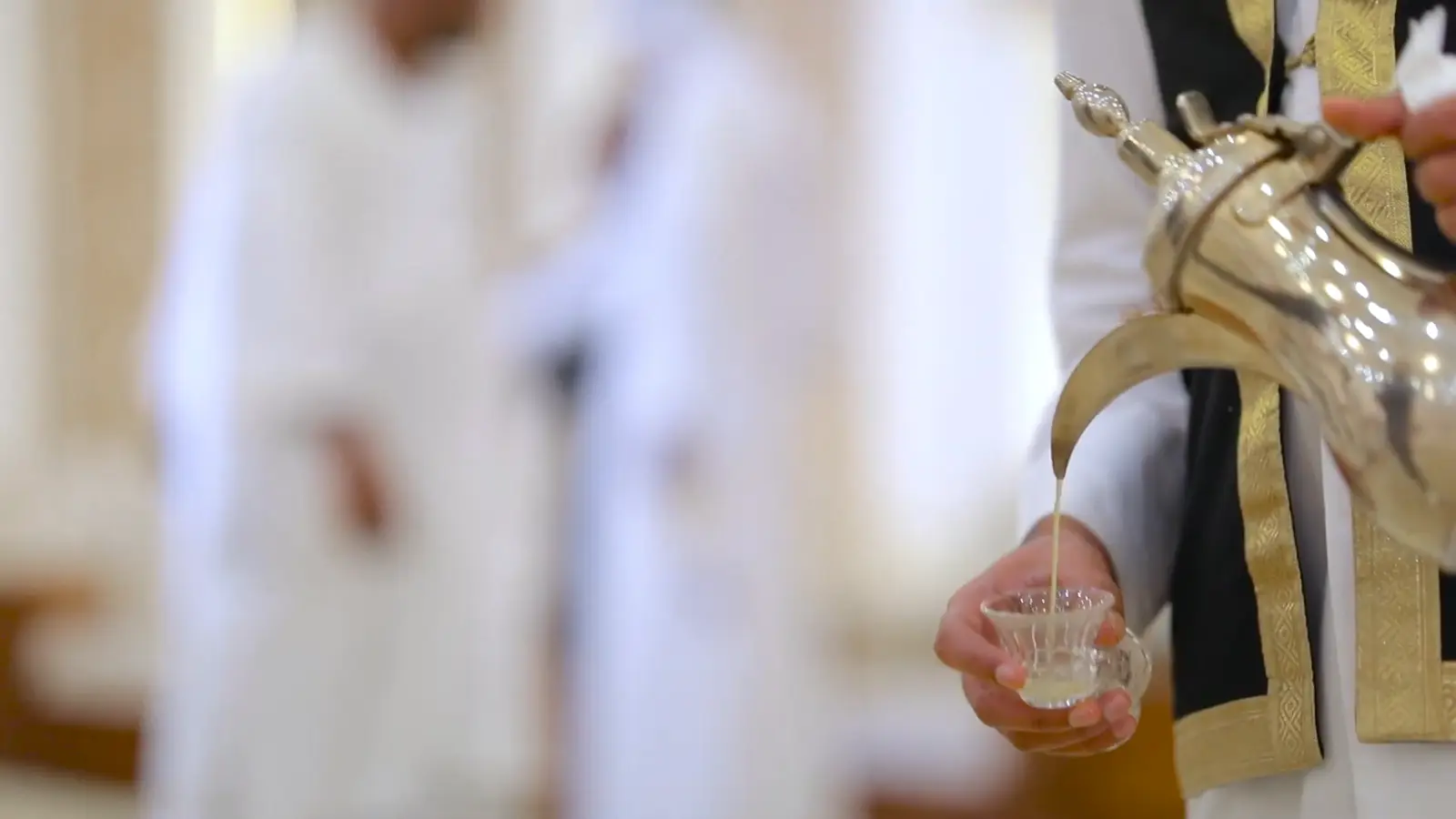
The Language of the Cup: Bedouin Coffee Rituals in Jordan
In a Bedouin tent, coffee is never just a drink. From the moment the beans are roasted over the fire to the small shake of the cup when you have had enough, every step is part of a quiet conversation about respect, welcome and trust.
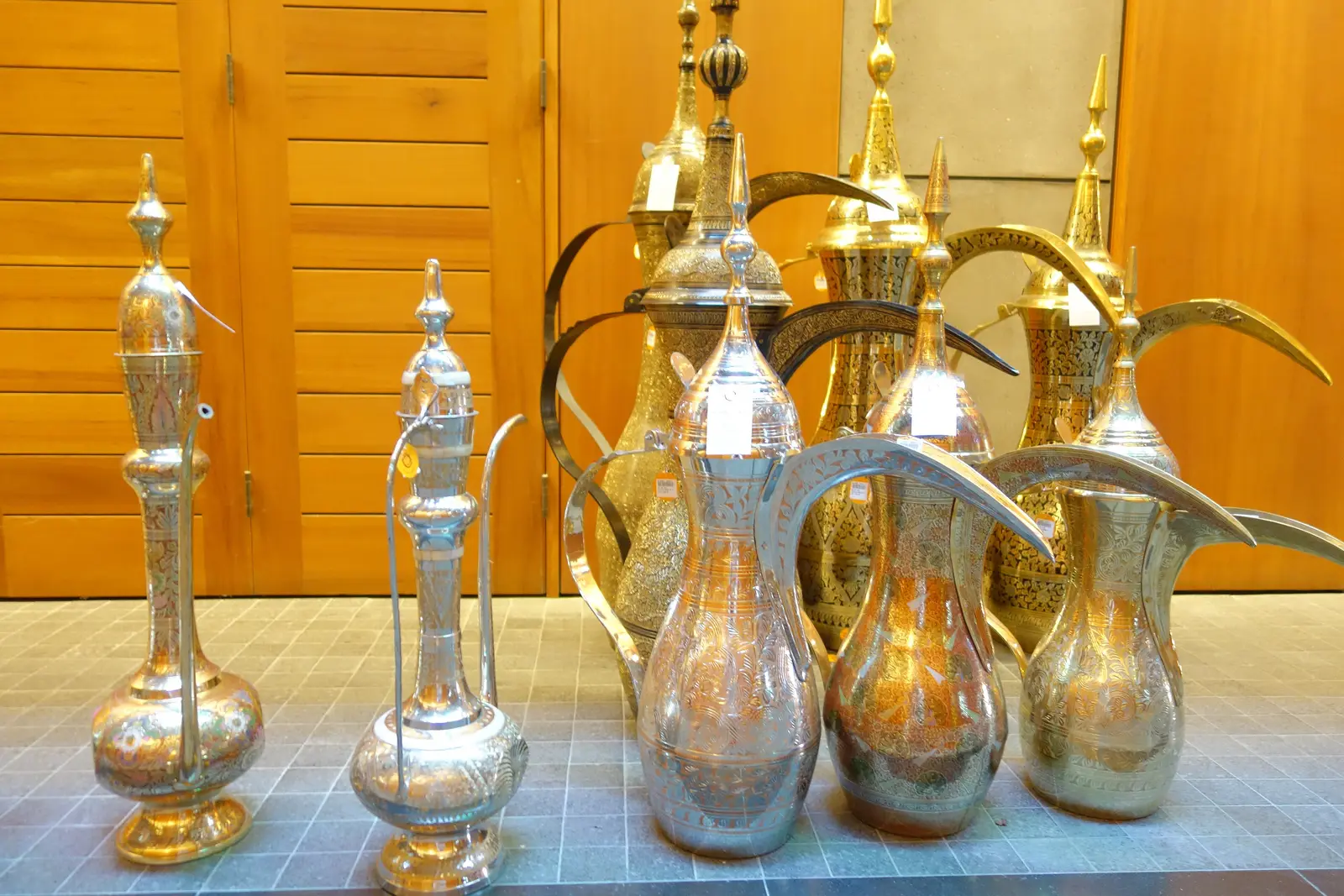
Three Days and a Third: The Bedouin Code of Hospitality
In the old desert, a traveller who reached a tent at nightfall did not need to knock or ask. He would be welcomed, fed and protected, often without even being asked his name. For three days, he was a guest, and that word carried the weight of law.
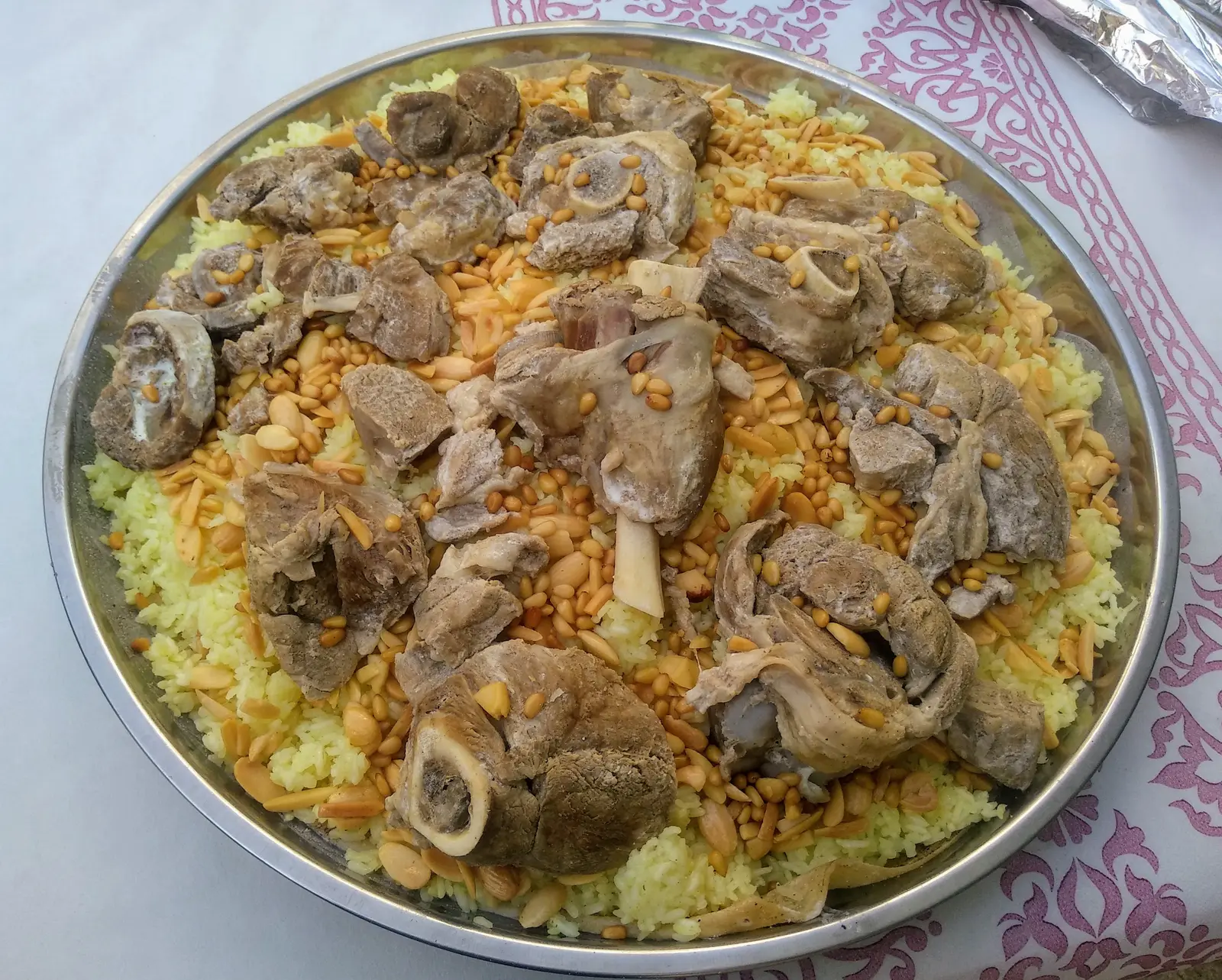
The Story of Mansaf: Jordan's Feast Around One Tray
When a Jordanian family wants to honour a guest, celebrate a wedding or bring people together after a quarrel, there is one dish that says everything: mansaf. It is not simply a meal. It is a ceremony served on a single great tray.
The Black Iris: The Dark Flower of Jordan's Spring
For a few short weeks each spring, on rocky hillsides of the Jordanian highlands, a flower opens that looks as if it were made of velvet and shadow. It is the black iris, Jordan's national flower, and finding one in the wild feels like discovering a secret.
Under the Desert Sky: Bedouin Star Lore in Wadi Rum
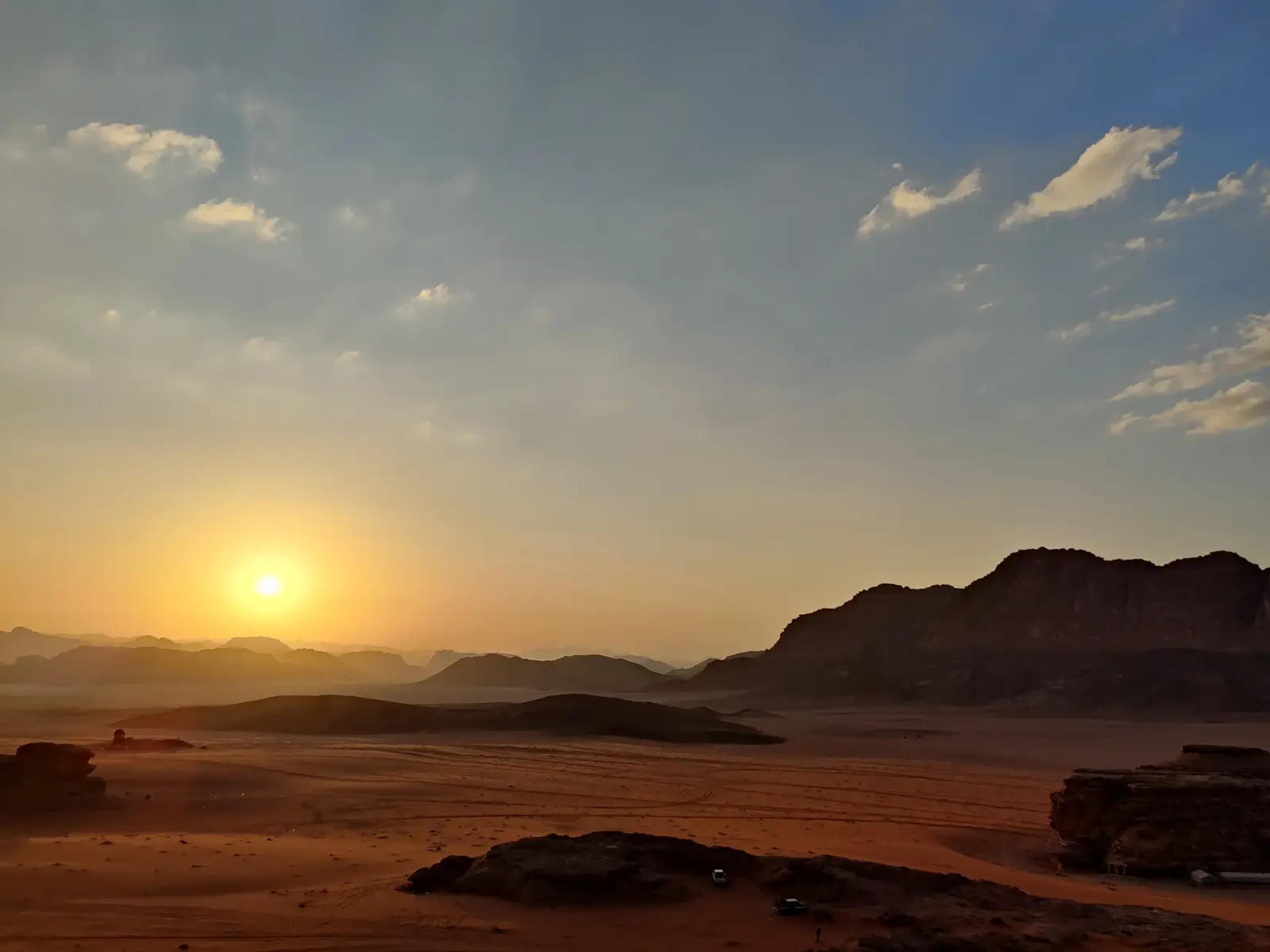
When the fire burns low in a Wadi Rum camp and your eyes adjust to the dark, the sky fills with more stars than most people have ever seen. For the Bedouin, this sky was never empty. It was a calendar, a compass and a book of stories.
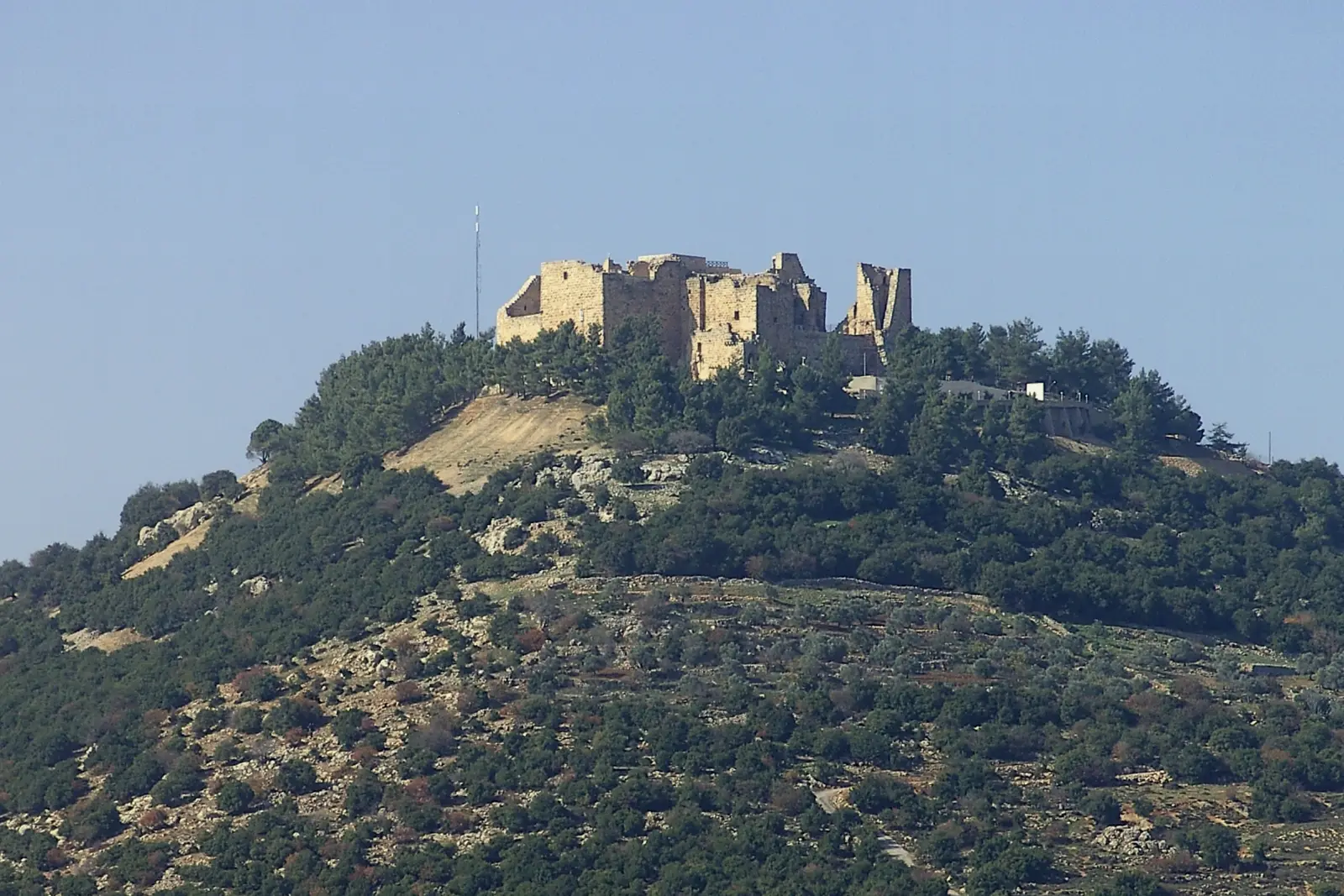
Fire on the Hilltop: Ajloun Castle, Beacon Fires and Messenger Pigeons
Picture a dark night in the hills of northern Jordan. On a distant summit, a fire suddenly flares. Moments later, from the towers of Ajloun Castle, an answering flame rises into the sky, and the message continues on its way faster than any rider could carry it.
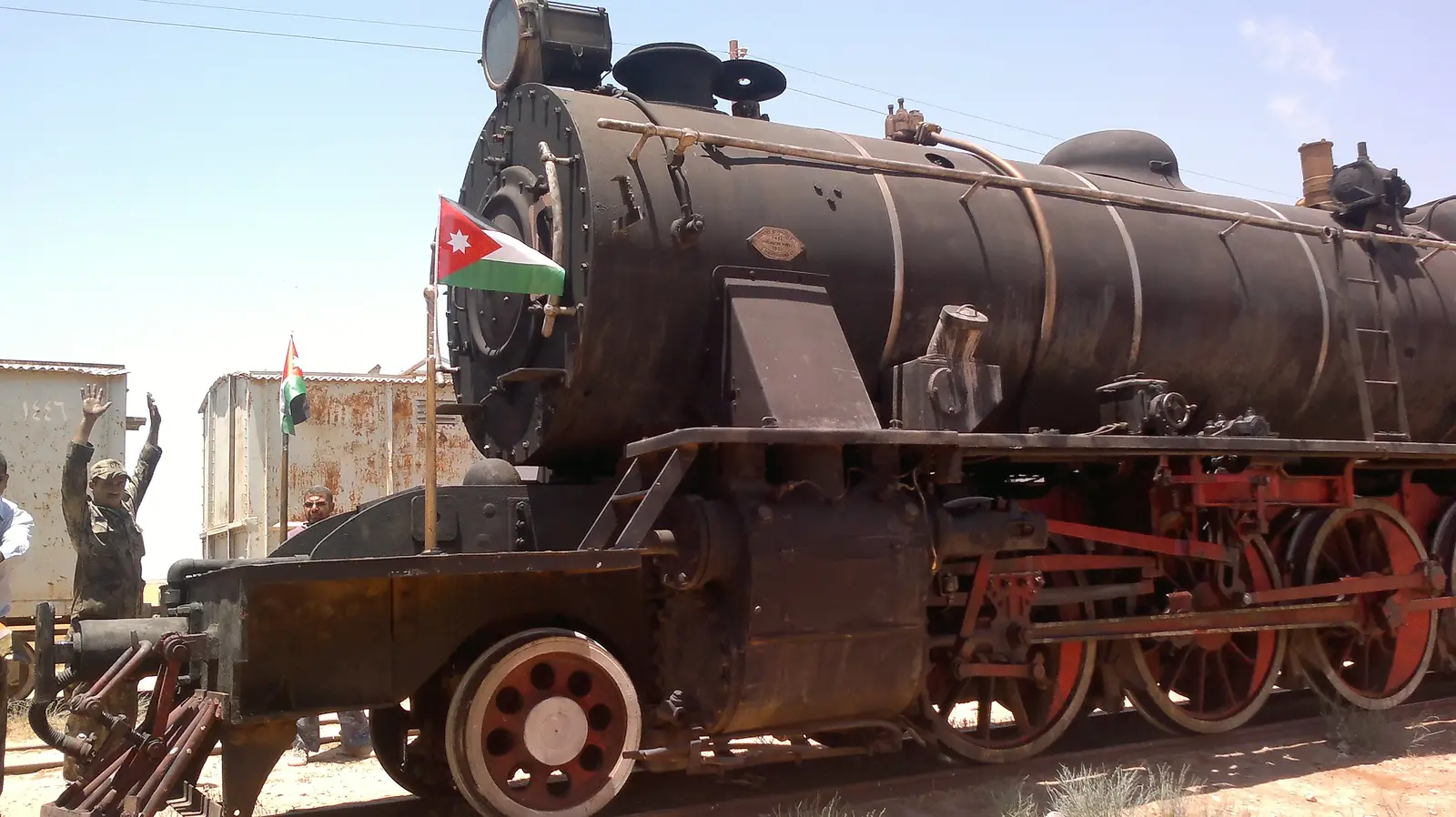
The Hejaz Railway: The Steam Train That Crossed the Desert
At the beginning of the twentieth century, a line of iron rails began to stretch south through the desert, carrying the sound of steam engines to places that had known only the footsteps of camels. The Hejaz Railway was one of the great engineering adventures of its time.
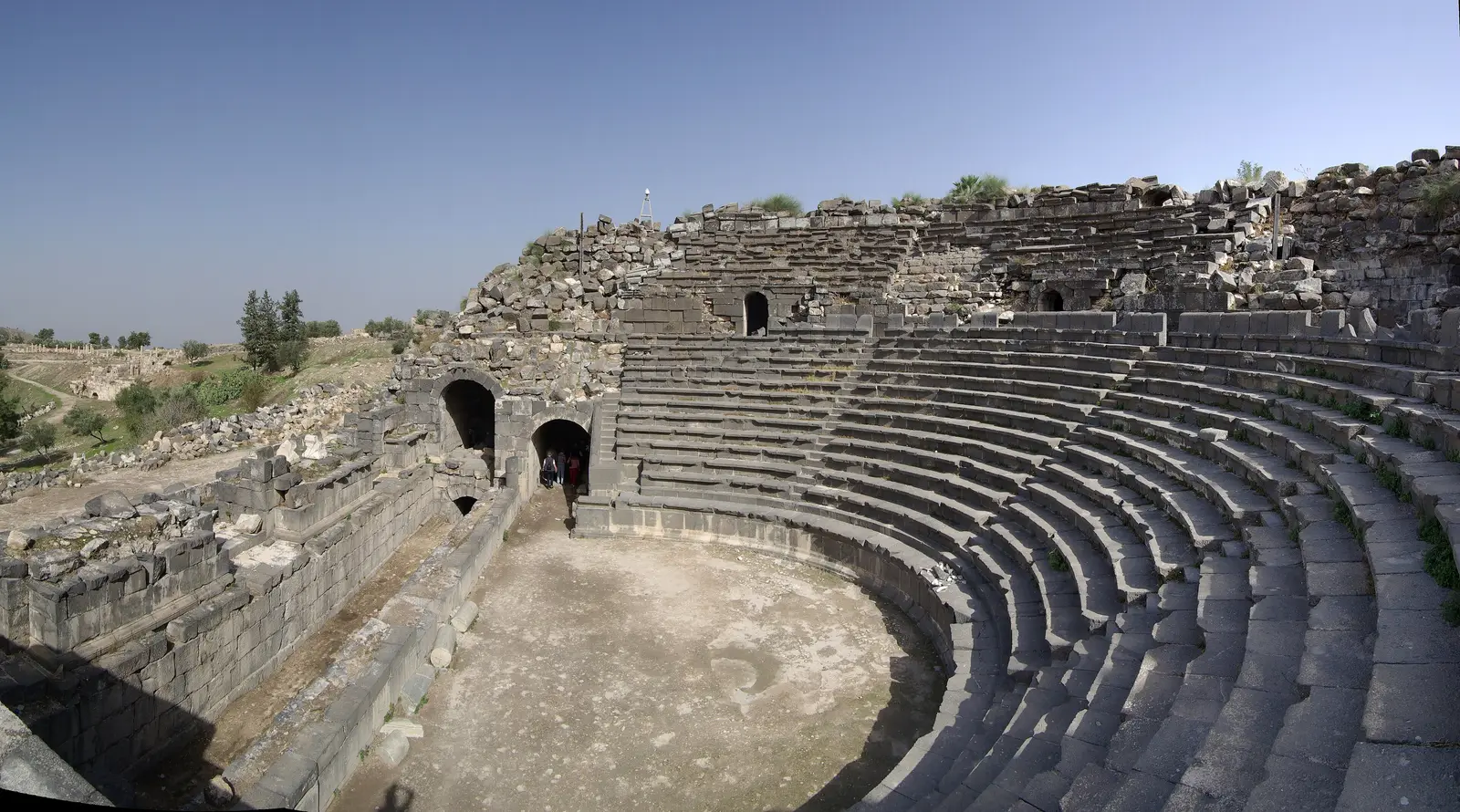
Gadara: The City of Poets and Philosophers at Umm Qais
On a hilltop in the far north of Jordan, among black basalt columns and olive trees, there once lived a remarkable number of writers and thinkers. Their city, Gadara, was so proud of its learning that one of its poets called it an Attic homeland, a little Athens in the East.
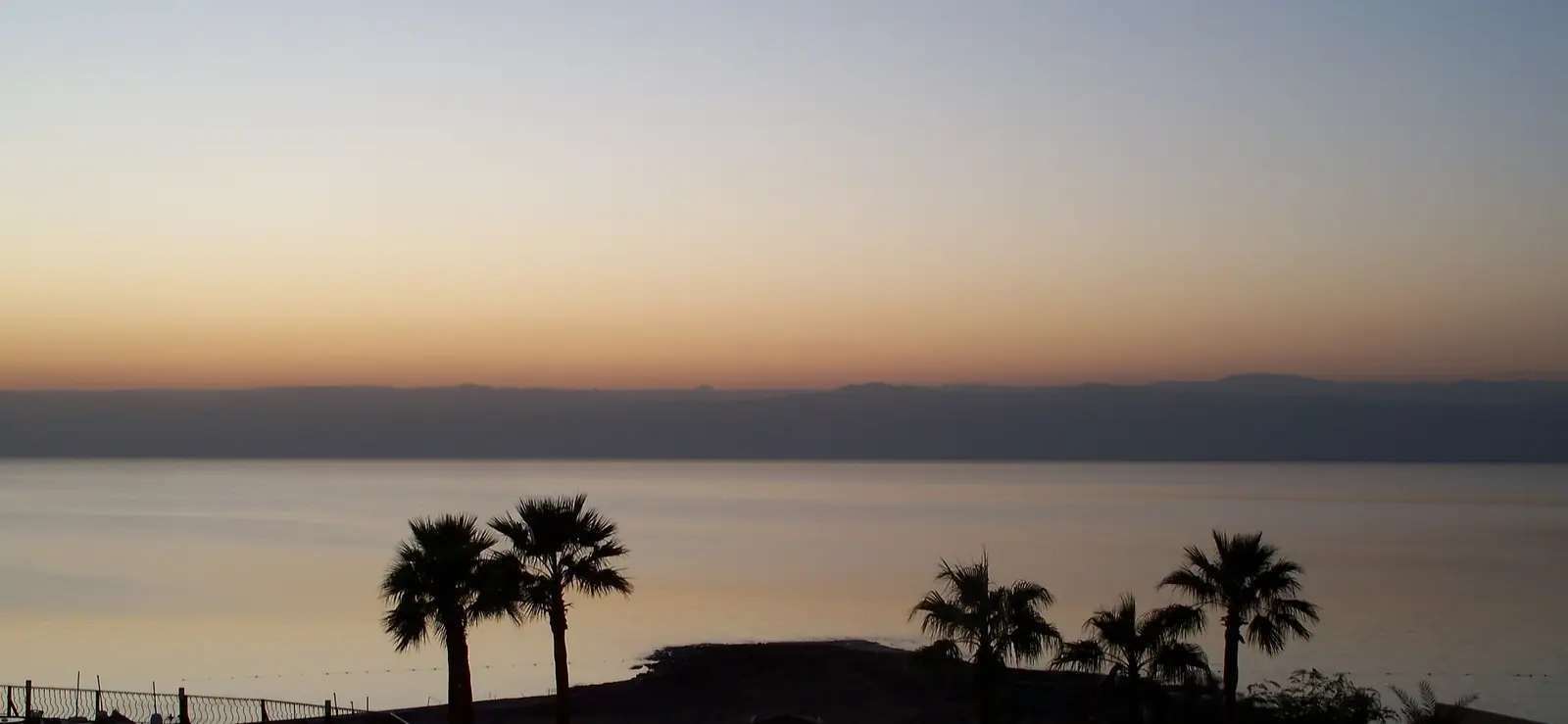
Machaerus and the Hot Springs: Herod's Fortress Above the Dead Sea
South of Madaba, the land falls away towards the Dead Sea in deep valleys and bare hills. On one isolated summit stand the ruins of a palace fortress where, according to an ancient historian, John the Baptist met his end. In the valleys nearby, hot water still pours from the rock.