Petra
Few moments in travel compare with the first glimpse of the Treasury glowing at the end of the Siq. Petra is a whole city cut into living rock: tombs, temples, stairways and water channels spread across a vast landscape of sandstone mountains. It rewards every hour you give it.
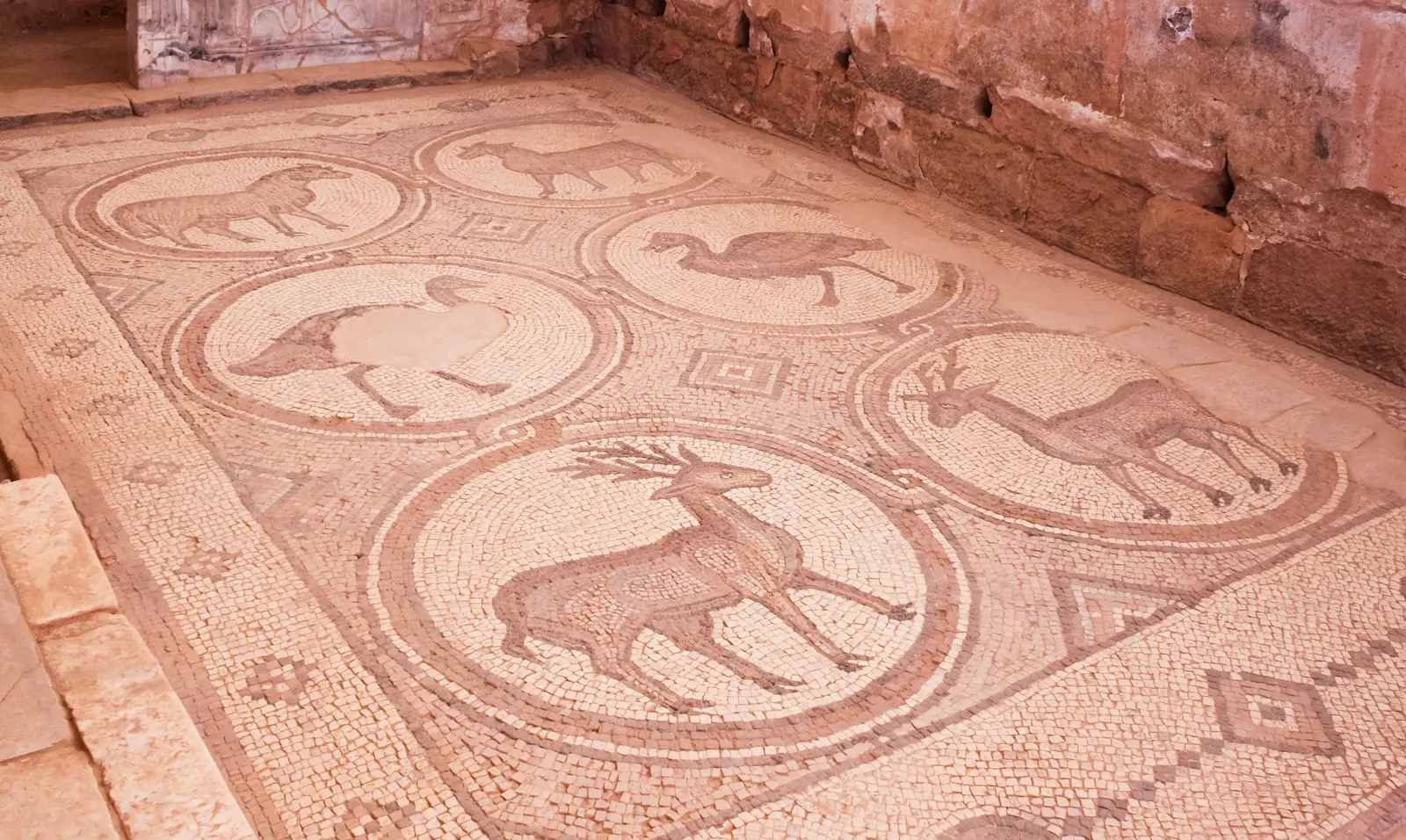
Petra was the capital of the Nabataeans, Arab traders who grew wealthy from the caravan routes that carried incense, spices and other precious goods between Arabia and the Mediterranean world. From around the fourth century BC they shaped this hidden valley into a thriving city, carving monumental facades directly into the cliffs and building dams, cisterns and channels to capture every drop of scarce rainfall. After Rome annexed the kingdom in 106 AD the city continued to flourish for a time, and Byzantine churches were added later. Always known to the local Bedouin, Petra became famous in Europe after the Swiss traveller Johann Ludwig Burckhardt reached it in 1812.
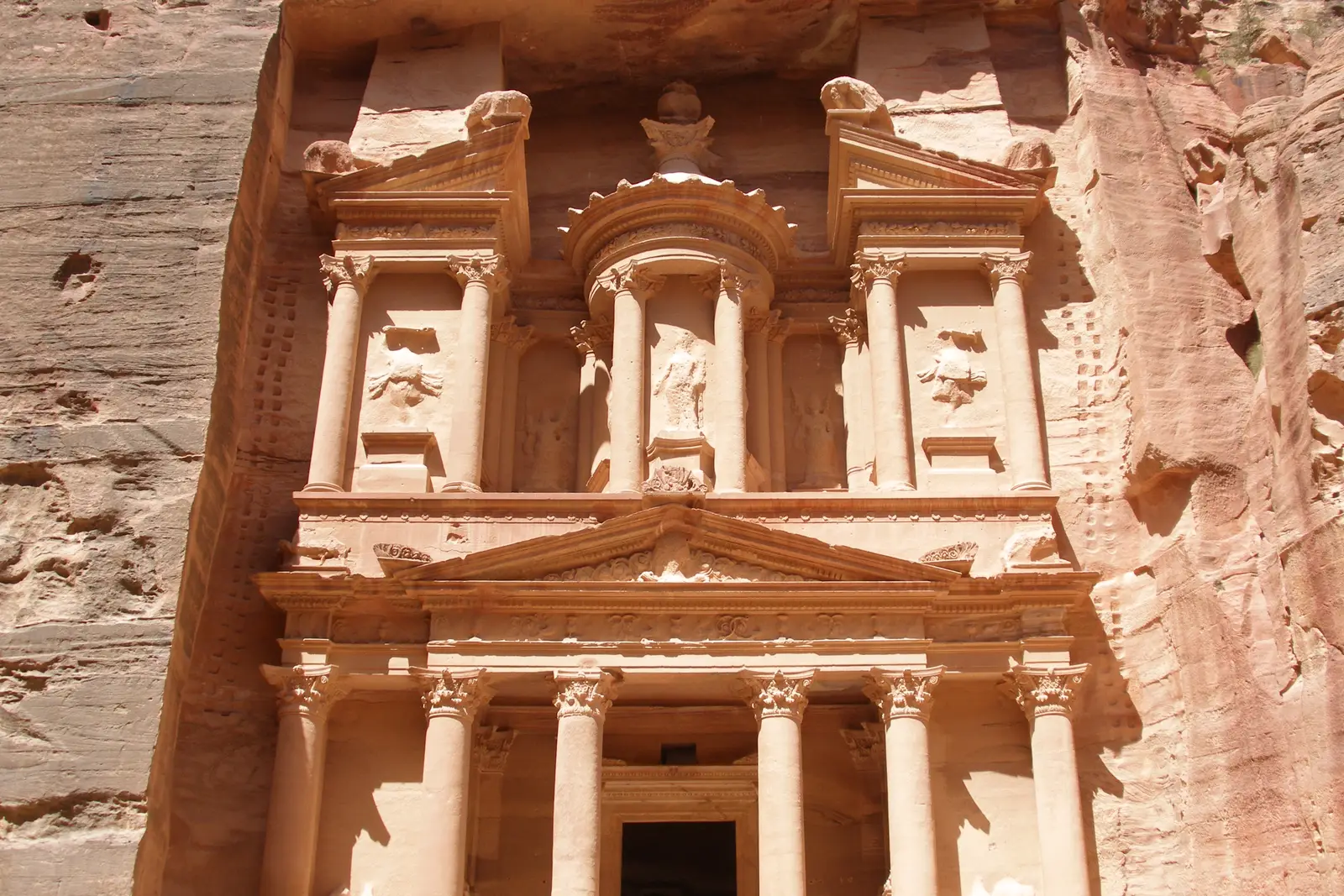
Most visits begin with the Siq, a winding gorge more than a kilometre long whose walls rise high overhead and in places almost touch. Along the way you pass carved niches, traces of ancient water channels and stretches of old paving. Then the gorge narrows one last time and Al-Khazneh, the Treasury, appears in a slice of light. Its elaborate facade, with columns, statues and a crowning urn, was most likely built as a royal tomb, and its colour shifts from pale pink to deep rose as the sun moves across the sky.
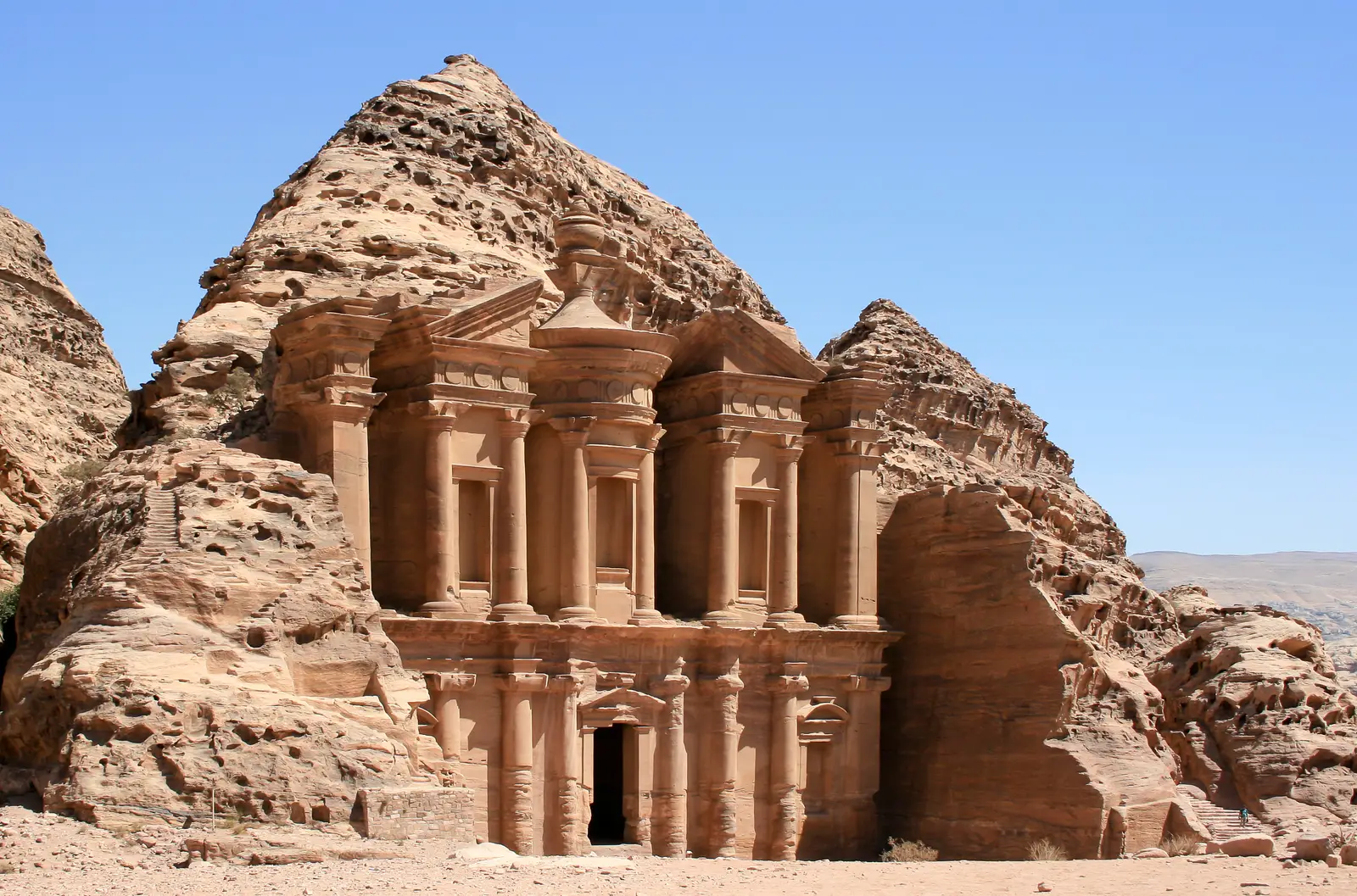
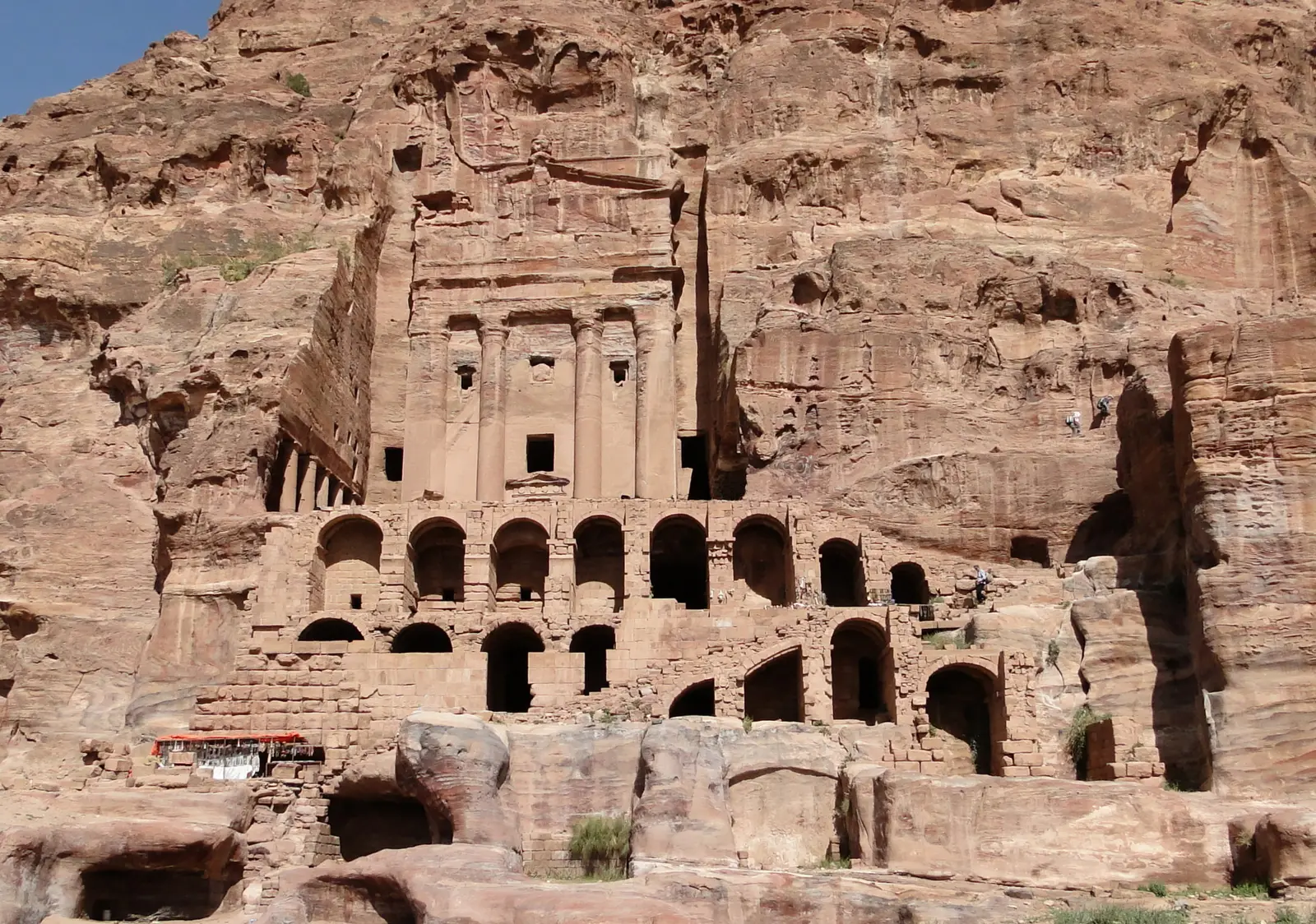
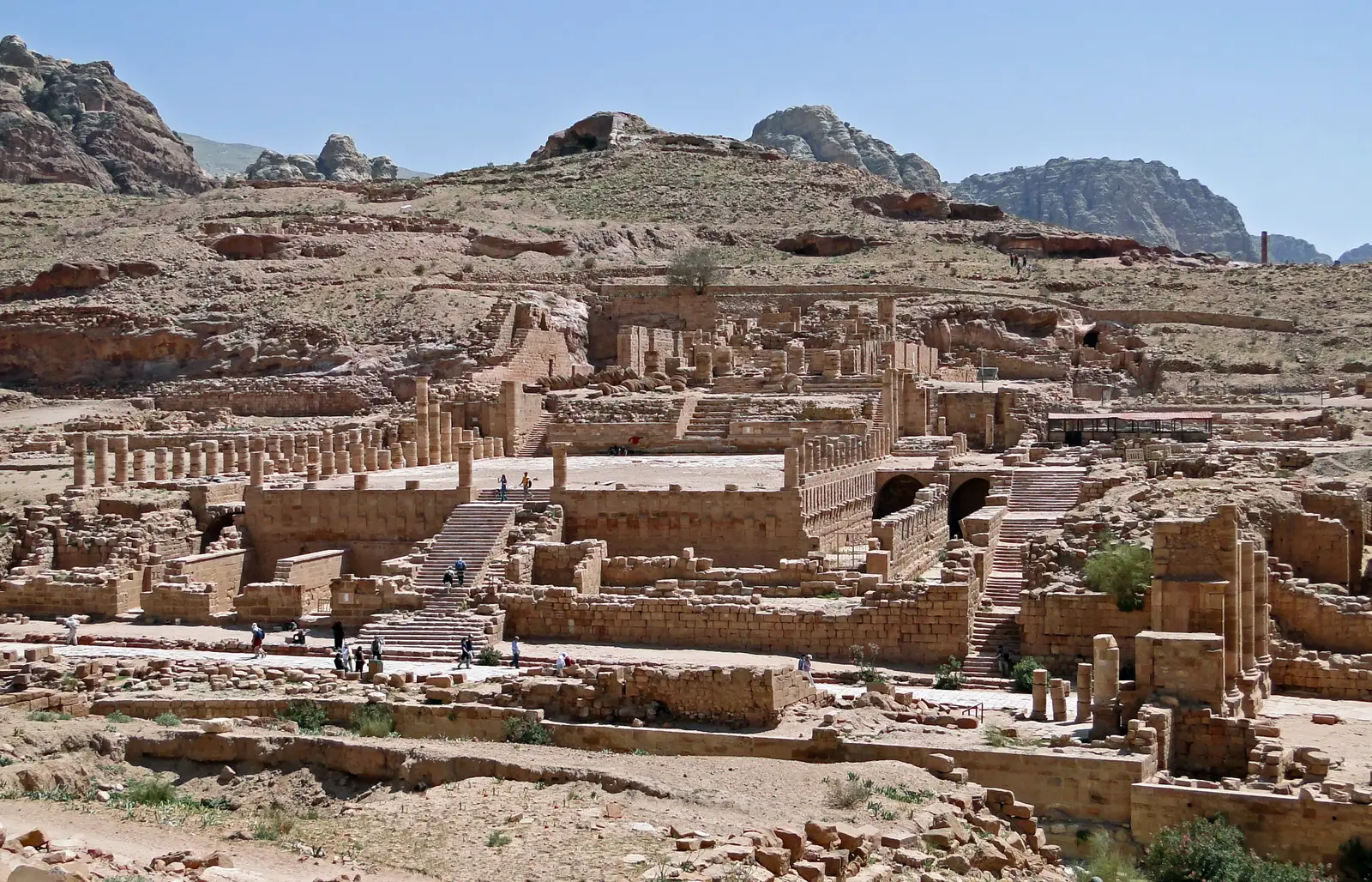
Beyond the Treasury the valley opens up. The Street of Facades leads to a theatre cut into the hillside, then to the Royal Tombs, a row of grand facades streaked with bands of red, ochre and violet stone. A colonnaded street runs through the old city centre past temples and market areas to Qasr al-Bint, one of the few freestanding buildings to survive. Further on, a long path of rock-cut steps climbs to Ad-Deir, the Monastery, an immense facade standing on a quiet plateau with wide views over the mountains.
Petra is best explored on foot and at an unhurried pace. Trails lead to the High Place of Sacrifice, to viewpoints above the Treasury and to remote tombs where you may meet no one but a passing goat herder. Bedouin families of the area offer tea, guiding and handmade crafts along the way. On selected evenings, Petra by Night lines the Siq with candles so you can see the Treasury by flickering light. Nearby, Little Petra, also called Siq al-Barid, offers a smaller and quieter taste of Nabataean carving.
Highlights
- 1Walking the Siq to the Treasury (Al-Khazneh)
- 2Climbing the rock-cut steps to the Monastery (Ad-Deir)
- 3The Royal Tombs and their swirling coloured sandstone
- 4The trail to the High Place of Sacrifice
- 5The Colonnaded Street and Qasr al-Bint
- 6Petra by Night, when the Siq is lit by candles
- 7Little Petra (Siq al-Barid), a short drive to the north
Gallery
Frequently asked questions
How many days do you need in Petra?
Two days is ideal for most visitors. On the first day you can walk the Siq to the Treasury, continue past the Street of Facades and the Royal Tombs to the city centre, and climb to the Monastery. A second day allows time for the High Place of Sacrifice, quieter trails and Little Petra. One long day covers the main highlights if you start early, while keen hikers often stay three days.
How do I get from Amman to Petra?
Petra is about 240 kilometres south of Amman, roughly three hours by car along the Desert Highway, or longer on the scenic King's Highway through Madaba, Karak and Tafilah. Tourist buses run daily from Amman to Wadi Musa, the town next to the site, and private drivers and organised tours are widely available. Petra is also about two hours from Aqaba and around one and a half hours from Wadi Rum.
Is Petra suitable for children?
Yes. Most children love Petra's canyons, caves and rock-cut tombs. The route from the entrance to the Treasury and the city centre is mostly a gentle downhill walk, but the return is uphill and the full distance is long. Strollers are difficult on sand and stones, so a child carrier is more practical. Bring water, snacks and sun hats, and plan regular rests in the shade.
What should I wear to Petra?
Wear comfortable walking shoes with good grip, because the paths are sandy, rocky and uneven. Dress in light layers: mornings can be cold, especially in winter, while afternoons are hot in summer. A hat, sunglasses and sunscreen are essential, and a light scarf helps against dust and sun. Clothing that covers shoulders and knees is respectful of local culture and also protects from the sun.
What is Petra by Night?
Petra by Night is an evening event held on selected nights, when the Siq and the square in front of the Treasury are lit by hundreds of candles, with traditional music and storytelling. Many visitors find it very atmospheric. It only covers the Siq and the Treasury, and it can be busy, so it complements rather than replaces a daytime visit. Check current dates and tickets on official sources.
How hard is the climb to the Monastery in Petra?
The Monastery, Ad-Deir, is reached by a rock-cut path of about 800 steps that starts near the city centre. At a steady pace the climb takes around 45 minutes to an hour each way, with places to rest along the route. It is tiring but suitable for most people in reasonable health. Go early in the morning or later in the afternoon to avoid the strongest heat.
Continue the journey
 02
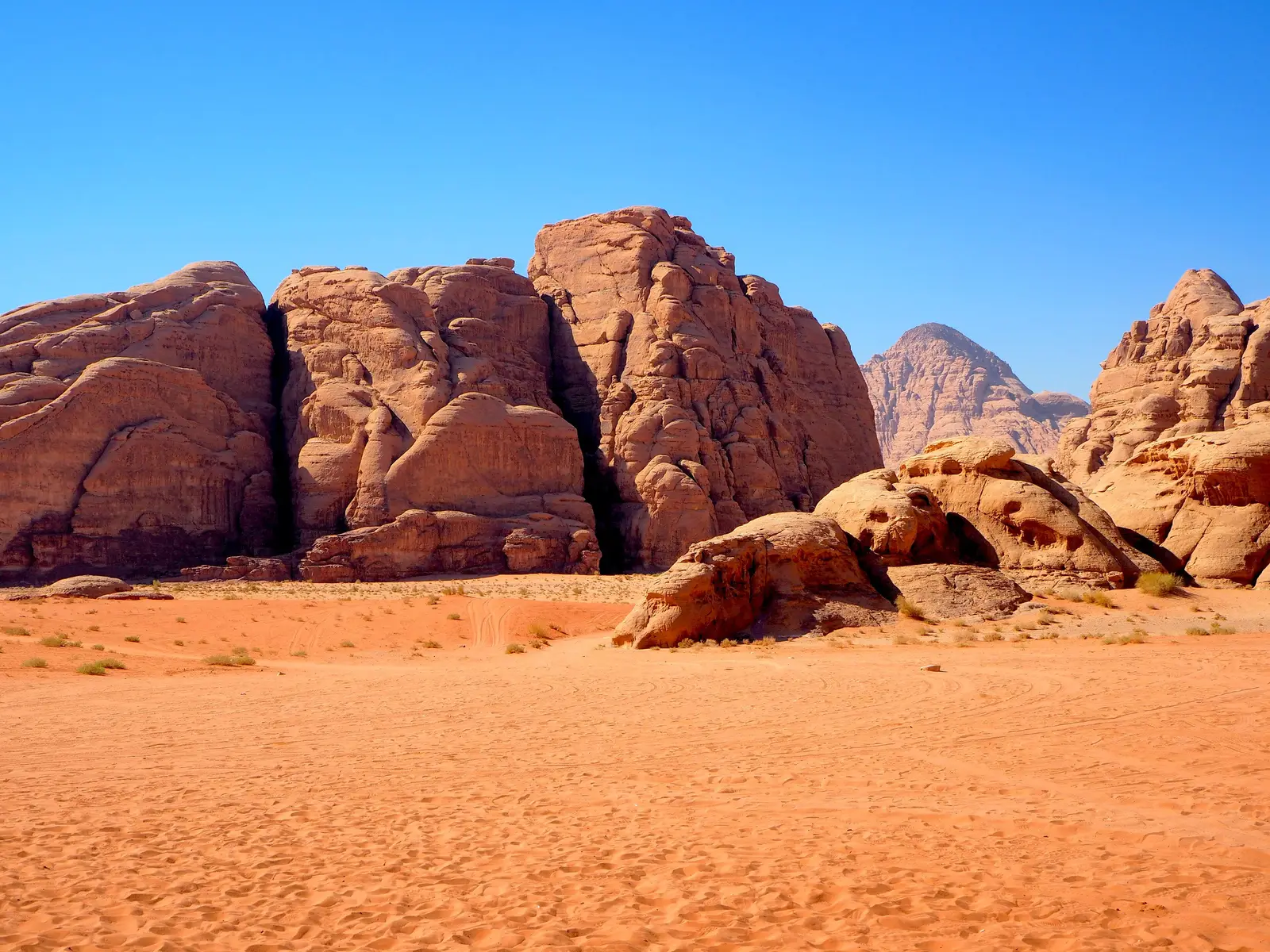
Wadi Rum
A vast desert of red sand, towering sandstone mountains and silent valleys, where Bedouin camps glow under brilliant stars.
 03
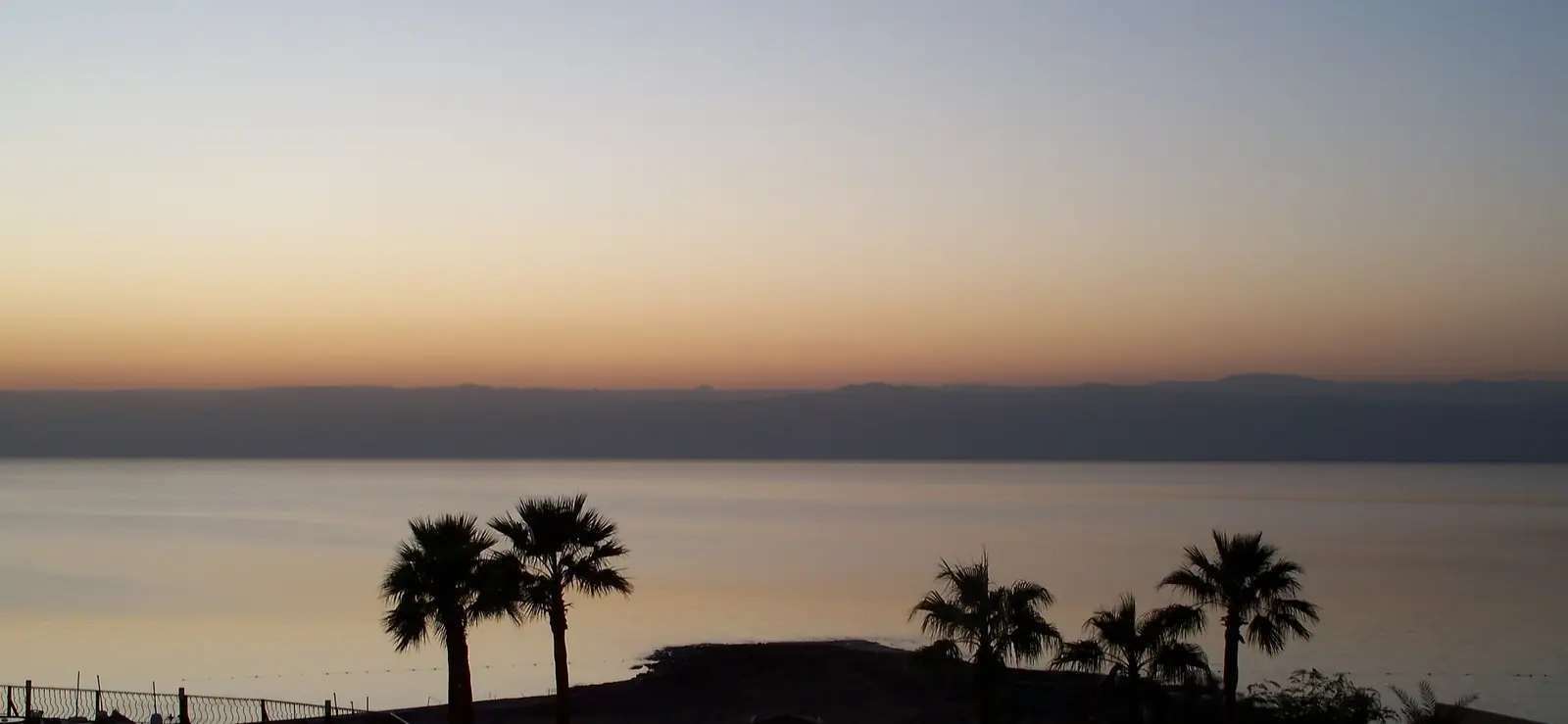
Dead Sea
Float effortlessly on mineral-rich water at the lowest point on land, framed by golden mountains and soft evening light.
 04
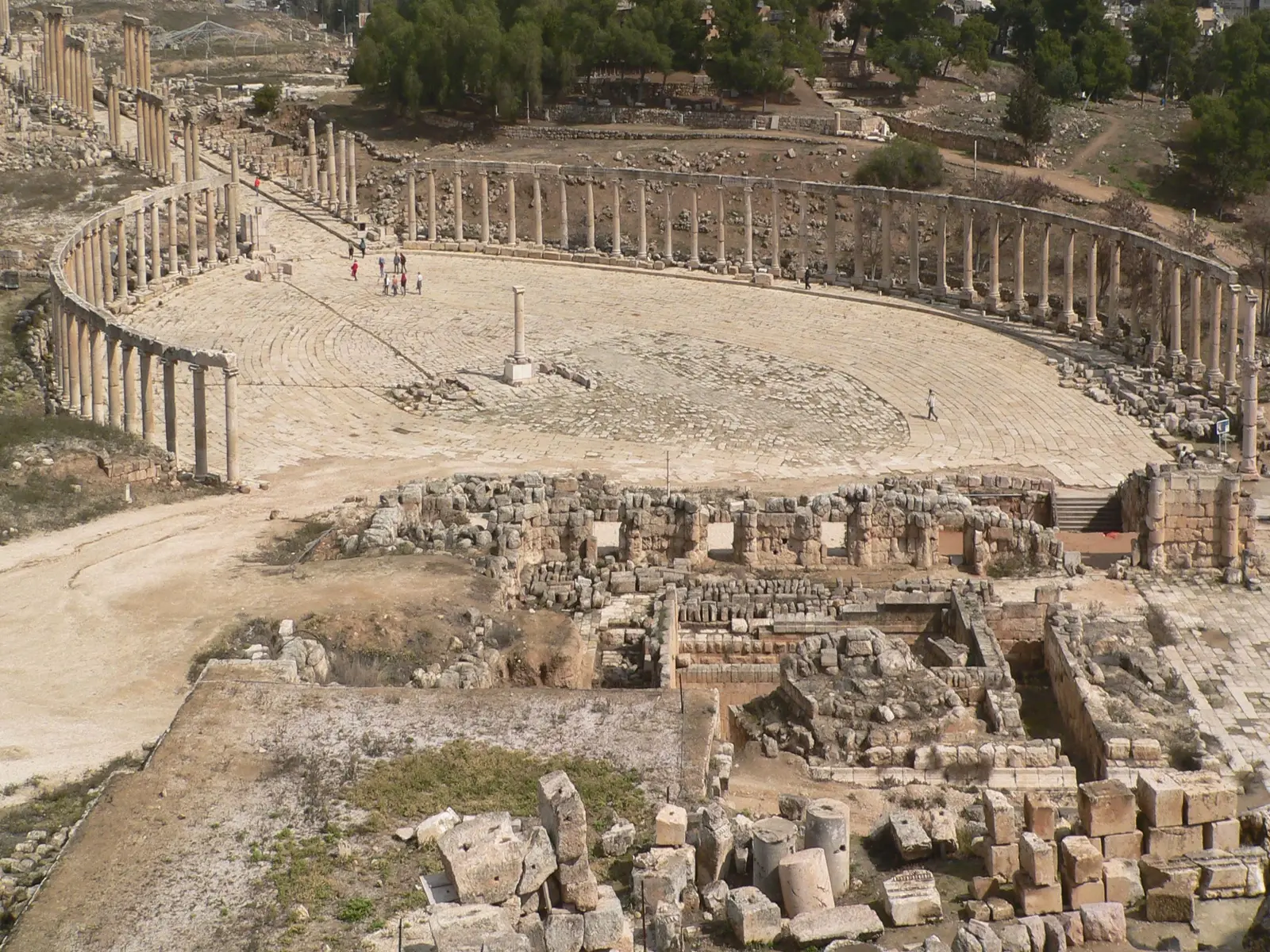
Jerash
One of the best-preserved Roman provincial cities anywhere, with colonnaded streets, grand temples and theatres among green hills.
 05
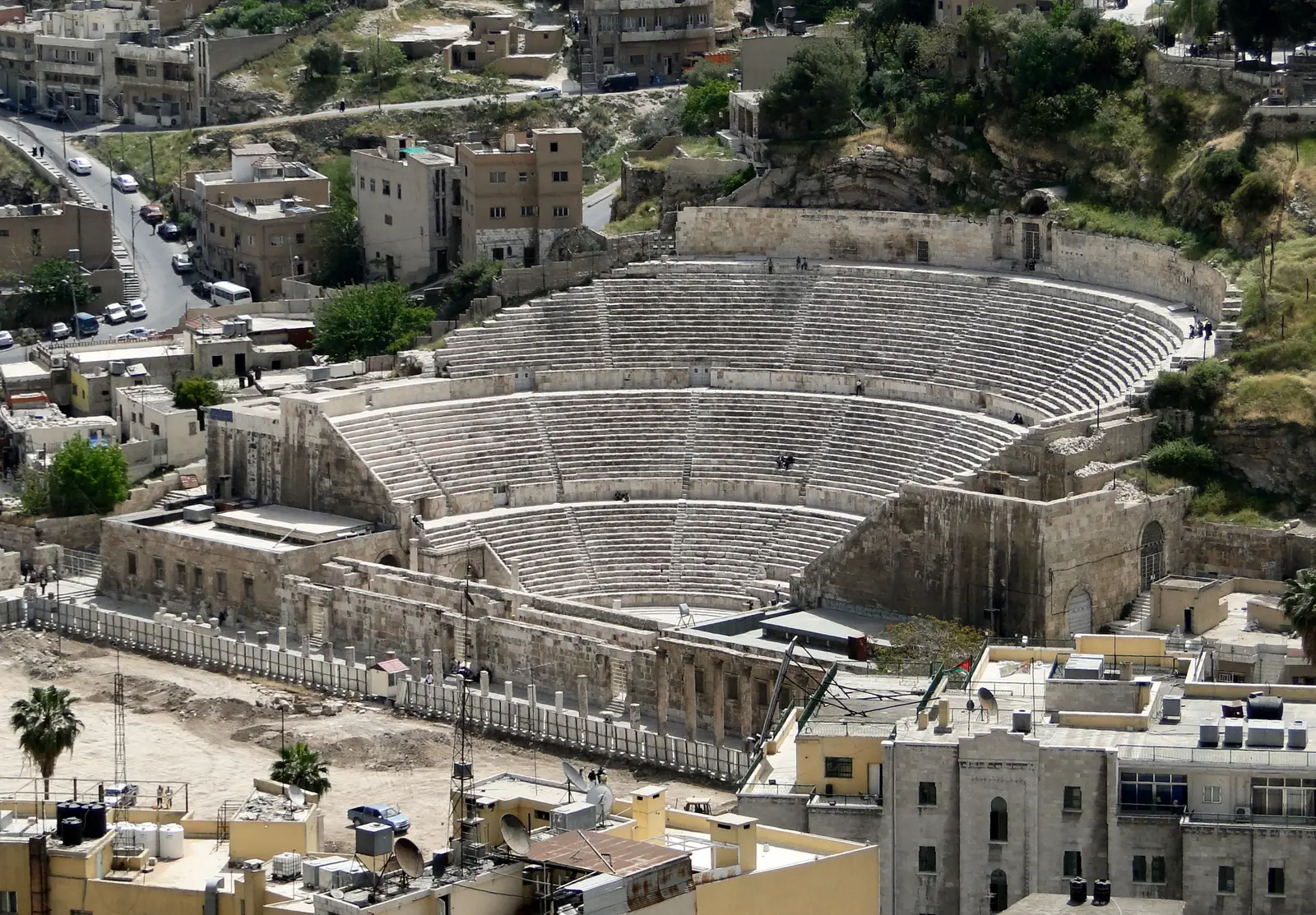
Amman
A city of white stone spread over hills, where Roman ruins, lively markets and modern cafes share the same streets.
 06
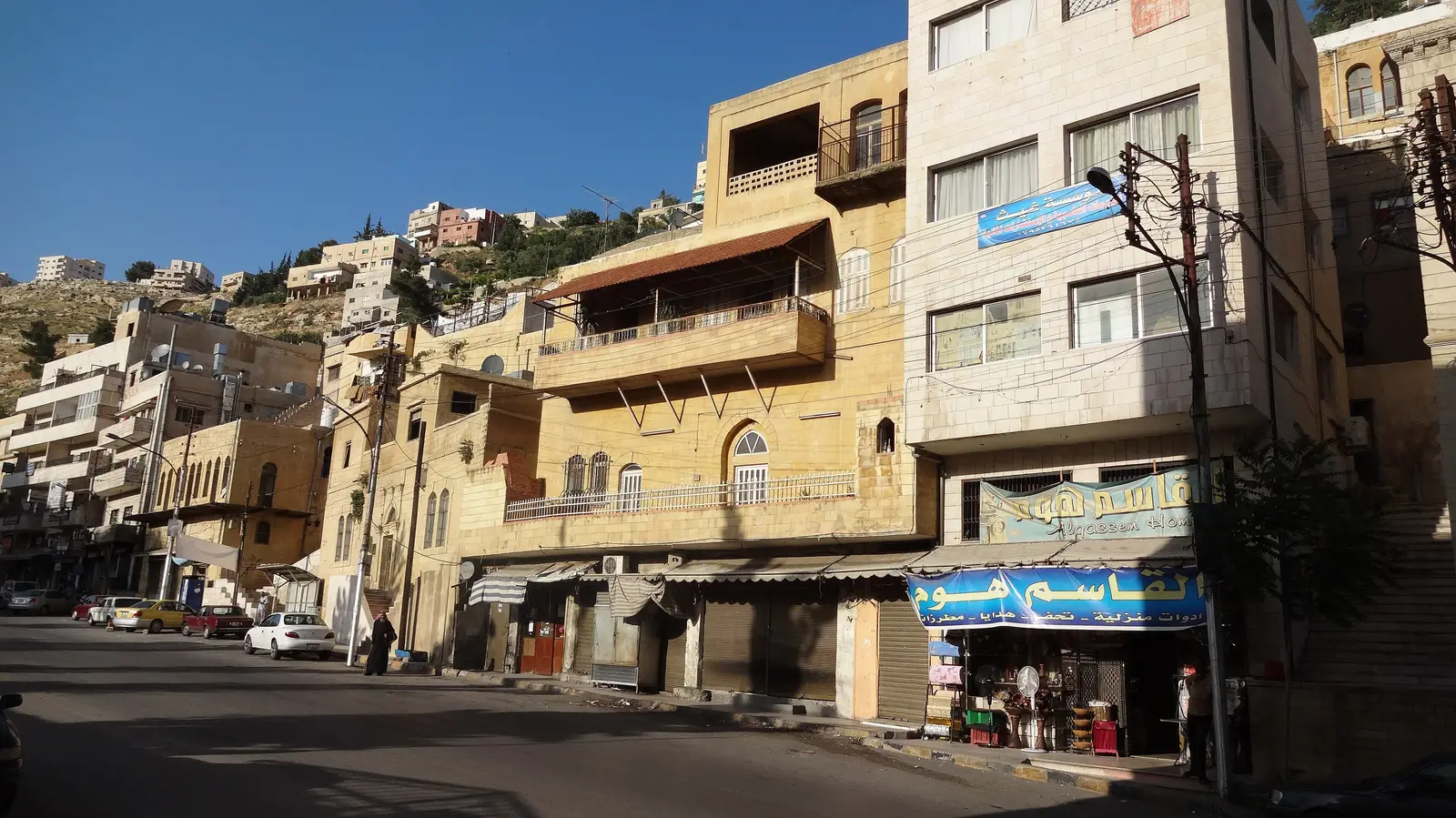
As-Salt
A hillside town of honey-coloured stone, celebrated by UNESCO for its long tradition of tolerance and warm hospitality.
 07
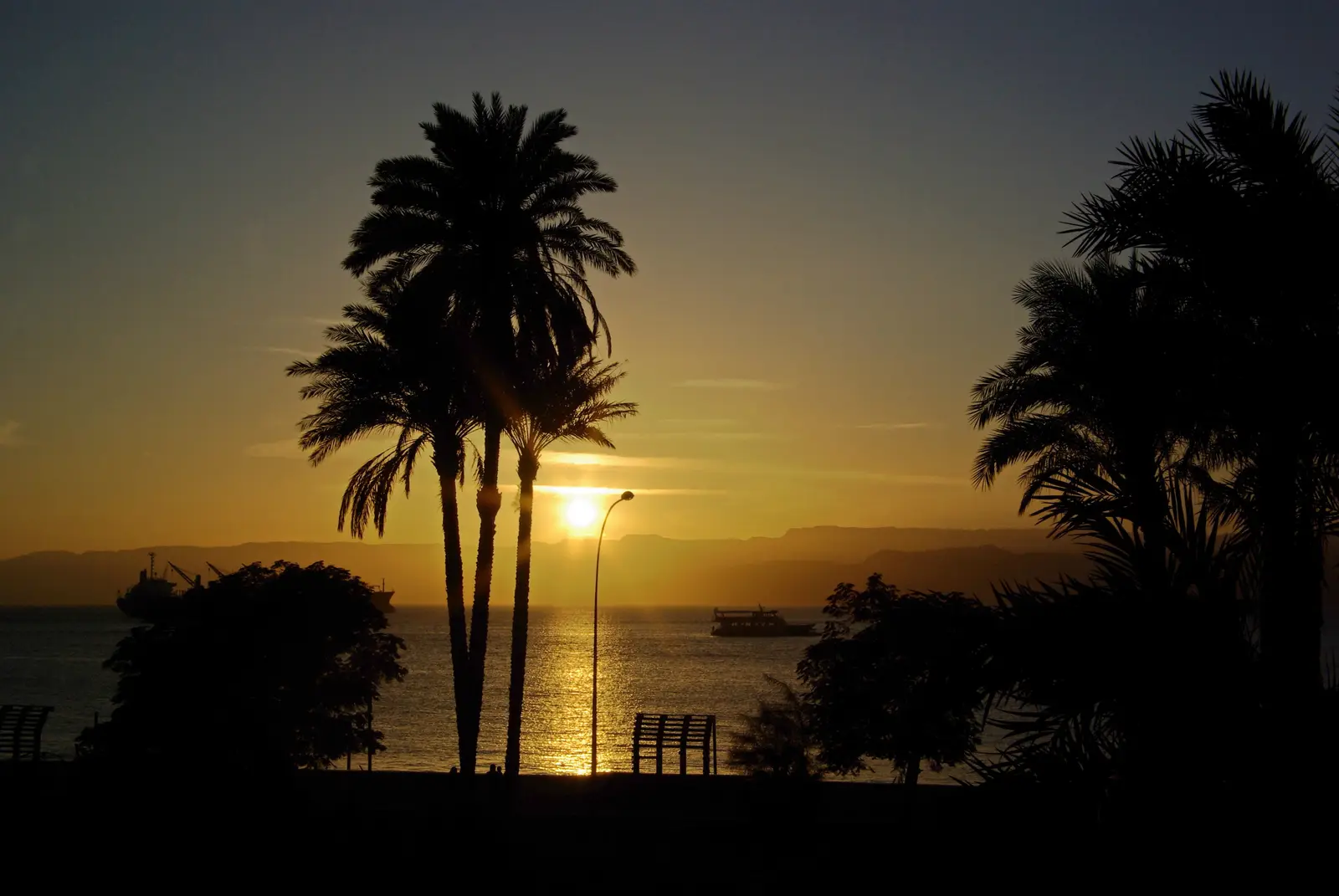
Aqaba
Jordan's only coastal city, where warm Red Sea waters hide vivid coral reefs just a few steps from the shore.
 08
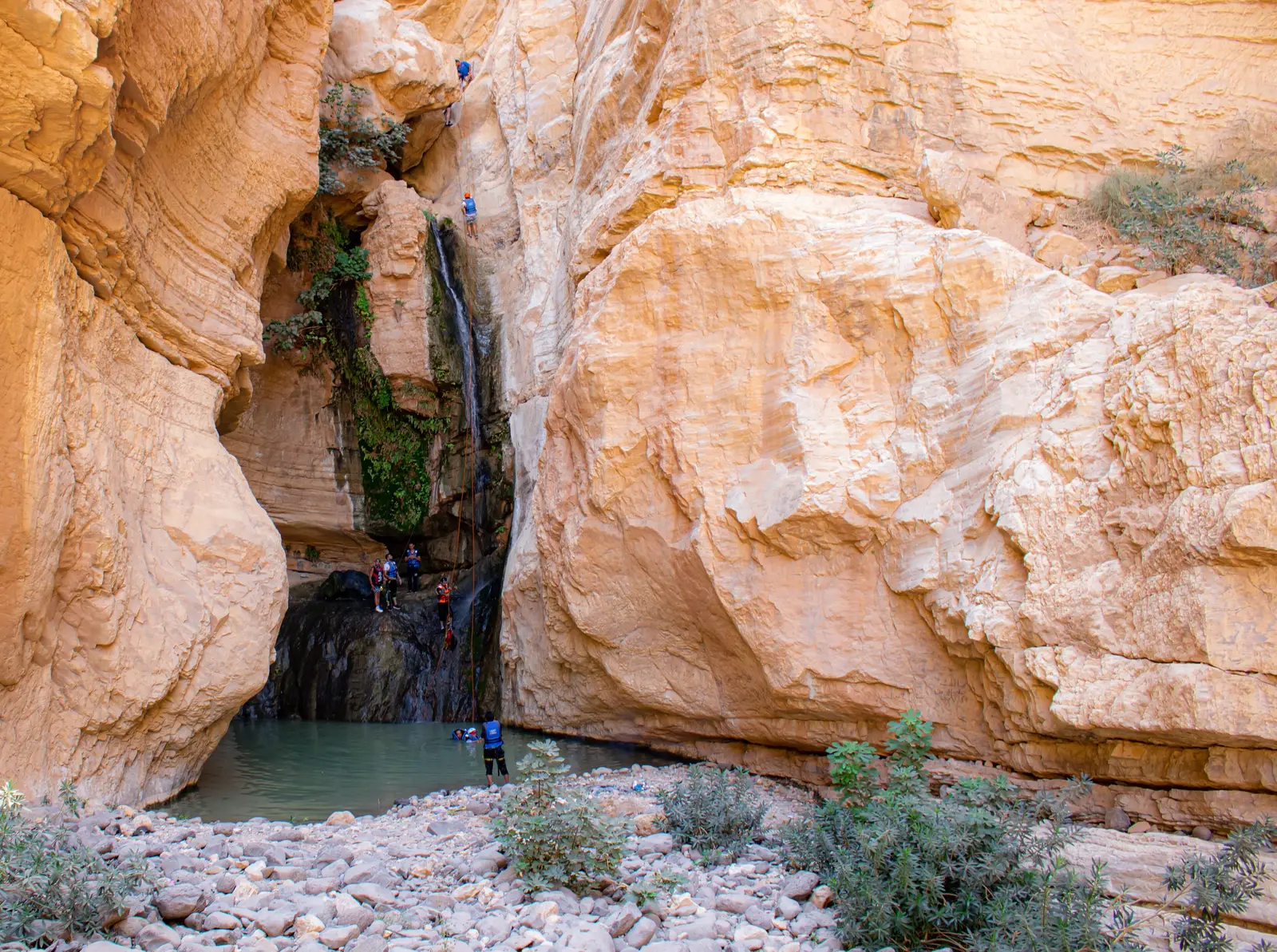
Wadi Mujib
Wade and swim through a towering sandstone gorge to a roaring waterfall in the lowest nature reserve on Earth.
 09
Dana
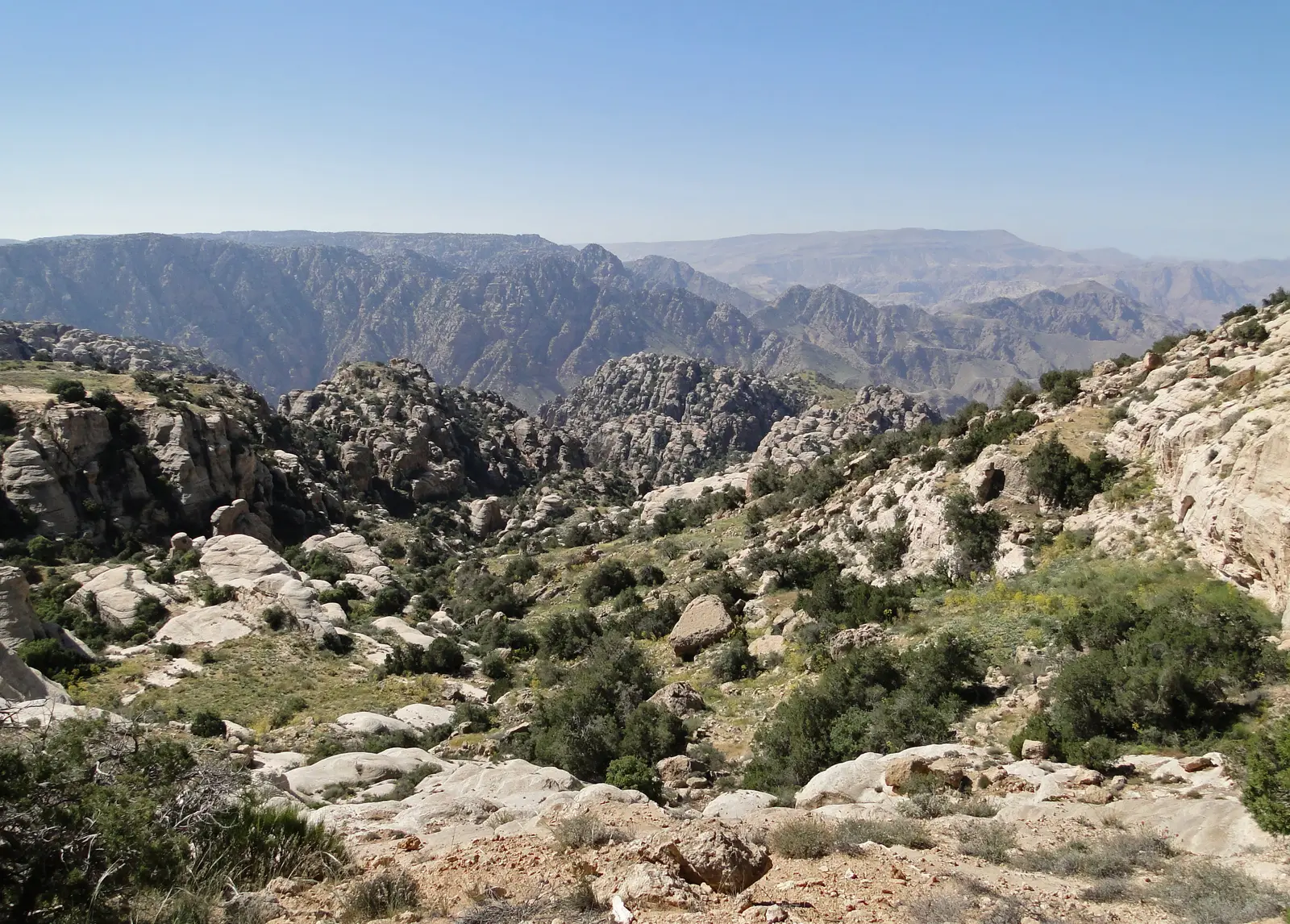
A stone village perched above a vast valley that falls from mountain cliffs to desert, rich in wildlife and silence.