Amman
Amman is a city of hills and stairways, of pale limestone houses glowing in the late sun and the call to prayer echoing between the valleys. Its story stretches back thousands of years, yet it feels young, friendly and full of energy. Most journeys through Jordan begin here, and it deserves more than a quick stop.
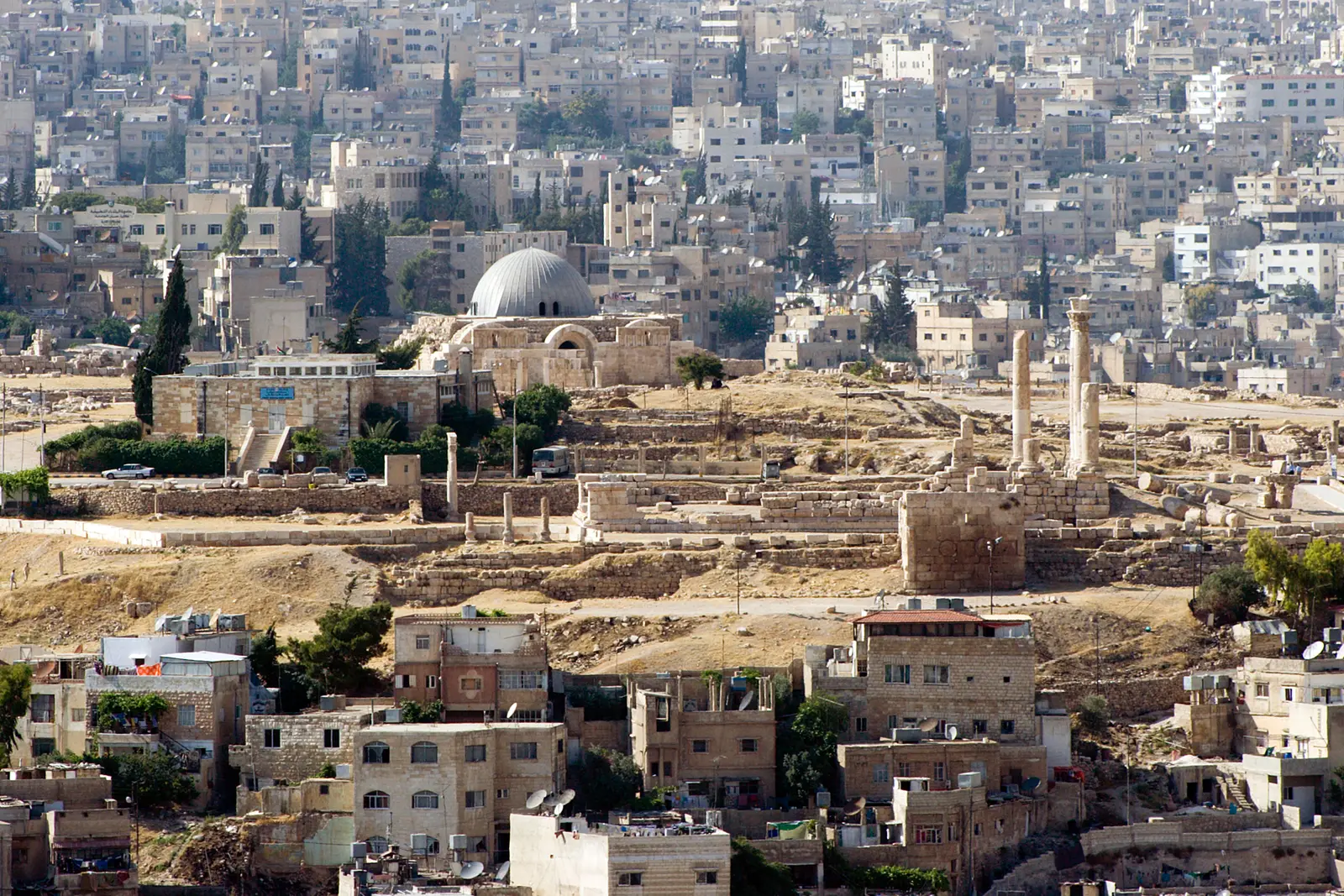
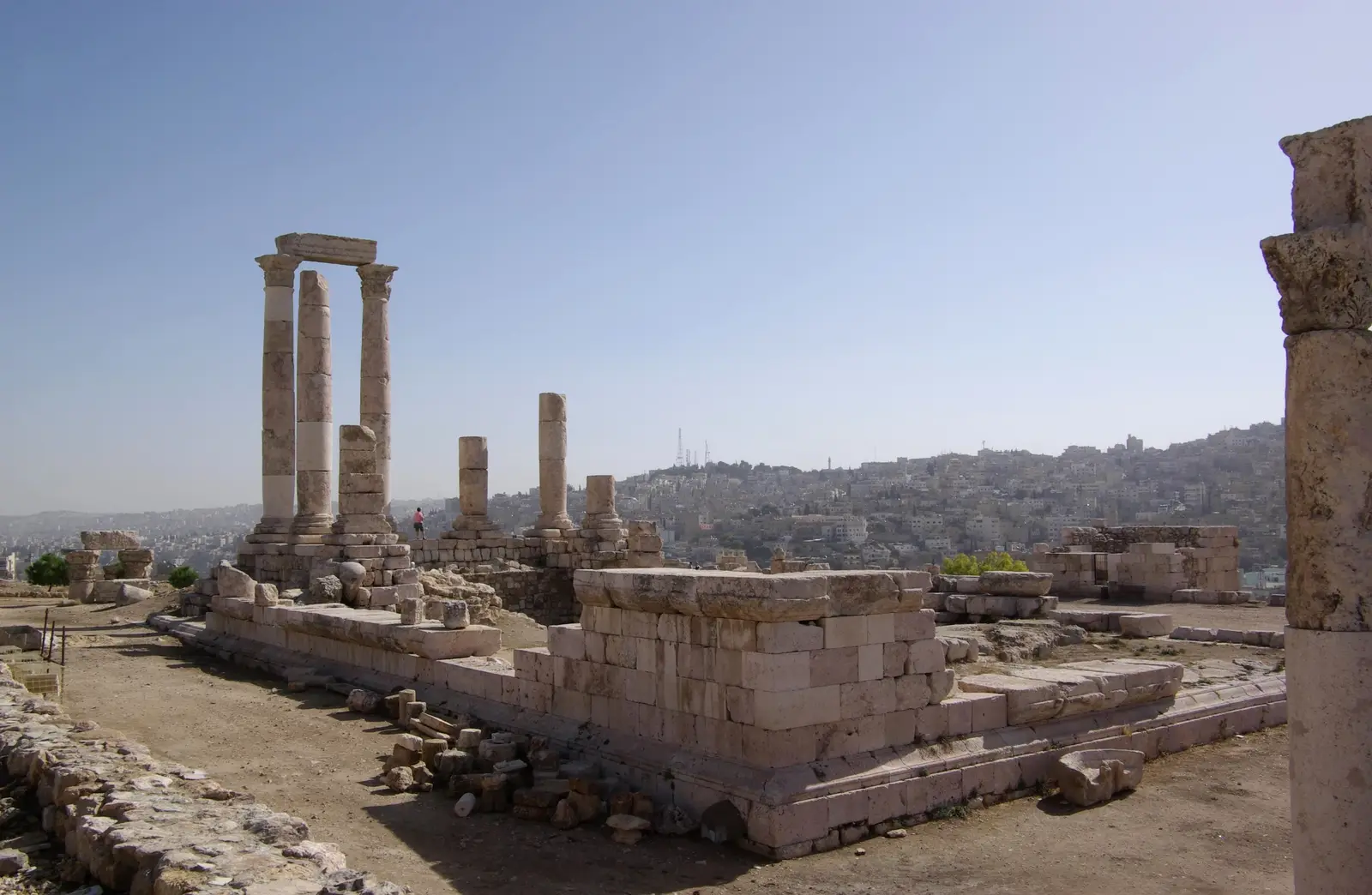
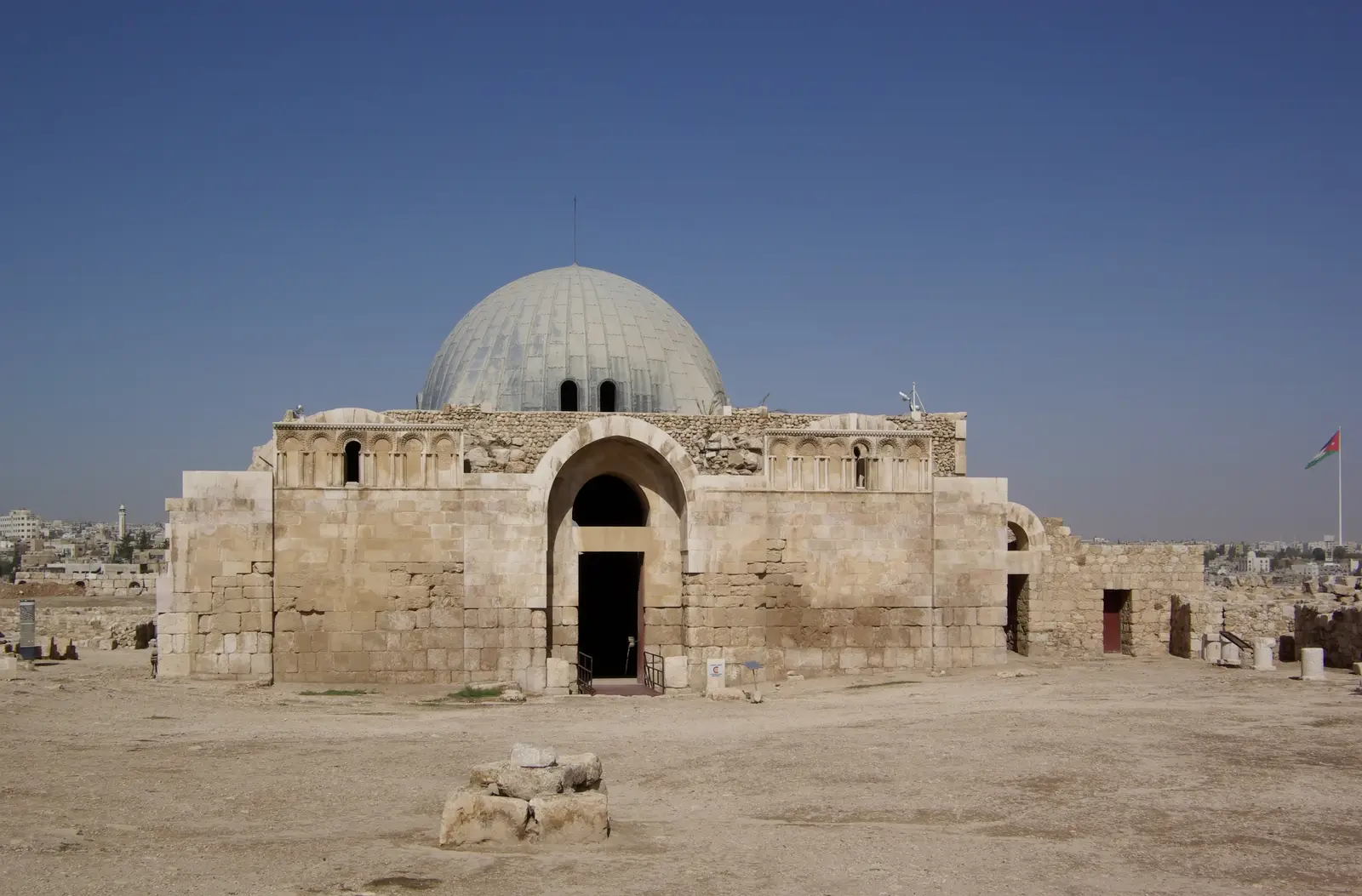
People have lived on these hills for thousands of years. In ancient times the city was known as Rabbath Ammon, capital of the Ammonites, and later as Philadelphia, a Greco-Roman city of the Decapolis. Each era left its traces. The heart of that history is the Amman Citadel, Jabal al-Qal'a, which crowns a hill in the centre of the old city. Here stand the towering columns of the Temple of Hercules, the remains of a Byzantine church and an Umayyad palace complex with a restored domed hall, all with sweeping views across the city.
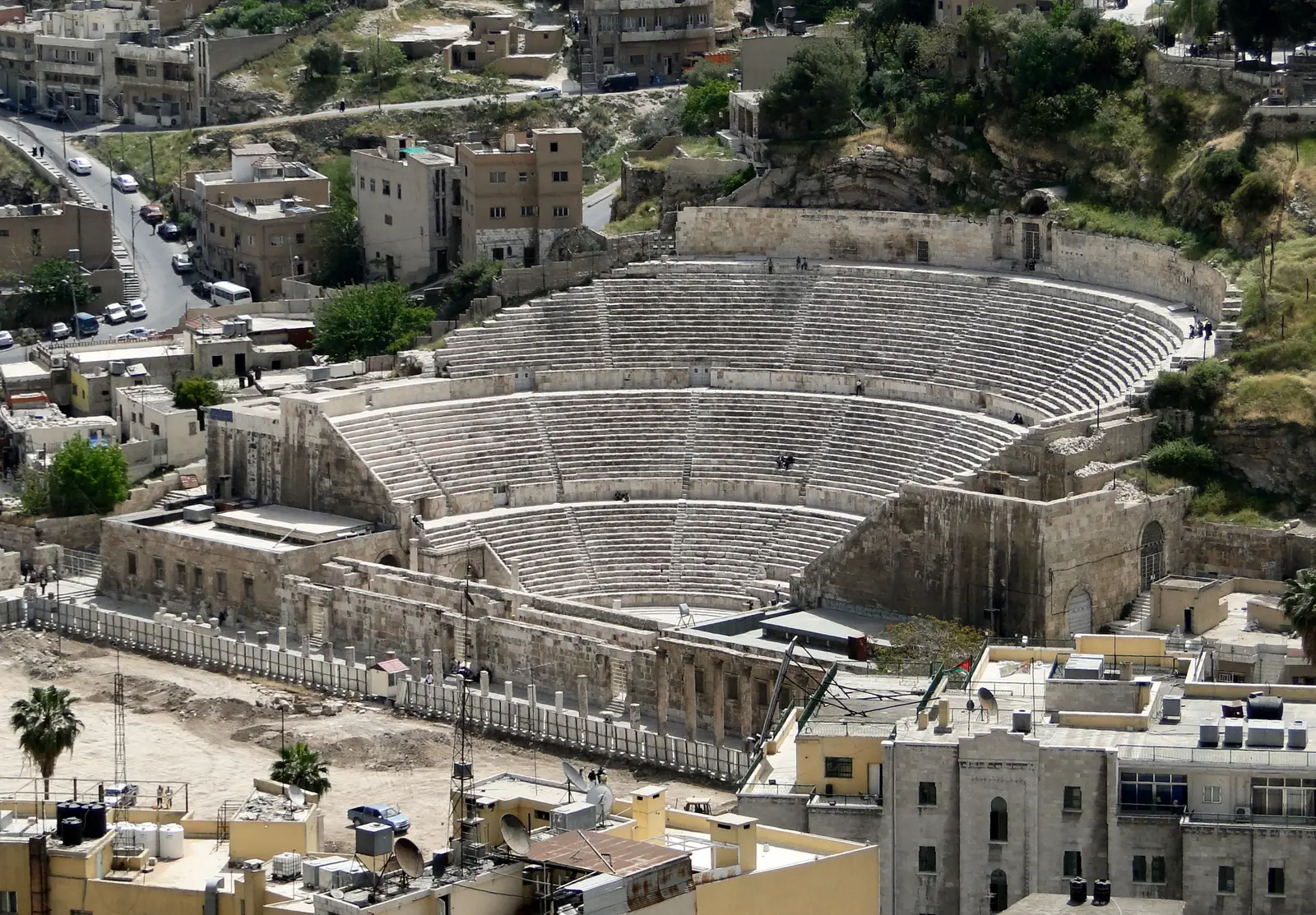
Below the Citadel, the Roman Theatre is carved into the hillside, its steep stone tiers once seating around six thousand people, and it is still used for occasional performances. Next to it stands the smaller Odeon, and a short walk away are the remains of the Nymphaeum, a monumental public fountain. Around them spreads downtown Amman, known as Al-Balad, a lively tangle of markets selling spices, gold, fabrics, fresh produce and sweets, gathered around the Grand Husseini Mosque.
Climb the stairways up to Jabal Amman and you reach Rainbow Street, lined with cafes, small galleries, craft shops and rooftop terraces. The surrounding lanes reveal some of the city's early twentieth-century stone houses. Across town, the Jordan Museum tells the story of the land from prehistory to the present day. Its treasures include the plaster statues of Ain Ghazal, around nine thousand years old and among the oldest large human figures ever made, as well as fragments of the Dead Sea Scrolls.
Amman is also a place to eat well and slowly. Try falafel and hummus in a busy downtown restaurant, warm kunafa soaked in syrup, or mansaf, the national dish of lamb cooked in a sauce of dried yogurt and served over rice. In the evening families stroll, friends gather over coffee and the lights of the hills spread in every direction. The city is also a convenient base for day trips to Jerash, Madaba, the Dead Sea and the Desert Castles.
Highlights
- 1The Amman Citadel and the Temple of Hercules
- 2The Umayyad Palace and its domed hall
- 3The Roman Theatre and the Odeon
- 4Exploring the markets of downtown Al-Balad
- 5Cafes and galleries along Rainbow Street
- 6The Jordan Museum and the Ain Ghazal statues
- 7Tasting kunafa, falafel and mansaf
Gallery
Frequently asked questions
What are the top things to do in Amman?
Start at the Citadel for views over the city and the Temple of Hercules, then walk down to the Roman Theatre and the downtown markets. Visit the Jordan Museum to see the Ain Ghazal statues, admire the blue dome of the King Abdullah I Mosque, and spend an evening on Rainbow Street or in Jabal al-Weibdeh. Trying local street food is also a highlight.
How do I get from the airport to Amman?
Queen Alia International Airport is about 35 kilometres south of Amman, usually 40 to 50 minutes by car depending on traffic. Official airport taxis wait outside the arrivals hall, ride-hailing apps operate in the city, and a regular airport bus service connects the airport with Amman. Many hotels can also arrange a pick-up in advance.
Is Amman easy to walk around?
Some neighbourhoods are very pleasant on foot, especially downtown, Jabal Amman and Jabal al-Weibdeh, which are linked by long stairways. However, the city is spread across many steep hills, and distances between districts are large, so most people use taxis or ride-hailing apps between areas. Wear comfortable shoes and expect plenty of climbing.
What should I wear in Amman?
Amman is relatively relaxed, and casual clothing is common, especially in the western districts. Modest clothing that covers shoulders and knees is still appreciated, particularly downtown and in traditional areas. When visiting mosques, women should cover their hair and everyone should cover arms and legs; scarves or robes are sometimes provided. Bring a warm layer for evenings, which can be cool even in spring.
What food should I try in Amman?
Try hummus, falafel and fresh bread for breakfast, shawarma and manakish as street food, and mansaf, the national dish of lamb with rice and jameed sauce, for a special meal. Knafeh, a warm cheese pastry soaked in syrup, is the city's favourite dessert. Downtown has many small, long-established eateries where locals eat every day.
When is the best time to visit Amman?
Spring, from March to May, and autumn, from September to November, are the most comfortable seasons, with mild days and cool evenings. Summers are warm and dry but rarely as hot as the Jordan Valley. Winters can be cold and rainy, with occasional snow. During Ramadan, the city has a special evening atmosphere, though daytime hours can be quieter.
Continue the journey
 06
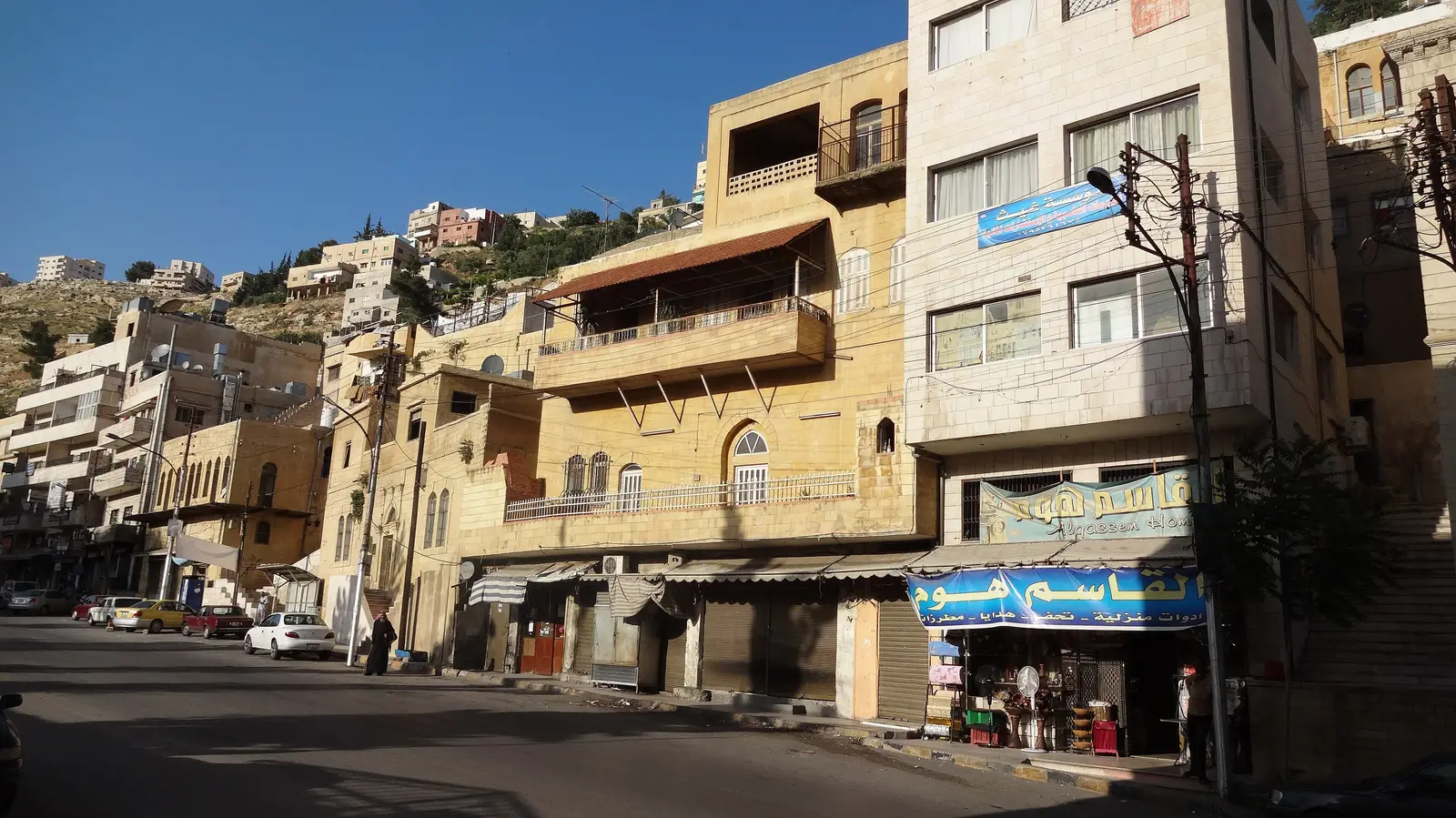
As-Salt
A hillside town of honey-coloured stone, celebrated by UNESCO for its long tradition of tolerance and warm hospitality.
 07
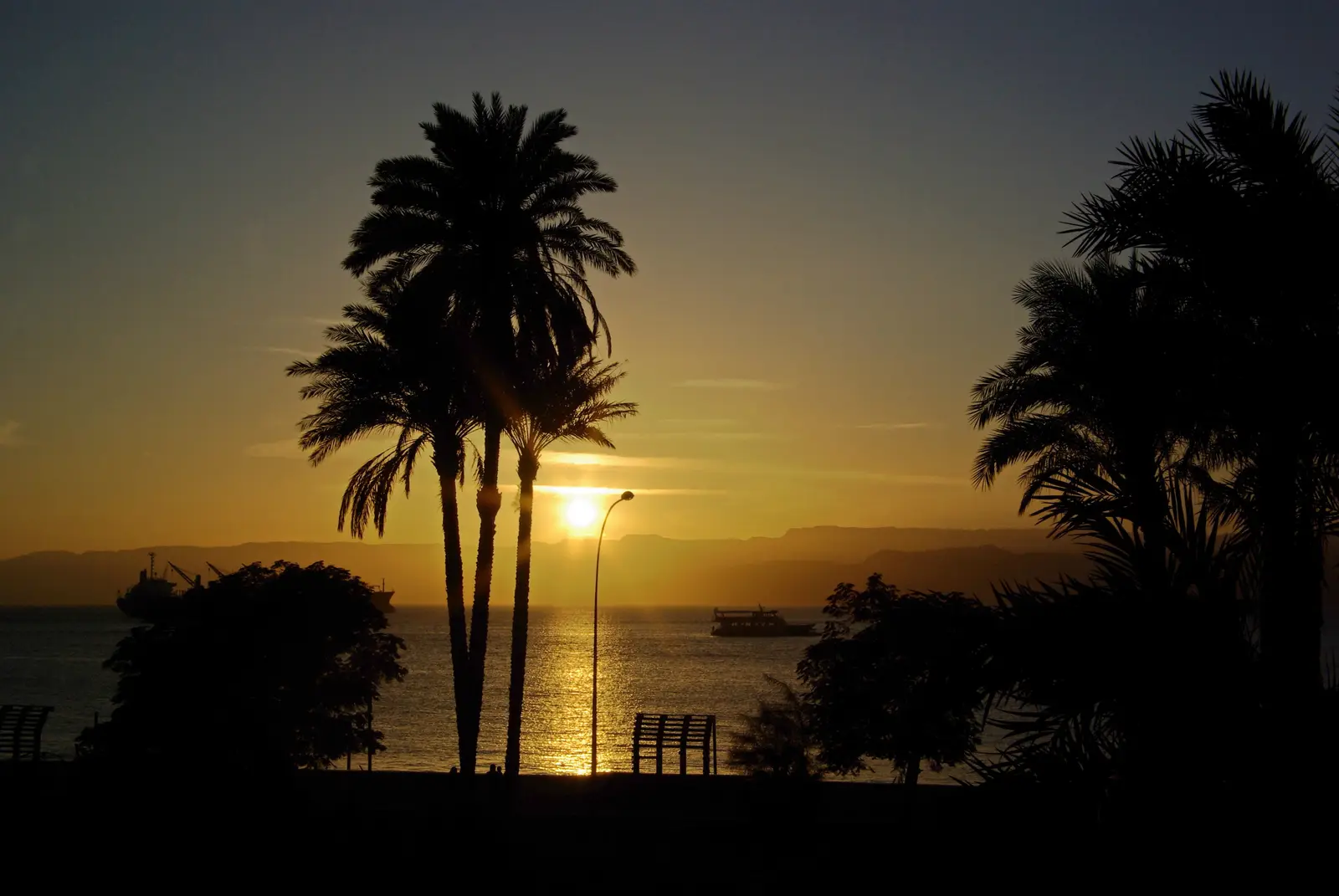
Aqaba
Jordan's only coastal city, where warm Red Sea waters hide vivid coral reefs just a few steps from the shore.
 08
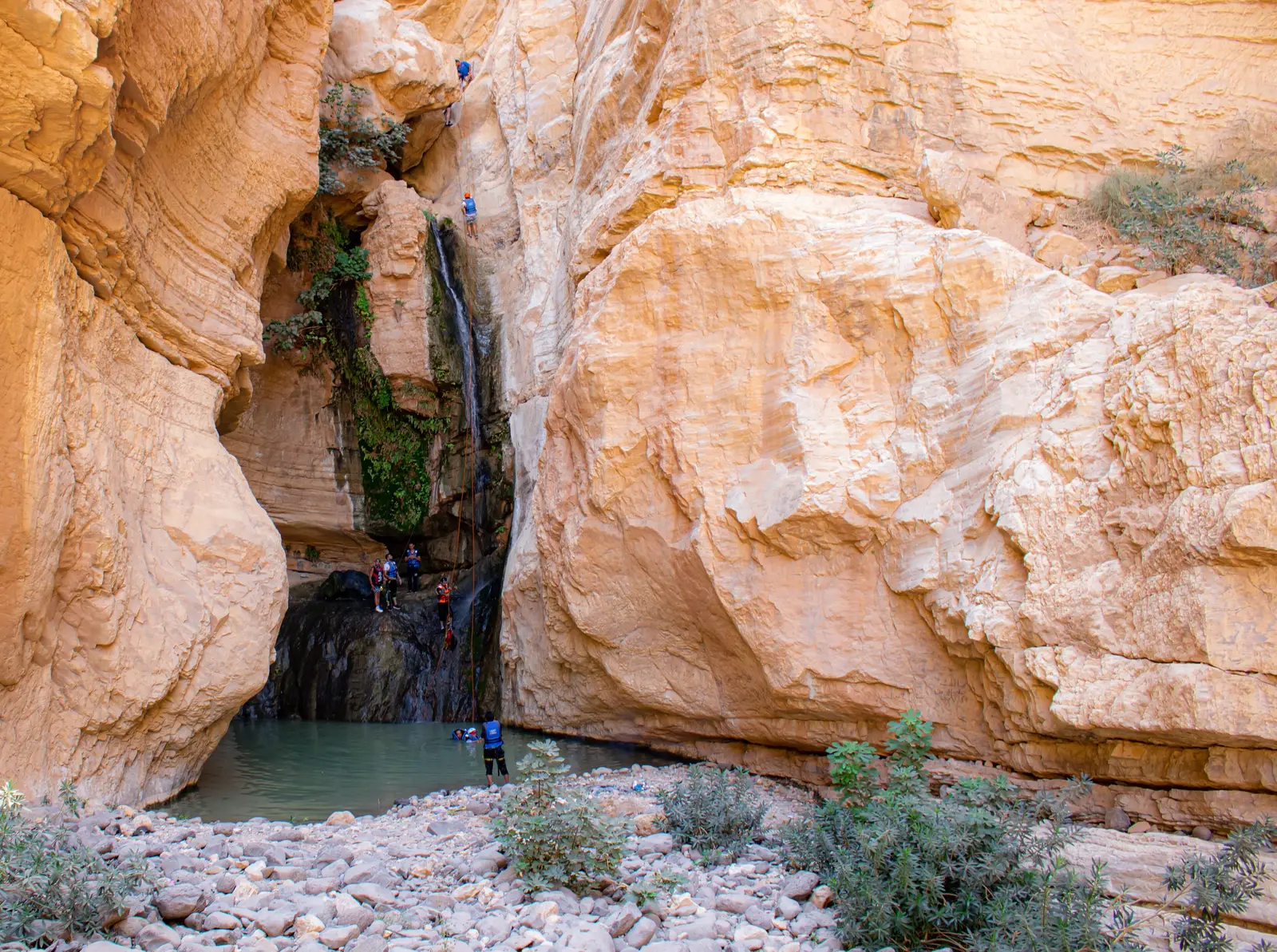
Wadi Mujib
Wade and swim through a towering sandstone gorge to a roaring waterfall in the lowest nature reserve on Earth.
 09
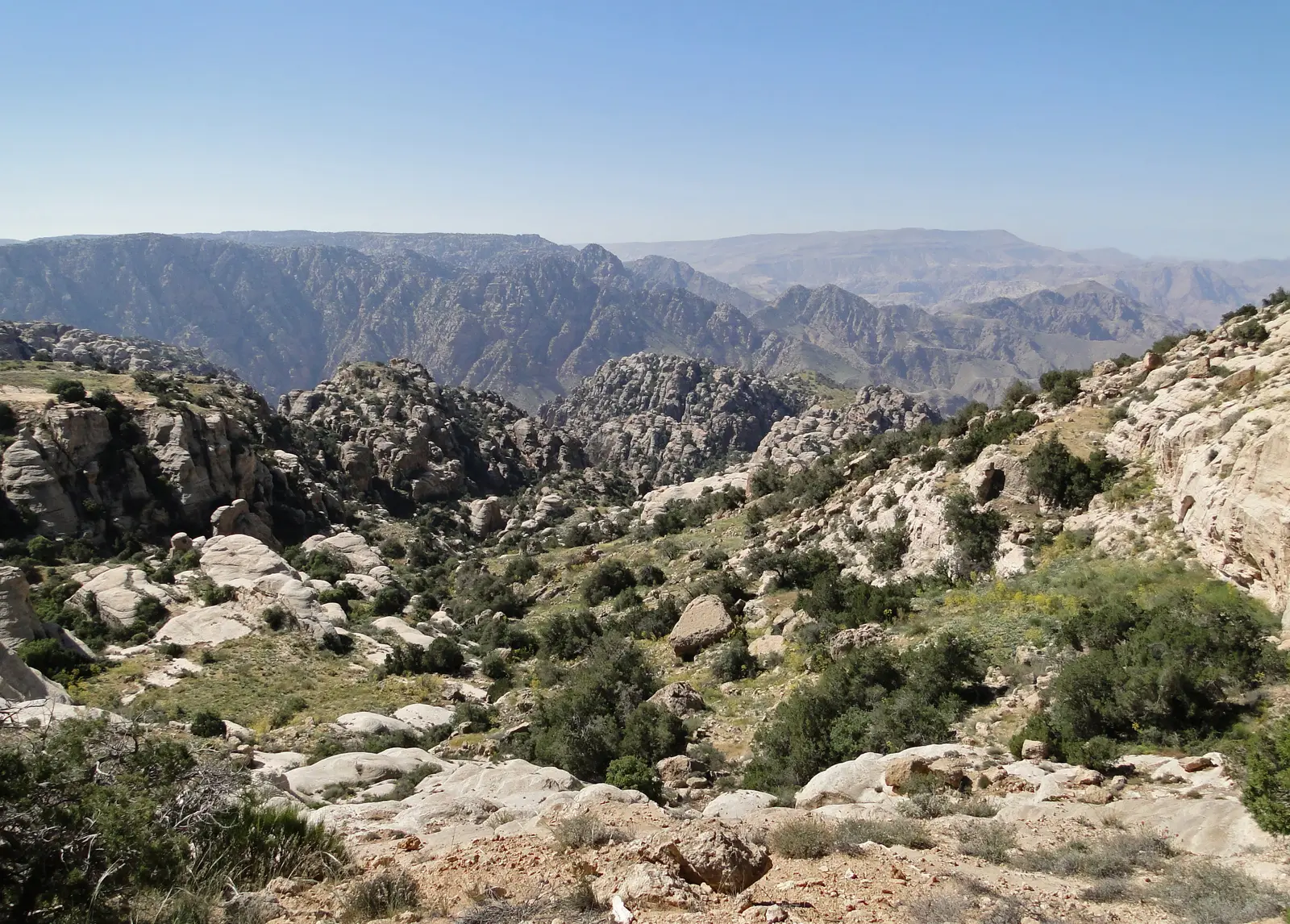
Dana
A stone village perched above a vast valley that falls from mountain cliffs to desert, rich in wildlife and silence.
 10
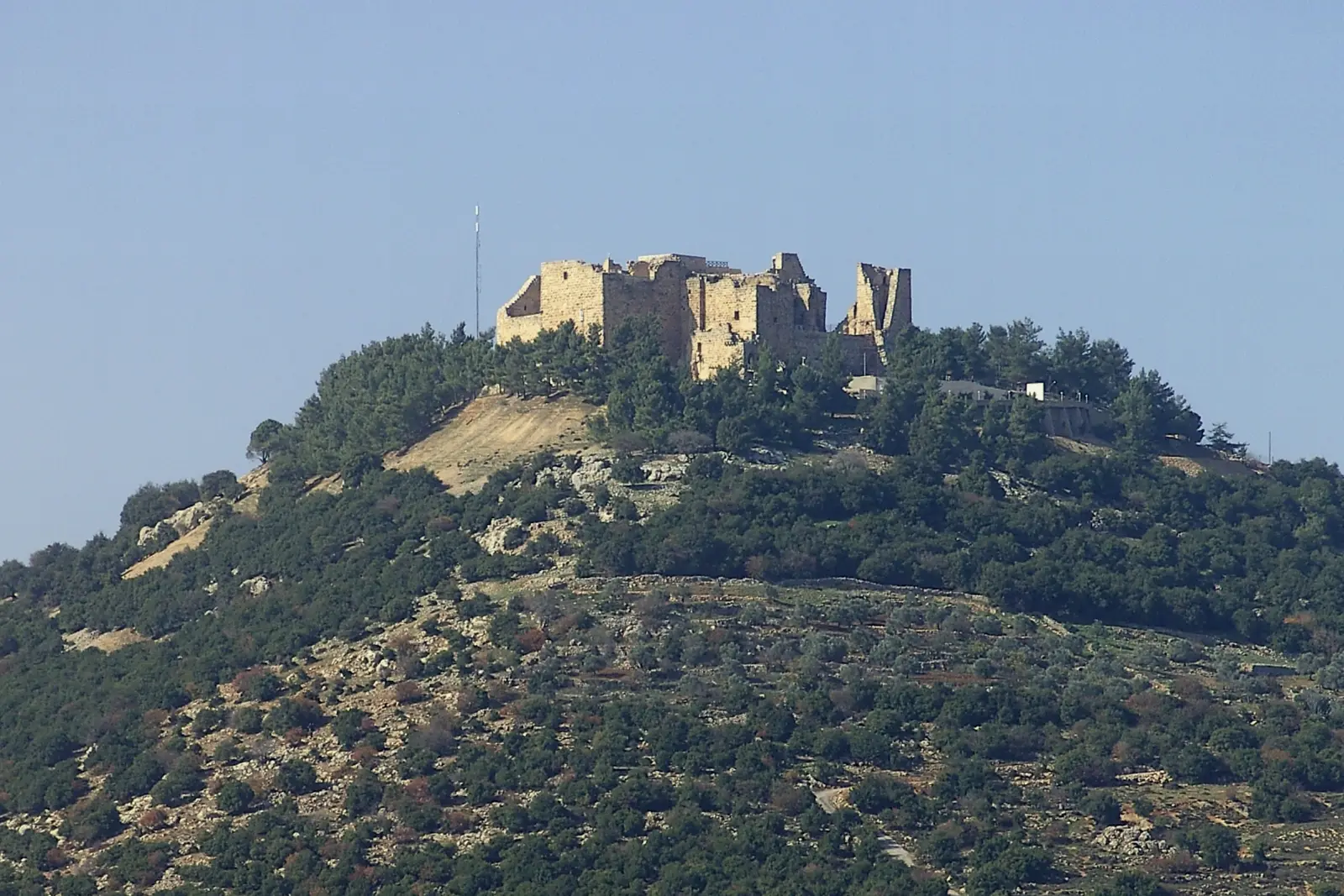
Ajloun
A medieval hilltop castle and green oak forests in the cool, rolling hills of northern Jordan.
 11
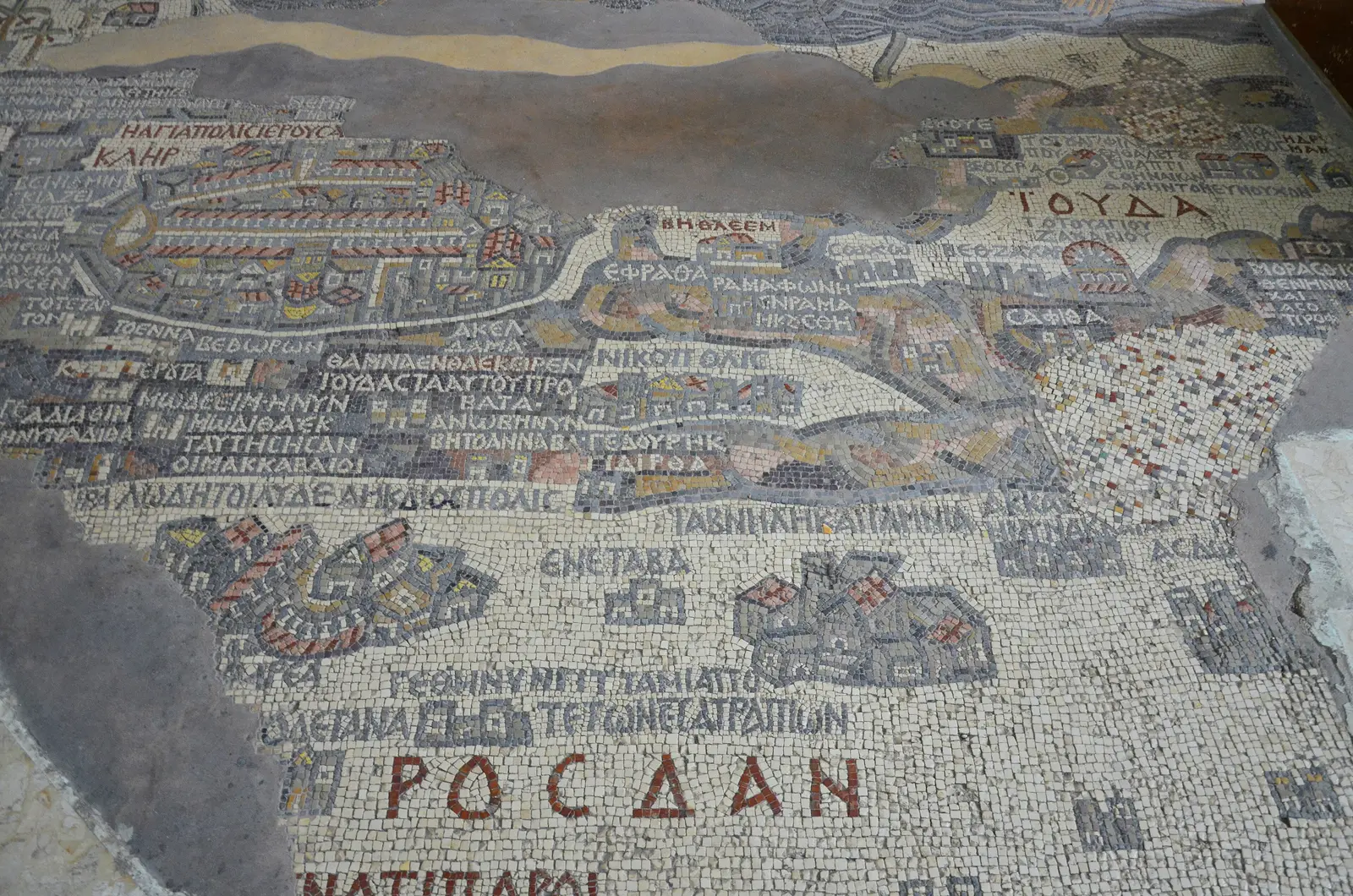
Madaba and Mount Nebo
A friendly town famed for its Byzantine mosaics and an ancient map of the Holy Land, close to Mount Nebo.
 12
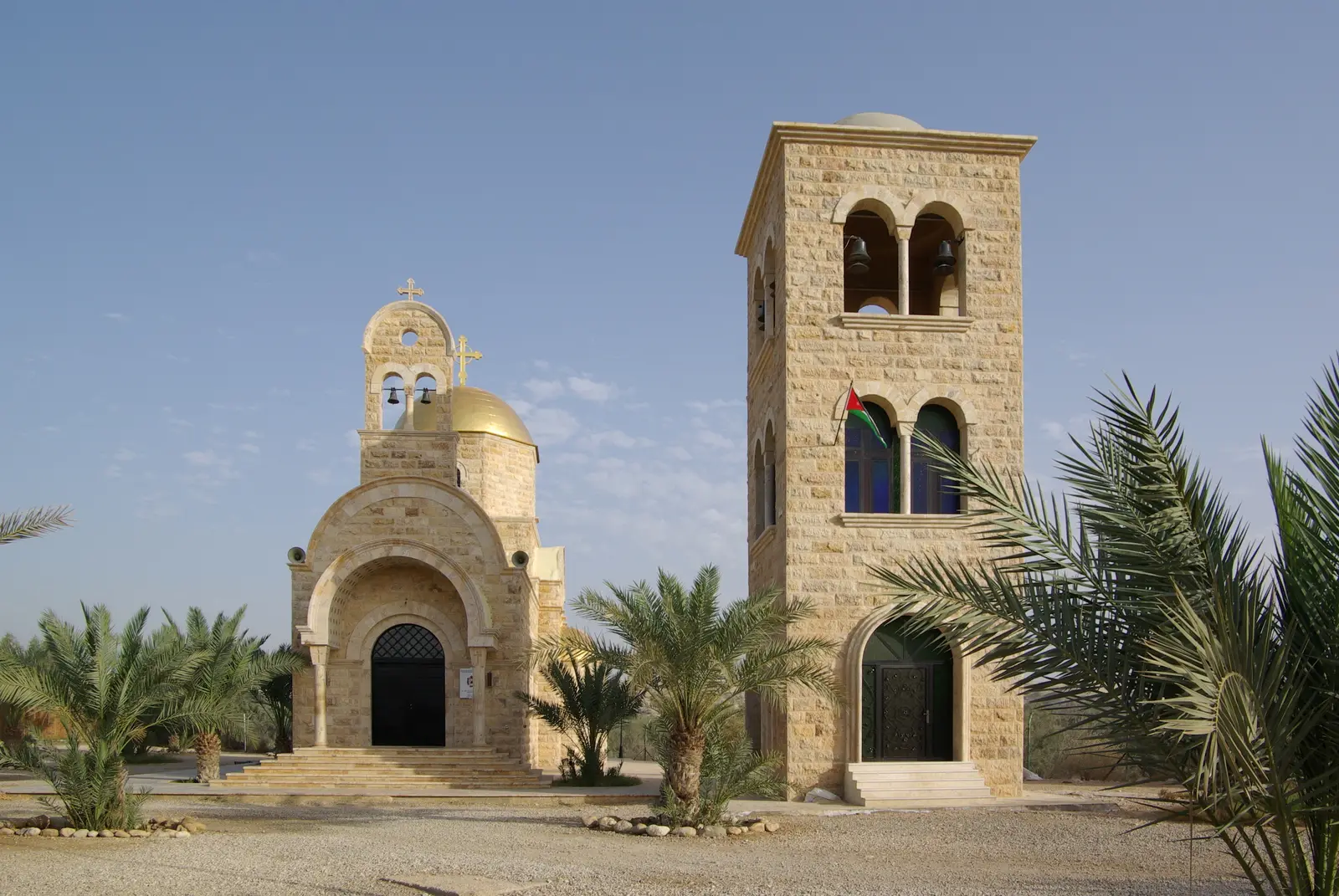
Baptism Site
A peaceful place on the Jordan River, revered by Christians as the site where John the Baptist baptised Jesus.
 13
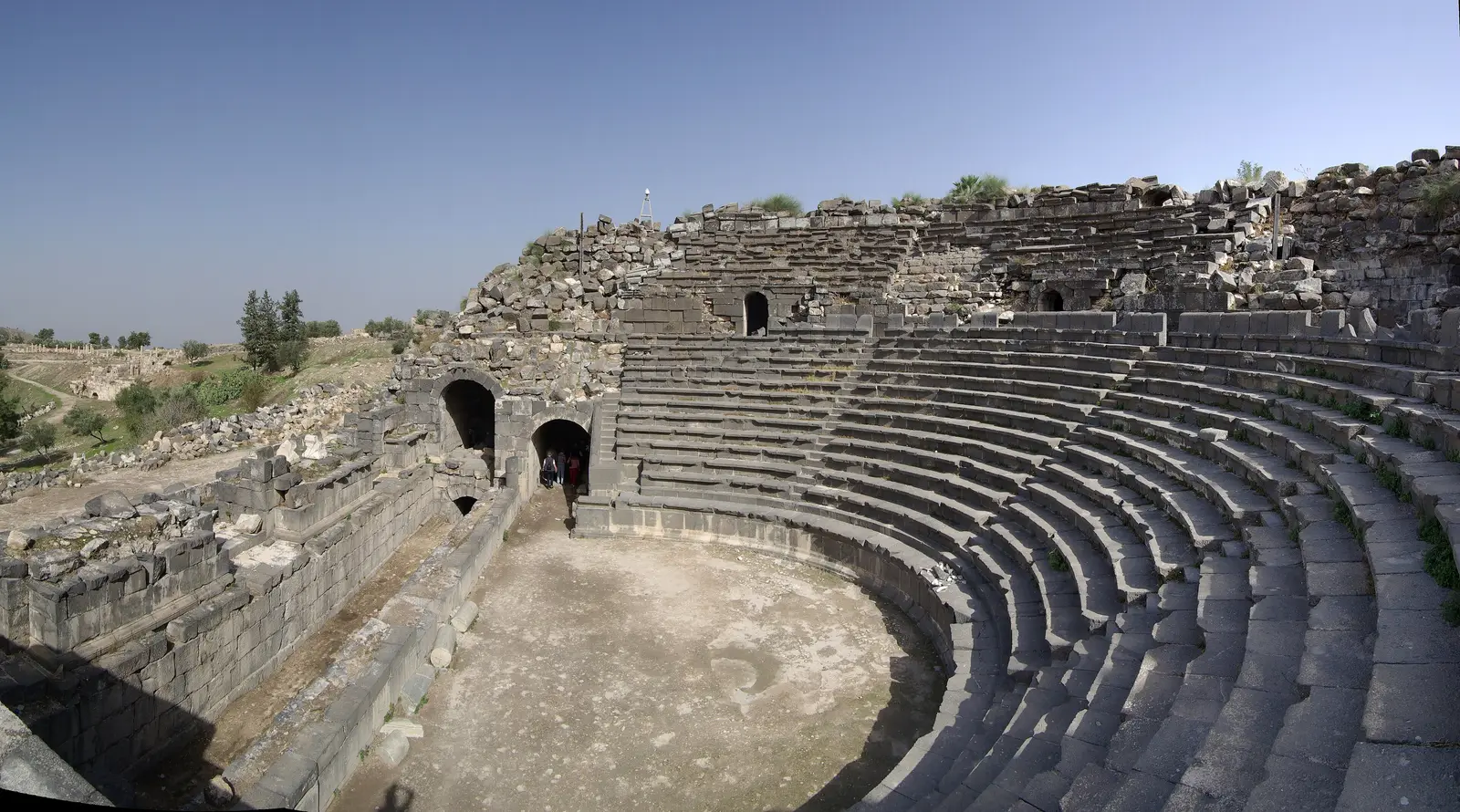
Umm Qais
Basalt ruins of ancient Gadara perched high above the Jordan Valley, with sweeping views toward the Sea of Galilee.