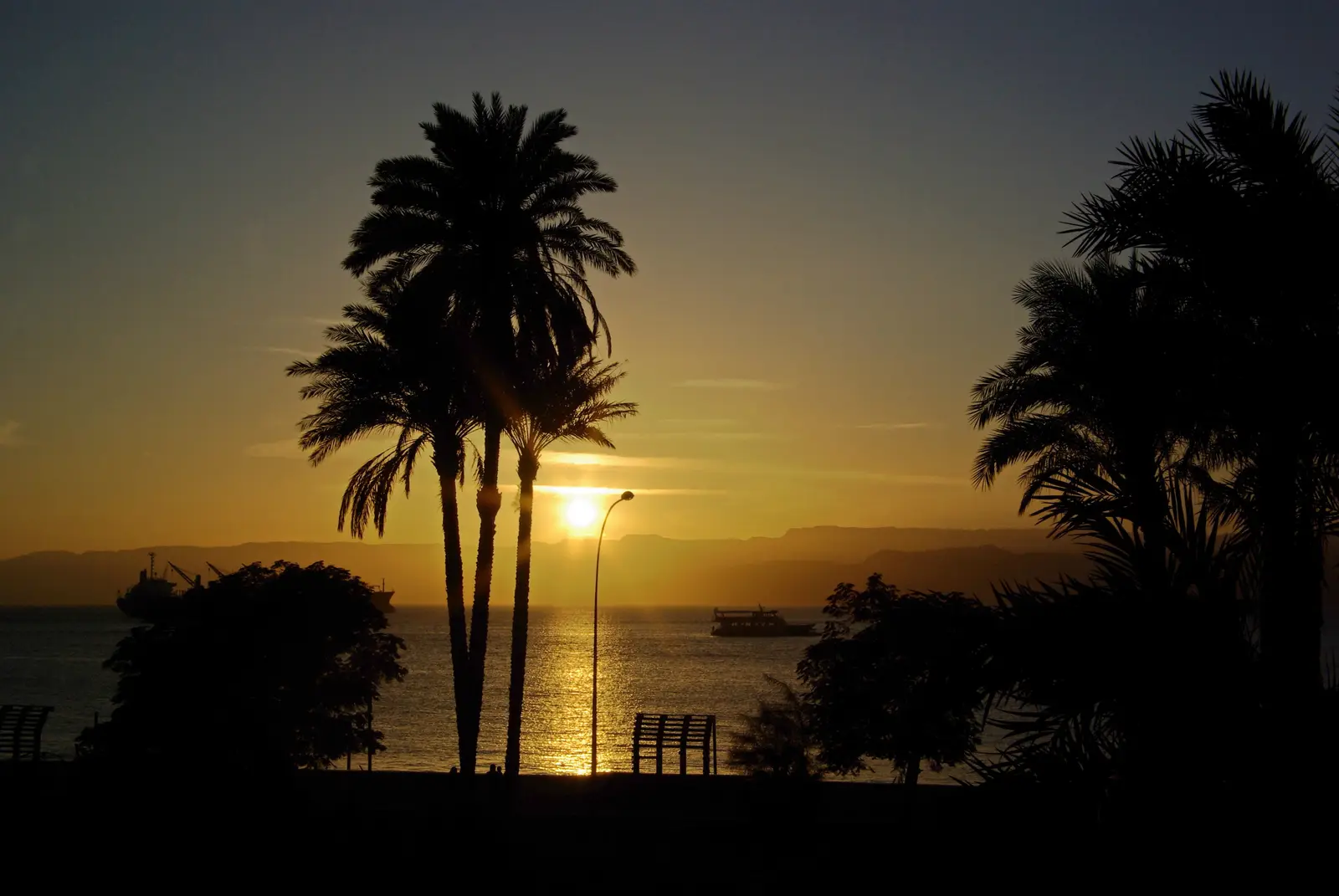
Aqaba
Aqaba is Jordan's window on the sea. Here the desert mountains meet the clear blue water of the Gulf of Aqaba, and some of the Red Sea's most colourful coral reefs begin just metres from the beach. It is a place to swim, dive, relax in the sun and enjoy a slower, seaside rhythm.
Aqaba has been a port for thousands of years, a meeting point for trade routes linking Africa, Arabia and the lands of the eastern Mediterranean. In the early Islamic period the city of Ayla was founded here, and its ruins, including walls, gates and a main street, can still be seen near the modern seafront. Aqaba Fort, built in the Mamluk era in the early sixteenth century and later restored, stands close to the shore and recalls the pilgrims and caravans who once passed through on their long journeys.
Under the water, Aqaba is famous for its coral reefs. Much of the southern coast is protected, and its fringing reefs host hard and soft corals, sea turtles, rays, moray eels and clouds of brightly coloured fish. The water is warm and clear for most of the year, ideal for beginners and experienced divers alike. Well-known sites include the Japanese Garden, named for its delicate gardens of coral, and the Cedar Pride, a cargo ship deliberately sunk to create an artificial reef.
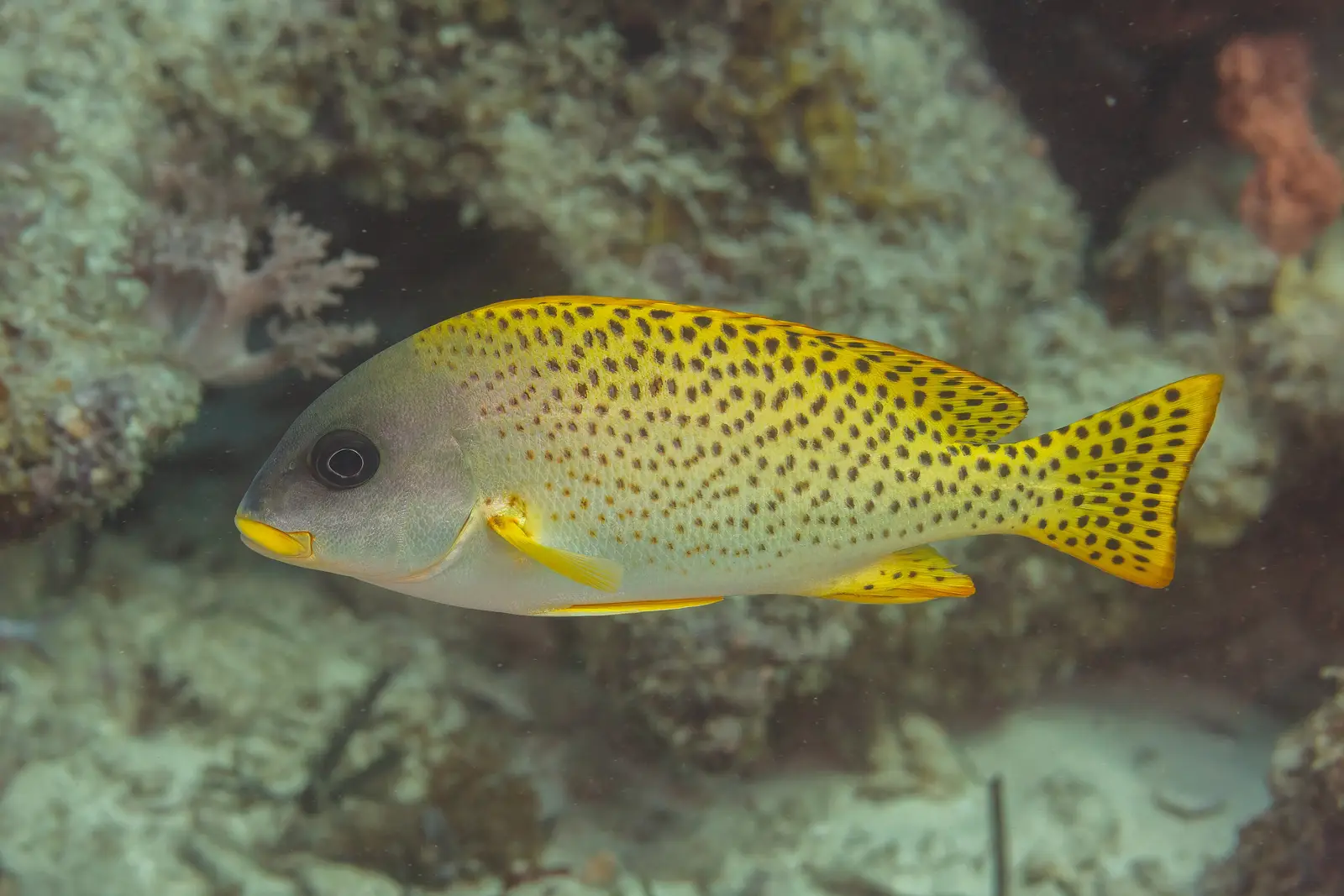
You do not need to dive to enjoy the reefs. Snorkelling straight from the beach reveals corals and fish in shallow water, and glass-bottom boats offer a dry view of the underwater world. On land, the city has a relaxed waterfront, a busy market with spices and sweets, and restaurants serving fresh fish. Sayadieh, a local dish of fish cooked with spiced rice and caramelised onions, is a tradition well worth trying.
Aqaba also makes an excellent base for exploring the south. Wadi Rum is about an hour's drive away, and Petra can be reached in around two hours. Many travellers end their journey through Jordan here, trading desert dust for sea breezes. In winter, when much of the country is cool, Aqaba usually stays mild and sunny, which makes it a popular escape during the colder months.
Highlights
- 1Snorkelling on the reefs of the southern coast
- 2Diving the Japanese Garden and the Cedar Pride wreck
- 3Glass-bottom boat trips
- 4The ruins of the early Islamic city of Ayla
- 5Aqaba Fort and the seafront
- 6Fresh seafood and sayadieh
- 7Easy day trips to Wadi Rum and Petra
Frequently asked questions
How do I get from Amman to Aqaba?
Aqaba is about 330 kilometres south of Amman, roughly four hours by car along the Desert Highway. Comfortable tourist buses run several times a day between the two cities. Short domestic flights also connect Amman and Aqaba, landing at King Hussein International Airport. Aqaba is about two hours from Petra and one hour from Wadi Rum.
Is Aqaba good for snorkelling?
Yes. Aqaba has some of the most accessible coral reefs in the Red Sea, with colourful fish and corals just a few metres from the shore, especially along the south coast. The water is usually clear and calm. Never touch or stand on the coral, use reef-safe sunscreen and wear water shoes to protect your feet when entering the sea.
When is the best time to visit Aqaba?
October to May is the most pleasant period, with warm, sunny days that are ideal for the beach while the rest of Jordan is cool. Summer is very hot, often above 40 degrees Celsius, so beach time is best in the morning and evening. The sea stays warm enough for snorkelling and diving throughout the year.
What should I wear in Aqaba?
Swimwear is normal at hotel pools, private beaches and dive areas. In the city centre and at busy public beaches, where many local families swim in their clothes, it is respectful to dress modestly and cover shoulders and knees when you leave the water. Light, breathable clothing, a hat and sunglasses are important because of the strong sun.
Is Aqaba suitable for children?
Yes. Aqaba's calm, warm water and shallow beaches suit families, and children can see fish and coral from glass-bottom boats or with simple snorkelling equipment. Use water shoes to protect against sharp coral and sea urchins, and keep children well protected from the sun. Many families combine Aqaba with a night in a Wadi Rum desert camp.
How many days do you need in Aqaba?
Two to three days are enough for most travellers to enjoy the beaches, snorkel or dive on the reefs, visit Aqaba Fort and the remains of Ayla, and relax by the sea. Divers often stay longer. Aqaba also works well as a base for a night in Wadi Rum or a day trip to Petra.
Continue the journey
 08
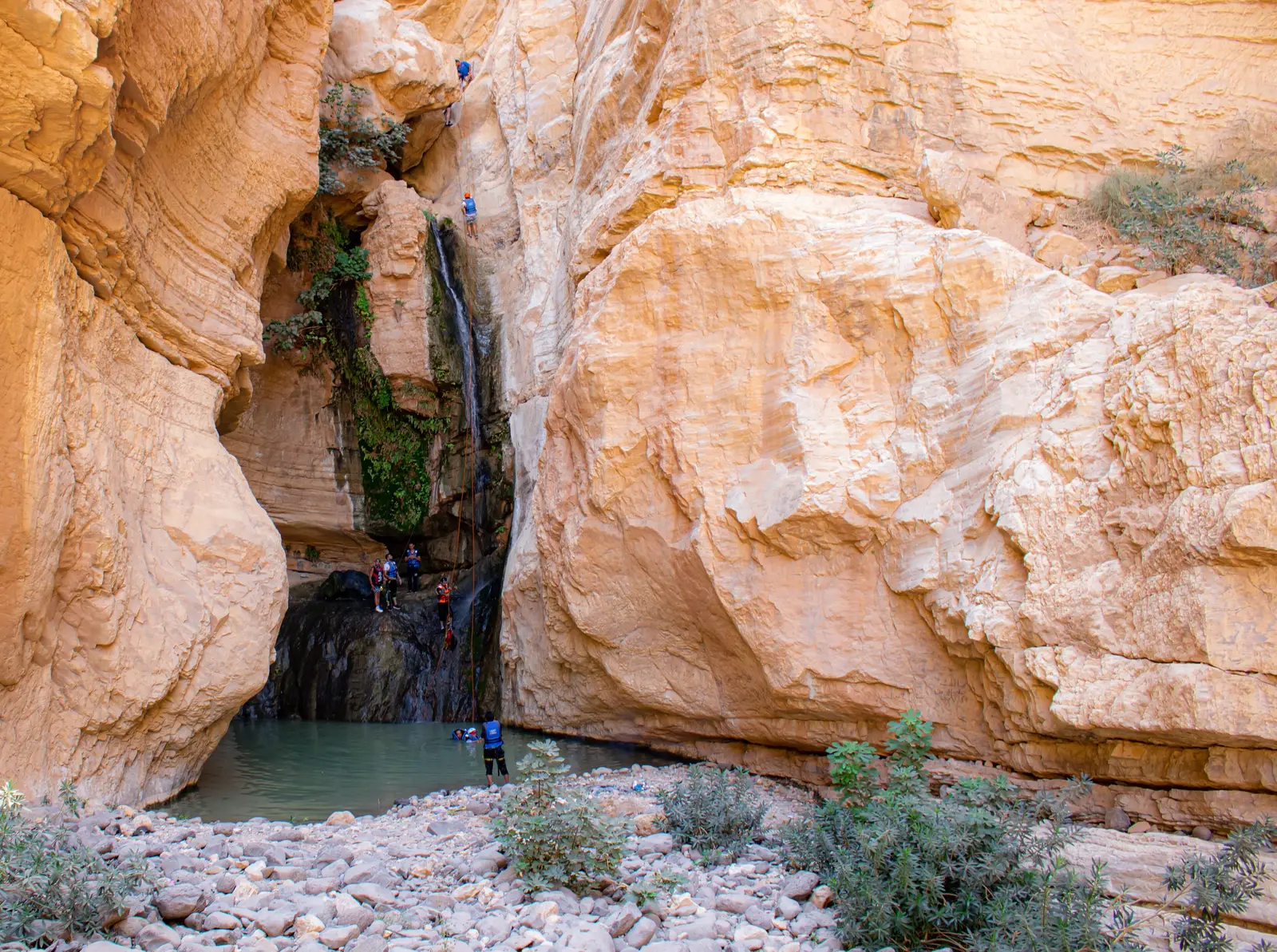
Wadi Mujib
Wade and swim through a towering sandstone gorge to a roaring waterfall in the lowest nature reserve on Earth.
 09
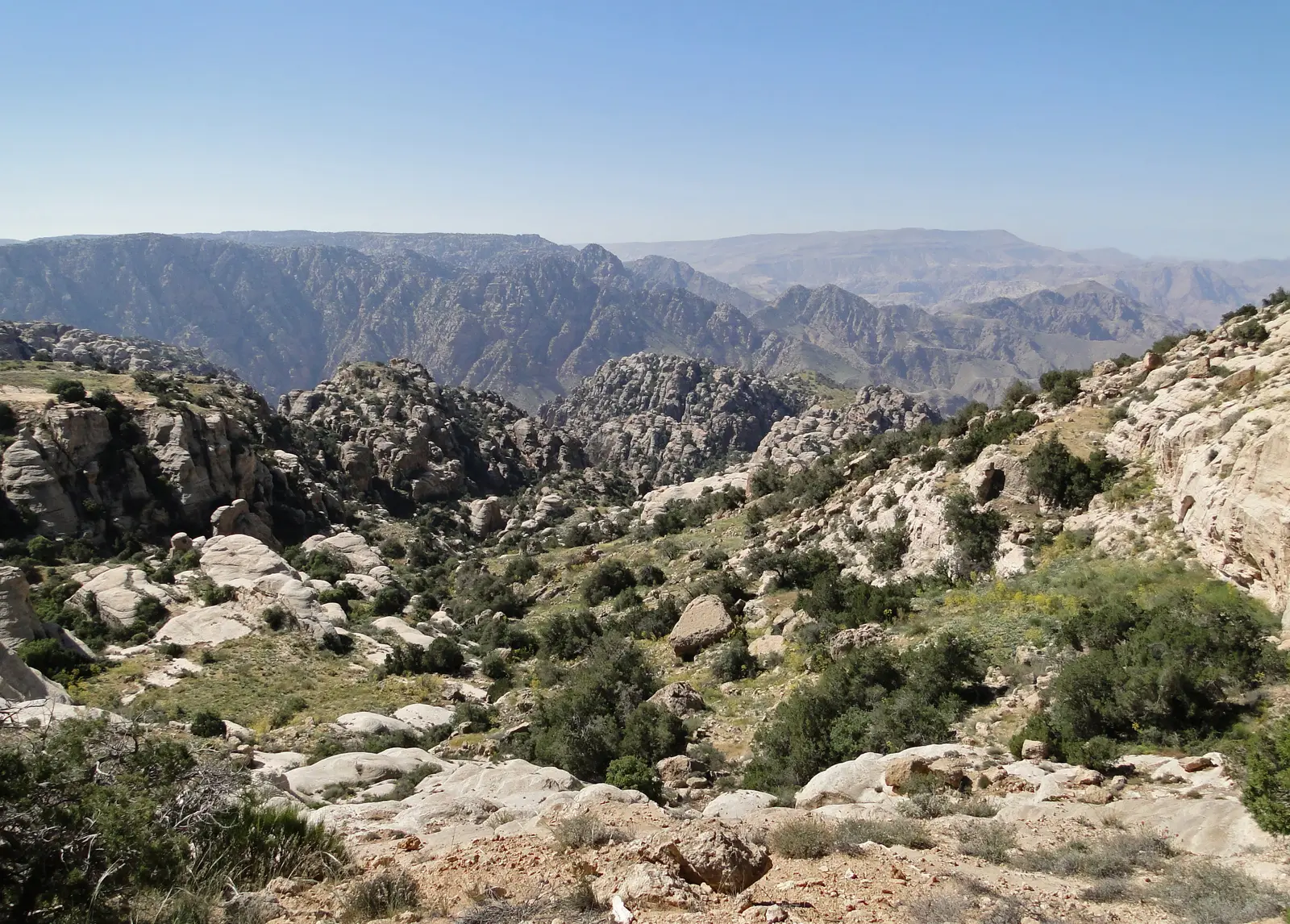
Dana
A stone village perched above a vast valley that falls from mountain cliffs to desert, rich in wildlife and silence.
 10
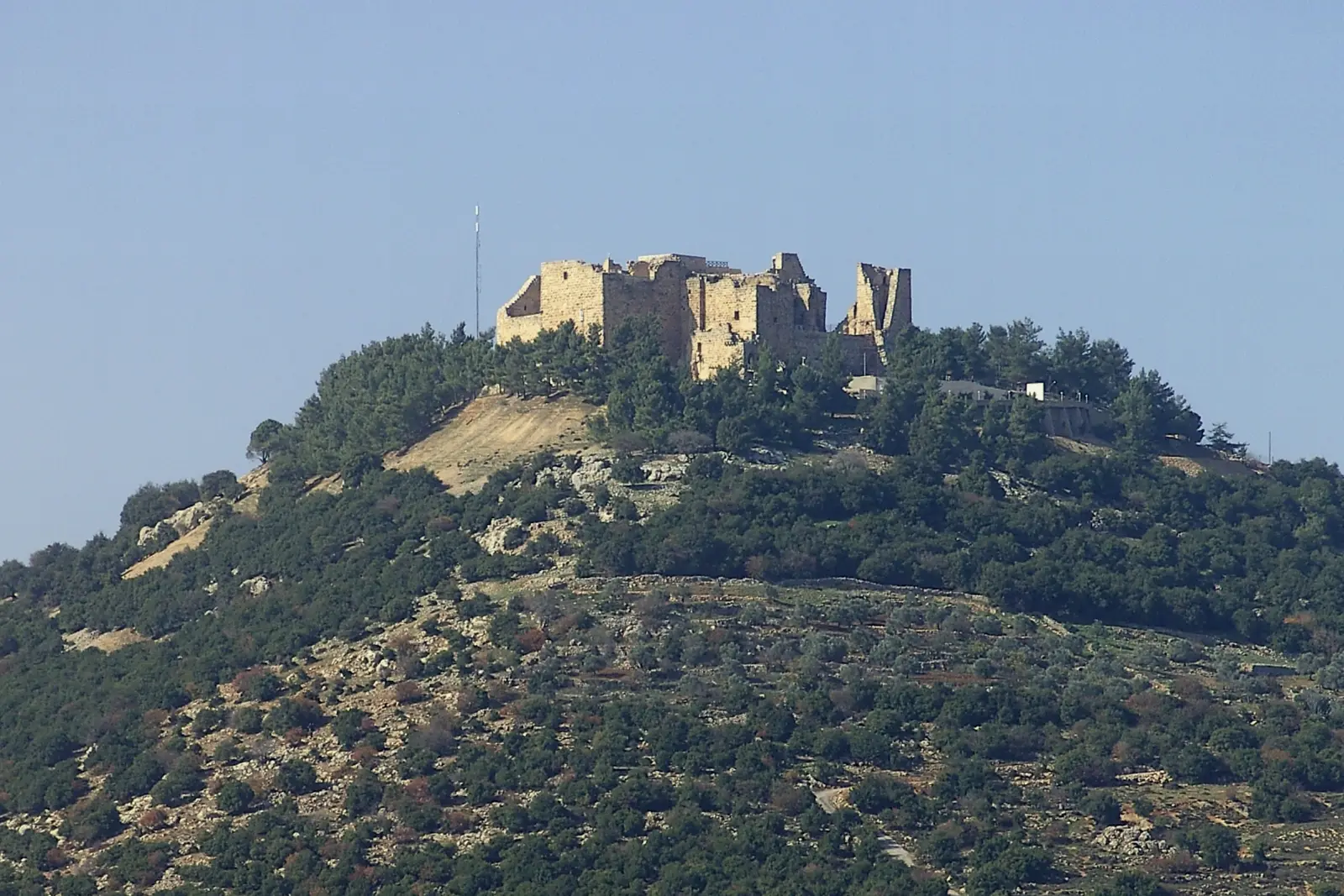
Ajloun
A medieval hilltop castle and green oak forests in the cool, rolling hills of northern Jordan.
 11
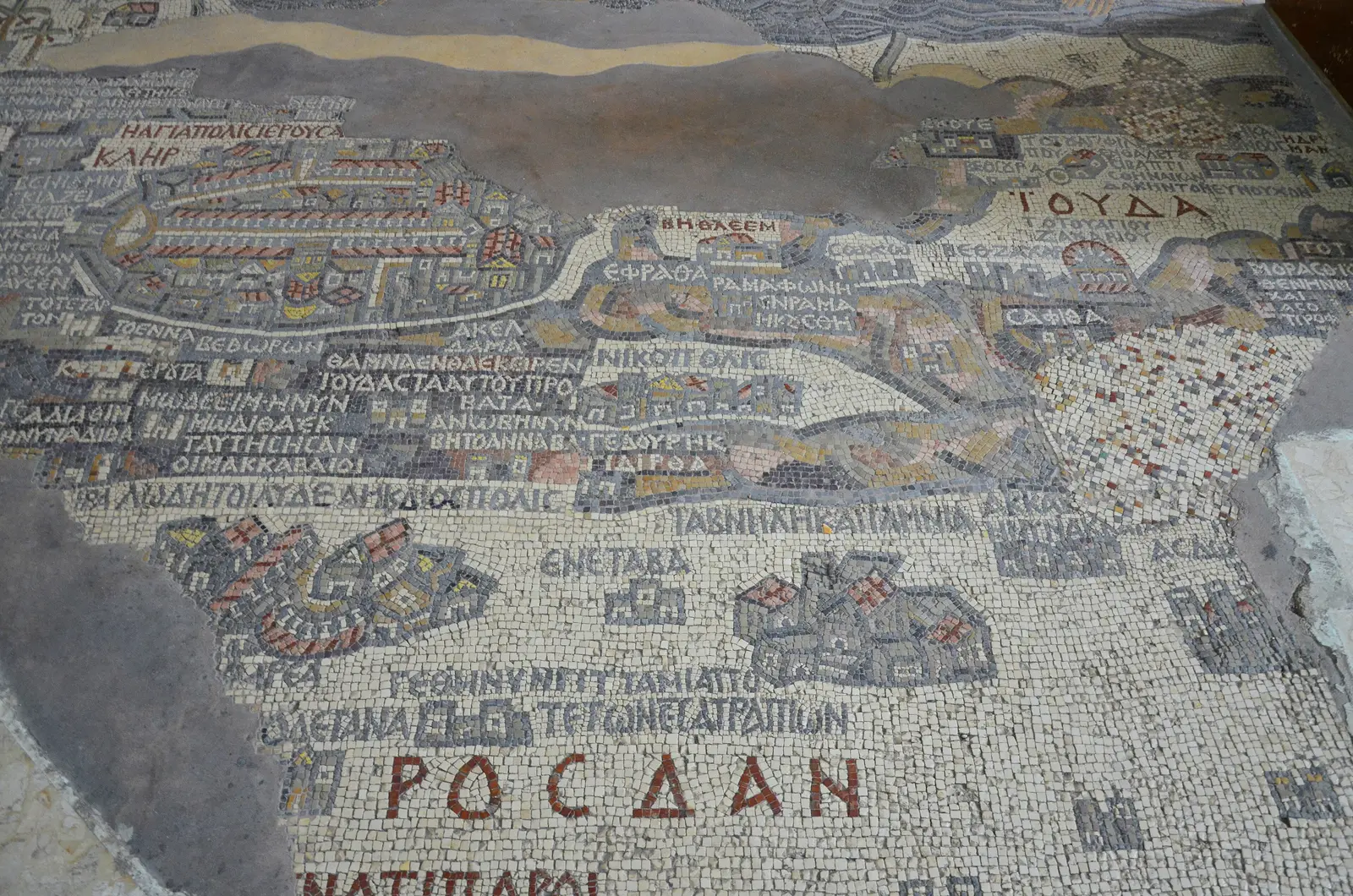
Madaba and Mount Nebo
A friendly town famed for its Byzantine mosaics and an ancient map of the Holy Land, close to Mount Nebo.
 12
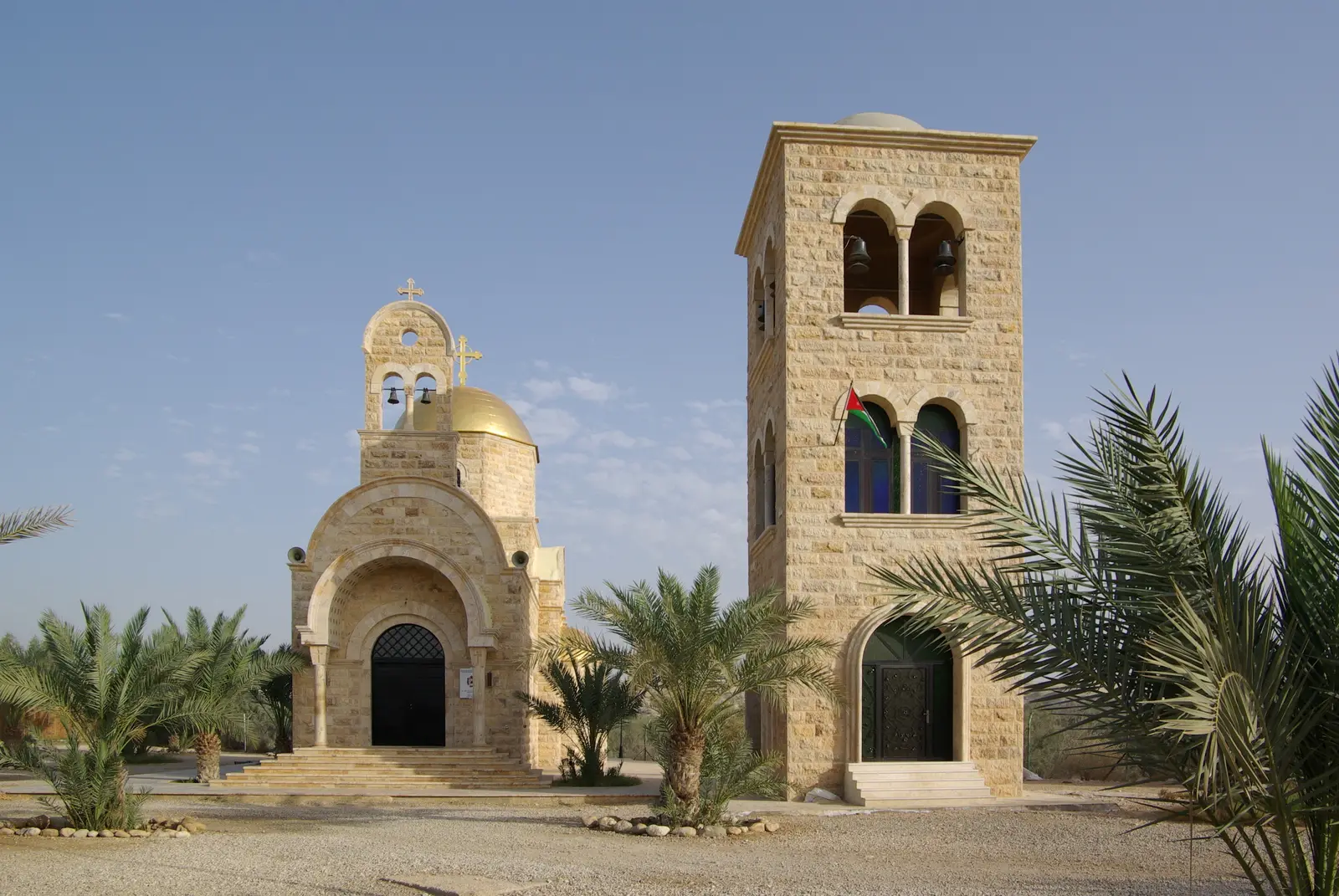
Baptism Site
A peaceful place on the Jordan River, revered by Christians as the site where John the Baptist baptised Jesus.
 13
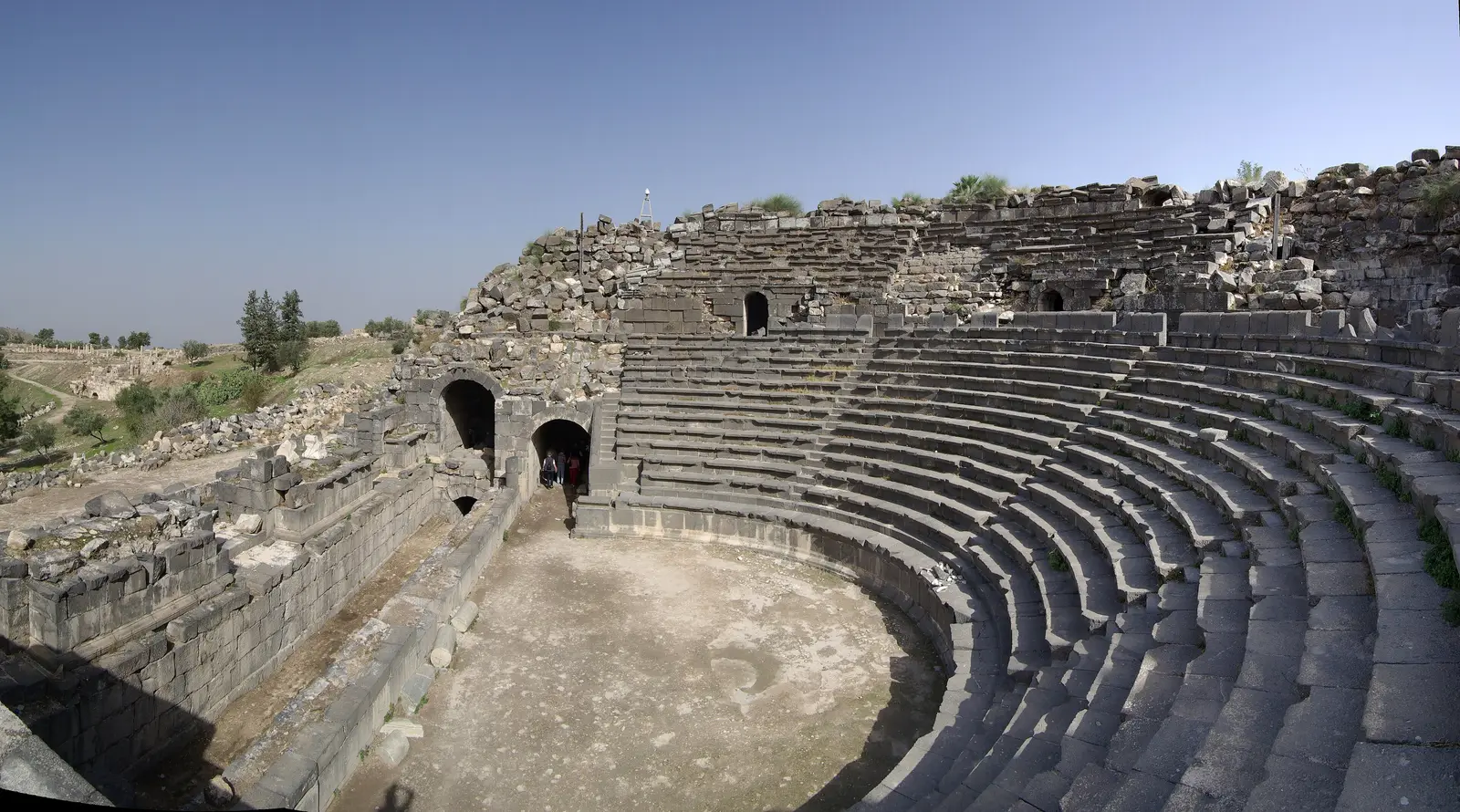
Umm Qais
Basalt ruins of ancient Gadara perched high above the Jordan Valley, with sweeping views toward the Sea of Galilee.
 14
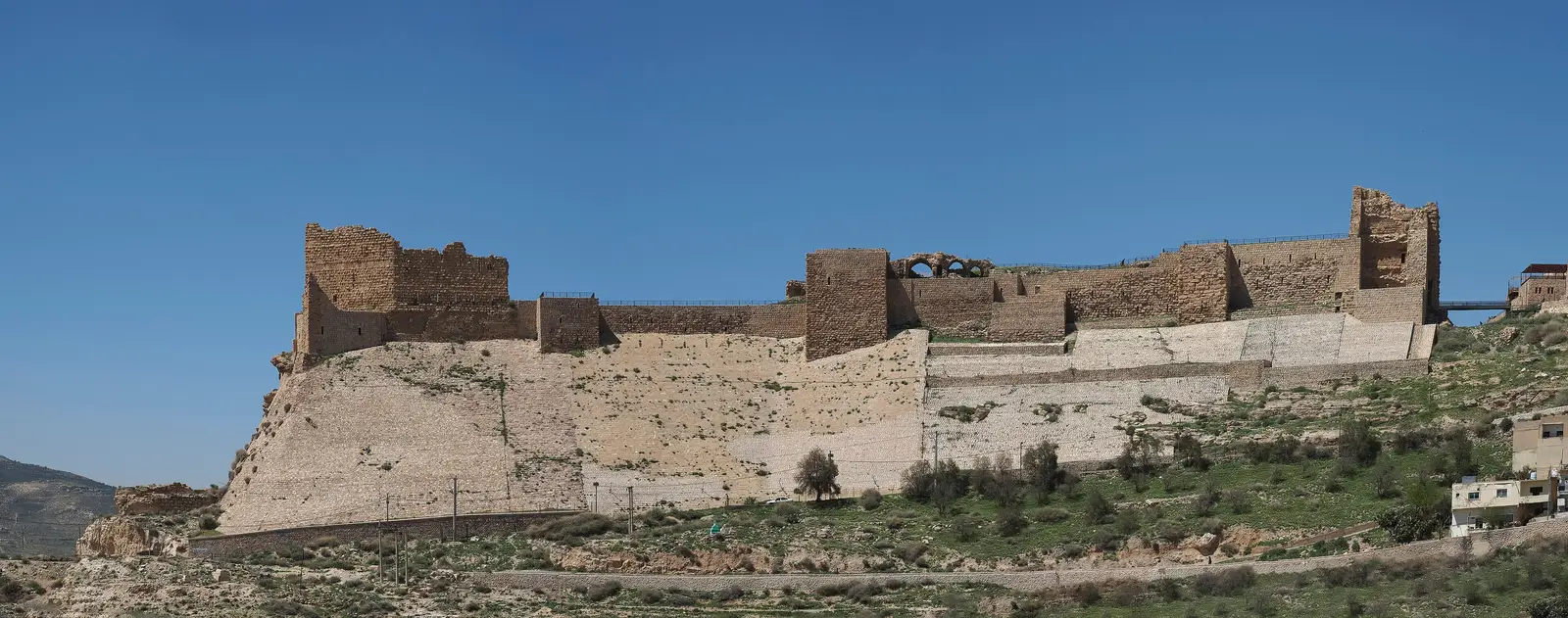
Kerak Castle
A vast medieval fortress on a mountain spur, full of dark vaulted halls and wide views over the surrounding valleys.
 15
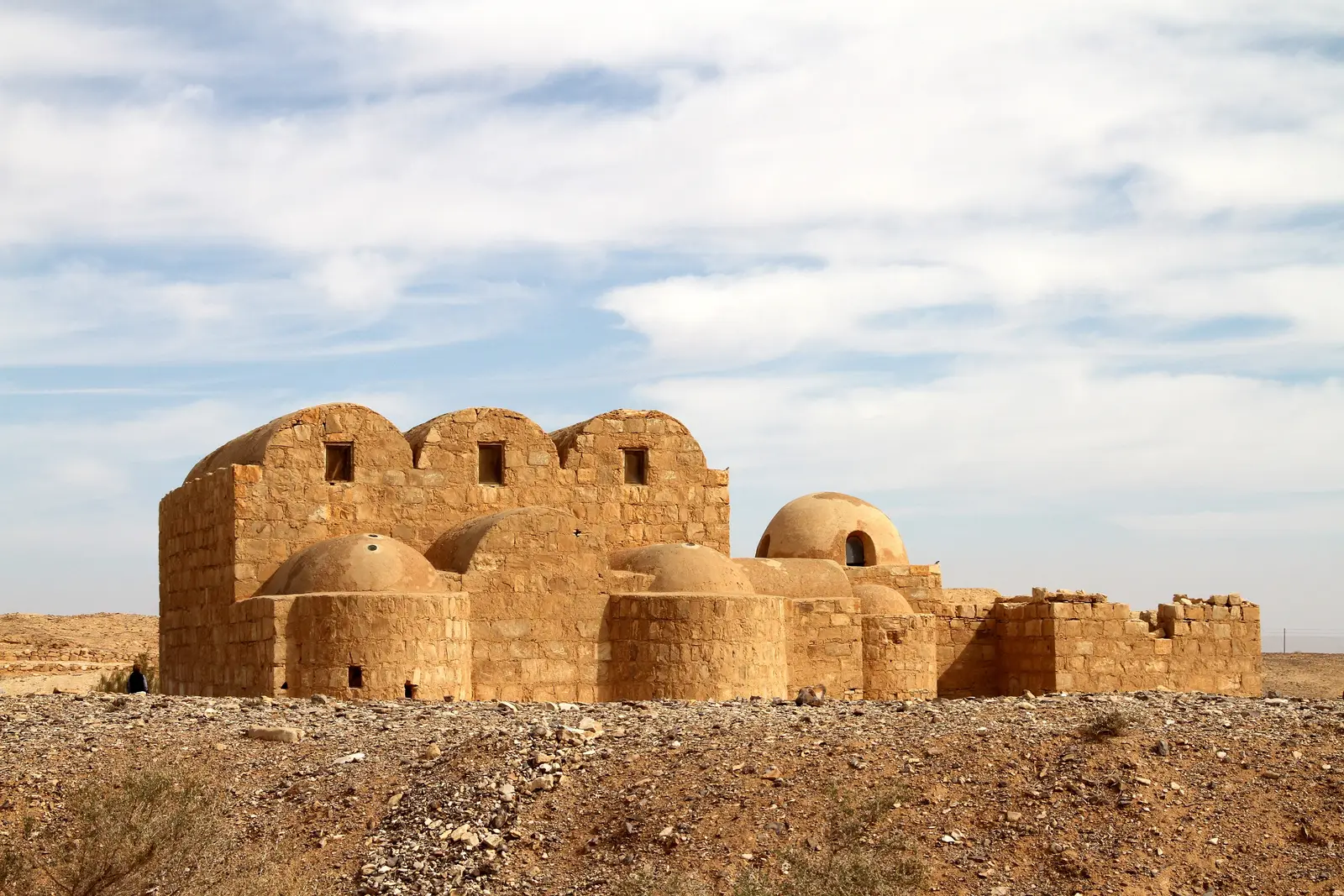
Desert Castles
Early Islamic palaces, baths and forts scattered across the eastern desert, with rare frescoes and a hidden oasis.