As-Salt
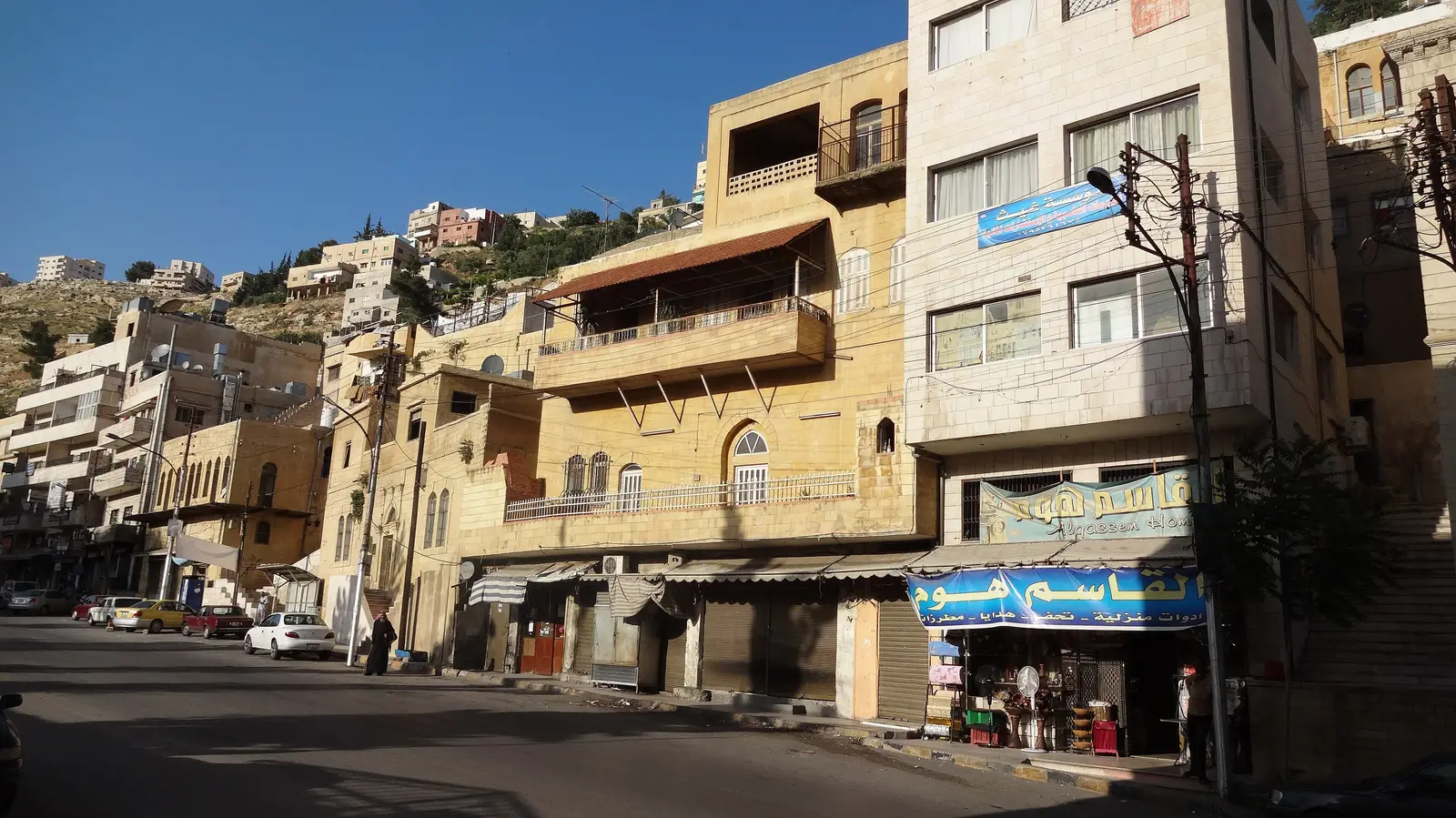
As-Salt tumbles down three hills in a cascade of golden limestone houses, arched windows and steep stairways. Recognised by UNESCO as a place of tolerance and urban hospitality, it is a town where neighbours of different faiths have long shared daily life. Its unhurried lanes reward anyone who loves to wander.
Salt grew into an important regional centre in the late Ottoman period, roughly from the 1860s to the 1920s, as merchants from across the region settled here and trade flourished. The wealth of that era built much of the town you see today: elegant houses and public buildings in the local yellow limestone, blending traditional styles with European and other influences. In 2021 UNESCO inscribed the town on the World Heritage List as The Place of Tolerance and Urban Hospitality.
What makes Salt special is its social story. Muslim and Christian families lived side by side in the same neighbourhoods, and the town developed a strong culture of welcoming guests. Guest houses called madafas received travellers, and community institutions served everyone. Mosques and churches stand close together, and the spirit of mutual respect remains part of local identity. UNESCO recognised this living tradition as much as the architecture itself.
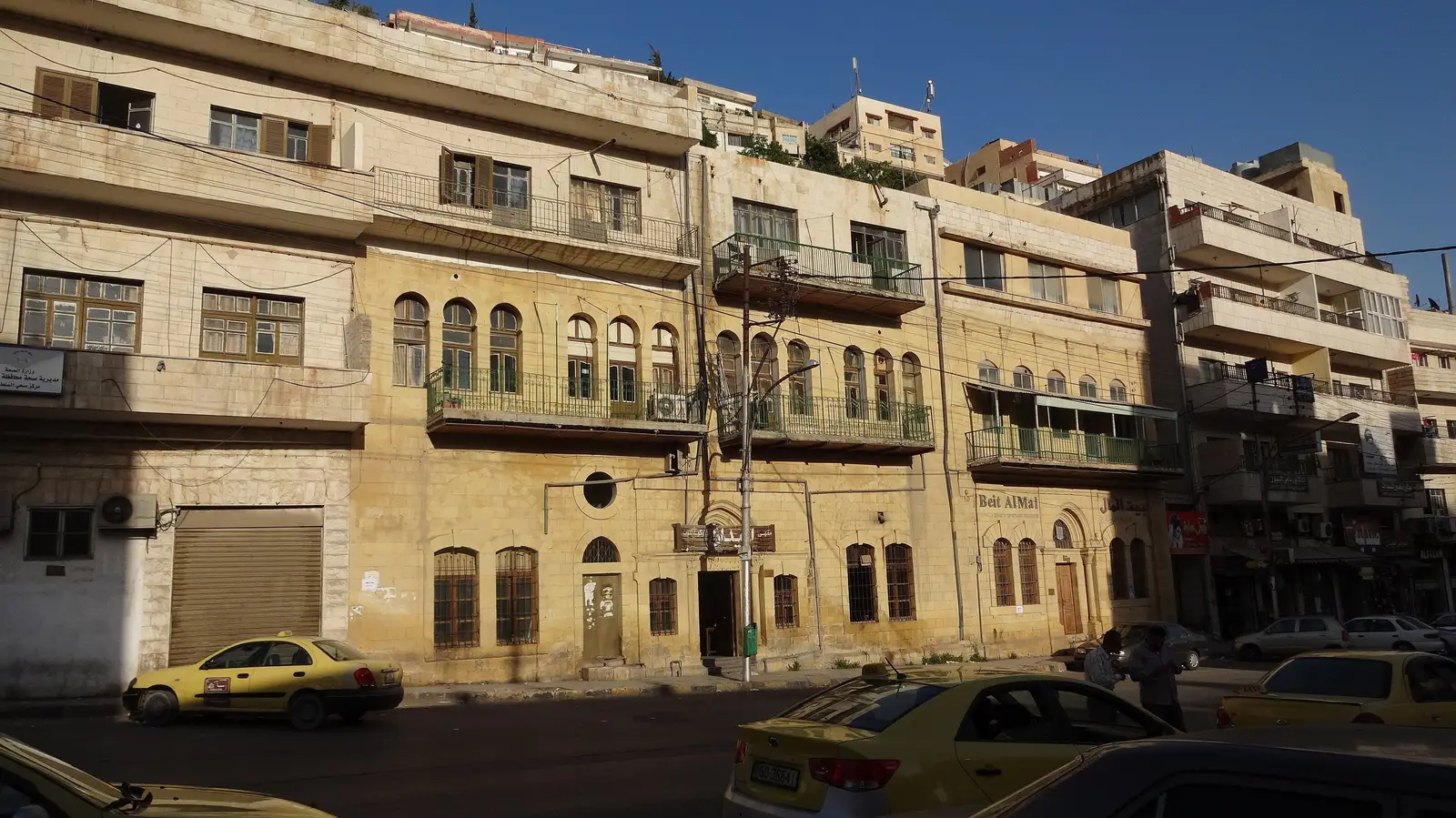
The best way to see Salt is on foot. Start at Hammam Street, a narrow, busy market lane lined with grocers, bakers and small shops that seems to have changed little in a century. Climb the stairways between the hills for views over the rooftops, and visit the Abu Jaber House, an ornate mansion with painted ceilings that now houses the Salt Historic Old City Museum. The Salt Archaeological Museum displays finds from the surrounding region, and the old town's churches and mosques lie just a few lanes apart.
Salt sits among green hills northwest of Amman, offering a pleasant change of scenery and a slightly cooler climate. Local guides lead walking tours that open doors to hidden courtyards and family stories, and small restaurants serve home-style Jordanian food. Many visitors come for a few hours, but staying longer lets you enjoy the evening light on the stone and the friendly rhythm of a town where people still greet strangers warmly.
Highlights
- 1Hammam Street, the old market lane
- 2The Abu Jaber House and the Salt Historic Old City Museum
- 3Walking the stairways between Salt's hills
- 4Ottoman-era mansions of golden limestone
- 5The Salt Archaeological Museum
- 6Churches and mosques standing side by side
Frequently asked questions
How do I get from Amman to As-Salt?
As-Salt is about 30 kilometres north-west of Amman, usually around 40 minutes by car. Minibuses run regularly from Amman to the city centre, and taxis and private drivers are easy to arrange. Once in As-Salt, the historic centre is best explored on foot, as the streets are narrow and parking can be difficult.
What is there to see in As-Salt?
Highlights include the Historic Old Salt Museum in the elegant Abu Jaber House, the busy market of Hammam Street, and the stairways that climb between golden limestone houses with arched windows. You can also visit old mosques and churches standing close together, the archaeological museum and viewpoints over the city's three hills.
How much time do you need in As-Salt?
Half a day is enough to walk through the historic centre, visit the museums and enjoy the market. A full day allows time for a relaxed lunch, more of the stairways and lanes, and a visit to nearby places such as Fuheis or the forests of Zai. Many travellers combine As-Salt with the Jordan Valley or the Dead Sea.
What should I wear when visiting As-Salt?
Wear comfortable shoes with good grip, as the historic centre has many steep stairways and sloping lanes. As-Salt is a traditional town, so modest clothing that covers shoulders and knees is appreciated by local residents. Bring a light jacket in winter and spring, because the hills are often cooler and windier than central Amman.
Is As-Salt suitable for children?
Yes. Children often enjoy the lively market, the colourful shops and exploring the stairways between the old houses. However, the many steps make strollers very difficult to use, so a child carrier is more practical. Keep children close in the market streets, where traffic and crowds can be heavy at busy times.
Can you visit As-Salt and the Dead Sea in one day?
Yes. Visit As-Salt in the morning, when Hammam Street is at its liveliest, then drive down through the hills to the Jordan Valley and the Dead Sea, which takes about 45 minutes to an hour. You can float in the afternoon and watch the sunset over the water before returning to Amman.
Continue the journey
 07
Aqaba
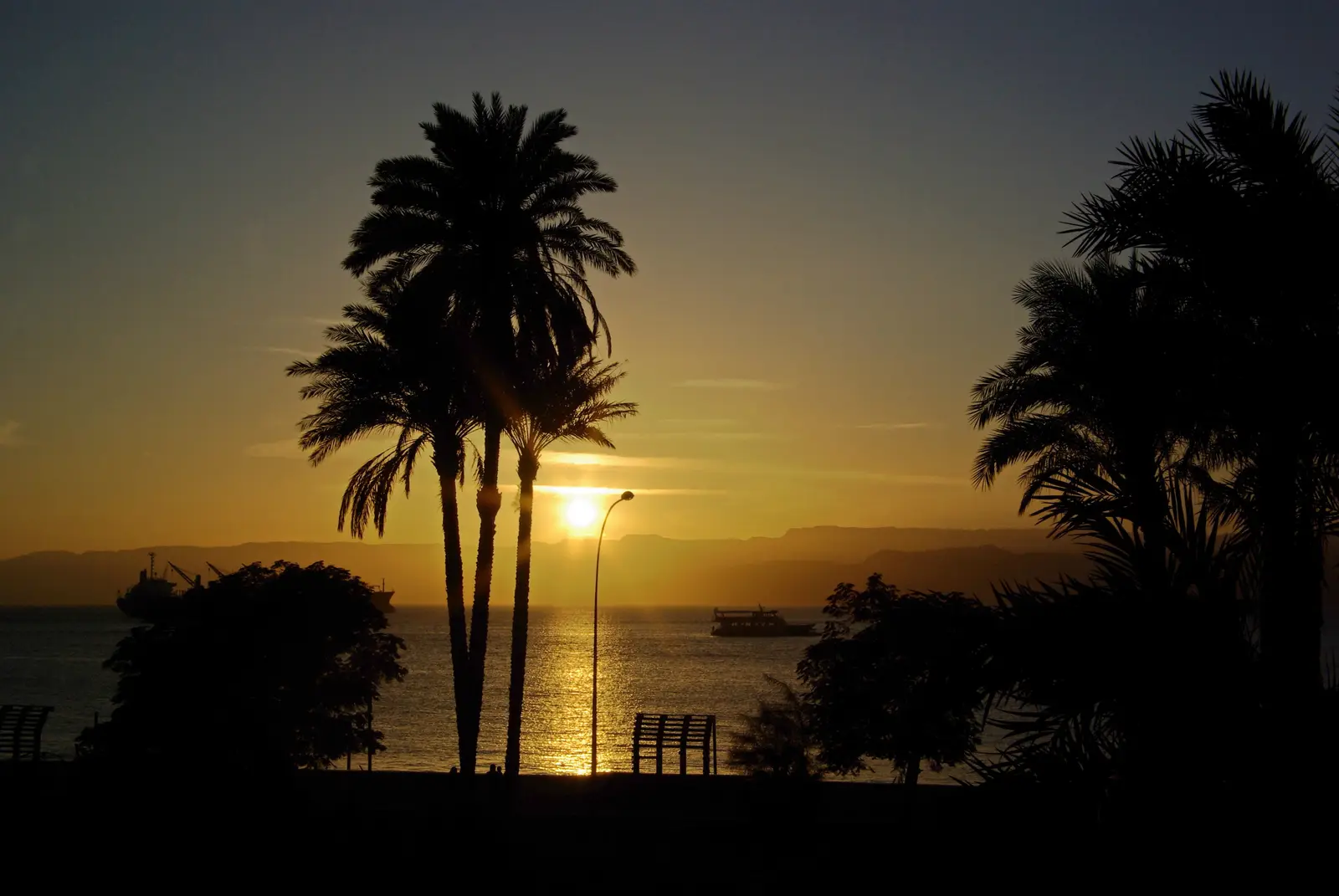
Jordan's only coastal city, where warm Red Sea waters hide vivid coral reefs just a few steps from the shore.
 08
Wadi Mujib
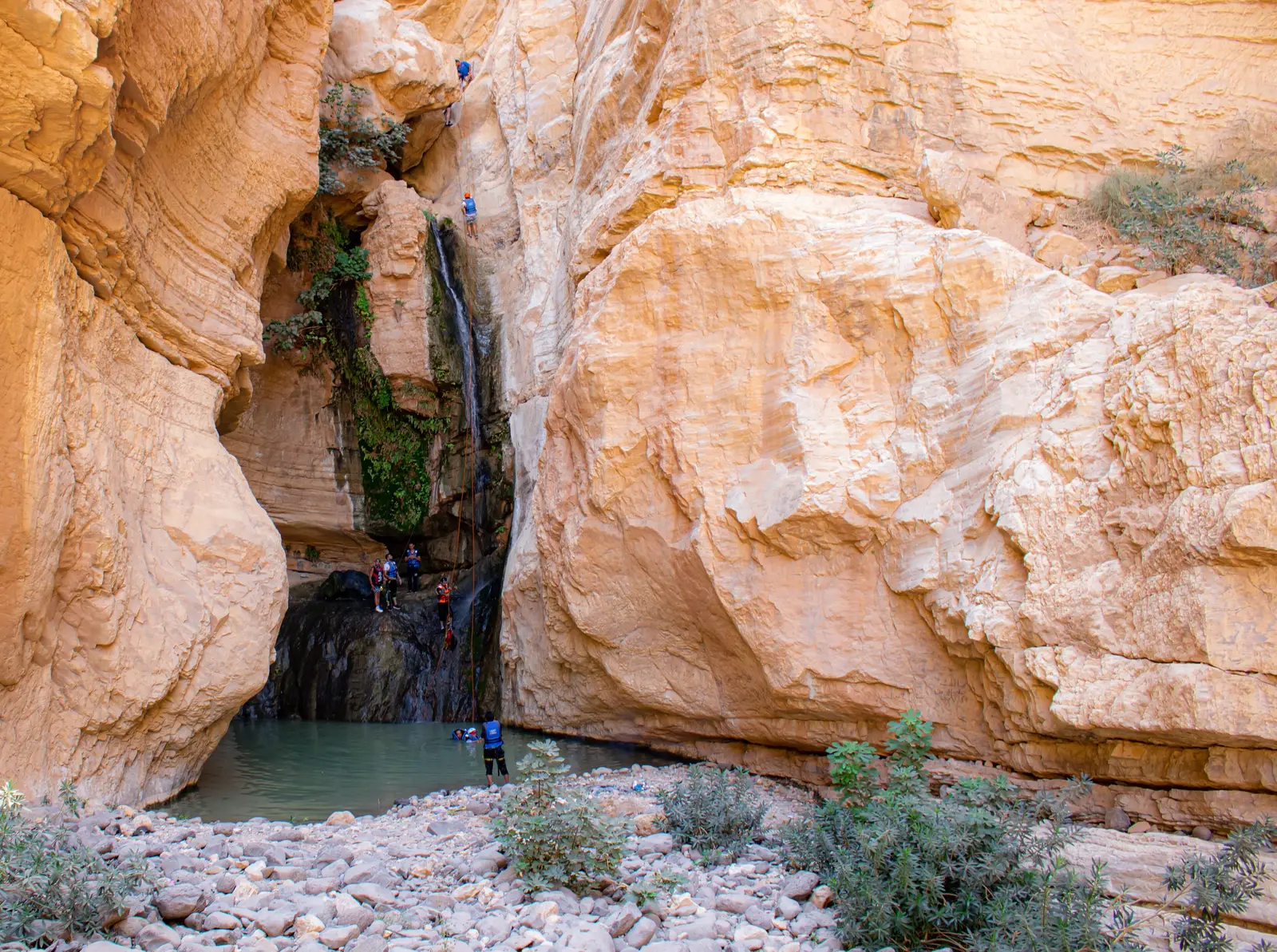
Wade and swim through a towering sandstone gorge to a roaring waterfall in the lowest nature reserve on Earth.
 09
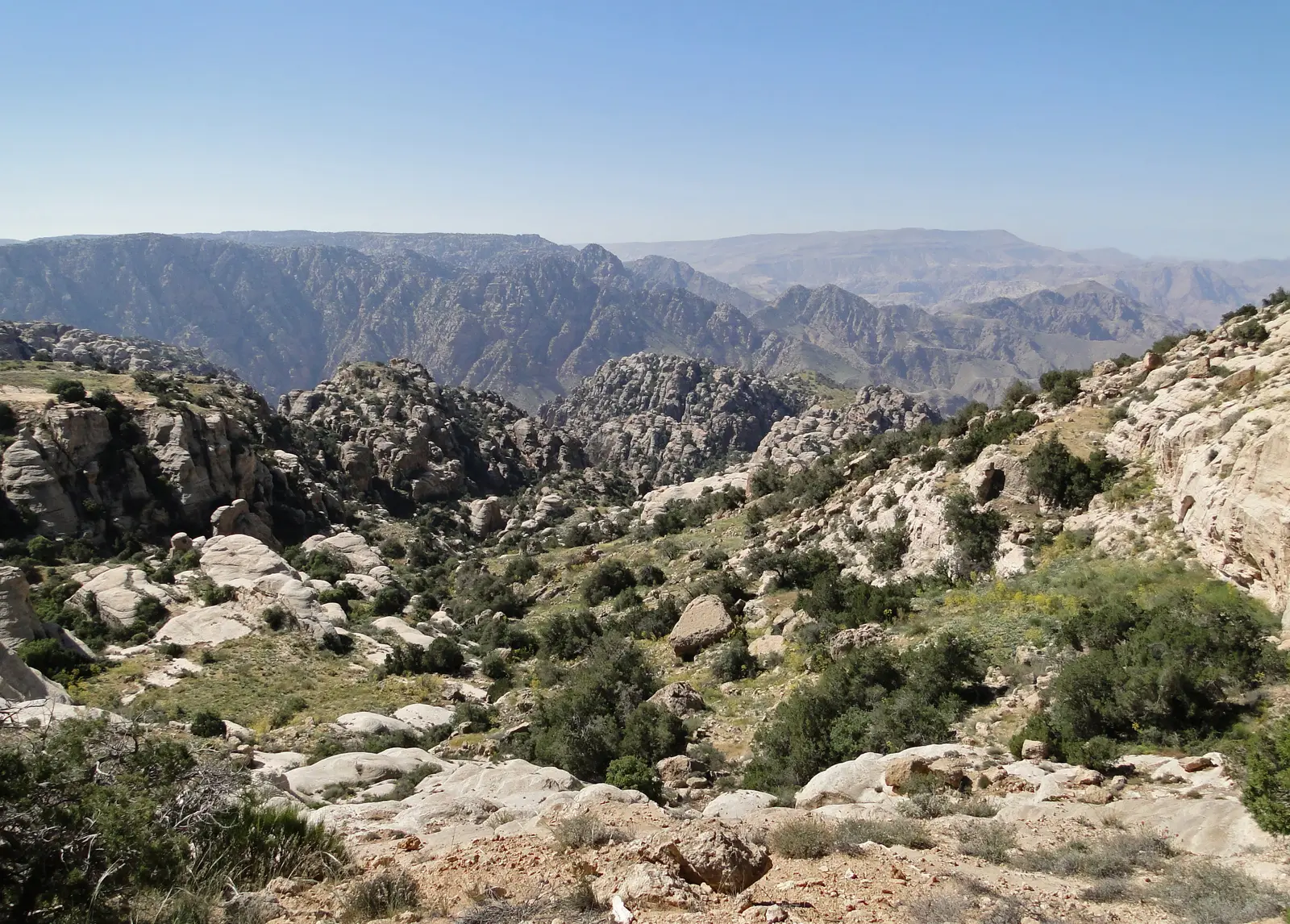
Dana
A stone village perched above a vast valley that falls from mountain cliffs to desert, rich in wildlife and silence.
 10
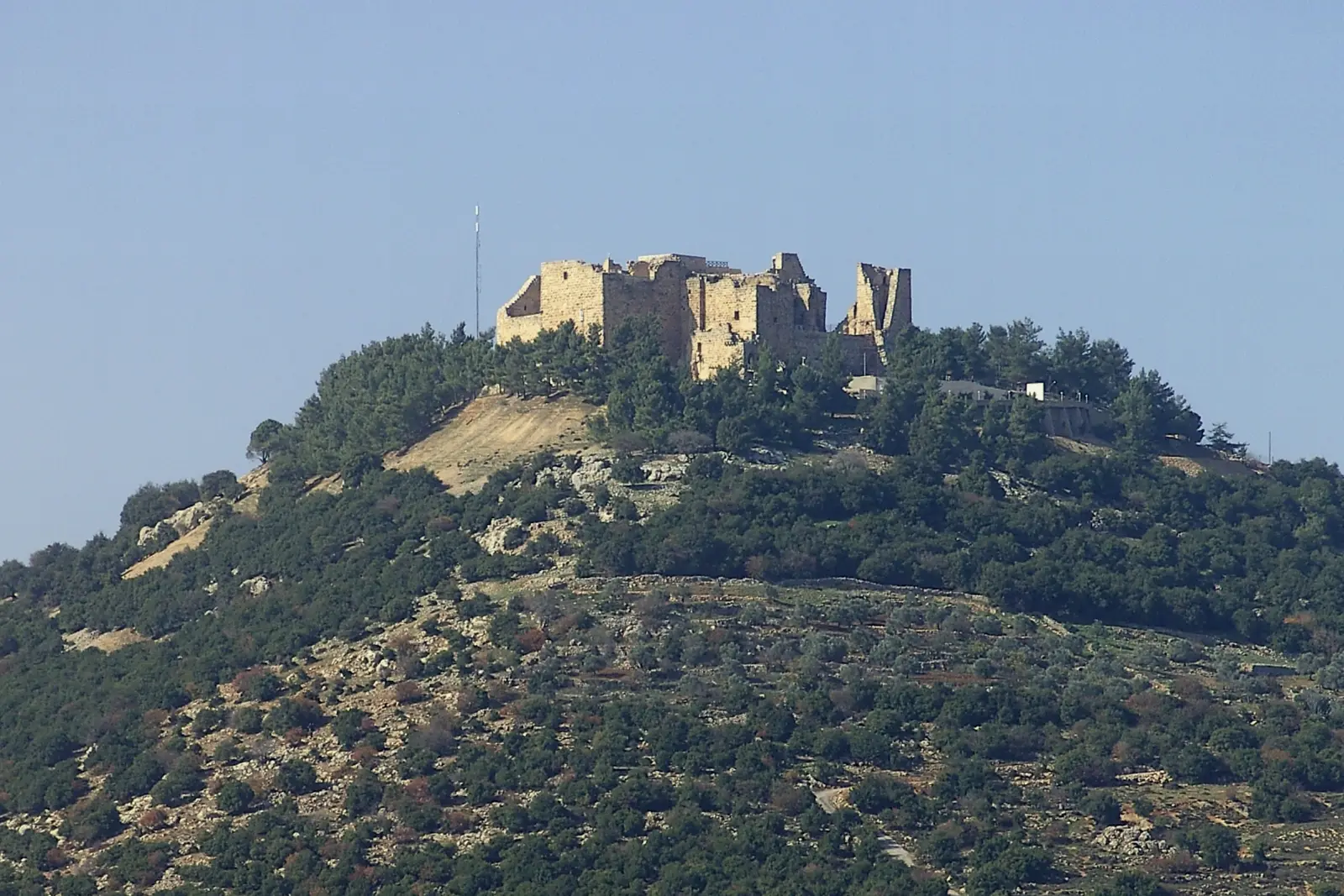
Ajloun
A medieval hilltop castle and green oak forests in the cool, rolling hills of northern Jordan.
 11
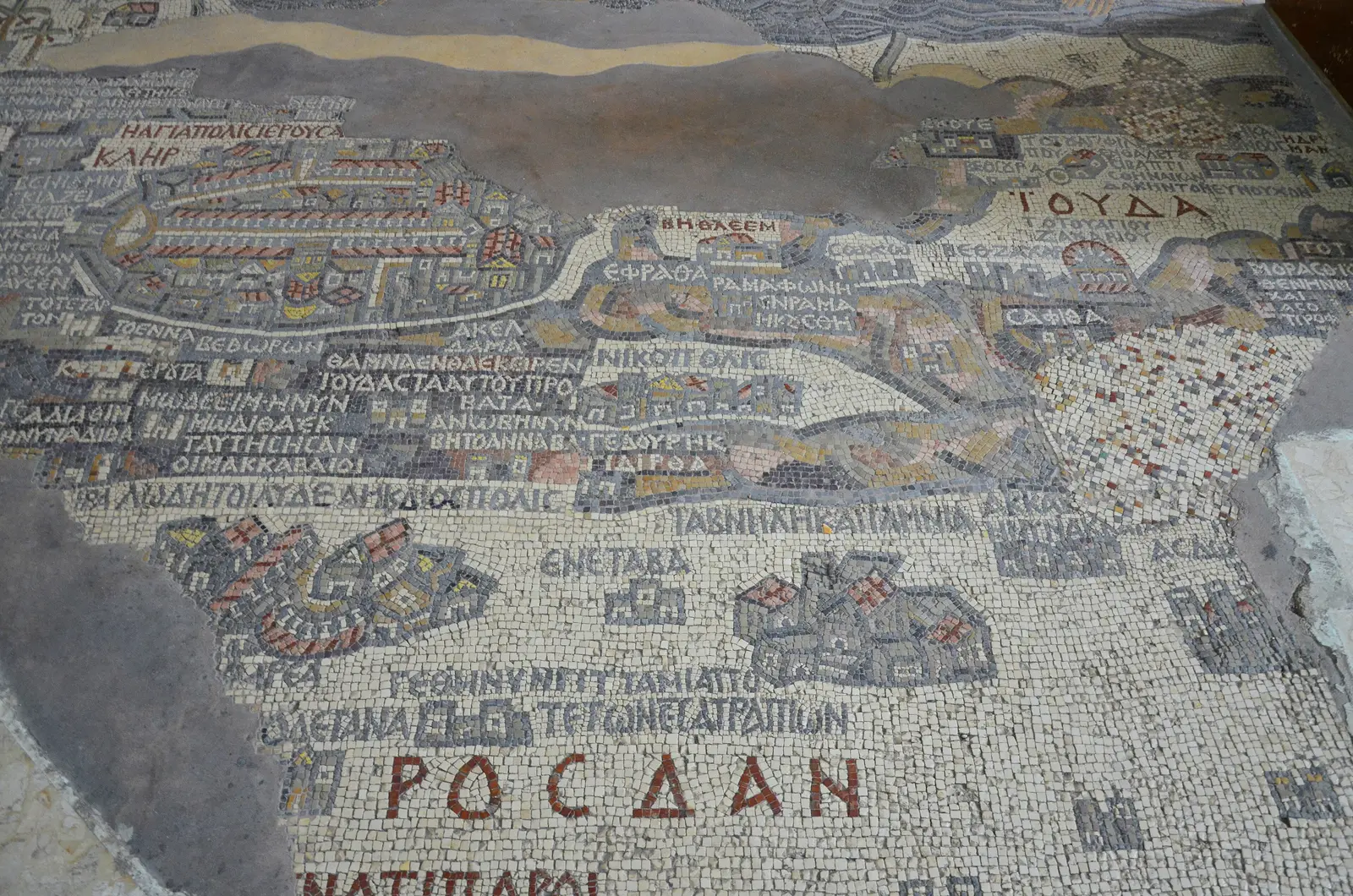
Madaba and Mount Nebo
A friendly town famed for its Byzantine mosaics and an ancient map of the Holy Land, close to Mount Nebo.
 12
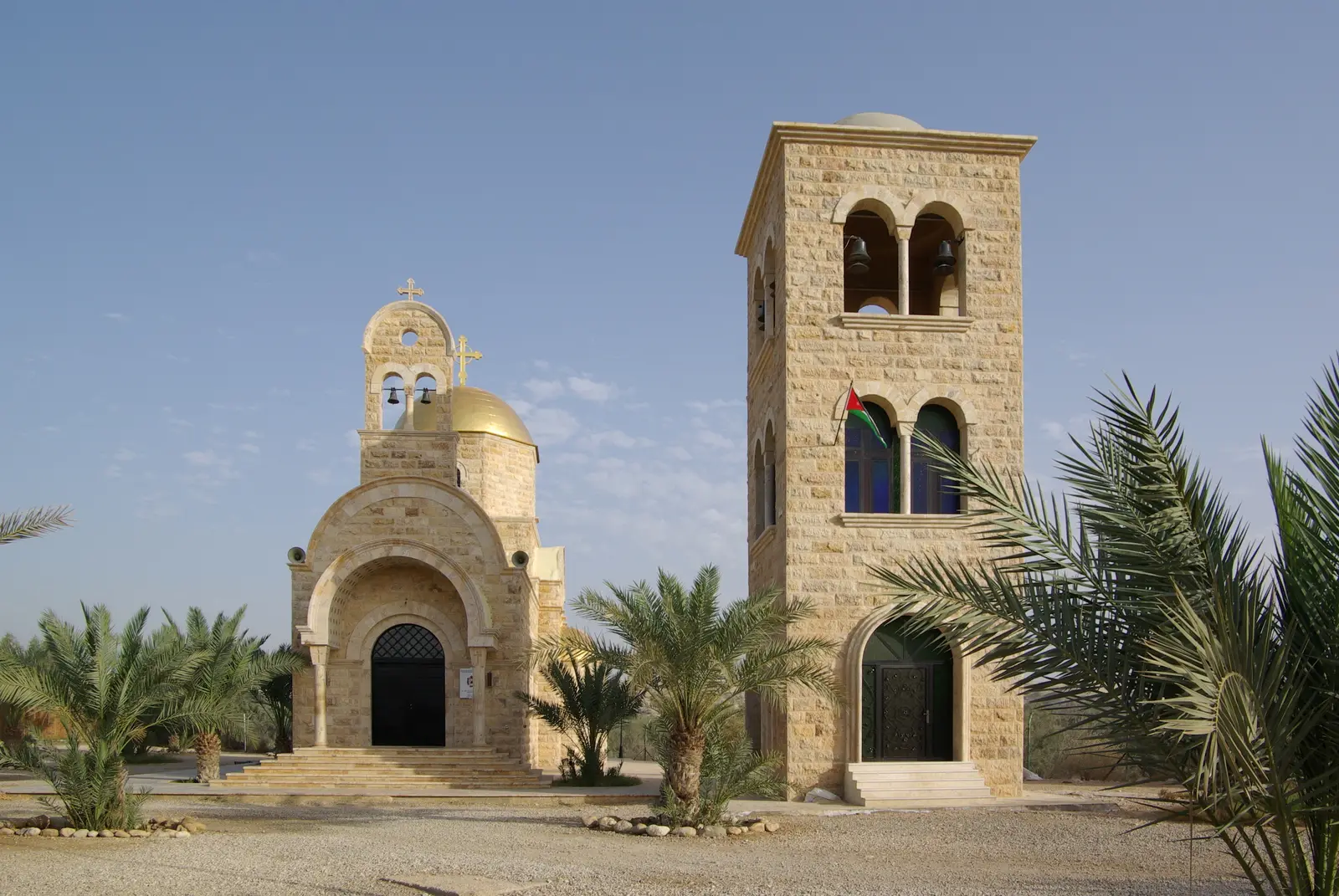
Baptism Site
A peaceful place on the Jordan River, revered by Christians as the site where John the Baptist baptised Jesus.
 13
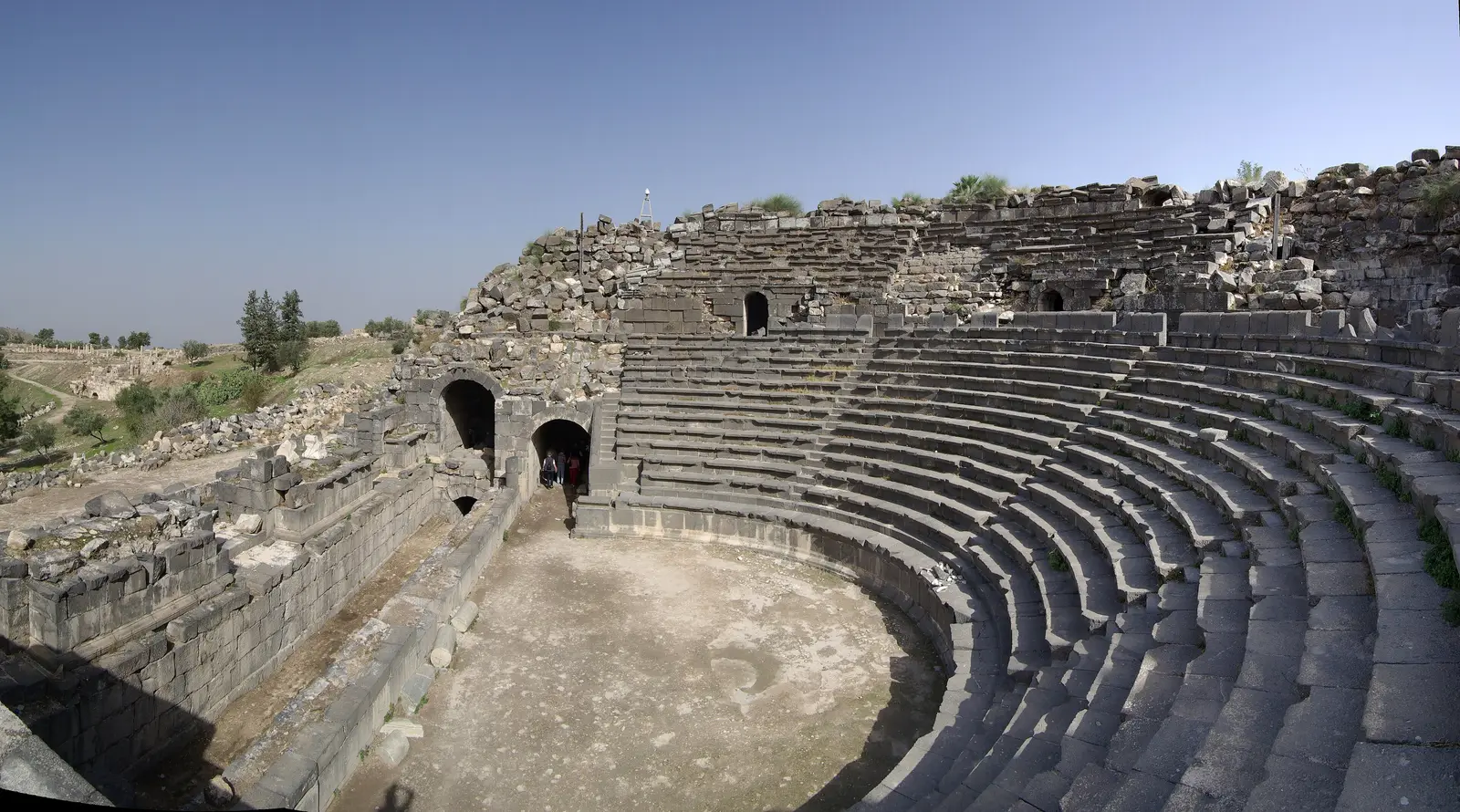
Umm Qais
Basalt ruins of ancient Gadara perched high above the Jordan Valley, with sweeping views toward the Sea of Galilee.
 14
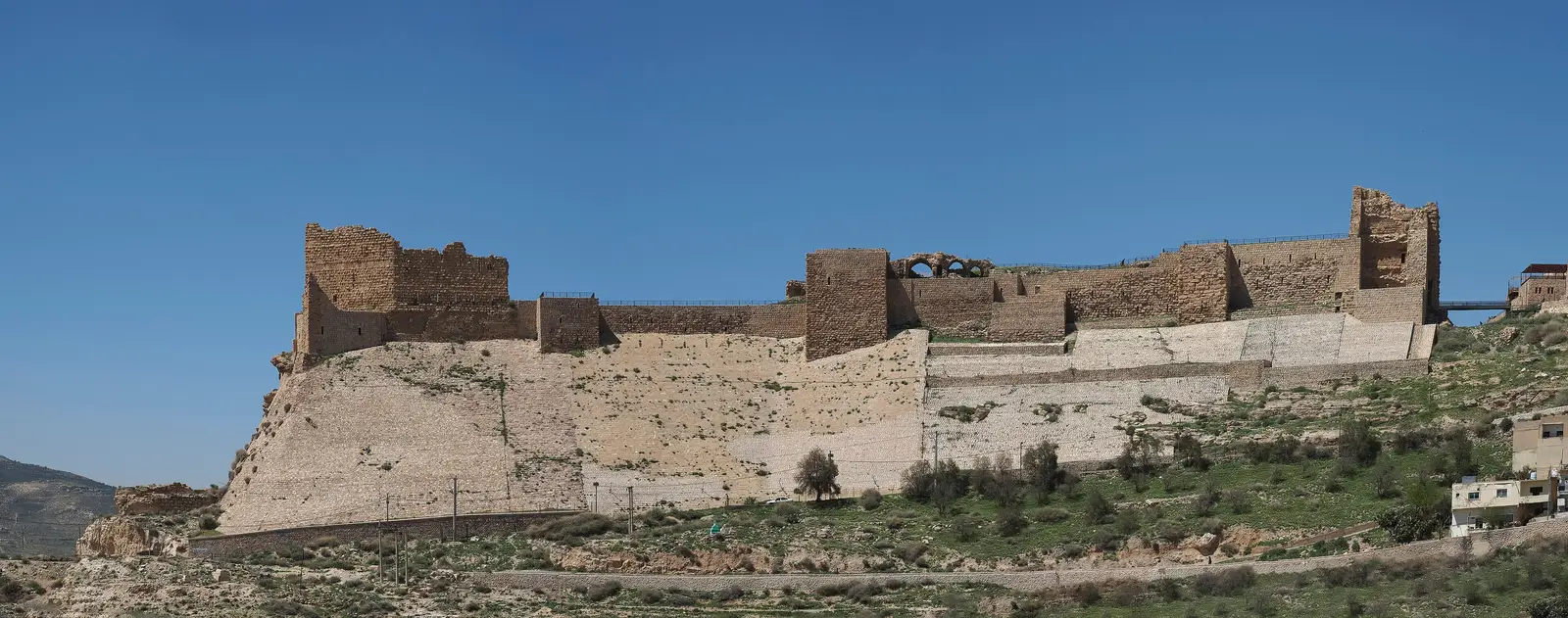
Kerak Castle
A vast medieval fortress on a mountain spur, full of dark vaulted halls and wide views over the surrounding valleys.