Nature & Wildlife
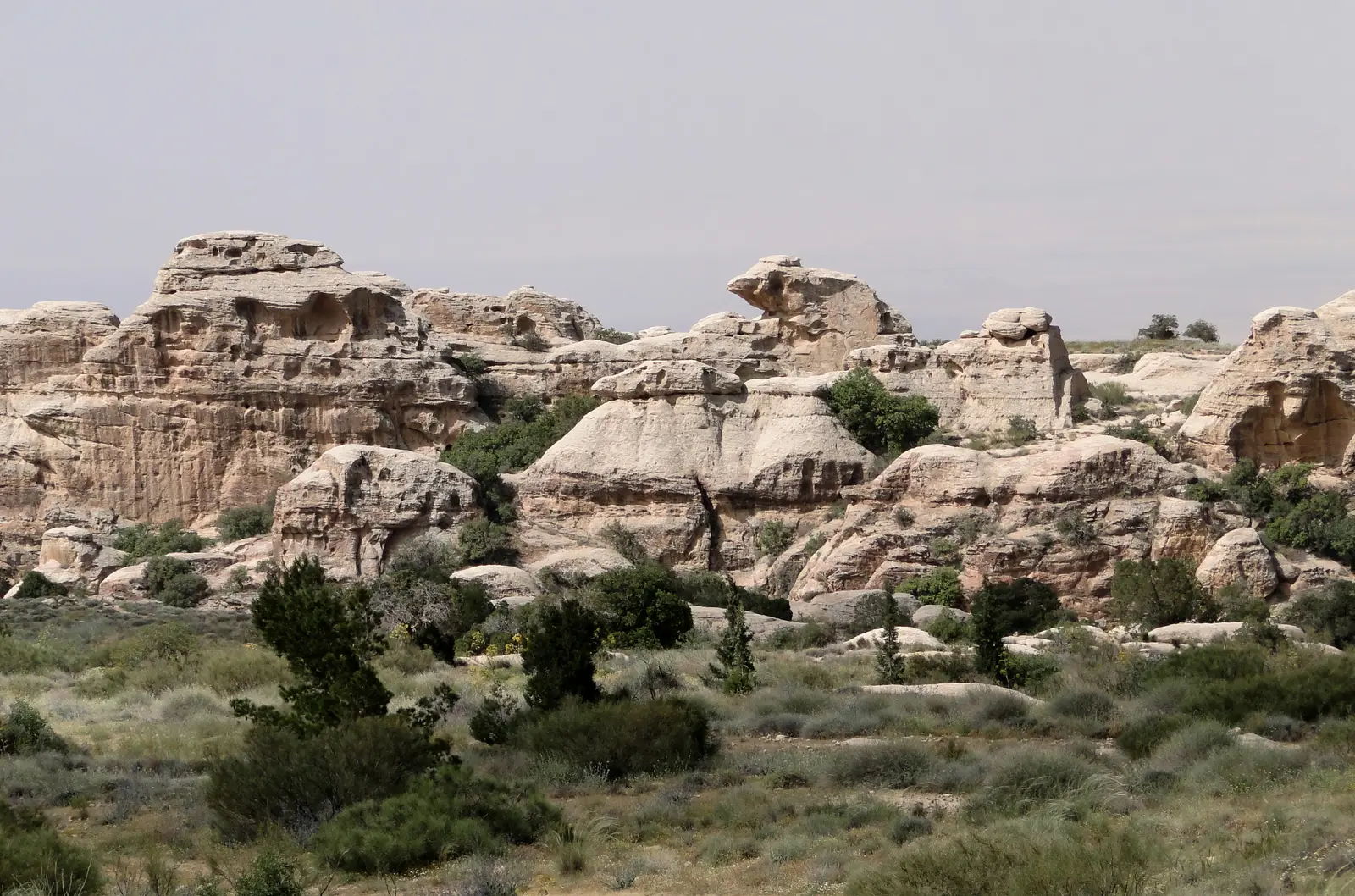
Jordan's nature is far more varied than its size suggests. Within a short distance, there are oak forests, canyons with flowing streams, desert oases, sand dunes, the salty Dead Sea and colourful coral reefs. A network of protected areas helps to conserve these habitats and invites visitors to explore them on foot.
Protecting wild places
The Royal Society for the Conservation of Nature, known as the RSCN, was founded in 1966 and manages many of Jordan's nature reserves. Its work combines protecting plants and animals with creating jobs for local communities, for example as guides, rangers, cooks and craftspeople. Guesthouses, campsites and ecolodges in several reserves allow visitors to stay close to nature.
Other protected areas are managed by different bodies. Wadi Rum, for example, is managed by the Aqaba Special Economic Zone Authority, and the coral reefs south of Aqaba are protected as a marine park. Together, these areas cover deserts, forests, wetlands, mountains and the sea, and they protect species found nowhere else in the region.
Dana Biosphere Reserve
Dana is one of Jordan's largest nature reserves, stretching from the highlands near the village of Dana down to the desert lowlands of Wadi Araba. Within this short distance it includes several different climate and plant zones. Visitors can hike between the historic stone village and the Feynan area, and may see ibex, birds of prey and rare plants.
Mujib Biosphere Reserve
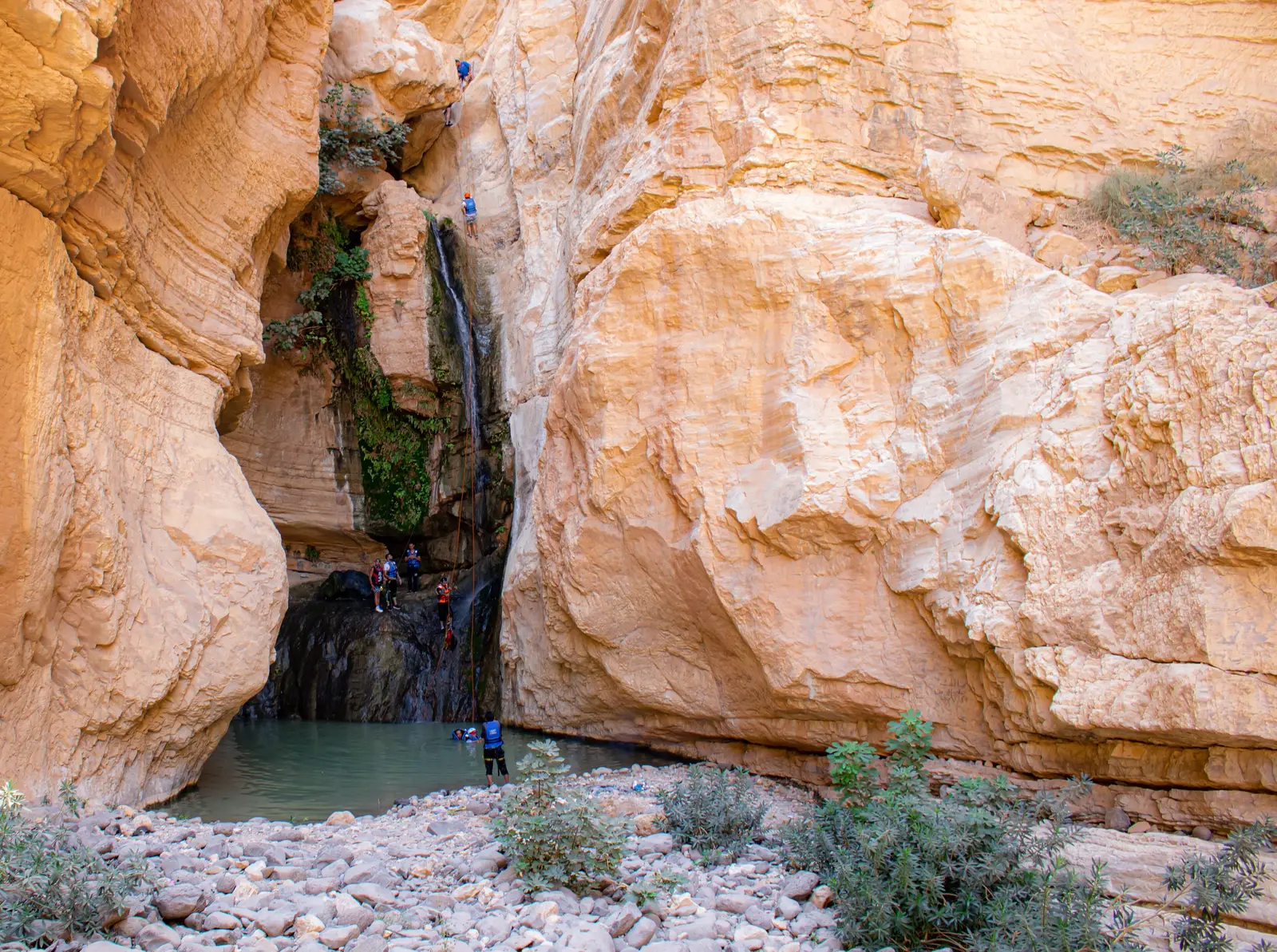
The Mujib Reserve lies along the eastern side of the Dead Sea, and parts of it are among the lowest nature reserves on Earth. Deep sandstone canyons carry streams and waterfalls towards the Dead Sea. Water trails through the narrow gorges are popular in the warmer months. The reserve is also a home of the Nubian ibex.
Ajloun Forest Reserve
Set in the hills of northern Jordan, the Ajloun Forest Reserve protects woodland of evergreen oak, pistachio, carob and strawberry trees. Marked trails lead through the forest and nearby villages, where local women run small workshops making soap, calligraphy and other crafts. Roe deer have been reintroduced to the area.
Azraq Wetland Reserve
Azraq is a rare desert oasis in the eastern Badia, where springs once formed large pools and marshes. Over time, much of the water has been lost, but part of the wetland has been restored. It is an important stop for migrating birds, and it is home to the Azraq killifish, a small fish found nowhere else in the world.
Shaumari Wildlife Reserve
Established in 1975 near Azraq, Shaumari was created as a breeding centre for endangered desert animals. It played an important role in returning the Arabian oryx to the wild. Visitors can also see other desert species such as gazelles and the Asiatic wild ass, and learn about efforts to protect desert wildlife.
Wadi Rum Protected Area
Wadi Rum is a desert of red sand, sandstone and granite mountains, natural arches and narrow canyons. It is managed by the Aqaba Special Economic Zone Authority and is listed by UNESCO for both its natural beauty and its thousands of ancient rock inscriptions and drawings. Local Bedouin guides lead jeep tours, hikes and camel rides.
Yarmouk Forest Reserve
In the far north, near the Yarmouk River, this reserve protects one of the finest areas of deciduous oak forest in Jordan, especially Mount Tabor oak. The rolling hills support a variety of birds, mammals and wildflowers. It is a quieter destination that shows the green, Mediterranean side of Jordan's landscape.
The Jordan Trail
This long-distance trail crosses Jordan from Umm Qais in the north to Aqaba in the south, passing forests, villages, canyons, ancient sites and deserts. It is divided into sections that can be walked separately. Many walkers use local guides, who know the routes, the weather and the communities along the way.
Bird migration flyway
The Rift Valley is one of the busiest bird migration routes in the world. Each spring and autumn, large numbers of birds of prey, storks and songbirds pass through Jordan. Aqaba, Azraq, Dana and the Jordan Valley are good places for birdwatching, especially in the early morning.
Black iris
The black iris is Jordan's national flower. Its large, dark purple petals look almost black from a distance. It blooms briefly in early spring in a small number of highland locations, often on rocky slopes and field edges. It is a protected plant, so visitors are encouraged to photograph it and leave it undisturbed.
Arabian oryx
The Arabian oryx is a white antelope with long, straight horns, well adapted to life in the desert. After it disappeared from the wild in the region, breeding programmes, including at Shaumari, helped bring it back. Today, oryx are also found in Wadi Rum, and the animal is often seen as a symbol of conservation in Jordan.
Dead Sea geology
The Dead Sea fills the deepest part of the Jordan Rift Valley, where the Earth's crust is slowly pulling apart. Its shore is more than 430 metres below sea level. Very high salt content makes swimmers float, and salt forms crystals along the shoreline. The water level has been dropping steadily for decades.
Red Sea coral reefs
Just south of Aqaba, coral reefs begin a few metres from the beach, making them easy to reach for snorkellers and divers. They are home to colourful fish, sea turtles and many kinds of coral. A protected marine park helps conserve the reefs, and visitors are asked not to touch, feed or collect anything underwater.
The Jordan Trail
The Jordan Trail is a long-distance walking route of about 675 kilometres that crosses the country from Umm Qais in the far north to Aqaba on the Red Sea. It passes through dozens of villages and towns and links many of the country's natural and historic highlights, including Ajloun, As-Salt, Madaba, the Mujib area, Karak, Dana, Petra and Wadi Rum.
Walking the full trail takes around five to six weeks, but most people choose one or more sections. Each part has a different character, from green hills and olive groves in the north to canyons, sandstone mountains and open desert in the south. Walkers often stay in village homes, camps and guesthouses, which gives them a close view of rural life and hospitality.
Birds and plants
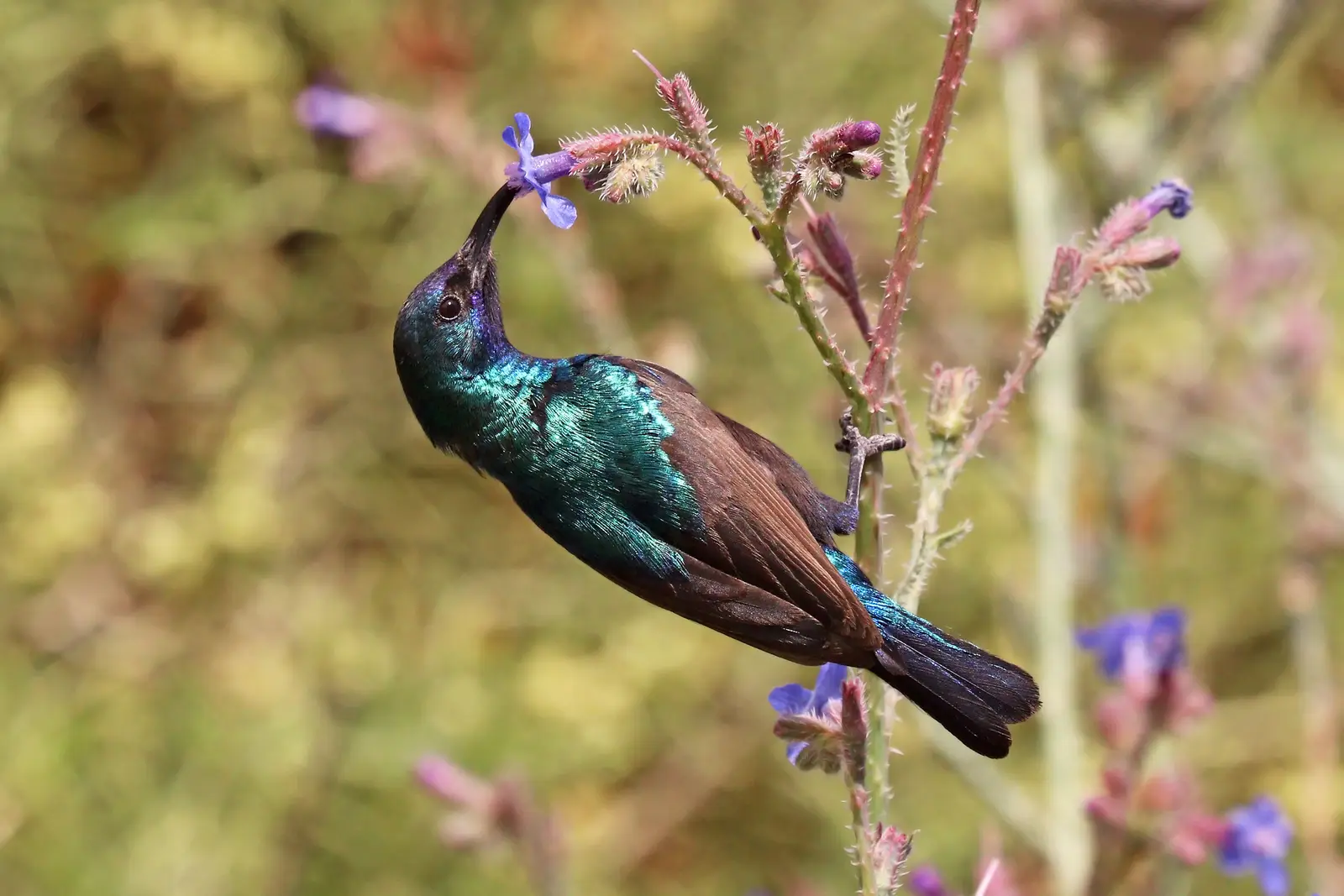
Jordan lies on one of the world's major bird migration routes, which follows the Great Rift Valley between Africa, Europe and Asia. In spring and autumn, large numbers of storks, eagles, buzzards and smaller birds pass overhead. Wetlands such as Azraq and green valleys such as Dana are excellent places to watch them. The Sinai rosefinch, a small pink bird of the southern mountains, is regarded as Jordan's national bird.
The country's plant life is also rich, with more than 2,000 recorded species. The black iris, Jordan's national flower, blooms in early spring in a few highland areas, with dark purple, almost black, petals. Other spring flowers include anemones, tulips, poppies and cyclamen. In the forests of the north, evergreen oak, pine, pistachio and strawberry trees grow on rocky slopes.
The Dead Sea and the Red Sea
The Dead Sea lies in the Jordan Rift Valley, a deep trough formed by the slow movement of two large plates of the Earth's crust. Its shore is the lowest point on land, more than 430 metres below sea level. Its water is about ten times saltier than the ocean, so swimmers float easily on the surface. Rich in minerals, the Dead Sea mud is valued for skin care. The water level has been falling by around a metre each year.
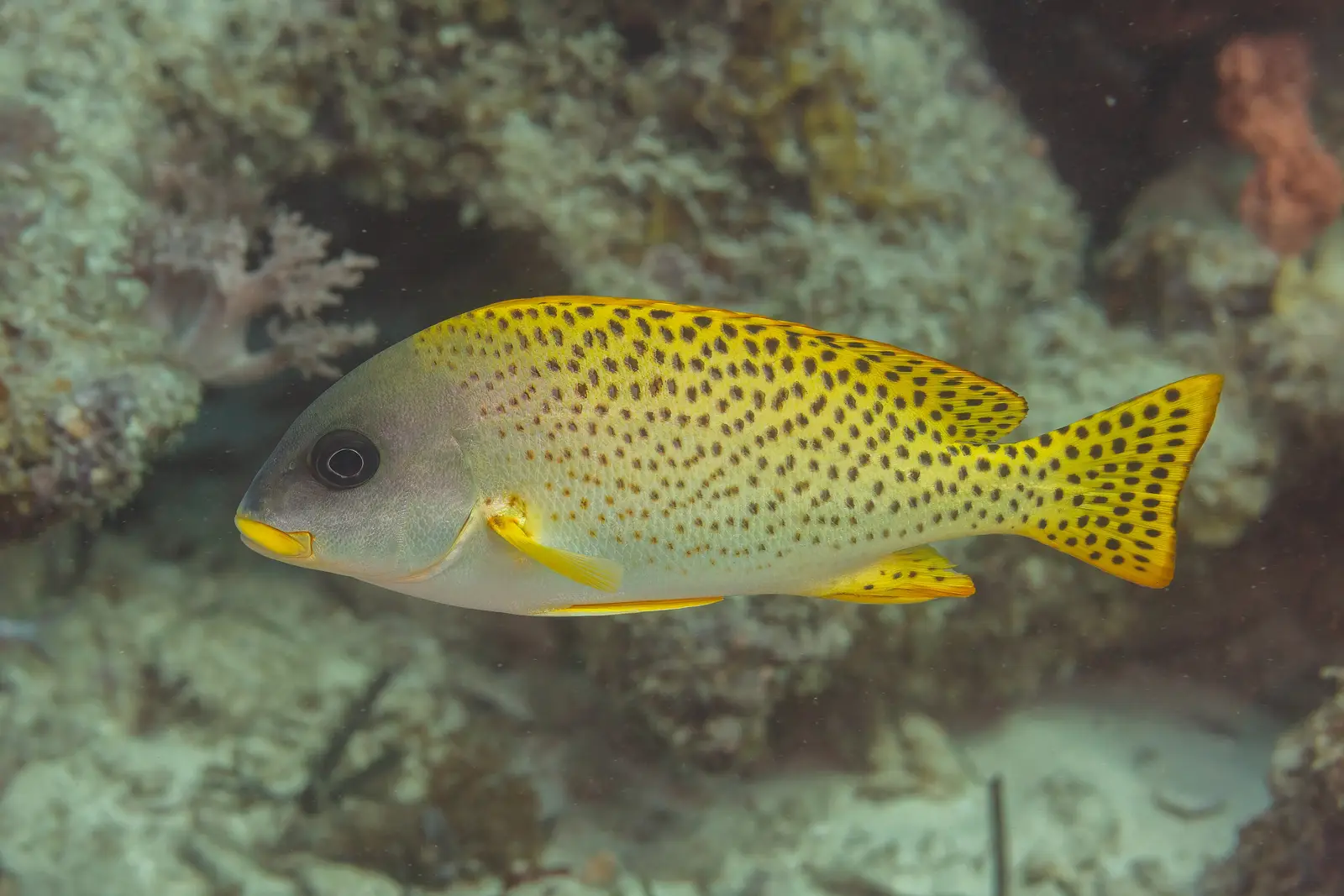
At the southern end of the country, the Gulf of Aqaba holds coral reefs close to the shore, with hundreds of species of fish, corals and other sea life. Clear, warm water makes the area popular for snorkelling and diving throughout the year. Reefs are fragile, so visitors are asked not to touch or stand on corals and to use reef-friendly sunscreen.
More from the guide
Jordan at a Glance
Key facts and first impressions
Read the guideHistory & Heritage
Ten thousand years of human story
Read the guideHow the State Is Organised
Institutions, governorates and national symbols
Read the guideRegions & Governorates
Twelve governorates, three landscapes
Read the guideClimate & Seasons
When to go and what to pack
Read the guideRoads & Getting Around
Airports, highways, buses and taxis
Read the guideFood & Flavours
The Jordanian table
Read the guideCulture & Traditions
Hospitality, heritage and daily life
Read the guidePractical Information
Before you go and while you are there
Read the guide