Wadi Rum
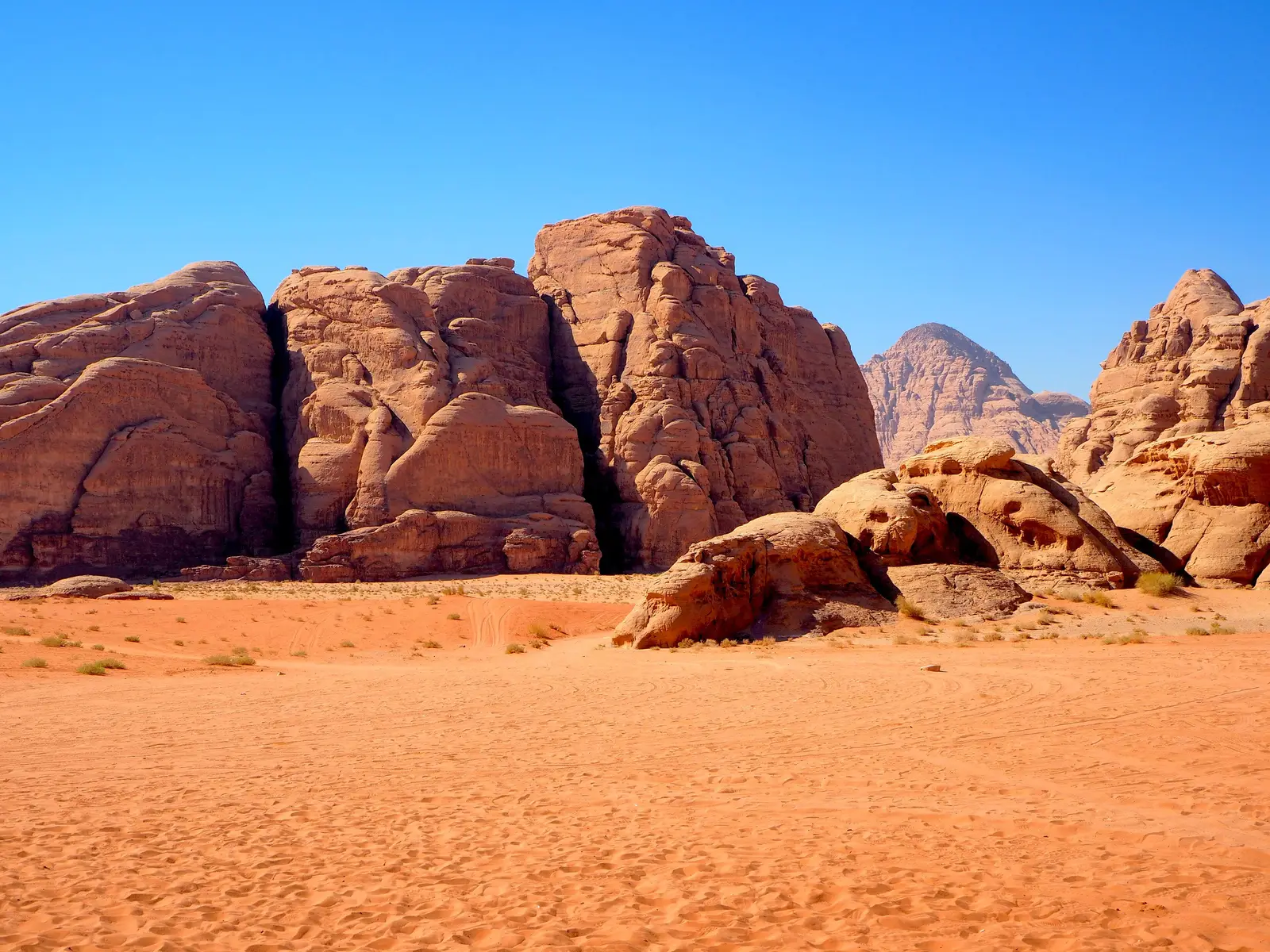
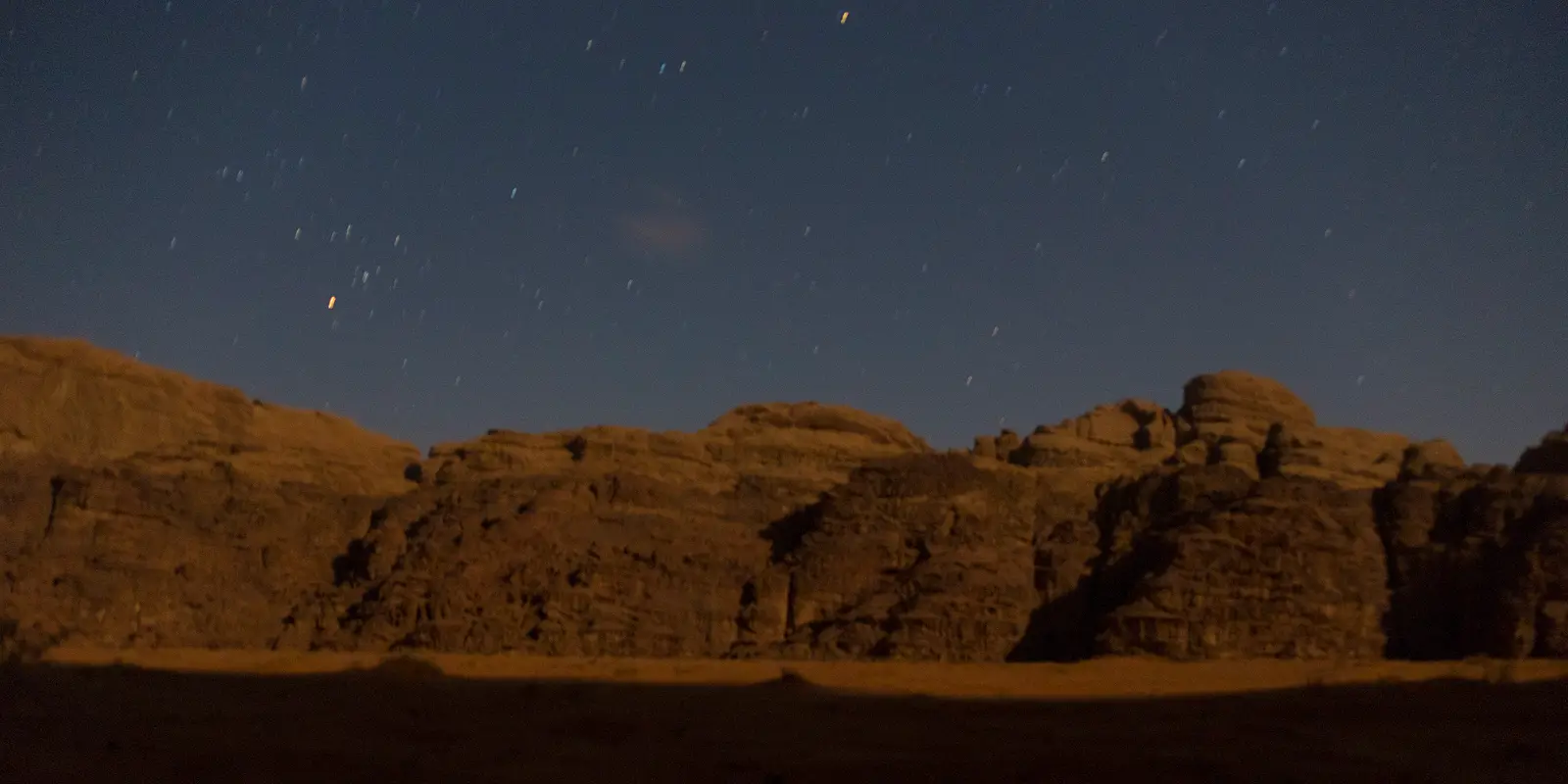
Wadi Rum feels like another planet, and filmmakers have often used it as one. Sheer mountains of sandstone and granite rise from rivers of red and golden sand, sculpted by the wind into arches, canyons and strange domes. By night the silence is complete and the sky is crowded with stars.
Wadi Rum Protected Area covers a huge expanse of desert in southern Jordan, and in 2011 UNESCO inscribed it as a mixed site, for both its natural beauty and its cultural heritage. People have lived in and travelled through this desert for thousands of years, and they left their mark on the rock: thousands of petroglyphs and inscriptions in several ancient scripts show hunters, camels, ibex and the names of passing travellers. Together they tell a long story of human life adapting to one of the harshest and most beautiful landscapes on Earth.
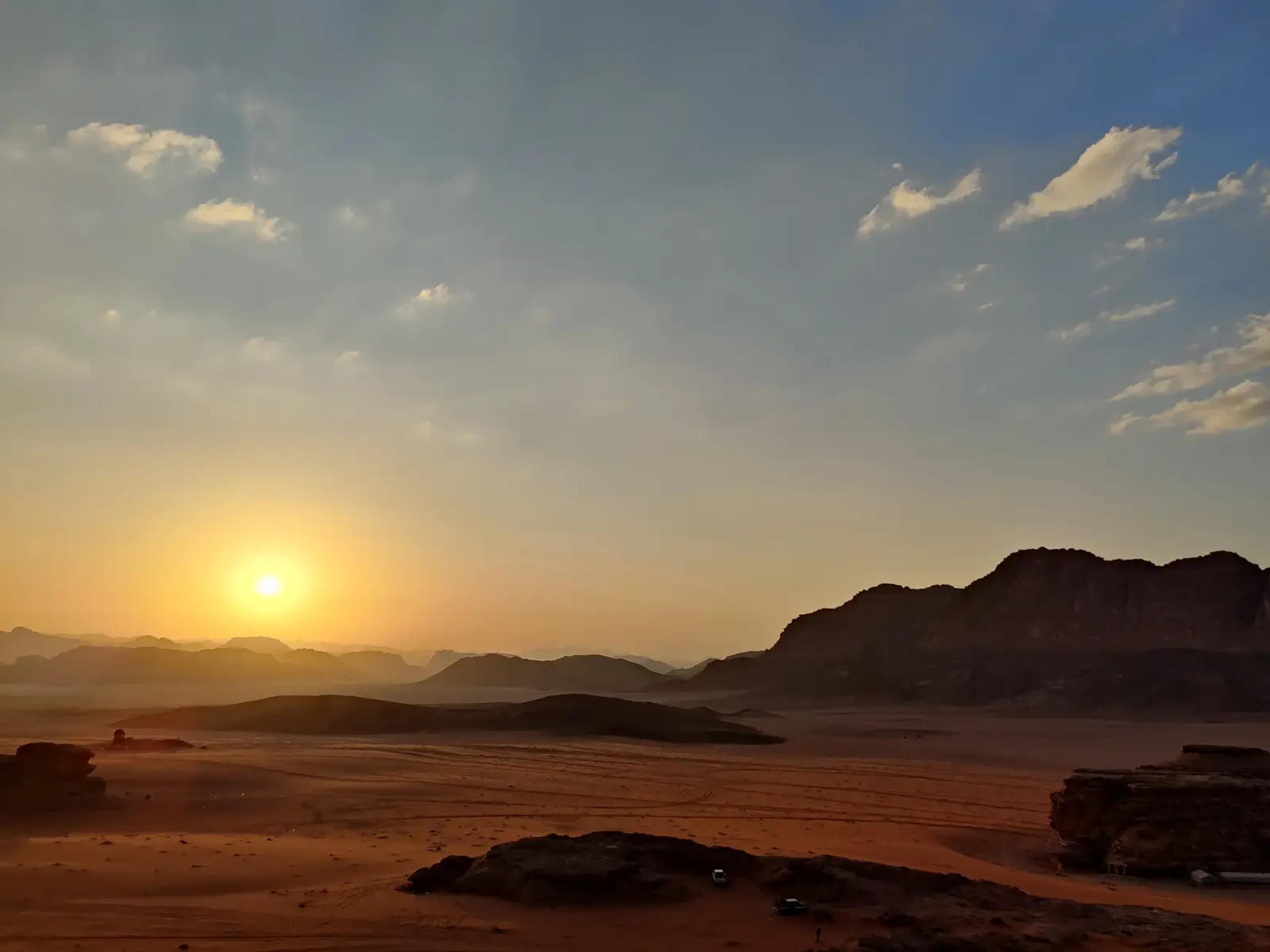
The scenery is the star. Mountains rise abruptly from flat sandy valleys, their surfaces melted and folded into shapes that look almost liquid. Natural rock bridges span the heights, narrow canyons hide cool shade and ancient carvings, and dunes of soft red sand pile up against the cliffs. Jebel Umm ad-Dami, near the southern edge of the area, is the highest peak in Jordan, and its summit looks out over endless desert ridges. Light changes everything here: colours deepen through the afternoon and burn orange at sunset.
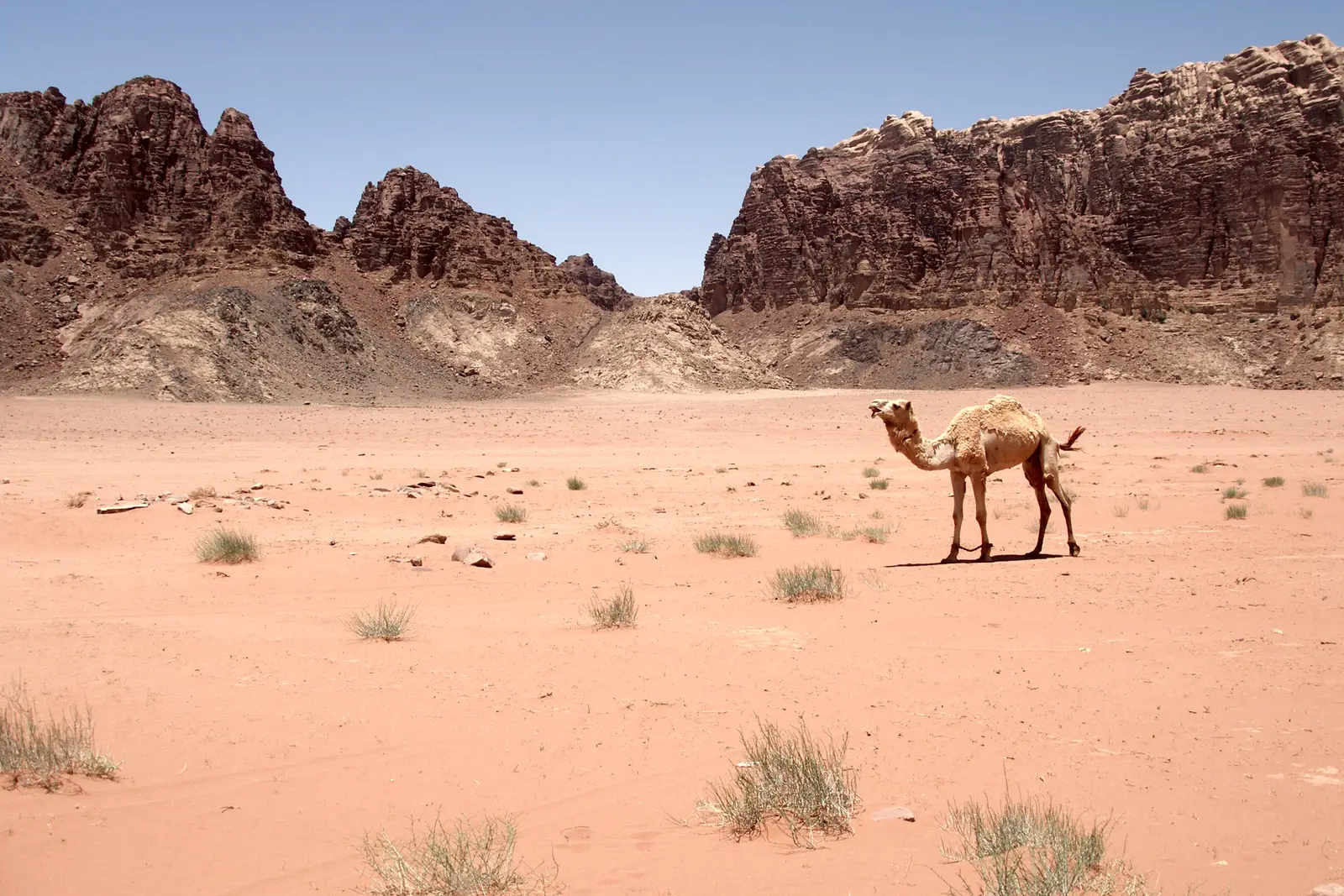
Wadi Rum is home to Bedouin communities, especially the Zalabia, who run most of the tours and camps inside the protected area. Their knowledge of the desert is the best guide you can have. A typical visit means riding in a four-wheel-drive vehicle between landmarks, or travelling more slowly by camel or on foot. Many visitors spend the night in a desert camp, sharing sweet tea and a traditional zarb, a meal of meat and vegetables slow-cooked in a pit beneath the sand.
Beyond jeep tours, Wadi Rum is a renowned destination for rock climbing, with routes on its sandstone walls ranging from easy scrambles to serious climbs. Hot-air balloon flights at sunrise reveal the true scale of the landscape, and hiking routes lead into canyons and up to high viewpoints. Whatever you choose, leave time simply to sit on a dune at dusk and watch the mountains change colour, then look up as the stars appear one by one.
Highlights
- 1A jeep tour among the mountains and dunes
- 2Khazali Canyon and its ancient rock inscriptions
- 3The Burdah and Umm Fruth rock bridges
- 4Sunset from a red sand dune
- 5A night in a Bedouin camp with a traditional zarb dinner
- 6Stargazing far from city lights
- 7Camel treks, rock climbing and sunrise balloon flights
Gallery
Frequently asked questions
How do I get from Amman to Wadi Rum?
Wadi Rum is about 320 kilometres south of Amman, around four hours by car along the Desert Highway, turning east shortly before reaching Aqaba. Visitors stop at the visitor centre and then continue to Rum village, where guides and camps meet their guests. Without a car, you can take a bus to Aqaba or Wadi Musa and arrange a transfer from there. Wadi Rum is about one hour from Aqaba and one and a half hours from Petra.
How many days do you need in Wadi Rum?
One night is the most popular choice. Arriving around midday allows time for a four-wheel-drive tour of the main sights, a sunset over the dunes, a night in a desert camp under the stars and a quiet sunrise the next morning. Two nights give time for longer hikes, scrambles or camel treks. A day trip is possible, but it misses the evening light and the night sky.
Can you drive yourself in Wadi Rum?
You can drive a normal car to the visitor centre and Rum village, but the protected area beyond is sandy and has no marked roads. Visitors therefore explore with local Bedouin guides in four-wheel-drive vehicles, on foot or by camel. Many travellers leave their car at the visitor centre or in the village and continue with their guide or camp.
What should I wear and bring to Wadi Rum?
Bring layers. Days can be hot, but desert nights turn cold, especially between November and March, so pack a warm jacket. A hat, sunglasses and sunscreen are essential because there is little shade. Closed shoes are best for walking on rock and sand, and a scarf helps against wind and dust. A small torch is useful at camp, and modest clothing is respectful of the Bedouin hosts.
Is Wadi Rum suitable for children?
Yes. Children usually enjoy the sand dunes, camel rides and the adventure of sleeping in a desert camp. Four-wheel-drive rides can be bumpy, so ask your guide to adjust the route for young children. Watch them closely near cliffs and rock bridges, protect them from the sun during the day, and bring warm clothes for the cold nights.
What can you see in Wadi Rum?
Popular stops include the red sand dunes, the narrow Khazali Canyon with its ancient rock inscriptions, Lawrence's Spring, natural rock bridges such as Burdah and Umm Fruth, and the rock formation called the Seven Pillars of Wisdom near the visitor centre. Many visitors also come for the sunsets and the clear night sky. The landscape has been used as a filming location for several films set on other planets.
Continue the journey
 03
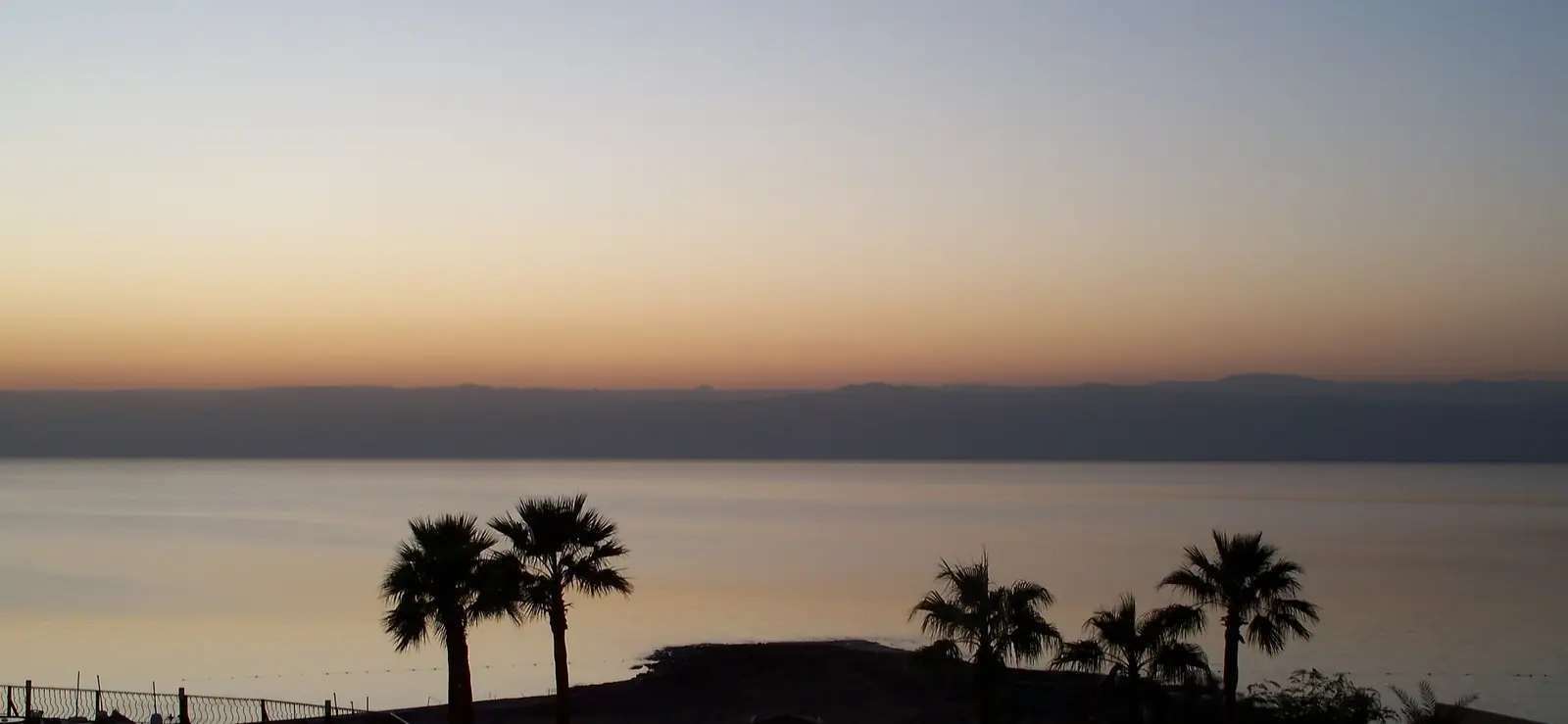
Dead Sea
Float effortlessly on mineral-rich water at the lowest point on land, framed by golden mountains and soft evening light.
 04
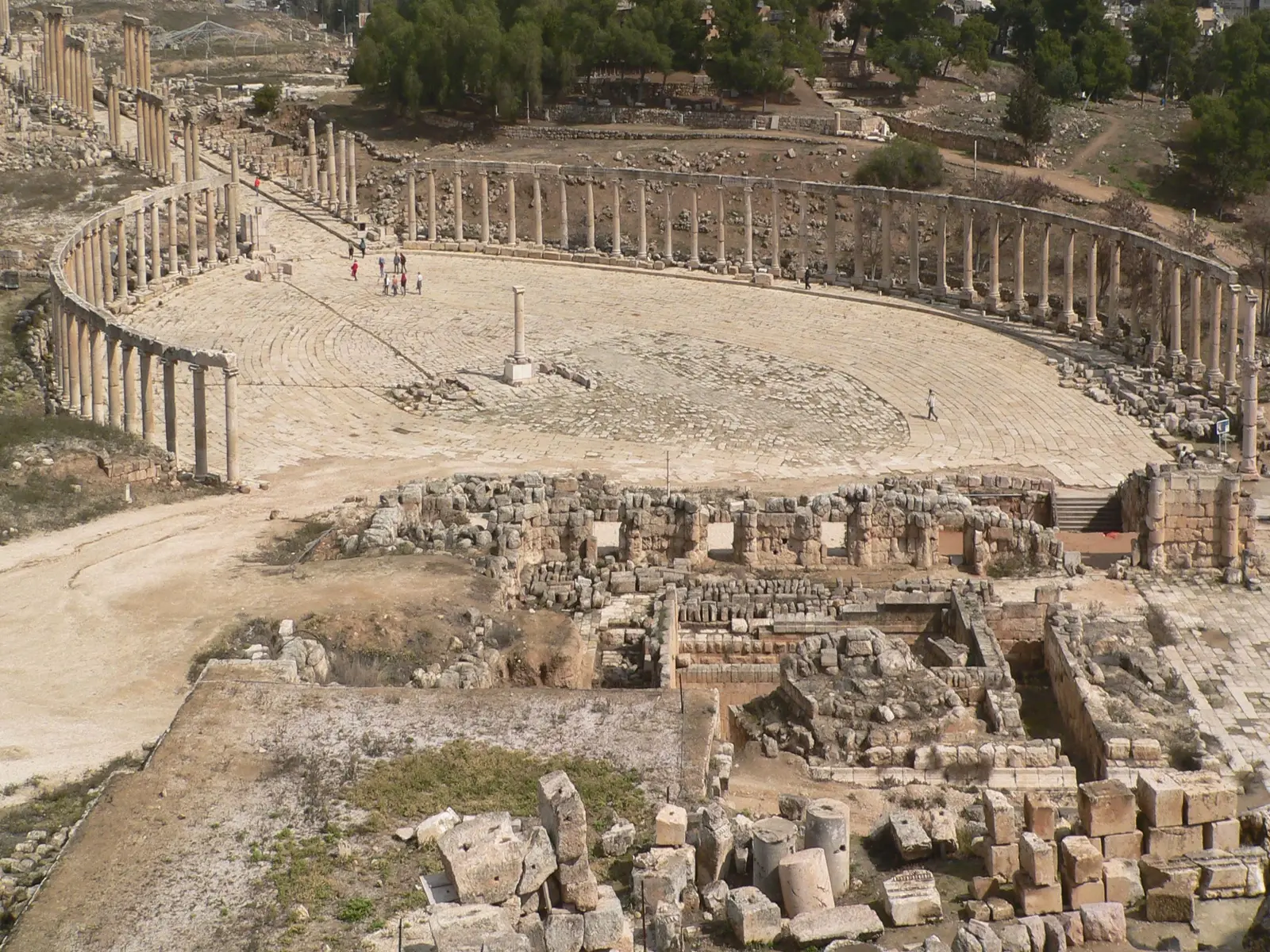
Jerash
One of the best-preserved Roman provincial cities anywhere, with colonnaded streets, grand temples and theatres among green hills.
 05
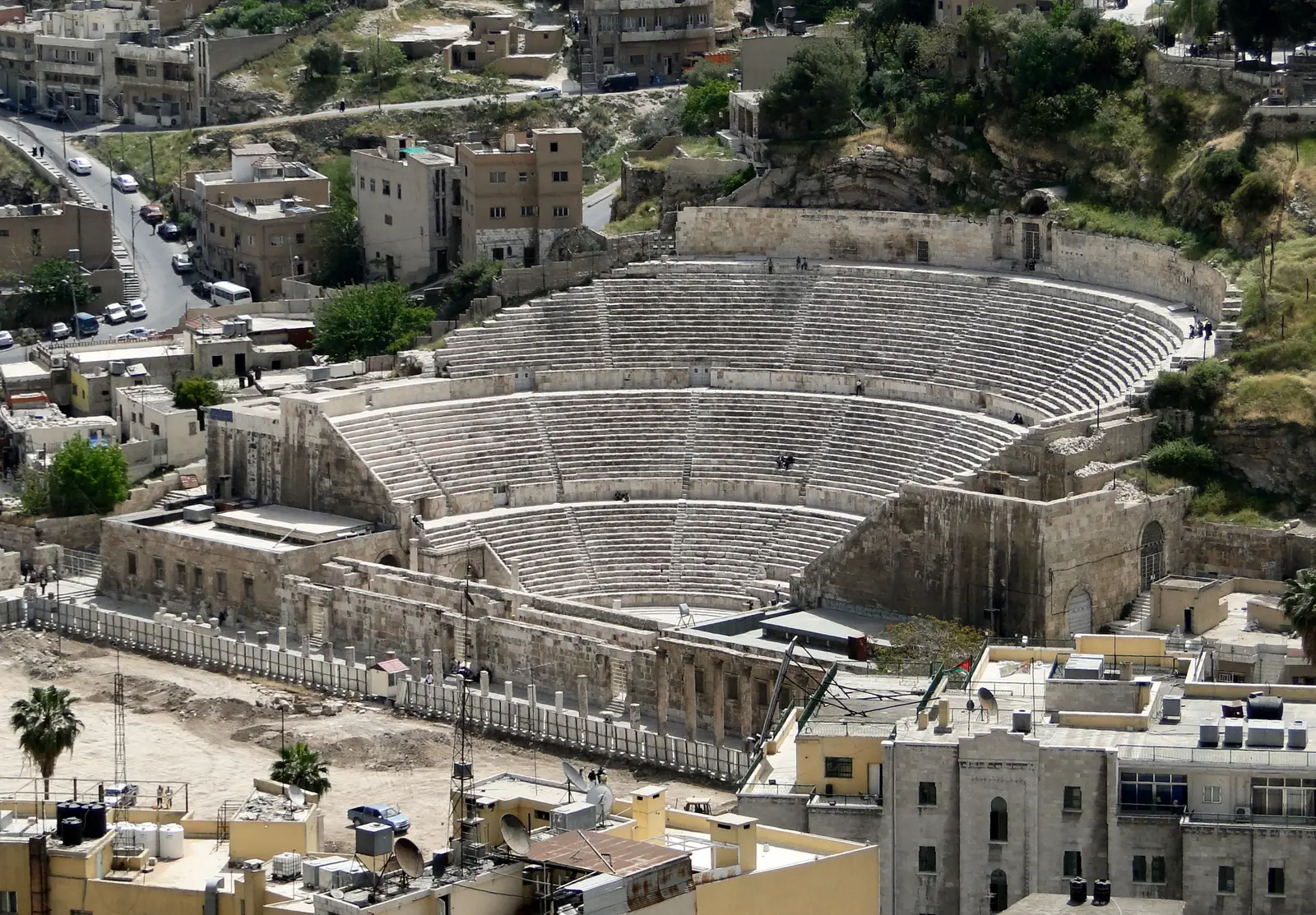
Amman
A city of white stone spread over hills, where Roman ruins, lively markets and modern cafes share the same streets.
 06
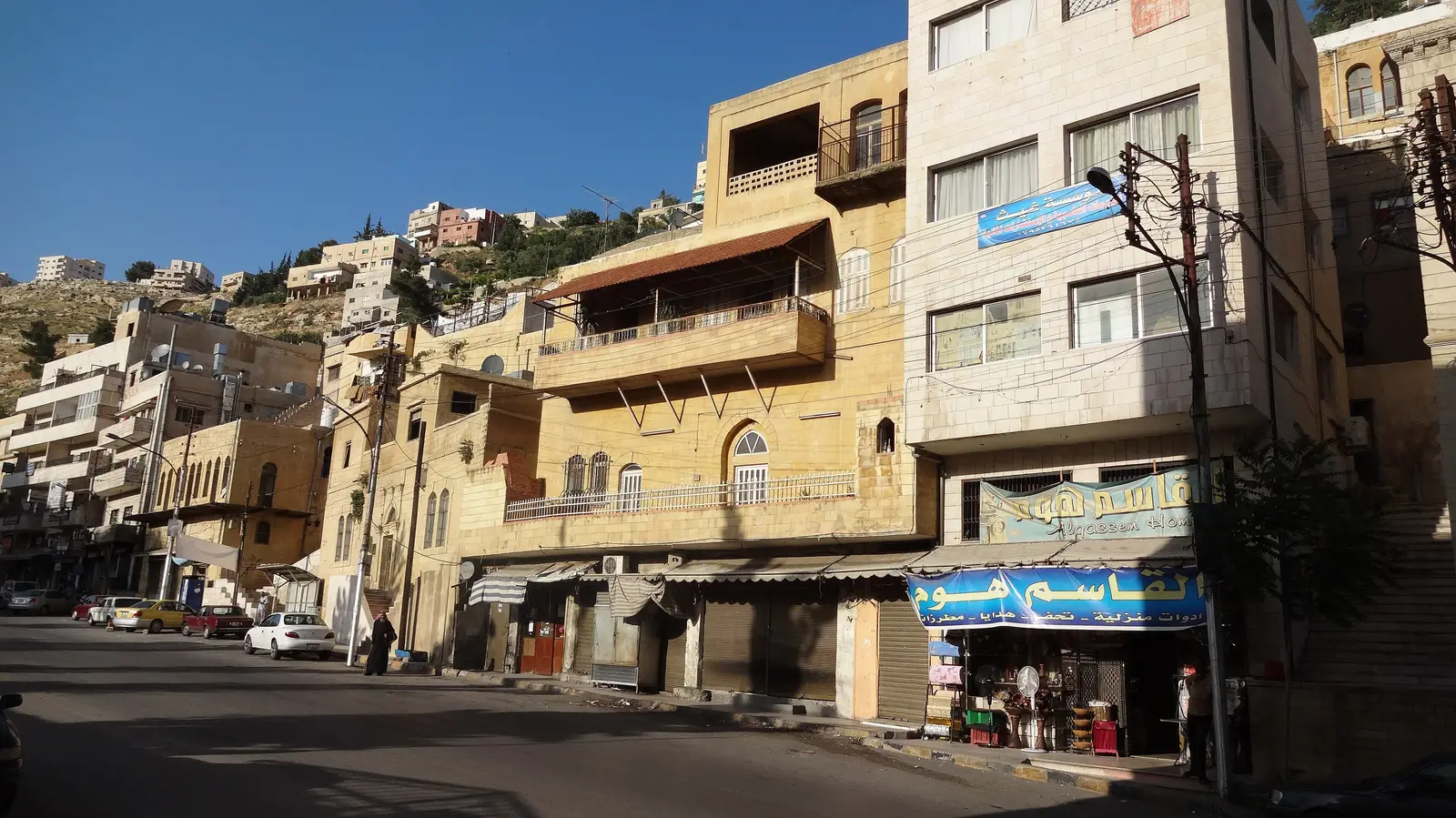
As-Salt
A hillside town of honey-coloured stone, celebrated by UNESCO for its long tradition of tolerance and warm hospitality.
 07
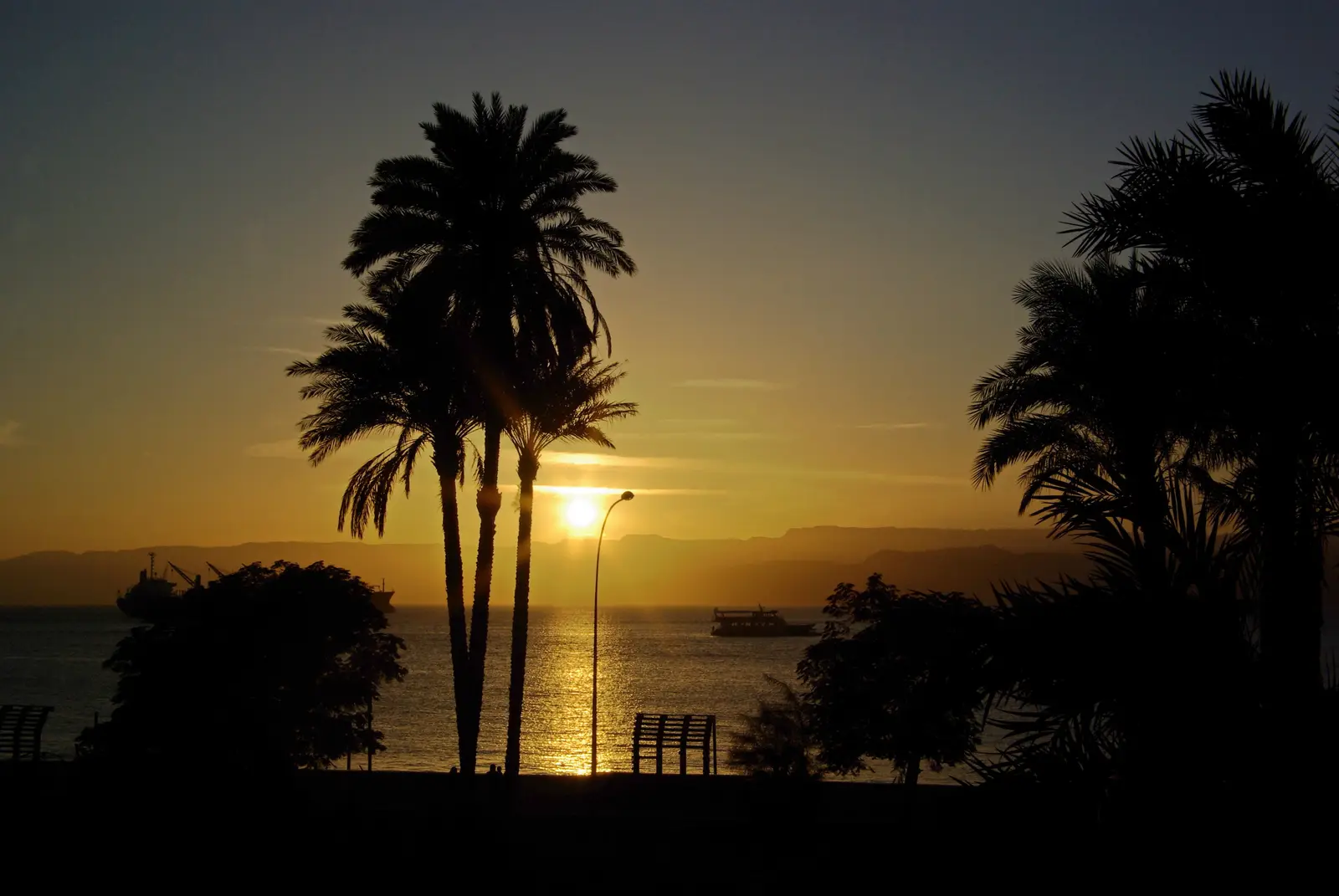
Aqaba
Jordan's only coastal city, where warm Red Sea waters hide vivid coral reefs just a few steps from the shore.
 08
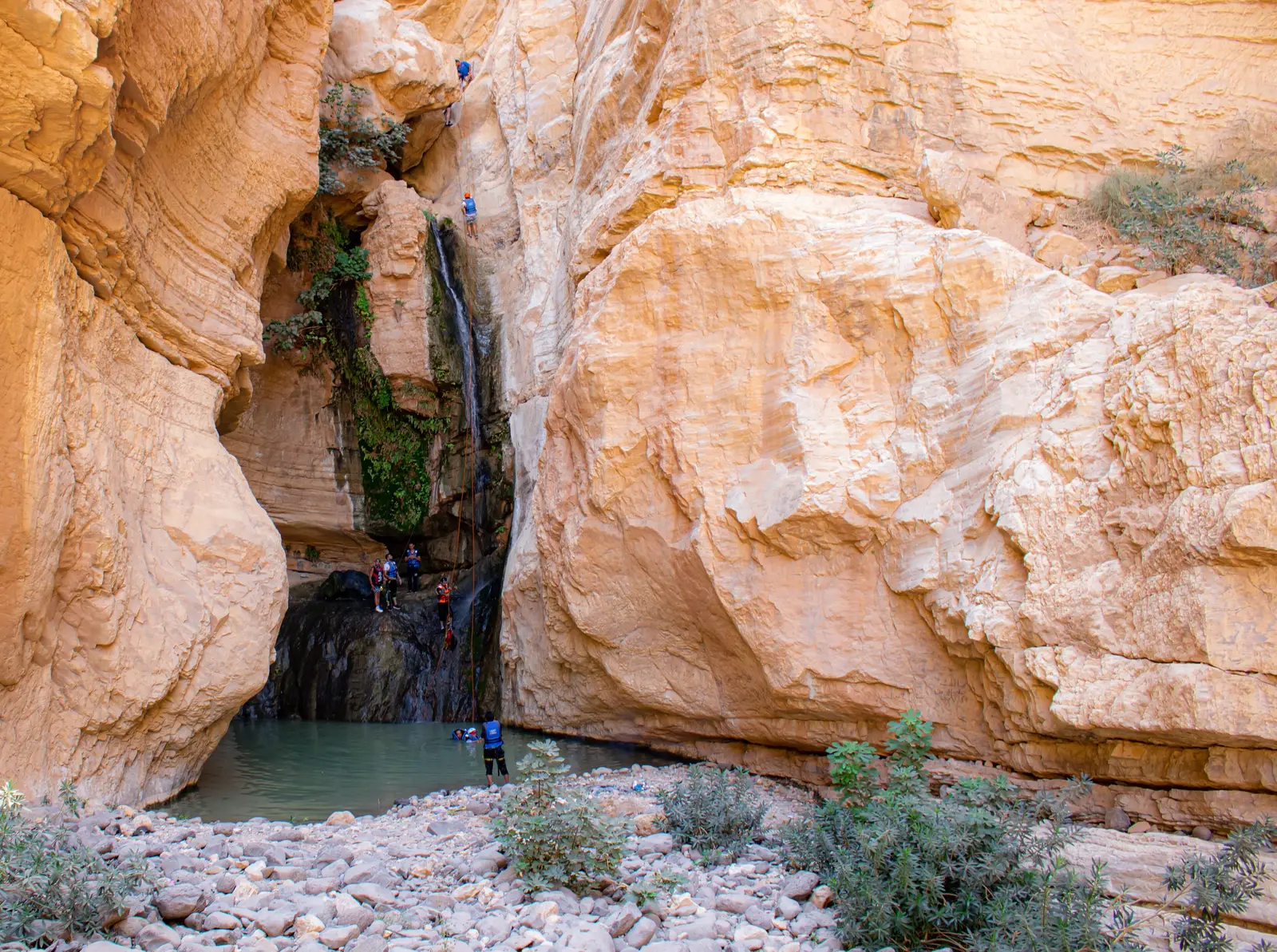
Wadi Mujib
Wade and swim through a towering sandstone gorge to a roaring waterfall in the lowest nature reserve on Earth.
 09
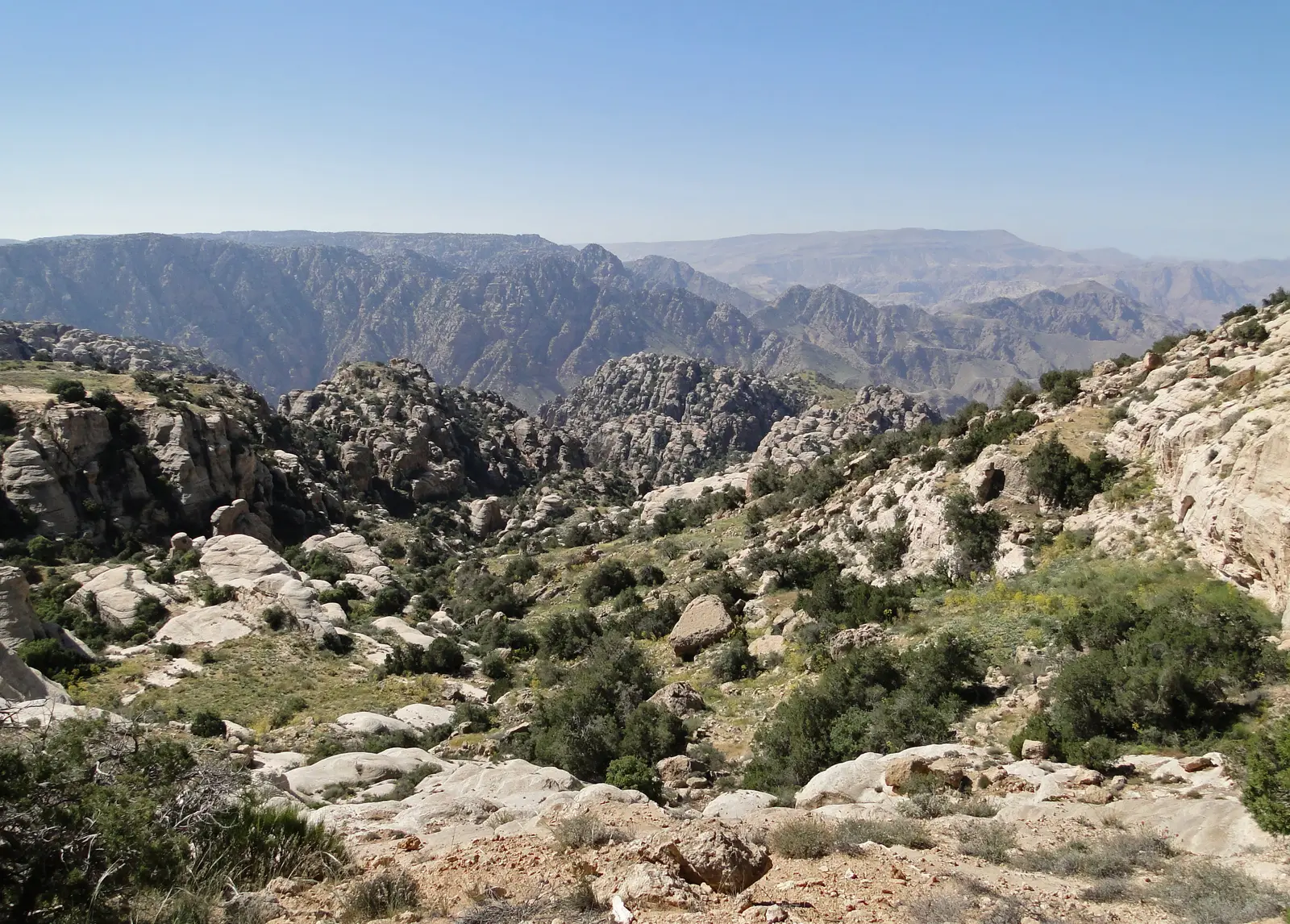
Dana
A stone village perched above a vast valley that falls from mountain cliffs to desert, rich in wildlife and silence.
 10
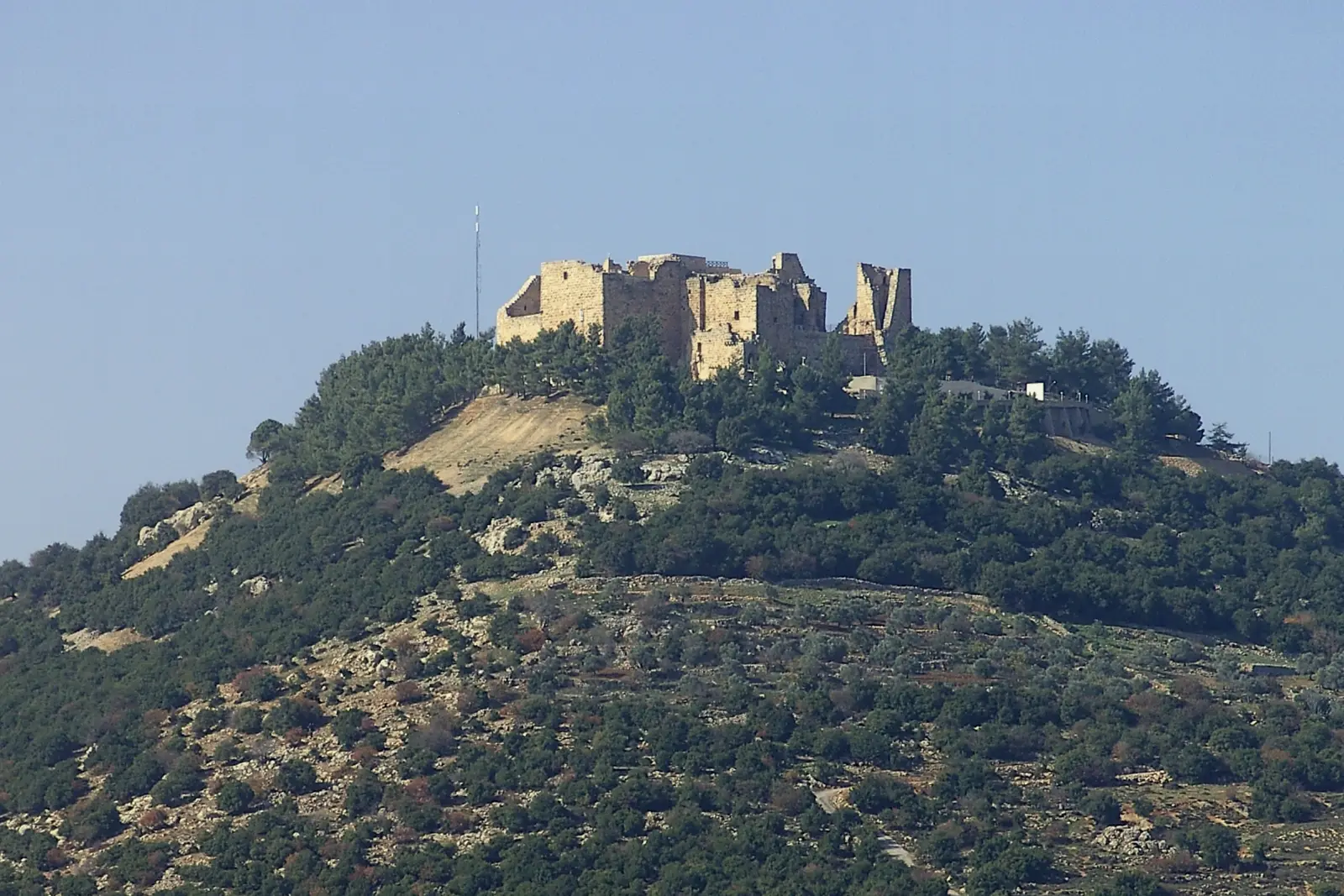
Ajloun
A medieval hilltop castle and green oak forests in the cool, rolling hills of northern Jordan.