Roads & Getting Around
Jordan is a small country, and most of its main sights can be reached within a few hours by road. Three great highways run from north to south, connecting the capital with Petra, the Dead Sea and Aqaba. Travellers can choose between buses, shared and private taxis, ride-hailing apps, organised tours and rental cars.
Arriving by air
Most international visitors arrive at Queen Alia International Airport, which lies in the desert about 30 to 35 kilometres south of central Amman. It is Jordan's largest airport and the main base of the national airline. Buses, taxis and car rental counters connect the airport with the capital and other cities, and the Desert Highway passes close by, making it convenient for travel south.
In the far south, King Hussein International Airport in Aqaba serves the Red Sea coast and is used by some international and seasonal flights, as well as domestic flights to Amman. Amman Civil Airport, in the Marka district of the capital, handles a smaller number of regional, charter and private flights. Jordan can also be entered by land through several crossings with neighbouring countries.
Queen Alia International Airport
Jordan's main international airport lies south of Amman, near the Desert Highway. Most international flights arrive here. The airport has a modern terminal, and it is connected to the city by taxis, an airport bus service and car rental companies. Travel time to central Amman is often around 30 to 45 minutes, depending on traffic.
King Hussein International Airport
Located just north of Aqaba, this airport serves the Red Sea coast and the far south of the country. It handles domestic flights to Amman and some international and seasonal routes. It is a practical arrival point for travellers who want to start their journey with Aqaba, Wadi Rum or Petra.
Amman Civil Airport (Marka)
Amman's older airport, in the Marka area in the east of the city, was the country's main airport before Queen Alia International opened in the 1980s. Today it handles a limited number of regional, charter, private and training flights, and it is also home to aviation services.
Desert Highway (Highway 15)
The Desert Highway runs from Amman southwards past Queen Alia Airport and Ma'an to Aqaba. It is a wide road through open desert and the most direct route to the south. Turn-offs lead to Petra and Wadi Rum. It carries many trucks, so drivers should stay alert and keep a safe distance.
King's Highway (Highway 35)
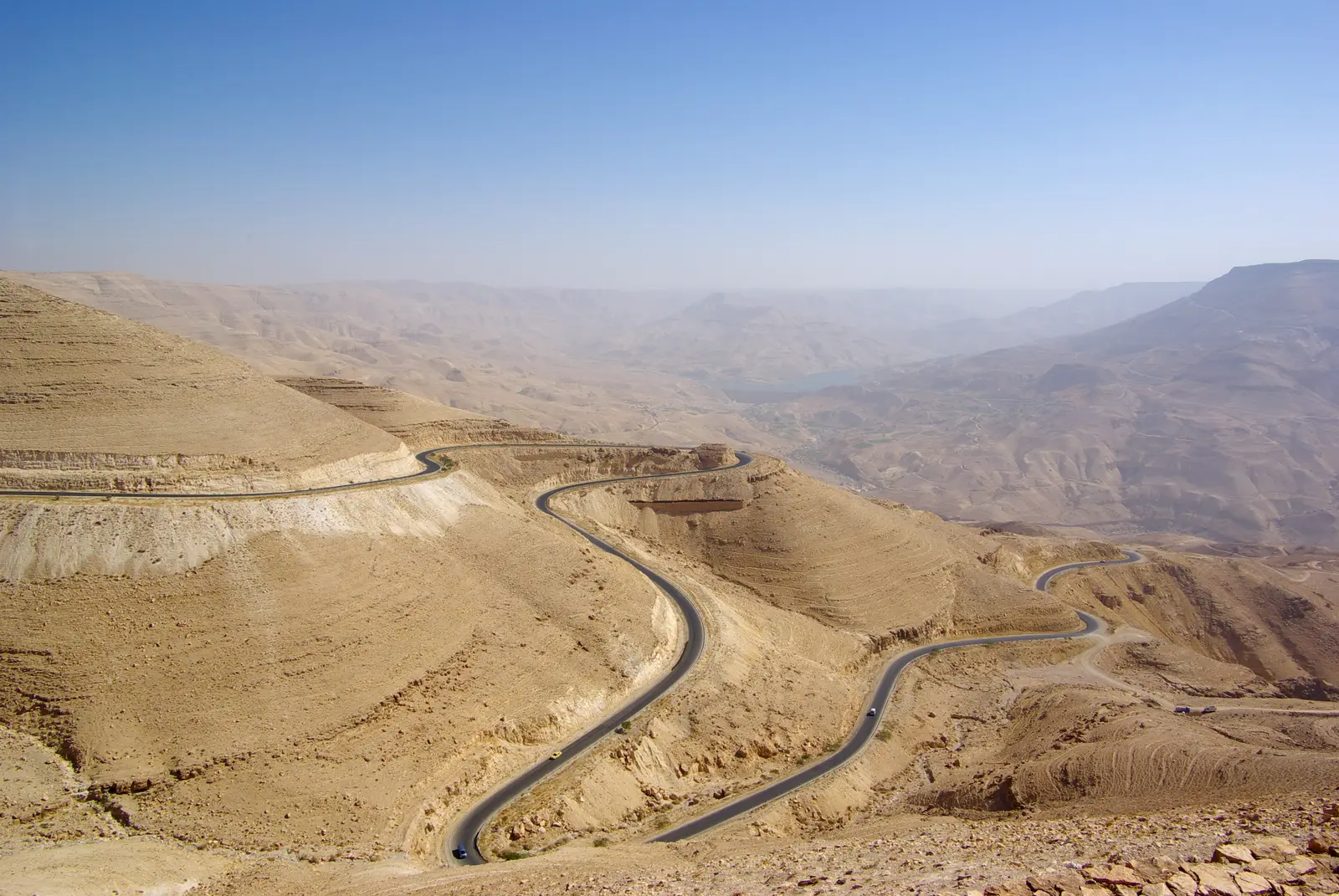
The King's Highway follows one of the oldest continuously used routes in the region, along the highland plateau. It passes Madaba, crosses the dramatic Wadi Mujib canyon and continues through Karak, Tafilah, Dana and Shobak towards Petra. It is slower than the Desert Highway but rich in views and historic sites.
Dead Sea Highway (Highway 65)
This road runs along the floor of the Jordan Rift Valley, from the northern Jordan Valley past the Dead Sea and through Wadi Araba to Aqaba. It gives access to the Dead Sea resorts, the Baptism Site and the Mujib Reserve. Long stretches are remote, so carry water and plan fuel stops.
Intercity coaches
Air-conditioned coaches link Amman with Aqaba, Petra (Wadi Musa), Irbid, the Dead Sea and other destinations. JETT is the best-known operator, alongside other companies. Coaches leave from dedicated stations in Amman, and booking ahead is recommended during holidays and weekends, when demand is high.
Amman Bus Rapid Transit
The BRT is a modern bus system with dedicated lanes and covered stations along major roads in Amman. It offers faster journeys than regular traffic on its corridors and connects with other bus routes, including services linking the capital with Zarqa. Fares are paid electronically, so check the current payment options before your first ride.
Service taxis
Service taxis are shared cars, usually white, that follow fixed routes within cities or between nearby towns. Passengers pay a set fare for their seat, and the car leaves when it is full. They are a common and economical way to travel, and locals are generally happy to help visitors find the right one.
Yellow taxis and ride-hailing apps
Yellow taxis can be stopped in the street in cities, and they are required to use a meter. Ask the driver to switch it on at the start of the trip. Ride-hailing apps also operate in Amman and several other cities, allowing you to see the route and fare before you travel.
Car rental
International and local rental companies operate at airports and in cities. A valid driving licence is required, and an International Driving Permit is often recommended. Keep your passport, licence and rental documents in the car, wear seat belts, avoid using a phone while driving, and plan longer journeys to finish before dark.
Hejaz Railway heritage
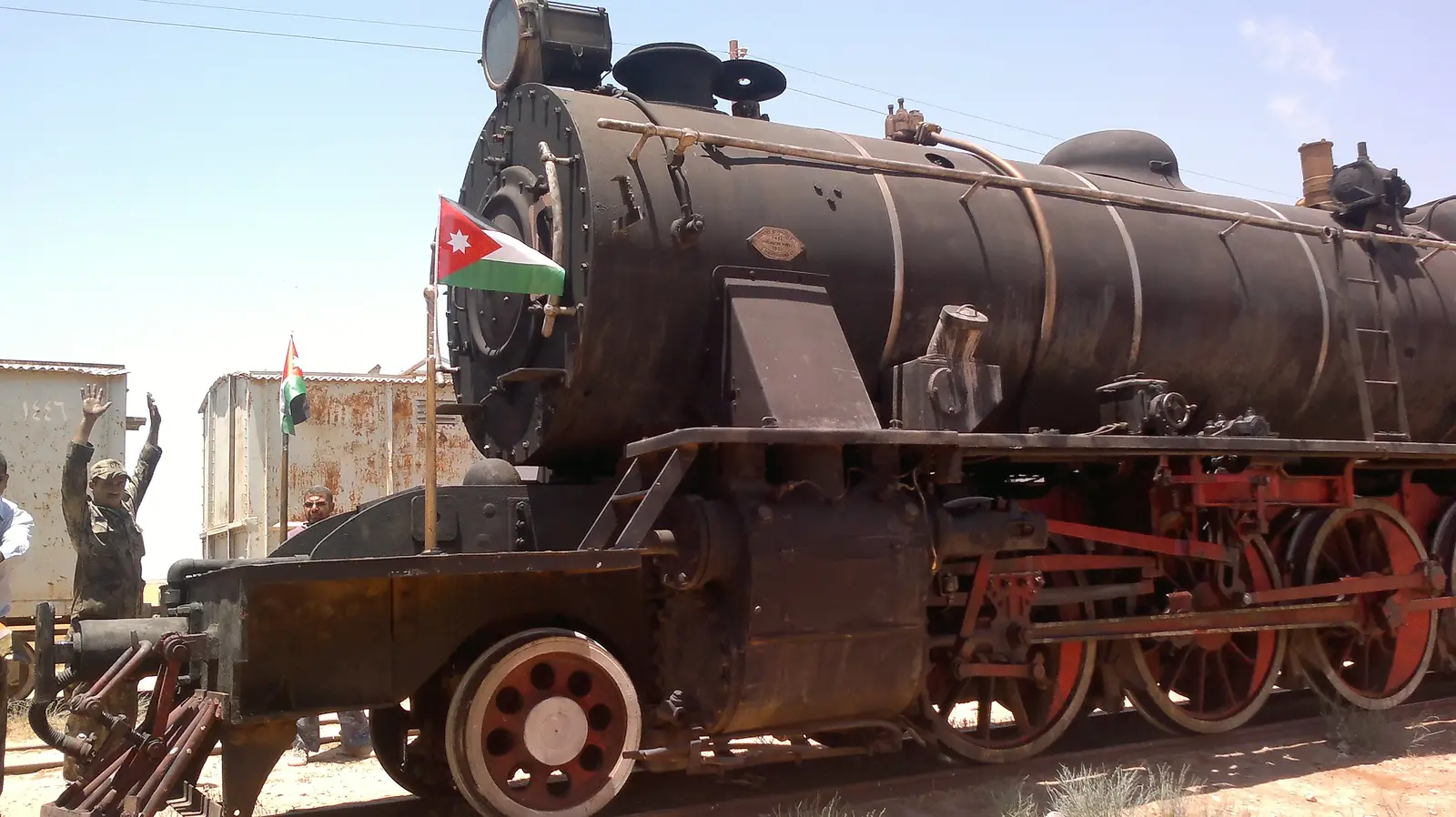
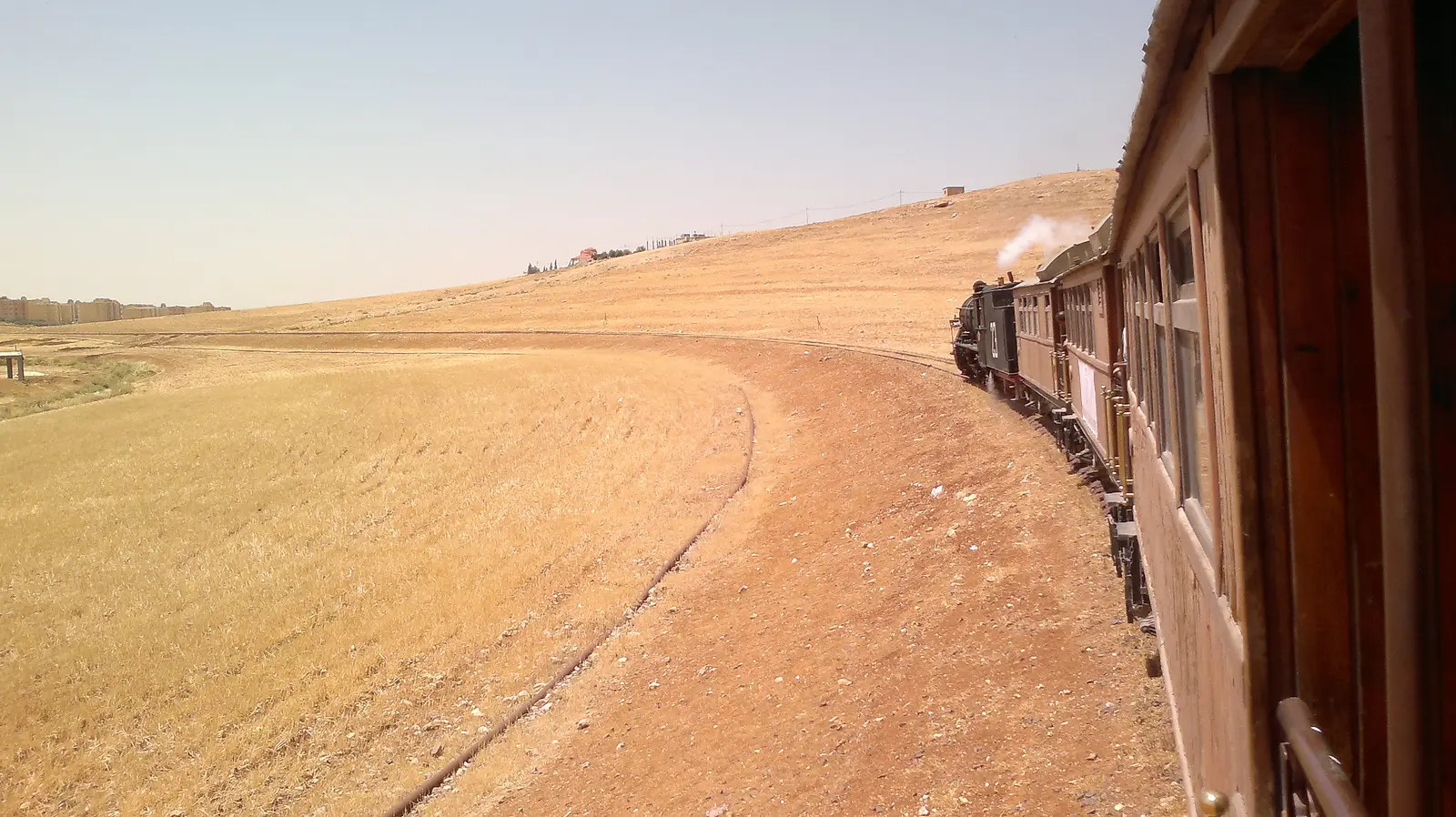
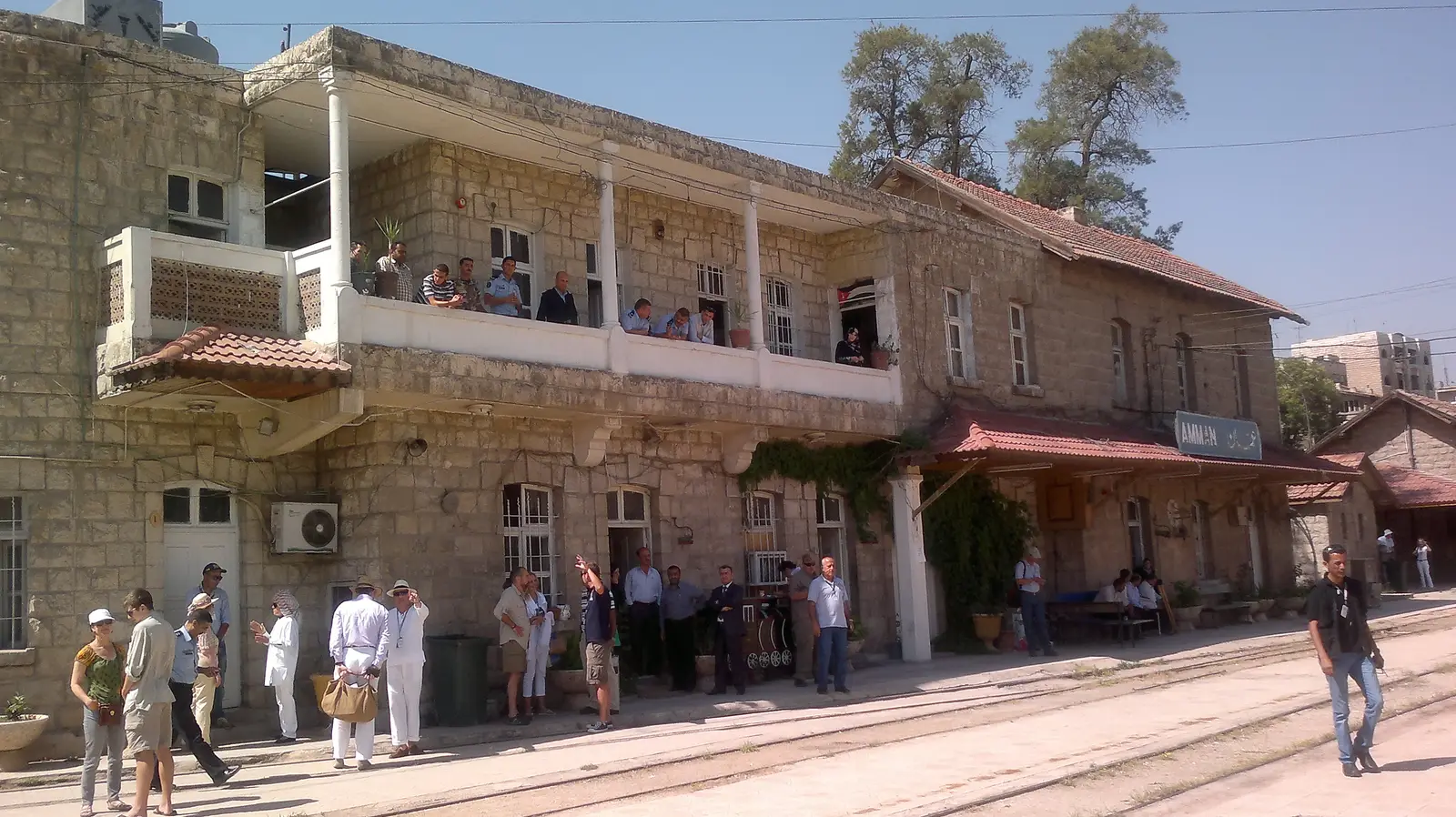
The Hejaz Railway, completed in 1908, once linked Damascus with Medina. Its historic station in Amman, with old locomotives and a small museum, preserves the memory of the line. Heritage train rides are organised on certain occasions, and preserved railway structures can also be seen in the south, including near Wadi Rum.
The three great roads
Three main highways run the length of the country. The Desert Highway is the fastest route between Amman and Aqaba, used by most freight and buses. The King's Highway follows an ancient route through the highland towns and offers some of the most beautiful scenery in the country. The Dead Sea Highway runs along the floor of the Rift Valley, linking the Jordan Valley, the Dead Sea and Wadi Araba.
Many travellers combine these roads, for example driving south along the King's Highway to visit Madaba, Karak and Dana, then returning north on the faster Desert Highway. Other important roads connect Amman with Irbid and Jerash in the north, with Zarqa and Mafraq in the north-east, and with Azraq and the desert castles in the east.
Buses and shared transport
Comfortable intercity coaches run between Amman and major destinations such as Aqaba, Petra and Irbid. JETT is the best-known company, and several others offer similar services. Seats can often be reserved in advance. Smaller public buses and minibuses connect towns and villages; many leave from regional bus stations when they are full rather than at fixed times.
In Amman, the Bus Rapid Transit system, known as the BRT, runs on dedicated lanes along main roads and connects with other routes, including services towards Zarqa. Service taxis, usually white cars that follow fixed routes and carry several passengers who share the cost, are a traditional and inexpensive way to move around cities and between nearby towns.
Driving in Jordan
Renting a car gives freedom to explore at your own pace. Traffic drives on the right, main roads are generally in good condition, and signs on major routes are written in Arabic and English. Speed limits are enforced with fixed and mobile cameras, so it is wise to follow the posted limits carefully. Speed bumps are common at the entrance to towns and villages.
Police checkpoints are a routine part of road travel, especially near tourist areas and on desert roads. Officers are usually courteous, and visitors are typically asked to show a passport and driving licence before continuing. Mountain roads can be steep and winding, and animals such as sheep, goats and camels may cross. Driving at night in the desert is best avoided, because some roads are unlit and animals are hard to see.
More from the guide
Jordan at a Glance
Key facts and first impressions
Read the guideHistory & Heritage
Ten thousand years of human story
Read the guideHow the State Is Organised
Institutions, governorates and national symbols
Read the guideRegions & Governorates
Twelve governorates, three landscapes
Read the guideClimate & Seasons
When to go and what to pack
Read the guideFood & Flavours
The Jordanian table
Read the guideCulture & Traditions
Hospitality, heritage and daily life
Read the guideNature & Wildlife
Reserves, trails and living landscapes
Read the guidePractical Information
Before you go and while you are there
Read the guide