Jerash
Walking through Jerash is like stepping into a Roman city that has paused in mid-sentence. Columns still line its main street, the paving stones still bear the grooves of cart wheels, and its theatres still carry a voice to the back row. Few places in the world let you feel ancient city life so vividly.
Known in antiquity as Gerasa, Jerash was settled long before the Romans, but it reached its height under Roman rule as one of the cities of the Decapolis, a loose group of cities in the region. In the first and second centuries AD trade brought great wealth, and the city was rebuilt on a grand scale. Christianity later left its mark in a series of Byzantine churches with fine mosaic floors. After a major earthquake in the eighth century the city declined, and much of it lay buried under soil, which helped to preserve it remarkably well.
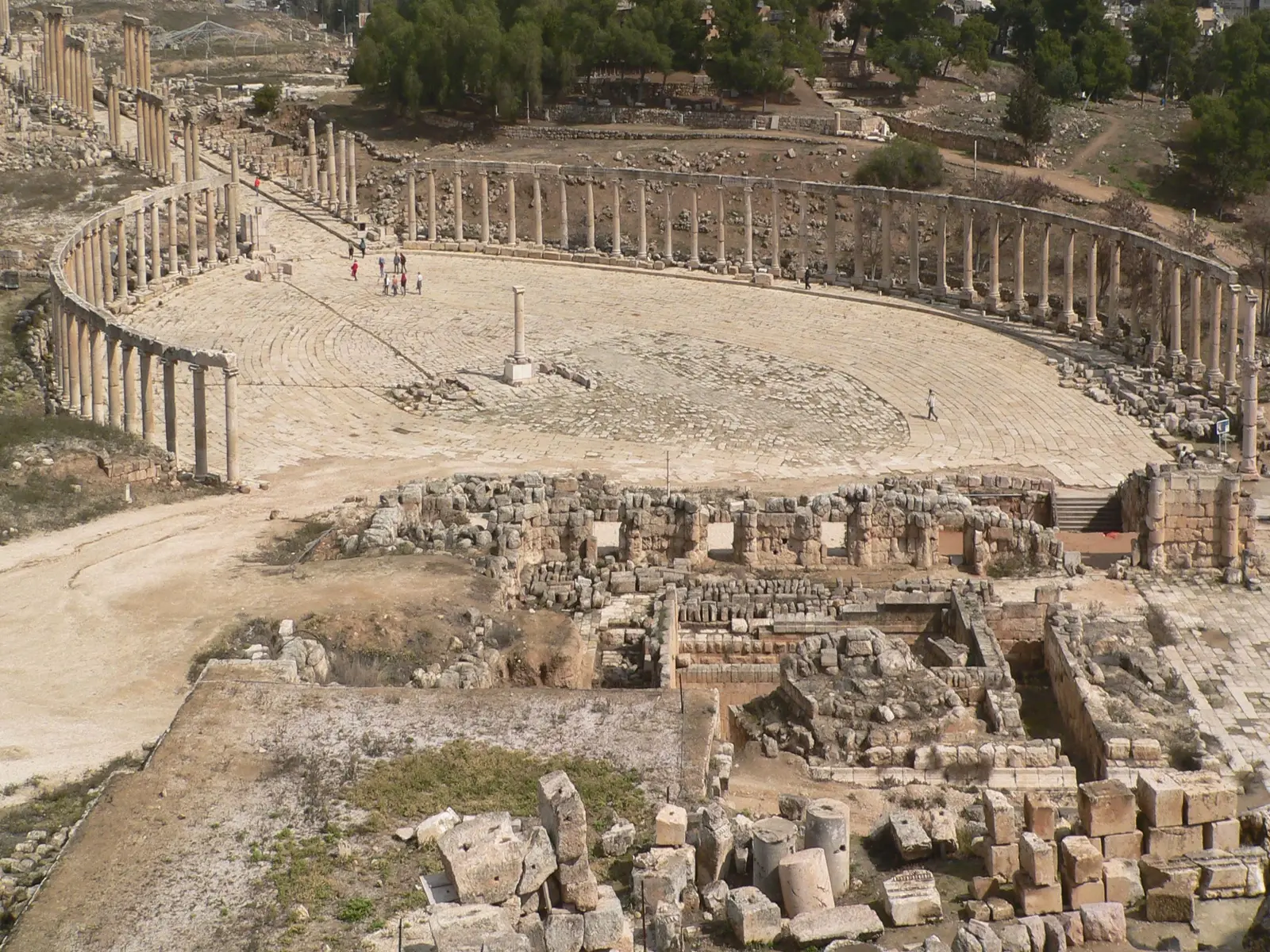
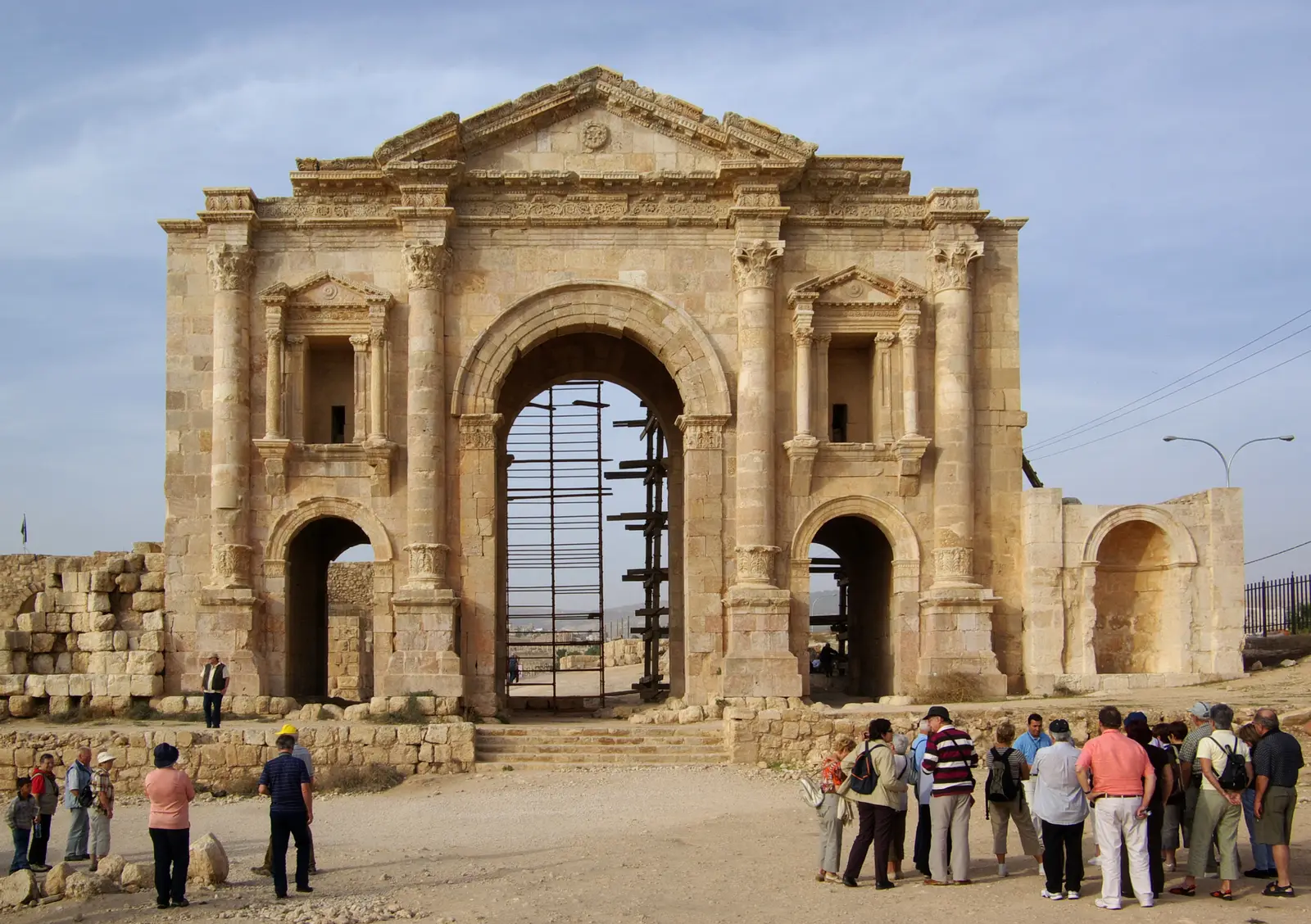
Visitors enter beneath Hadrian's Arch, a monumental gateway built to honour the emperor's visit around 129 AD, and pass the long hippodrome where chariot races were once held. Beyond the South Gate lies the Oval Plaza, an unusual elliptical forum ringed by Ionic columns and one of the most photographed sights in Jordan. From here the Cardo, the main colonnaded street, runs north for about 800 metres, still paved with its original stones and marked by the wheels of ancient carts.
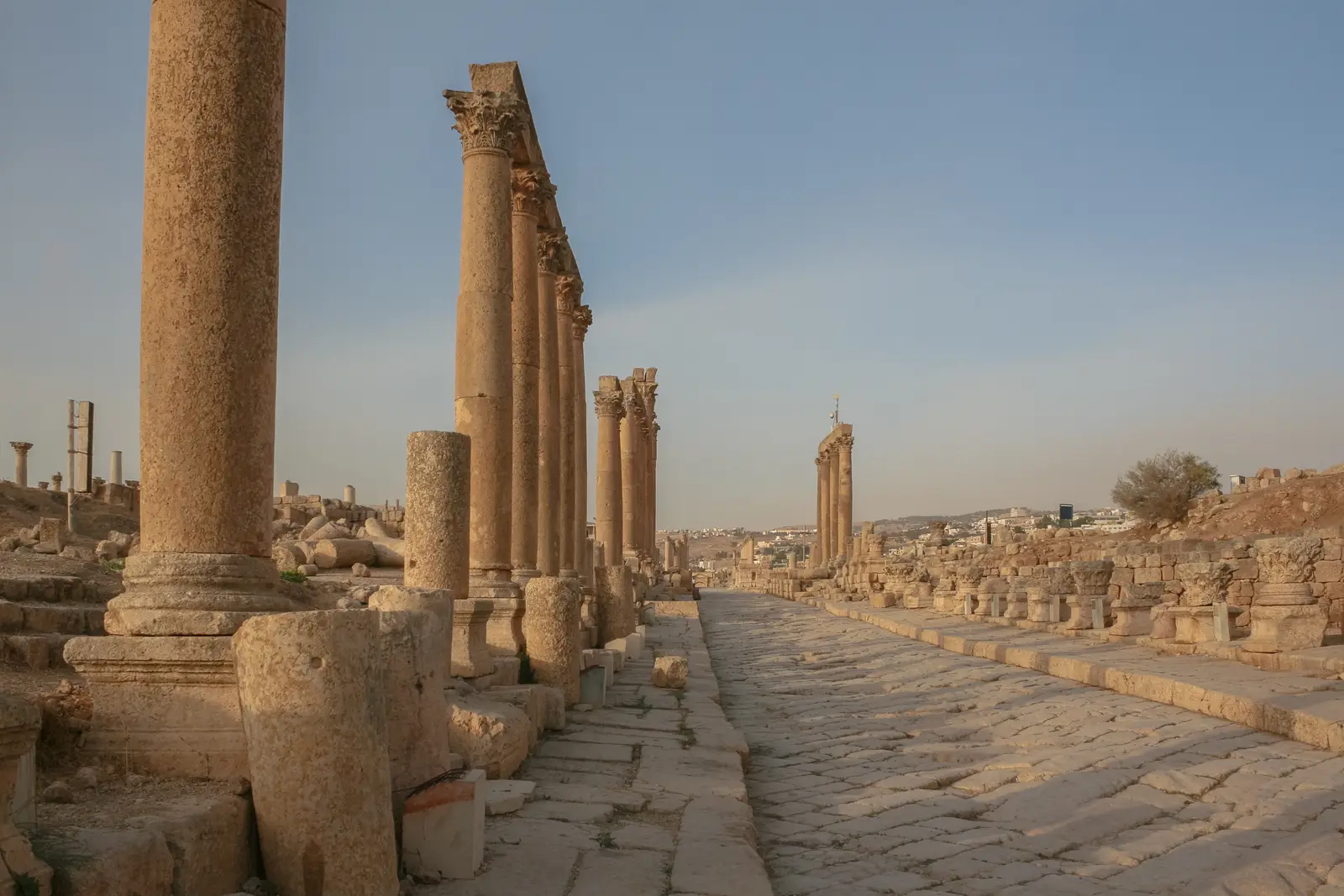
Along the Cardo you pass the Nymphaeum, an ornate public fountain, and a grand stairway that climbs to the Temple of Artemis, patron goddess of the city, whose tall columns still stand against the sky. The Temple of Zeus overlooks the Oval Plaza, and beside it the South Theatre seats thousands on its stone tiers; its acoustics are so good that a voice from the centre carries clearly to the top. A smaller North Theatre, public baths and several Byzantine churches complete the picture of a busy, elegant city.
Every summer the ancient stages come alive again during the Jerash Festival of Culture and Arts, held since the early 1980s, when music, poetry, dance and folklore from Jordan and around the world fill the theatres and plazas. At any time of year, the modern town around the ruins adds its own charm, and a visit pairs easily with Ajloun Castle and its forests in the green hills nearby, making a rewarding day trip from Amman.
Highlights
- 1Hadrian's Arch and the hippodrome
- 2The Oval Plaza and its ring of Ionic columns
- 3Walking the Cardo, the colonnaded main street
- 4The Temple of Artemis and the Temple of Zeus
- 5The South Theatre and its remarkable acoustics
- 6Mosaic floors in the Byzantine churches
- 7The Jerash Festival of Culture and Arts in summer
Gallery
Frequently asked questions
How long do you need to visit Jerash?
Plan at least two to three hours to see the main monuments: Hadrian's Arch, the hippodrome, the oval plaza, the Cardo, the Temple of Artemis and the South Theatre. Allow three to four hours if you want to explore the Byzantine churches, the North Theatre and the quieter corners of this large site at a relaxed pace.
How do I get from Amman to Jerash?
Jerash is about 50 kilometres north of Amman, usually under one hour by car. Buses and minibuses leave from Amman's northern bus station and stop in Jerash town, a short walk from the ancient site. Taxis, private drivers and organised day trips are also common, and many combine Jerash with Ajloun Castle or Umm Qais.
Is Jerash worth visiting?
Yes. Jerash is one of the best-preserved Roman provincial cities in the world. You can walk along colonnaded streets that still have their original paving, marked by the wheels of ancient carts, stand in a theatre that is still used for performances and see temples, fountains and churches. It is often less crowded than Petra and easy to reach from Amman.
What should I wear to visit Jerash?
Wear comfortable shoes with good grip, because the ancient paving is uneven and polished smooth in places. There is very little shade across the site, so a hat, sunglasses and sunscreen are important, especially from May to September. Bring water and dress in light, breathable clothing. Modest clothing that covers shoulders and knees is appreciated in the town.
Is Jerash suitable for children?
Yes. The wide open spaces, the hippodrome and the theatres make Jerash an enjoyable place for children to explore and imagine Roman life. Watch them carefully on the steep theatre steps and around fallen columns and uneven stones. Strollers are hard to use on the old paving, so a child carrier is more practical.
What is the best time of year to visit Jerash?
Spring, from March to May, and autumn, from September to November, are the most pleasant seasons, with mild temperatures and clear light. In spring the ruins are surrounded by green grass and wildflowers. Summer is hot at midday, so visit early in the morning or late in the afternoon. In summer the Jerash Festival adds concerts and performances; check the dates on official sources.
Continue the journey
 05
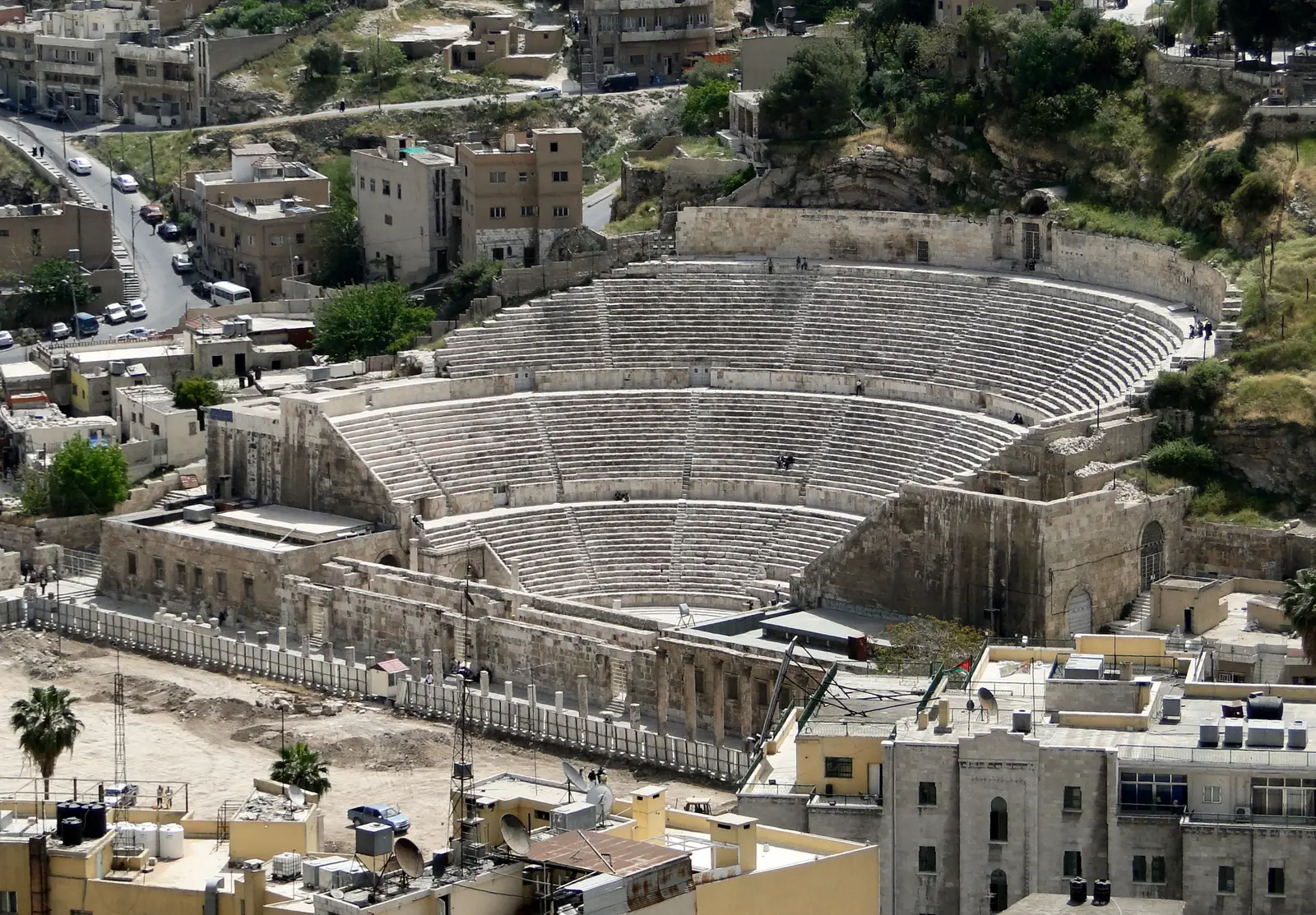
Amman
A city of white stone spread over hills, where Roman ruins, lively markets and modern cafes share the same streets.
 06
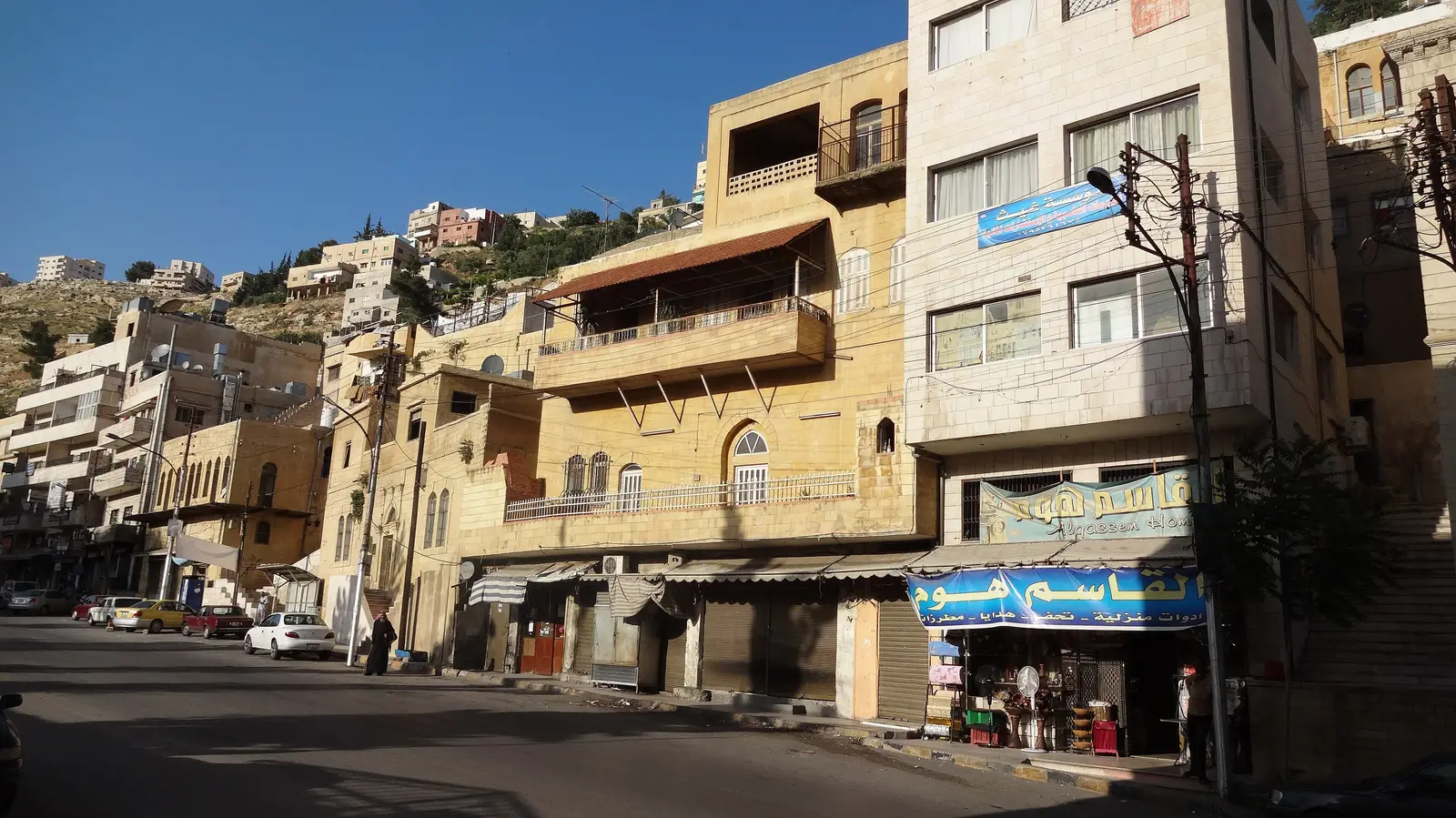
As-Salt
A hillside town of honey-coloured stone, celebrated by UNESCO for its long tradition of tolerance and warm hospitality.
 07
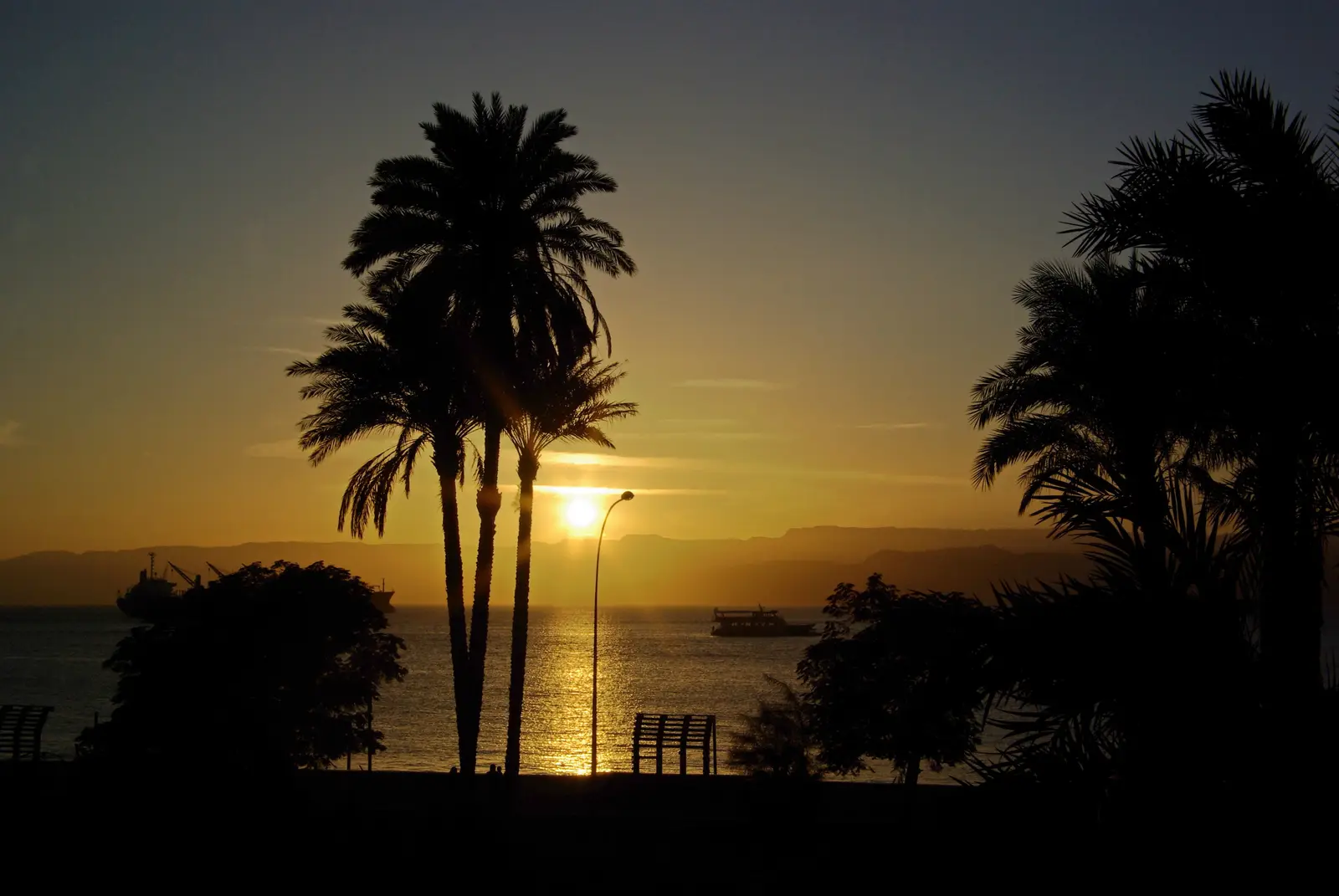
Aqaba
Jordan's only coastal city, where warm Red Sea waters hide vivid coral reefs just a few steps from the shore.
 08
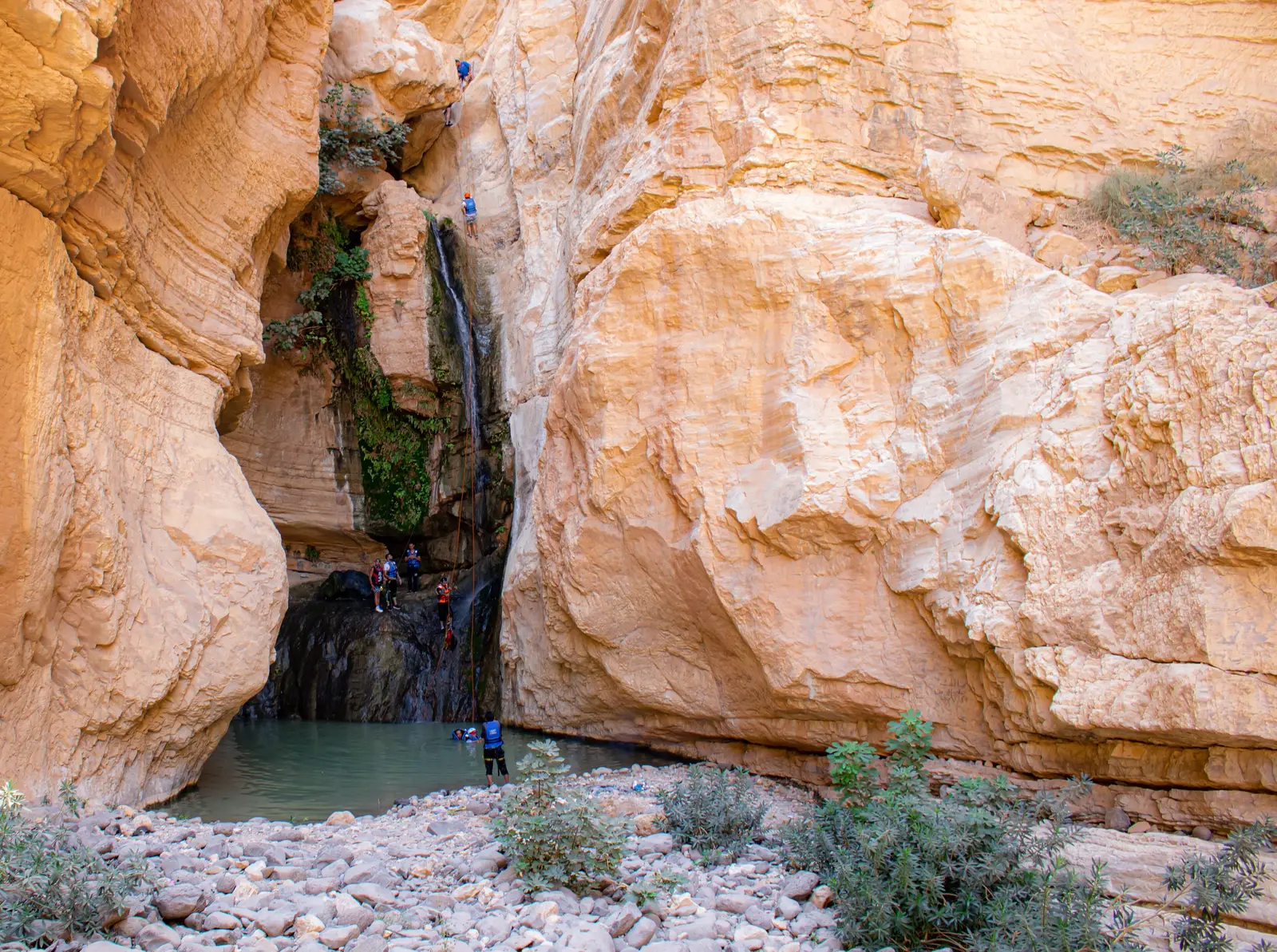
Wadi Mujib
Wade and swim through a towering sandstone gorge to a roaring waterfall in the lowest nature reserve on Earth.
 09
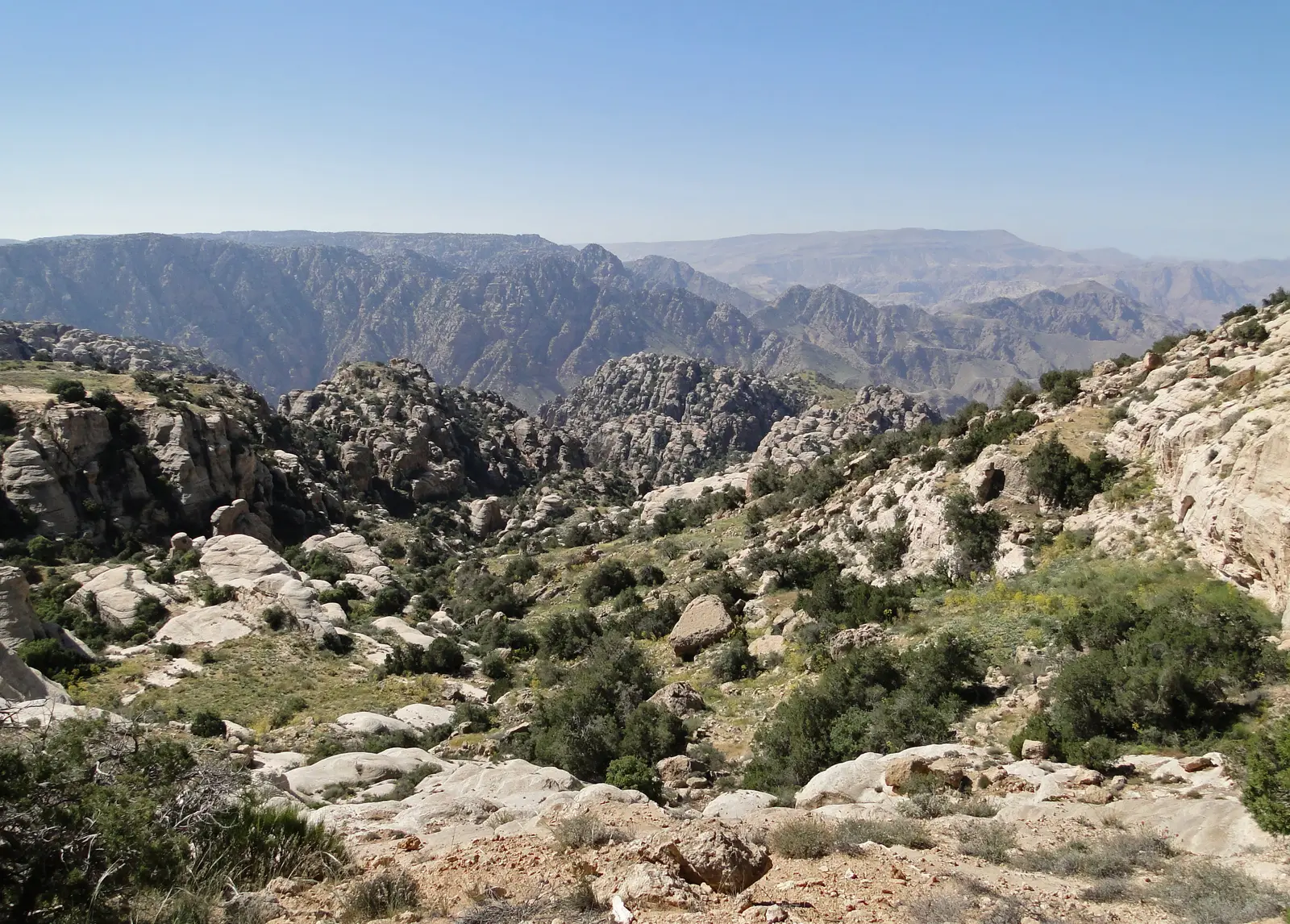
Dana
A stone village perched above a vast valley that falls from mountain cliffs to desert, rich in wildlife and silence.
 10
Ajloun
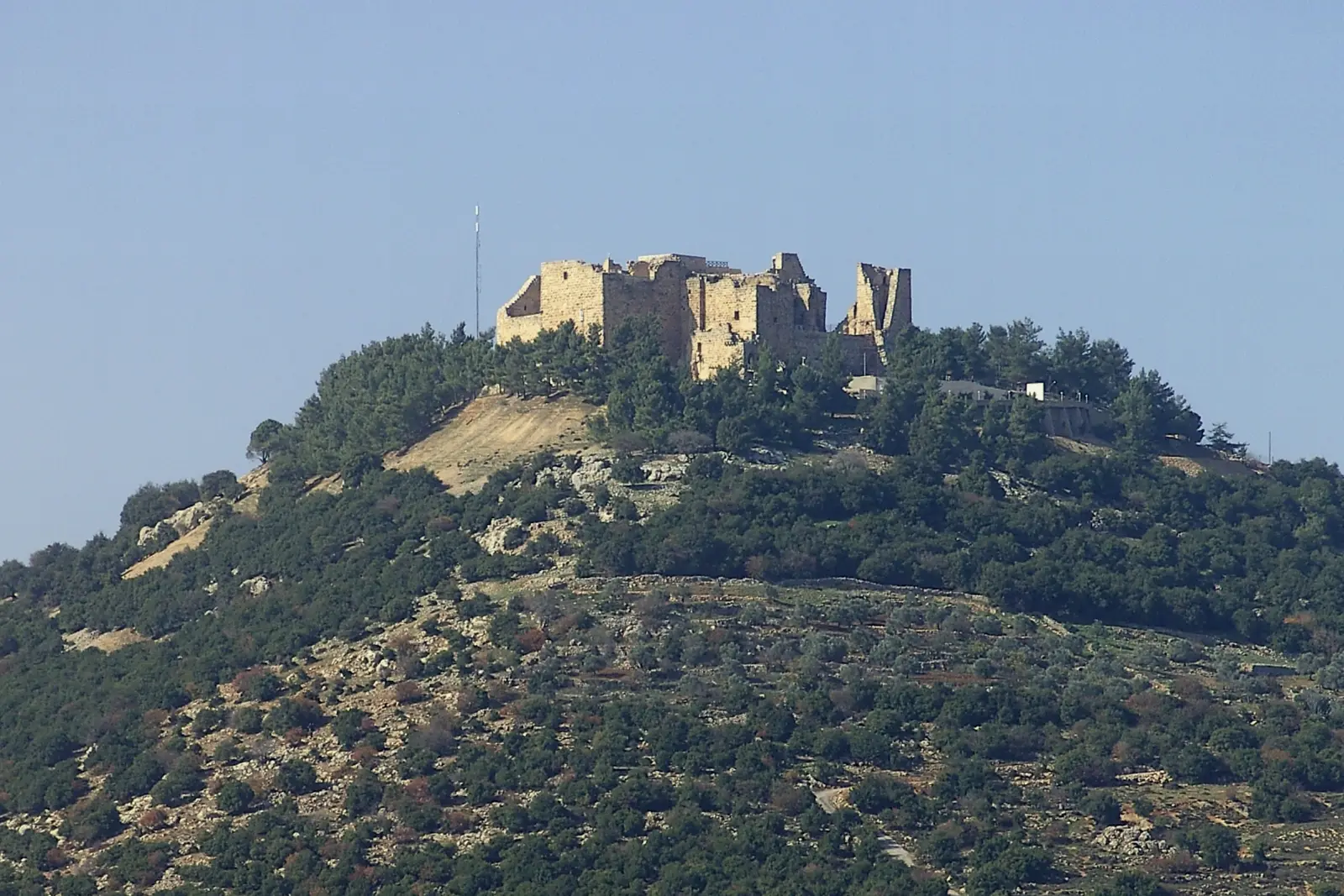
A medieval hilltop castle and green oak forests in the cool, rolling hills of northern Jordan.
 11
Madaba and Mount Nebo
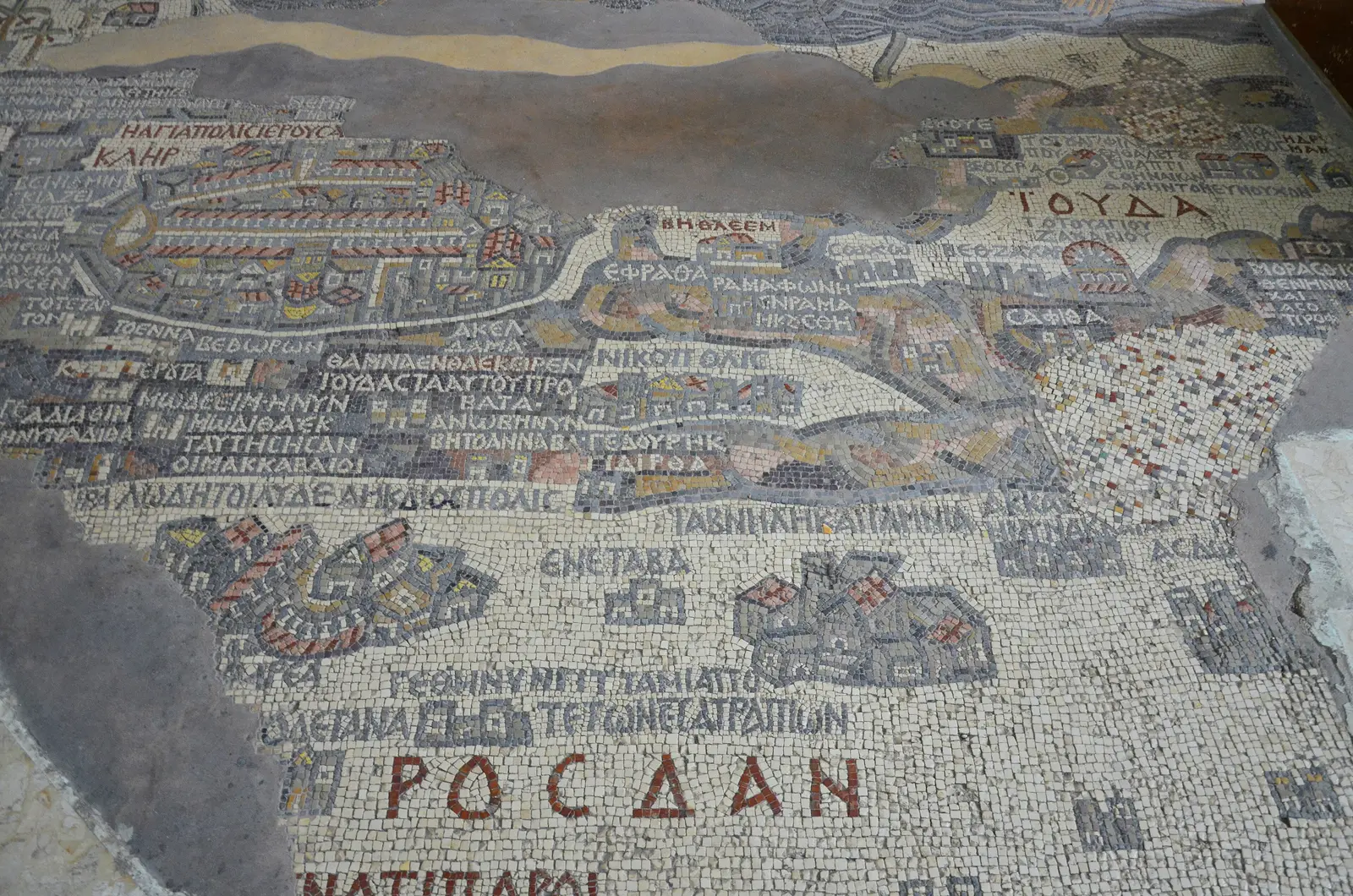
A friendly town famed for its Byzantine mosaics and an ancient map of the Holy Land, close to Mount Nebo.
 12
Baptism Site
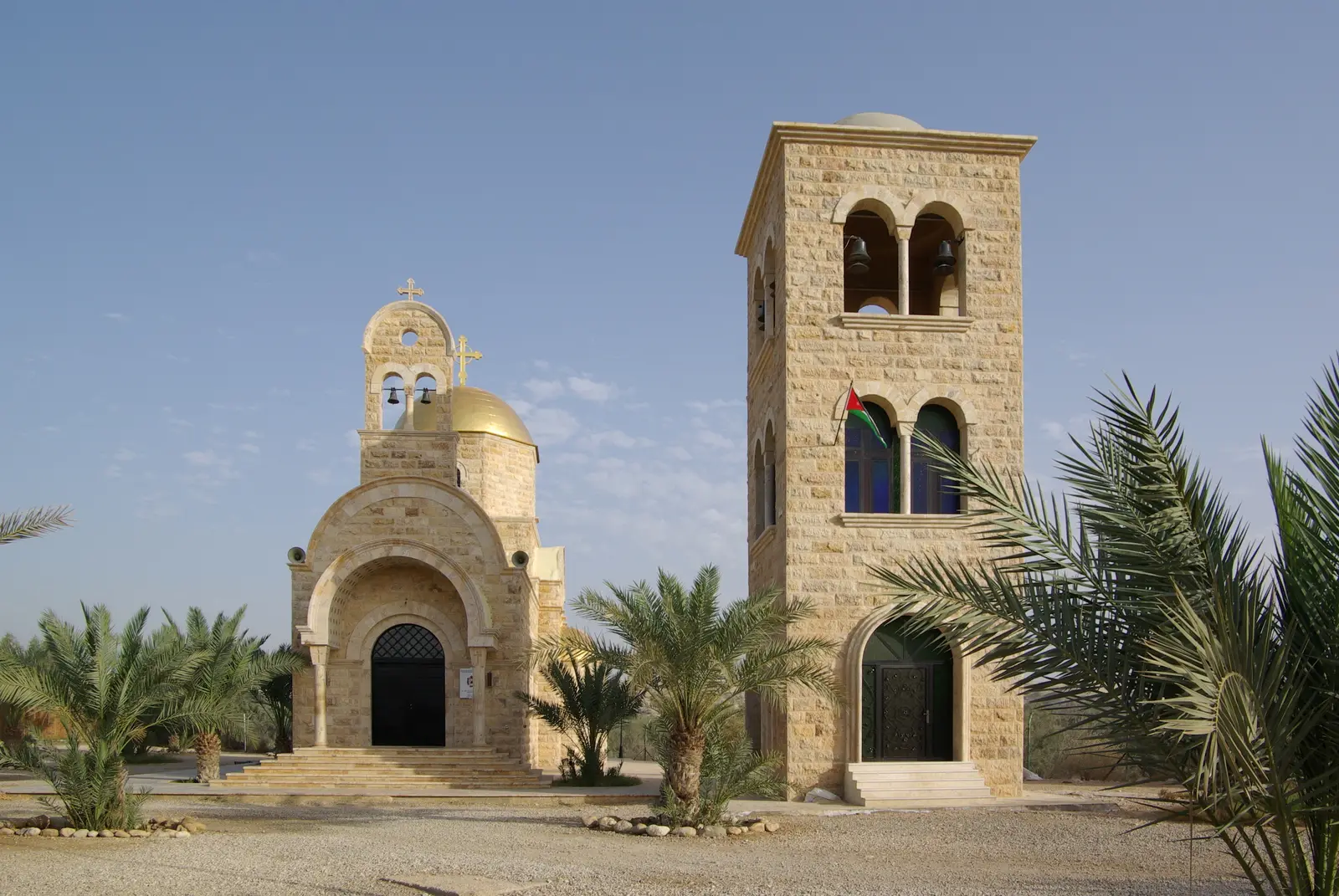
A peaceful place on the Jordan River, revered by Christians as the site where John the Baptist baptised Jesus.