Dead Sea
At the Dead Sea you lie back and the water simply holds you up. More than 430 metres below sea level, this salt lake sits at the lowest point on the surface of the Earth, cradled between mountains that turn gold and pink at sunset. It is one of the most unusual and relaxing experiences anywhere.
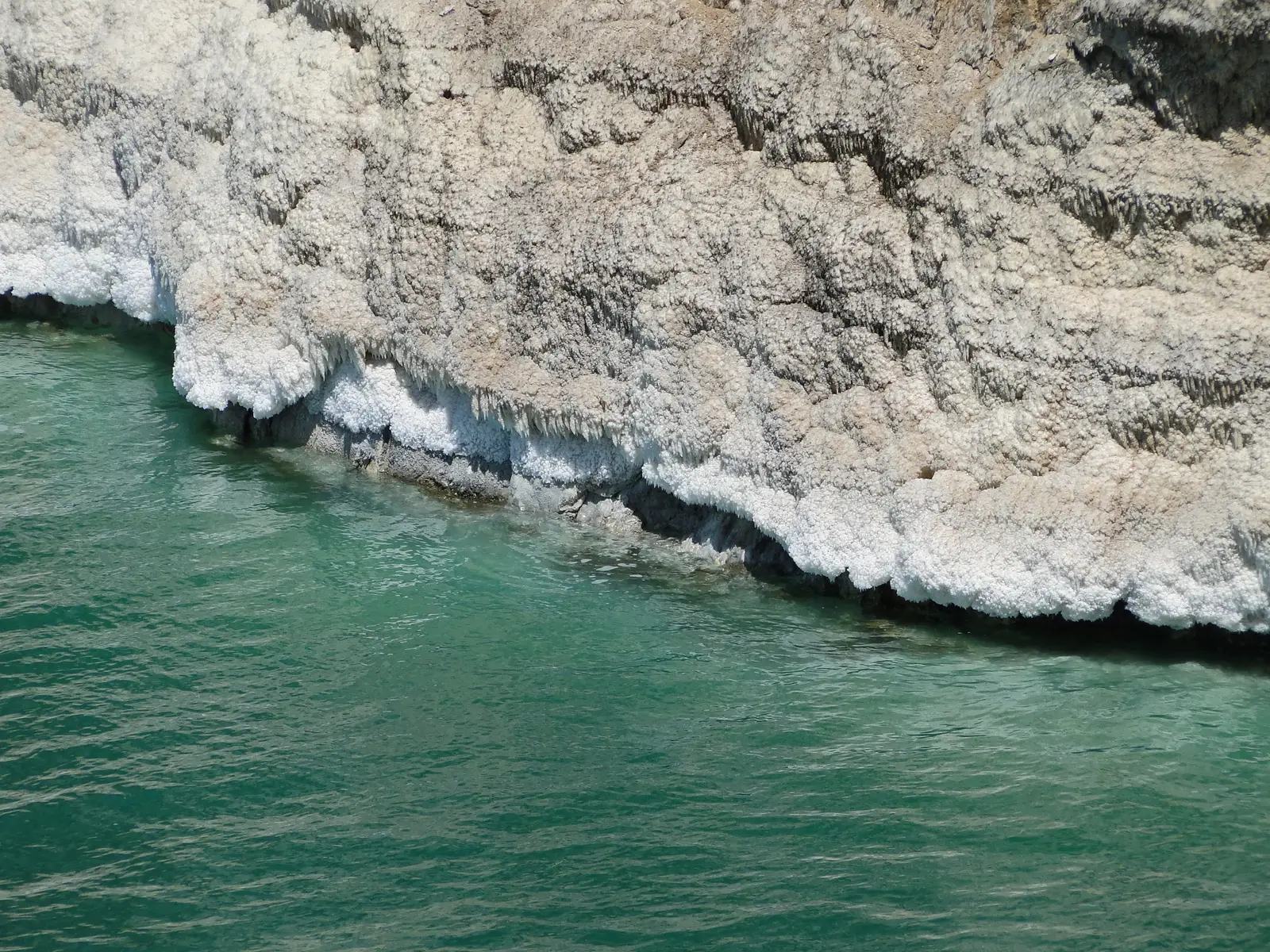
The Dead Sea is a salt lake fed mainly by the Jordan River. With no outlet to the ocean, its water escapes only by evaporation in the intense heat, leaving behind minerals that have accumulated over thousands of years. The result is water many times saltier than the ocean, so dense that fish and plants cannot live in it, which gave the lake its name. Because it lies so low, the air pressure here is higher than anywhere else on land, and many visitors find the atmosphere unusually soft and calm.
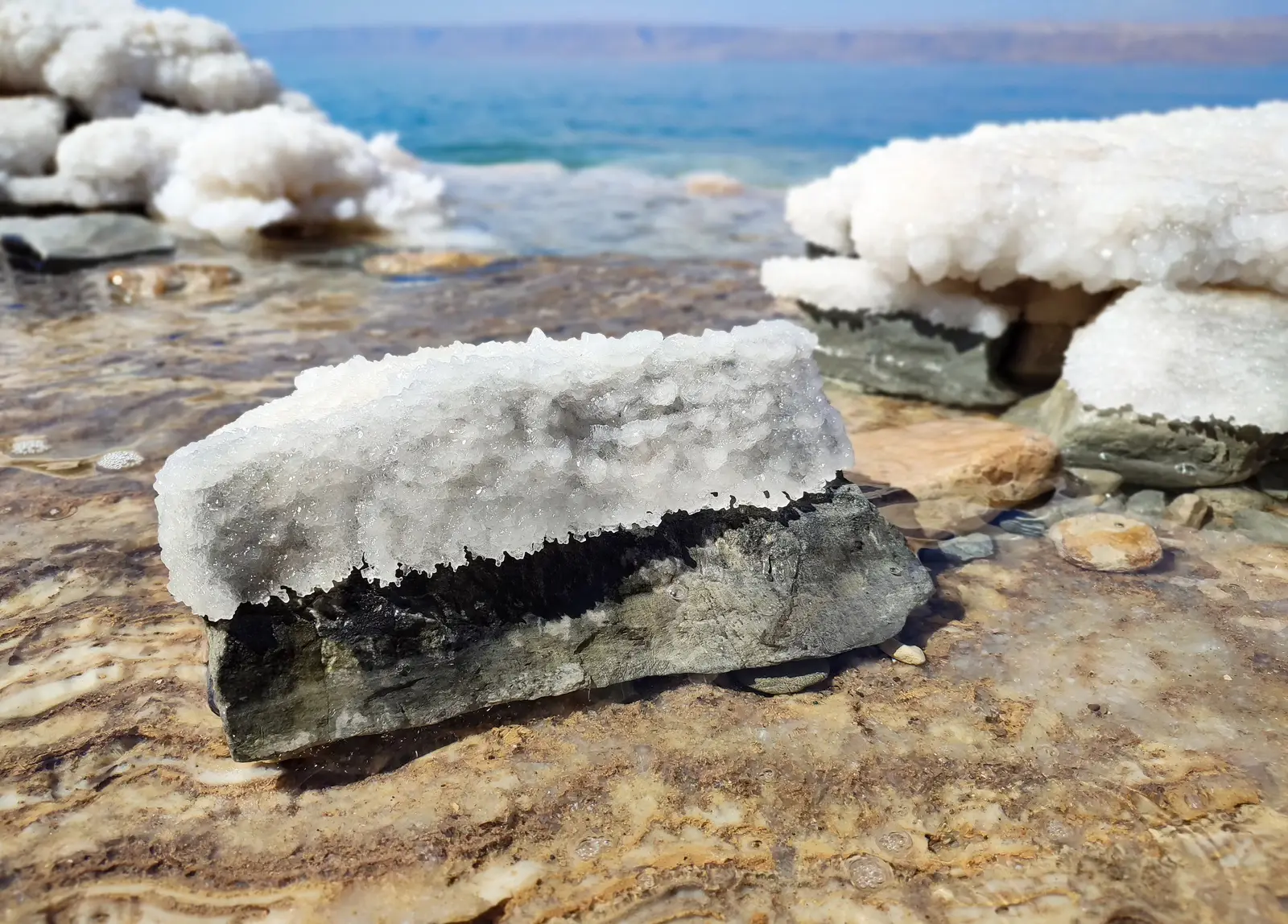
The famous experience is floating. Walk in slowly, sit back as if into an armchair and let the water lift your legs; reading a book while lying on the surface is a classic photograph. The water feels oily and silky on the skin. After a short float, many people cover themselves in the dark mineral mud found along the shore, let it dry in the sun and then rinse it off, leaving their skin noticeably smooth.
People have valued the Dead Sea for thousands of years. Its salts and the natural asphalt that once rose to the surface were traded across the ancient world, and the region appears in the sacred texts of several faiths. The hills above the eastern shore hold places linked to these stories, and the nearby Baptism Site and Mount Nebo are easy to combine in a single trip. Today the shore is lined with resorts and spas that offer treatments based on the lake's salts and mud.
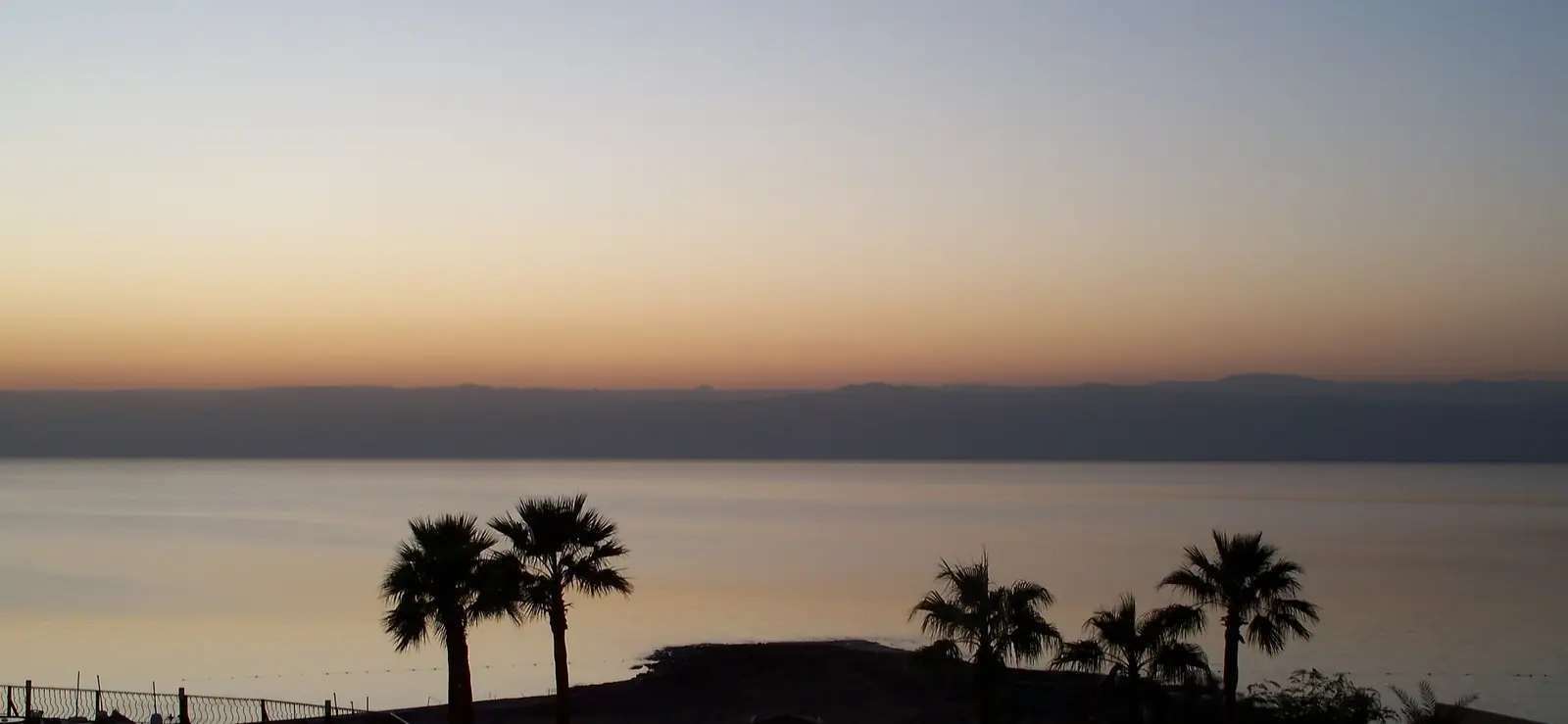
Beyond the beaches, the landscape is dramatic. The Dead Sea Panorama, perched on the hills above the shore, offers sweeping views and a small museum explaining the lake's geology and history. The hot springs of Hammamat Ma'in and the canyon of Wadi Mujib lie a short drive away. As evening falls, the far shore fades into blue haze and the sky glows orange over the still water, a calm and beautiful end to any day in Jordan.
Highlights
- 1Floating on the dense, salty water
- 2A natural mud treatment on the shore
- 3Sunset over the lake from the eastern shore
- 4The Dead Sea Panorama viewpoint and museum
- 5Spa treatments using Dead Sea salts and minerals
- 6Side trips to the Hammamat Ma'in hot springs and Wadi Mujib
Gallery
Frequently asked questions
Can you float in the Dead Sea?
Yes. The Dead Sea is almost ten times saltier than the ocean, so the dense water lifts your body and you float without any effort. Walk in until the water reaches your waist, then lean back slowly and lift your feet. Do not try to swim on your front or dive, and keep the water away from your eyes and mouth, because it stings strongly.
Is it safe to swim in the Dead Sea?
Floating is safe for most people if you follow a few rules. Never put your head under the water or splash, avoid the water if you have fresh cuts, and limit each float to around 15 to 20 minutes. Use beaches with lifeguards, rinse off with fresh water afterwards and drink plenty of water. People with heart conditions or high blood pressure should ask their doctor first.
How do I get from Amman to the Dead Sea?
The Dead Sea is about 55 kilometres south-west of Amman, around one hour by car as the road descends more than a thousand metres to the Jordan Valley. Taxis, private drivers and organised day trips are the most common options, as public transport is limited. Most visitors go to the northern shore, where the resort hotels and public beaches are found.
When is the best time to visit the Dead Sea?
The best time is from October to May, when the air is warm and pleasant. Winter is especially popular, because the Dead Sea stays much warmer than Amman and the highlands. Summers are extremely hot, often above 40 degrees Celsius, so if you visit then, float in the early morning or late afternoon and stay in the shade at midday.
What should I bring to the Dead Sea?
Bring a swimsuit you do not mind getting stained by salt and mud, water shoes to protect your feet from sharp salt crystals and rocky ground, a towel, sunscreen and plenty of drinking water. A cover-up is useful for walking to and from the beach. Do not shave for a day before your visit, because the salt stings even tiny cuts.
Is the Dead Sea suitable for children?
Children can enjoy floating with close adult supervision, but the salty water is very painful in the eyes and harmful if swallowed, and young children tend to splash and rub their faces. Many families let small children paddle only at the edge and use the freshwater pools instead. If water gets into the eyes, rinse immediately with plenty of fresh water.
Continue the journey
 04
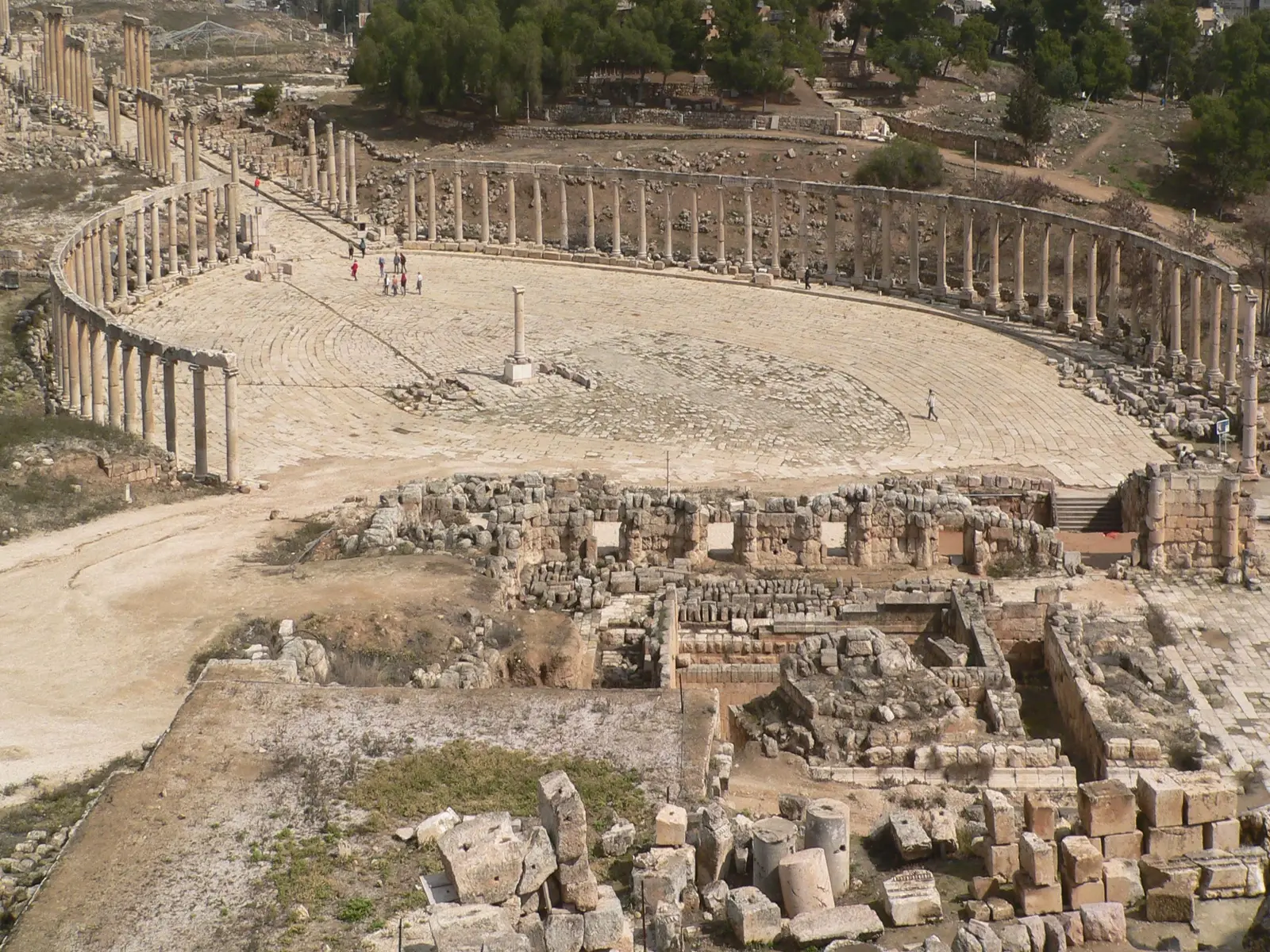
Jerash
One of the best-preserved Roman provincial cities anywhere, with colonnaded streets, grand temples and theatres among green hills.
 05
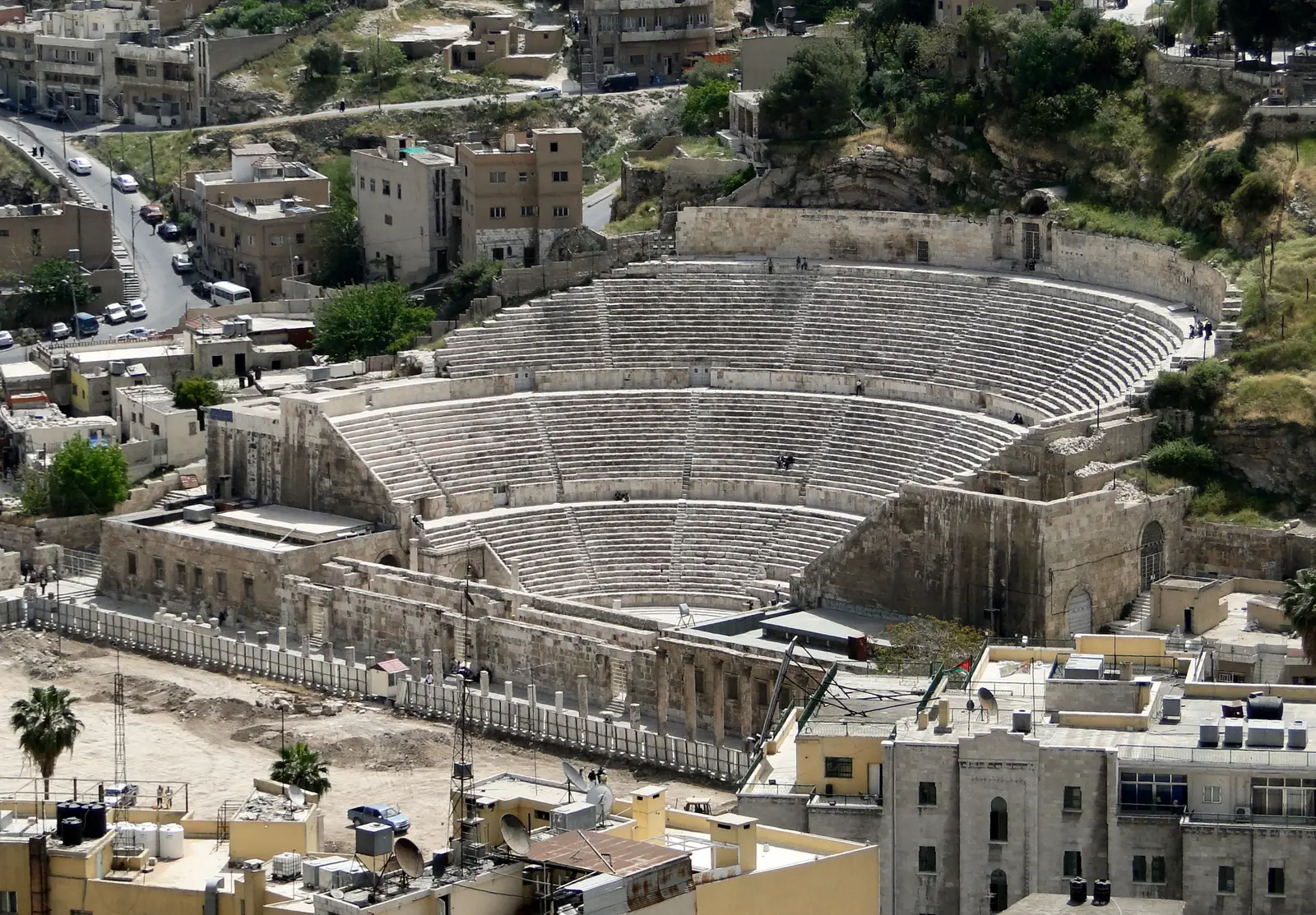
Amman
A city of white stone spread over hills, where Roman ruins, lively markets and modern cafes share the same streets.
 06
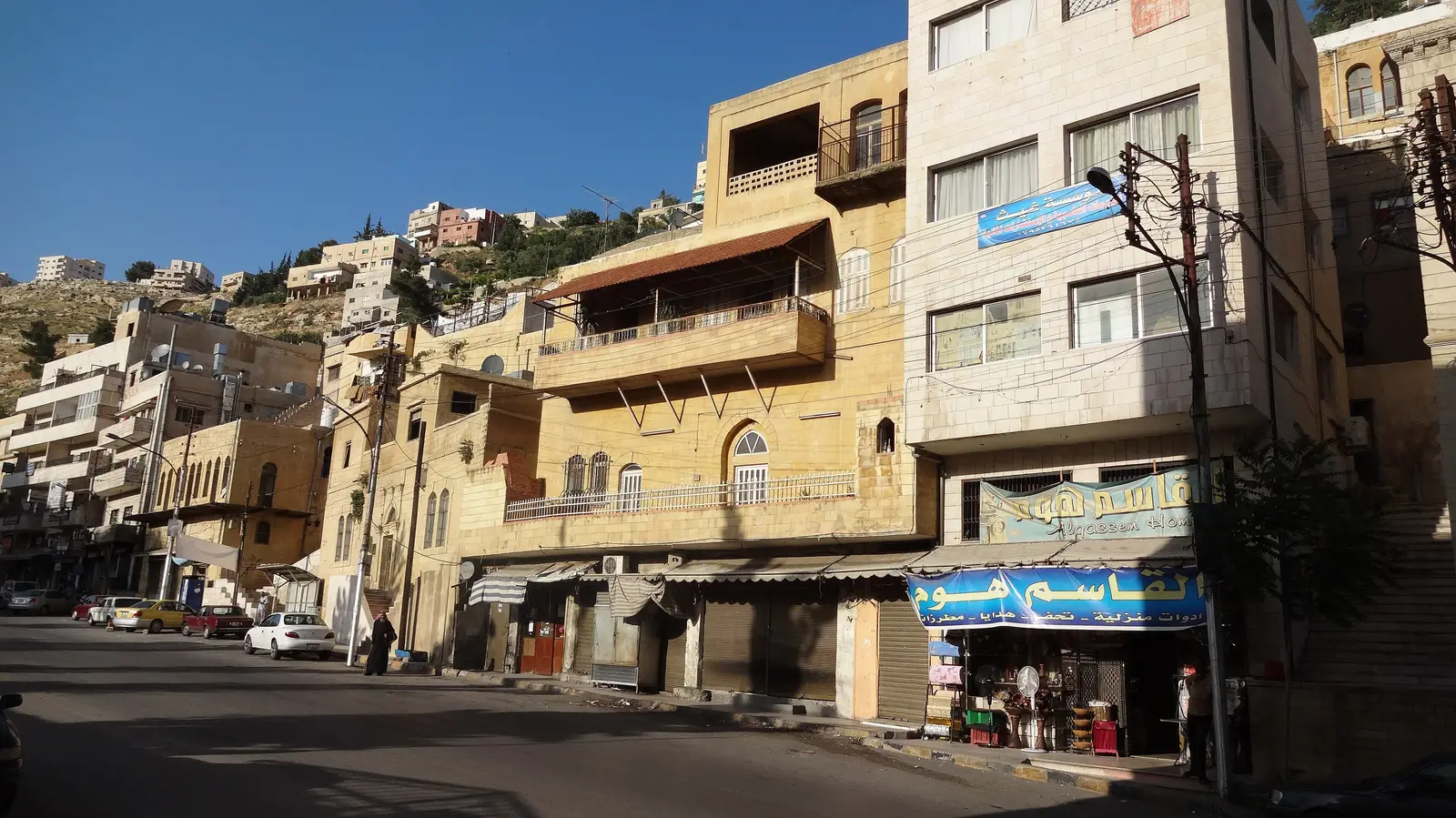
As-Salt
A hillside town of honey-coloured stone, celebrated by UNESCO for its long tradition of tolerance and warm hospitality.
 07
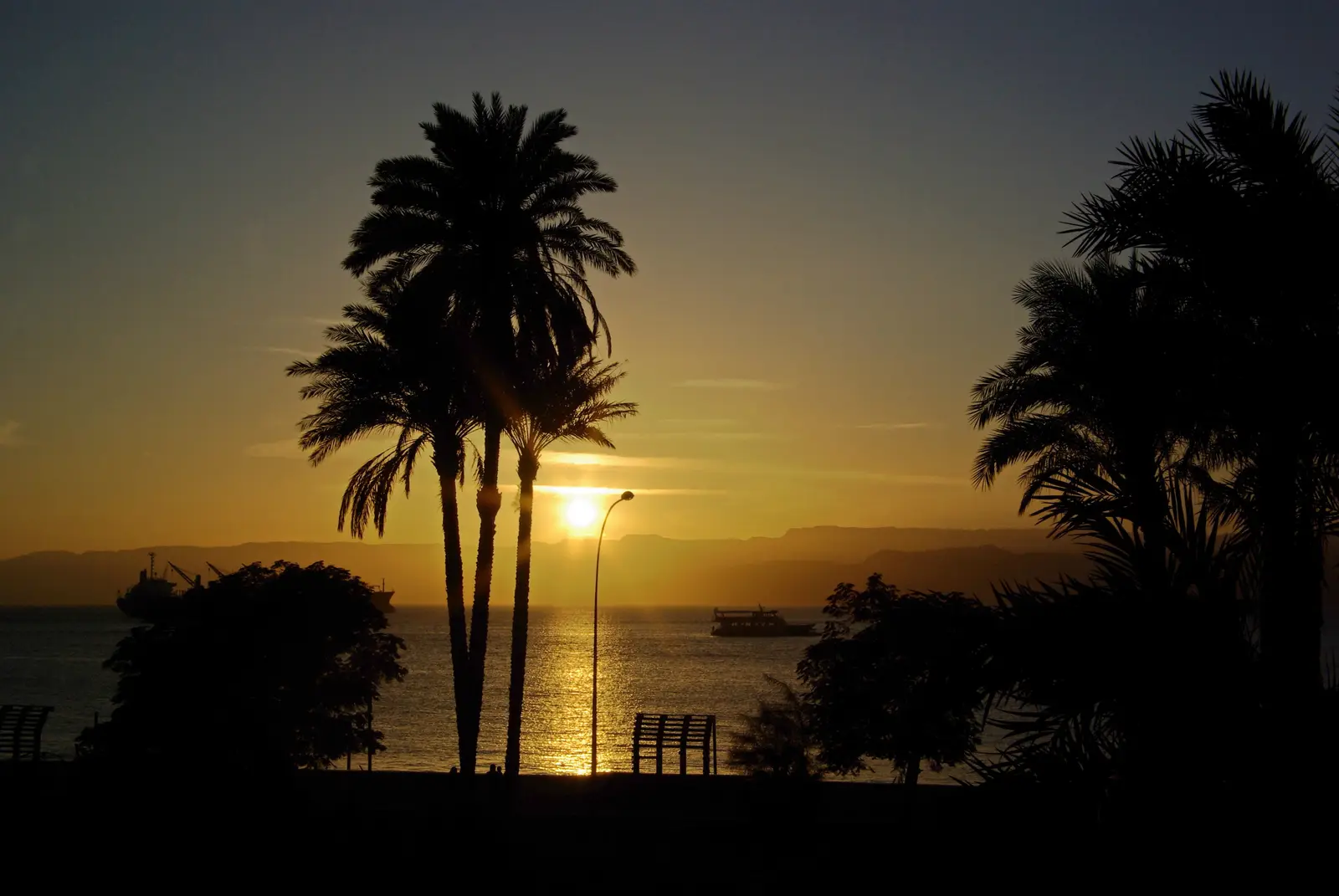
Aqaba
Jordan's only coastal city, where warm Red Sea waters hide vivid coral reefs just a few steps from the shore.
 08
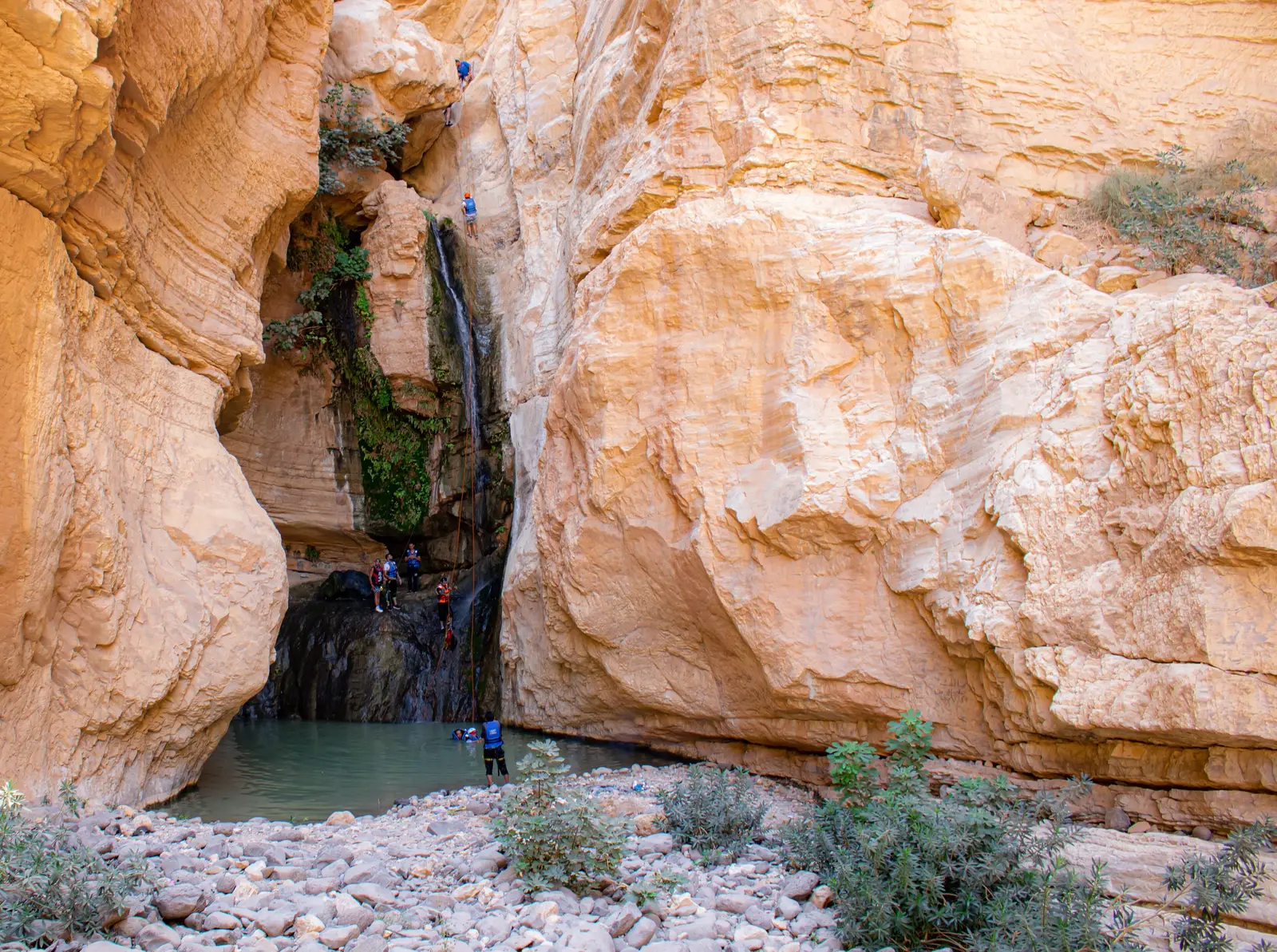
Wadi Mujib
Wade and swim through a towering sandstone gorge to a roaring waterfall in the lowest nature reserve on Earth.
 09
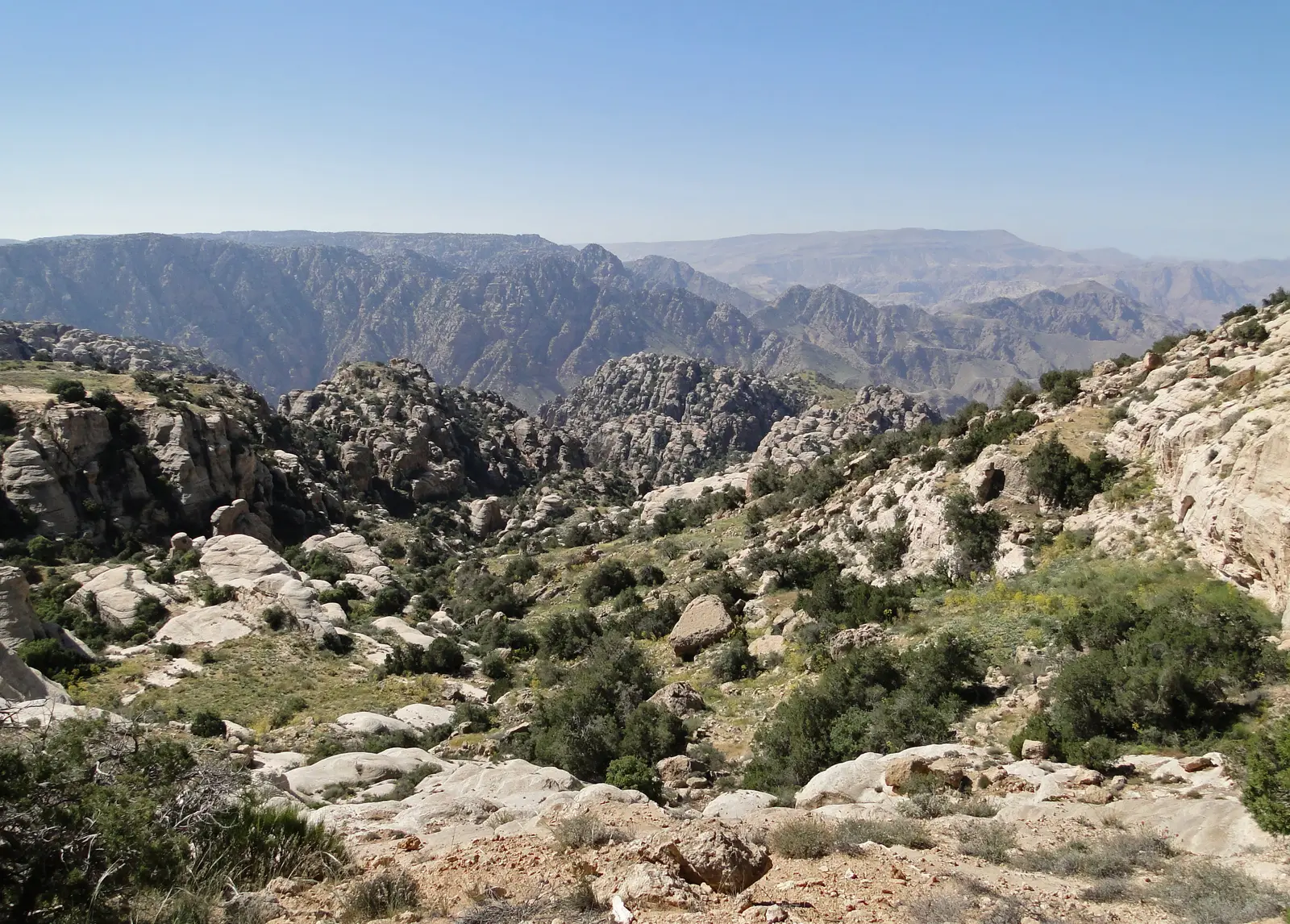
Dana
A stone village perched above a vast valley that falls from mountain cliffs to desert, rich in wildlife and silence.
 10
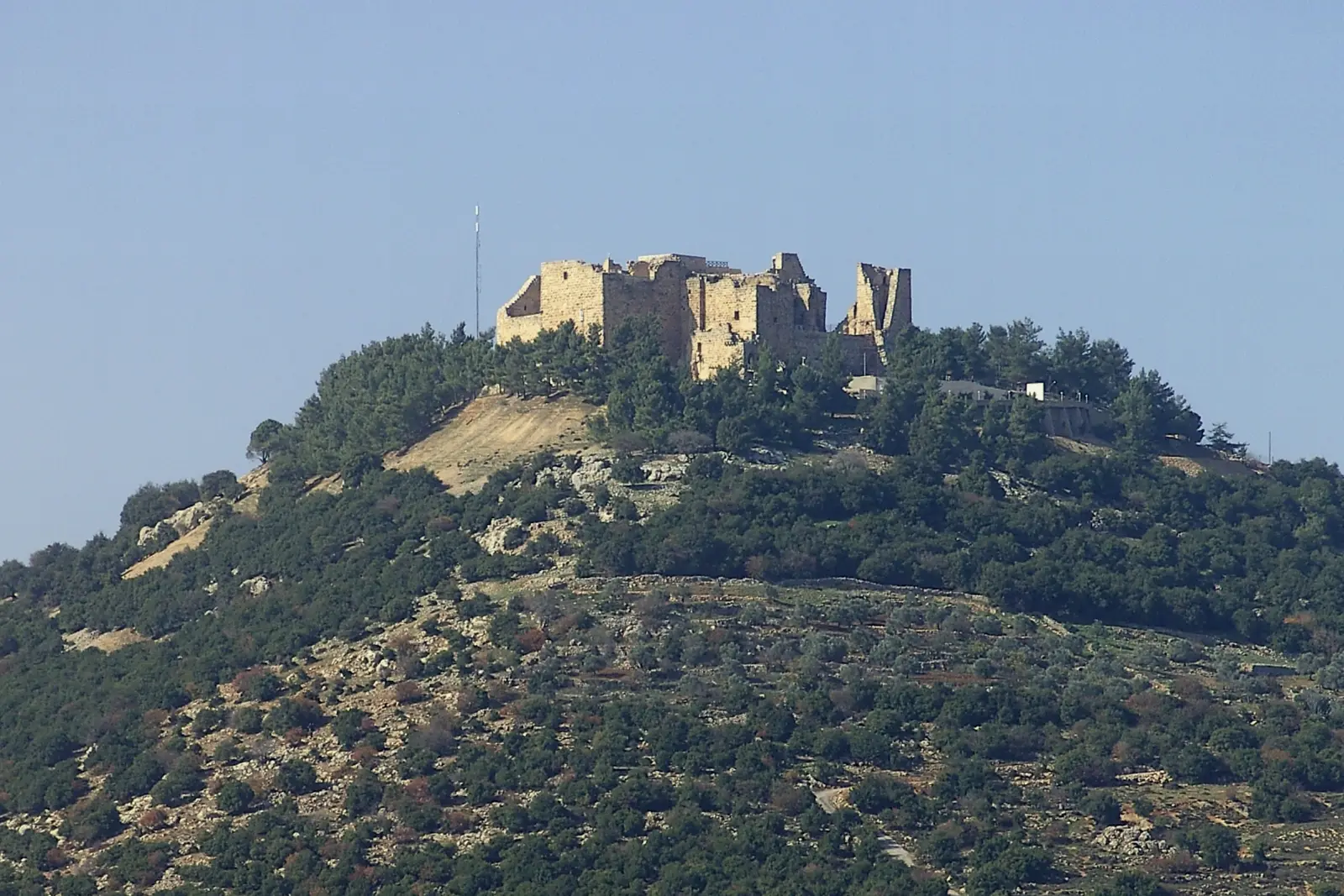
Ajloun
A medieval hilltop castle and green oak forests in the cool, rolling hills of northern Jordan.
 11
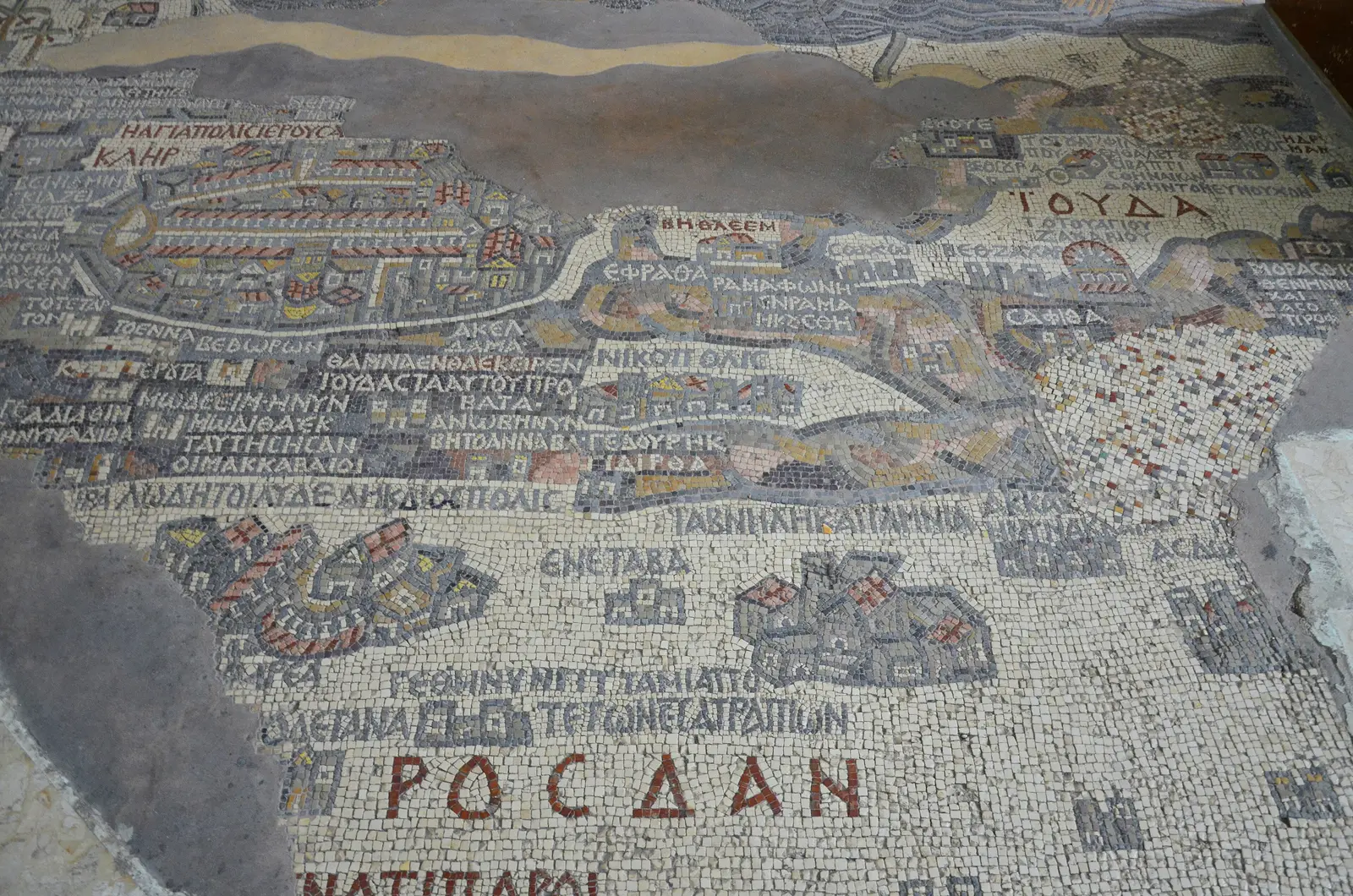
Madaba and Mount Nebo
A friendly town famed for its Byzantine mosaics and an ancient map of the Holy Land, close to Mount Nebo.