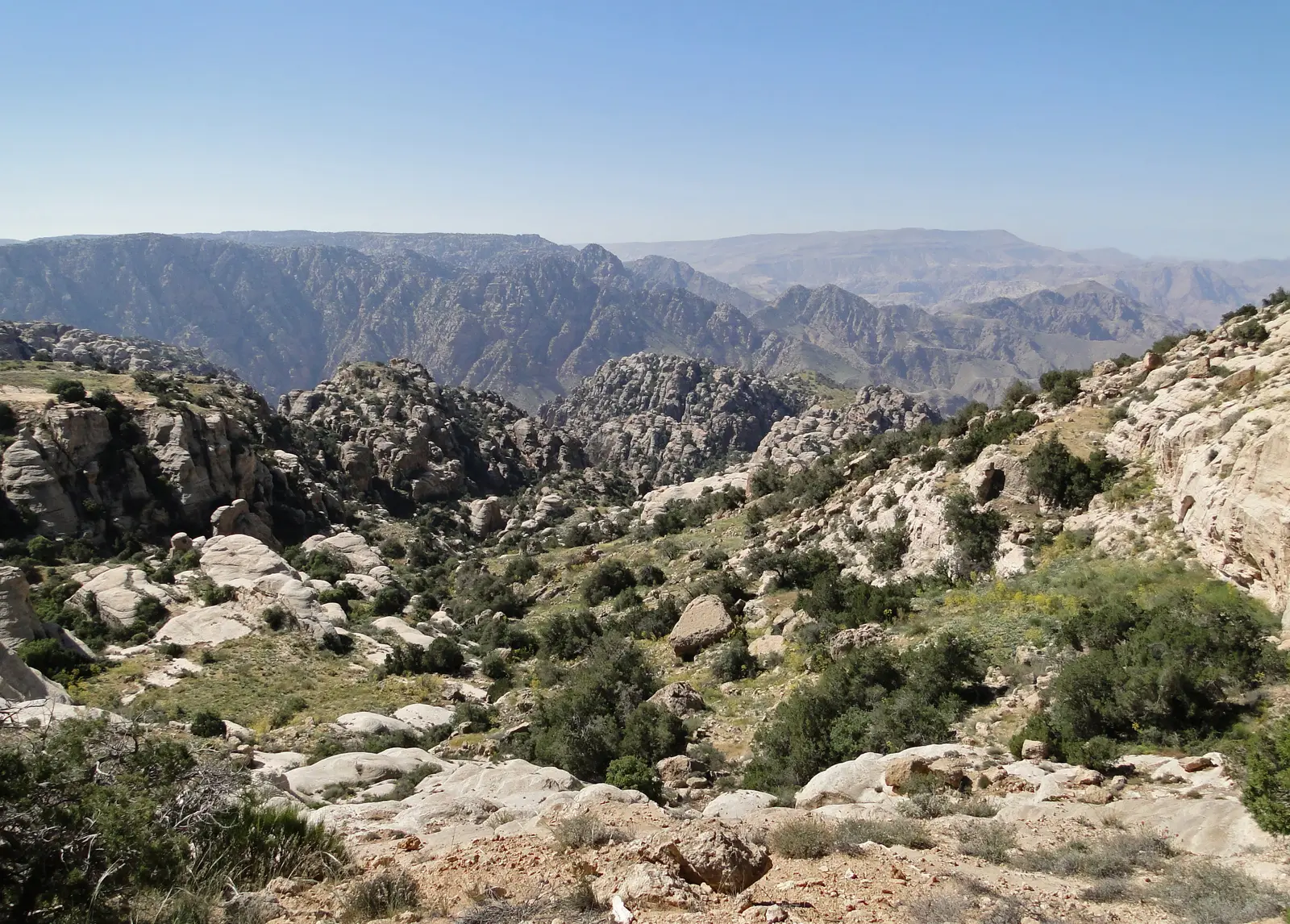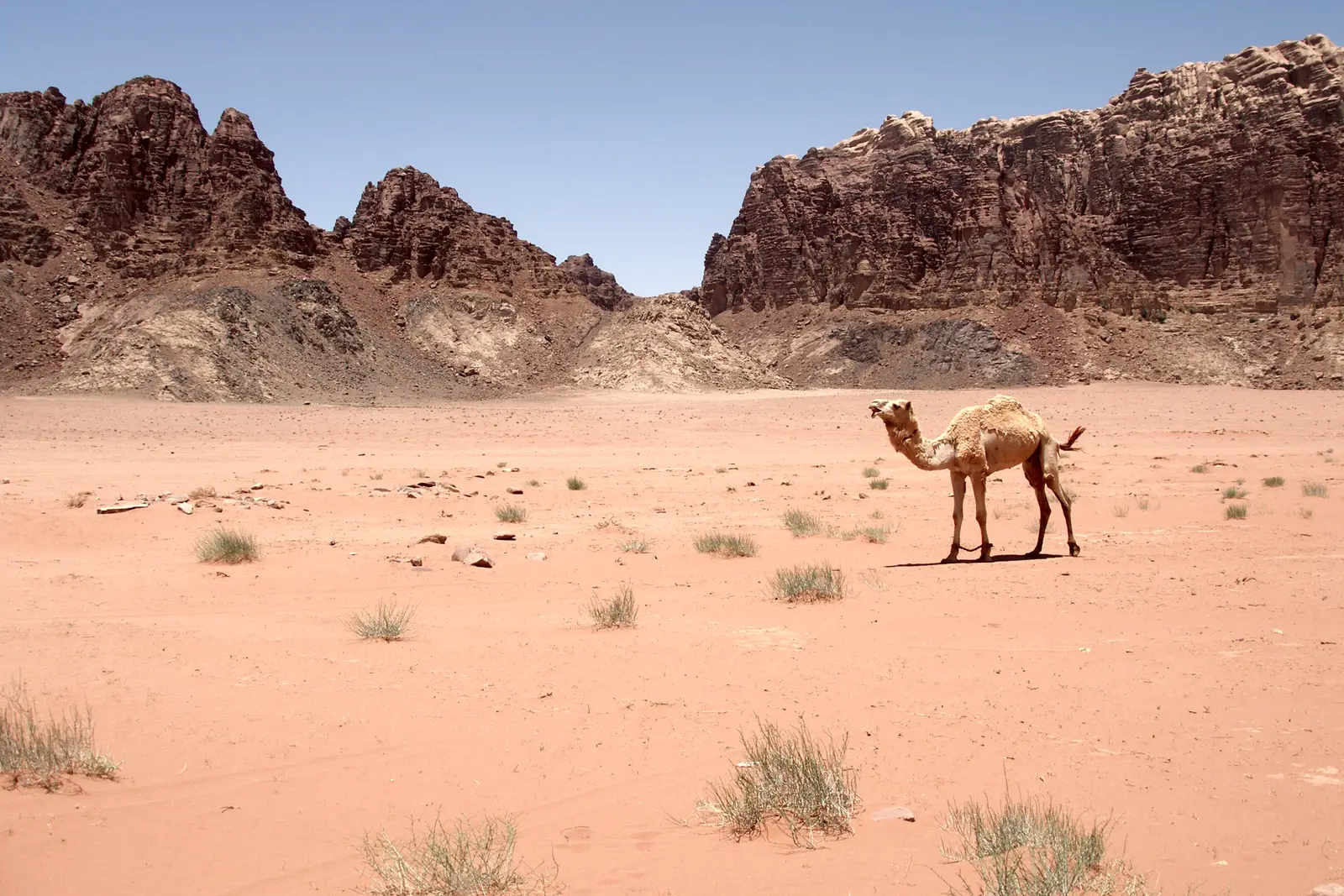
Petra to Wadi Rum and Aqaba
Petra, Wadi Rum and Aqaba lie close together in the south of Jordan, and many travellers visit them one after another. The drive from Petra to Wadi Rum takes about one and a half to two hours, and Aqaba is about one hour further. This guide explains how to make the journey and what to expect along the way.
The southern triangle
Petra, Wadi Rum and Aqaba form a natural group of destinations. Petra sits in the mountains, Wadi Rum lies in the desert to the south, and Aqaba is on the Red Sea coast at the country's southern tip. Most of the journey uses the Desert Highway, which descends gradually from the highlands into wide sandy plains framed by mountains. The road is good and well signposted, and the changing scenery makes even a short drive memorable.
How a visit to Wadi Rum works
Wadi Rum is a protected area, and visitors register at the visitor centre near the entrance before going into the desert. Private cars usually stay at the visitor centre or in Rum village, because the sand tracks inside require experienced drivers and four-wheel-drive vehicles. Local Bedouin guides offer jeep tours, camel rides and hikes, and desert camps collect their guests from the village. Tell your camp in advance when you expect to arrive, so that someone is ready to meet you.
Travelling without a car
Without a car, the simplest choice is a taxi or an arranged transfer from your hotel in Wadi Musa to Wadi Rum. A local minibus also runs between Wadi Musa and Wadi Rum, but the service is limited and leaves early in the morning, so ask at your hotel the day before. From Wadi Rum to Aqaba, taxis and transfers are easy to arrange through your camp. Aqaba is also connected to Amman by comfortable intercity buses.
Arriving in Aqaba
Aqaba is a relaxed city with a long seafront, a lively town centre and coral reefs just south of the city. After the dust and heat of the desert, many travellers enjoy a day of swimming, snorkelling or simply resting by the water. The sea is warm for much of the year, and the reefs begin so close to the shore that you can see colourful fish within a few steps of the beach.
The plan
Leaving Petra
Leave Wadi Musa in the morning, or around midday after a final walk in Petra. The road climbs out of the town and joins the Desert Highway heading south. Before you go, buy water, snacks and anything else you need, and fill the fuel tank if you are driving yourself. Allow about one and a half to two hours to reach Wadi Rum, including a short stop.
PetraThe Wadi Rum visitor centre
Turn off the Desert Highway onto the road to Wadi Rum, which runs toward tall sandstone mountains. At the visitor centre, register your visit, show your ticket or Jordan Pass, and look at the displays about the area's geology, history and people. From here it is a short drive to Rum village, where most guides and camps meet their guests.
Wadi RumA jeep tour of the desert
Most visitors explore Wadi Rum on a jeep tour with a Bedouin driver and guide. Common stops include a spring linked with Lawrence of Arabia, a narrow canyon with ancient rock inscriptions, tall red sand dunes and natural rock bridges. Tours last from two hours to a full day. Climb a dune or a rock ridge before sunset to watch the mountains change colour.
Wadi RumA night in a desert camp
Spend the night in one of the desert camps, which range from simple Bedouin tents to comfortable cabins and domes designed for stargazing. Dinner is often zarb, meat and vegetables cooked slowly in an oven buried in the sand. After dark, the sky fills with stars far from city lights. Nights can be cold even after a hot day, so bring a warm layer.
Wadi RumFrom Wadi Rum to Aqaba
After sunrise and breakfast, return to Rum village and drive back to the Desert Highway. Aqaba is about one hour away, roughly 70 kilometres to the south-west. The road descends through granite mountains toward the coast, and the blue water of the gulf appears at the end of the valley. Aqaba has plenty of places to eat, rest and swim.
Wadi RumAqabaA day on the Red Sea
Spend the afternoon at the beaches south of the city, where coral reefs begin close to the shore. Snorkellers can see colourful fish and coral gardens with simple equipment, and divers can explore deeper reefs and a sunken wreck. If you prefer to stay dry, take a glass-bottom boat. In the evening, walk along the seafront and try fresh fish in the town centre.
AqabaFrequently asked questions
How far is Wadi Rum from Petra?
Wadi Rum is roughly 110 kilometres south of Petra, a drive of about one and a half to two hours via the Desert Highway. The last part of the journey follows a quieter road into the protected area, between towering sandstone mountains. If you are travelling by taxi or transfer, agree on the pickup time and all the details with the driver before you leave.
Should I stay overnight in Wadi Rum?
Yes, if you can. A day visit shows you the landscape, but staying overnight lets you see the sunset, the night sky and the early morning light, which are among the highlights of the desert. Camps are welcoming and comfortable, and a night there is one of the most memorable experiences in Jordan.
Can I drive my own car in Wadi Rum?
You can drive on paved roads to the visitor centre and Rum village, but the desert itself is best explored with a local guide. Sand tracks are soft and unmarked, and it is easy to get stuck or lost. Your car can stay at the visitor centre or in the village while you join a jeep tour or a camp transfer.
How long does it take to get from Wadi Rum to Aqaba?
About one hour by car, a distance of roughly 70 kilometres. Many visitors leave Wadi Rum after breakfast and reach Aqaba in time for a swim before lunch. Taxis and transfers are easy to arrange through desert camps, and the road is good throughout, descending gently from the desert plateau to the coast.
More trip ideas
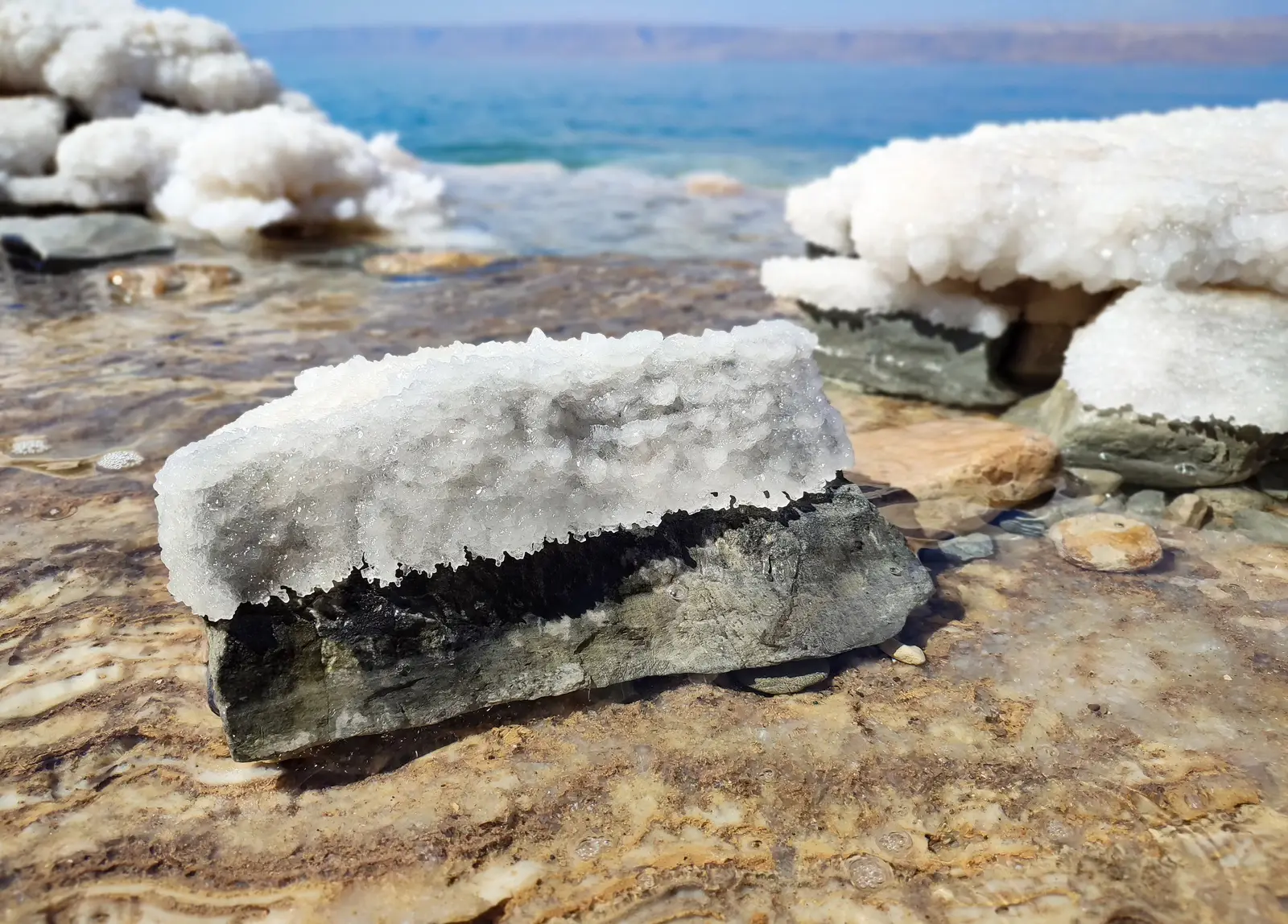
Amman to the Dead Sea
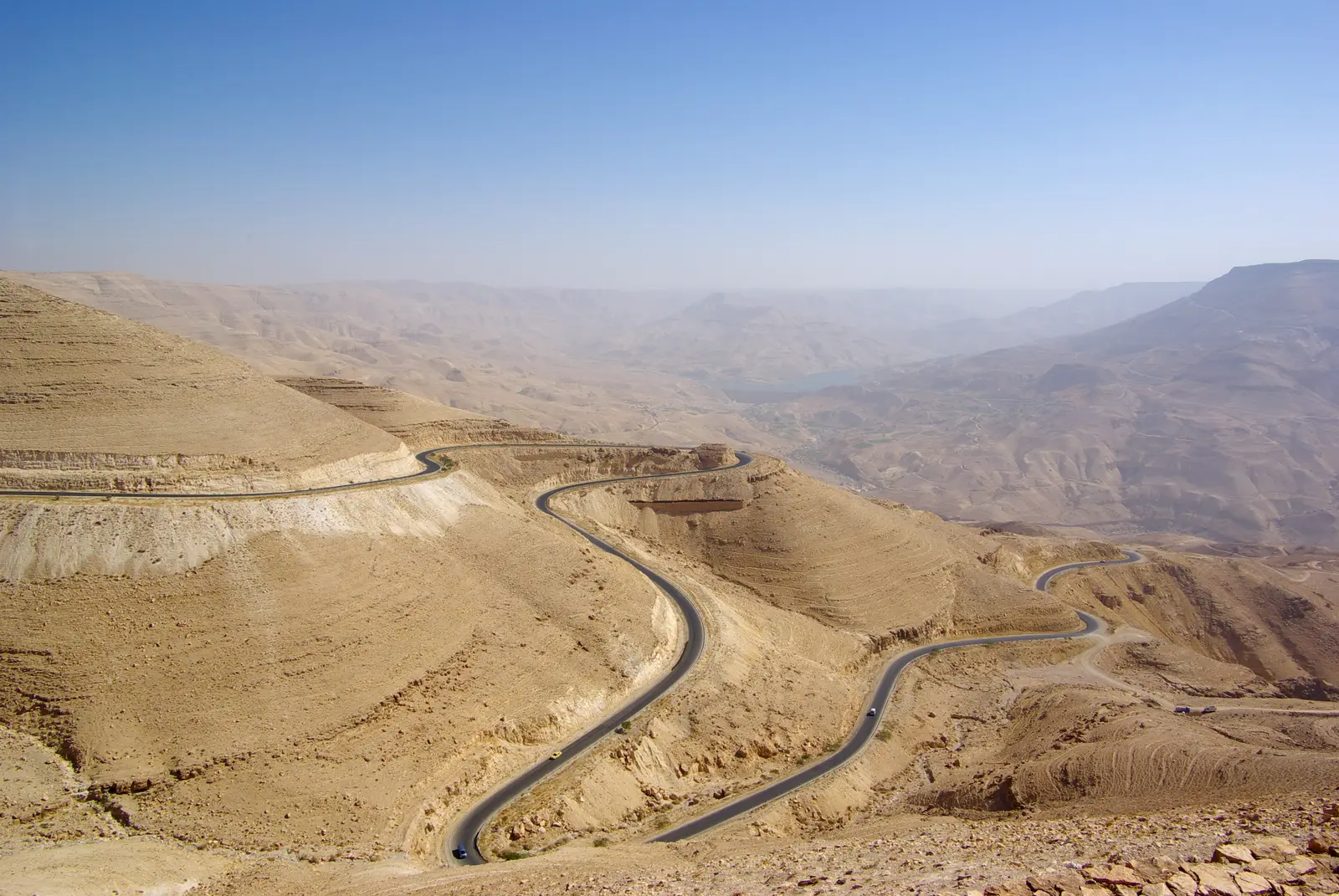
Driving the King's Highway
Jordan with Children
Best Time to Visit Jordan, Month by Month
Jordan in 3 Days: A Short Itinerary
Jordan in 5 Days: The Classic Route
Jordan in a Week: A 7-Day Itinerary