Best Time to Visit Jordan, Month by Month
Jordan can be visited all year, but each season shows the country in a different light. Spring and autumn are the most comfortable months for sightseeing and hiking, winter suits the Dead Sea and Aqaba, and summer rewards early risers. This month-by-month guide helps you choose the right time for your trip.
Spring and autumn: the classic seasons
For most travellers, the best times to visit Jordan are from March to May and from September to November. Days are warm and sunny, nights are cool, and conditions suit long walks in Petra, hikes in Dana and nights in the desert camps of Wadi Rum. These are also the busiest months, so book accommodation early, especially in Petra and Wadi Rum, and expect more visitors at the main sites.
Winter and summer
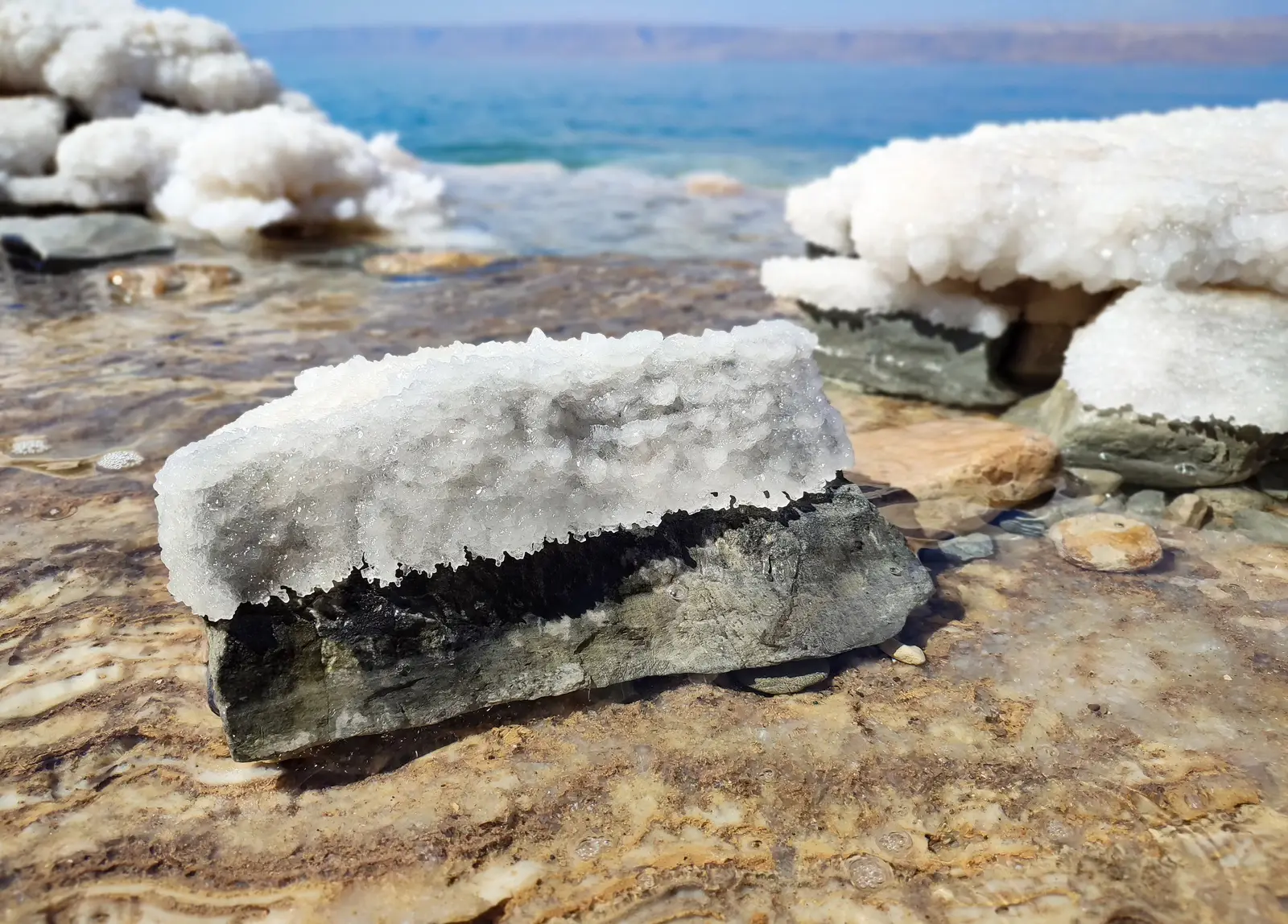
Winter, from December to February, brings cold nights and rain to the highlands, and occasionally snow to Amman, Petra and other high areas. At the same time, the Dead Sea, the Jordan Valley and Aqaba stay mild and pleasant, and the main sites are quieter. Summer, from June to August, is hot and dry, especially in the desert and at the Dead Sea, but highland evenings remain comfortable, and the sea at Aqaba is ideal for swimming and diving.
Altitude makes a difference
Temperatures in Jordan depend as much on altitude as on season. Amman, Petra and the other highland towns lie between about 700 and 1,200 metres above sea level, or higher, so they are often much cooler than the shore of the Dead Sea, which lies more than 400 metres below sea level. On the same day, you may need a jacket in Petra and a swimsuit at the Dead Sea. Pack layers, whatever the season.
Ramadan and holidays
The holy month of Ramadan moves about 11 days earlier each year, because it follows the Islamic lunar calendar. Visiting during Ramadan is entirely possible: tourist sites and hotels continue to welcome visitors, though some restaurants close during daylight and some timings change. Evenings are lively and festive after the fast is broken. Out of respect, avoid eating, drinking or smoking in public during the day. The Eid holidays are busy times for domestic travel, so book ahead.
The plan
Cool highlands, mild coast
January is usually the coldest month. The highlands, including Amman and Petra, have cool days, cold nights and occasional rain, and snow is possible on higher ground. The Dead Sea and Aqaba remain mild and often sunny, making them pleasant places to stay. Petra is quiet, and walking there on a clear winter day can be beautiful. Pack warm layers and a waterproof jacket.
PetraDead SeaAqabaQuiet sites and first blossoms
February is still cool and can be rainy in the north and in the highlands, but sunny days become more frequent. Almond trees begin to blossom in some areas, and the Jordan Valley turns green. Sites such as Jerash and Petra see relatively few visitors, so this is a good month for travellers who prefer calm and do not mind cool evenings. The Dead Sea remains comfortable.
JerashPetraDead SeaSpring arrives
March brings green hills and the first wildflowers, including the black iris in some highland areas. Days are pleasant and nights are still cool, especially in the desert. This is the start of the busy season, and Petra and Wadi Rum become livelier. Occasional dusty winds may blow in from the desert. It is a fine month for walking in Ajloun, Dana and the northern hills.
AjlounDanaPetraWadi RumPeak spring
April is one of the most popular months to visit. Temperatures are warm without being hot, the countryside is still green, and wildflowers cover many hillsides. Conditions are ideal for Petra, Wadi Rum and hiking in Dana. Expect more visitors at the main sites and book accommodation early. The water trail of Wadi Mujib often reopens around this time, depending on conditions.
PetraWadi RumDanaWadi MujibWarm days, long evenings
May is warm and dry, with long, bright days. The highlands are very pleasant, while the desert and the Dead Sea begin to feel hot by midday. The wildflowers fade as the land turns golden. The sea at Aqaba is warm enough for long swims, and the Wadi Mujib water trail is usually open. Plan sightseeing for the morning and the late afternoon.
Wadi RumAqabaWadi MujibThe start of summer
June marks the beginning of summer. Days are hot in the desert, the Jordan Valley and at the Dead Sea, but evenings in Amman and the highlands remain comfortable. Aqaba is excellent for snorkelling and diving, with calm, clear water. Visitor numbers fall at Petra, so early mornings there can be wonderfully quiet. Carry plenty of water wherever you go.
AmmanAqabaPetraHigh summer
July is among the hottest months, and midday temperatures in the Jordan Valley, at the Dead Sea and in Aqaba often reach or pass 40 degrees Celsius. The highlands are warm but dry and more bearable, and the forests of Ajloun offer shade. Cultural festivals, including performances in the ancient theatres of Jerash, are often held in summer. Visit sites at sunrise and rest in the afternoon.
JerashAjlounAqabaHeat and holidays
August is hot across the low-lying areas and the desert, and it is a busy month for regional and family travel. The Red Sea at Aqaba is at its warmest, ideal for long swims and diving. The Wadi Mujib water trail offers a refreshing adventure. In Amman, summer evenings are lively, with people out in cafes and parks. Book in advance if you plan to stay in Aqaba.
AqabaWadi MujibAmmanSummer eases
September begins hot, but temperatures slowly fall as the month goes on, especially in the highlands. The sea at Aqaba is still very warm, making this one of the best months for diving. By late September, conditions in Petra and Wadi Rum become comfortable again, and the autumn travel season begins. Days are long and the skies are almost always clear.
PetraWadi RumAqabaGolden autumn
October is one of the best months of the year in Jordan. Warm, sunny days and cool nights suit every kind of trip, from long walks in Petra to hikes in Dana and nights in desert camps under clear skies. The light is soft and golden in the late afternoon, which is ideal for photography. As in spring, this is a busy season, so book early.
PetraDanaWadi RumJerashLate autumn and first rains
November is still pleasant, with mild days and cooler nights. The first rains may fall in the north and the highlands, freshening the air and settling the dust. The olive harvest takes place in many villages around this time, a busy and joyful family season. Days are shorter, so start sightseeing early. The Dead Sea and Aqaba are comfortable and warm.
JerashAjlounDead SeaAqabaWinter light
December brings cool days and cold nights to the highlands, and rain becomes more frequent. Christmas is celebrated by Jordan's Christian communities, and towns such as Madaba and Amman have decorations and festive lights. The Dead Sea and Aqaba remain mild, making them pleasant winter escapes. Petra is quieter, and a clear winter morning there can be spectacular.
Madaba and Mount NeboAmmanDead SeaAqabaFrequently asked questions
What is the best month to visit Jordan?
April and October are often considered the best months. Both offer warm, sunny days and cool nights, ideal for exploring Petra, camping in Wadi Rum and walking in nature reserves. March, May, September and November are also excellent. These months are popular, so book accommodation in Petra and Wadi Rum well in advance.
Is it too hot to visit Jordan in summer?
Summer is hot, especially in the desert, the Jordan Valley, the Dead Sea and Aqaba, where temperatures often rise above 40 degrees Celsius. However, the highlands, including Amman, are more moderate, and nights are cooler. With early starts, long rests in the middle of the day and plenty of water, summer travel is manageable, and Aqaba's sea is at its best.
Does it snow in Jordan?
Yes, snow falls on the highlands in some winters, including Amman, Ajloun, Tafila, Shobak and the area around Petra. It usually lasts only a day or two but can close roads for a short time. Snow in Petra is rare and very beautiful. The Dead Sea, the Jordan Valley and Aqaba do not see snow and stay mild in winter.
Can I visit Jordan during Ramadan?
Yes. Tourist sites, hotels and many restaurants continue to serve visitors, though some timings change and some restaurants close during the day. Evenings are festive and sociable, and sharing an iftar meal at sunset can be a memorable experience. Out of respect, visitors should avoid eating, drinking and smoking in public during daylight hours.
More trip ideas
Jordan in 3 Days: A Short Itinerary
Jordan in 5 Days: The Classic Route
Jordan in a Week: A 7-Day Itinerary
Jordan in 10 Days: The Complete Journey
Amman to Petra: How to Get There
Petra to Wadi Rum and Aqaba
Amman to the Dead Sea