Jordan packing list and travel preparation checklist
Most of what you need for Jordan is simple: a valid passport, travel insurance, light layered clothes, sturdy shoes, sun protection and the right plug adapter. This checklist follows the order in which you will need things, from the weeks before departure to the last check before take-off. It points to our other guides for visas, money and weather instead of repeating them. Rules change, so check the current rules before you travel.
Weeks before: passport, entry documents, insurance and bookings
Passport. Check the expiry date first. Official government sources describe the passport rule in different ways. The UK government says the passport must be valid for at least six months after the date you arrive, and the Canadian government says at least six months beyond the date you expect to leave Jordan. Airlines can apply stricter rules, and the Korean Ministry of Foreign Affairs page for Jordan does not state a figure. The safest plan is a passport that is valid for at least six months after your return date. If yours is close to that limit, renew it before you book. Check the current rules before you travel.
Visa and Jordan Pass. Entry conditions depend on your nationality, so confirm them with an official source for your own passport. Our Jordan Pass and visa guide explains what the pass includes and how the visa fee waiver works, so this page does not repeat it. For travellers from South Korea, the Ministry of Foreign Affairs safety site (0404.go.kr) lists an arrival visa and an online e-visa for ordinary passport holders, and says visa-free entry applies to diplomatic passports only. The same page says that if you plan to stay more than two weeks on an arrival visa, you must register your address within two weeks, and that a fine applies if you do not. Most short holidays are not affected. Check the current rules before you travel.
Travel insurance. The government entry pages we checked do not describe insurance as an entry requirement, but the UK and Canadian governments both advise travellers to carry it. The Canadian advice asks for cover that includes medical evacuation and hospital stays, and the UK government says medical facilities outside Amman and Aqaba are basic, so it is worth checking that your policy covers transport to a larger hospital. Before you buy, read what the policy covers and excludes, especially for activities such as hiking, diving or desert tours. Save your policy number and the insurer's emergency number on your phone.
Bookings and copies. Confirm your flights, your first night's hotel and any tour, desert camp or airport transfer in writing. Keep the hotel address on your phone, ideally with the name written in Arabic or marked on a map, so that you can show it to a taxi driver. Photograph your passport photo page, your insurance policy and your bookings, and keep the pictures offline and separate from the originals. Print your Jordan Pass: the official FAQ advises showing it printed, because a phone screen may not scan. Travellers from South Korea can also register their trip in the free Ministry of Foreign Affairs app, which offers a companion service with safety alerts and location sharing. The current consular contact numbers for Korean travellers are listed on the same safety site.
Money, phone and data before you fly
Sort out payment and connectivity before you leave home. Bring a bank card that works abroad, ask your bank about foreign withdrawal fees, and carry a small amount of cash for the first day. Decide whether you will use roaming, a local SIM card or an eSIM, and check that your phone is unlocked if you want an eSIM. Download offline maps for areas with weak signal, such as Wadi Rum. Our money, SIM and airport guide covers the Jordanian dinar, ATMs and cards, tipping, SIM and eSIM options and the transfer from Queen Alia Airport, so those figures are not repeated here.
Clothes and shoes, and how to dress at religious sites and in villages
Pack for the month and the place. The highlands are cold and wet in winter, the desert is cool at night all year, and the Dead Sea and Aqaba are very hot in summer. Our Jordan weather by month guide gives the temperatures, so this page covers only the principles. Bring layers that you can add or remove, loose and light clothes in a breathable fabric, a warm layer for the evening, a light waterproof jacket from about November to March, a hat, sunglasses and swimwear. Visit Jordan's own advice for desert trips is to pack layers all year, because desert evenings are cool even in summer.
Shoes matter most. Bring closed, comfortable walking shoes with a good grip for Petra, Jerash, Wadi Rum and city streets, and wear them in before you travel. Add sandals for the hotel and beach, and water shoes for stony beaches and canyon walks. Open sandals are a poor choice for rocky paths and sand.
Dress code. The Korean embassy describes Jordan as relatively open among Middle Eastern countries, but advises women to avoid very revealing clothes. The Canadian government advises visitors to dress modestly, because the country's customs follow Islamic practice. A simple rule is to cover your shoulders and knees at religious sites, in small towns and villages, and outside Amman and Aqaba, as our Jordan safety guide also advises. Swimwear belongs at hotel beaches and pools. Carry a light scarf or shawl in your day bag: it covers shoulders quickly and also protects you from sun and dust.
Mosques and other religious sites. Mosques differ in whether and when they admit non-Muslim visitors, so follow the signs and the instructions of the staff, expect to take off your shoes, and ask at the entrance about visiting hours. Do not walk in front of a person who is praying, and do not interrupt. During Ramadan, avoid eating, drinking or smoking openly in public places in the daytime. Ask permission before you photograph people, and do not photograph government buildings or military sites, where photography can bring severe penalties.
Electricity, plugs and chargers
Voltage and frequency. Jordan's mains supply is nominally 230 V at 50 Hz, and some official sources, including the Korean Ministry of Foreign Affairs, write 220 V at 50 Hz. South Korea's supply is 220 V at 60 Hz. Phone, laptop and camera chargers are usually marked with a range, such as 100-240V and 50-60Hz. If your charger's label shows a range like this, it accepts Jordan's supply. The Korean ministry's Jordan page says that Korean electronic goods can generally be used, but that some appliances with motors may not work properly or may break. Check the label of any appliance with a motor or a heating element, such as a hair dryer or a shaver, before you plug it in, or leave it at home.
Plugs. A standards table lists plug types B, C, D, F, G and J for Jordan. In practice, round two-pin plugs (type C) and combined sockets that also accept type A plugs are the most common in homes, shops and hotels, and types F and G are also widely used. South Korea uses types C and F, and both appear on the Jordanian list, so many Korean two-pin plugs should fit. Sockets vary from building to building, so bring one compact universal travel adapter and, if you carry several devices, a short multi-socket extension lead.
Power banks. For long days in Petra or Wadi Rum, take a power bank. Airlines normally require power banks and spare lithium batteries to travel in your cabin bag, not in checked luggage, and airline rules on them are changing. Check your airline's current rules before you pack.
Health, personal medicines, sun and water
General preparation. Ask your doctor or a travel clinic about vaccines and your own health needs in good time. The UK government advises checking vaccine recommendations at least eight weeks before you travel. Official health agencies publish Jordan pages, including the US CDC and the UK TravelHealthPro service, and Korea's KDCA publishes overseas infectious disease information. This page does not give medical advice.
Personal medicines. Bring enough of your regular medicines for the whole trip. The Canadian government advises carrying medicines in their original containers, with a copy of the prescription, in your hand luggage. It also says that some prescription medicines may not be available in Jordan and that you must check that yours are legal there, and the UK government says the legal status of some medicines differs between countries. For minor problems, the Korean ministry's page says that pharmacies in Jordan sell cold medicine, painkillers, antacids, anti-diarrhoea medicine and antihistamines without a prescription, while injectable medicines and antibiotics need a prescription.
Sun, heat and water. The US CDC advises wearing loose, lightweight clothing, using sunscreen, seeking shade in the middle of the day, and eating and drinking regularly in the heat. Pack sunscreen, a wide-brimmed hat, sunglasses and a refillable bottle. Visit Jordan says that hotels of three stars and above have their own water filtration and that their water is considered safe to drink, and that bottled water is cheap and easy to find elsewhere. The CDC also notes that insects can spread disease in Jordan, so insect repellent and a small travel health kit are sensible, especially outside the big cities.
Help and emergencies. Save 911, the emergency number for police and ambulance, in your phone. The Korean ministry's page describes healthcare in Amman as high quality, with English widely spoken, and points Korean travellers to its emergency consultation service on 0404.go.kr.
Special gear for Petra, Wadi Rum, the Dead Sea and Aqaba
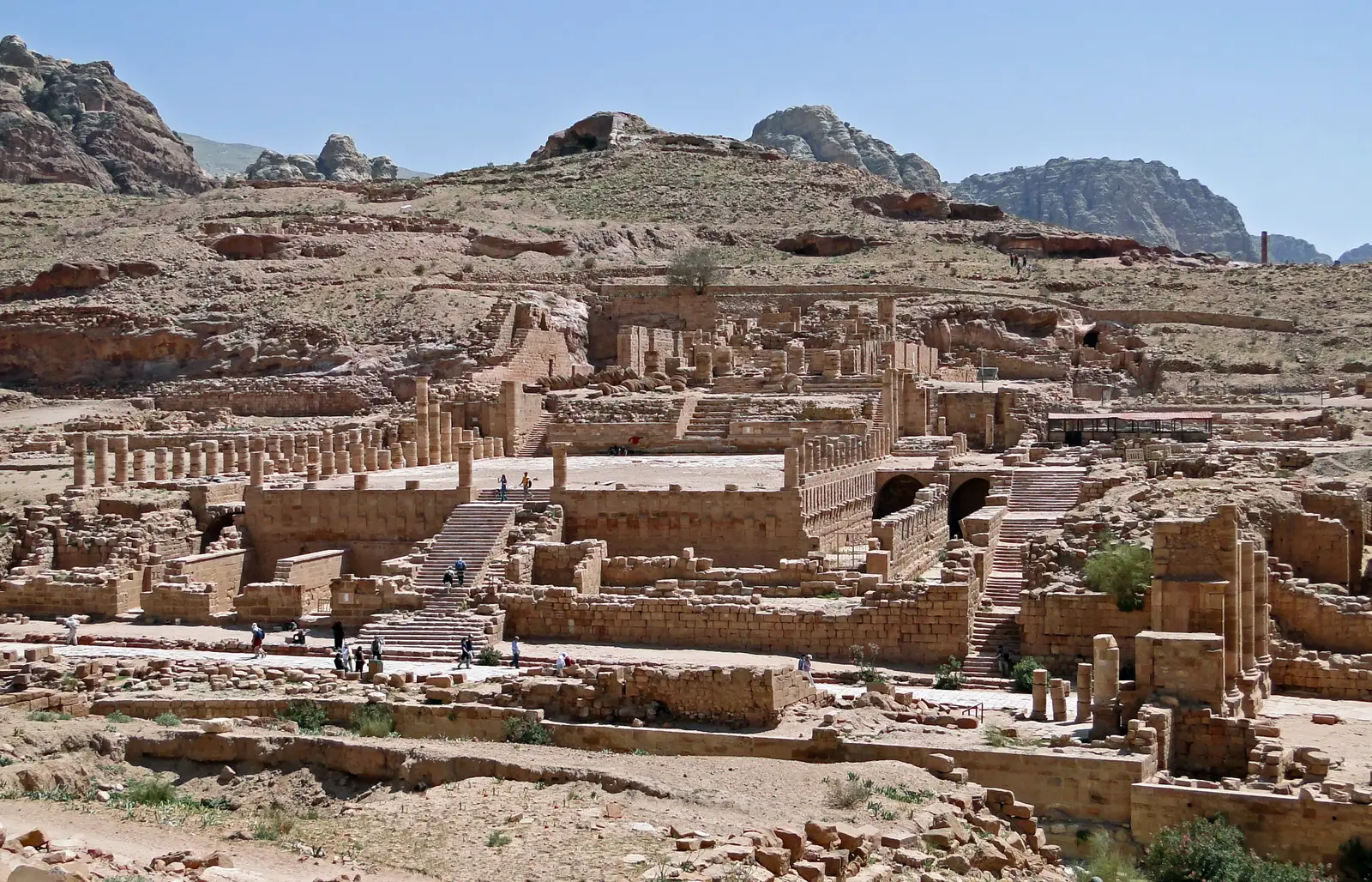
Petra. Wear closed walking shoes with a good grip, and carry a hat, sunglasses, sunscreen and a refillable water bottle. Visit Jordan lists comfortable walking shoes, sun protection, a refillable water bottle and layers for desert evenings as the basics for this part of the country. Petra involves a lot of walking on uneven ground, and paths can be wet and slippery after rain. The archaeological park has strict opening and closing hours, so start early and leave time for the walk back. A small torch or your phone light is useful if you plan an evening visit.
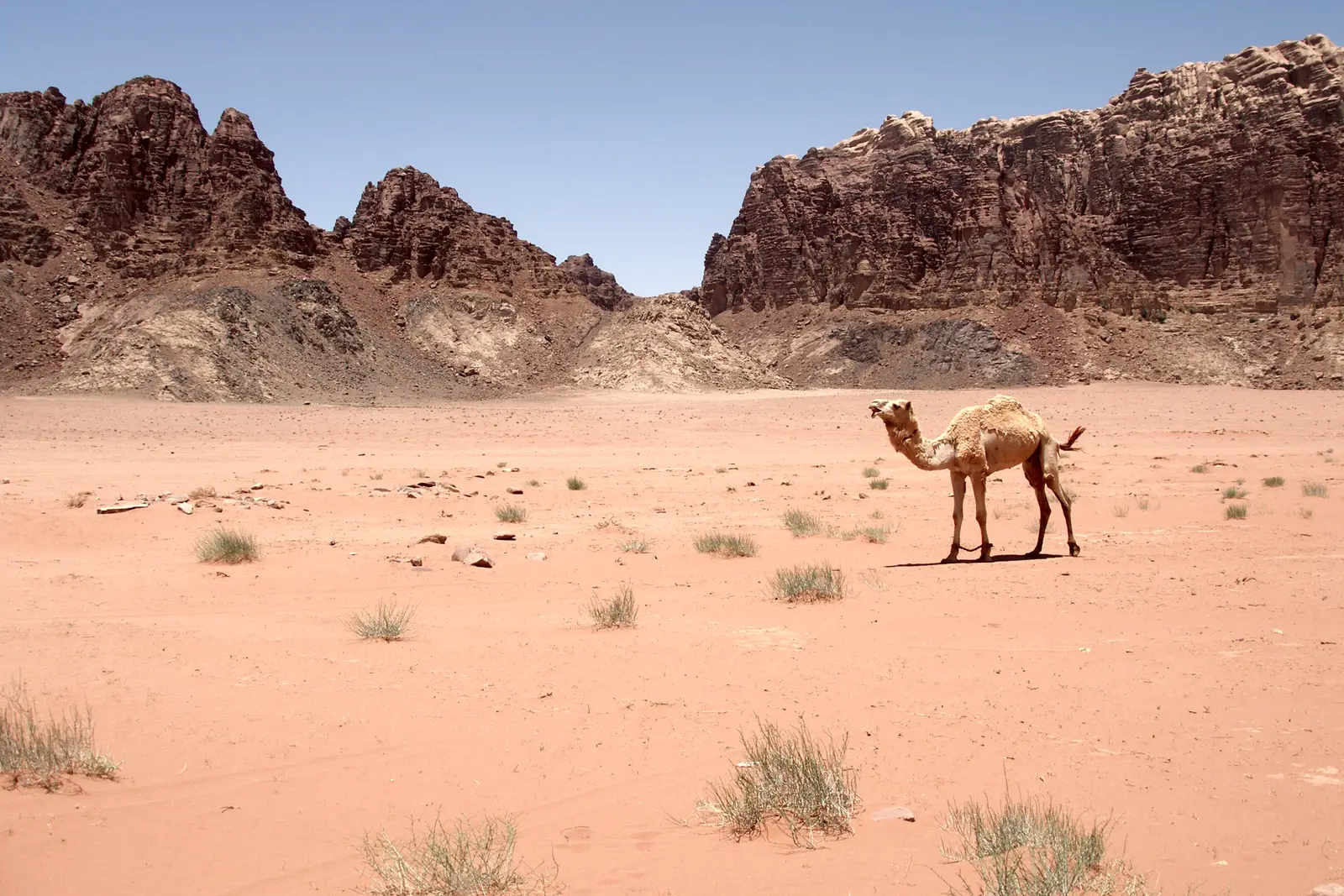
Wadi Rum. Closed shoes cope with sand and rock better than sandals. Bring sunglasses, a hat and a scarf or buff to cover your nose and mouth in dust: sand and dust storms can happen, and the Korean ministry warns of sandstorms on desert roads in strong wind. You will need a warm layer in the evening all year round. For an overnight camp, pack a small overnight bag, since Visit Jordan says main luggage can usually stay in the vehicle, and take a torch, a power bank and offline maps, because the signal can be weak in remote desert areas. Follow your guide's instructions.
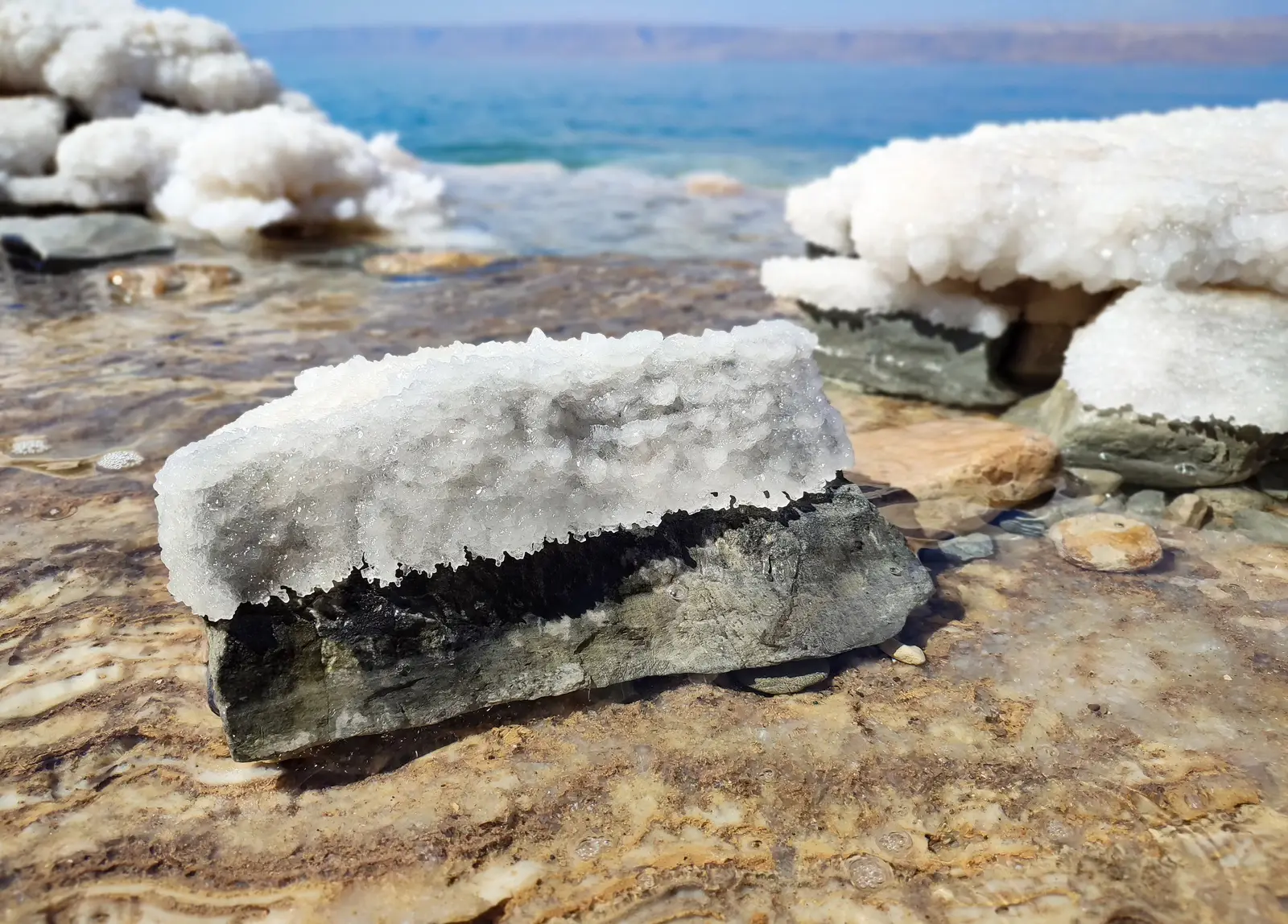
Dead Sea. Bring swimwear, a towel and water shoes for the stony shore, and a change of clothes. Visit Jordan's advice for floating is to rinse off immediately afterwards because the salt stings, to keep the water out of your eyes, and to limit your time in the water to 15 to 20 minutes per session. Fresh-water showers are usually found on or near the beach. Our Jordan safety guide adds that you should float on your back, never swim face down, and stay near the lifeguard.
Aqaba. Bring swimwear, water shoes, a sun hat and sunscreen, and a cover-up for walking away from the hotel beach. If you want to snorkel or dive, the UK government advises not going alone and choosing an operator with recognised accreditation, suitable safety measures and insurance.
Final checklist before take-off
Documents. Passport with enough validity. Entry documents for your nationality. Jordan Pass printed and saved on your phone, if you bought one. Insurance policy and the insurer's emergency number. Photos of your documents saved offline. Flight, hotel and tour confirmations. Photo ID to carry: Jordan Pass sites ask to see ID, and the UK government advises keeping your passport or driving licence with you for police checkpoints.
Money and phone. Bank card and a little cash. Phone unlocked if you plan to use an eSIM, and your SIM or roaming plan decided. Offline maps downloaded. The emergency number 911 and the numbers of your embassy or consular service saved.
Clothes. Layers, including a warm layer for evenings. Closed walking shoes, sandals and water shoes. Swimwear, a hat and sunglasses. A light scarf or shawl. A light waterproof jacket if you travel between November and March. An outfit that covers shoulders and knees for religious sites and villages.
Electronics. A universal travel adapter. Chargers that show a range such as 100-240V. A power bank in your cabin bag. A small torch. Leave appliances with motors or heating elements at home unless the label shows that they accept Jordan's supply. Leave your drone at home unless you have official approval: the UK government says you must apply at least ten working days before you travel.
Health. Regular medicines in their original containers, with prescription copies, in your hand luggage. Sunscreen, insect repellent and a small travel health kit. A refillable water bottle. The latest health notices from your own country's health agency.
On the last day. Check your airline's baggage and power bank rules, look at the weather forecast for your first days, send your itinerary to family or friends, and check the current rules before you travel.
Frequently asked questions
What should I pack for Jordan?
Pack layers, closed walking shoes with a good grip, a hat, sunglasses, sunscreen, a light scarf or shawl, a universal plug adapter, your regular medicines in original containers, swimwear and water shoes. Choose clothes that cover shoulders and knees for religious sites and villages, and add a warm layer for evenings and a light waterproof jacket from about November to March. Our weather guide shows what to expect in each month.
What voltage and plugs does Jordan use?
Jordan's supply is nominally 230 V at 50 Hz, and some official sources write 220 V at 50 Hz. Round two-pin plugs (type C) are widely used, and types F and G also appear, so a compact universal adapter is the safe choice. Check the label on each charger: a range such as 100-240V means it accepts Jordan's supply.
Can I use electronics from South Korea in Jordan?
Mostly yes. South Korea uses 220 V at 60 Hz with type C and F plugs, and the Korean Ministry of Foreign Affairs says Korean electronic goods can generally be used in Jordan, but that some appliances with motors may not work properly or may break. Check the label of each device, and take an adapter in case a socket does not fit.
How long must my passport be valid for Jordan?
Official sources differ. The UK government says at least six months after the date you arrive, and the Canadian government says at least six months beyond the date you expect to leave Jordan. Airlines can be stricter. A passport valid for at least six months after your return date satisfies both, but check the current rules before you travel.
Do I need travel insurance for Jordan?
The government entry pages we checked do not describe insurance as an entry requirement, but the UK and Canadian governments advise travellers to have it. Choose a policy that covers medical treatment and evacuation, and read the exclusions for activities such as hiking, diving or desert tours. Check the current rules before you travel.
What should I wear when visiting mosques and villages in Jordan?
Dress modestly: cover your shoulders and knees, and carry a light scarf or shawl. Jordan is relatively relaxed in Amman's cafes and at hotel beaches, but small towns, villages and religious sites call for more conservative clothing. At mosques, follow the signs and the staff's instructions, and expect to take off your shoes.
More travel essentials
Is Jordan safe to visit? A practical guide for travellers
Jordan Pass and visa: what it includes and is it worth it?
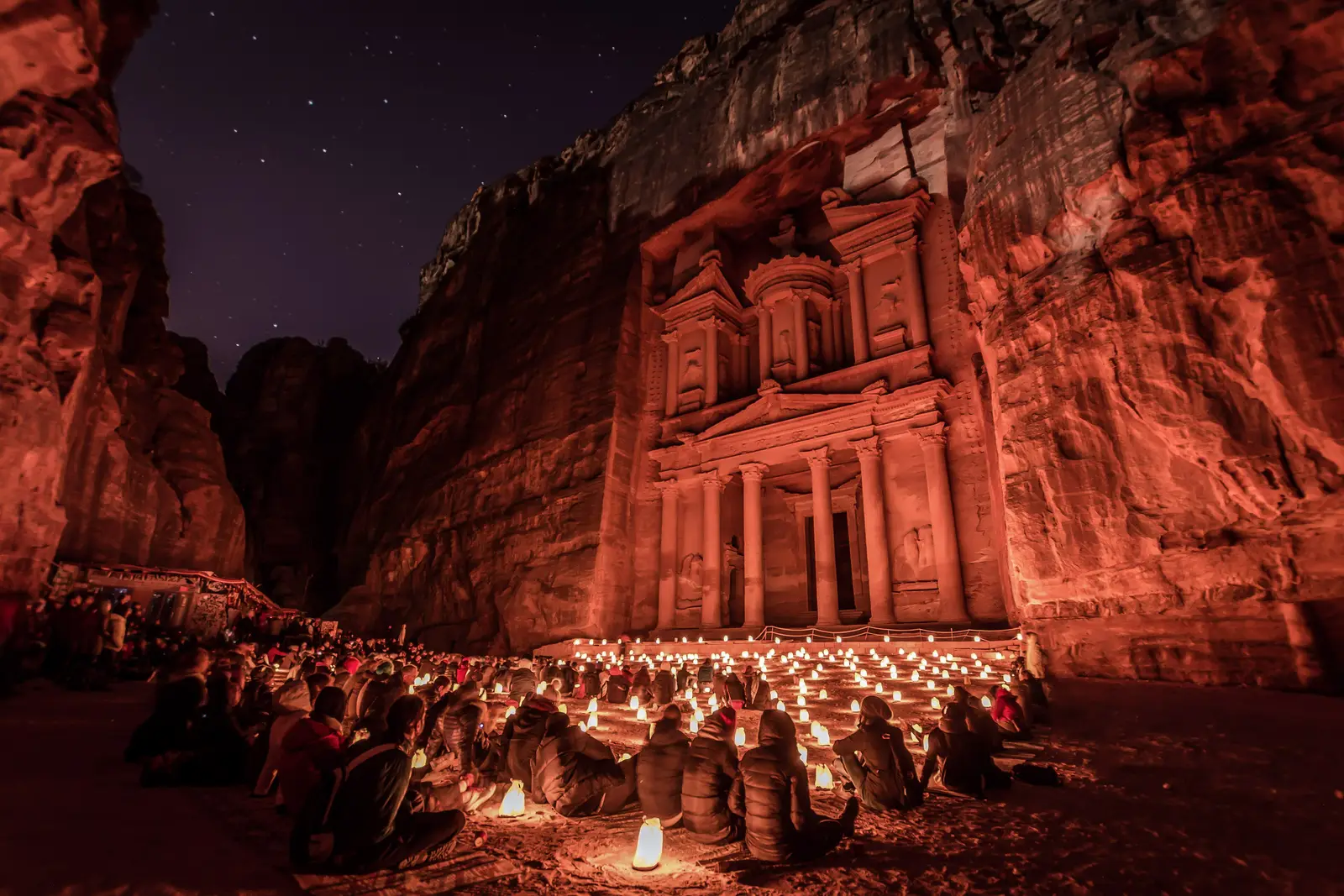
Petra by Night: candles, music and the Treasury after dark
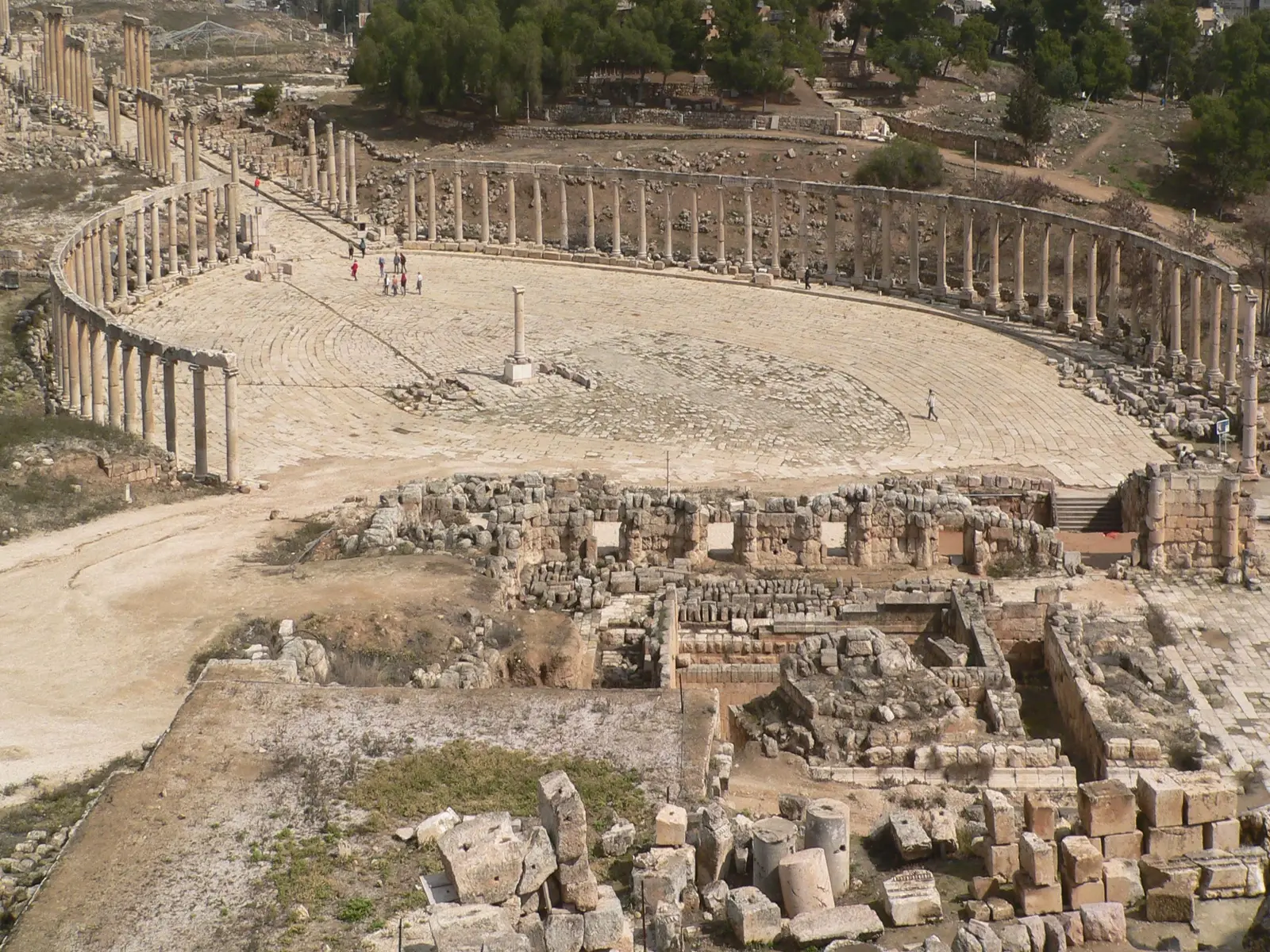
Day trips from Amman: the best places within two hours
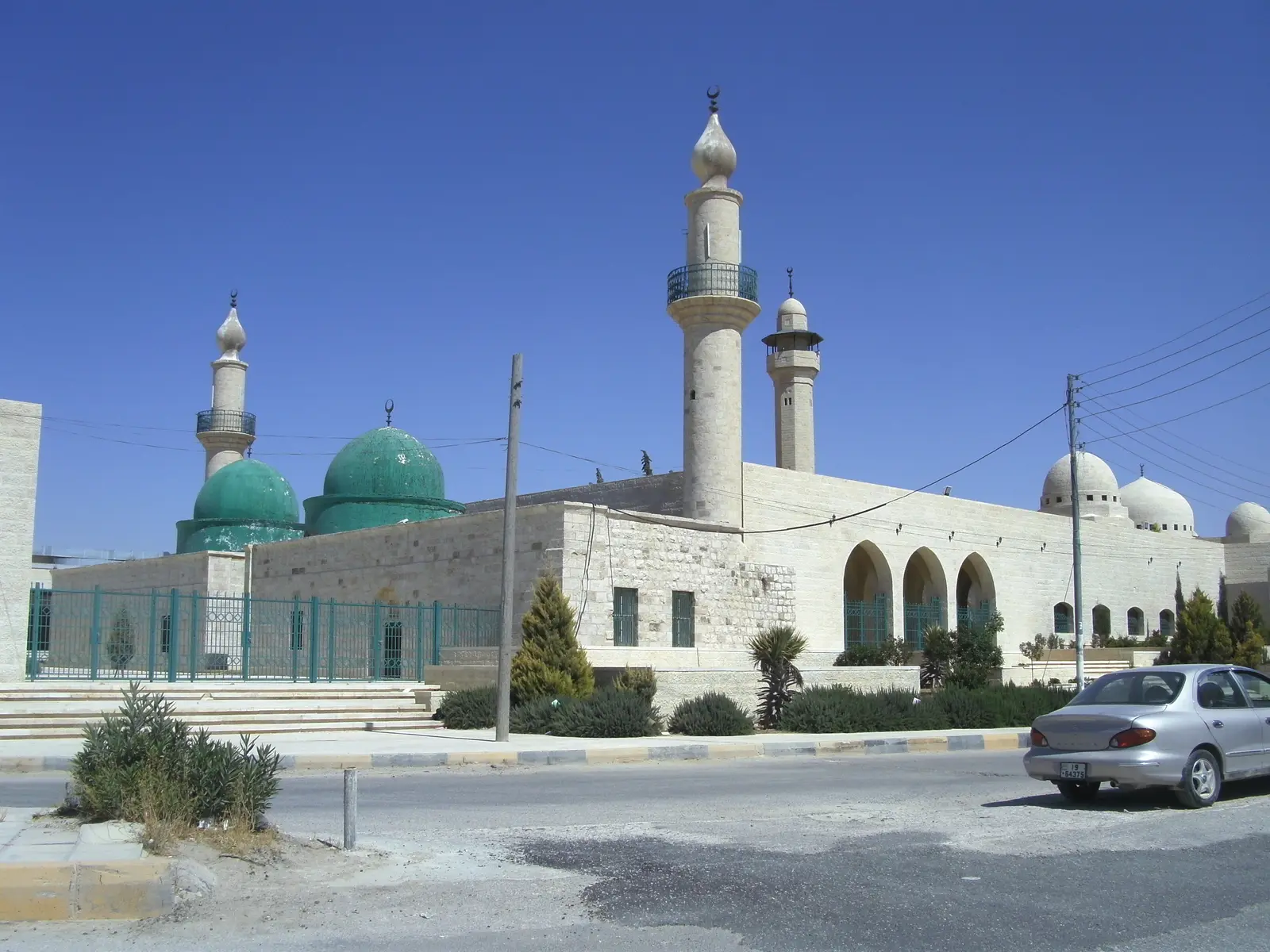
Shrines of the Prophet's Companions in Jordan
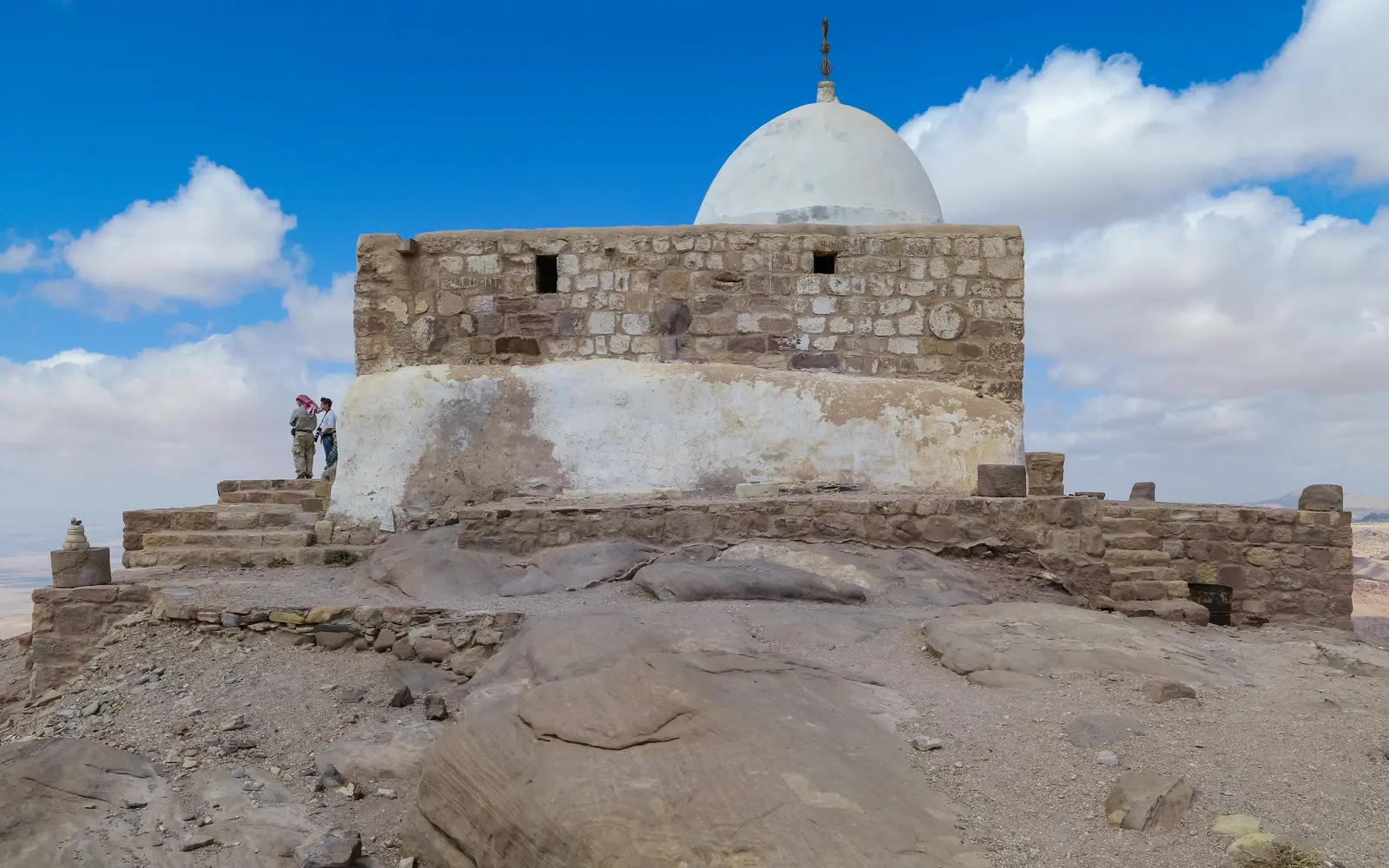
Prophets in Jordan: holy sites linked to their stories
Dead Sea products: mud, salt and minerals, and how to use them