Money, SIM cards and airport transfers in Jordan: a practical arrival guide
The first hours in Jordan raise the same practical questions: how to get Jordanian dinars, whether to buy a local SIM card or an eSIM, how much to tip, and the best way to reach Amman from Queen Alia International Airport. This guide answers each one in plain terms. Prices change often, so the figures below are approximate and worth checking locally.
The Jordanian dinar and the exchange rate
The currency is the Jordanian dinar, written JOD or JD. For many years it has been held at about 0.709 dinars to the US dollar, which means one dinar is worth roughly 1.41 dollars. The Central Bank of Jordan publishes a buying and selling range of 0.708 to 0.710 dinars per dollar. The rate against the euro, the pound or the Korean won moves with those currencies, so check a current rate before you travel.
One dinar is divided into 100 piastres (called qirsh in Arabic) or 1,000 fils. Banknotes come in 1, 5, 10, 20 and 50 dinars, and there are coins for the smaller amounts. Prices are often written with three decimals, so 0.500 means half a dinar, and a price of 2.250 means two dinars and 25 piastres.
Changing money, ATMs and paying by card
You do not need to bring dinars with you. Many visitors simply withdraw dinars from an ATM after landing, and ATMs are available in the arrivals area of Queen Alia International Airport. In cities and towns, ATMs attached to banks are easy to find and usually accept international cards. Your own bank may charge a foreign withdrawal fee, so ask it before you leave home. If the machine offers to charge you in your home currency, choosing dinars is normally cheaper.
If you prefer to exchange cash, use a bank or a licensed exchange office in Amman or Aqaba. Exchange offices in Jordan need a licence from the Central Bank of Jordan. Counters at airports are convenient but often give a weaker rate than offices in the city, so exchange only what you need for the first day. Compare the rate and any commission before you hand over money.
Cards are accepted at most hotels, larger restaurants and tour operators. Small guesthouses, local eateries, market stalls and many taxi drivers prefer cash, especially outside Amman. Keep some small notes for taxis, snacks, tips and entry fees.

Tipping in Jordan
Tipping is not compulsory, but it is appreciated in services that cater to visitors. In restaurants, check the bill first: larger or upscale restaurants often add a 10 percent service charge, and in that case no extra tip is needed. If no service charge is included, leaving about 5 to 10 percent is usual. Taxes can also be added at the end and may not appear in menu prices.
For taxis, most people round the fare up to the next whole number. Guides, drivers and hotel staff are commonly given a small tip, often around 1 to 3 dinars, and more after a long tour or exceptional service. These are guidelines, not rules, and the amount is your choice.
SIM cards and eSIM for visitors
Jordan has three mobile operators, Zain, Orange and Umniah. All three offer prepaid visitor packages that combine mobile data with local calls and messages. Zain and Orange both name an airport point of sale for physical SIM cards, and kiosks of the operators are found in the arrivals area at Queen Alia Airport. Expect to show your passport when you buy a SIM card, because prepaid lines are registered in the buyer's name.
Several operators also sell an eSIM, which you can buy online and activate on arrival. Your phone must support eSIM and be unlocked for foreign networks. Zain and Orange both describe eSIM options for visitors on their websites. Some international travel eSIM providers also sell Jordan data plans that use the local networks. Check the data allowance, the validity period and whether the plan includes a local phone number, because many are data only.
Prices depend on validity and data. At the time of writing, the operators' own online shops listed visitor plans from approximately 21 dinars for a 10-day plan to approximately 33 dinars for a 90-day plan, and prices at airport counters may differ. The operators say their networks cover most of the country, but signal can be weaker in remote desert and canyon areas, so download offline maps before you go.
From Queen Alia Airport to Amman
Queen Alia International Airport is about 35 km south of central Amman. The journey takes roughly 30 to 50 minutes depending on traffic and the part of the city you are going to. Many visitors arrive at night, so check the options in advance. There is no rail link to the airport.
The cheapest option is the Airport Express bus, run by Sariyah between the airport and Amman. Tickets are sold in the arrivals area, and published fares are about 3 to 3.5 dinars per person one way. Departures are more frequent by day than at night. Check the current timetable and fare on the operator's website or at the ticket desk, and confirm which stop is closest to your hotel.
Taxis wait outside the terminal and are the simplest choice if you have luggage or arrive late. Published fare estimates vary a lot, so ask for the price at the official taxi counter or before you get in, and ask the driver to use the meter (the Arabic word is addad). Meters are not always used late at night, so agree the fare beforehand. Ride-hailing apps operate in Amman and can also be used for airport pickups, and some of them accept card payment. You can also arrange a private transfer through your hotel or tour operator before you arrive. Ignore drivers who approach you inside the arrivals hall.
Frequently asked questions
Where can I exchange money in Jordan?
Use a bank or a licensed exchange office in Amman or Aqaba, or withdraw dinars from a bank ATM. Airport counters are convenient but often have a weaker rate, so compare the rate and any commission before you exchange.
Is the Jordanian dinar tied to the US dollar?
In practice, yes. The dinar has been held at about 0.709 dinars per US dollar for many years, and the Central Bank of Jordan publishes a buying and selling range of 0.708 to 0.710.
Should I buy a SIM card or an eSIM in Jordan?
Both work. A physical SIM from Zain, Orange or Umniah can be bought in the arrivals area with your passport. An eSIM can be bought online and activated on arrival, but your phone must support eSIM. Compare data, validity and whether a local number is included.
How much should I tip in Jordan?
Tipping is not compulsory. If a 10 percent service charge is on the bill, no extra tip is needed. Otherwise about 5 to 10 percent in restaurants is usual, taxi fares are often rounded up, and guides or drivers commonly receive around 1 to 3 dinars.
How do I get from Queen Alia Airport to Amman?
Take the Airport Express bus for the lowest cost, a taxi from the official rank outside the terminal, or a ride-hailing app or pre-booked transfer. The airport is about 35 km from central Amman and the trip takes roughly 30 to 50 minutes.
Can I use a credit card in Jordan?
Yes at most hotels, larger restaurants and tour operators. Small guesthouses, local eateries and many taxis prefer cash, so carry some dinars, especially outside Amman.
More travel essentials

Jordan weather and what to wear, month by month
Jordan packing list and travel preparation checklist
Is Jordan safe to visit? A practical guide for travellers
Jordan Pass and visa: what it includes and is it worth it?

Petra by Night: candles, music and the Treasury after dark

Day trips from Amman: the best places within two hours
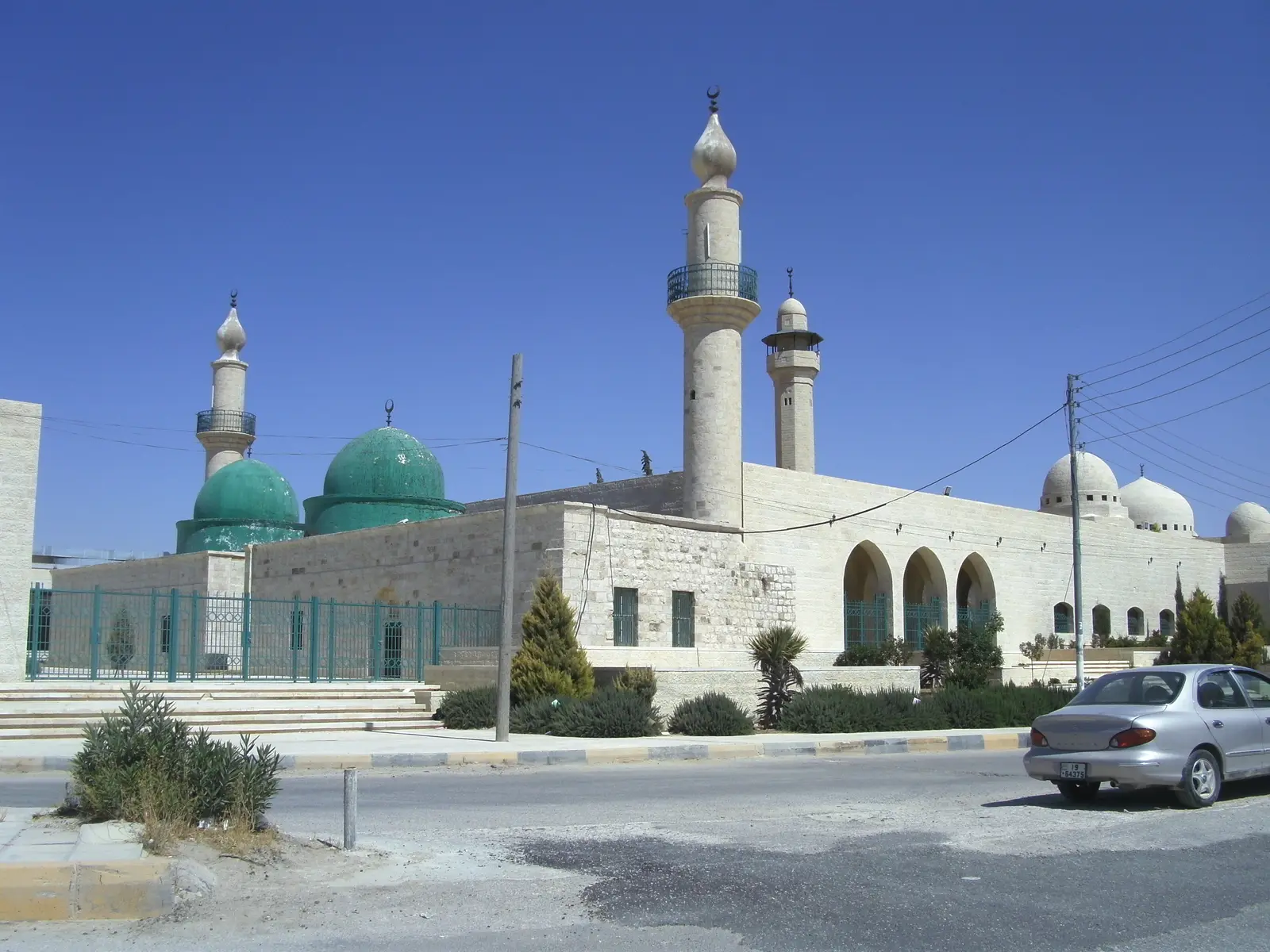
Shrines of the Prophet's Companions in Jordan