Jordan weather and what to wear, month by month
Jordan's weather depends on the month and, just as much, on where you are. In January Amman and Petra are cold and wet, while Aqaba and the Dead Sea are mild. In July the highlands are warm and dry, while Aqaba and the Dead Sea shore are among the hottest places in the country. This guide gives approximate average temperatures and rainfall for each month, what to wear, and what suits each time of year. The figures are long-term averages, not forecasts, so check the forecast shortly before you travel.
Seasons and regions: what to expect in Jordan
Jordan has four seasons. Spring runs from about March to May, summer from June to August, autumn from September to November and winter from December to February. Almost all rain falls between about November and April. From June to September, rain is very rare everywhere. Spring (March to May) and autumn (September to November) are the most comfortable seasons for most travellers.
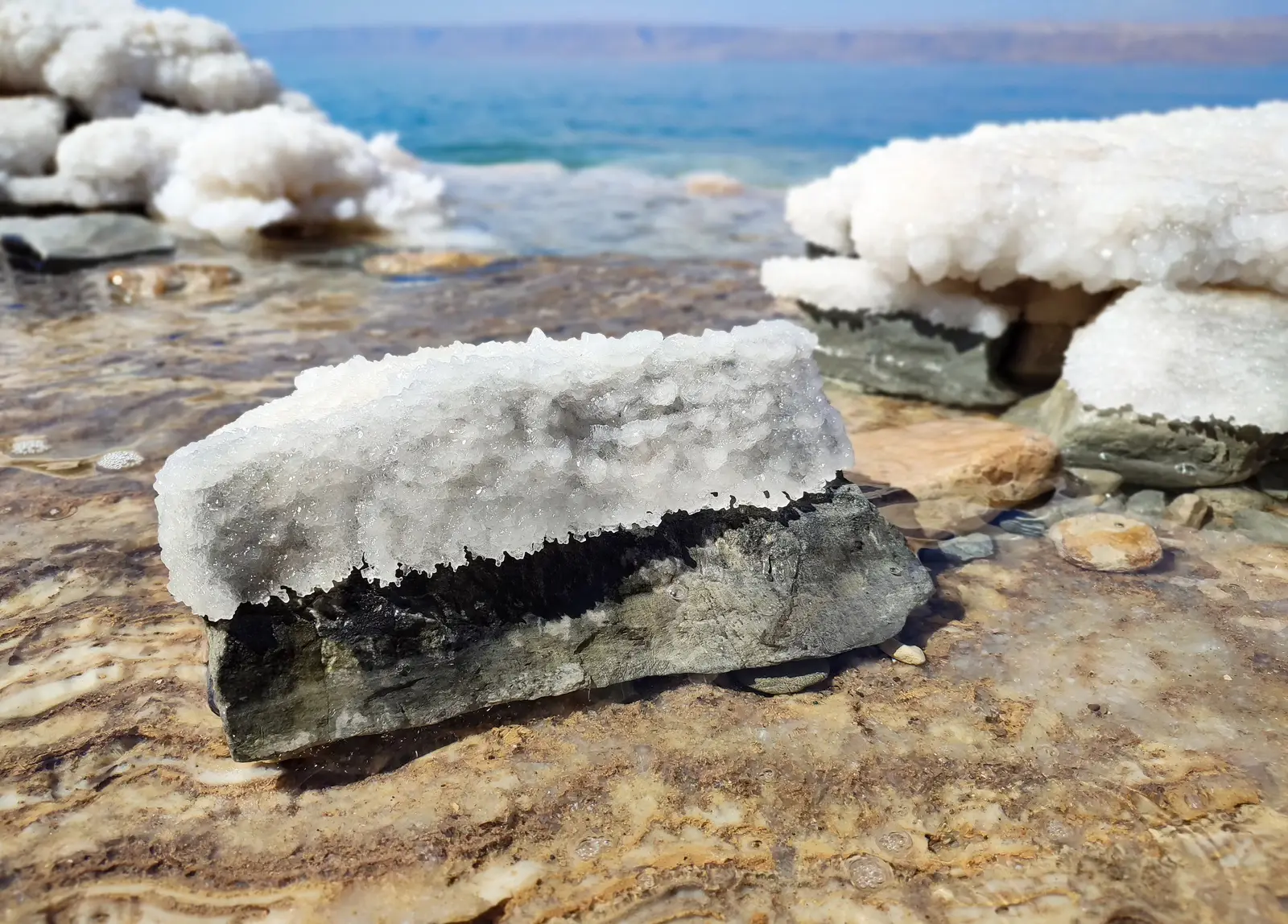
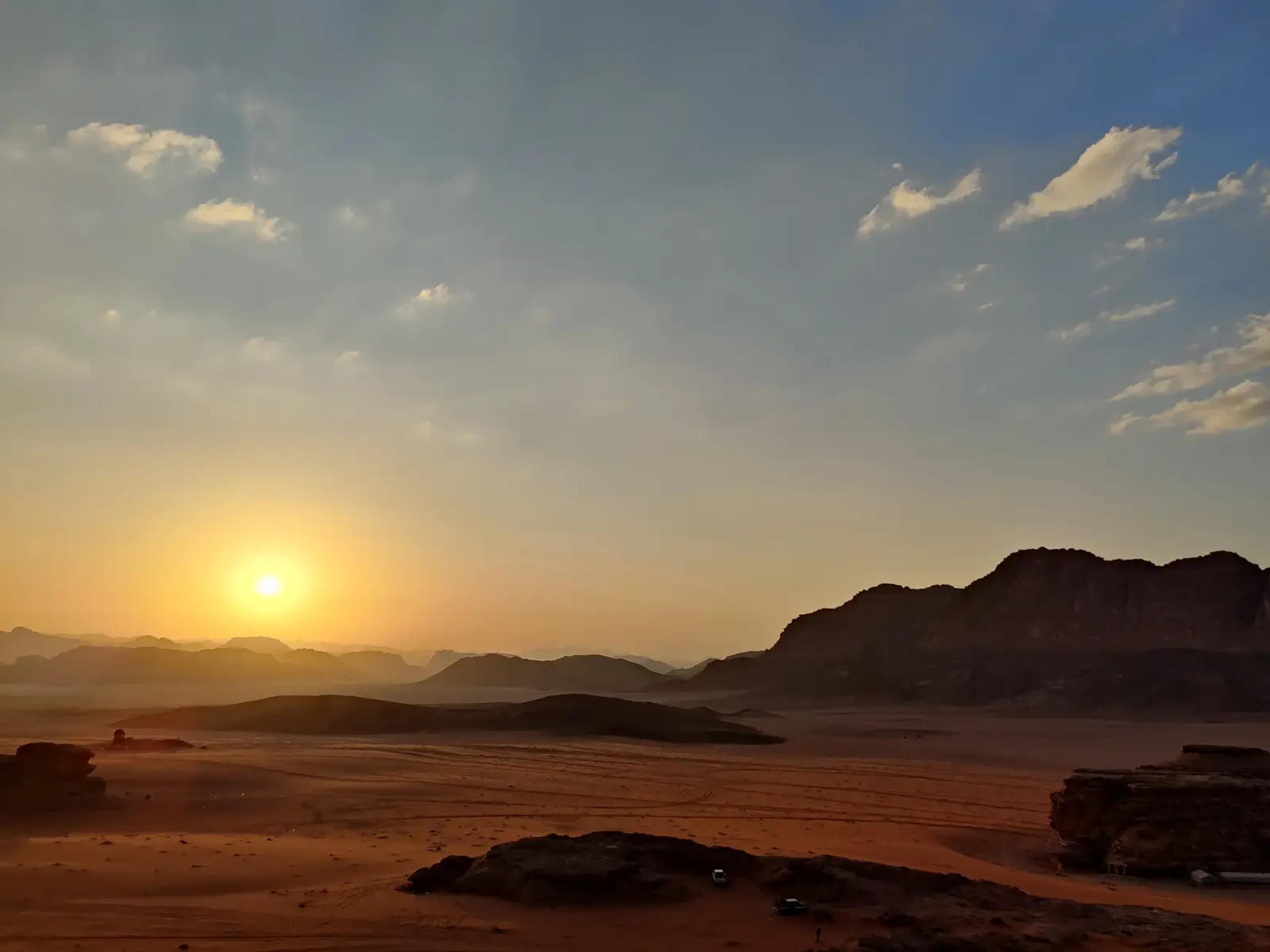
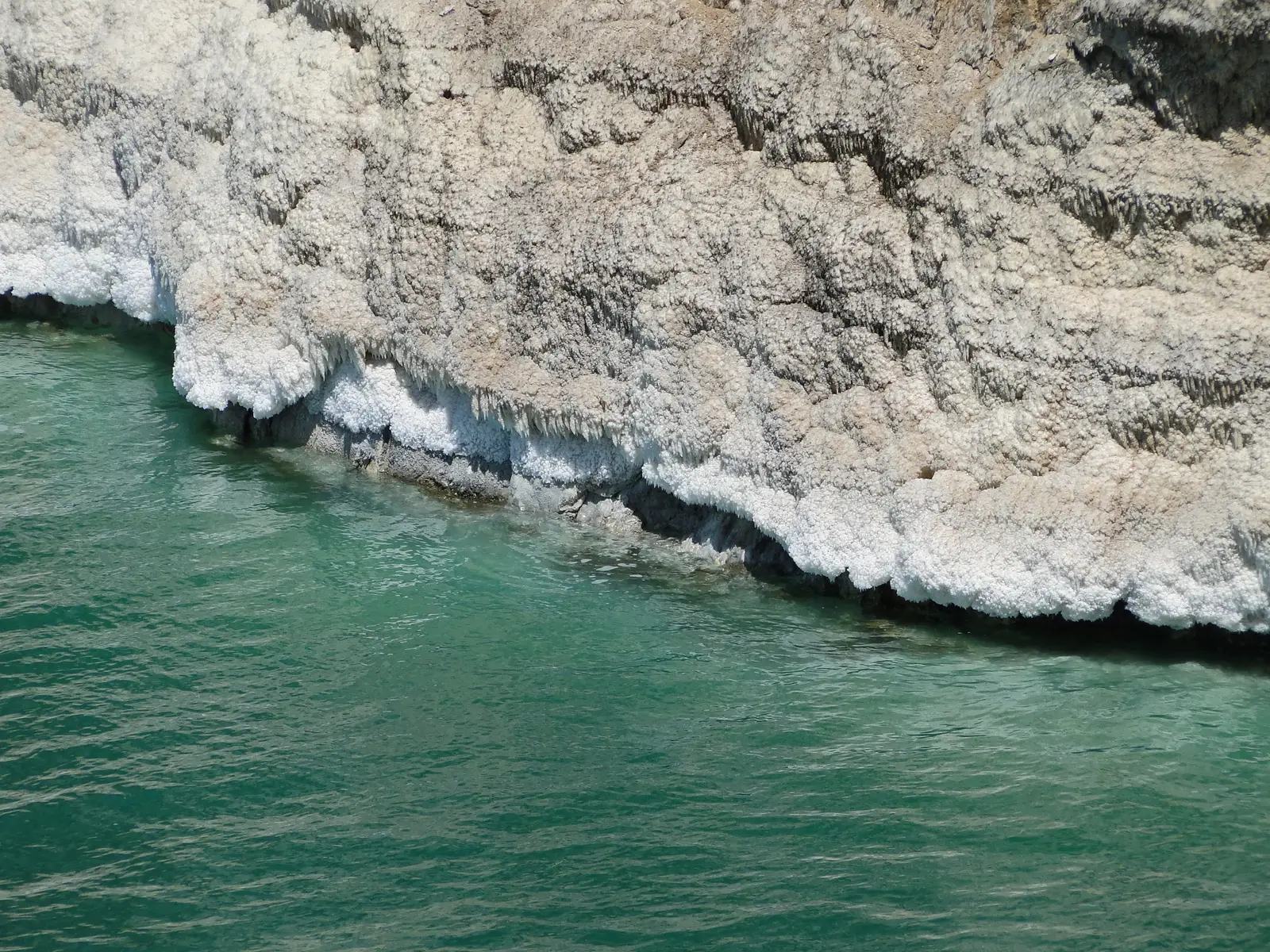
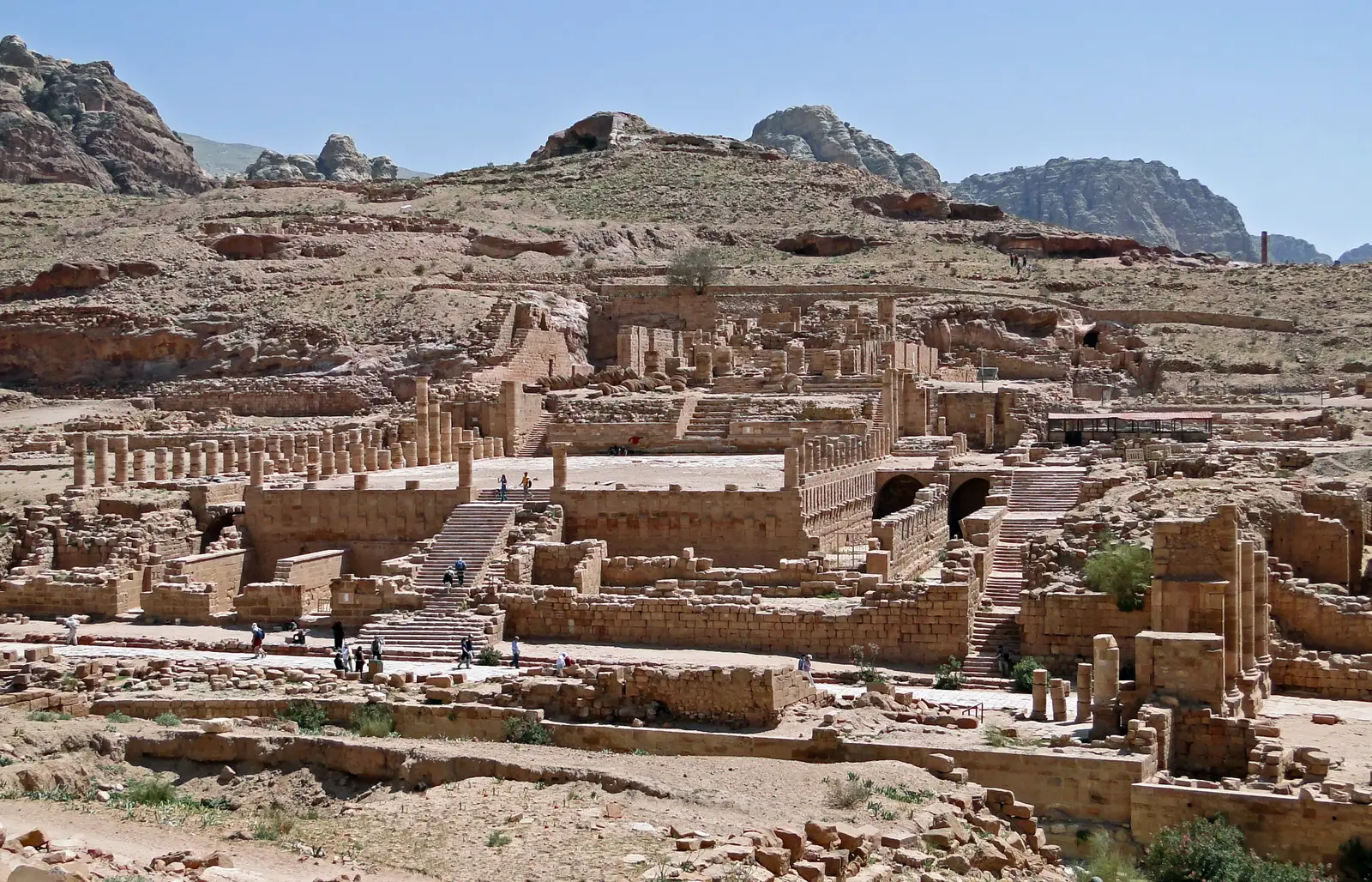
The country is small, but its height above sea level changes the weather a great deal. Amman and the western highlands are about 800 metres or more above sea level. Winters there are cool and wet and summers are warm and dry. Petra lies on the southern highlands and is usually a few degrees cooler than Amman, with similar winter rain. Wadi Rum and the southern desert are dry, hot by day in summer and clearly cooler at night. At higher desert places such as Ma'an, near Petra, January nights average about 2 C. Aqaba, on the Red Sea, is mild in winter, very hot in summer and almost rainless. The Dead Sea and the Jordan Valley lie far below sea level. They are warm in winter and very hot from May to September.
How to read the figures below: temperatures are shown as average daily high / average daily low in degrees Celsius, rounded to the nearest degree, for example 13 / 4 C. Rain is the approximate monthly average in millimetres. Real days vary: a single day can be several degrees warmer or colder, and a dry month can still have a storm. Amman and Aqaba figures are based on Jordan Meteorological Department data. Wadi Rum figures come from an FAO climate database. The Dead Sea figures are for Ghor es-Safi at the southern end of the Dead Sea, from the German Weather Service, so the resort area further north may differ somewhat. The Petra figures are modelled by a climate website and are the least certain, so treat them as a rough guide.
January, February and March: cold and wet in the highlands, mild by the sea
January. Average high / low: Amman about 13 / 4 C, Petra about 11 / 2 C, Wadi Rum about 15 / 5 C, Dead Sea shore about 22 / 11 C, Aqaba about 21 / 10 C. Rain: Amman about 61 mm on roughly 11 rainy days, Petra about 45 mm, Dead Sea about 15 mm, Aqaba about 5 mm. This is the coldest month in the highlands. What to wear: a warm coat or padded jacket, a sweater, a thin thermal layer, a waterproof jacket or umbrella, and closed shoes with a good grip. Wadi Rum needs very warm clothes at night. Aqaba and the Dead Sea need only a light jacket in the evening. Good for: quieter visits to Petra and Amman on dry days, and the Dead Sea or Aqaba for the mildest weather in the country.
February. Average high / low: Amman about 14 / 5 C, Petra about 13 / 3 C, Wadi Rum about 18 / 6 C, Dead Sea shore about 23 / 12 C, Aqaba about 23 / 11 C. Rain: Amman about 58 mm on roughly 11 rainy days, Petra about 38 mm, Dead Sea about 15 mm, Aqaba about 4 mm. It is still cold and wet in the highlands, with bright days between storms. What to wear: the same winter layers as in January, plus a waterproof jacket. Good for: Amman food and museums, a Dead Sea stay, and Petra on a clear day. Paths at Petra can be wet and slippery after rain.
March. Average high / low: Amman about 18 / 8 C, Petra about 17 / 6 C, Wadi Rum about 21 / 9 C, Dead Sea shore about 27 / 15 C, Aqaba about 26 / 14 C. Rain: Amman about 31 mm on roughly 8 rainy days, Petra about 36 mm, Dead Sea about 9 mm, Aqaba about 5 mm. Spring begins, the hills turn green and wildflowers appear in some areas, but evenings are still cool. What to wear: layers that you can remove, such as a light sweater with a jacket, plus a rain jacket and comfortable walking shoes. Good for: Petra, Jerash, Dana and Wadi Rum in pleasant weather, and Aqaba or the Dead Sea for a warm, comfortable stay.
April, May and June: spring warmth, then the first hot days
April. Average high / low: Amman about 24 / 11 C, Petra about 21 / 9 C, Wadi Rum about 25 / 12 C, Dead Sea shore about 31 / 19 C, Aqaba about 32 / 18 C. Rain: Amman about 8 mm on roughly 4 rainy days, Petra about 12 mm, Dead Sea about 3 mm, Aqaba about 2 mm. This is one of the best months for sightseeing. What to wear: light layers, long trousers or a long skirt, a light sweater for the evening, a sun hat, sunglasses and sunscreen. Good for: Petra, Jerash, Dana and Wadi Rum. It is a popular month, so book hotels near Petra in advance. Water trails in nature reserves such as Wadi Mujib usually reopen in spring after the winter closure, so check the reserve's notices.
May. Average high / low: Amman about 28 / 15 C, Petra about 25 / 12 C, Wadi Rum about 30 / 15 C, Dead Sea shore about 36 / 23 C, Aqaba about 37 / 22 C. Rain: Amman about 3 mm, Petra about 4 mm, Dead Sea about 4 mm, Aqaba about 1 mm. Days are warm to hot, nights are comfortable in the highlands, and the Dead Sea and Aqaba are already hot. What to wear: light, breathable cotton clothing that covers the shoulders and knees, a hat, sunglasses and a light layer for evenings and desert nights. Good for: Petra and Jerash in the morning, Wadi Rum, Dana and Mujib, and swimming at Aqaba.
June. Average high / low: Amman about 31 / 19 C, Petra about 29 / 14 C, Wadi Rum about 33 / 17 C, Dead Sea shore about 39 / 26 C, Aqaba about 40 / 25 C. Rain: practically none anywhere (Amman about 0 mm). Summer begins. What to wear: loose, light clothing, a wide-brimmed hat, sunglasses, strong sunscreen and a refillable water bottle. Good for: early-morning visits to Petra and Jerash, evenings in Amman, and sunrise and sunset in Wadi Rum. Plan midday rests in the shade, and keep the Dead Sea and Aqaba beach time to the early morning or late afternoon.
July, August and September: dry summer heat, easing in autumn
July. Average high / low: Amman about 33 / 21 C, Petra about 30 / 16 C, Wadi Rum about 35 / 19 C, Dead Sea shore about 41 / 28 C, Aqaba about 41 / 27 C. Rain: practically none anywhere. This is the hottest month at the Dead Sea and Aqaba. What to wear: very light, loose clothing that still covers the shoulders and knees, a hat, sunglasses and sunscreen, and a light layer for the cooler night in the highlands and desert. Good for: Amman and Petra at opening time, water activities at Aqaba early or late in the day, and short, planned stops at the Dead Sea. Carry plenty of water at every site.
August. Average high / low: Amman about 33 / 21 C, Petra about 30 / 17 C, Wadi Rum about 34 / 19 C, Dead Sea shore about 41 / 29 C, Aqaba about 41 / 27 C. Rain: practically none anywhere. The weather is much the same as in July, hot and dry with sunny skies. What to wear: the same light summer clothing, with a hat and sun protection. Good for: the highlands in the morning and evening, and the coast for swimming. If you visit the desert, spend the middle of the day in shade and do the main activities early or at sunset.
September. Average high / low: Amman about 31 / 19 C, Petra about 28 / 14 C, Wadi Rum about 33 / 17 C, Dead Sea shore about 38 / 27 C, Aqaba about 39 / 25 C. Rain: practically none (Amman about 0 mm). The heat starts to ease in the highlands, while Aqaba and the Dead Sea stay very hot. What to wear: summer clothing for the day, and a light sweater or jacket for the evening, especially late in the month. Good for: Petra, Wadi Rum, Jerash and Amman as sightseeing becomes more comfortable, and Aqaba if you enjoy hot weather.
October, November and December: autumn, first rains and winter layers
October. Average high / low: Amman about 27 / 15 C, Petra about 25 / 11 C, Wadi Rum about 29 / 13 C, Dead Sea shore about 34 / 23 C, Aqaba about 34 / 21 C. Rain: Amman about 5 mm on roughly 2 rainy days, Petra about 2 mm, Dead Sea about 10 mm, Aqaba about 4 mm. Days are warm and sunny, and the first rain may arrive late in the month. What to wear: layers, a light jacket for the evenings and desert nights, and a light rain jacket towards the end of the month. Good for: Petra, Wadi Rum, Jerash and the Dead Sea in comfortable weather. Nature reserve water trails such as Wadi Mujib have closed for the winter around the end of October or in November in past years, so check before you plan them.
November. Average high / low: Amman about 20 / 10 C, Petra about 18 / 7 C, Wadi Rum about 21 / 9 C, Dead Sea shore about 28 / 17 C, Aqaba about 28 / 15 C. Rain: Amman about 21 mm on roughly 5 rainy days, Petra about 15 mm, Dead Sea about 5 mm, Aqaba about 3 mm. Mornings and evenings turn cool and the rainy season begins. What to wear: warm layers, a jacket, a waterproof jacket or umbrella, and closed shoes with a good grip. Good for: Petra and Wadi Rum in cooler air, and the Dead Sea and Aqaba for mild days. Watch the weather forecast when planning canyon walks, Siq visits and desert drives.
December. Average high / low: Amman about 15 / 6 C, Petra about 13 / 3 C, Wadi Rum about 16 / 5 C, Dead Sea shore about 23 / 12 C, Aqaba about 22 / 11 C. Rain: Amman about 47 mm on roughly 8 rainy days, Petra about 41 mm, Dead Sea about 11 mm, Aqaba about 6 mm. Winter has arrived in the highlands, while the coast and the valley stay mild. What to wear: a warm coat, sweater, waterproof jacket, closed shoes and, for Wadi Rum camps, very warm night clothing. Good for: Aqaba and the Dead Sea for the mildest weather, Amman indoors and outdoors between showers, and quieter days at Petra when the weather is dry.
Flash floods, summer heat and rain: safety notes
Winter rain in the mountains can flood dry valleys and canyons very suddenly, even when it is not raining where you stand. Water can come down the Siq at Petra, wadis in Wadi Rum and the canyons near the Dead Sea. In past rainy seasons, visitors have been asked to leave Petra when flash floods were expected. Do not enter a narrow canyon or a dry riverbed when rain is forecast, or when it has rained in the hills nearby. Follow the instructions of guides, rangers and site staff, and accept that a site or trail may be closed for the day. Nature reserve water trails, such as Wadi Mujib, normally close in winter and reopen in spring. Check the reserve's notices before you go, because the dates change with the weather.
From June to September, the main risks are strong sun and heat, especially in Aqaba, the Dead Sea area and the desert. Visit outdoor sites early in the morning or late in the afternoon, wear a hat and sunglasses, use sunscreen, drink water often and rest in the shade at midday. Do not leave long walks or desert hikes for the hottest hours, and carry more water than you expect to need. A dusty, hot wind from the desert can sometimes arrive in spring and autumn, so a scarf or buff is useful for the face. Wherever you go in winter, remember that roads in the highlands can be slippery on rainy days and that snow, which does not happen every year, can briefly close roads.
Ramadan, holidays and choosing your month
Ramadan follows the Islamic lunar calendar, so it begins about 10 to 11 days earlier each year on the Western calendar and will fall in different seasons over the years. Check the current dates before you book. During Ramadan, visitors can still tour Jordan, but daytime life is quieter. Some local restaurants close in the daytime and reopen after sunset, many shops, banks and offices shorten their hours, and opening times at some sites and tours may change. Hotels and restaurants in tourist areas generally continue to serve visitors. Eating, drinking and smoking openly in the street in the daytime is considered impolite, so do it discreetly or at a hotel or restaurant. Evenings after sunset are lively and can be a very good time to see Jordanian family life, but restaurants are busy at that time, so book ahead.
Eid al-Fitr, at the end of Ramadan, and Eid al-Adha are public holidays, when many Jordanians travel and visit family. Government offices and many businesses close for several days, and popular resort areas such as the Dead Sea and Aqaba can be busier than usual, so book early. These dates also move earlier each year. If you have a choice, the simplest plan is this: choose March to May or September to November for sightseeing across the country, choose December to February if you mainly want Aqaba and the Dead Sea in mild weather, and choose June to August only if you can plan around the heat.
Frequently asked questions
What is the best time to visit Jordan?
For most travellers it is March to May or September to November, when days are warm, nights are comfortable and rain is limited. Winter, from December to February, suits Aqaba and the Dead Sea, which stay mild, while the highlands are cold and wet. Summer, from June to August, is dry and sunny and can be very hot, especially at Aqaba, the Dead Sea and in the desert.
What is the weather in Jordan month by month?
In Amman, the average daily high is about 13 C in January and rises to about 33 C in July and August, then falls to about 15 C in December. Petra is a few degrees cooler. Aqaba and the Dead Sea are warmer, with average highs of about 21 to 22 C in January and about 41 C in July. Most rain falls between about November and April, and June to September are almost dry. Each month is described above.
What should I wear in Jordan in winter?
From December to February, wear layers: a warm coat or padded jacket, a sweater, a waterproof jacket, long trousers and closed shoes with a good grip. Average nighttime lows are about 2 to 6 C in Petra and Amman, and Wadi Rum nights are also cold. Aqaba and the Dead Sea are milder, so a light jacket is usually enough there.
What should I wear in Jordan in summer?
Wear light, loose, breathable clothing, such as cotton, that covers the shoulders and knees. This protects you from the sun and is also respectful at religious sites. Add a hat, sunglasses, sunscreen and comfortable walking shoes, and carry water. Take a light sweater for evenings in the highlands and in the desert.
Can I swim at the Dead Sea or in Aqaba in winter?
Often yes. In January the average daytime high is about 21 to 22 C at Aqaba and the Dead Sea, and these are the mildest places in the country in winter. Bring a warm layer for evenings and for cooler or windy days, and check the weather on the day.
Does bad weather affect visits to Petra and Wadi Rum?
It can. Heavy rain can cause flash floods in the Siq, wadis and canyons, and sites, trails or desert activities may be closed or ended early for safety. This is most likely between about November and April. Check the forecast and follow the instructions of guides and site staff.
More travel essentials
Jordan packing list and travel preparation checklist
Is Jordan safe to visit? A practical guide for travellers
Jordan Pass and visa: what it includes and is it worth it?
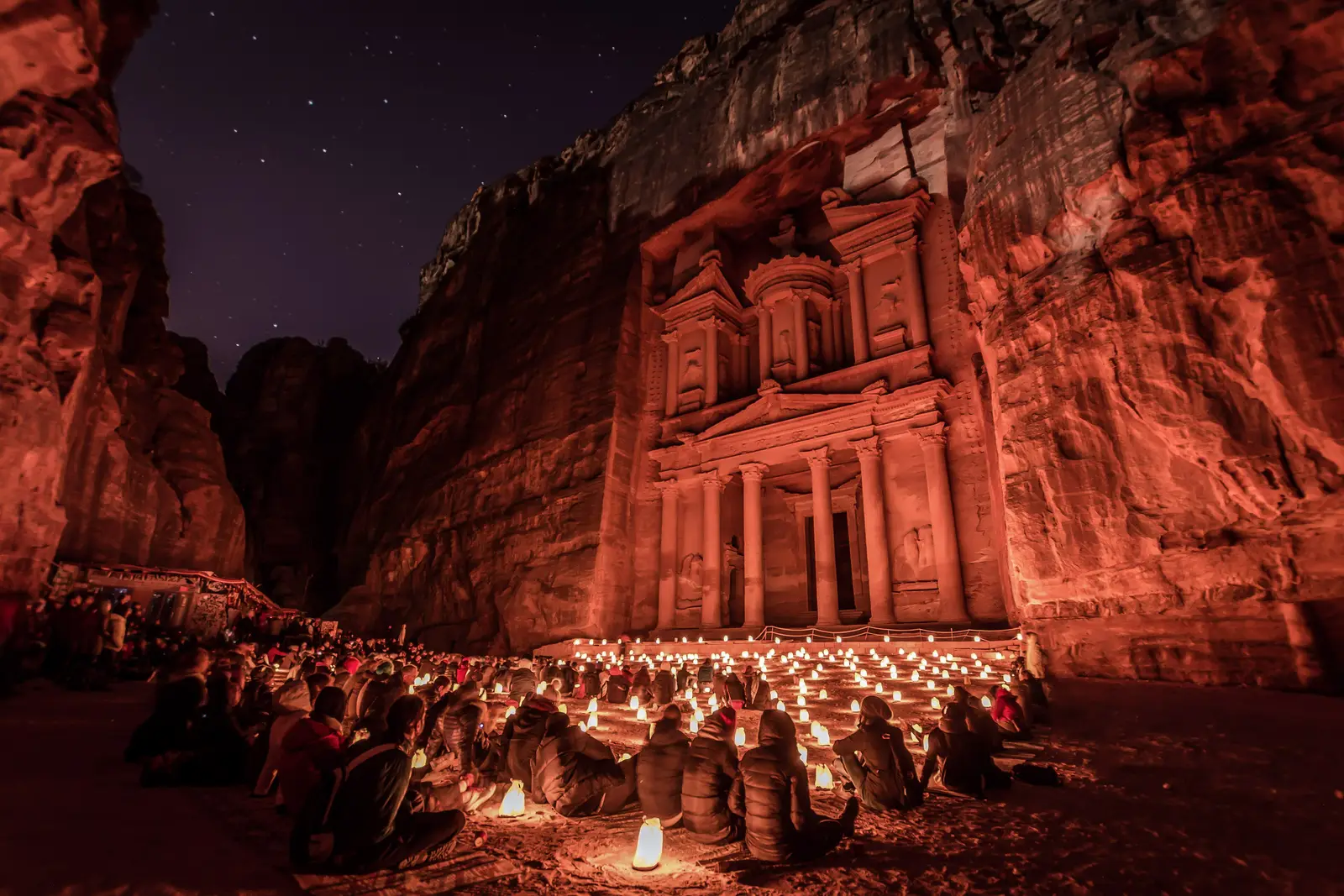
Petra by Night: candles, music and the Treasury after dark
Day trips from Amman: the best places within two hours
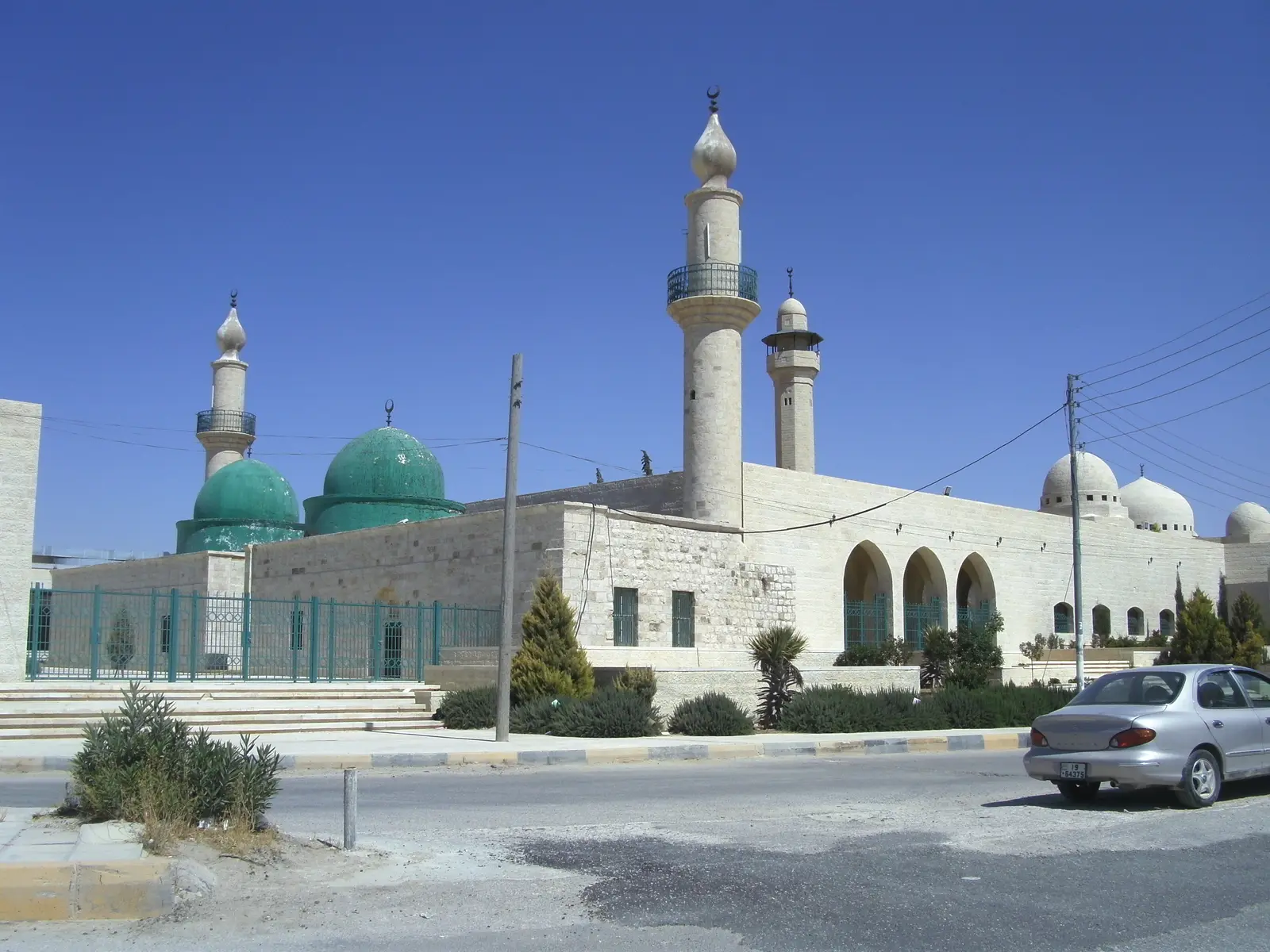
Shrines of the Prophet's Companions in Jordan
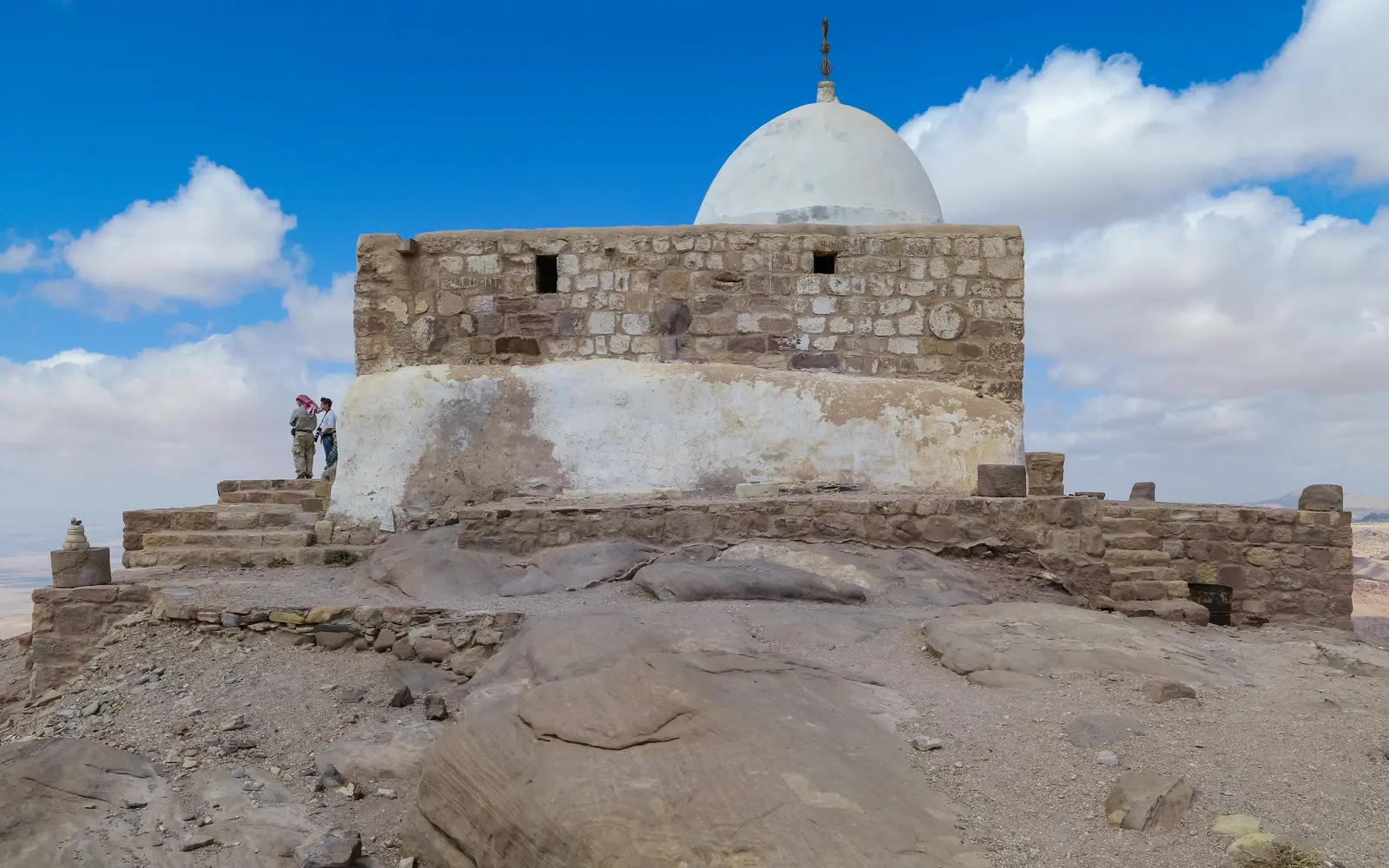
Prophets in Jordan: holy sites linked to their stories