Dana
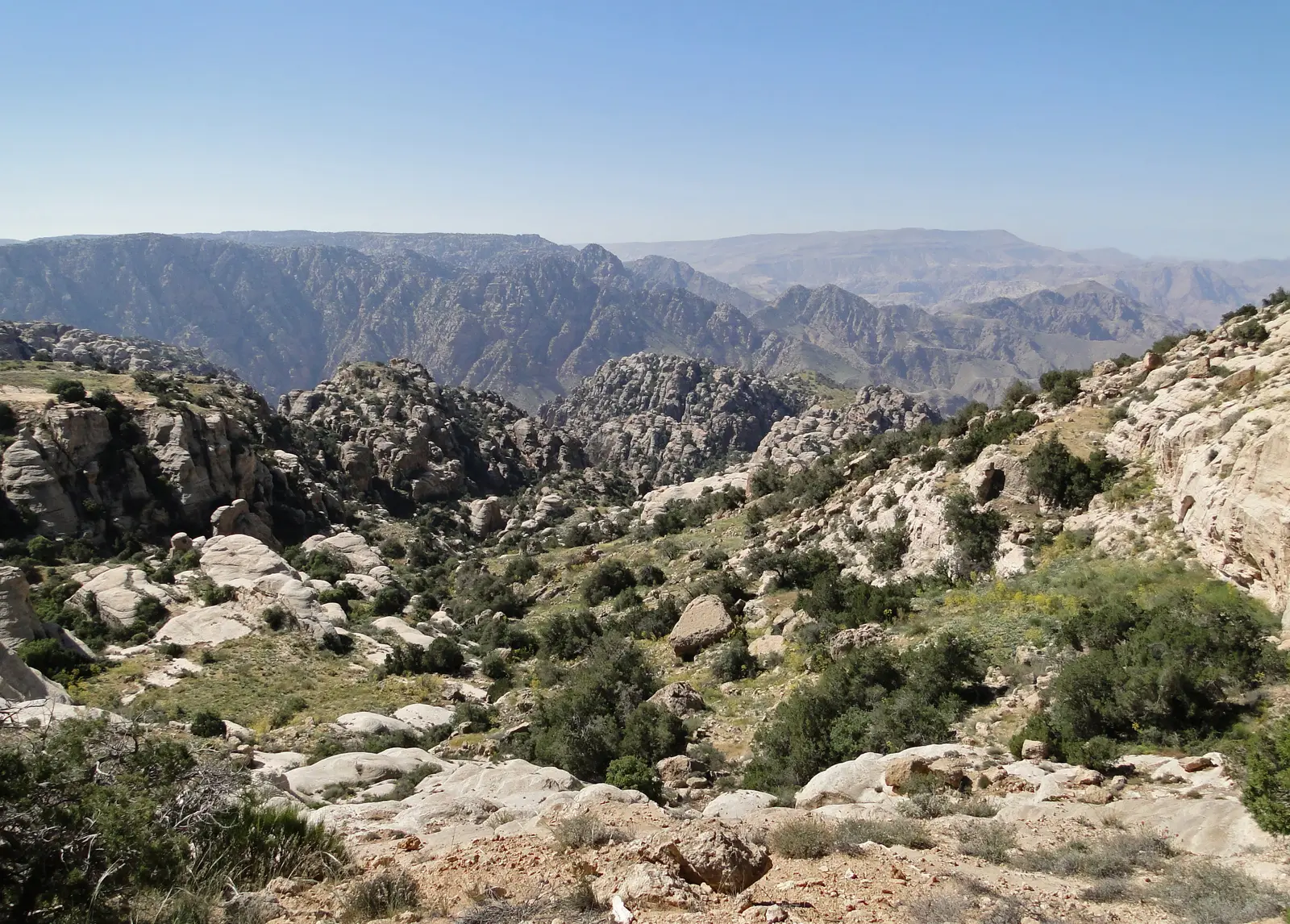
From the edge of Dana village, the land drops away into an immense valley of rock, terraces and desert sand that seems to stretch forever. Dana is Jordan's largest nature reserve and one of its most beautiful, a place for walking, watching wildlife and listening to the quiet.
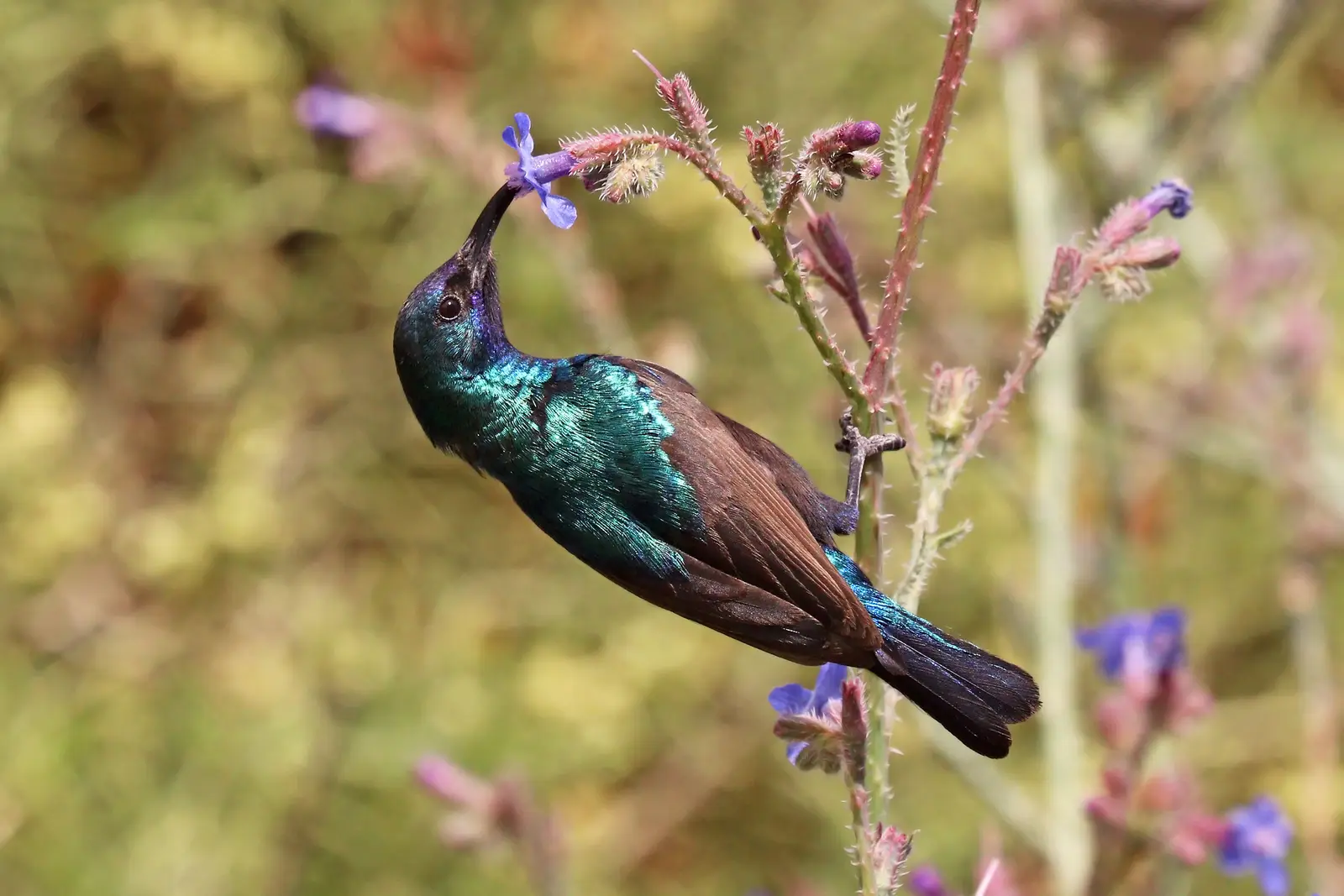
Dana Biosphere Reserve stretches from the highlands along the King's Highway down to the lowlands of Wadi Araba, with a drop in height of more than a kilometre along the way. Because of this, it brings together several very different natural zones, from Mediterranean woodland at the top to sandy desert at the bottom. Hundreds of plant species grow here, and the reserve shelters animals such as the Nubian ibex and the sand cat, along with many birds, including the rare Syrian serin.
Dana village sits at the head of the valley, a cluster of old stone houses on a ridge with views across the whole reserve. Many of its houses were left empty during the twentieth century, but part of the village has been restored, and today small guesthouses and craft workshops support the local community. Women from the area prepare dried fruit, herbs and jams and make handmade crafts, and the reserve has become a respected example of linking nature conservation with local livelihoods.
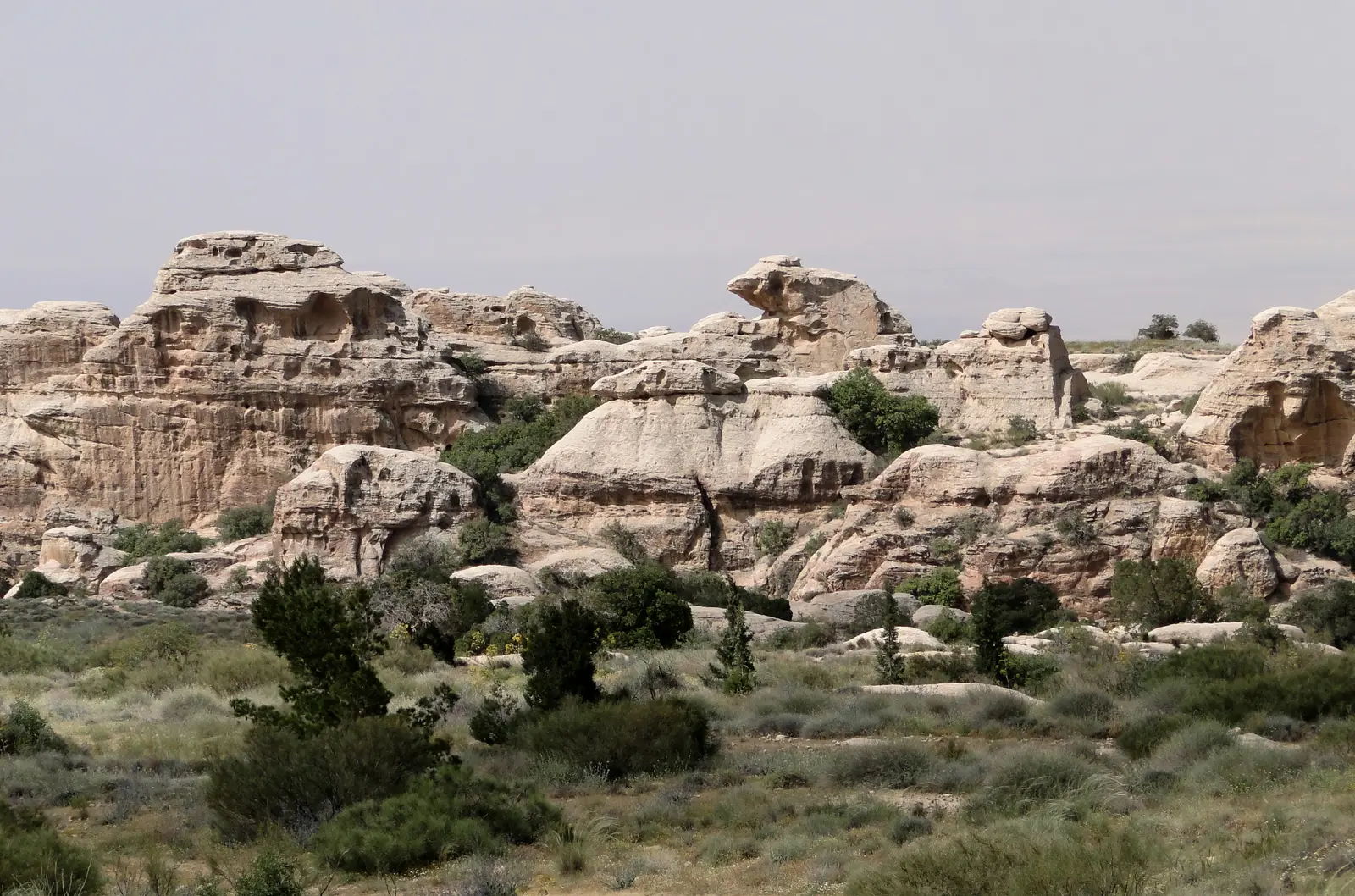
At the western edge of the reserve, in the lowlands, lies Feynan. This area was one of the most important copper-mining centres of the ancient world, worked from prehistoric times through the Roman and Byzantine periods, and slag heaps and old mine shafts still mark the landscape. Today Feynan is also known for its ecolodge, lit by candles at night and run together with local Bedouin families, who share their knowledge of the desert and its traditions.
The classic way to experience Dana is on foot. The trail from Dana village down Wadi Dana to Feynan winds through changing landscapes over a full day of walking, and other routes lead along the cliff tops to viewpoints and campsites. Dana also lies on the long-distance Jordan Trail, and multi-day treks continue south through the mountains toward Petra. Nights here are very dark and quiet, perfect for watching the stars.
Highlights
- 1The view from Dana village over the great valley
- 2Hiking down Wadi Dana to Feynan
- 3Ancient copper-mining landscapes at Feynan
- 4Wildlife watching, including ibex and rare birds
- 5Local crafts, dried fruits and herbs from the community
- 6Star-filled skies far from any city
- 7Multi-day trekking from Dana toward Petra
Gallery
Frequently asked questions
What is the best time to visit Dana?
Spring, from March to May, is the best time, when wildflowers cover the slopes and temperatures are comfortable for walking. Autumn, from September to November, is also very good. Winters in the highlands are cold, with occasional snow, while the lower valley stays mild. Summer is pleasant in Dana village but very hot in the lowlands around Feynan.
How do I get to Dana from Amman?
Dana is about 200 kilometres south of Amman, roughly three hours by car. The faster route follows the Desert Highway and then crosses west through the mountains, while the King's Highway through Madaba, Karak and Tafilah is slower but very scenic. Public transport is limited, so most visitors come by car, with a hired driver or on an organised tour.
How long is the hike from Dana to Feynan?
The classic trail from Dana village down to Feynan is about 14 kilometres and usually takes five to seven hours. It is mostly downhill, descending more than a thousand metres from the highlands to the warm lowlands, which is hard on the knees. Start early, carry plenty of water and check whether a guide is required. Arrange transport back in advance, as the road journey is long.
Is Dana suitable for children?
Yes, on shorter trails. Easy walks near Dana village and the upper parts of the reserve offer wide views, birds and rock formations that children enjoy. The long trail to Feynan is too demanding for most young children. Keep children close near cliff edges, and bring sun protection and warm clothes, as the weather changes quickly in the mountains.
What wildlife can you see in Dana?
Dana's mix of mountain, woodland and desert habitats supports a wide range of wildlife. Nubian ibex live on the cliffs, and the reserve is also home to wolves, foxes and striped hyenas, although these are rarely seen. Birdwatchers come for raptors and many small songbirds, and spring brings hundreds of species of flowering plants. Early morning walks offer the best chance of sightings.
Where can you stay in Dana?
Options include simple guesthouses in the old stone village of Dana, a guesthouse and seasonal campsite inside the reserve, and an eco-lodge in the lowlands at Feynan. Staying overnight lets you enjoy the sunset over the valley, a quiet evening and an early start on the trails. Spring is the busiest season, so book ahead.
Continue the journey
 10
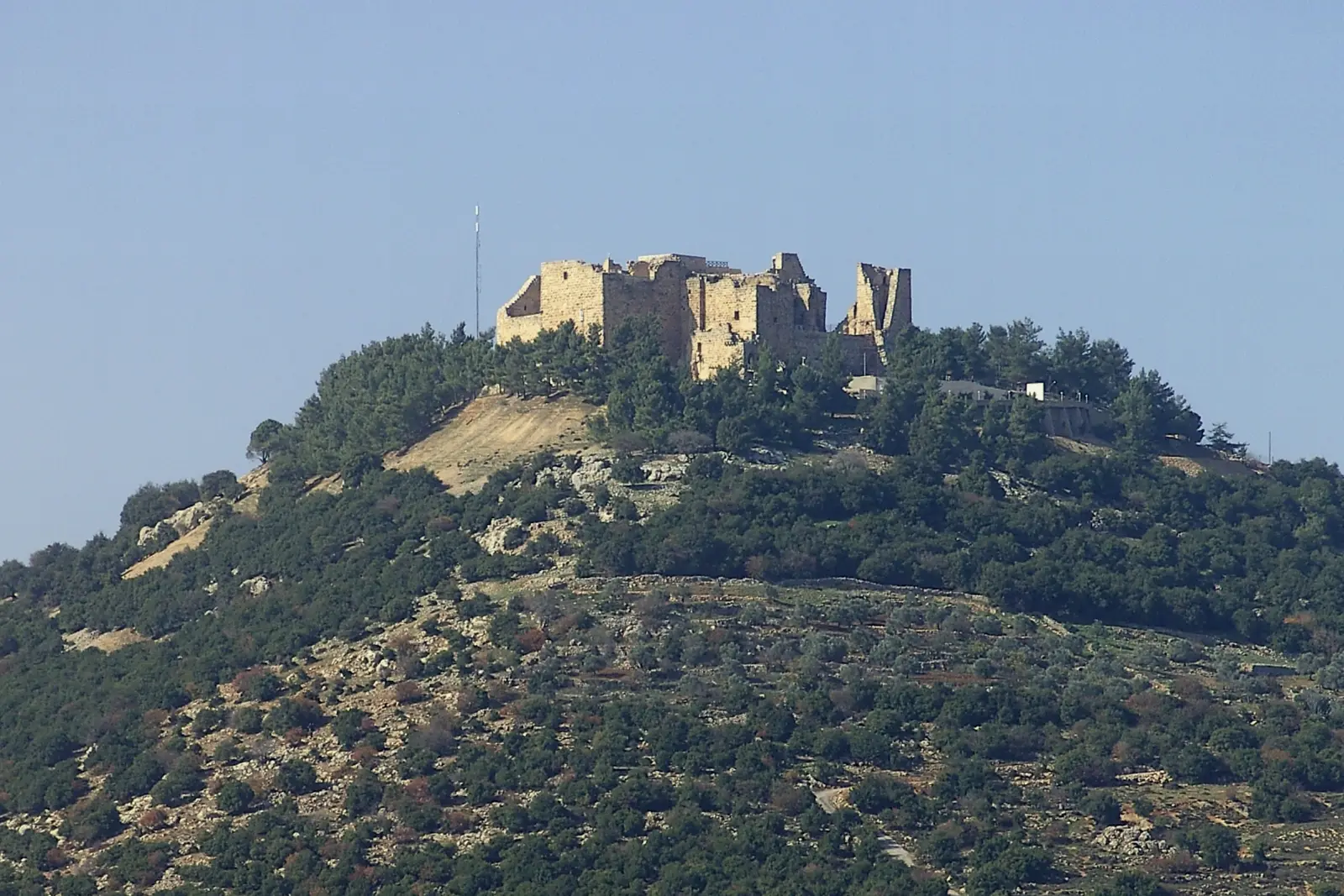
Ajloun
A medieval hilltop castle and green oak forests in the cool, rolling hills of northern Jordan.
 11
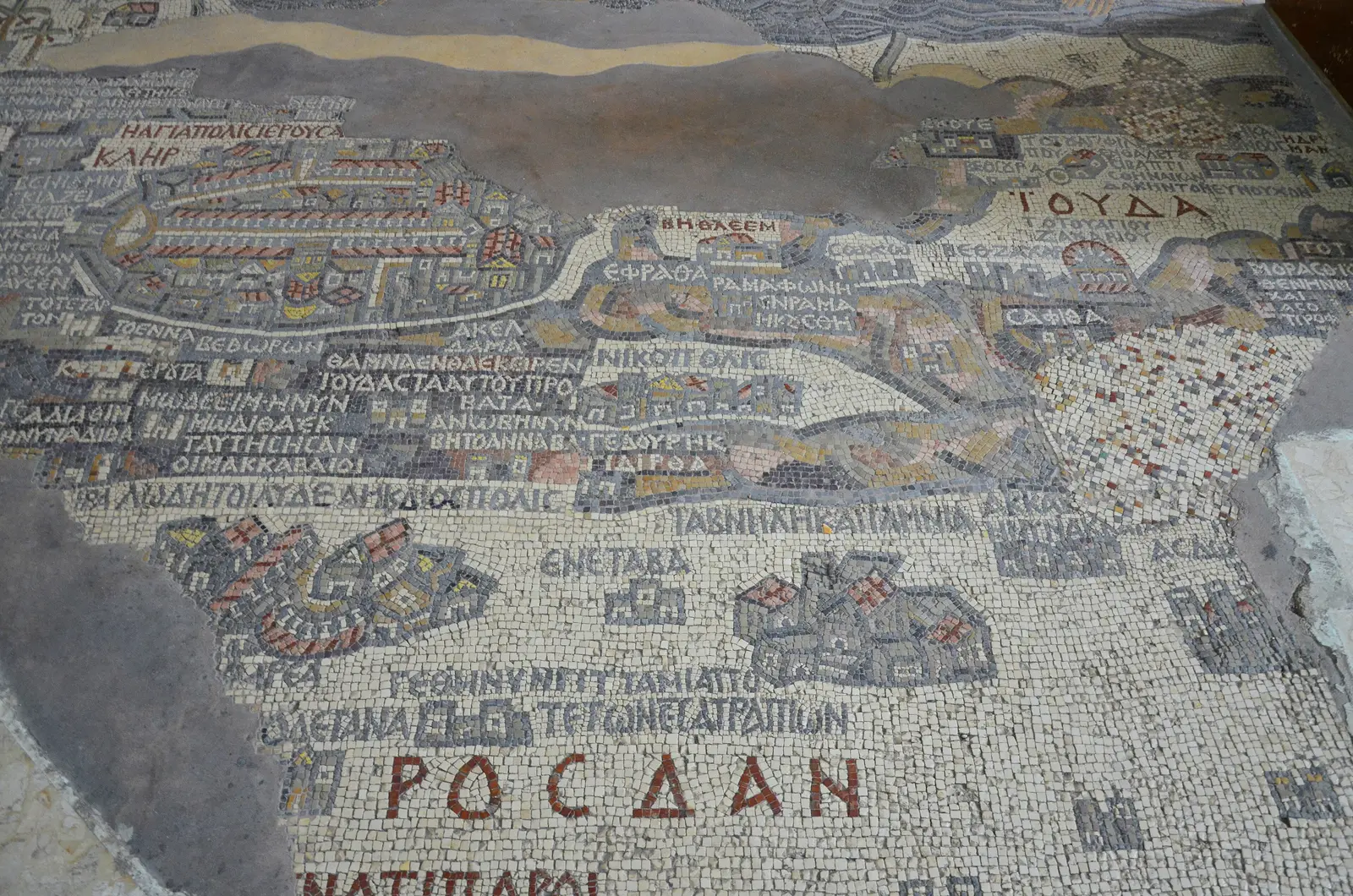
Madaba and Mount Nebo
A friendly town famed for its Byzantine mosaics and an ancient map of the Holy Land, close to Mount Nebo.
 12
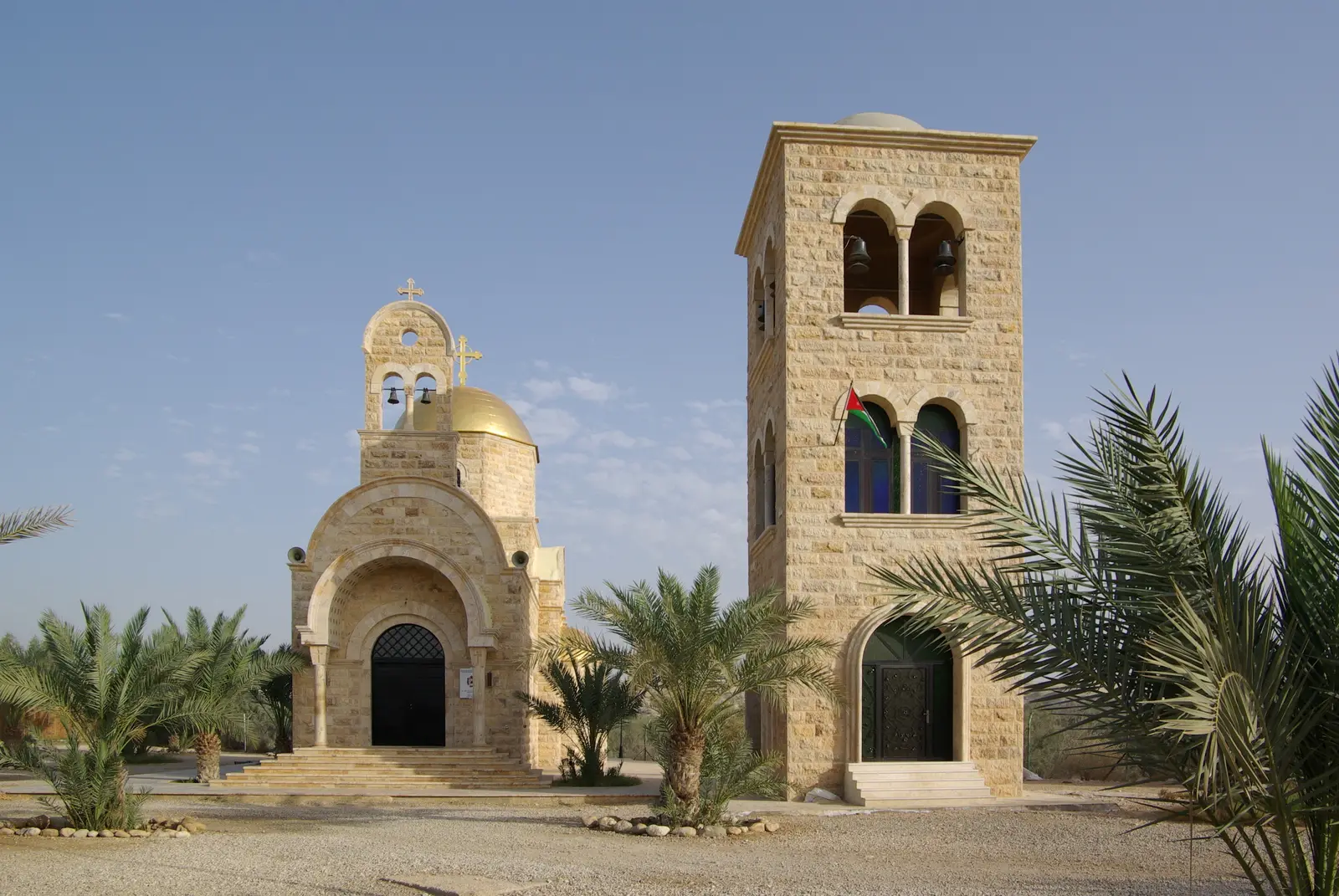
Baptism Site
A peaceful place on the Jordan River, revered by Christians as the site where John the Baptist baptised Jesus.
 13
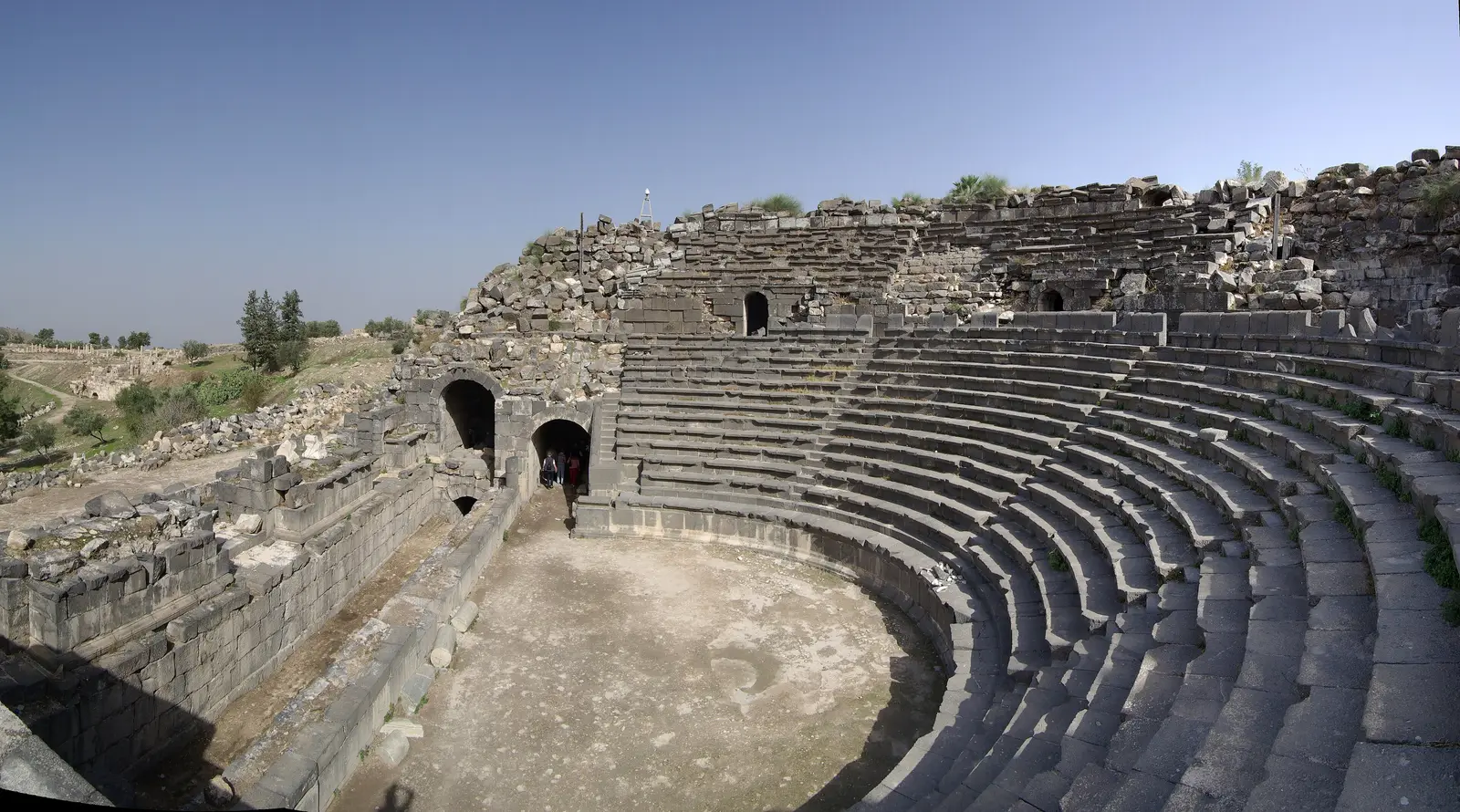
Umm Qais
Basalt ruins of ancient Gadara perched high above the Jordan Valley, with sweeping views toward the Sea of Galilee.
 14
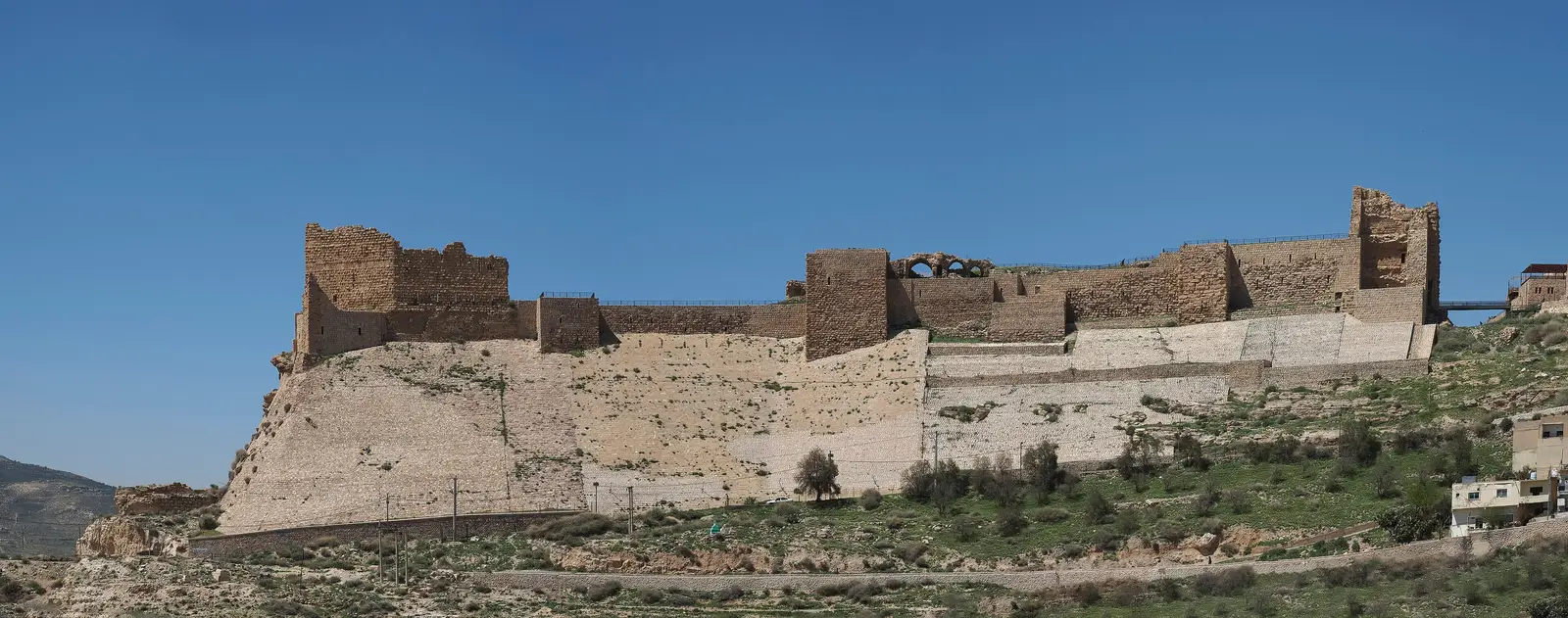
Kerak Castle
A vast medieval fortress on a mountain spur, full of dark vaulted halls and wide views over the surrounding valleys.
 15
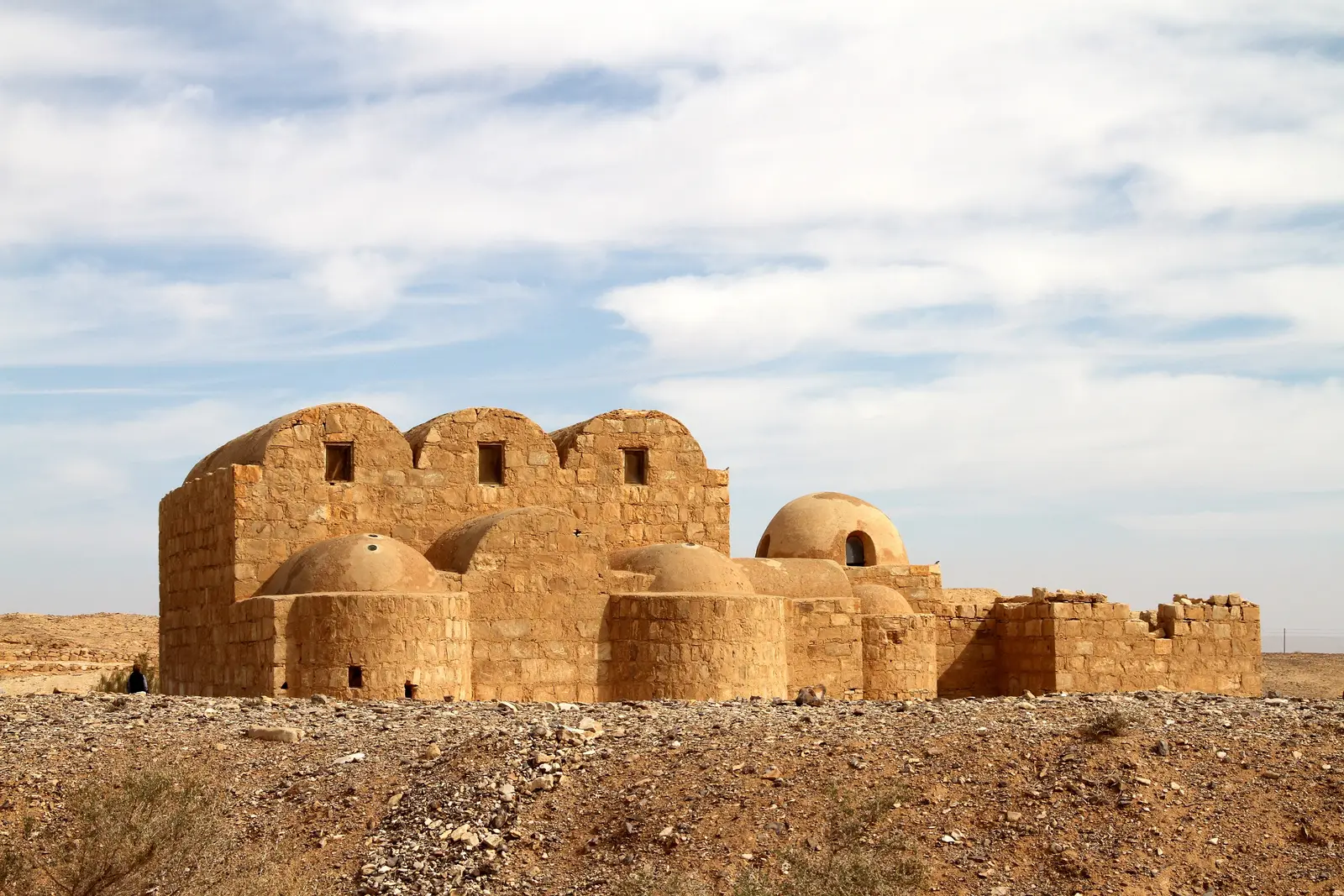
Desert Castles
Early Islamic palaces, baths and forts scattered across the eastern desert, with rare frescoes and a hidden oasis.
 01
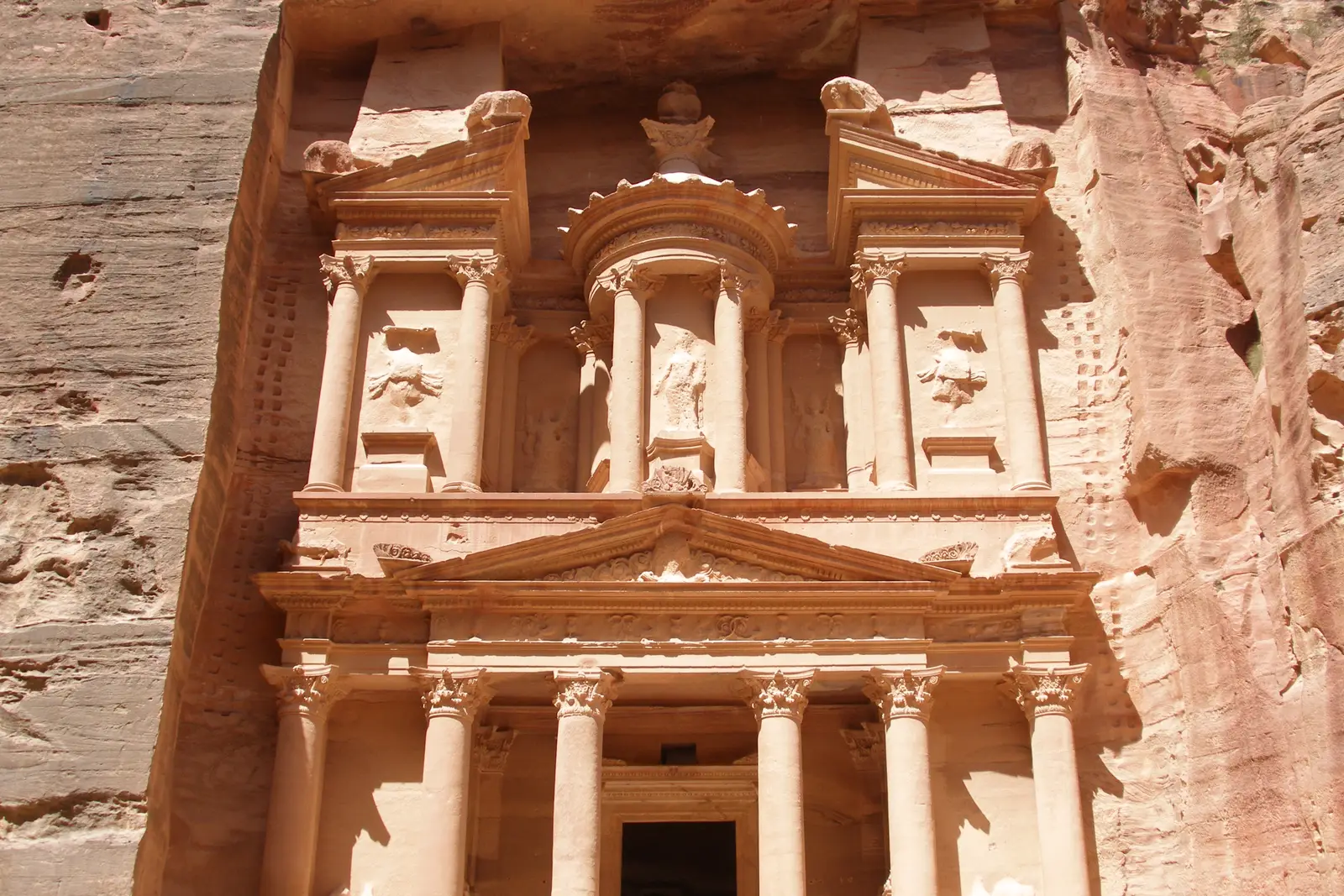
Petra
A Nabataean city carved into rose-red cliffs, reached through a narrow, winding canyon that opens onto the Treasury.
 02
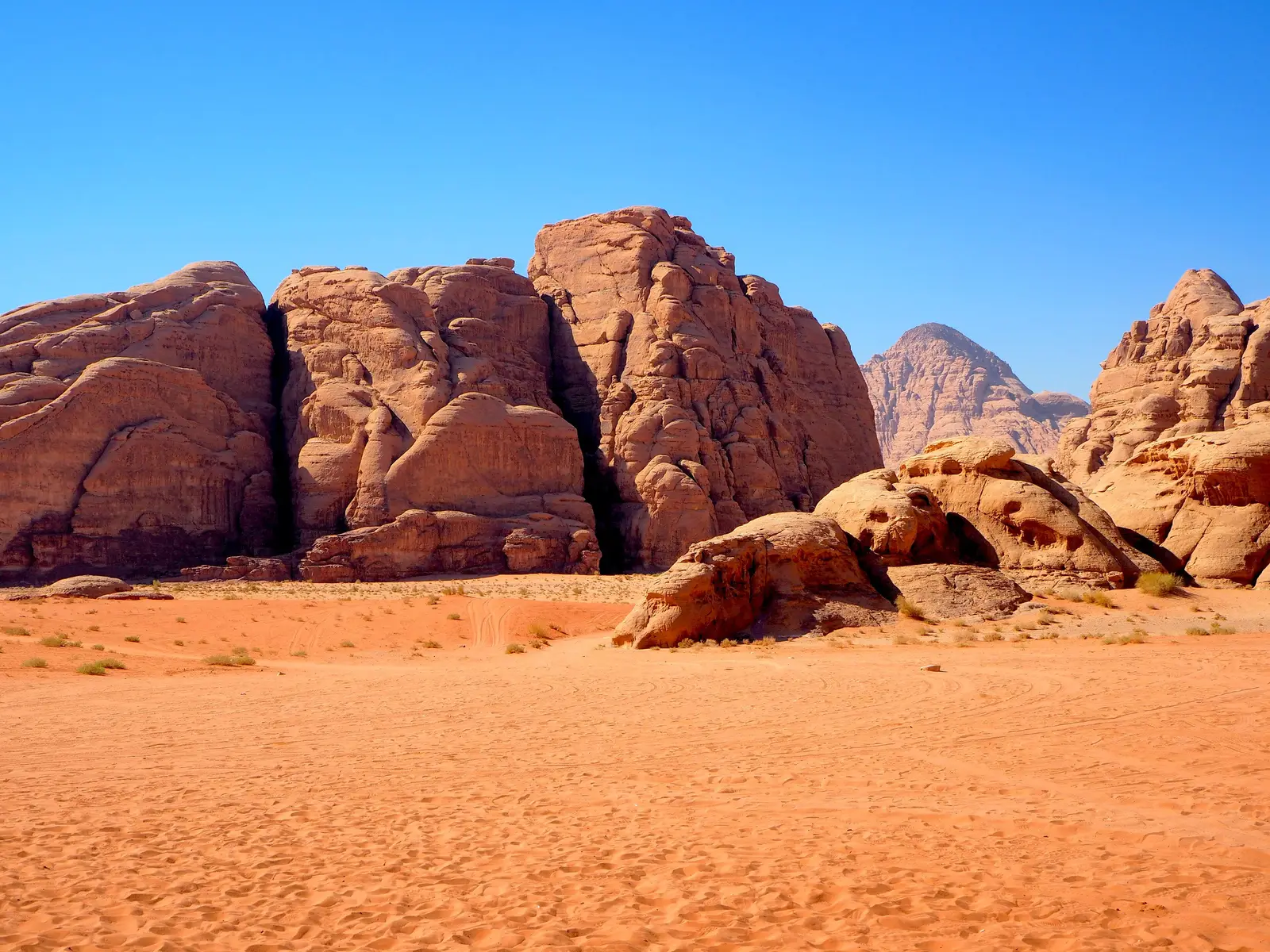
Wadi Rum
A vast desert of red sand, towering sandstone mountains and silent valleys, where Bedouin camps glow under brilliant stars.