Ajloun
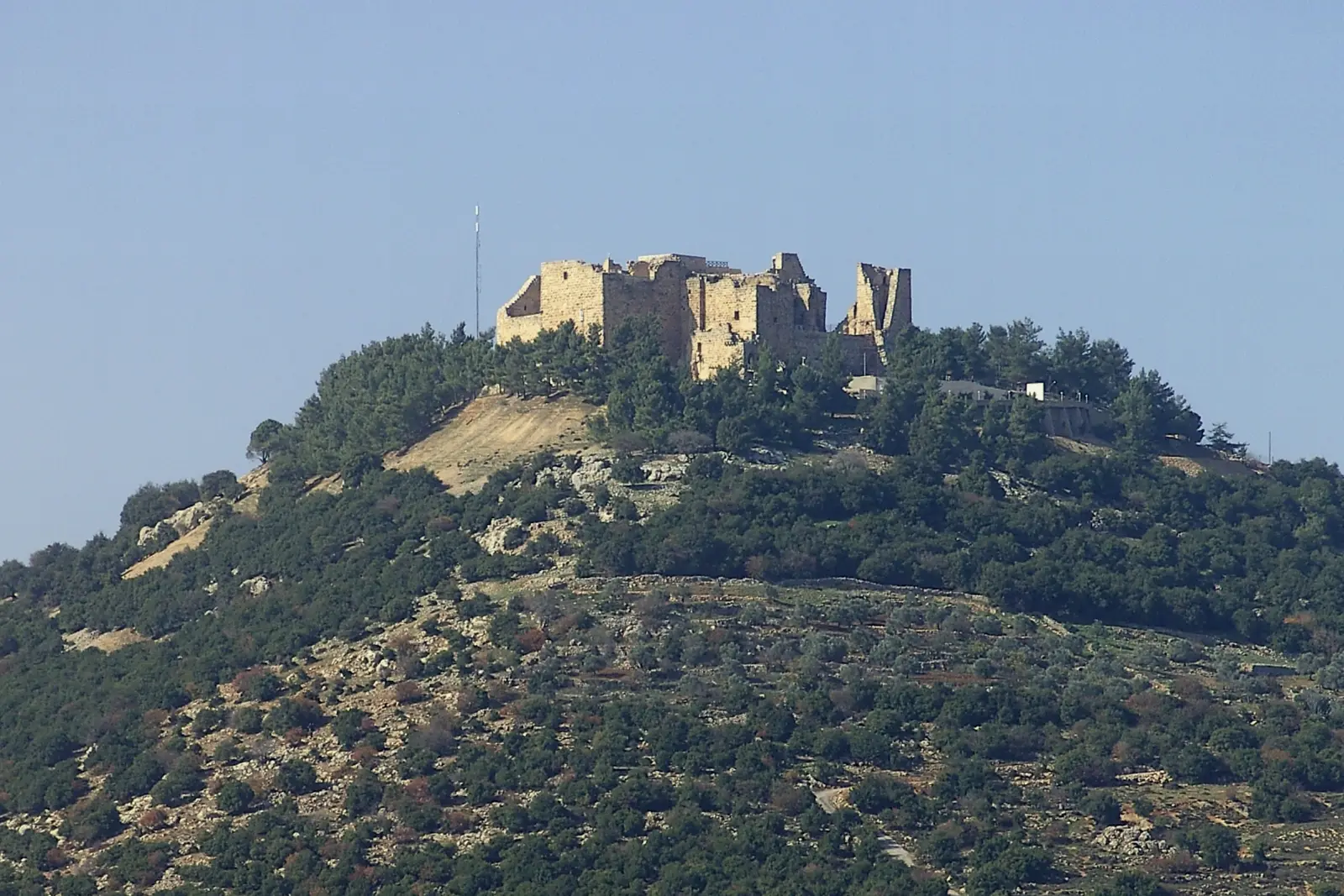
In the north of Jordan the landscape turns green, with olive groves, pine and oak woodland and soft hills rolling toward the Jordan Valley. Above it all stands Ajloun Castle, a stone fortress that has watched over these hills for more than eight centuries. Together, castle and forest make a refreshing escape from the desert.
Ajloun Castle, known in Arabic as Qal'at ar-Rabad, was built in the 1180s by Izz ad-Din Usama, a commander serving under Saladin. Set on a hilltop with views over the Jordan Valley, it watched over the surrounding region and the nearby iron mines, and it formed part of a chain of stations that could pass messages over long distances by beacon fires and carrier pigeons. In the following century the Mamluks enlarged it, adding towers and new halls.
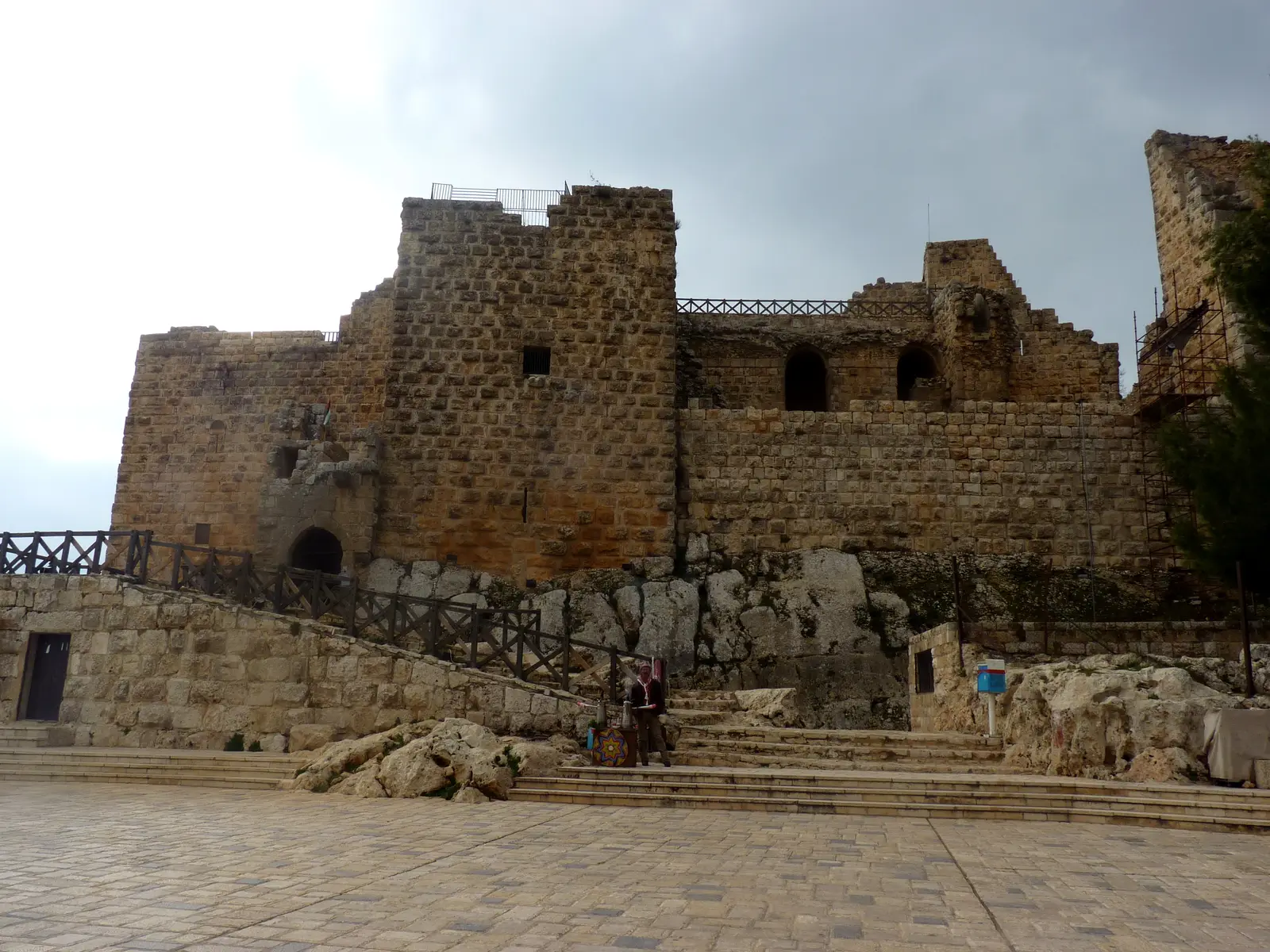
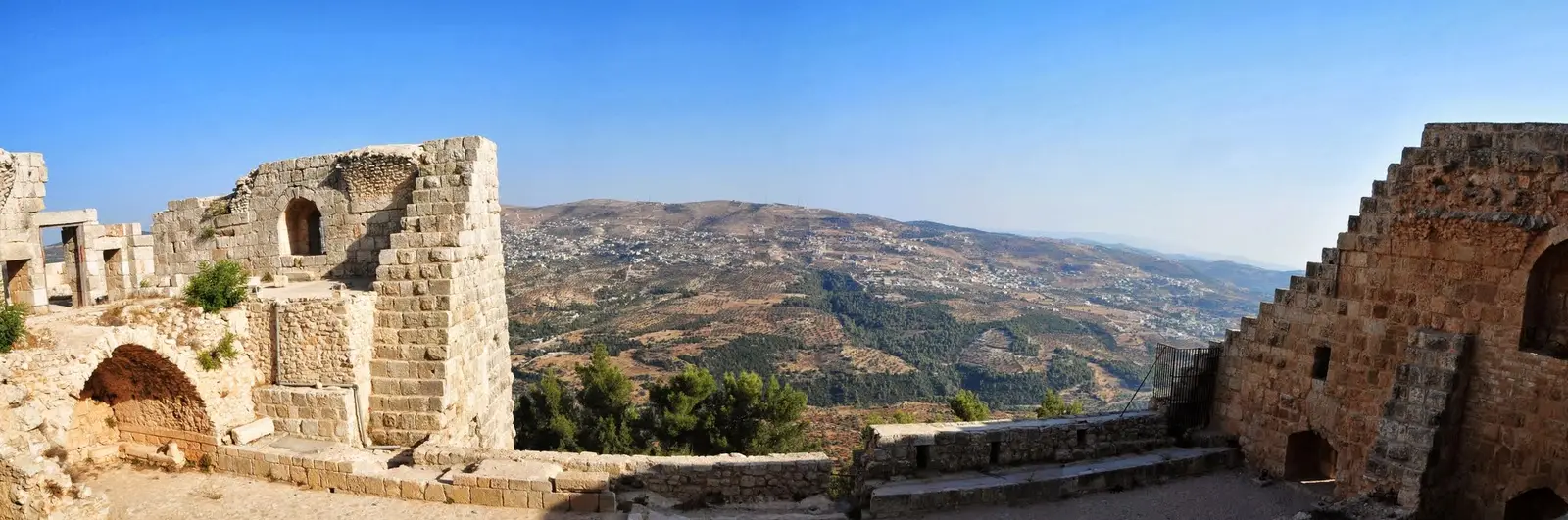
Today visitors cross a bridge over the dry moat and wander through vaulted passages, staircases and towers. Narrow windows frame slim views of the countryside, and from the roof the panorama stretches across the hills and down into the Jordan Valley. A small exhibition displays pottery, coins and other finds from the area. The castle is especially atmospheric late in the day, when the stone warms to gold and the valleys fill with soft haze.
A short drive away, the Ajloun Forest Reserve protects one of the finest remaining stretches of evergreen oak woodland in Jordan, together with wild pistachio, carob and strawberry trees. In spring the forest floor is covered with wildflowers. Roe deer have been reintroduced here, and the reserve is home to foxes, many birds and other wildlife. Marked trails of different lengths lead through the woods, past viewpoints and on to nearby villages.
The reserve works closely with the surrounding villages. Local women run small enterprises such as a soap house, where olive oil soap is made by hand, and a biscuit house, and some trails lead directly to these workshops. Visitors can stay in cabins inside the reserve. Nearby, Mar Elias, an ancient hilltop church site associated with the Prophet Elijah, is a peaceful place to visit, and Jerash is close enough to combine in a single day.
Highlights
- 1Ajloun Castle and its views over the Jordan Valley
- 2Vaulted halls, towers and the dry moat
- 3Woodland trails in the Ajloun Forest Reserve
- 4Spring wildflowers among oak and strawberry trees
- 5Handmade olive oil soap from a village workshop
- 6The ancient church site of Mar Elias
Gallery
Frequently asked questions
What is there to see in Ajloun?
The main sights are Ajloun Castle, a 12th-century fortress with wide views over northern Jordan, and the Ajloun Forest Reserve, with marked trails through oak woodland. You can also visit Tell Mar Elias, linked with the Prophet Elijah, the Church of Our Lady of the Mountain in Anjara, and village projects where you can try local food and crafts.
How long does it take to visit Ajloun Castle?
Most visitors spend about one to one and a half hours exploring the castle's halls, staircases and towers and enjoying the views from the roof. A small display inside explains its history. If you add a walk in the forest reserve or a meal in a nearby village, plan for half a day or more.
How do I get from Amman to Ajloun?
Ajloun is about 75 kilometres north-west of Amman, usually between one hour and fifteen minutes and one and a half hours by car. Buses and minibuses run from Amman's northern bus station to Ajloun town, and taxis can take you up to the castle. A car is the easiest way to combine the castle, the forest reserve and nearby villages.
Can you combine Ajloun and Jerash in one day?
Yes, and it is one of the most popular day trips from Amman. Jerash and Ajloun are only about 30 to 40 minutes apart. A common plan is to explore Jerash in the morning, have lunch, and then drive up through the hills to Ajloun Castle for the afternoon views. With an early start, you can also add a short forest walk.
Is Ajloun suitable for children?
Yes. Children usually enjoy exploring the castle's passages and towers, but there are uneven floors, steep stairs and open edges, so keep them close. The forest reserve has short, easy trails that are good for families, and picnics in the woods are a favourite local pastime on spring weekends.
What should I wear for hiking in Ajloun?
Wear sturdy walking shoes with good grip, because forest paths can be rocky, and muddy after rain. The hills are often cooler than Amman, so bring a warm layer, especially in the morning and evening, and a rain jacket in winter. Long trousers protect against thorny plants, and a hat and water are useful on warm days.
Continue the journey
 11
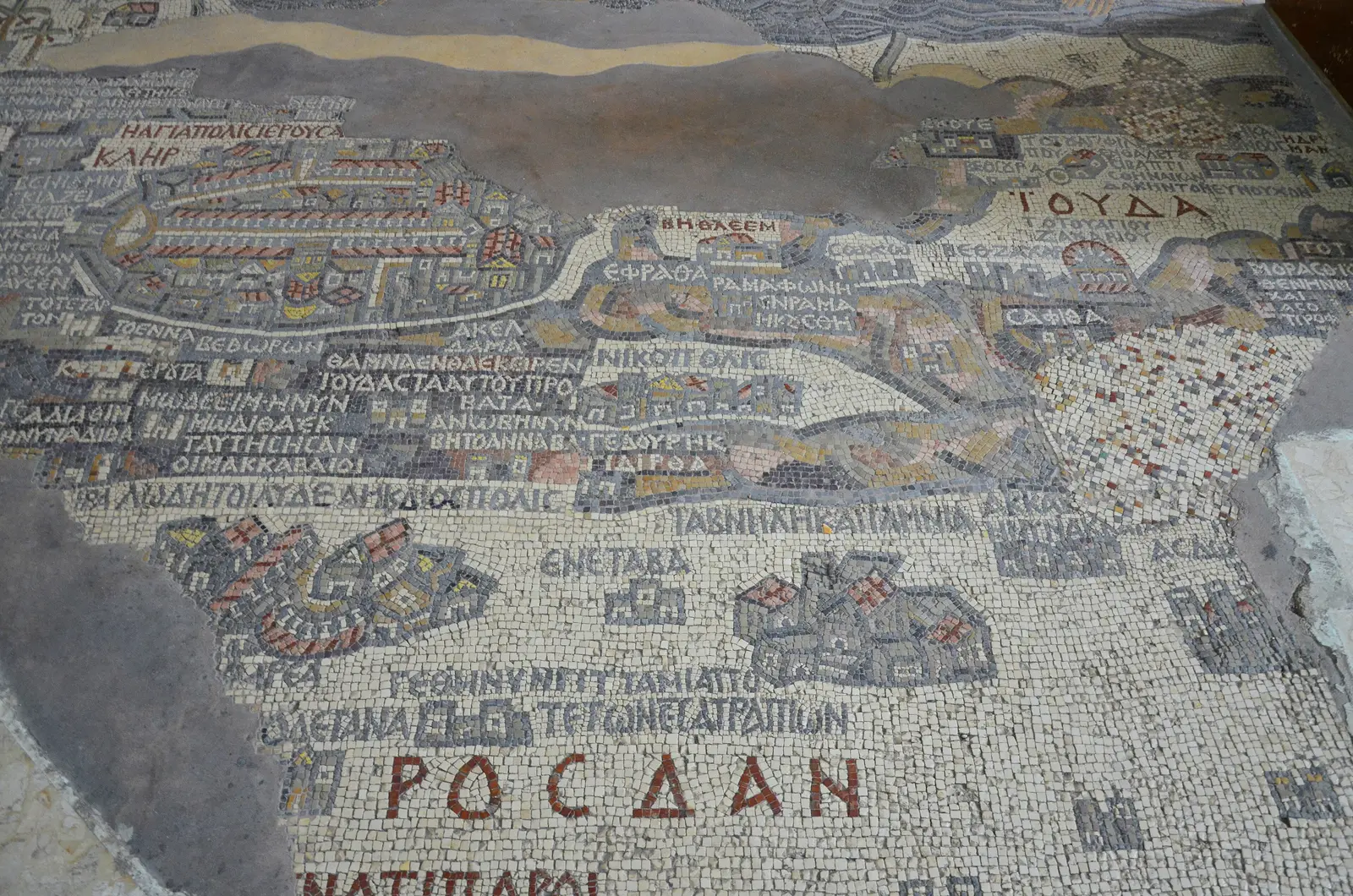
Madaba and Mount Nebo
A friendly town famed for its Byzantine mosaics and an ancient map of the Holy Land, close to Mount Nebo.
 12
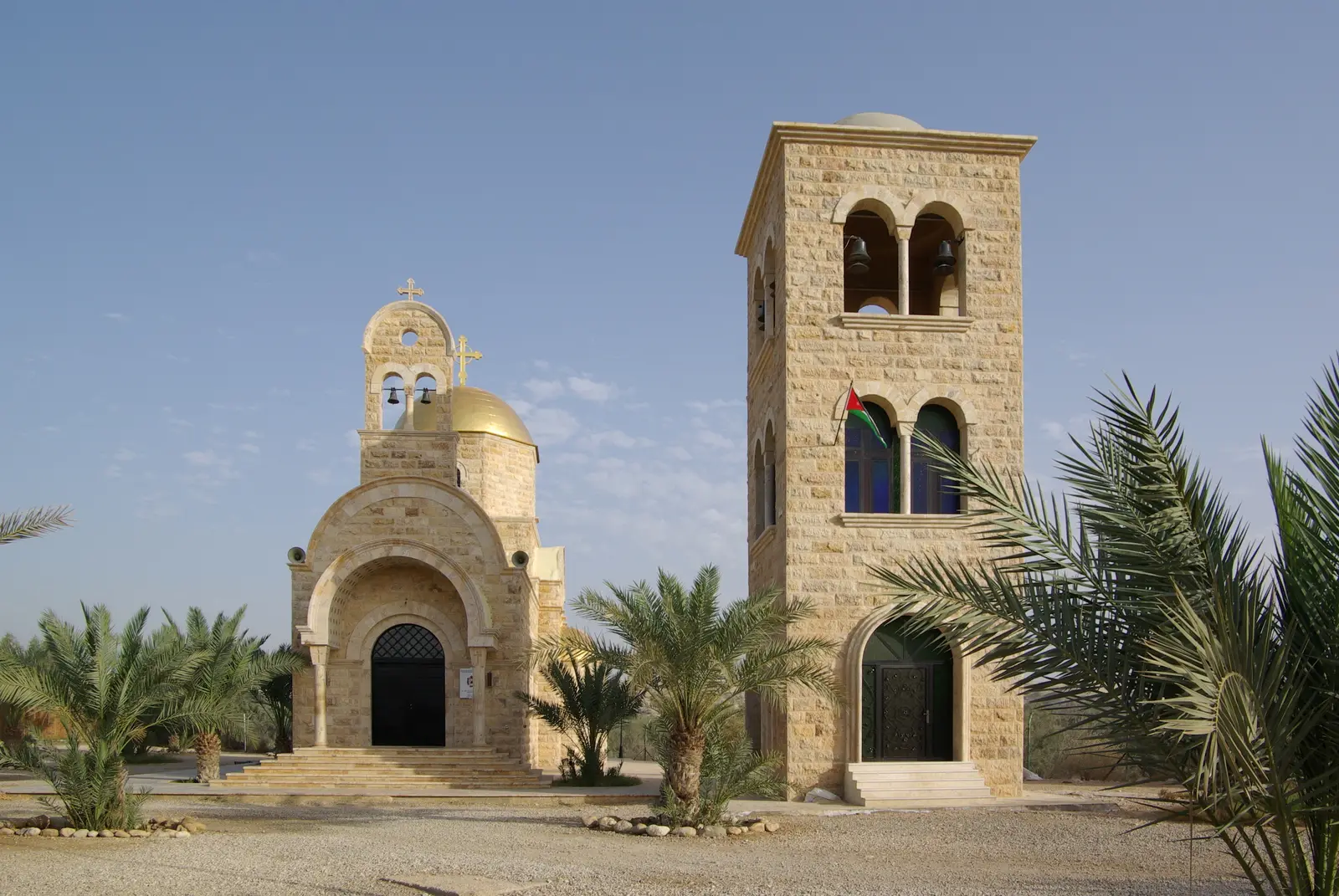
Baptism Site
A peaceful place on the Jordan River, revered by Christians as the site where John the Baptist baptised Jesus.
 13
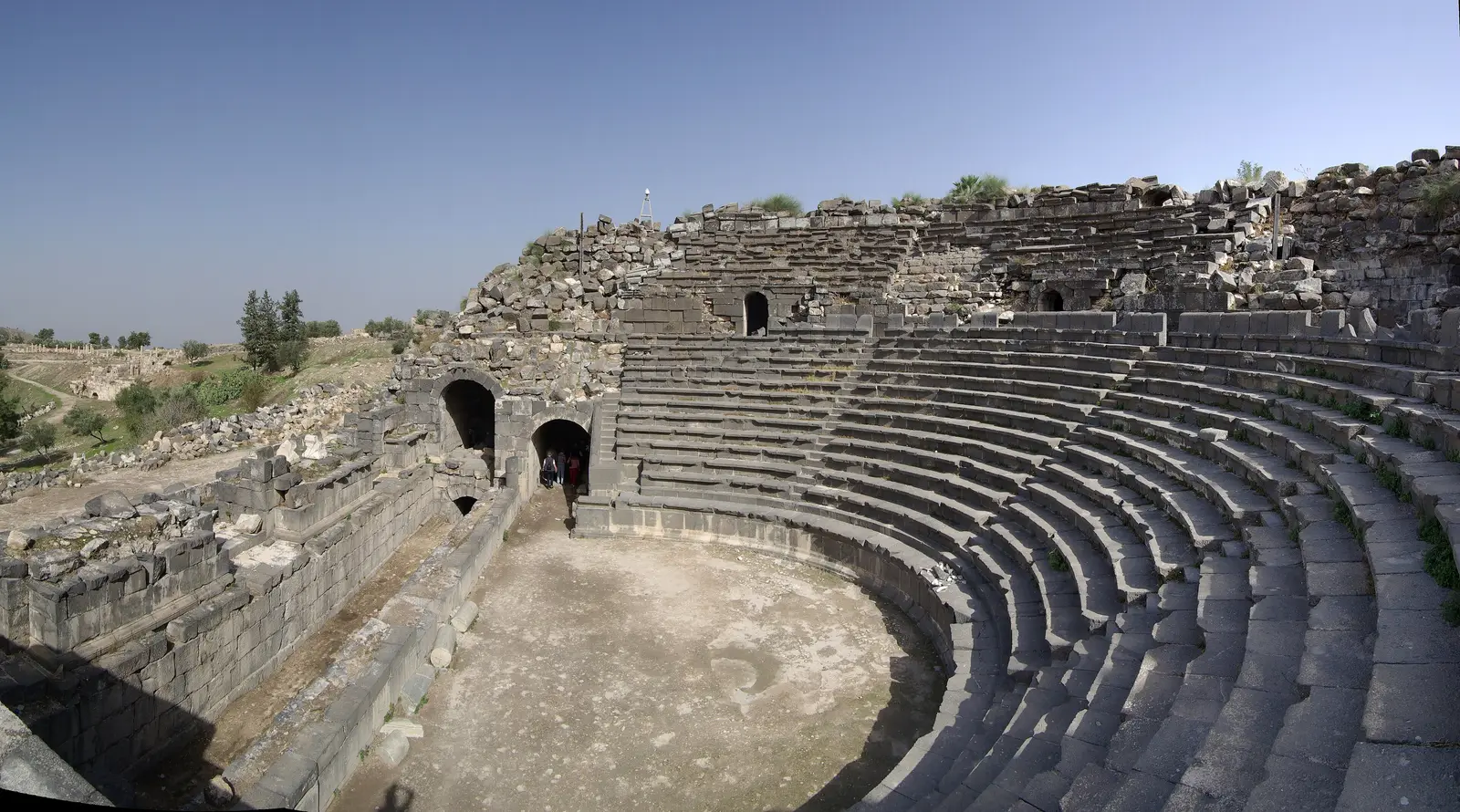
Umm Qais
Basalt ruins of ancient Gadara perched high above the Jordan Valley, with sweeping views toward the Sea of Galilee.
 14
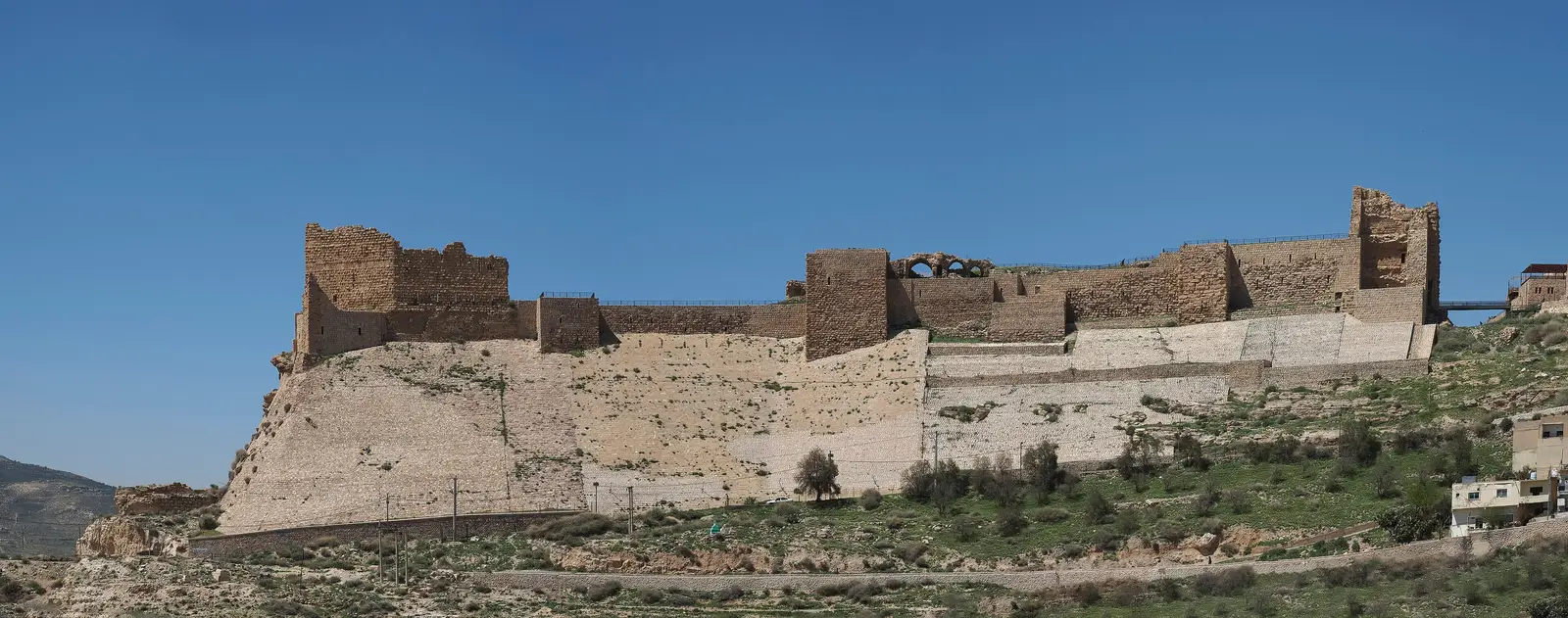
Kerak Castle
A vast medieval fortress on a mountain spur, full of dark vaulted halls and wide views over the surrounding valleys.
 15
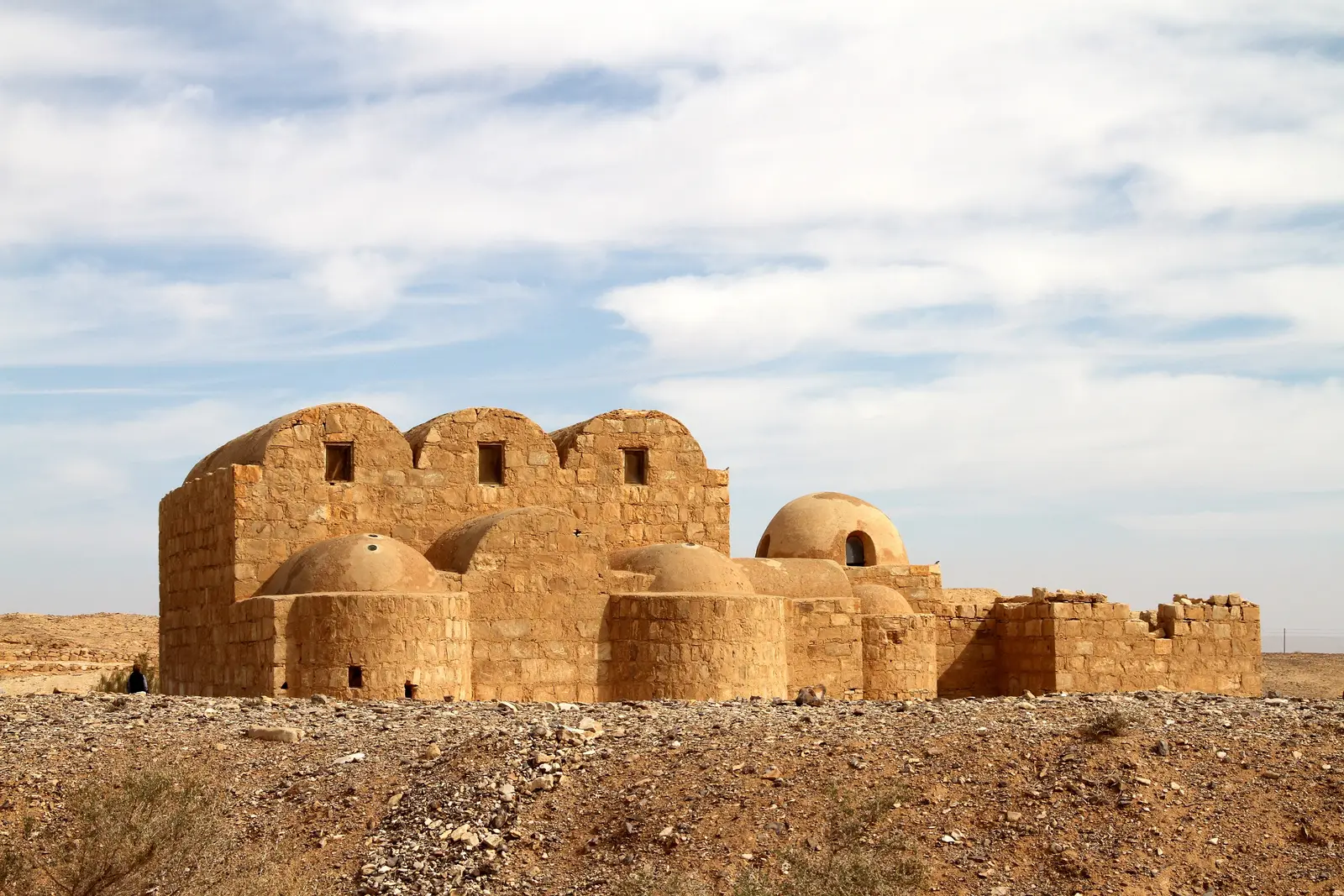
Desert Castles
Early Islamic palaces, baths and forts scattered across the eastern desert, with rare frescoes and a hidden oasis.
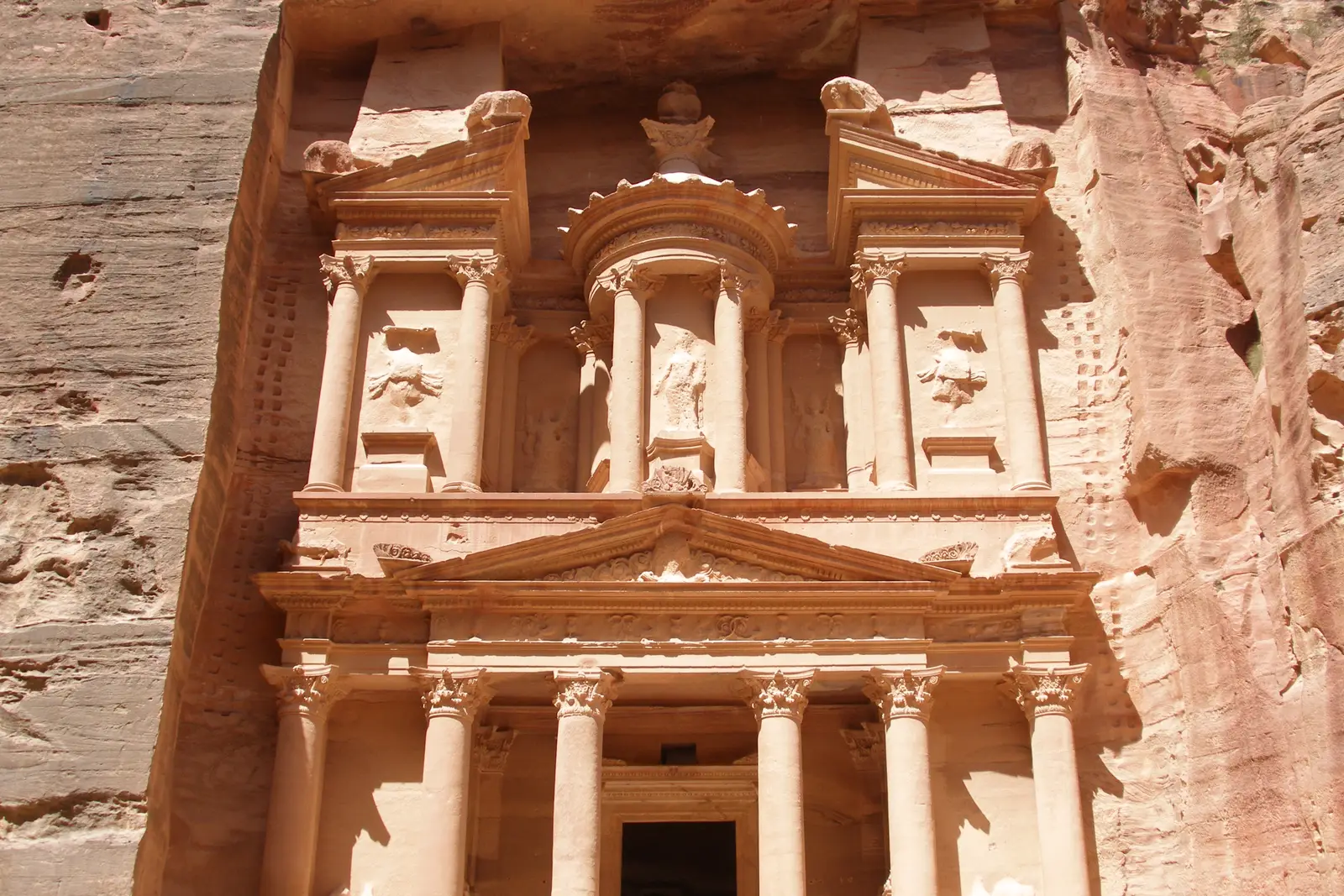 01
Petra
A Nabataean city carved into rose-red cliffs, reached through a narrow, winding canyon that opens onto the Treasury.
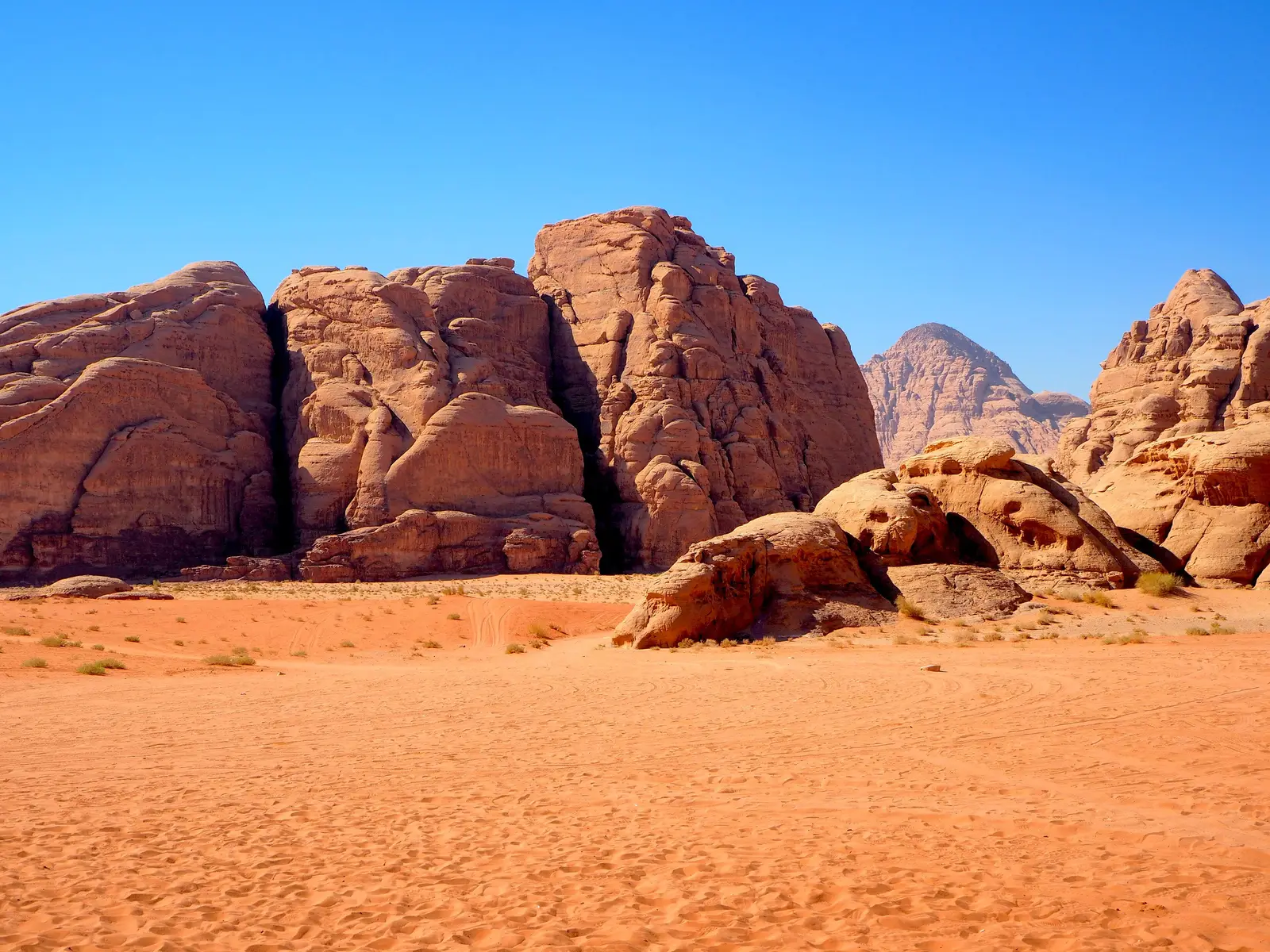 02
Wadi Rum
A vast desert of red sand, towering sandstone mountains and silent valleys, where Bedouin camps glow under brilliant stars.
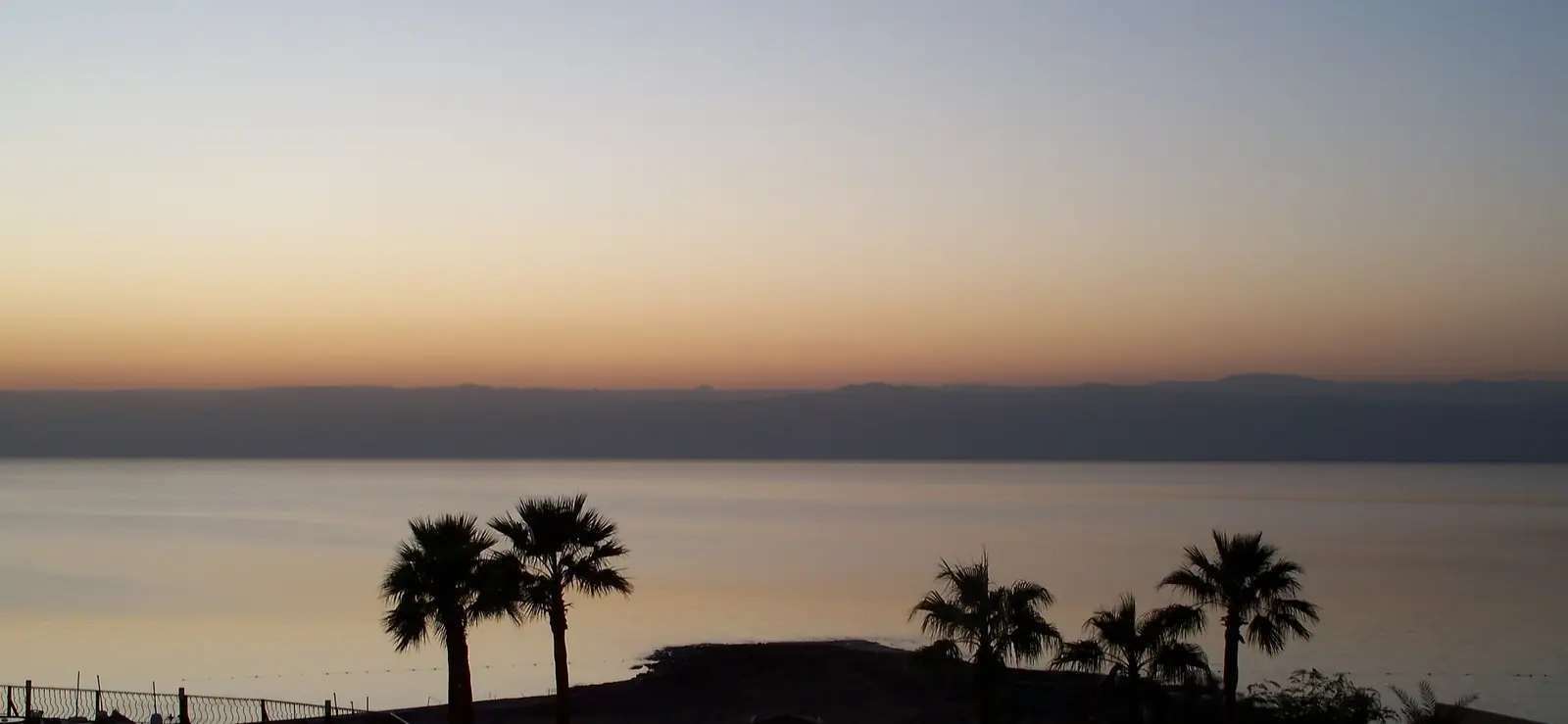 03
Dead Sea
Float effortlessly on mineral-rich water at the lowest point on land, framed by golden mountains and soft evening light.