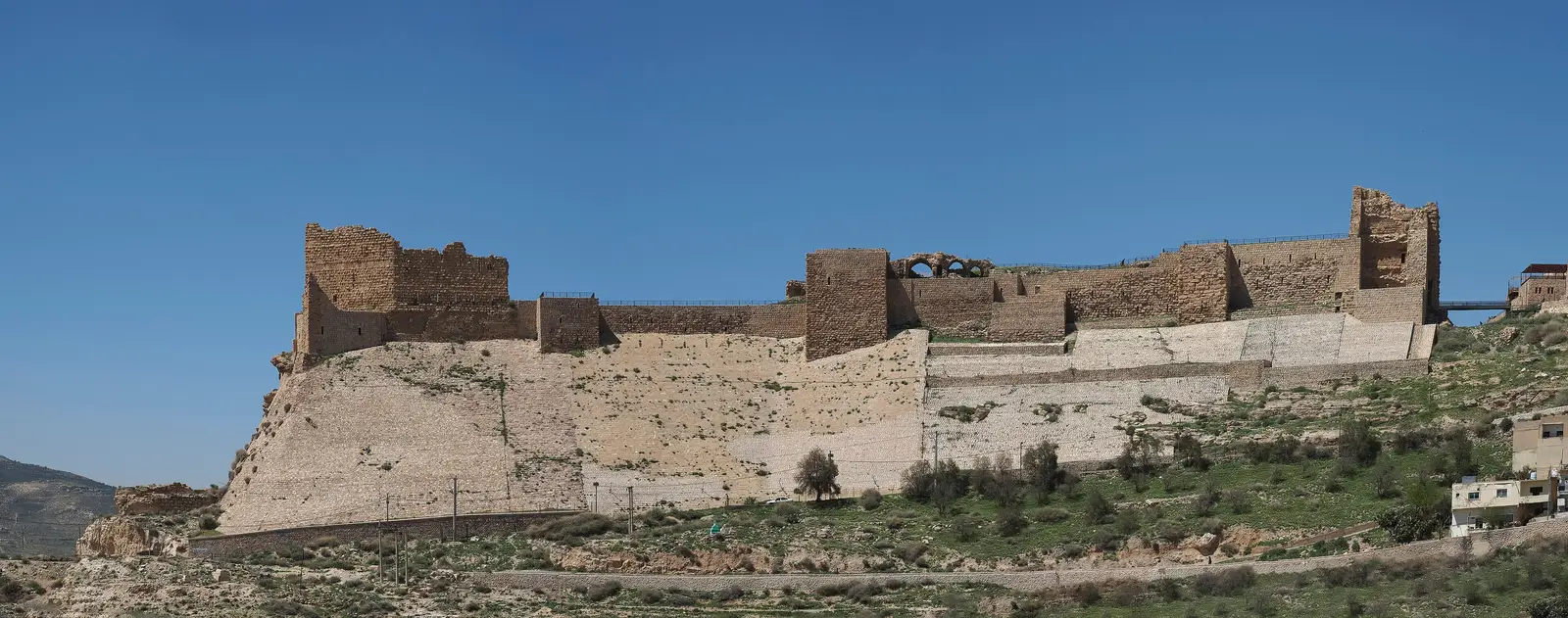
Kerak Castle
Rising above the town of Kerak, the great castle still dominates the landscape as it has for nearly nine centuries. Its massive walls, dark vaulted corridors and stone halls invite exploration, and from its ramparts the view stretches across deep valleys toward the Dead Sea. It is one of the largest and most impressive medieval castles in the region.
Kerak stands on an ancient site along the King's Highway, a route used by travellers and traders since very early times. The castle was begun by the Crusaders in the 1140s on a natural spur of rock protected by steep valleys on several sides. It came under Ayyubid control in 1188, and in the Ayyubid and especially the Mamluk periods it was strengthened and expanded. For centuries afterwards it remained an important centre for the surrounding region.
The castle is a fascinating mix of building styles. Some parts show the rough, dark stone of the earliest construction, while finer, lighter stonework marks later rebuilding. Below ground, long vaulted galleries run deep into the hill, once used for storage, stables and living quarters. Visitors can explore passages, kitchens, a chapel and the remains of a Mamluk palace and mosque, moving from bright courtyards to cool, dim halls.
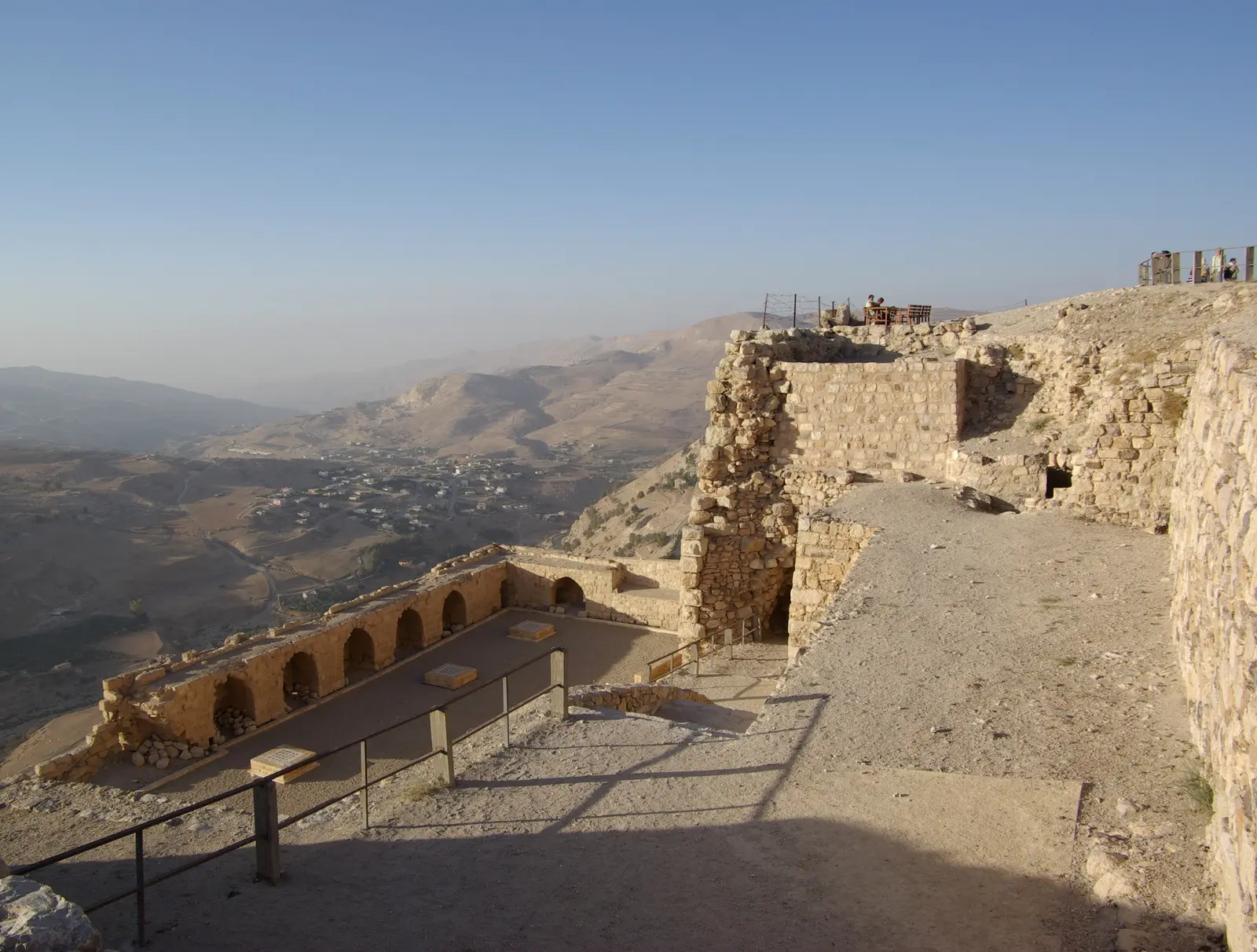
Take your time on the walls. From the ramparts you can look down on the old town, along the deep valleys and, on clear days, toward the Dead Sea far below. A museum at the site introduces the history of the castle and of the surrounding region from prehistoric times onward. Because the castle is so large, it rewards slow exploration, and new corners and passages seem to appear around every turn.
The town of Kerak itself is a lively market town known for its hospitality and its food. The region is famous for jameed, the dried yogurt used in mansaf, Jordan's national dish, so it is a fine place to try it. Kerak lies on the scenic King's Highway, and the drive between Madaba, Kerak, Dana and Petra passes deep canyons, including the spectacular gorge of Wadi Mujib.
Highlights
- 1The underground vaulted galleries
- 2The Mamluk palace and the castle chapel
- 3Views from the ramparts toward the Dead Sea
- 4The site museum and its regional history
- 5Tasting mansaf made with local jameed
- 6Driving the King's Highway across the Wadi Mujib gorge
Frequently asked questions
How long do you need at Karak Castle?
Plan around one and a half to two hours to explore the halls, passageways and towers and enjoy the views over the valleys. Add more time for the museum inside the castle or a walk through the old town. With a local guide, a visit of two to three hours brings the castle's long history to life.
How do I get to Karak Castle from Amman?
Karak is about 130 kilometres south of Amman. The fastest route follows the Desert Highway and then turns west, taking about two hours. The King's Highway through Madaba and across Wadi Mujib is slower but much more scenic. Buses run from Amman's southern bus station to Karak, and the castle is a short walk or taxi ride from the town centre.
Is Karak Castle on the way to Petra?
Yes. Karak lies roughly halfway between Amman and Petra, so many travellers stop here on their way south. After the visit, you can continue along the King's Highway past Tafilah, Dana and Shobak Castle, or return to the Desert Highway for a faster journey. Karak to Petra takes about two to three hours.
What should I bring to Karak Castle?
Bring a small torch or use your phone light, because some underground halls and passages are very dark. Wear sturdy shoes, as floors are uneven and some stairways are steep and worn. The castle stands high and can be windy and cold in winter, so bring a warm layer; in summer, bring a hat and water.
Is Karak Castle suitable for children?
Older children usually love exploring the dark tunnels and towers. However, there are uneven floors, steep stairs and open edges without railings, so young children must be supervised closely at all times. A torch makes the darker areas more fun and safer for everyone.
What is the history of Karak Castle?
Karak Castle was begun by the Crusaders in the 1140s to control the routes between Damascus, Egypt and Arabia. After a long siege it passed to Saladin's forces in 1188, and the Ayyubids and Mamluks later rebuilt and expanded it. It remained an important stronghold under the Ottomans, and its layers of construction from different periods can still be seen today.
Continue the journey
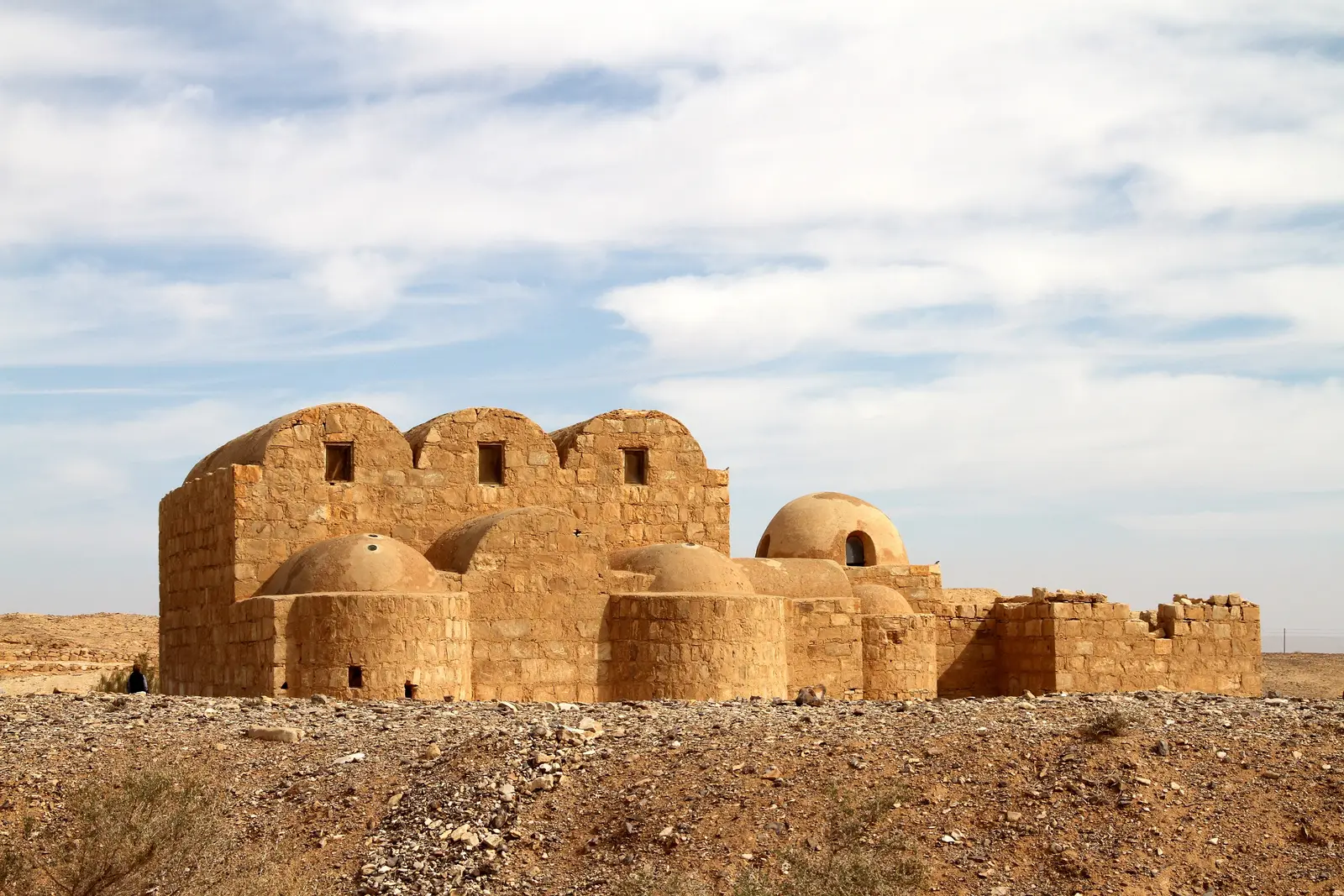 15
Desert Castles
Early Islamic palaces, baths and forts scattered across the eastern desert, with rare frescoes and a hidden oasis.
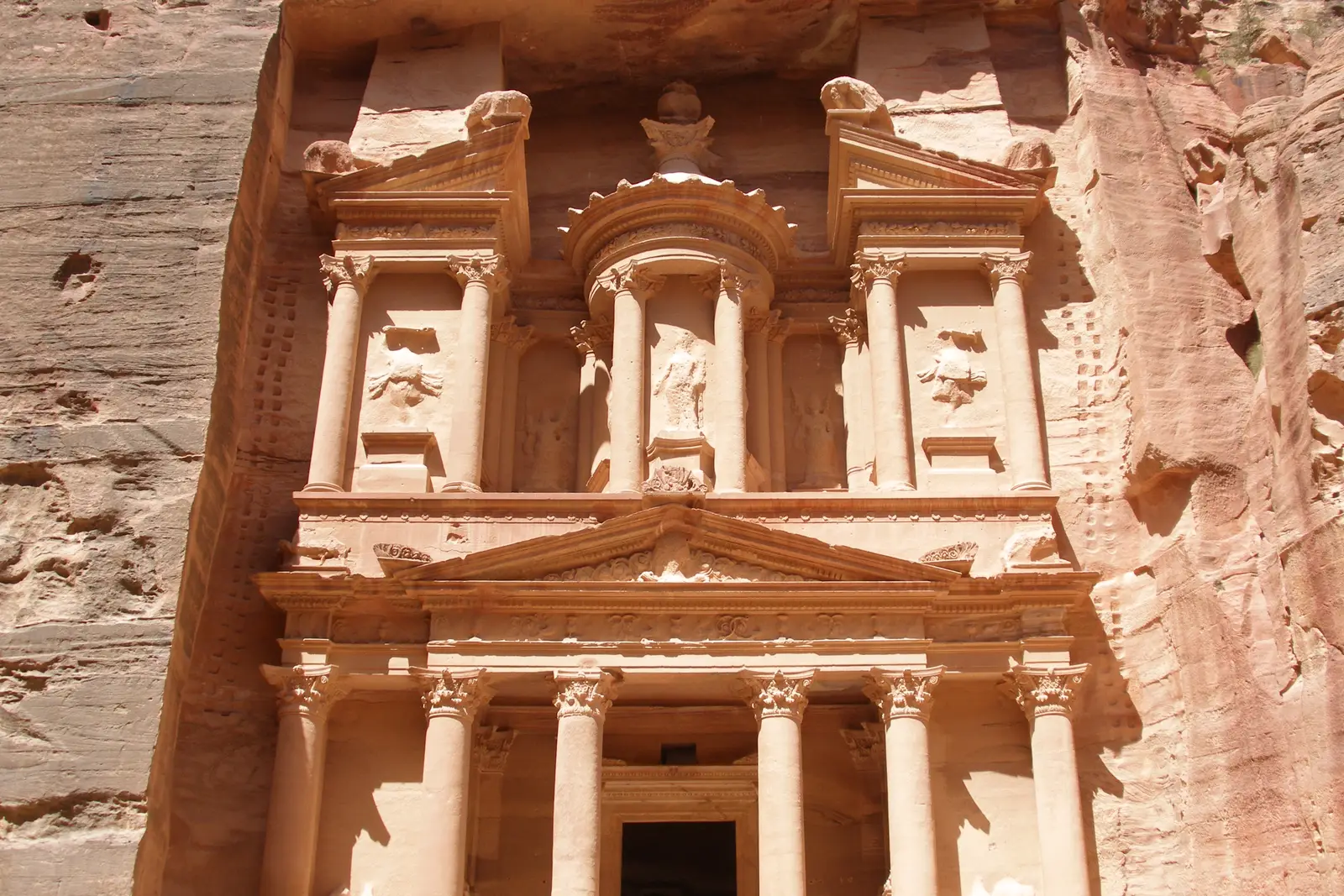 01
Petra
A Nabataean city carved into rose-red cliffs, reached through a narrow, winding canyon that opens onto the Treasury.
 02
Wadi Rum
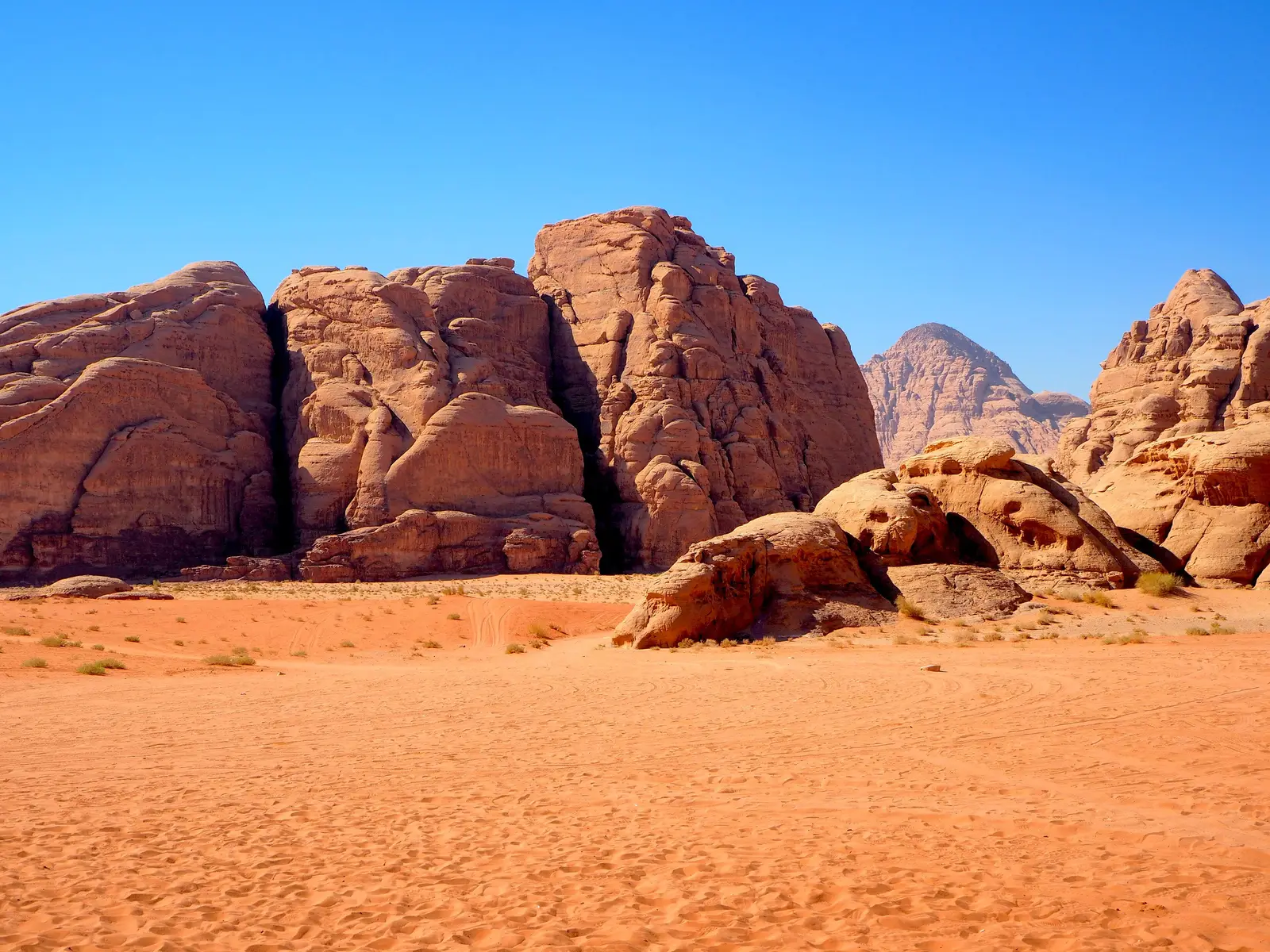
A vast desert of red sand, towering sandstone mountains and silent valleys, where Bedouin camps glow under brilliant stars.
 03
Dead Sea
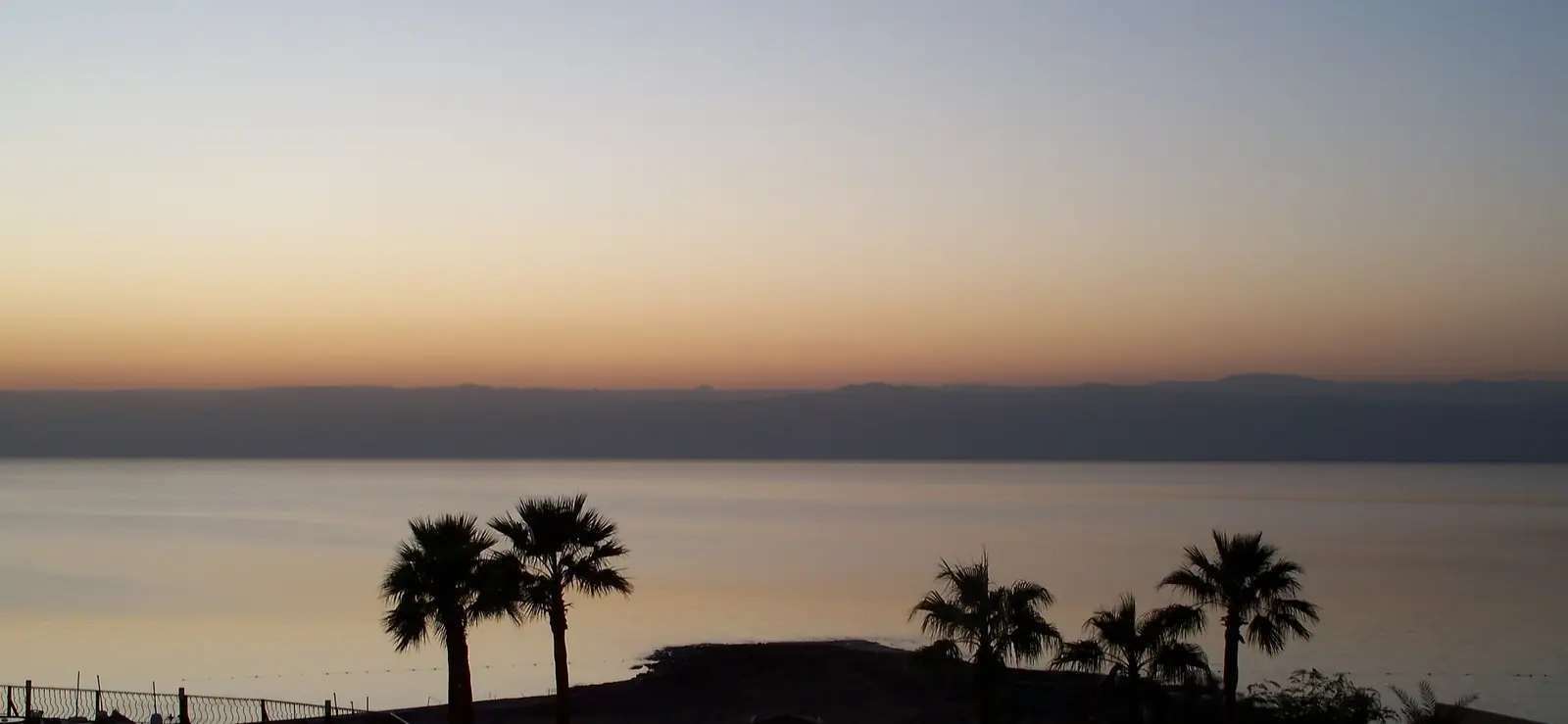
Float effortlessly on mineral-rich water at the lowest point on land, framed by golden mountains and soft evening light.
 04
Jerash
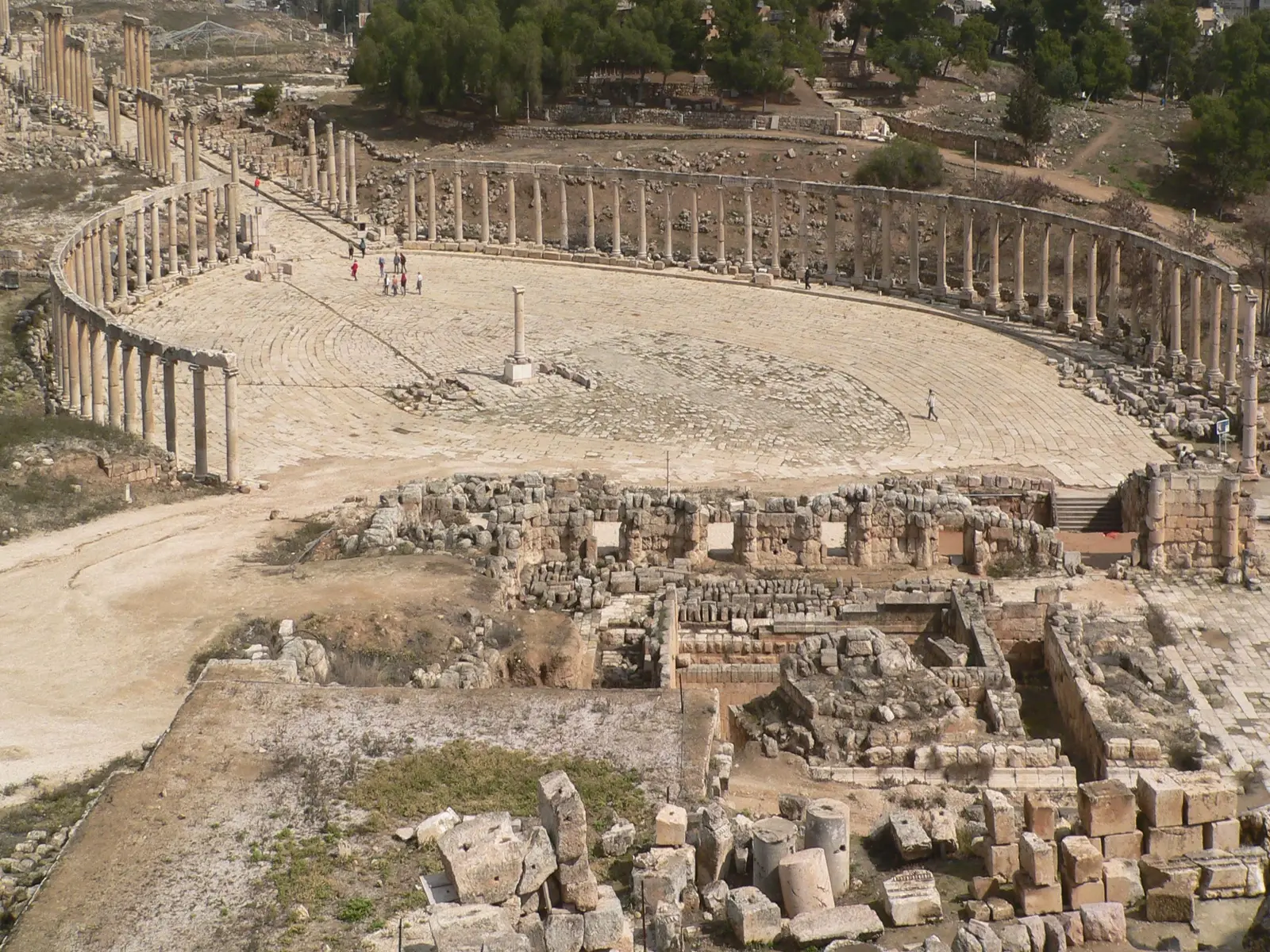
One of the best-preserved Roman provincial cities anywhere, with colonnaded streets, grand temples and theatres among green hills.
 05
Amman
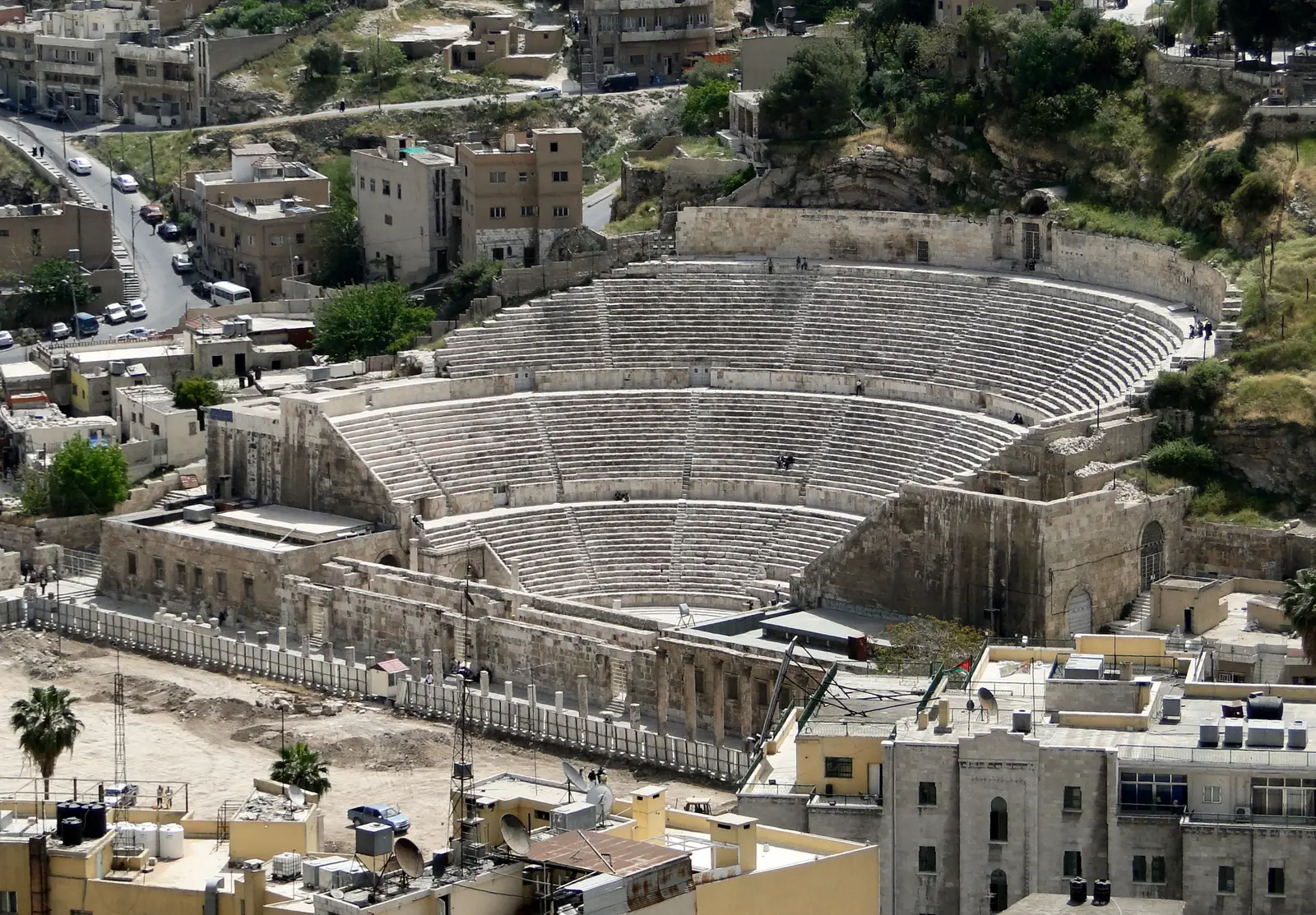
A city of white stone spread over hills, where Roman ruins, lively markets and modern cafes share the same streets.
 06
As-Salt
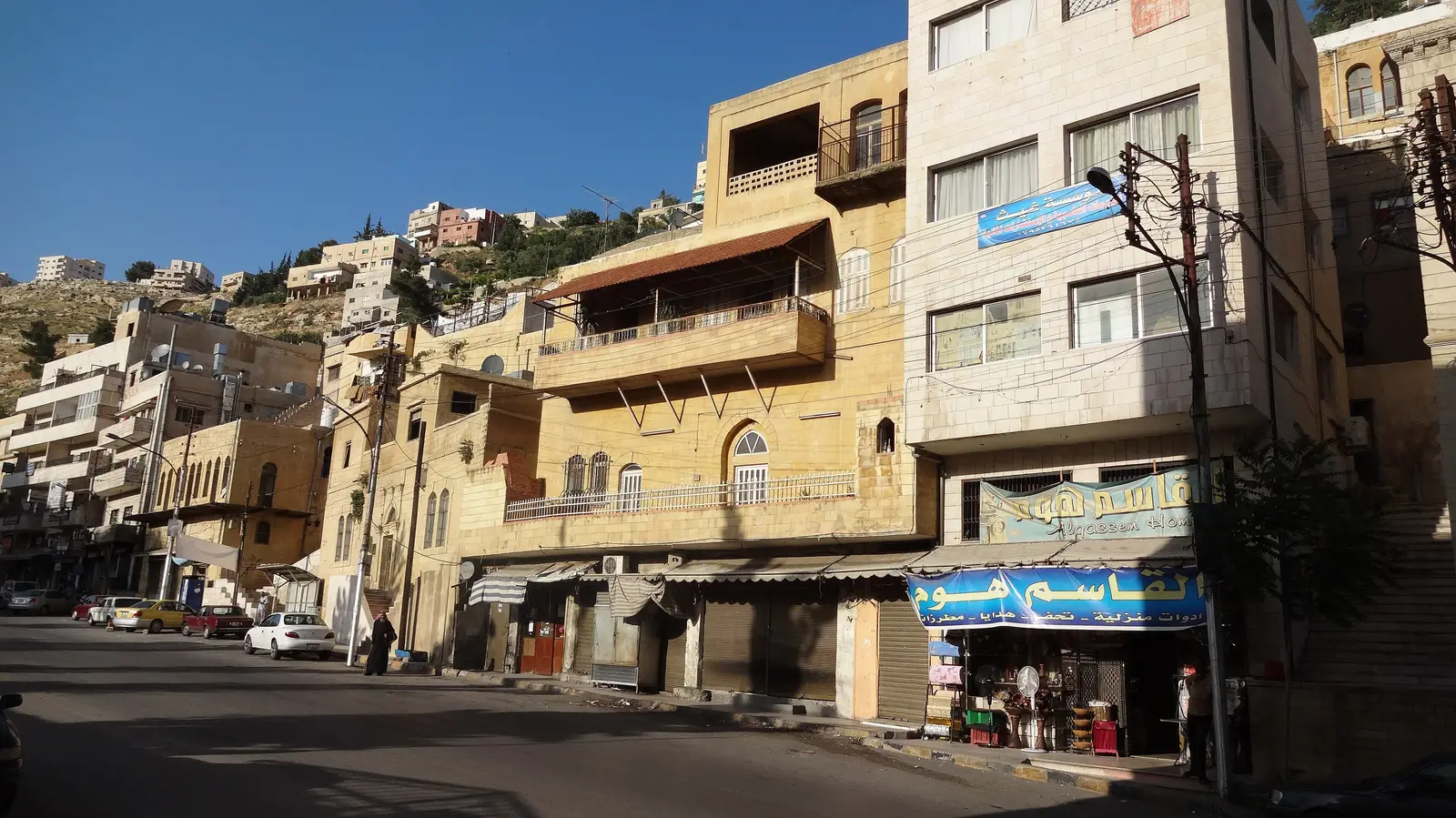
A hillside town of honey-coloured stone, celebrated by UNESCO for its long tradition of tolerance and warm hospitality.
 07
Aqaba
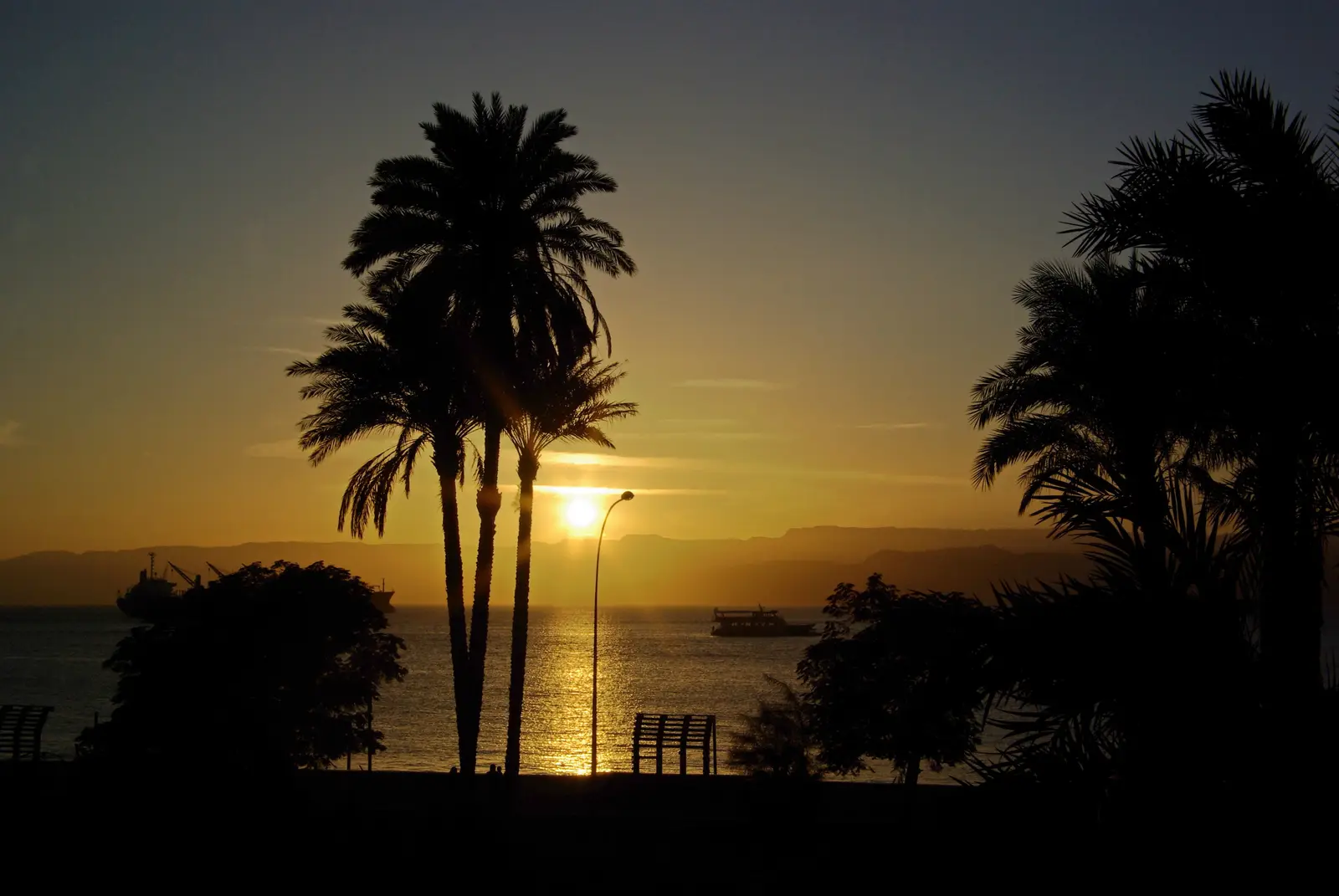
Jordan's only coastal city, where warm Red Sea waters hide vivid coral reefs just a few steps from the shore.