Desert Castles
East of Amman the land opens into a wide stony desert, and across it lie the so-called Desert Castles. Most date from the Umayyad period, in the seventh and eighth centuries, and they include bathhouses, lodges, forts and travellers' stops. A loop through them reveals painted walls, mysterious buildings and a desert oasis full of birds.
Desert Castles is a modern name for a group of very different buildings. Some were country retreats where Umayyad princes could hunt, bathe, meet with local tribes and enjoy the open desert. Others served as forts, inns for travellers or farming estates. Several were built on older Roman foundations along ancient routes. Together they offer a rare view of early Islamic art and architecture set in a dramatic and empty landscape.
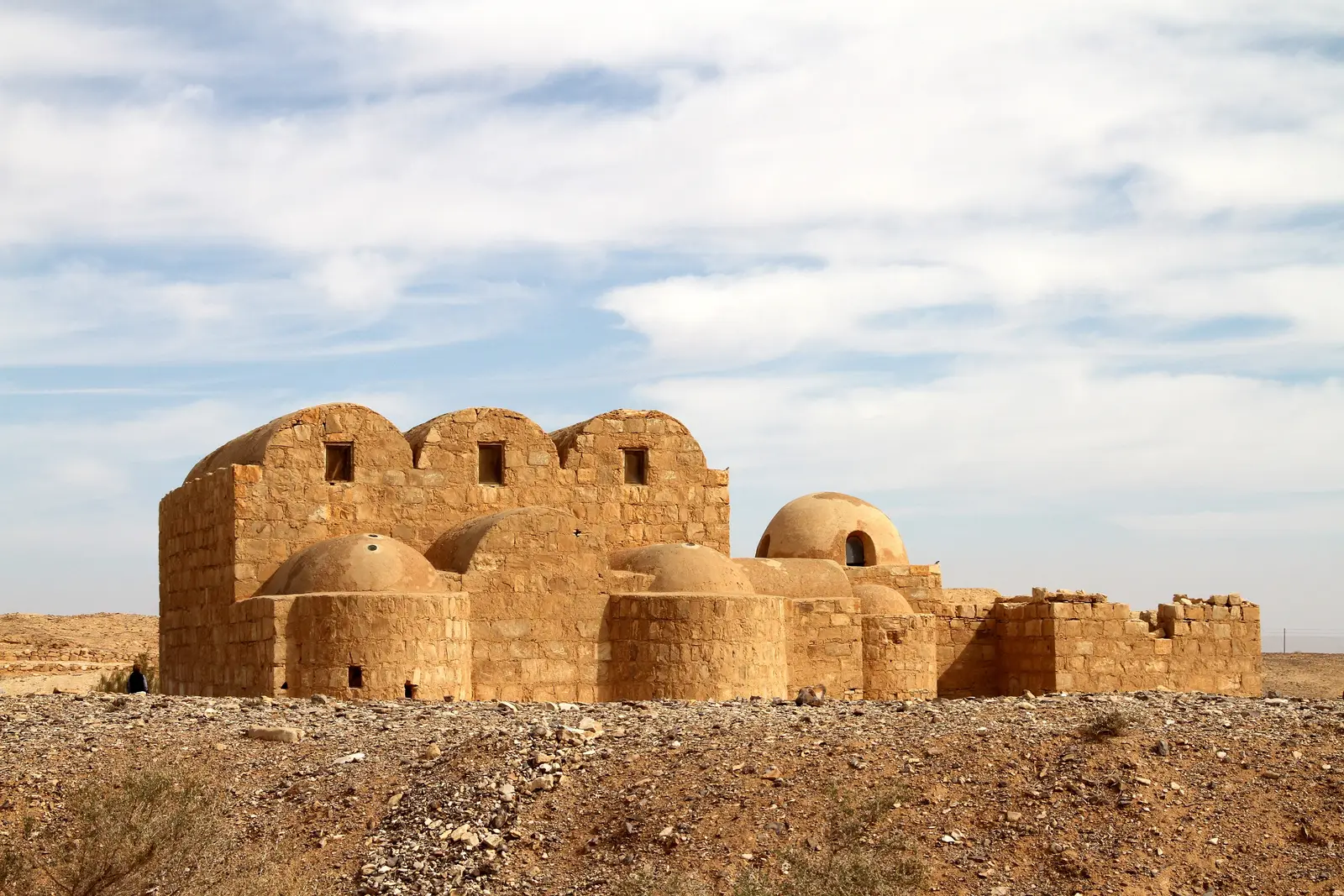
The highlight is Qusayr Amra, a small bathhouse and hall built in the early eighth century and listed by UNESCO in 1985. Its interior walls and ceilings are covered with remarkable frescoes showing hunting scenes, musicians, dancers, animals, craftsmen and moments of daily life. In the bath, a painted dome depicts the night sky with constellations and signs of the zodiac, one of the earliest surviving images of the heavens painted on a dome.
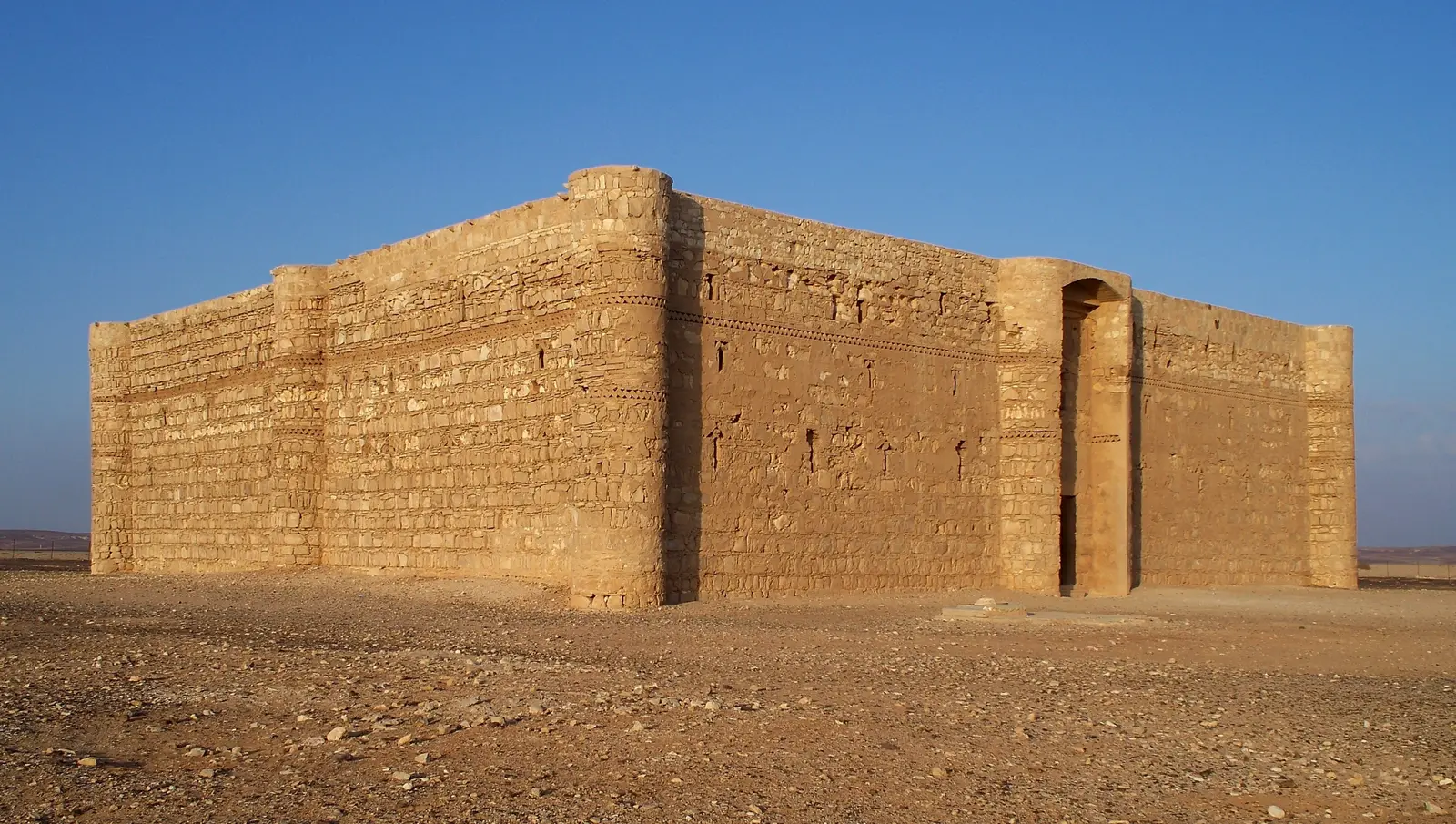
Qasr Kharana, standing alone on the plain, looks like a fortress but was probably a meeting place or rest house. Its two storeys of rooms surround a central courtyard, and a painted inscription inside dates to the early eighth century. Further north, Qasr al-Hallabat began as a Roman fort and was later transformed into an elegant Umayyad complex with mosaics and a mosque, with the bathhouse of Hammam as-Sarah nearby.
At the eastern end of the loop lies Azraq, a desert oasis. Azraq Fort, built of black basalt, dates in its present form mainly to the thirteenth century, on foundations reaching back to Roman times. Nearby, the Azraq Wetland Reserve protects pools and marshes that attract migrating birds, and wooden boardwalks lead through the reeds. The Shaumari Wildlife Reserve, a short drive to the south, was created to help bring back the Arabian oryx and other desert animals.
Highlights
- 1The frescoes and painted zodiac dome of Qusayr Amra
- 2The solid, mysterious walls of Qasr Kharana
- 3Qasr al-Hallabat and the bathhouse of Hammam as-Sarah
- 4The black basalt Azraq Fort
- 5Birdwatching from the boardwalks of the Azraq Wetland Reserve
- 6Arabian oryx at the Shaumari Wildlife Reserve
Frequently asked questions
What are the Desert Castles of Jordan?
The Desert Castles are a group of buildings in the eastern desert, most of them built by the Umayyad caliphs in the seventh and eighth centuries. Despite the name, many were not military castles but palaces, bathhouses, hunting lodges, caravan stops and agricultural estates. Together they show the art, architecture and daily life of early Islamic rulers.
Which desert castles are most worth visiting?
Qusayr Amra, a UNESCO World Heritage Site, is the highlight, with remarkable wall paintings of hunting scenes, musicians and the night sky. Qasr al-Kharana is the most fortress-like and very well preserved. Qasr al-Azraq, built of black basalt, served as a base for T. E. Lawrence. Qasr al-Hallabat and the bathhouse of Hammam as-Sarah are also rewarding.
Can you visit the desert castles in one day from Amman?
Yes. A popular loop leaves Amman eastwards to Qasr al-Kharana and Qusayr Amra, continues to Azraq, and returns through Zarqa past Qasr al-Hallabat. The full loop is roughly 250 kilometres and takes most of a day, including visits. Start early, especially in warmer months, and consider adding the Azraq Wetland Reserve.
How do I get to the desert castles without a car?
Public transport to the desert castles is very limited, and the sites are far apart. The easiest options are to hire a taxi or private driver for the day from Amman or to join an organised tour. Agree on the route, the sites and the length of the trip clearly before you set off.
What should I bring on a desert castles trip?
Bring plenty of water, snacks, a hat, sunglasses and sunscreen, as there are few services along the route except in Azraq. Start with a full fuel tank if you are driving. In winter, bring a warm layer, because the desert can be cold and windy. Binoculars are useful if you plan to visit the wetland reserve.
Is the desert castles trip suitable for children?
Yes, although the trip involves long drives. Children often enjoy the painted walls of Qusayr Amra, the towers of Qasr al-Kharana and the basalt gates of Qasr al-Azraq. Break up the journey with a stop at the Azraq Wetland Reserve or the Shaumari Wildlife Reserve, where they can see birds and animals.
Continue the journey
 01
Petra
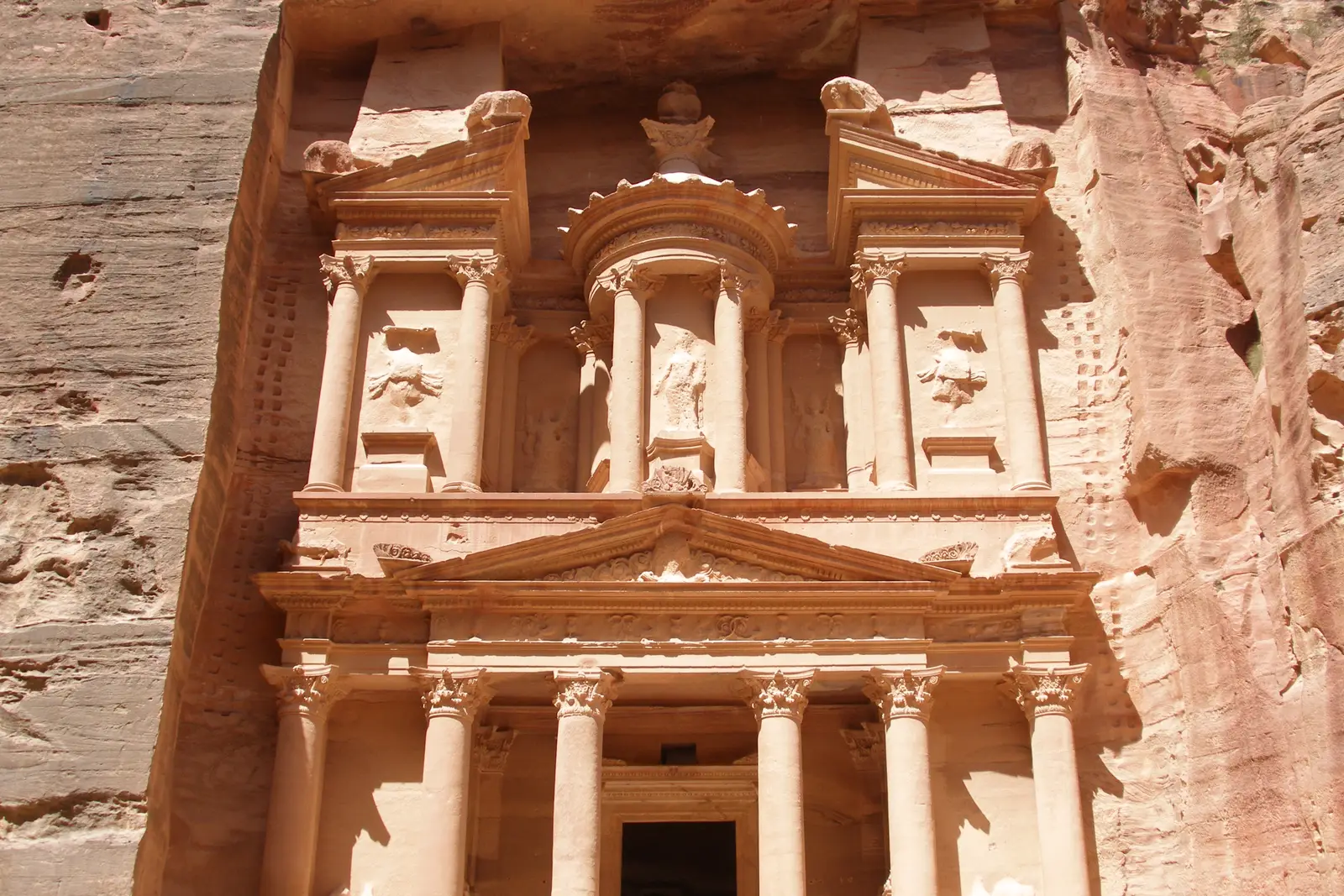
A Nabataean city carved into rose-red cliffs, reached through a narrow, winding canyon that opens onto the Treasury.
 02
Wadi Rum
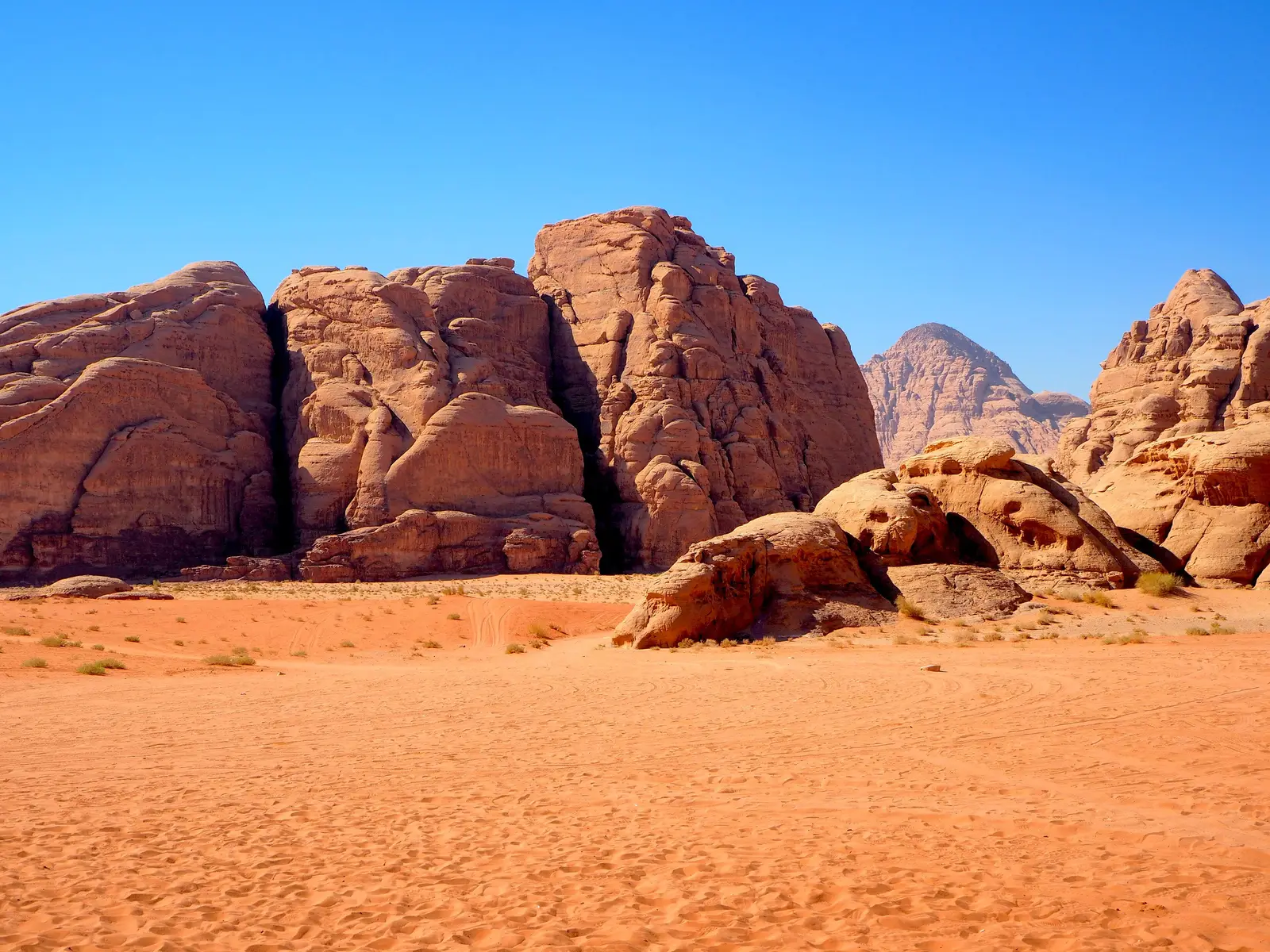
A vast desert of red sand, towering sandstone mountains and silent valleys, where Bedouin camps glow under brilliant stars.
 03
Dead Sea
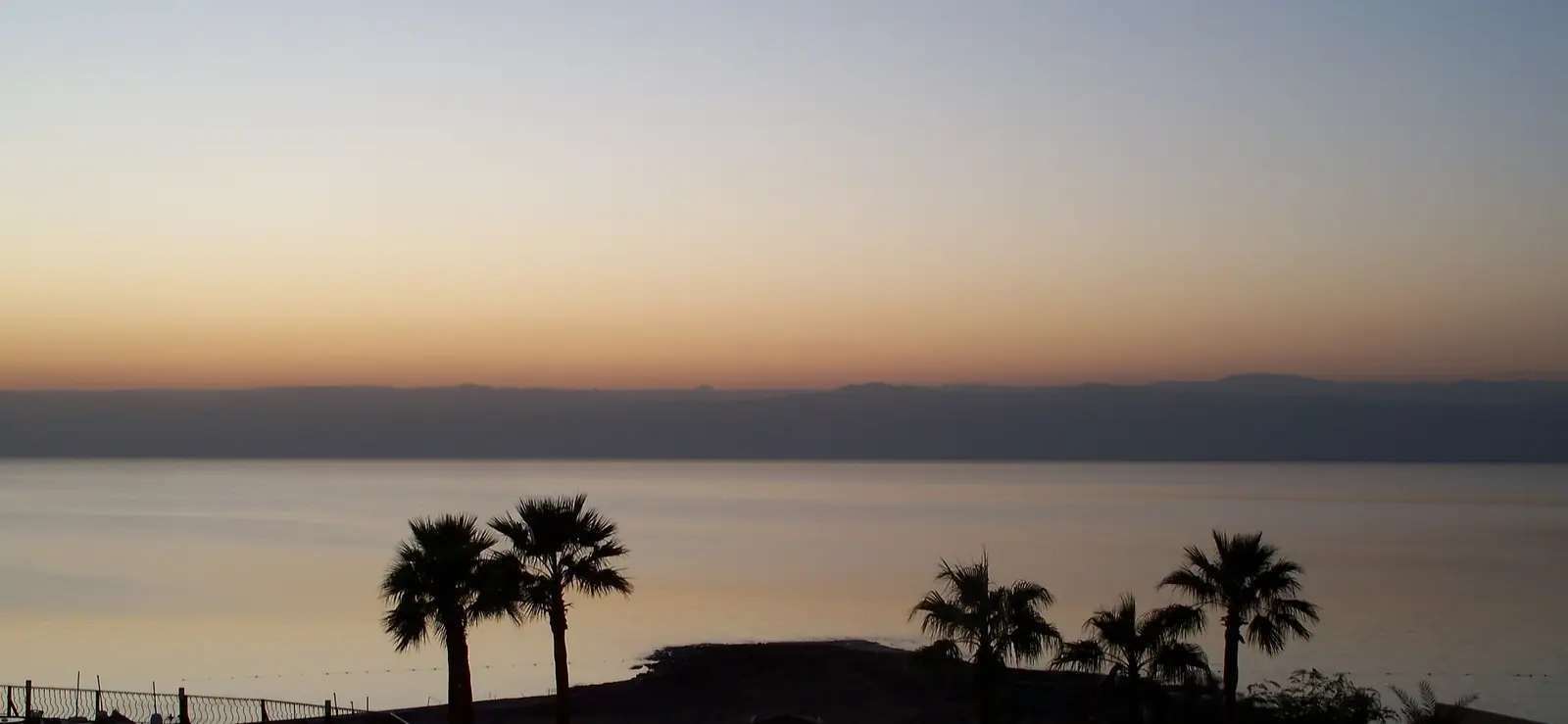
Float effortlessly on mineral-rich water at the lowest point on land, framed by golden mountains and soft evening light.
 04
Jerash
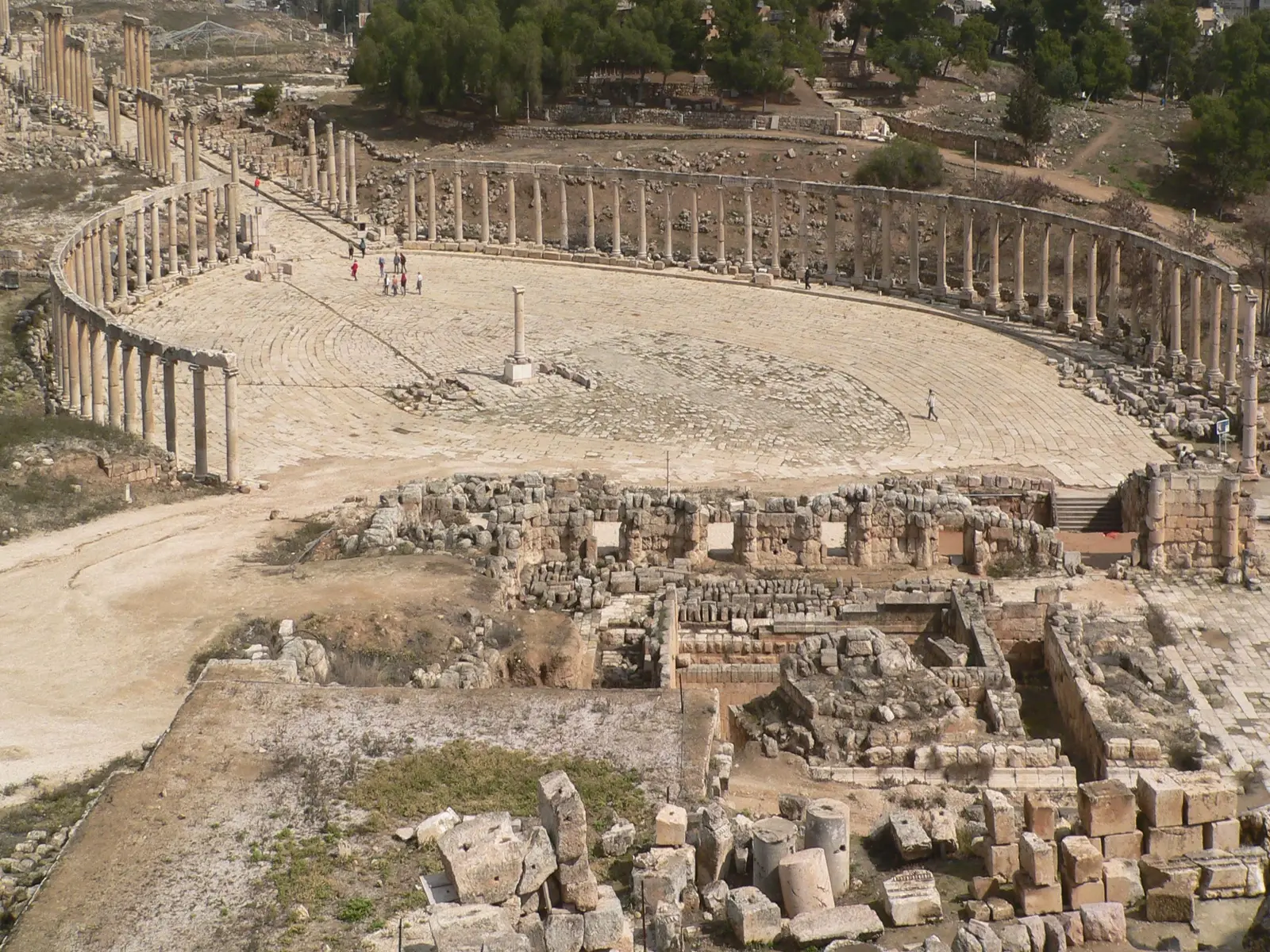
One of the best-preserved Roman provincial cities anywhere, with colonnaded streets, grand temples and theatres among green hills.
 05
Amman
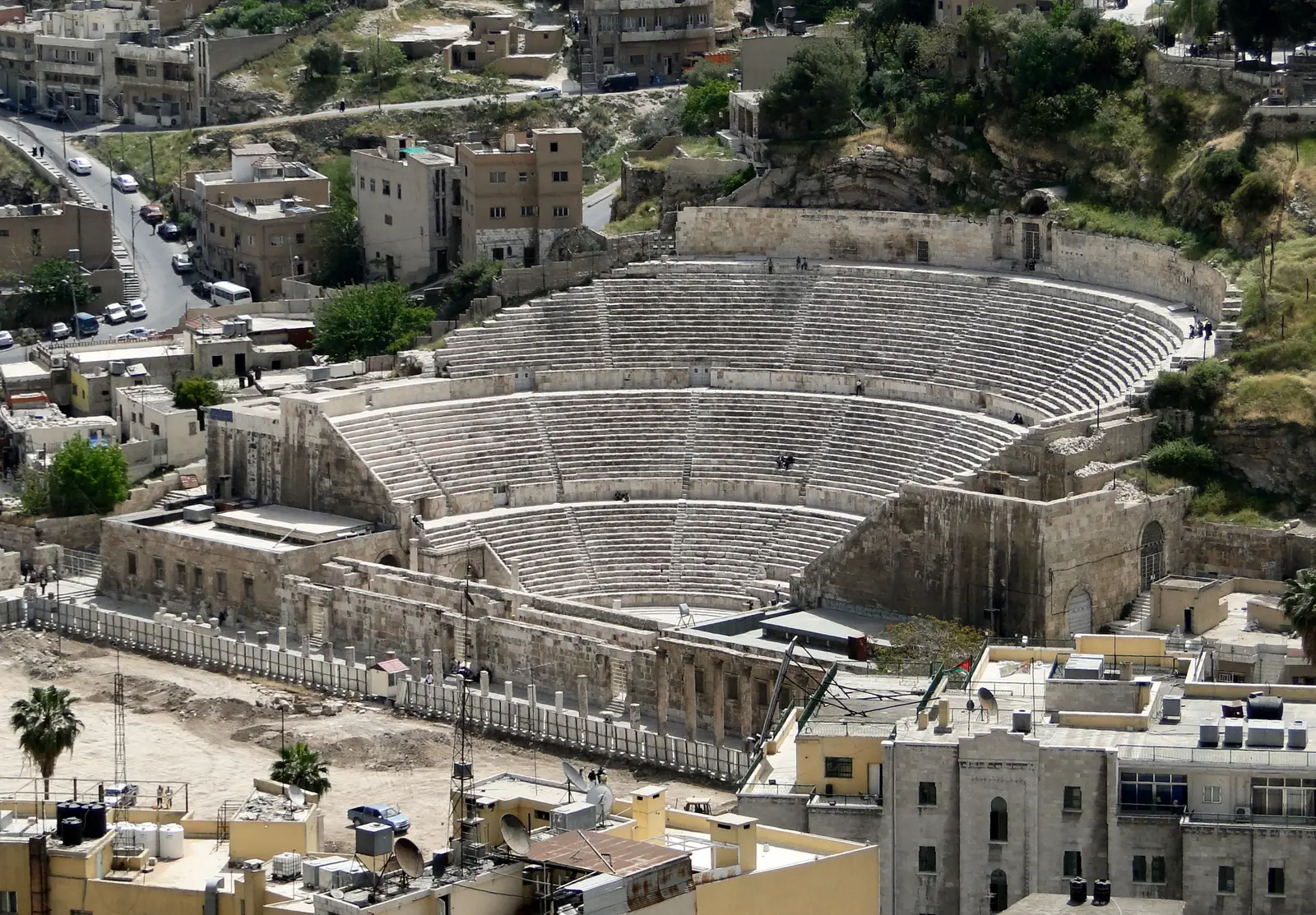
A city of white stone spread over hills, where Roman ruins, lively markets and modern cafes share the same streets.
 06
As-Salt
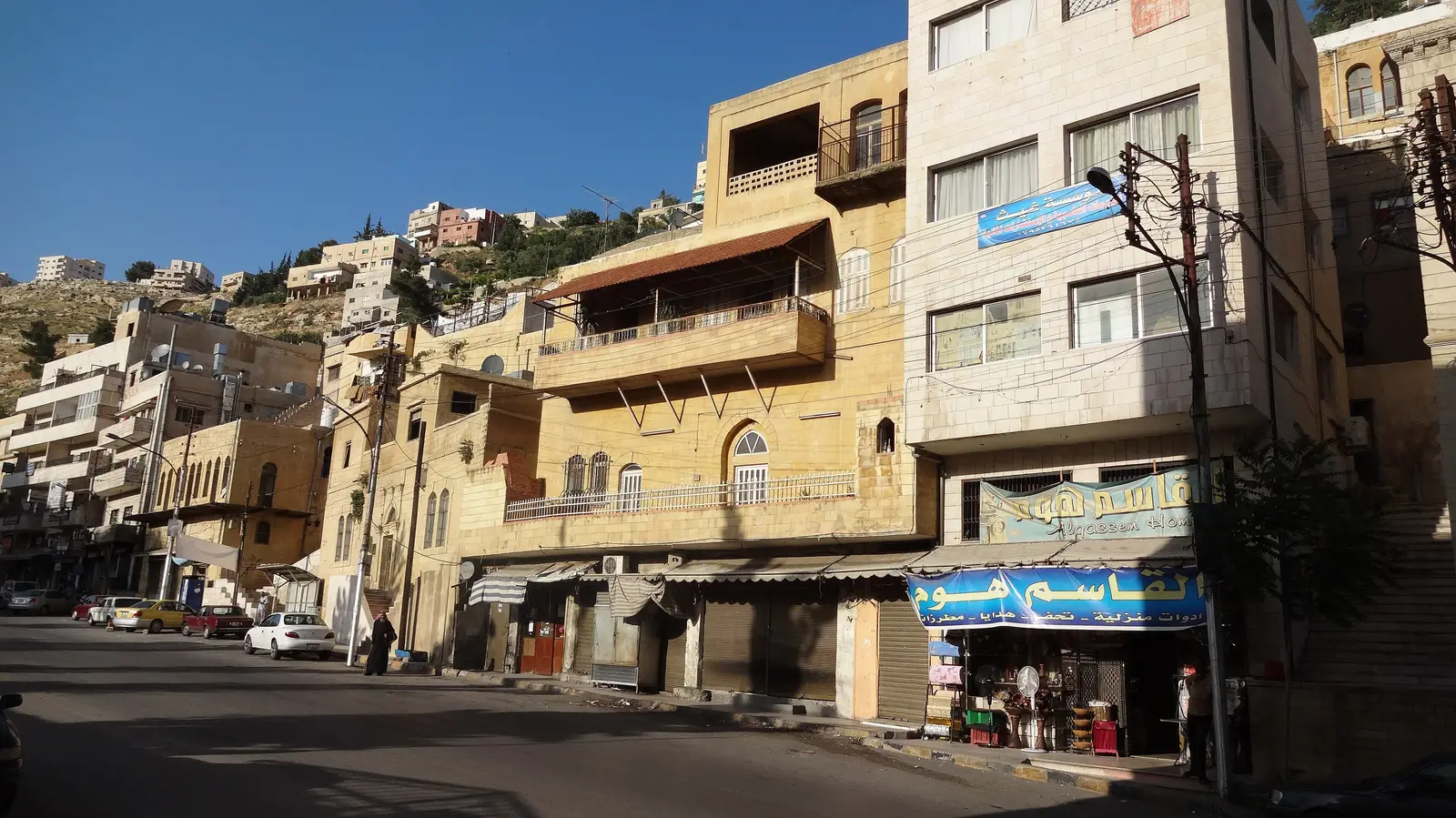
A hillside town of honey-coloured stone, celebrated by UNESCO for its long tradition of tolerance and warm hospitality.
 07
Aqaba
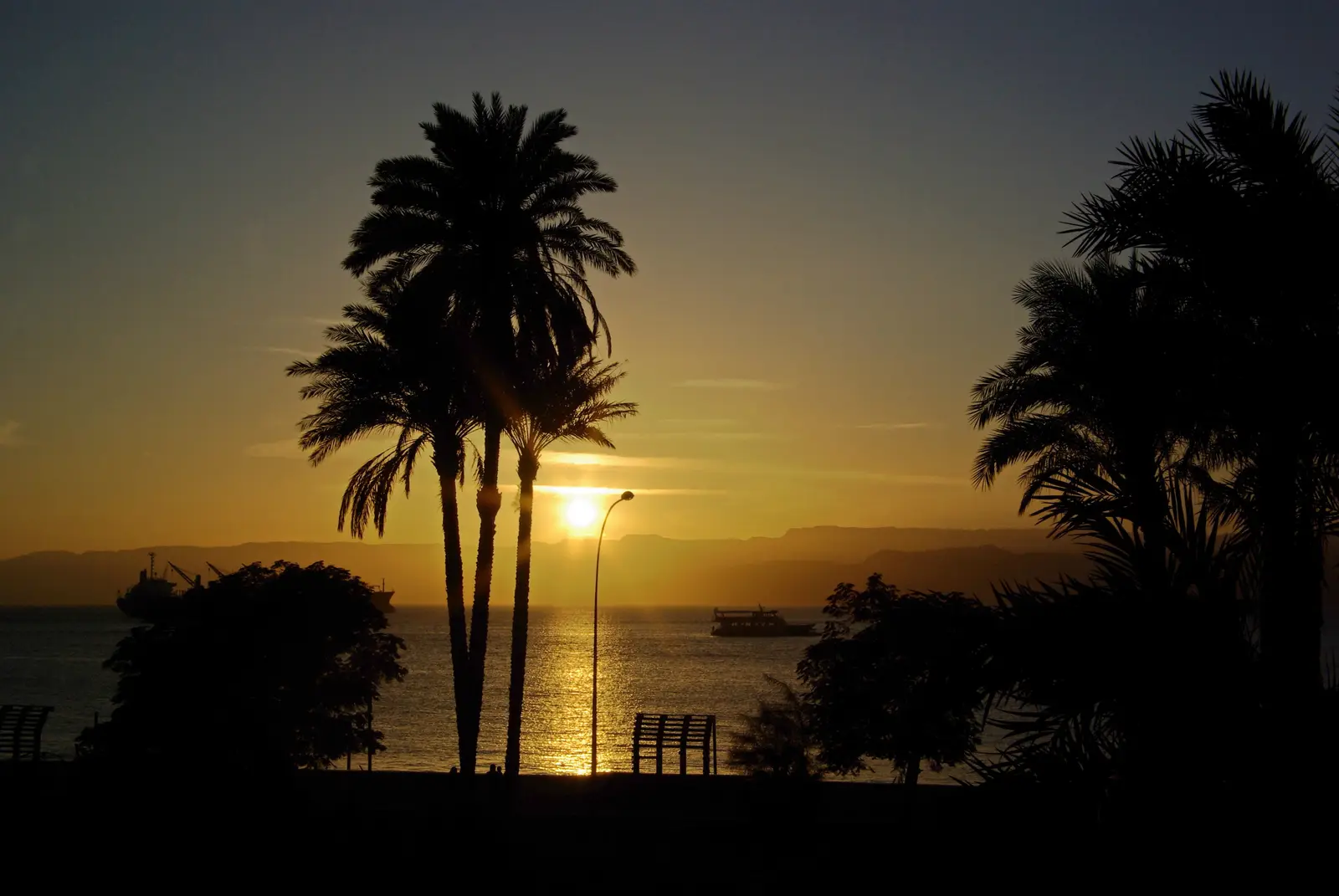
Jordan's only coastal city, where warm Red Sea waters hide vivid coral reefs just a few steps from the shore.
 08
Wadi Mujib
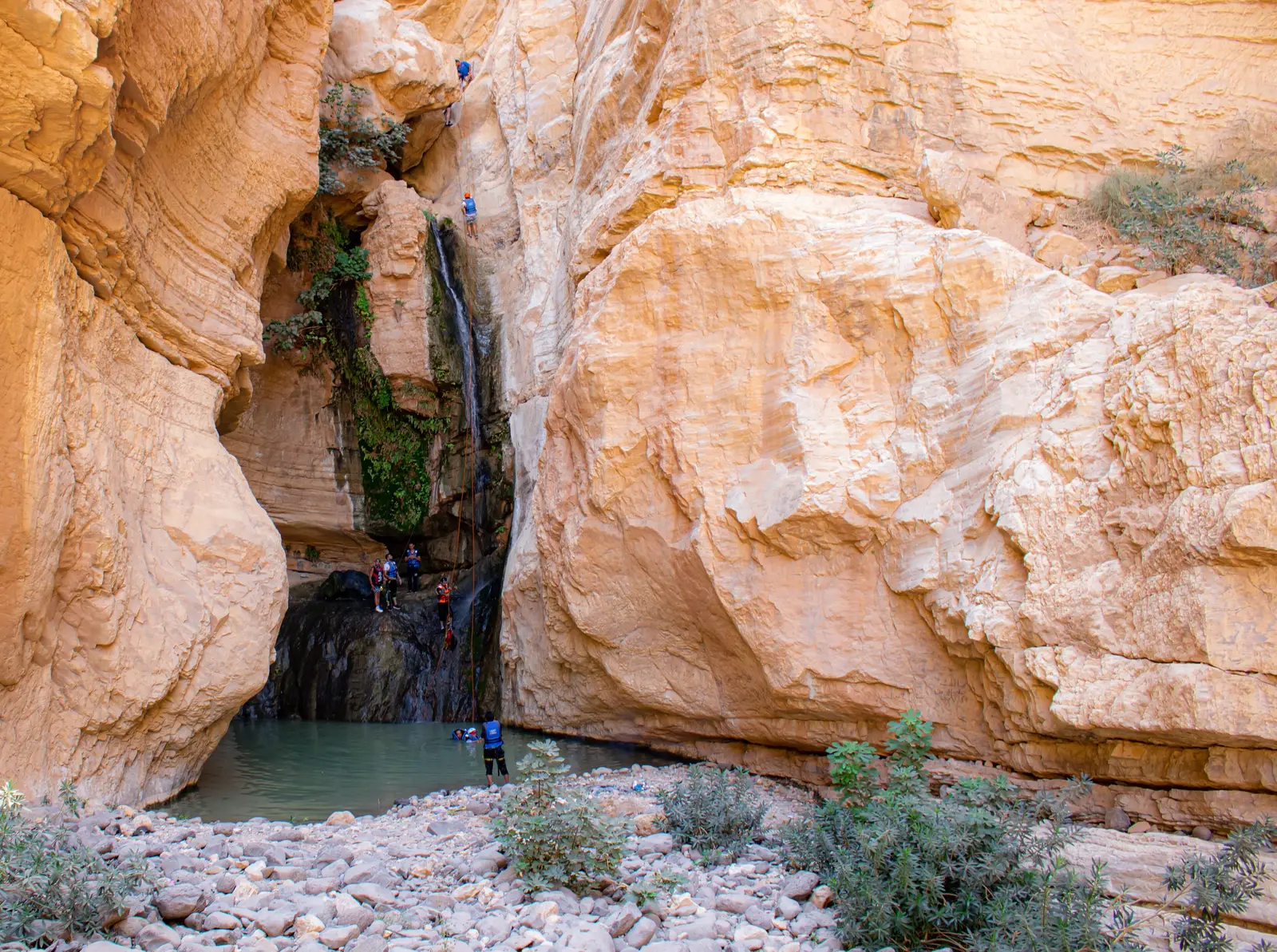
Wade and swim through a towering sandstone gorge to a roaring waterfall in the lowest nature reserve on Earth.