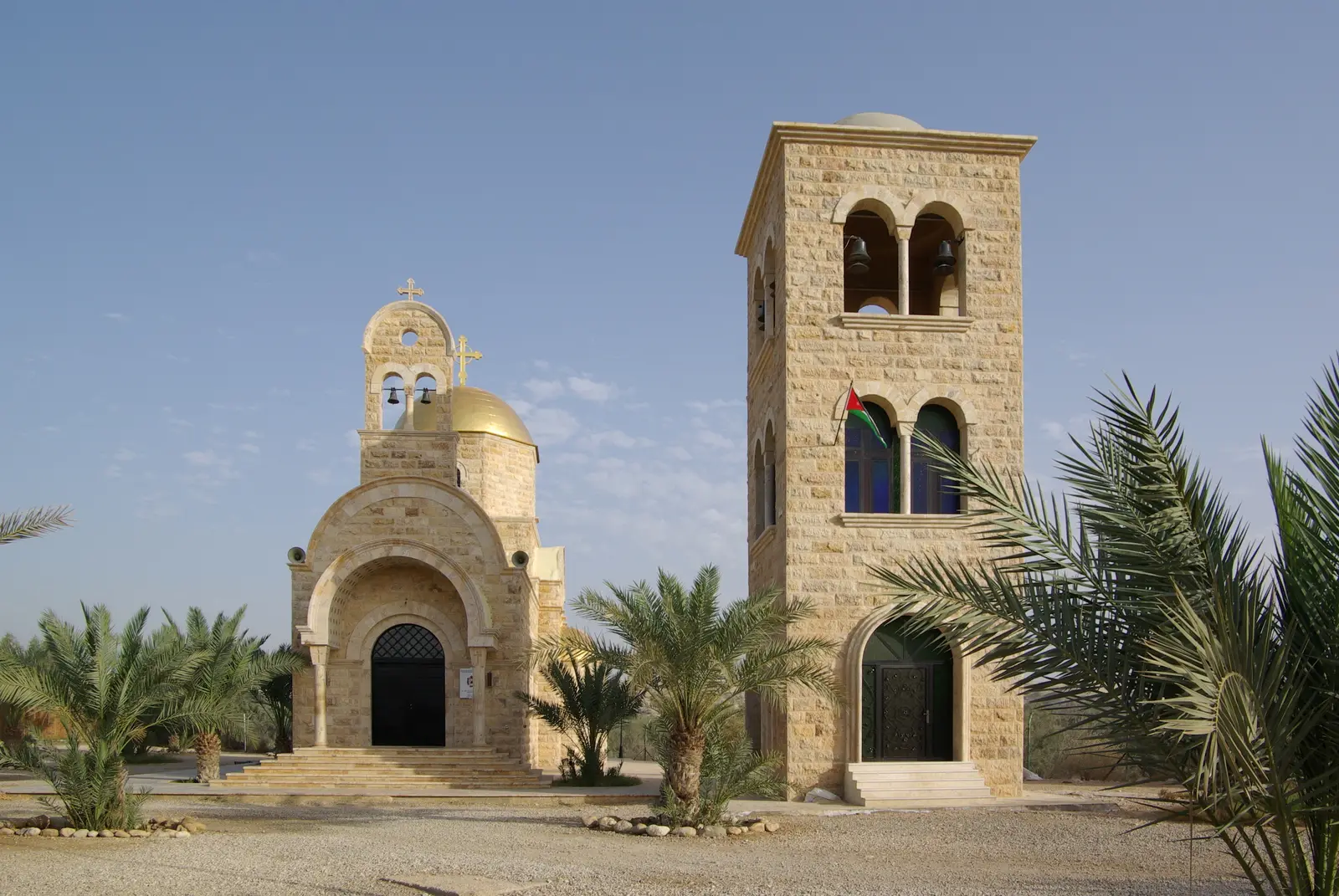
Baptism Site
In a quiet green corner of the Jordan Valley, tamarisk trees and reeds line the banks of the Jordan River. This is Bethany Beyond the Jordan, known in Arabic as Al-Maghtas, a word that means immersion or baptism. For Christians around the world it is one of the most sacred places on Earth, and its stillness touches visitors of every background.
According to Christian tradition, this is where John the Baptist lived and preached and where he baptised Jesus. The Gospel of John mentions a place called Bethany beyond the Jordan, and pilgrims recorded visiting churches here from the Byzantine period onward. John and Jesus are also honoured as prophets in Islam. The area is linked as well with the Prophet Elijah, who, according to the Bible, was taken up to heaven nearby. In 2015 UNESCO inscribed the site on the World Heritage List.
The site has two main areas. Tell al-Kharrar, also called Jabal Mar Elias, is a small hill where archaeologists uncovered the remains of churches, a monastery, pools and water systems used by early Christian communities. Closer to the river lie the remains of Byzantine churches built around the spot traditionally identified as the place of the baptism, with steps that once led down to the water.
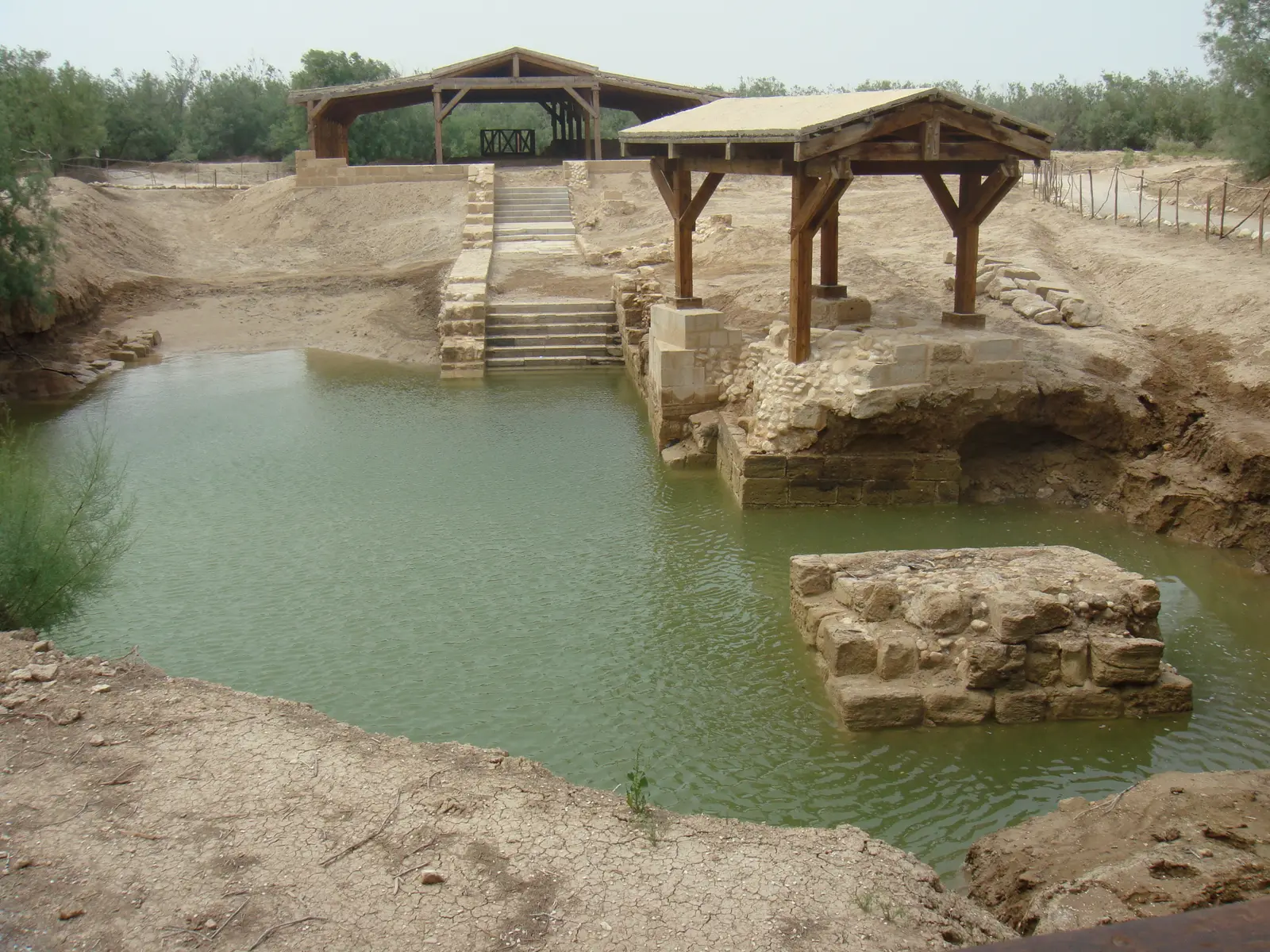
Visits are made with a guide, who leads small groups along shaded paths through the natural landscape. Along the way you see excavated ruins, ancient pools and caves once used by hermits. The walk ends at the bank of the Jordan River, where visitors can touch the water, and some pilgrims choose to be baptised or to renew their baptismal vows. Nearby, several modern churches representing different Christian traditions stand among the trees.
Many religious leaders and countless pilgrims have come here, and it remains a place for reflection rather than sightseeing. Its natural setting is part of its beauty, with birds among the reeds and the calm, slow-moving river. A visit combines easily with the Dead Sea, which lies only a short drive to the south, and with Mount Nebo and Madaba in the hills above the valley.
Highlights
- 1The traditional site of the baptism of Jesus
- 2Tell al-Kharrar (Jabal Mar Elias) and its early Christian remains
- 3Byzantine church ruins near the river
- 4Touching the waters of the Jordan River
- 5Modern churches of different Christian traditions
- 6The quiet natural landscape of reeds and tamarisk trees
Gallery
Frequently asked questions
Where was Jesus baptised?
Many churches and scholars identify Bethany Beyond the Jordan, on the east bank of the Jordan River, as the place where John baptised Jesus. Excavations around Wadi al-Kharrar uncovered Roman and Byzantine churches, baptismal pools and hermit caves, showing that pilgrims have come here for many centuries. The site became a UNESCO World Heritage Site in 2015 and has been visited by several popes.
Can you touch the water of the Jordan River at the Baptism Site?
Yes. Visitors can reach the river at a designated point with steps leading down to the water. The Jordan is narrow here, and the water is often muddy brown. Some pilgrims dip their hands or feet, and some groups hold baptism or renewal ceremonies with their own clergy. If you wish to be baptised, ask about arrangements in advance.
How long does a visit to the Baptism Site take?
Plan around two to three hours. Visits begin at the visitor centre and follow a guided route by shuttle and on foot, passing the ancient church remains, the baptismal pools and the river. Allow extra time if you want to visit the modern churches near the river or spend time in prayer.
How do I get to the Baptism Site from Amman?
The Baptism Site is about 50 kilometres west of Amman in the Jordan Valley, around one hour by car. It is only about 15 to 20 minutes from the Dead Sea hotels, so many travellers combine the two. There is no regular public transport to the site, so most people come by taxi, with a private driver or on an organised tour.
What should I wear to the Baptism Site?
Dress modestly, with shoulders and knees covered, as this is an active place of worship and pilgrimage. Light, loose clothing is best because the valley floor is hot for much of the year. Bring a hat, sunscreen and water, and wear comfortable shoes for the dusty paths between the shuttle stops and the river.
Is the Baptism Site suitable for children?
Yes. The paths are mostly flat, and the shuttle reduces the walking distance. Children often enjoy seeing the river and the ancient pools. Keep them close near the water's edge, and protect them from the sun and heat, especially between May and September, when a morning visit is best.
Continue the journey
 13
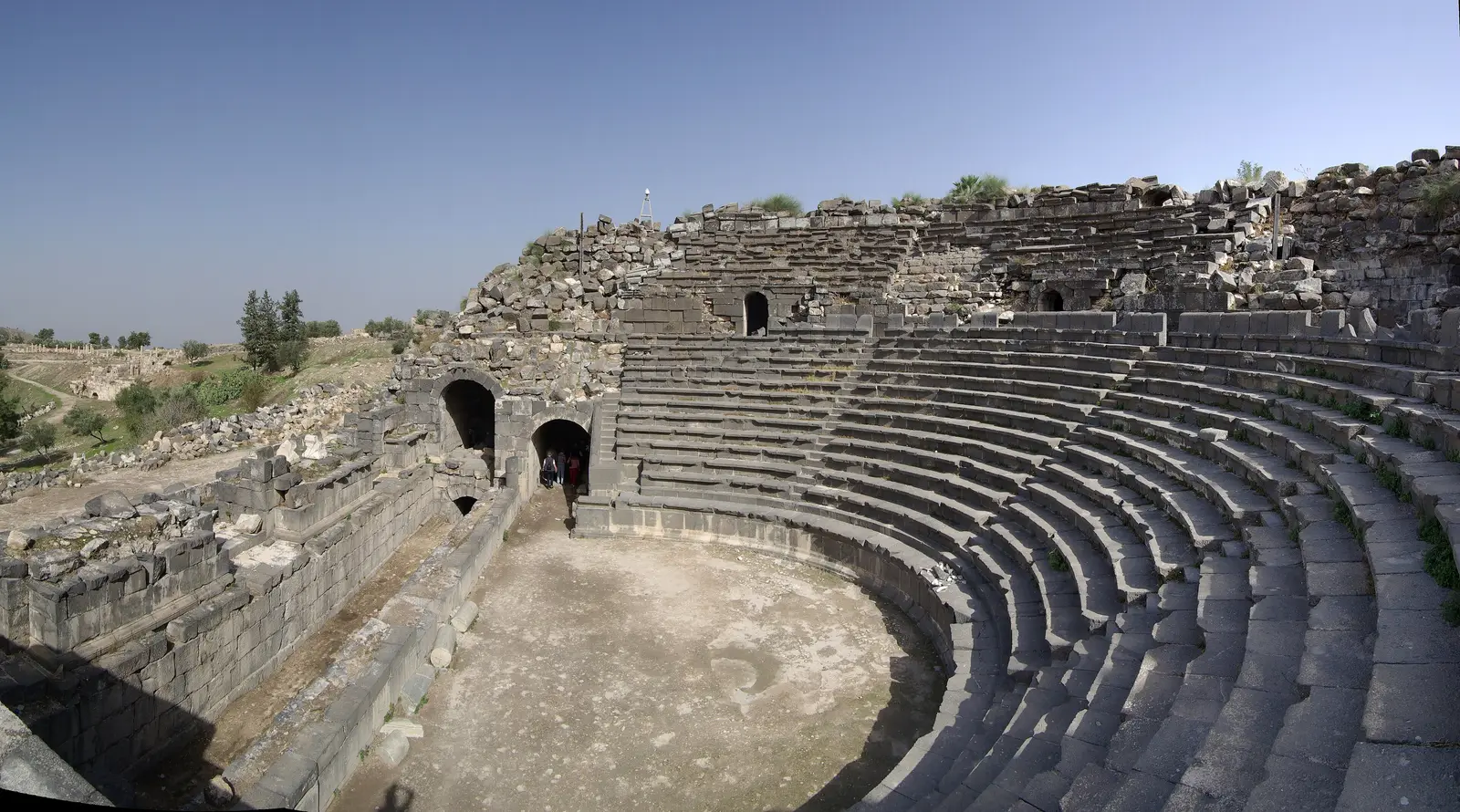
Umm Qais
Basalt ruins of ancient Gadara perched high above the Jordan Valley, with sweeping views toward the Sea of Galilee.
 14
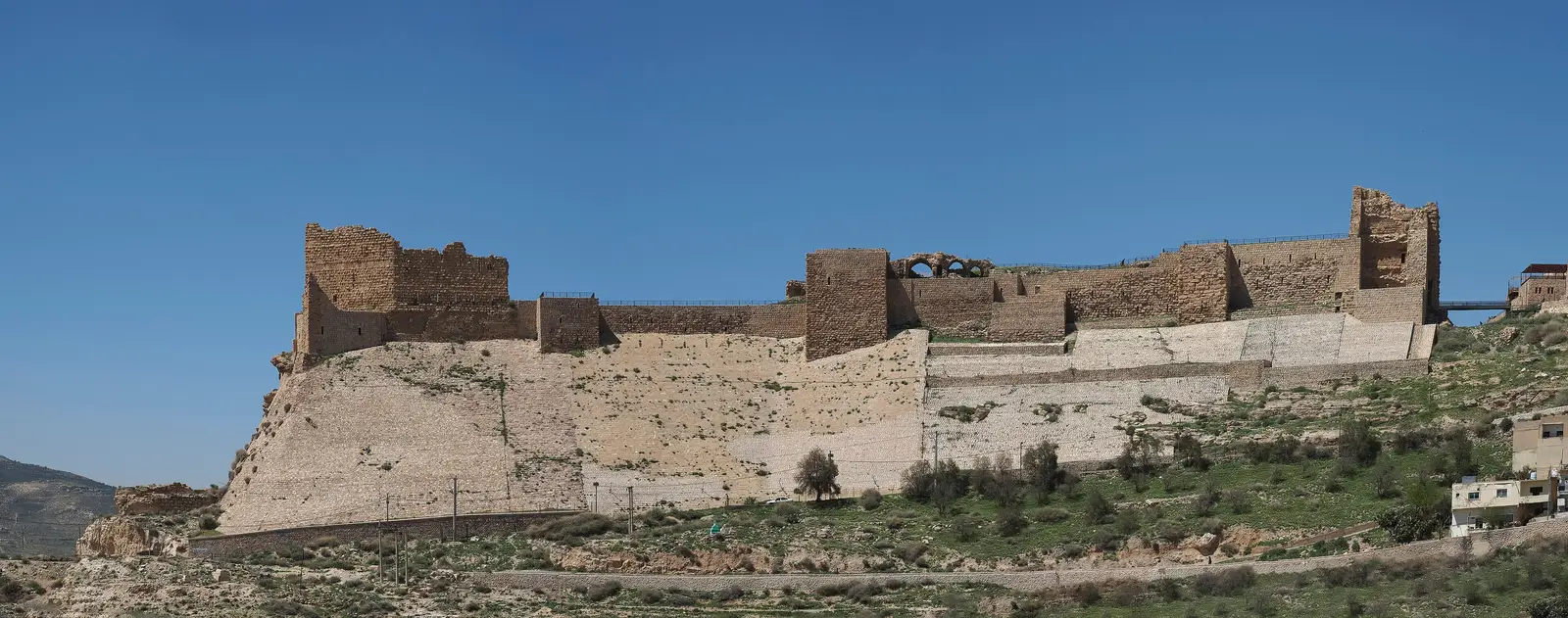
Kerak Castle
A vast medieval fortress on a mountain spur, full of dark vaulted halls and wide views over the surrounding valleys.
 15
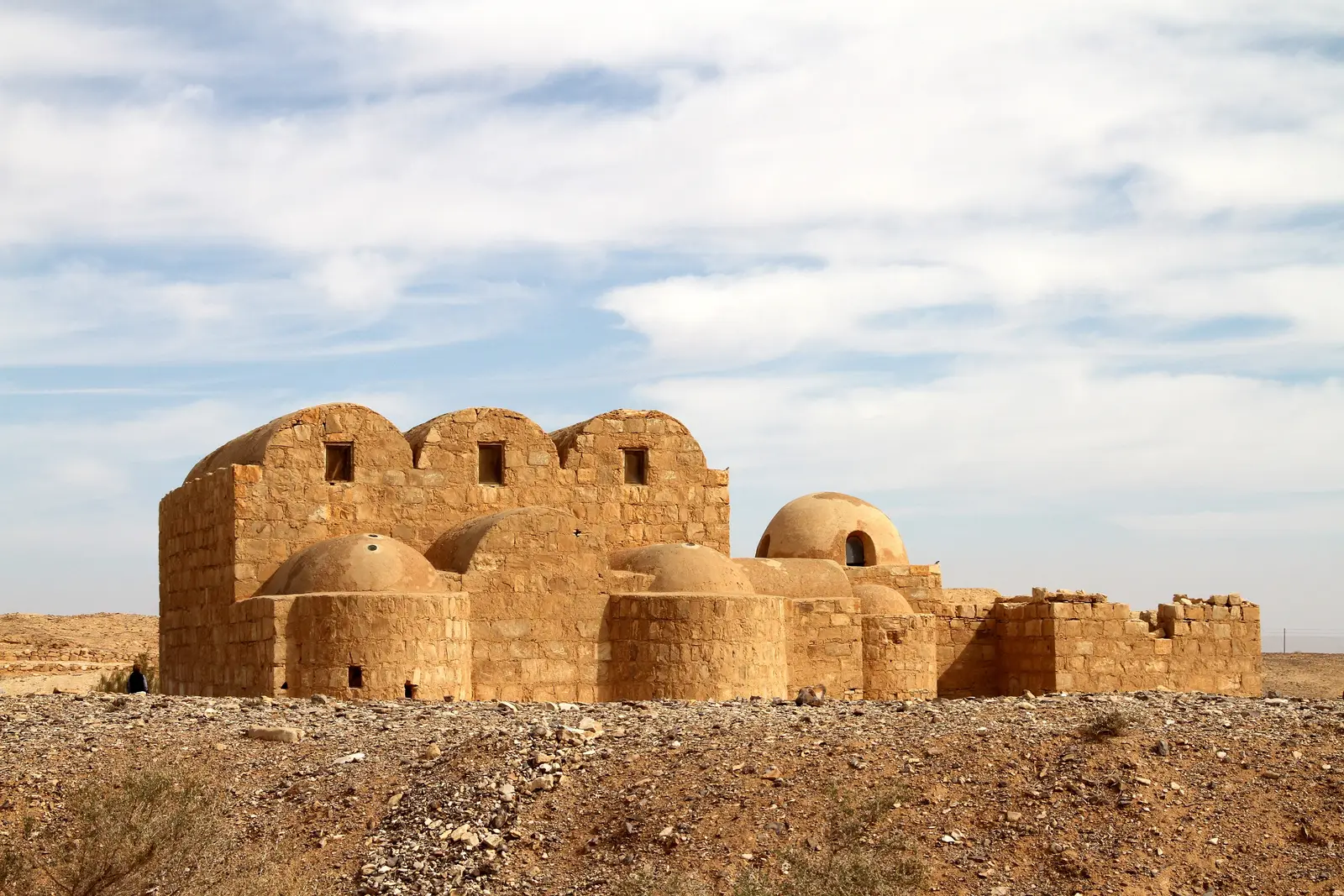
Desert Castles
Early Islamic palaces, baths and forts scattered across the eastern desert, with rare frescoes and a hidden oasis.
 01
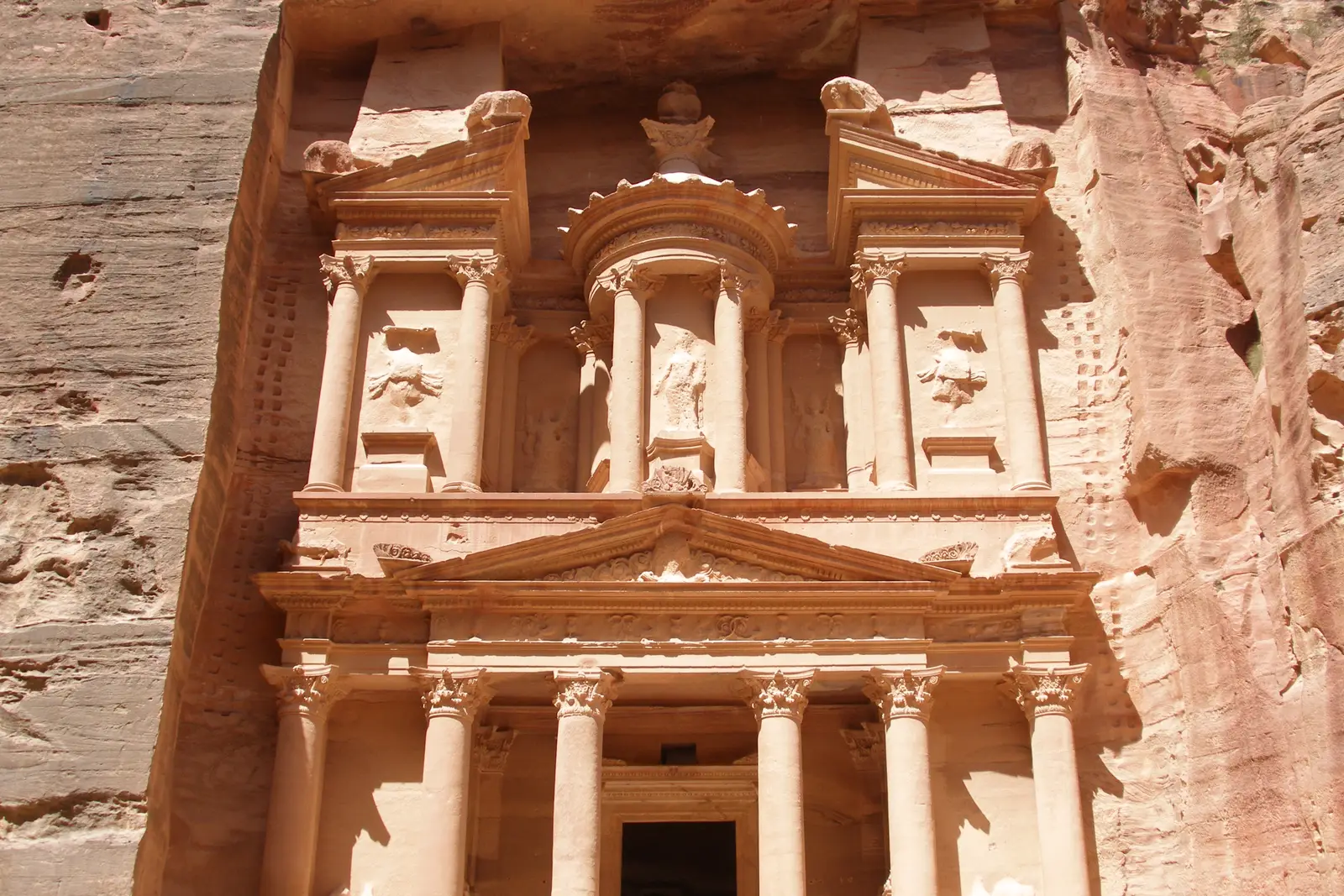
Petra
A Nabataean city carved into rose-red cliffs, reached through a narrow, winding canyon that opens onto the Treasury.
 02
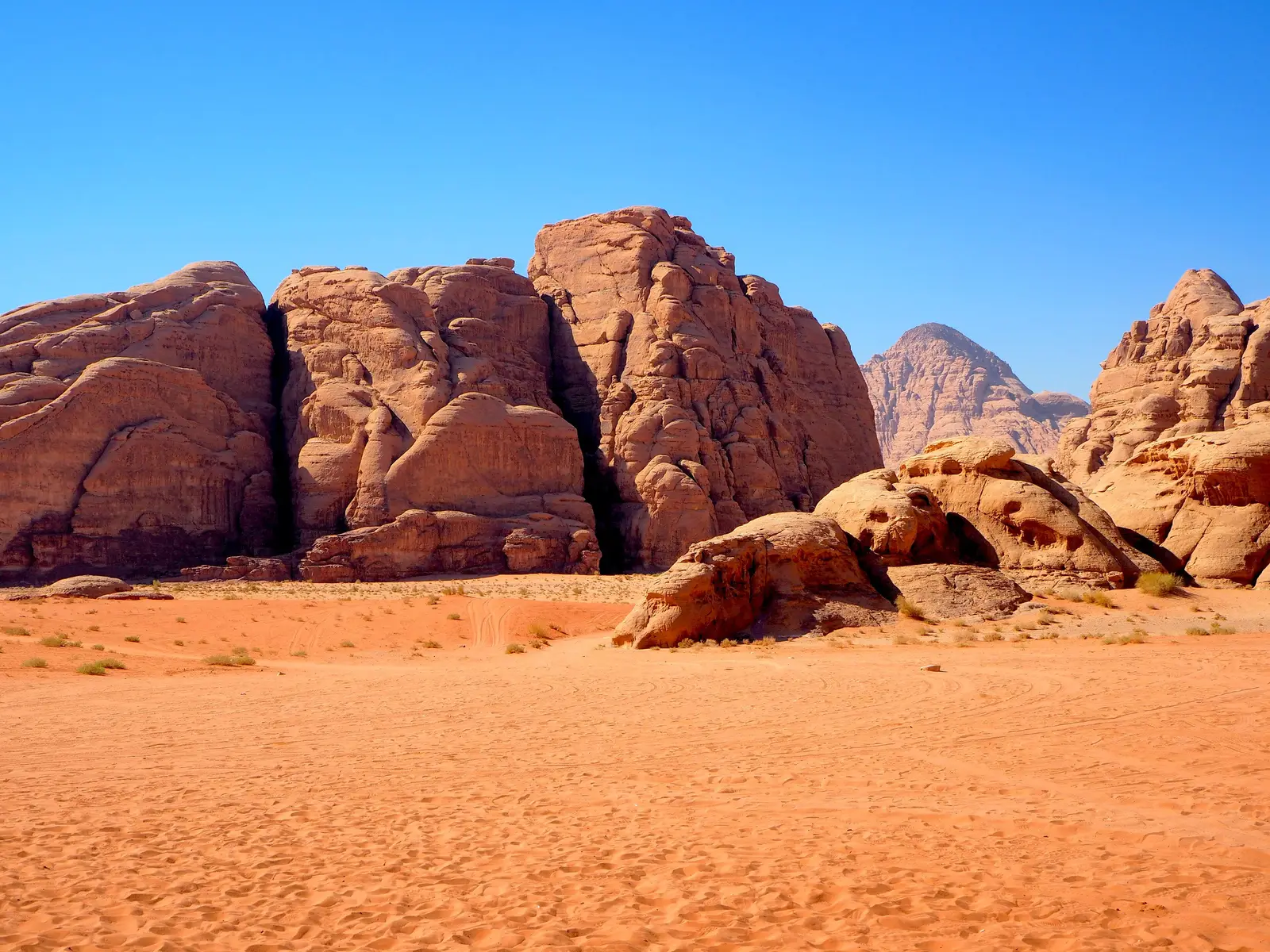
Wadi Rum
A vast desert of red sand, towering sandstone mountains and silent valleys, where Bedouin camps glow under brilliant stars.
 03
Dead Sea
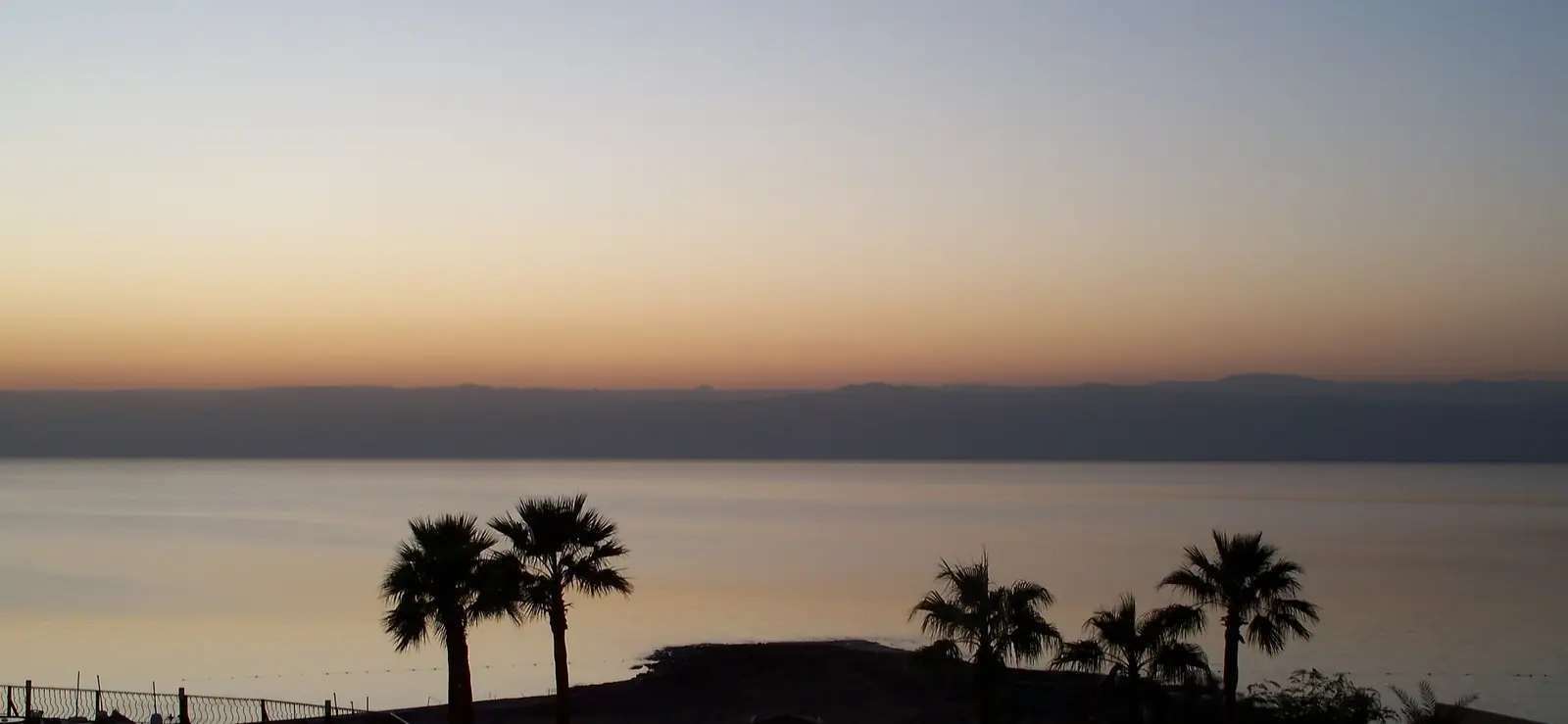
Float effortlessly on mineral-rich water at the lowest point on land, framed by golden mountains and soft evening light.
 04
Jerash
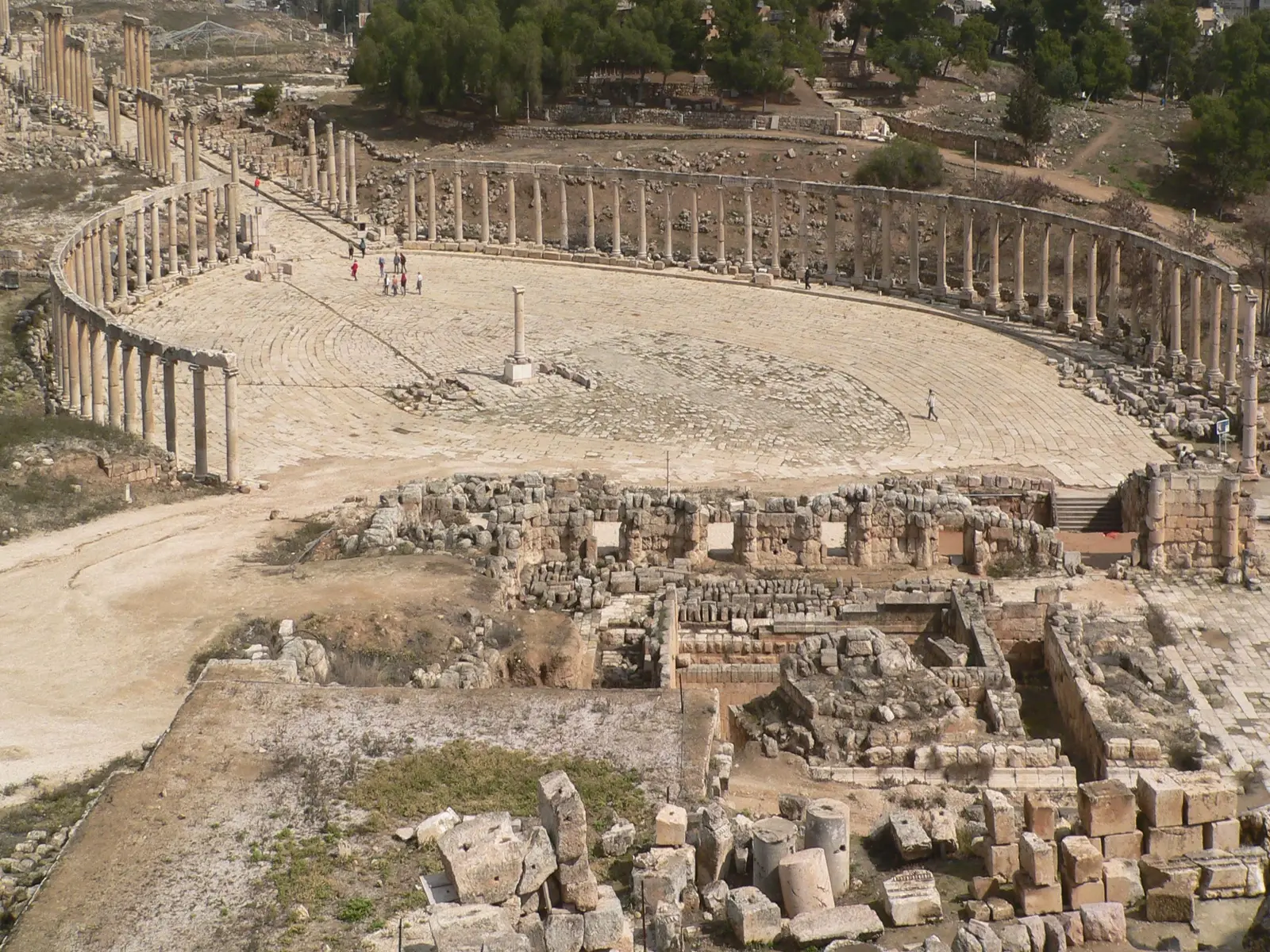
One of the best-preserved Roman provincial cities anywhere, with colonnaded streets, grand temples and theatres among green hills.
 05
Amman
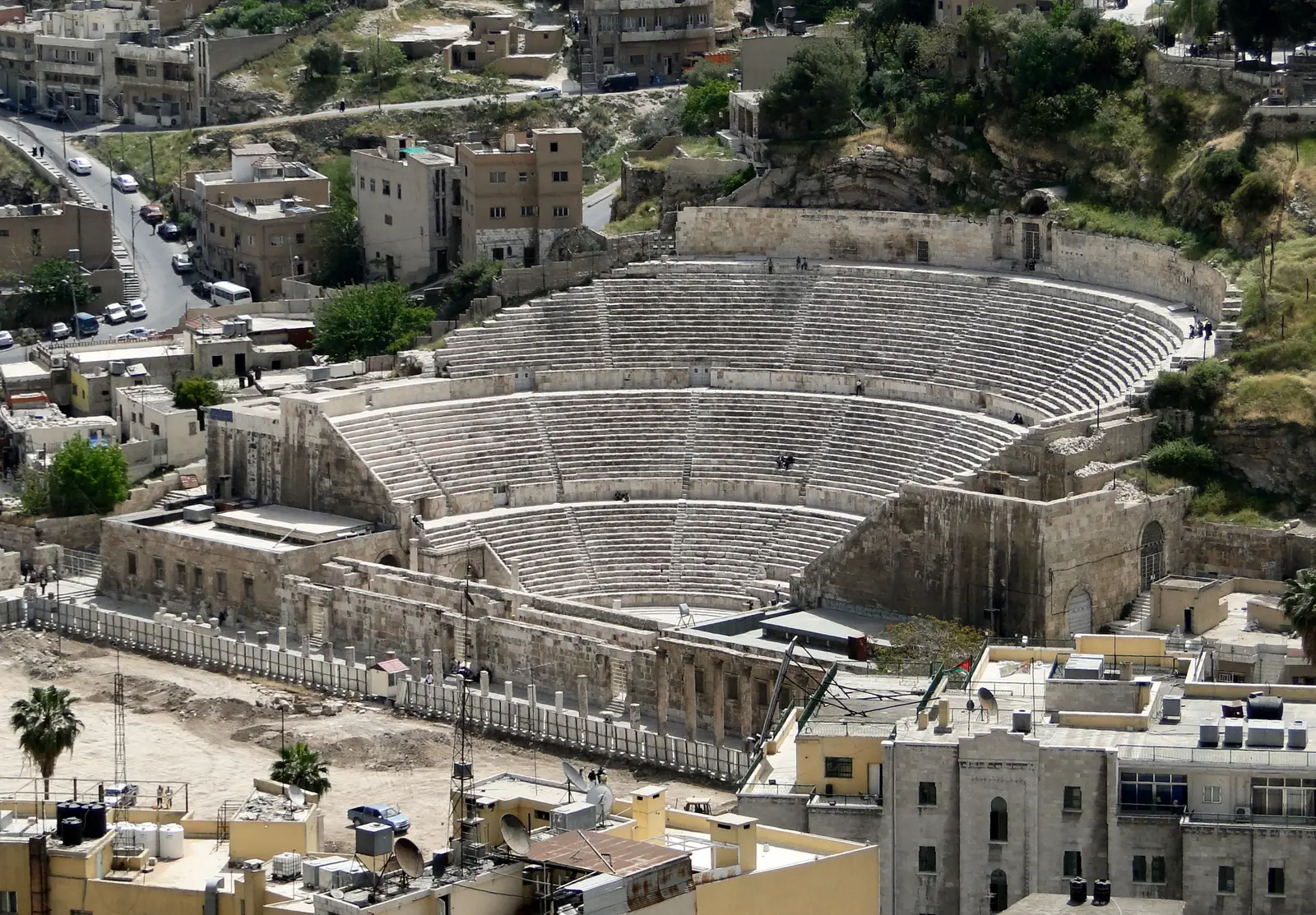
A city of white stone spread over hills, where Roman ruins, lively markets and modern cafes share the same streets.