Umm Qais
At the northern tip of Jordan, the ruins of ancient Gadara stand on a high ridge where the land falls away on every side. Black basalt columns, a theatre and old stone houses look out over one of the widest and most beautiful views in the country. It is a place where history and landscape meet in perfect balance.
Umm Qais was known in antiquity as Gadara, a city of the Decapolis that flourished in the Hellenistic and Roman periods. It was celebrated as a centre of learning and culture, the home of poets and philosophers such as Menippus, Meleager and Philodemus. The Gospels mention the country of the Gadarenes in connection with a miracle of Jesus, and early Christian communities later built churches here. Over the centuries the city declined, but its stones remained on the ridge.
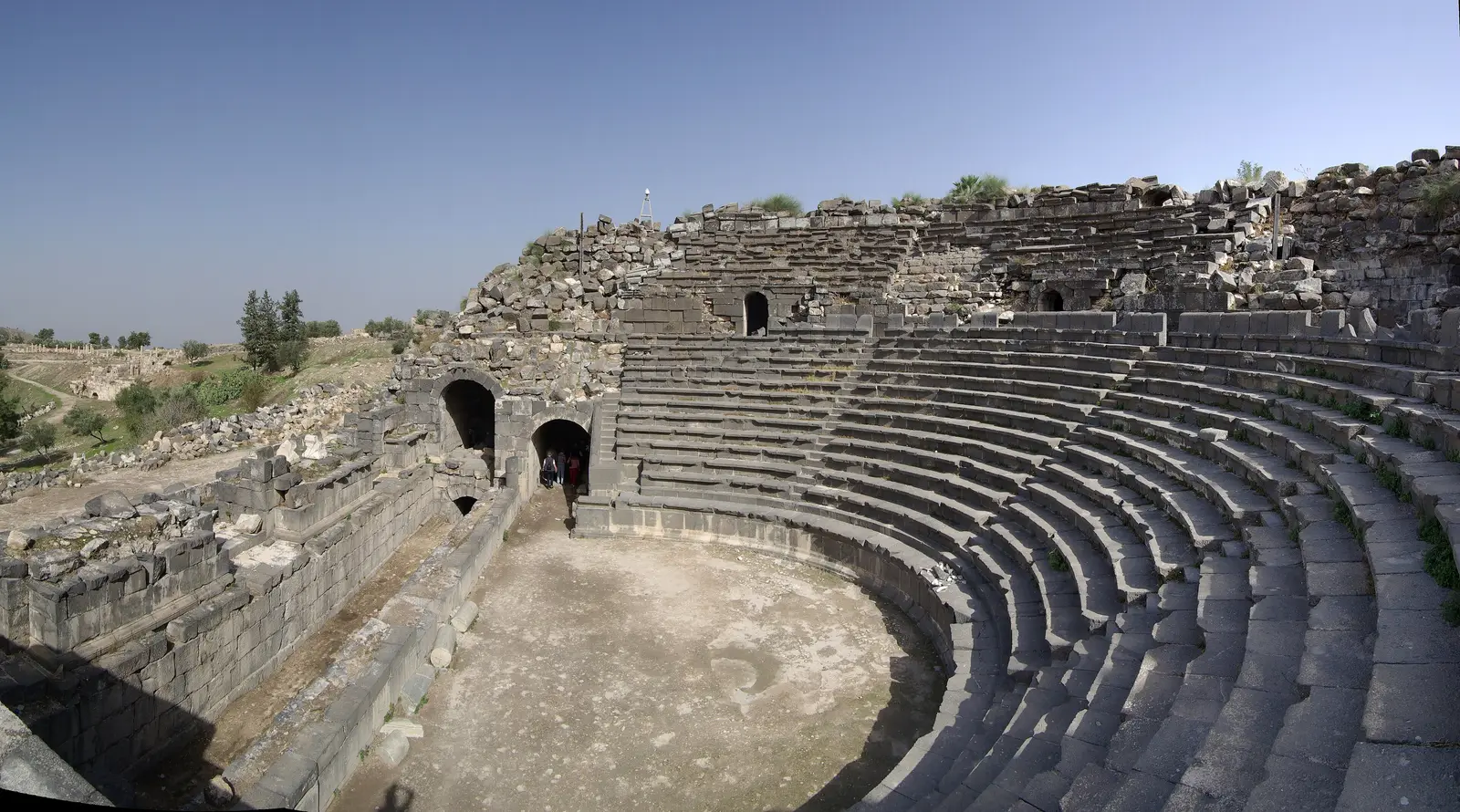
The ruins have a striking character because many are built of dark basalt alongside pale limestone. The West Theatre, made of black basalt, once seated around three thousand spectators and still offers a commanding outlook. Nearby, the remains of a colonnaded street, a terrace with a basilica, baths, shops and tombs reveal the layout of a busy Roman city. An Ottoman-era village of stone houses stands on top of part of the ancient town, adding another layer of history.
One of those houses, Beit Rusan, now holds the site museum. Its collection includes mosaics, coins and sculpture, among them a graceful seated marble figure of a goddess found at the site. Walking through the restored courtyards and arches of the old village gives a sense of rural life in the late Ottoman period, and the terraces around the houses are a peaceful place to rest in the shade of the trees.
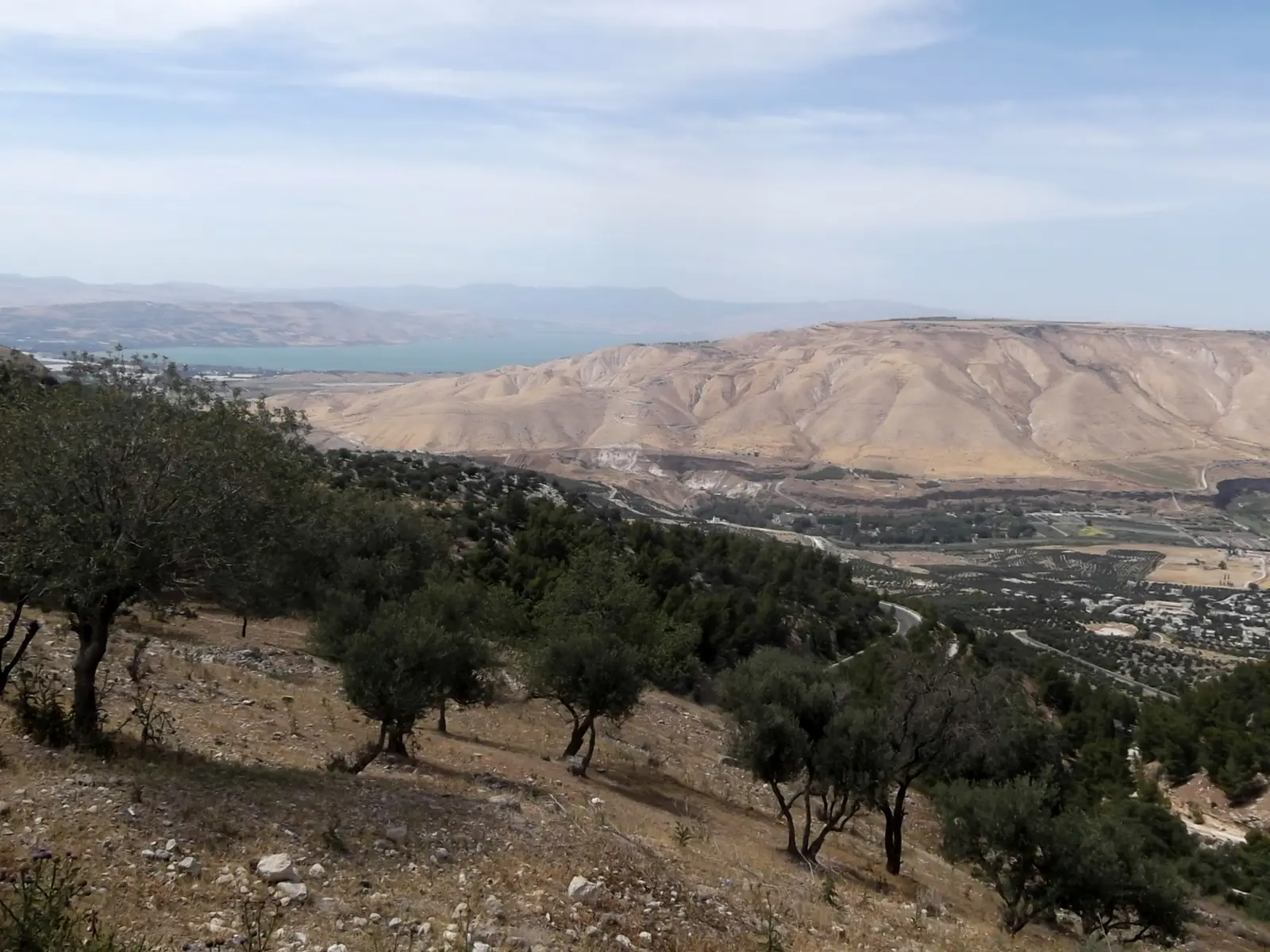
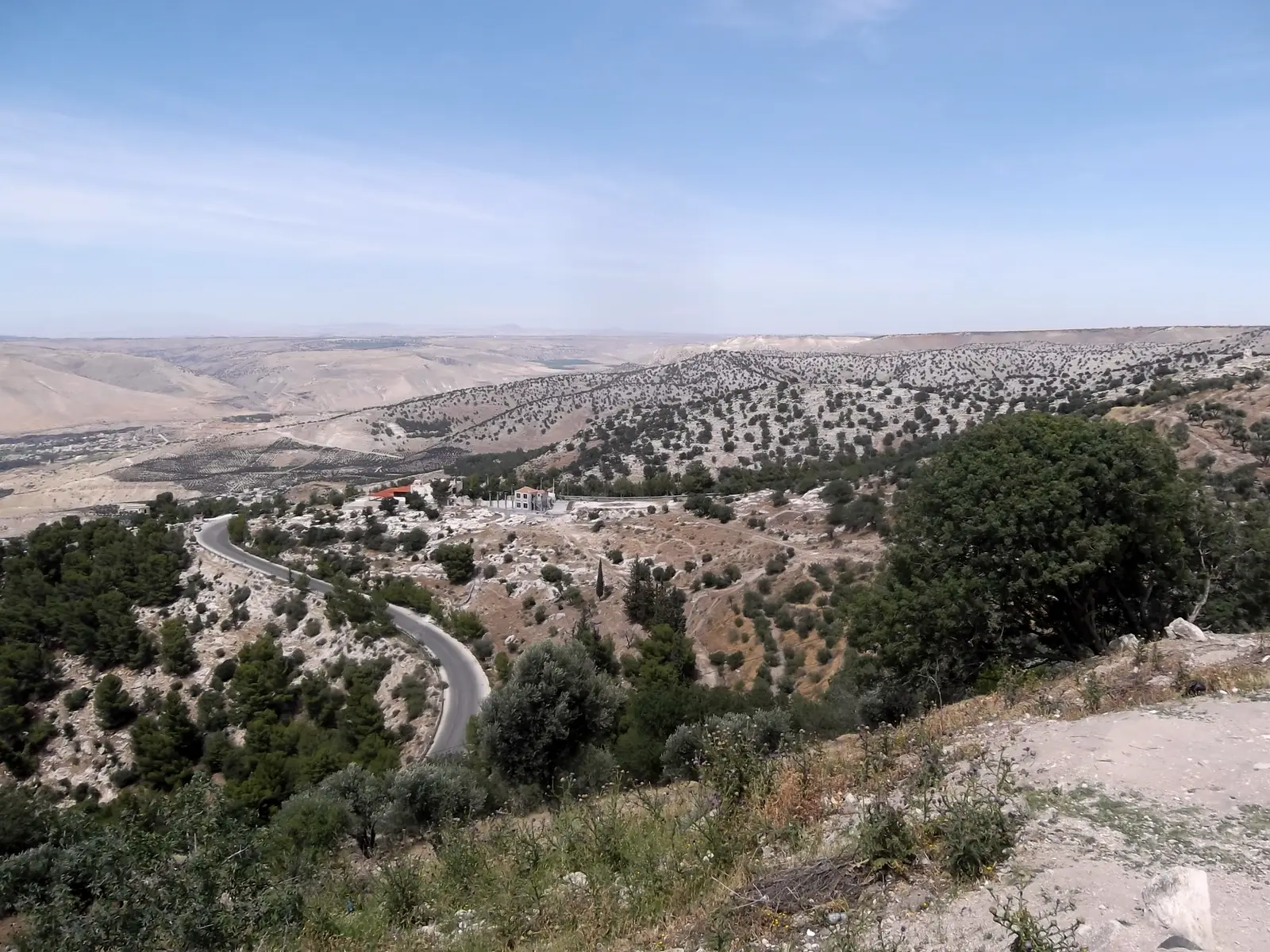
The great reward of Umm Qais is the view. To the northwest, the Sea of Galilee, also known as Lake Tiberias, shines in the distance. To the north, beyond the deep gorge of the Yarmouk River, rise distant green hills, while to the west and south the broad Jordan Valley opens out. The light is especially beautiful in the late afternoon, when the lake catches the sun and the hills turn soft and golden.
Highlights
- 1Panoramic views over the Sea of Galilee and the Jordan Valley
- 2The black basalt West Theatre
- 3The colonnaded street and the basilica terrace
- 4Beit Rusan and the site museum
- 5The restored Ottoman-era village
- 6Late-afternoon light over the Yarmouk gorge
Gallery
Frequently asked questions
How do I get to Umm Qais from Amman?
Umm Qais is about 110 kilometres north of Amman, roughly two hours by car via Irbid. Without a car, you can take a bus or minibus from Amman to Irbid and then a local minibus to Umm Qais, which takes longer. Many travellers visit on a day trip combined with Jerash, or with a hired driver.
What can you see at Umm Qais?
The site includes a theatre built of black basalt, a colonnaded main street, a terrace with basalt columns where a church once stood, baths and tombs. Next to the Roman ruins is an Ottoman-era village of stone houses, one of which holds a small museum. The views over Lake Tiberias and the Yarmouk gorge are a highlight.
How long do you need at Umm Qais?
Two to three hours are enough to explore the main ruins, visit the museum and enjoy the views. Allow more time if you want a meal overlooking the valley or a walk in the surrounding countryside. Umm Qais is often combined with Jerash or Ajloun for a full day in the north.
When is the best time to visit Umm Qais?
Spring, when the hills are green and covered with wildflowers, is the most beautiful season. Late afternoon is the best time of day, when the light is soft and the sunset glows over the lake and valleys. Clear winter days after rain also offer excellent views, but bring a jacket, as the ridge can be windy and cool.
What is the history of Gadara?
Gadara was a Greek and Roman city and one of the cities of the Decapolis. It was famous in ancient times as a centre of learning, home to poets and philosophers. The Gospels mention the region of the Gadarenes in the story of Jesus healing a possessed man. The city continued into the Byzantine and early Islamic periods before declining.
Is Umm Qais suitable for children?
Yes. The open site, the theatre and the old village are interesting for children to explore. Watch them closely on the steep theatre seats, on uneven stones and near drops at the viewpoints. There is little shade, so bring hats and water, and a jacket on cooler days.
Continue the journey
 14
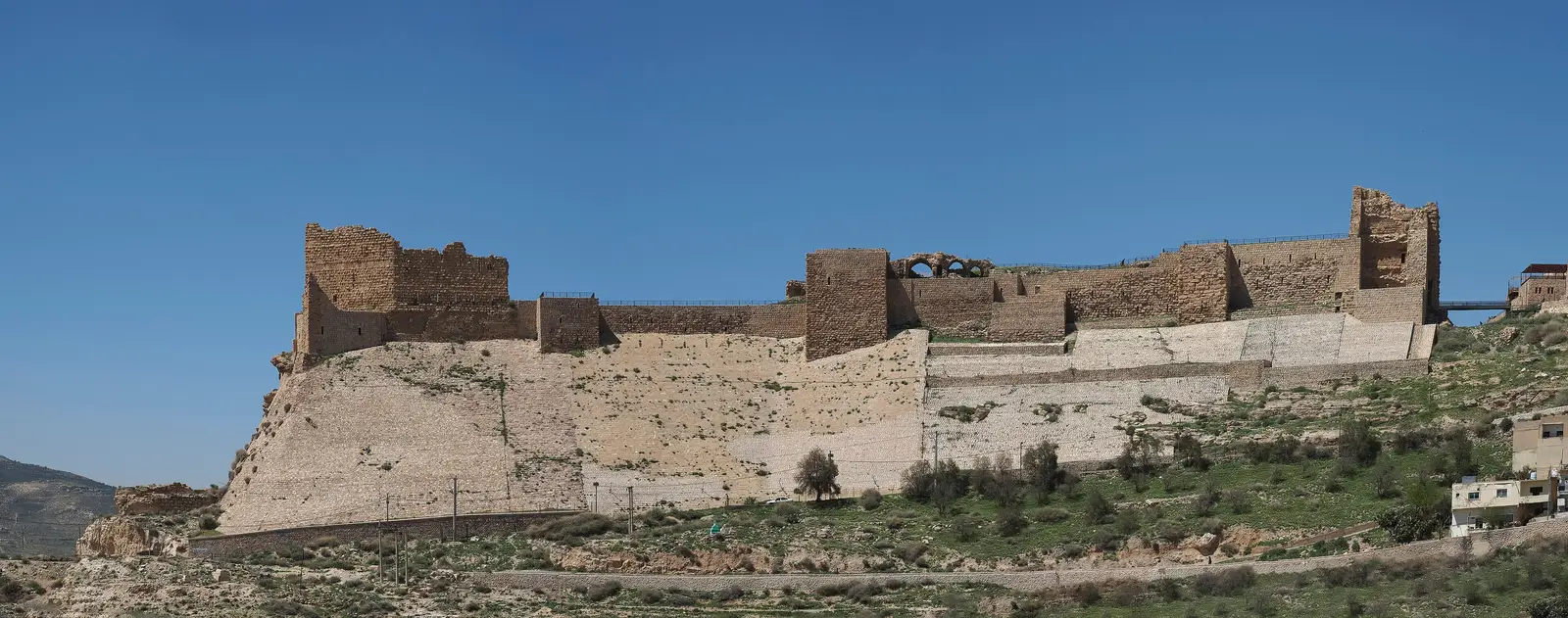
Kerak Castle
A vast medieval fortress on a mountain spur, full of dark vaulted halls and wide views over the surrounding valleys.
 15
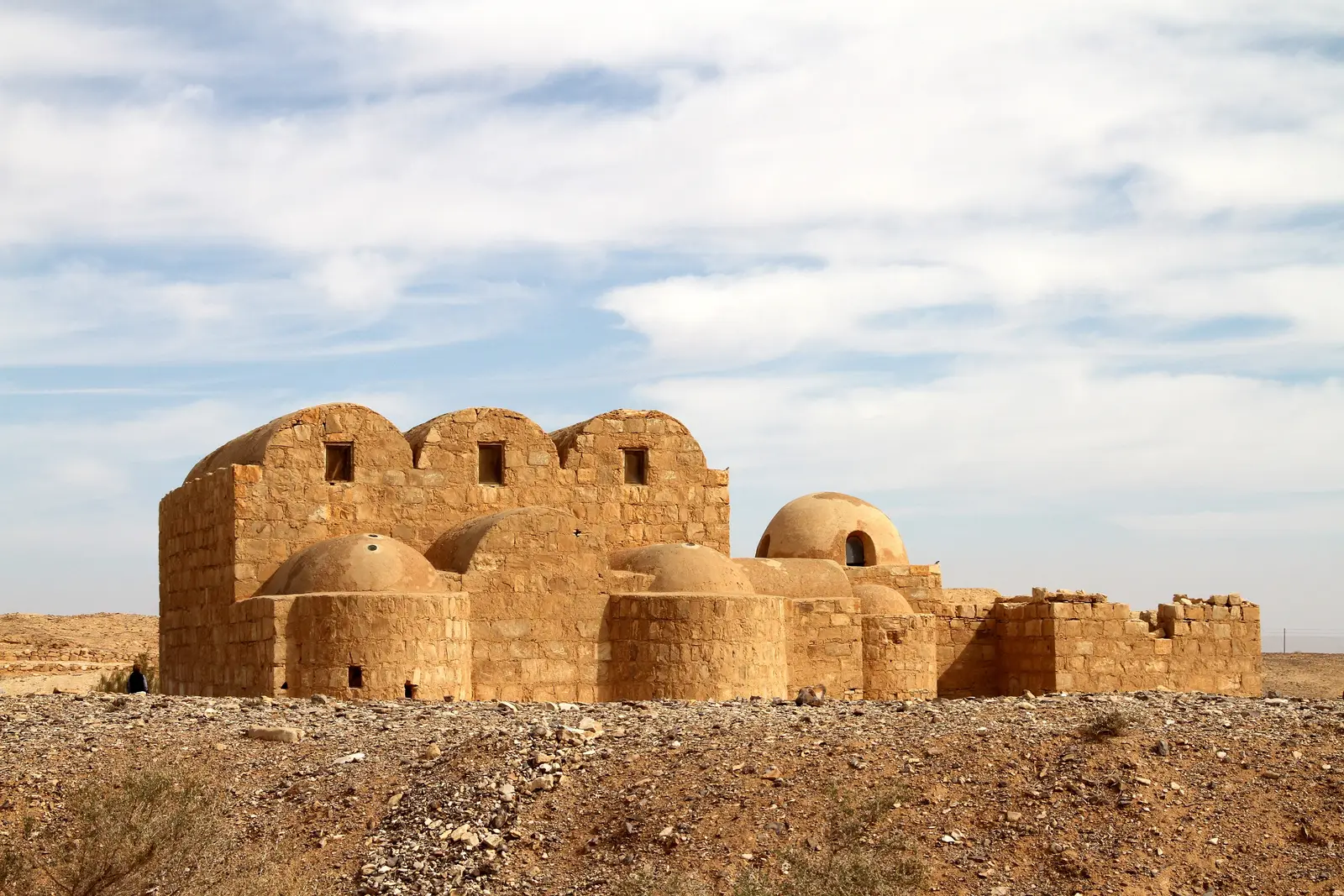
Desert Castles
Early Islamic palaces, baths and forts scattered across the eastern desert, with rare frescoes and a hidden oasis.
 01
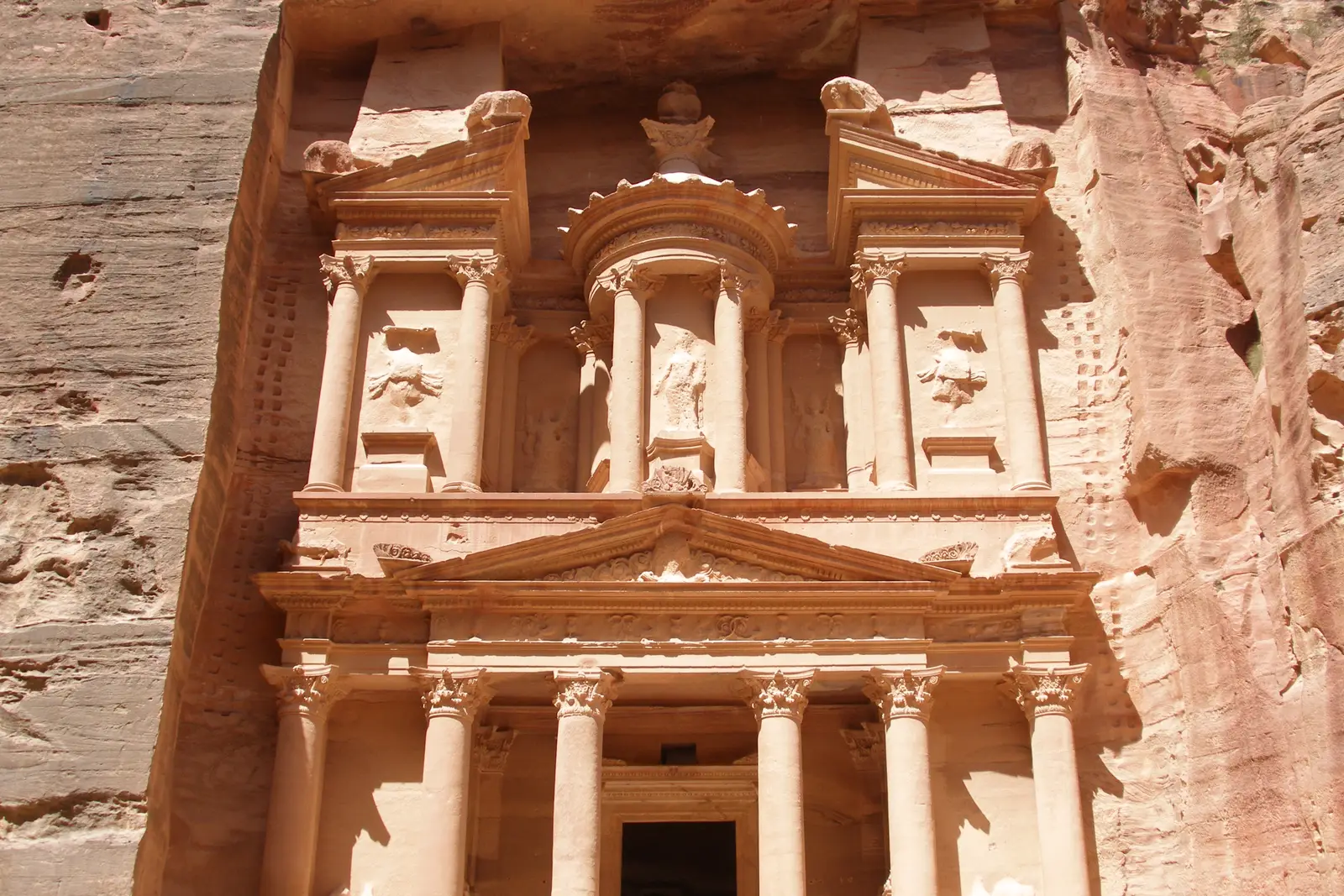
Petra
A Nabataean city carved into rose-red cliffs, reached through a narrow, winding canyon that opens onto the Treasury.
 02
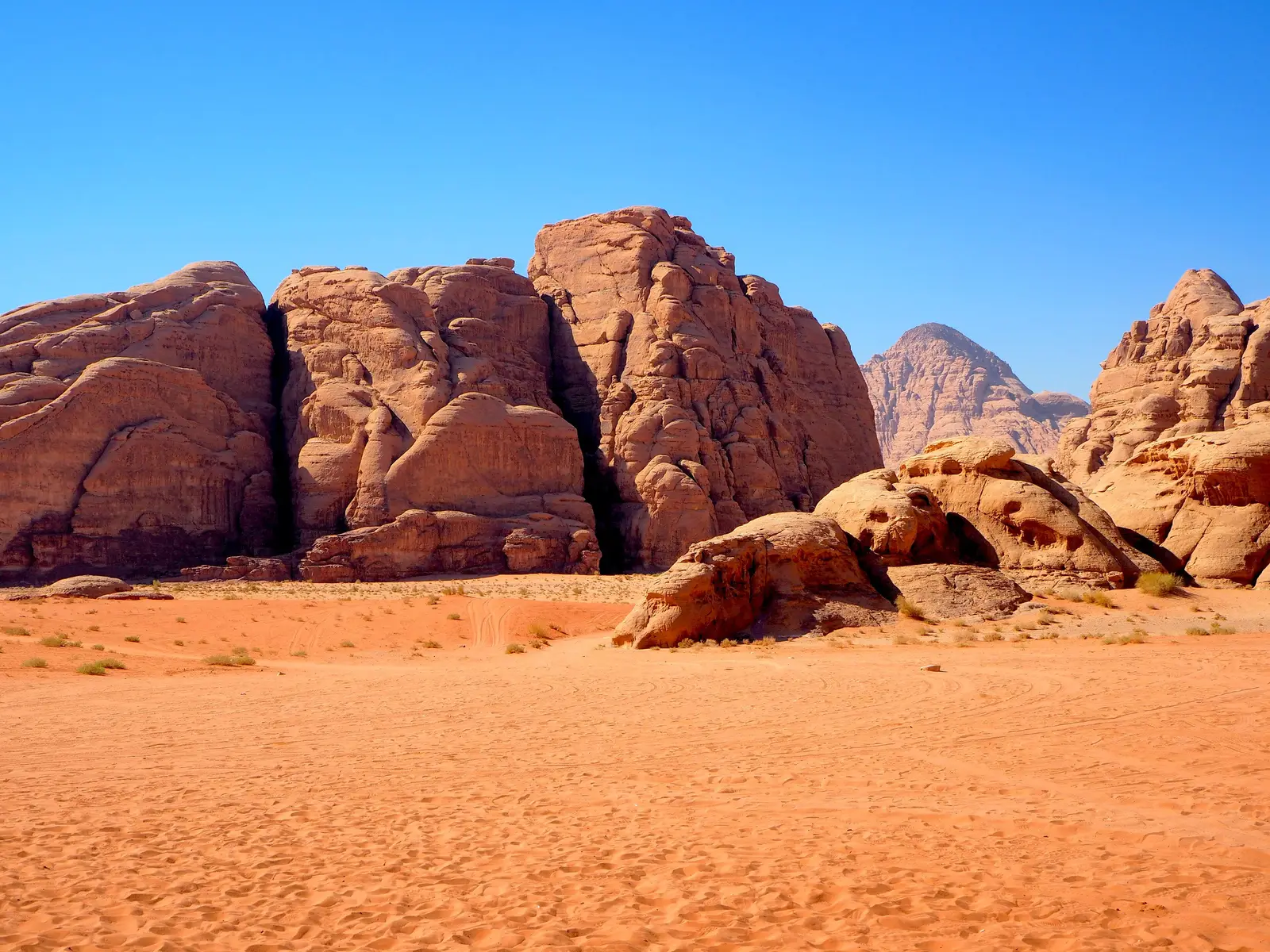
Wadi Rum
A vast desert of red sand, towering sandstone mountains and silent valleys, where Bedouin camps glow under brilliant stars.
 03
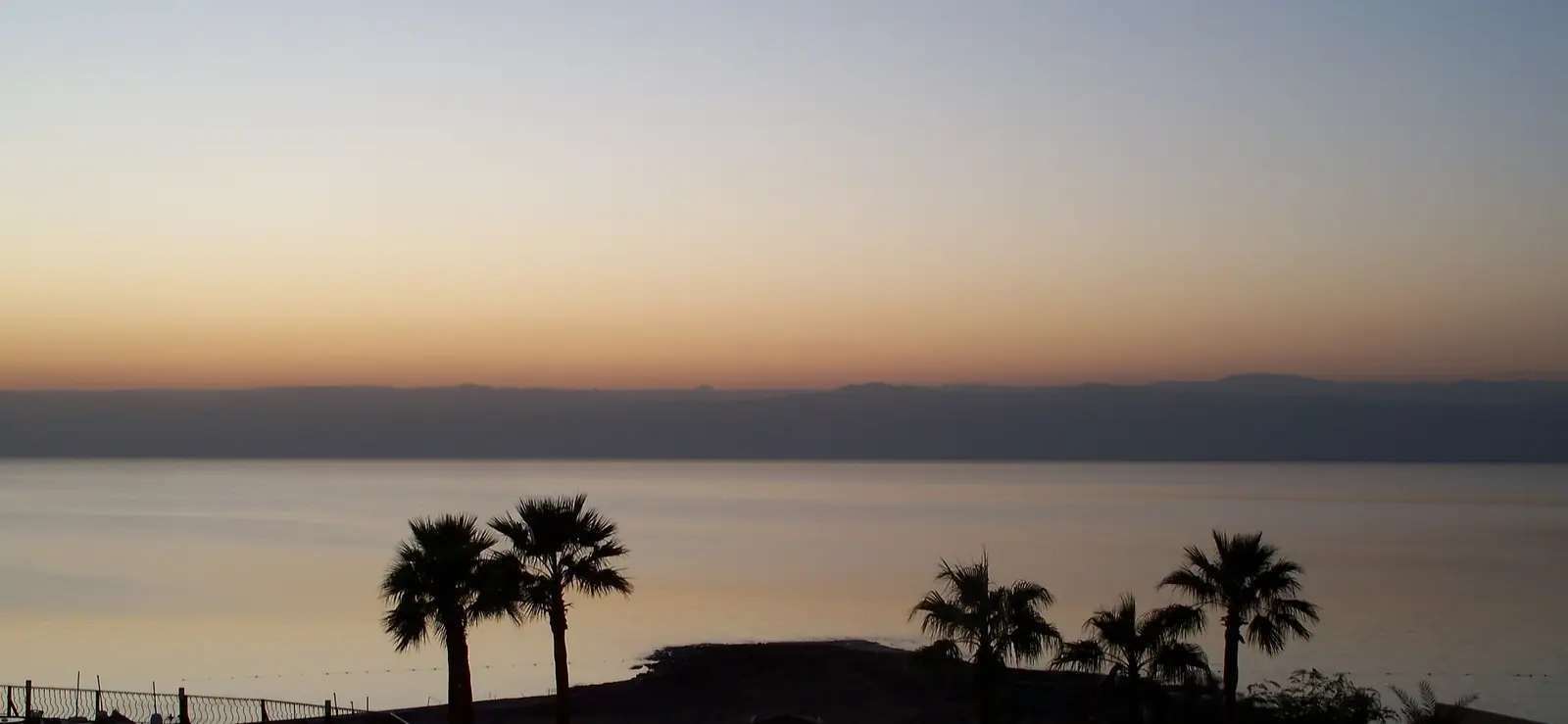
Dead Sea
Float effortlessly on mineral-rich water at the lowest point on land, framed by golden mountains and soft evening light.
 04
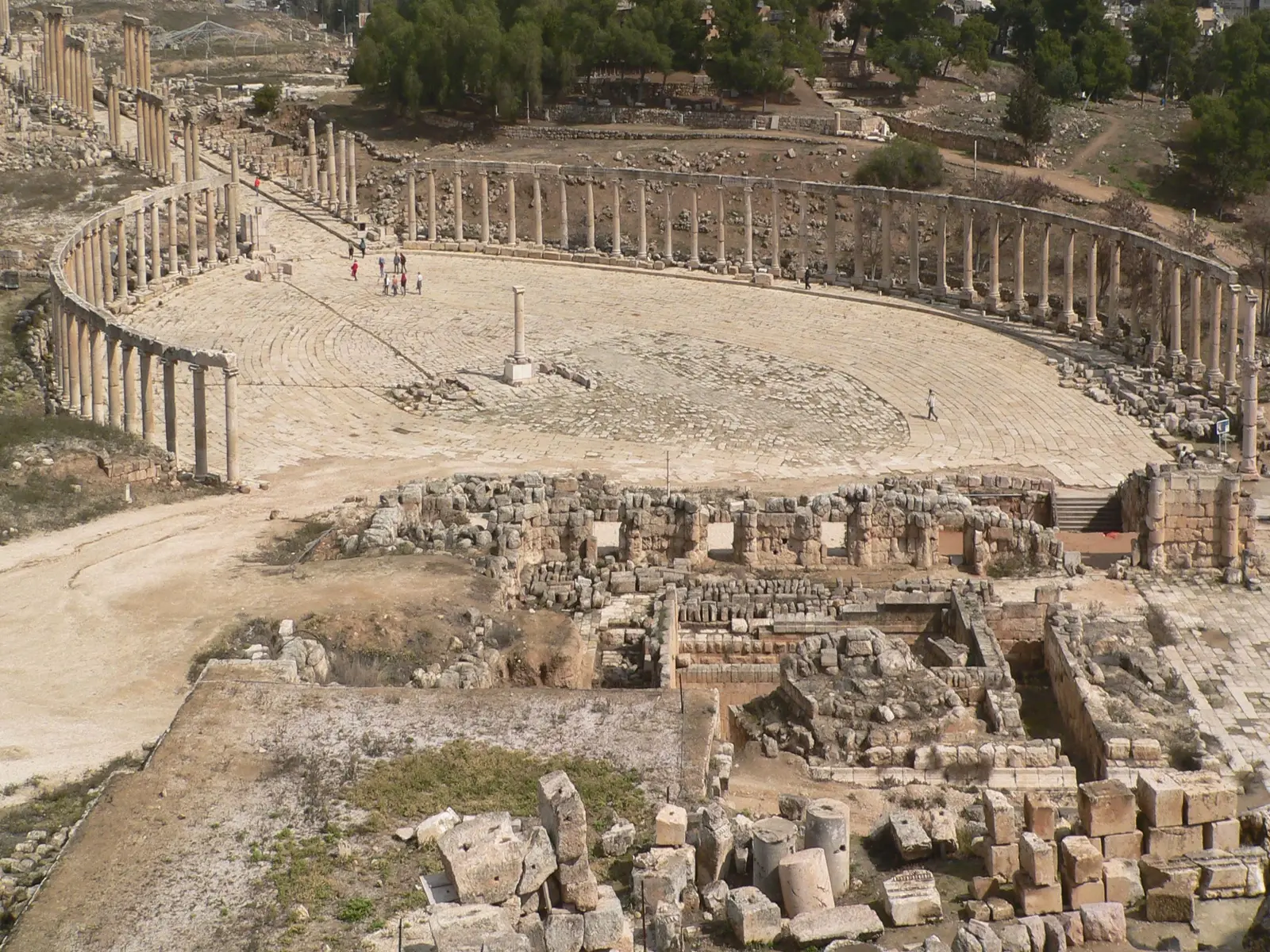
Jerash
One of the best-preserved Roman provincial cities anywhere, with colonnaded streets, grand temples and theatres among green hills.
 05
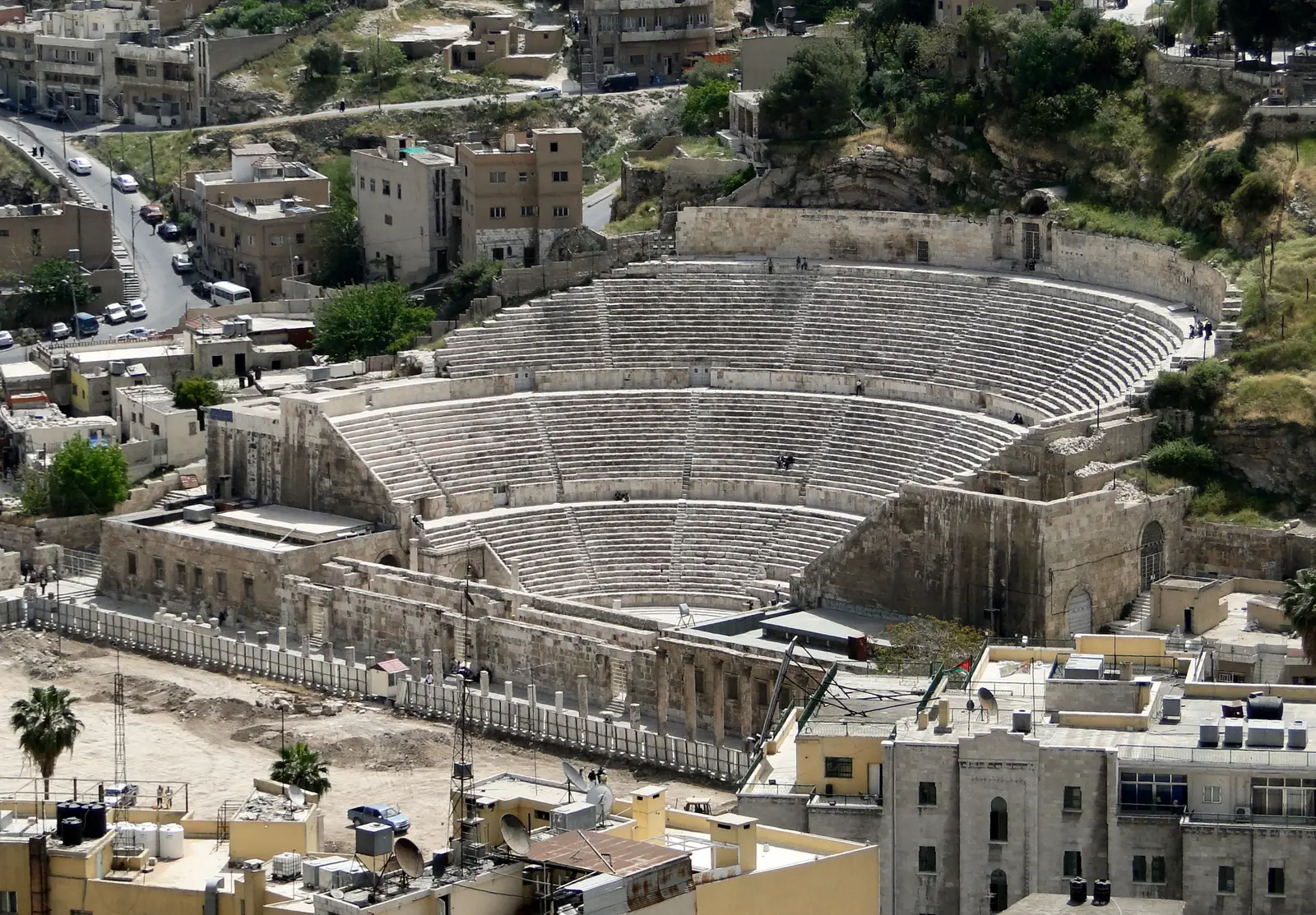
Amman
A city of white stone spread over hills, where Roman ruins, lively markets and modern cafes share the same streets.
 06
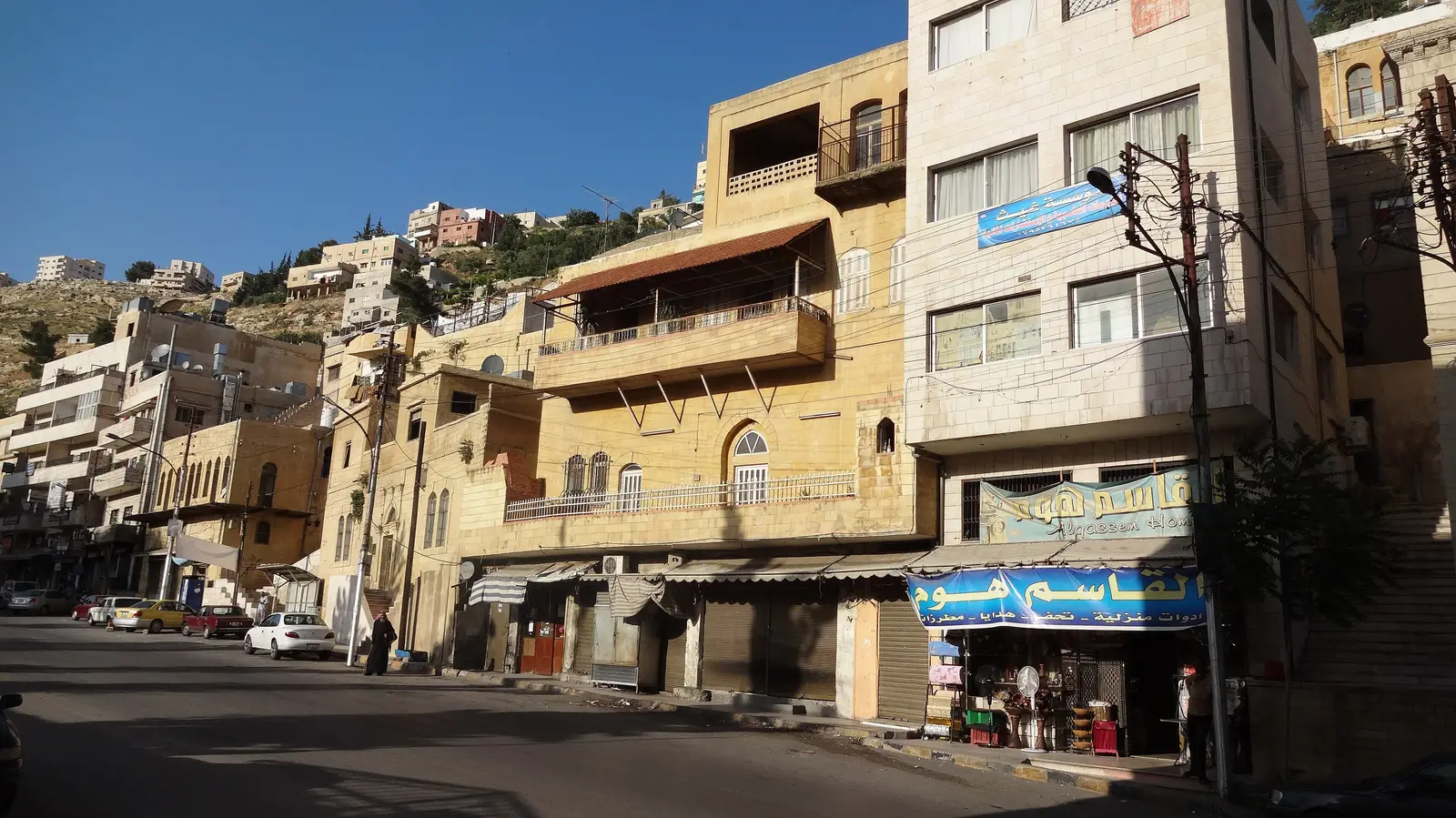
As-Salt
A hillside town of honey-coloured stone, celebrated by UNESCO for its long tradition of tolerance and warm hospitality.