Jerash Governorate
Jerash Governorate is a small region of green hills, olive groves and pine forests north of Amman. At its centre lies Gerasa, one of the best-preserved Roman provincial cities in the world. Its closeness to the capital makes it one of the most visited areas in Jordan.
Hills and valleys of the north
Jerash Governorate lies in the northern highlands, where limestone hills are cut by deep, green valleys. The town of Jerash grew on both sides of a small river that the Romans called the Chrysorhoas, meaning the golden river. Winters are cool and rainy, and the slopes are covered with olive trees, oak and Aleppo pine. In the south of the governorate, the land drops towards the valley of the Zarqa River, while to the north-west it rises towards the forests of Ajloun. In spring, the whole area is green and full of flowers.
Jerash town and its villages
Modern Jerash is a market town built mainly on the eastern side of the river, facing the ancient city across the valley. Its streets have shops, bakeries and restaurants serving both visitors and the surrounding villages. Many people in the area work in farming, trade and services. Villages such as Souf, Sakib and Burma lie in the hills nearby, surrounded by orchards and terraced fields. Life follows the seasons, with olive picking in autumn and fresh fruit and vegetables sold at roadside stalls in summer.
Gerasa: a Roman city in the hills
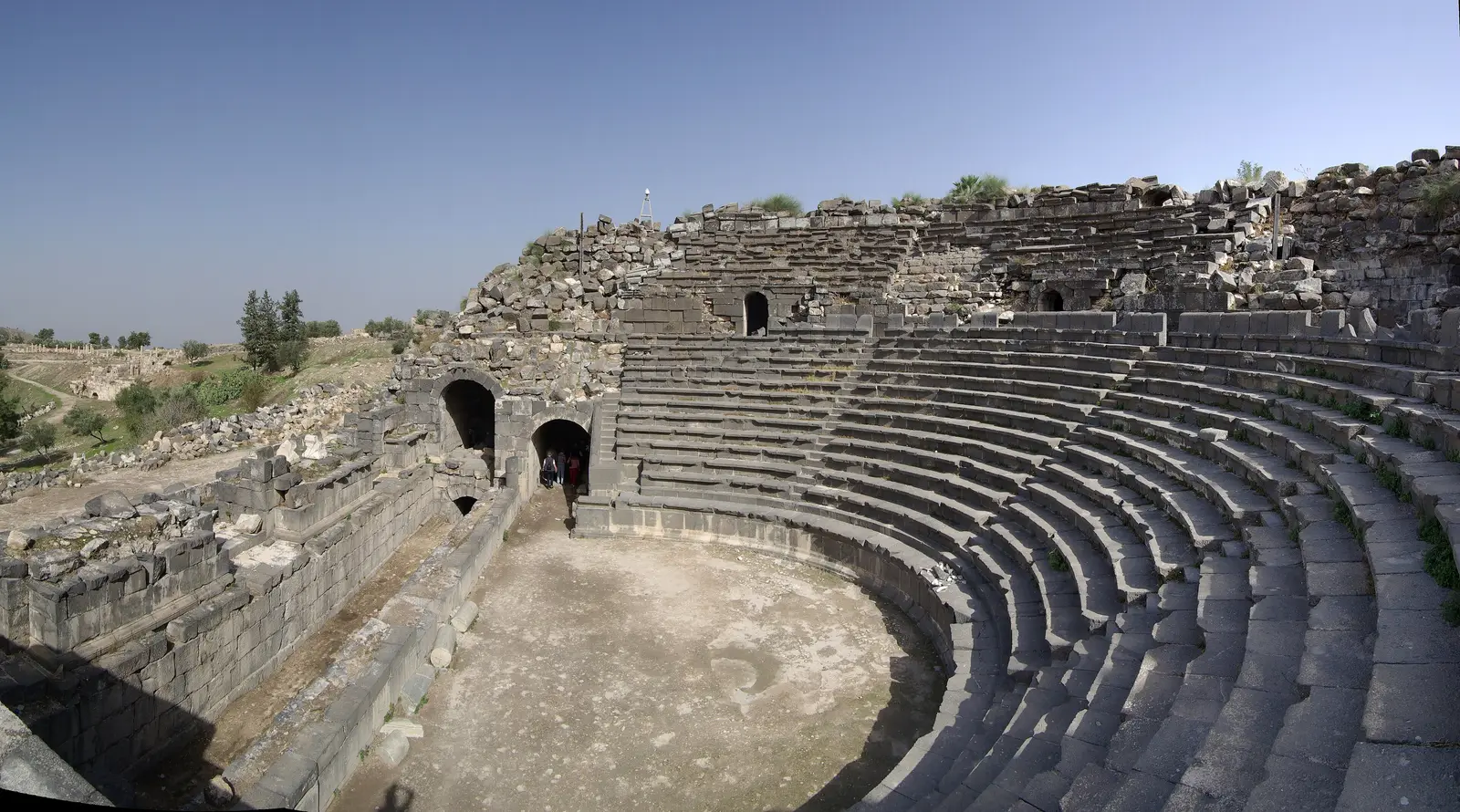
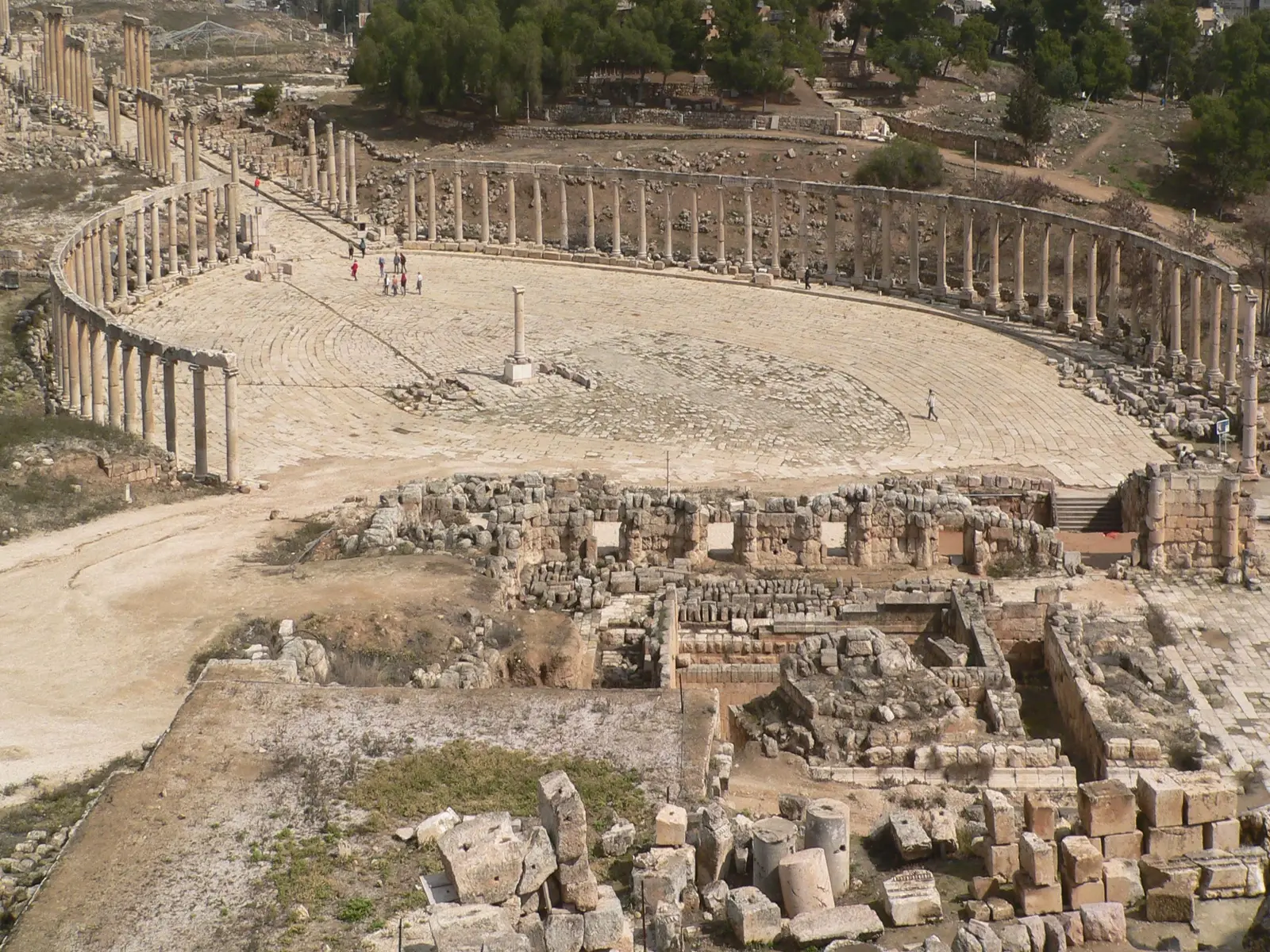
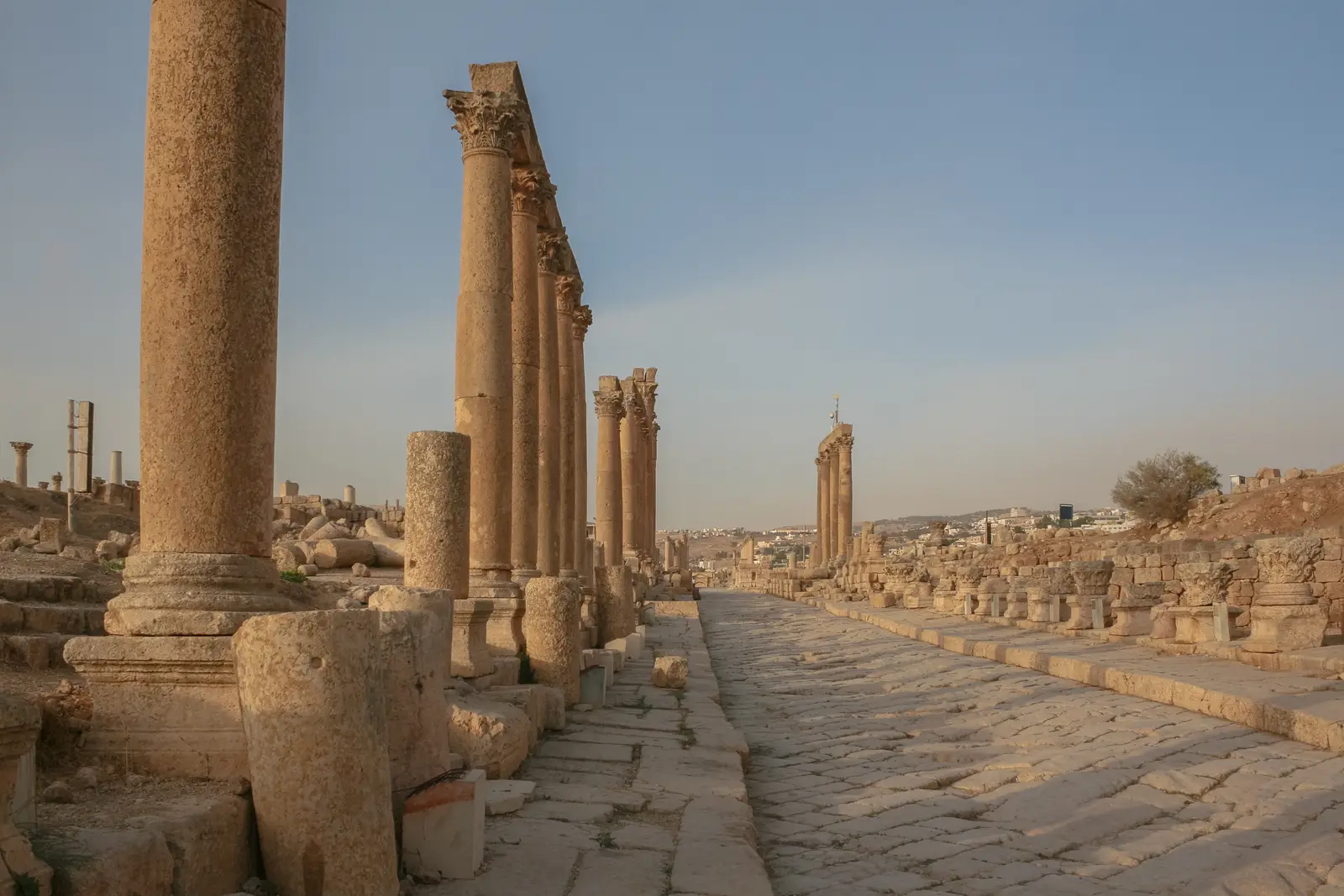
Gerasa was founded in the Hellenistic period and became one of the cities of the Decapolis, a group of Greek and Roman cities in the region. It flourished under Roman rule, especially in the second century AD. Visitors enter through Hadrian's Arch, built for the emperor's visit in 129 AD, and pass the hippodrome before reaching the oval plaza, surrounded by columns. A long colonnaded street, the Cardo, leads past the Nymphaeum fountain to the great Temple of Artemis. Two theatres, Byzantine churches with mosaic floors and an Umayyad mosque show how long the city remained alive.
Forests and countryside
Jerash is also a gateway to some of Jordan's greenest landscapes. Dibbeen Forest Reserve protects one of the country's finest areas of Aleppo pine and evergreen oak, where Persian squirrels and many species of birds live. Walking paths and picnic areas make it popular with families in spring and summer, when the shade of the trees offers relief from the heat. The countryside around Jerash is pleasant for drives and short walks, especially from March to May, when wildflowers bloom and the hills are bright green.
Festival, products and local food
Every summer, the Jerash Festival of Culture and Arts brings music, poetry, dance and crafts to the ancient city, with performances in the Roman theatres and the oval plaza. First held in 1981, it is one of the country's best-known cultural events. Local farms produce olive oil, honey, figs and pomegranates, and restaurants near the ancient site serve grilled meat, mezze and traditional dishes such as maqluba. Small shops sell olive oil soap, embroidery, pottery and other crafts.
Highlights
- 1Hadrian's Arch and the hippodrome
- 2The oval plaza and the colonnaded Cardo
- 3The Temple of Artemis and the South Theatre
- 4The Jerash Festival of Culture and Arts
- 5Dibbeen Forest Reserve
- 6Olive groves and villages around Souf
Frequently asked questions
Where is Jerash?
Jerash is in the green hills of northern Jordan, about 48 kilometres north of Amman. It is the capital of Jerash Governorate, one of the smallest governorates in the country. The modern town stands on the eastern side of a small river, and the ruins of the Roman city of Gerasa lie on the western side, right next to it.
When is the Jerash Festival held?
The Jerash Festival of Culture and Arts is usually held each summer, often in July, and lasts for several days. Performances of music, poetry, folk dance and theatre take place in the ancient theatres and plazas of Gerasa and in other venues. Dates and programmes change each year, so check the official announcements before planning a visit around it.
Can you visit Jerash and Ajloun in one day?
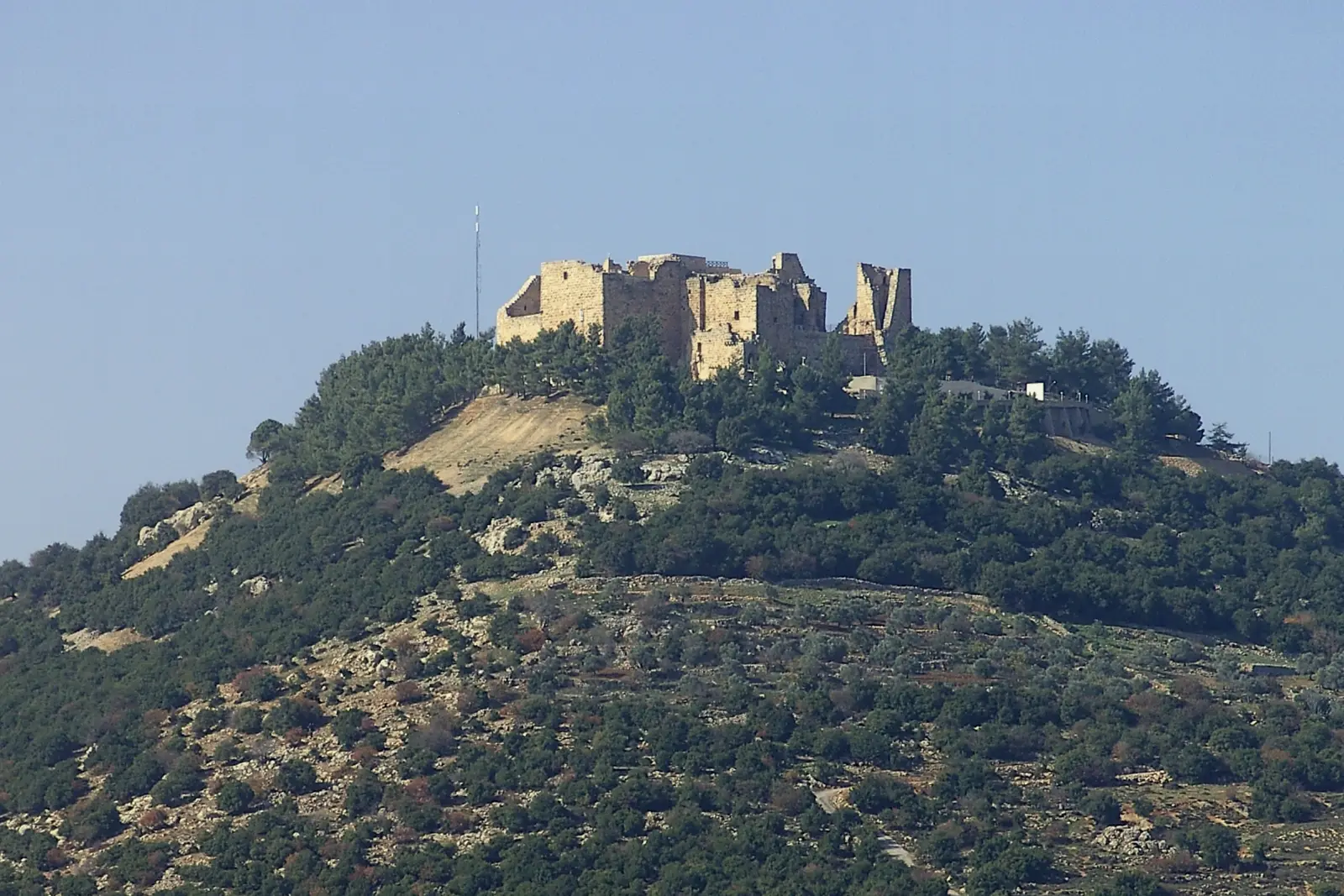
Yes. Ajloun is only about 30 to 40 minutes by road from Jerash, so many travellers visit the Roman city in the morning and then drive through the hills to Ajloun Castle in the afternoon. With an early start, there is also time for a short walk in the Ajloun Forest Reserve before returning to Amman.
What else is there to do in Jerash Governorate?
Besides the ruins of Gerasa, visitors can walk or picnic in Dibbeen Forest Reserve, drive through the olive-covered hills around Souf and other villages, and try local food in restaurants near the ancient site. In spring, the countryside is full of wildflowers, and in summer the Jerash Festival adds concerts and cultural events.
Other governorates
Ajloun Governorate
Madaba Governorate
Karak Governorate
Tafilah Governorate
Ma'an Governorate
Aqaba Governorate
Amman Governorate