Amman Governorate
Amman Governorate is home to Jordan's capital and largest city, spread across hills between the highlands and the eastern desert. Here ancient ruins stand beside modern cafés, busy markets and quiet residential streets. It is also the starting point for most journeys around the country.
Hills, valleys and the edge of the desert
Amman Governorate lies in the centre of Jordan, on the eastern side of the highlands. The city grew across a series of hills, called jabals, separated by valleys, so many streets climb steeply and long stairways link one neighbourhood to the next. West of the city the land is higher and receives more rain, with pine trees, olive groves and small farms. To the east and south the terrain becomes flatter and drier, and it gradually opens into the Badia, the stony desert that covers much of the country. Winters can be cool and occasionally snowy, while summers are warm and dry.
The capital city
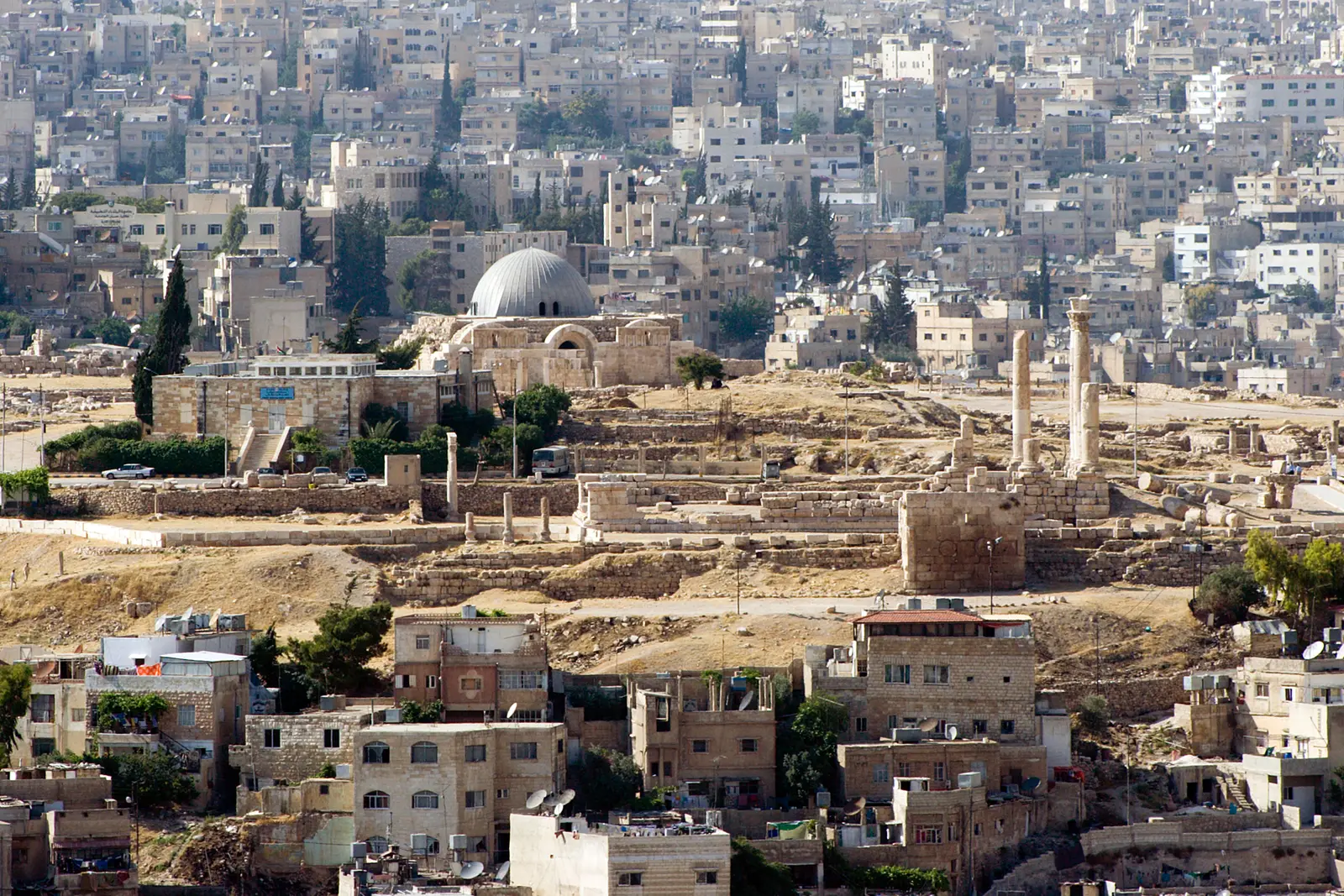
Amman is a city of contrasts. Downtown, known locally as Al-Balad, is the oldest part of the modern city, with traditional markets selling spices, sweets, gold, clothing and household goods. Above it, Jabal Amman and Jabal al-Weibdeh have older stone houses, art galleries and cafés, and Rainbow Street is a popular place for an evening walk. Newer districts in the west have shopping centres, restaurants and parks. Most buildings are faced with pale limestone, which gives the city a soft, even colour, especially in the light of late afternoon.
Beyond the city, the governorate includes smaller towns and farming areas, as well as Queen Alia International Airport to the south, where most international visitors arrive. Wadi as-Sir, west of the centre, leads down to green valleys and the site of Iraq al-Amir. Because the main highways to the north, the Dead Sea and the south all begin here, Amman is a natural base for day trips across central and northern Jordan.
History and heritage
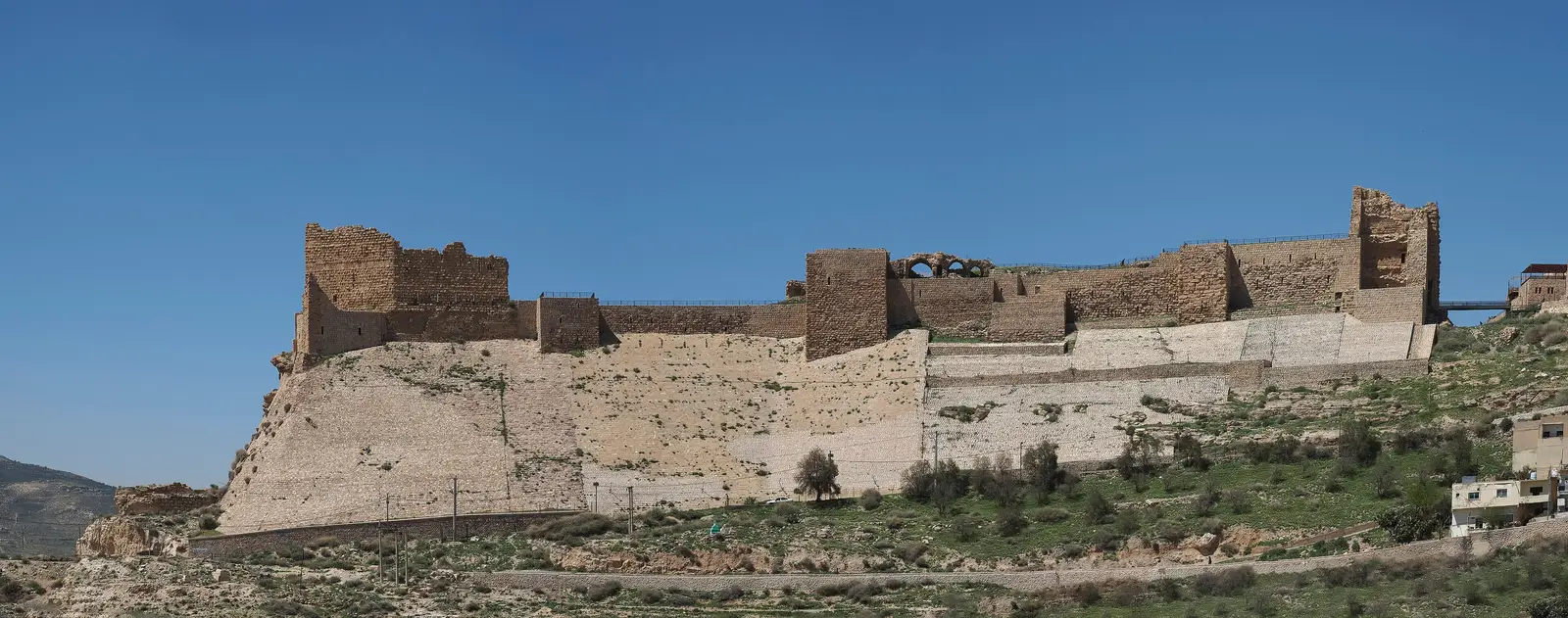
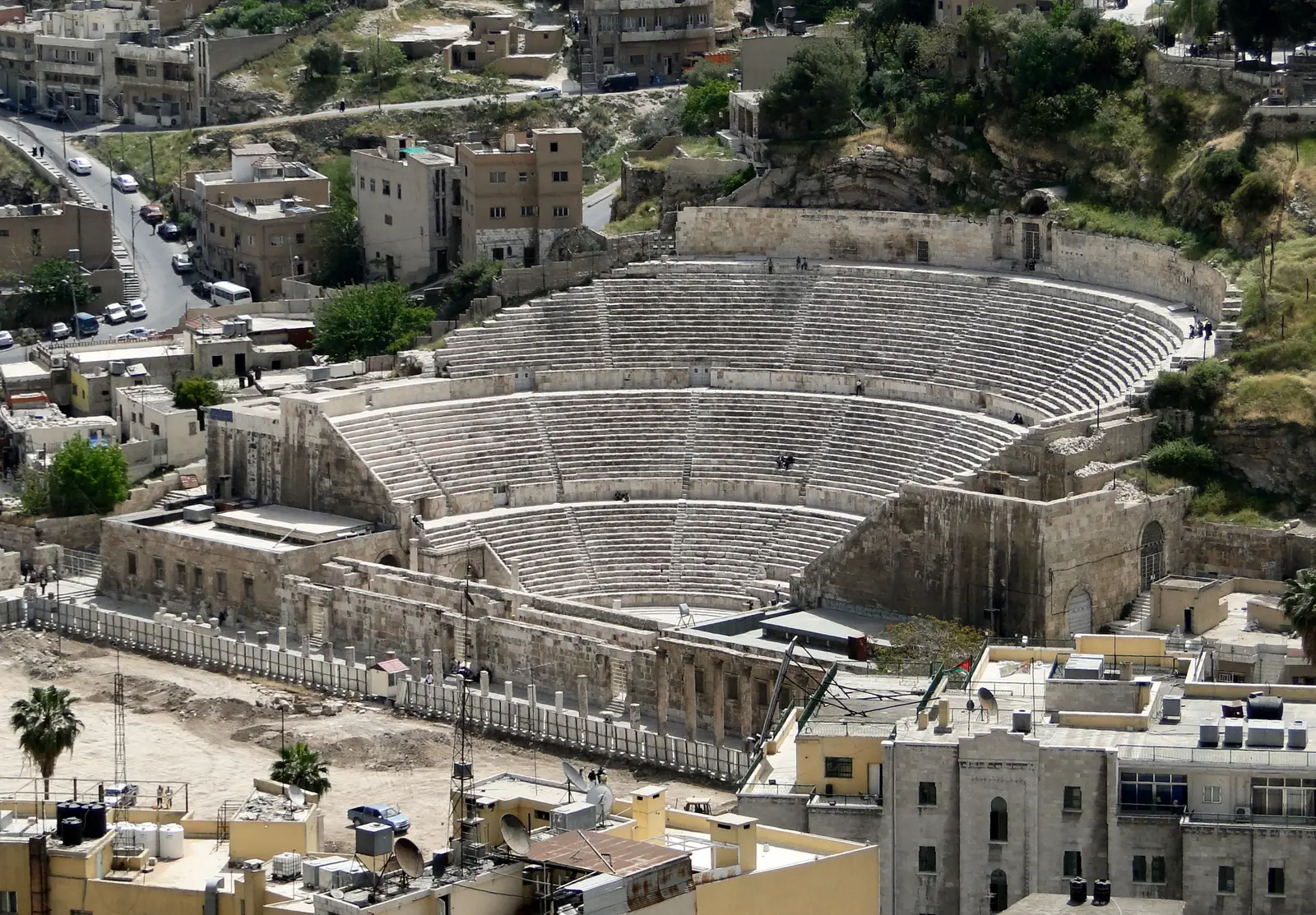
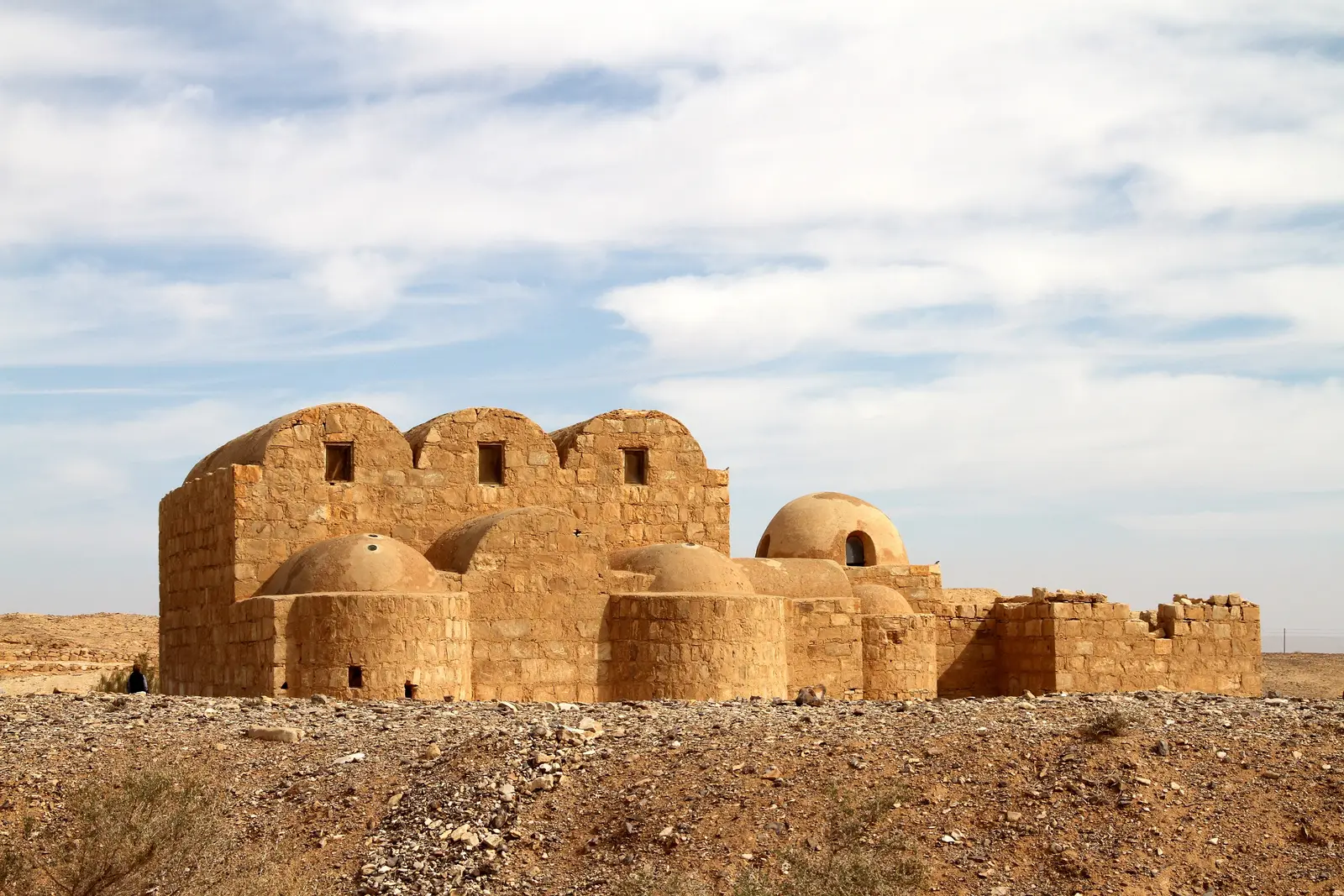
People have lived on Amman's hills for thousands of years. Some of the oldest large statues of the human figure ever found, about nine thousand years old, come from the Neolithic settlement of Ain Ghazal on the eastern edge of the city and are displayed in the Jordan Museum. In the Iron Age the city was Rabbath Ammon, capital of the Ammonites, and in Roman times it was called Philadelphia. The Citadel hill preserves the Temple of Hercules and an Umayyad palace complex, while the Roman Theatre, cut into a hillside downtown, is still used for performances. Qasr al-Kharana, a famous desert castle, stands in the east of the governorate.
Parks, valleys and nearby nature
Although Amman is a large city, green spaces are not far away. Parks and gardens offer places for families to walk and picnic, and the pine-covered hills to the west are popular on spring weekends. In Wadi as-Sir, springs and olive groves surround Qasr al-Abd, a palace building from the second century BC decorated with large carved animals, set among the cliffs and caves of the valley. In spring, the open land around the city is briefly covered with wildflowers, and the eastern desert begins less than an hour's drive from the centre.
Daily life and food
Daily life in Amman mixes old and new rhythms. Mornings often begin with fresh bread, hummus, falafel and sweet tea. Families gather on Fridays for large meals, and mansaf, made with lamb, rice and a sauce of dried yoghurt called jameed, is served on special occasions. Knafeh, a warm pastry of soft cheese and syrup, is a favourite dessert, and street stalls sell shawarma and manakish, flatbreads topped with za'atar or cheese. In the evenings, cafés fill with people talking and playing cards, and many shops stay open late, especially during Ramadan.
Highlights
- 1Amman Citadel and the Temple of Hercules
- 2The Roman Theatre and the downtown markets
- 3The Jordan Museum and the Ain Ghazal statues
- 4Rainbow Street and Jabal al-Weibdeh
- 5King Abdullah I Mosque
- 6Iraq al-Amir and Qasr al-Abd
- 7Qasr al-Kharana in the eastern desert
Frequently asked questions
What is the difference between Amman city and Amman Governorate?
Amman city is Jordan's capital and largest city. Amman Governorate is the wider area around it, which includes the city, nearby towns, farmland, part of the eastern desert and Queen Alia International Airport. When travellers say they are staying in Amman, they usually mean the city itself, but several sights, such as Iraq al-Amir and Qasr al-Kharana, lie outside the city within the governorate.
How many days should I spend in Amman?
One or two full days are enough to see the main sights of the city: the Citadel, the Roman Theatre, the downtown markets, the Jordan Museum and an evening walk around Rainbow Street or Jabal al-Weibdeh. Many travellers also use Amman as a base for day trips to Jerash, As-Salt, Madaba or the Dead Sea, which can add several more days to a stay.
Is Amman a good base for exploring Jordan?
Yes. Amman is central, has the widest choice of accommodation and is connected by main highways to the north, the Dead Sea and the south. Jerash, As-Salt, Madaba, Mount Nebo and the Dead Sea can all be reached in about an hour or less. For Petra, Wadi Rum and Aqaba, it is better to spend a few nights in the south rather than travel back and forth.
What is the weather like in Amman?
Amman's climate is shaped by its height above sea level. Summers are warm and dry, with cooler evenings. Winters are cool and can be cold at night, with most rain falling between November and March and occasional snow on the higher hills. Spring and autumn are usually the most comfortable seasons for walking around the city and visiting outdoor sites.
Other governorates
Irbid Governorate
Zarqa Governorate
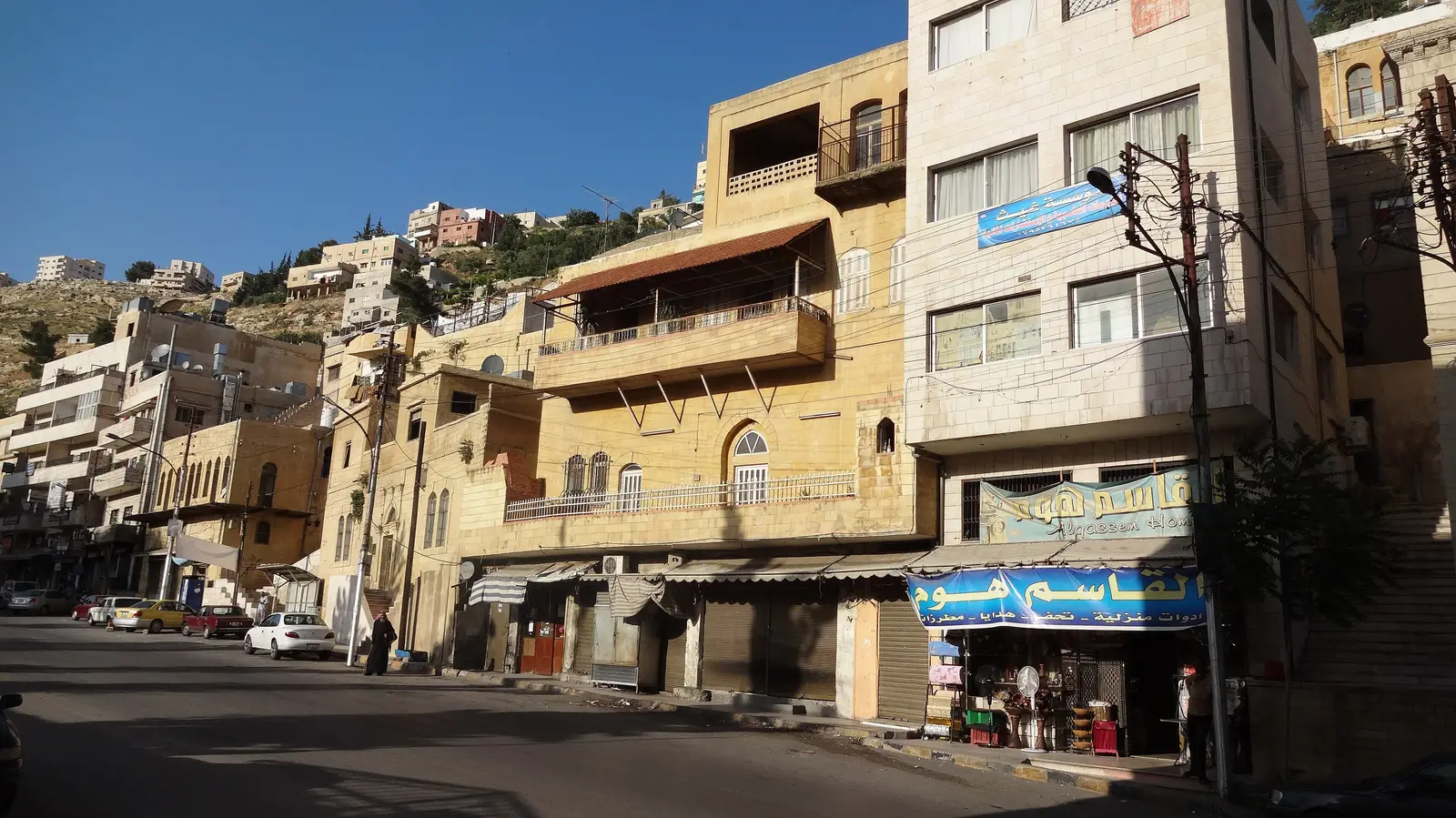
Balqa Governorate
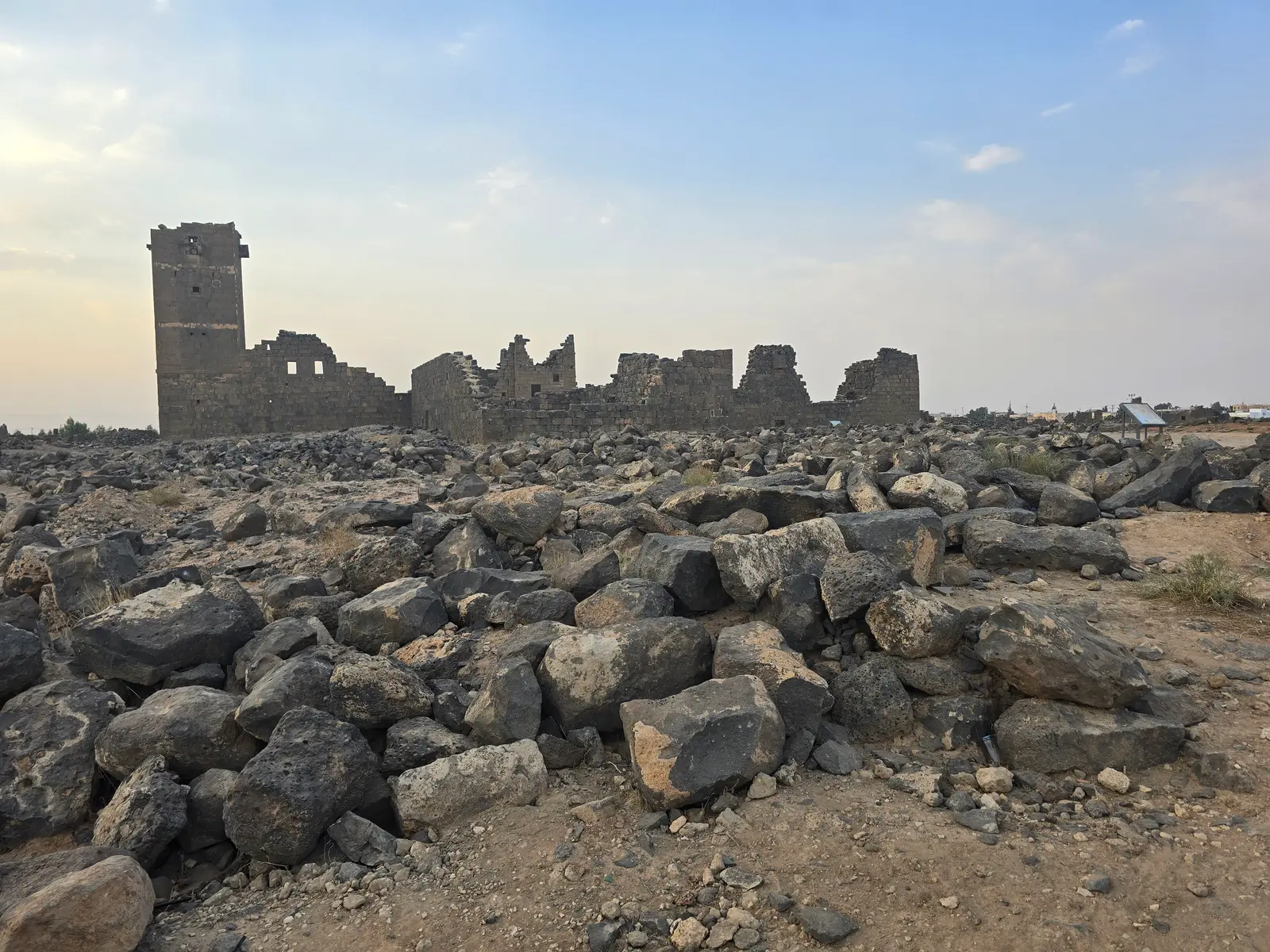
Mafraq Governorate
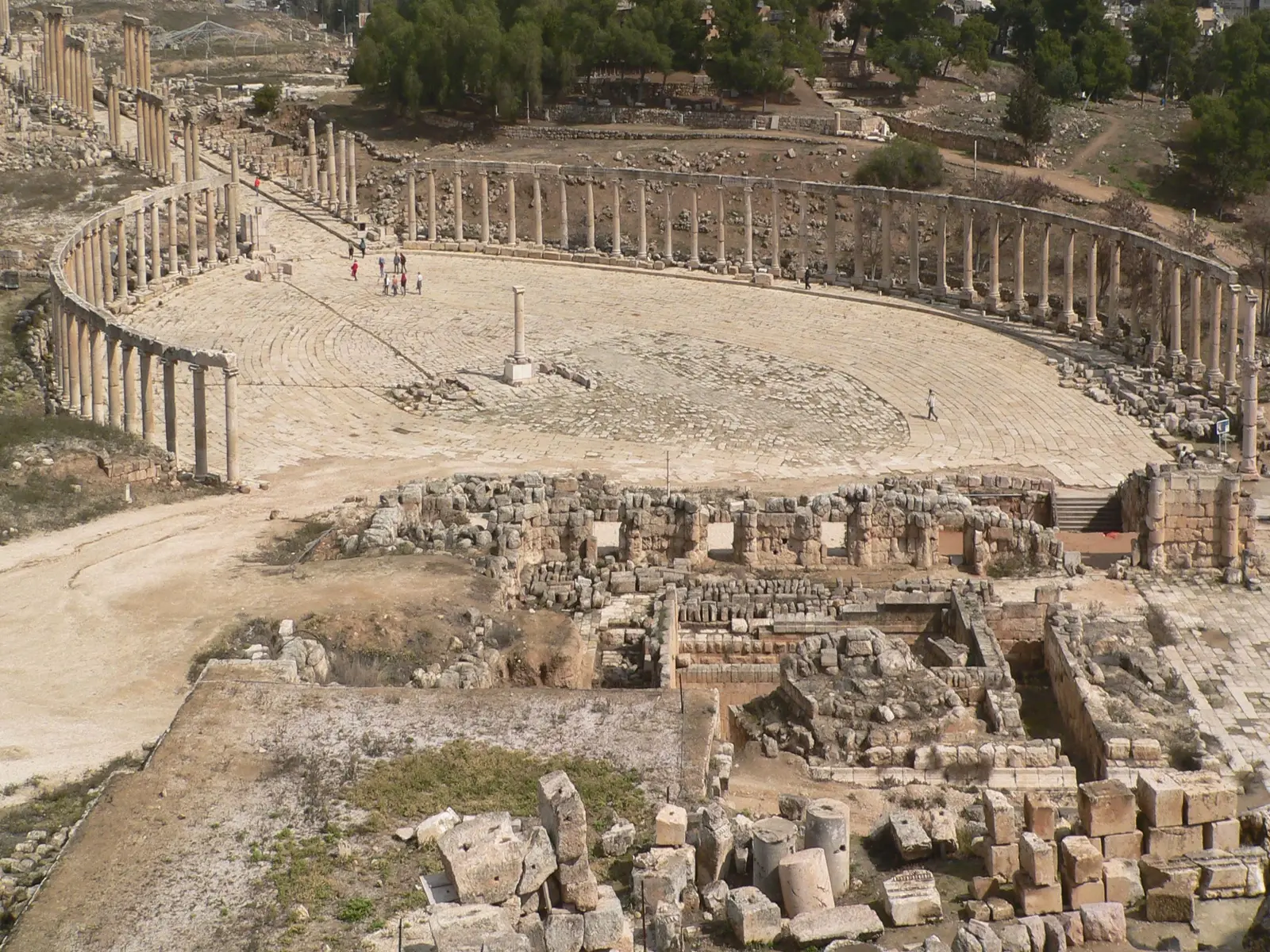
Jerash Governorate
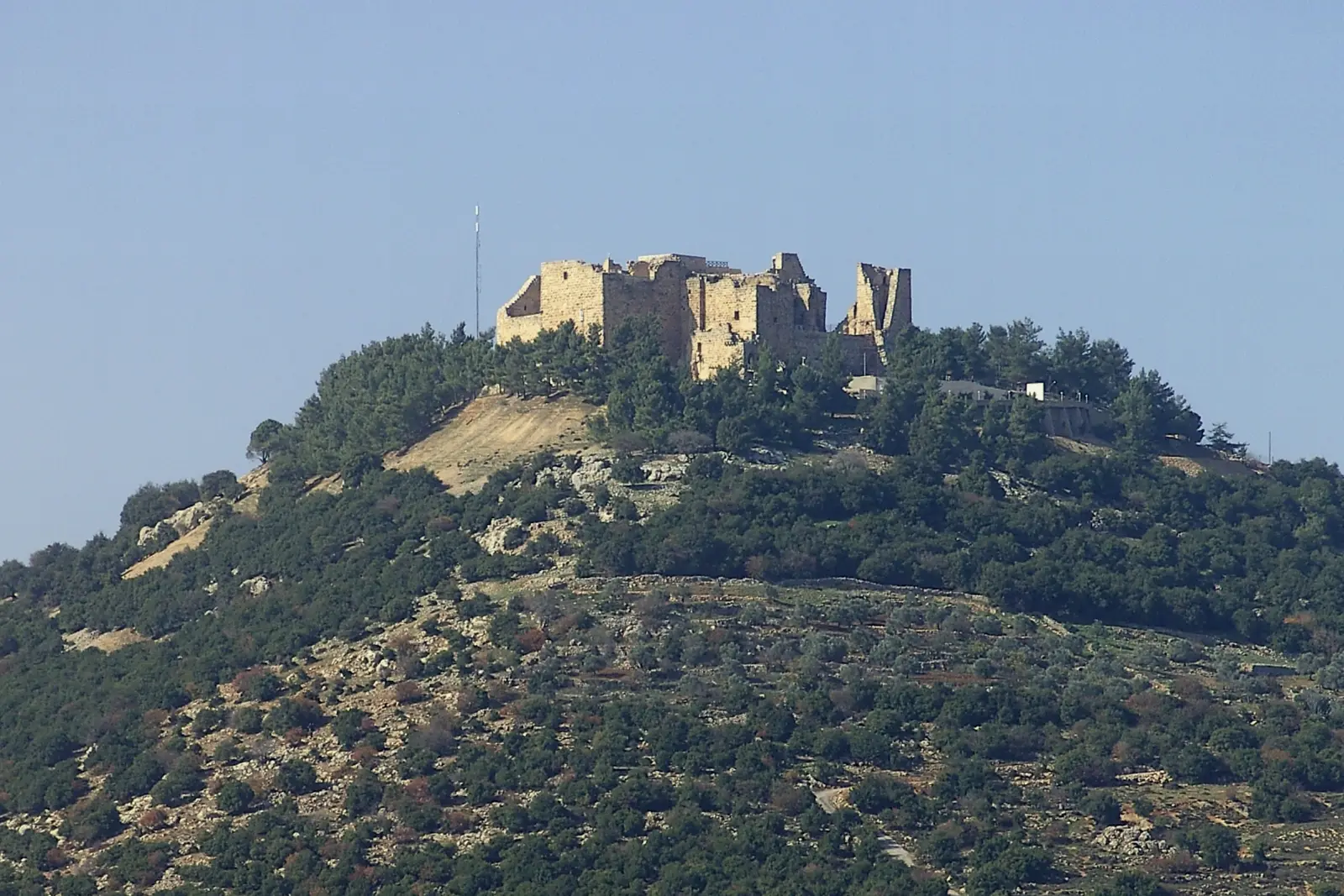
Ajloun Governorate
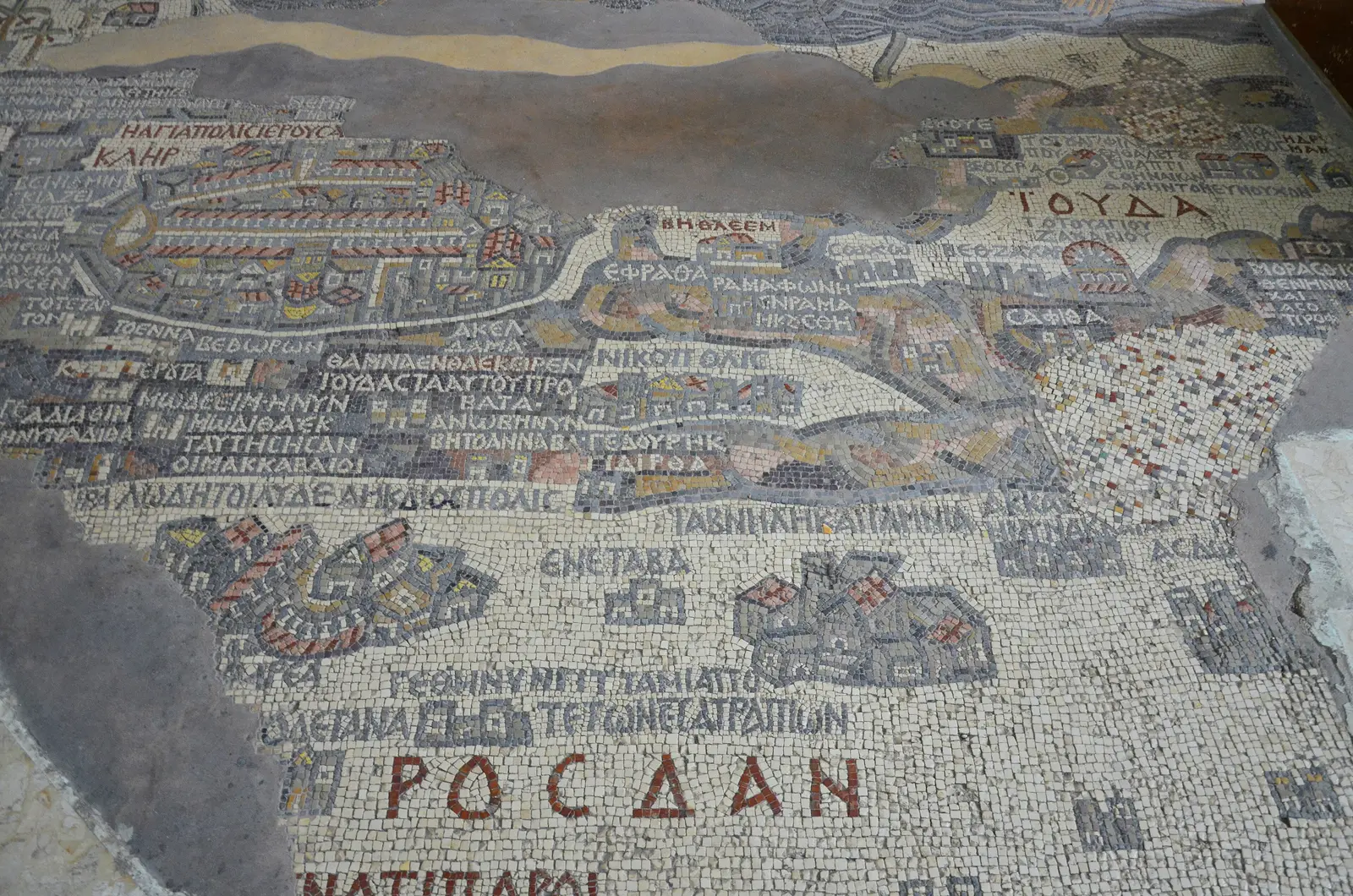
Madaba Governorate