Ain Musa: The Spring of Moses at the Gates of Petra
The town that welcomes every visitor to Petra carries a famous name: Wadi Musa, the Valley of Moses. At its edge, water still flows from a spring that local tradition links to one of the best known stories in the world. It is a small place, easy to pass by, and it holds a very large story.
The story as tradition tells it
The Bible and the Quran both tell how the Prophet Moses led his people through the wilderness, and how they suffered from thirst in a dry land. God commanded Moses to strike a rock with his staff, and water burst out of the stone. The Quran describes twelve springs flowing from the rock, one for each of the tribes, so that every group knew its own place to drink.
Local tradition holds that this event happened here, in the valley above Petra. The spring became known as Ain Musa, the Spring of Moses, and the whole valley took his name. For people living in a land where every drop of water matters, it is easy to understand why this story has been told with such love for so many centuries.
Aaron's mountain on the horizon
The story of Moses in this region continues with his brother Aaron, known in Arabic as Haroun. Tradition says that Aaron died and was buried on a high mountain overlooking Petra, which is called Jabal Haroun, the Mountain of Aaron. On its summit stands a small shrine with a white dome, visible from many viewpoints across the Petra landscape. The present shrine dates from the Mamluk period, around the fourteenth century, and it was built on the site of older structures. Below the summit, archaeologists have studied the remains of a Byzantine monastery, which shows that pilgrims were climbing this mountain long before the shrine took its current form.
Separating faith, tradition and history
Several places across the region are linked by different traditions to the miracle of the water, and historians cannot confirm where it took place. What can be said with confidence is that Ain Musa is one of the most important springs in the Petra area, and that it was holy to many generations of local people, whatever their faith. The spring also has a clear place in the history of Petra. The Nabataeans captured its water and carried it towards their city through channels and clay pipes, some of which can still be seen along the walls of the Siq. Without this spring, the great city in the rocks could hardly have existed.
Visiting the spring and the mountain
Ain Musa lies at the upper entrance of the town of Wadi Musa, beside the road that comes down from the high plateau. A small domed building stands over the spring, and you can see the water flowing out from it. It takes only a few minutes to visit, and it is worth stopping on your way to or from Petra.
Climbing Jabal Haroun is a long and demanding hike that takes most of a day from the centre of Petra, and it is best done with a local guide. The shrine is a place of prayer, so visitors should dress modestly and behave quietly. The views from the top over the mountains and the desert are among the finest in Jordan.
Frequently asked questions
What is Ain Musa?
Ain Musa, which means the Spring of Moses, is a natural spring at the entrance of the town of Wadi Musa, next to Petra. Local tradition holds that it is the place where Moses struck a rock with his staff and water flowed out. The spring was also an important water source for the ancient Nabataean city of Petra.
Is Aaron's tomb really near Petra?
Tradition places the tomb of Aaron, the brother of Moses, on the summit of Jabal Haroun, a mountain overlooking Petra. A white-domed shrine there has been visited by pilgrims for centuries, and the current building dates from around the fourteenth century. Historians cannot confirm the burial, but the site has been honoured for a very long time.
How long does it take to climb Jabal Haroun?
The hike to Jabal Haroun from the centre of Petra usually takes most of a day for the round trip, with steep and rocky sections near the top. It is best to start early, carry plenty of water and walk with a local guide who knows the path. The shrine is a place of prayer, so modest clothing is expected.
More stories
Sheikh Ibrahim and the Rose-Red City: How Burckhardt Reached Petra in 1812
Lot's Wife, the Pillar of Salt and the Cave Above the Dead Sea
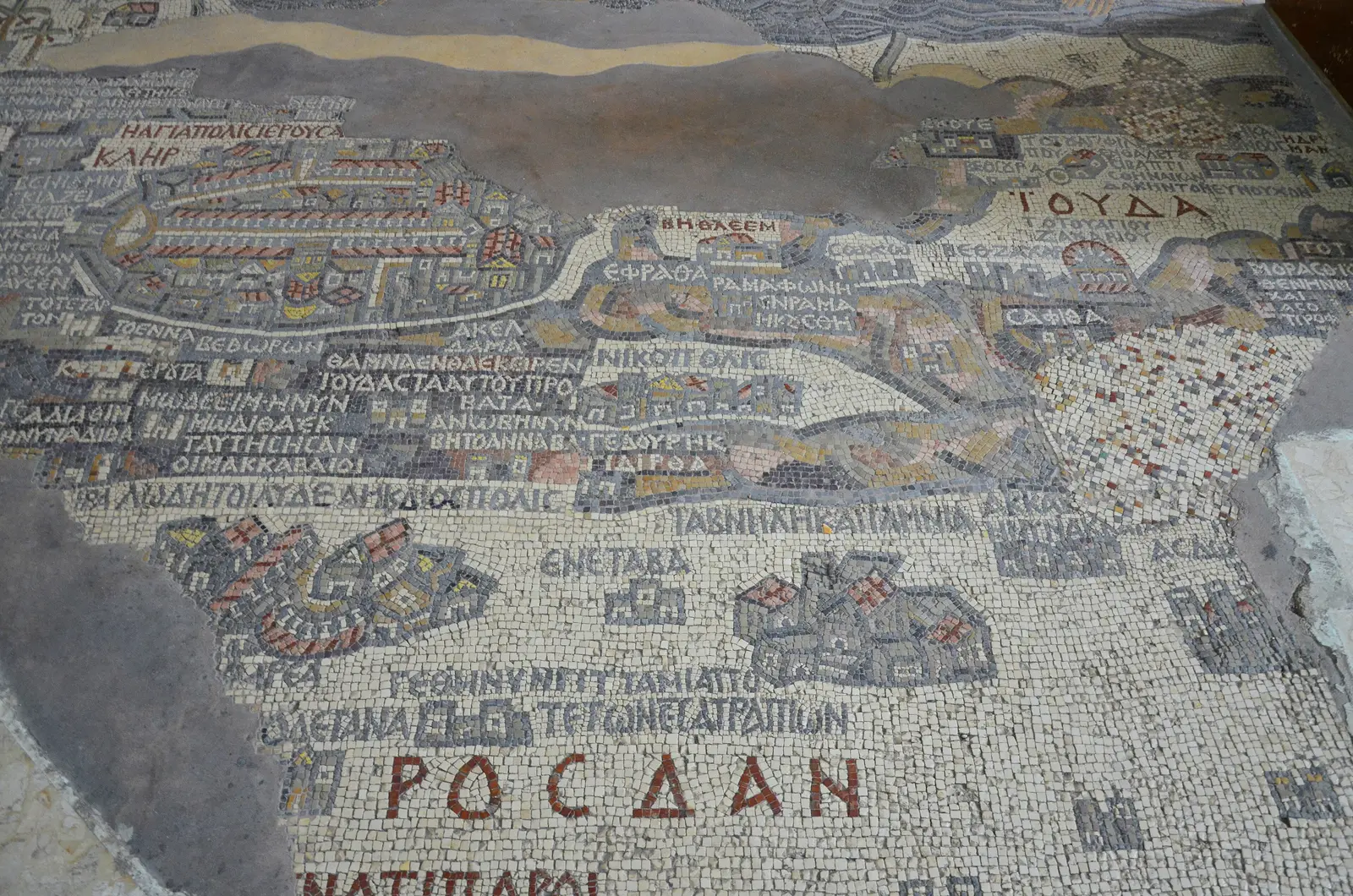
The Madaba Mosaic Map: The Oldest Map of the Holy Land Found Under a Church Floor
The Silent Faces of 'Ain Ghazal: Among the Oldest Statues of the Human Form
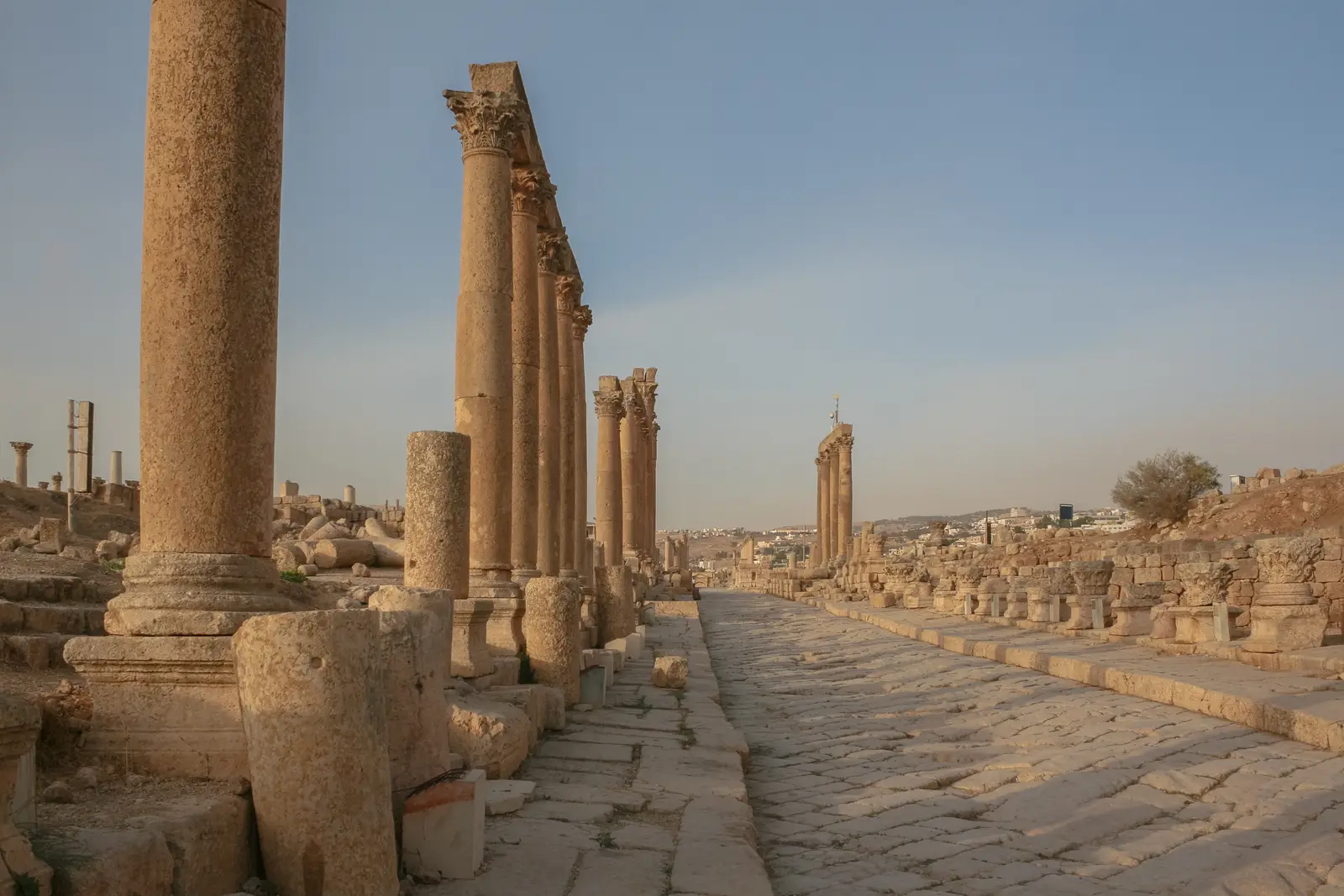
Jerash: The Roman City That Slept Under the Earth
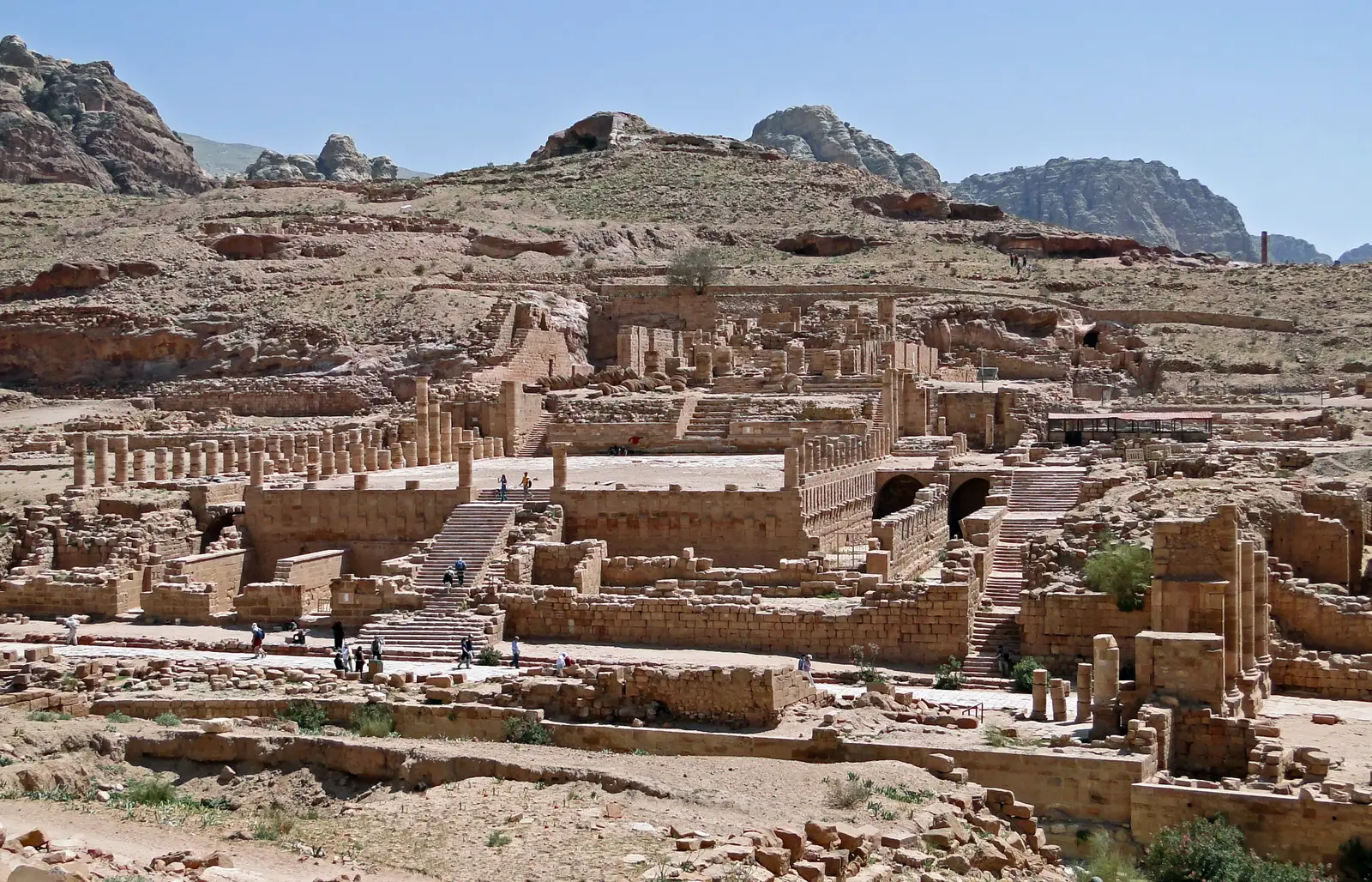
Masters of Water: How the Nabataeans Made the Desert Bloom
The Language of the Cup: Bedouin Coffee Rituals in Jordan