Lot's Wife, the Pillar of Salt and the Cave Above the Dead Sea
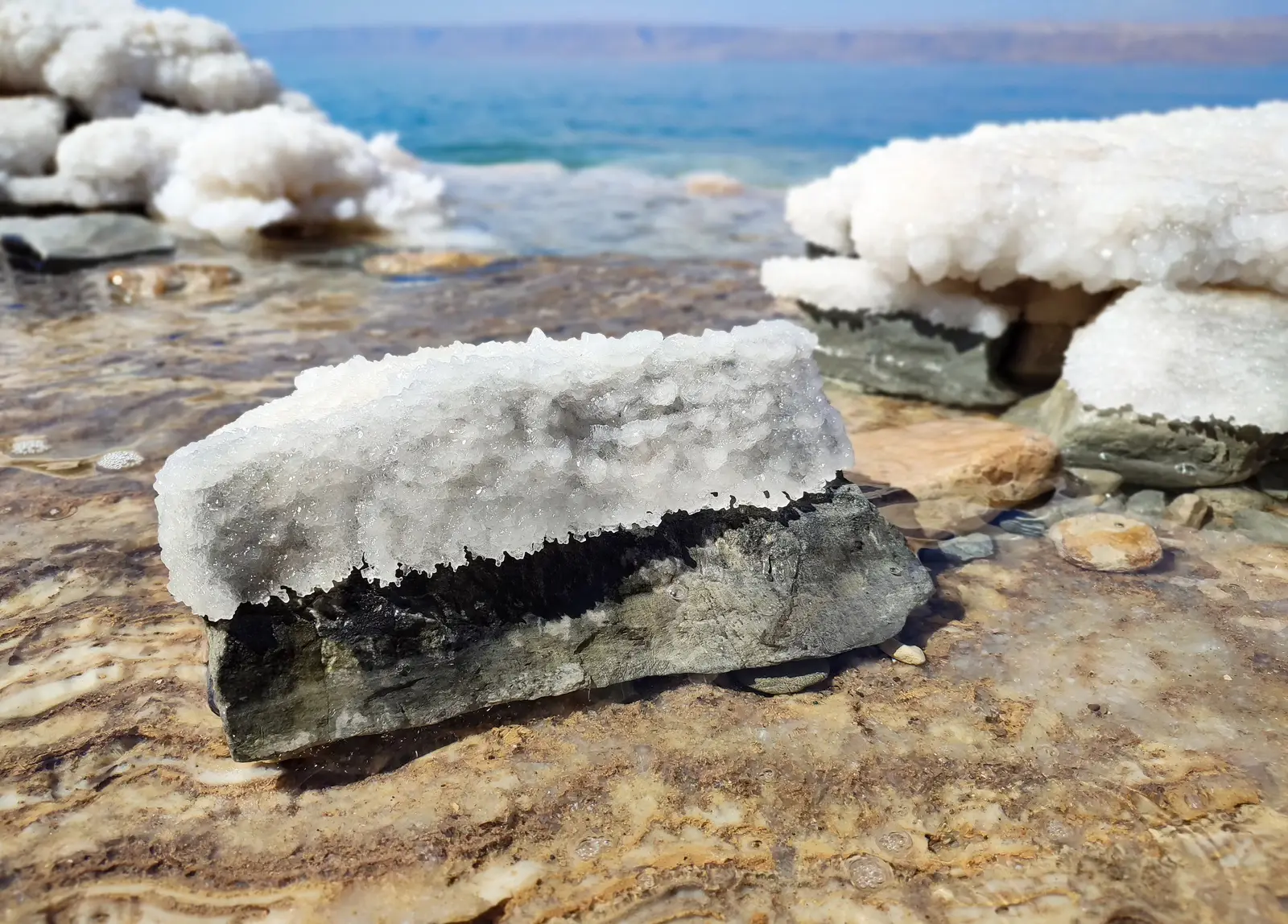
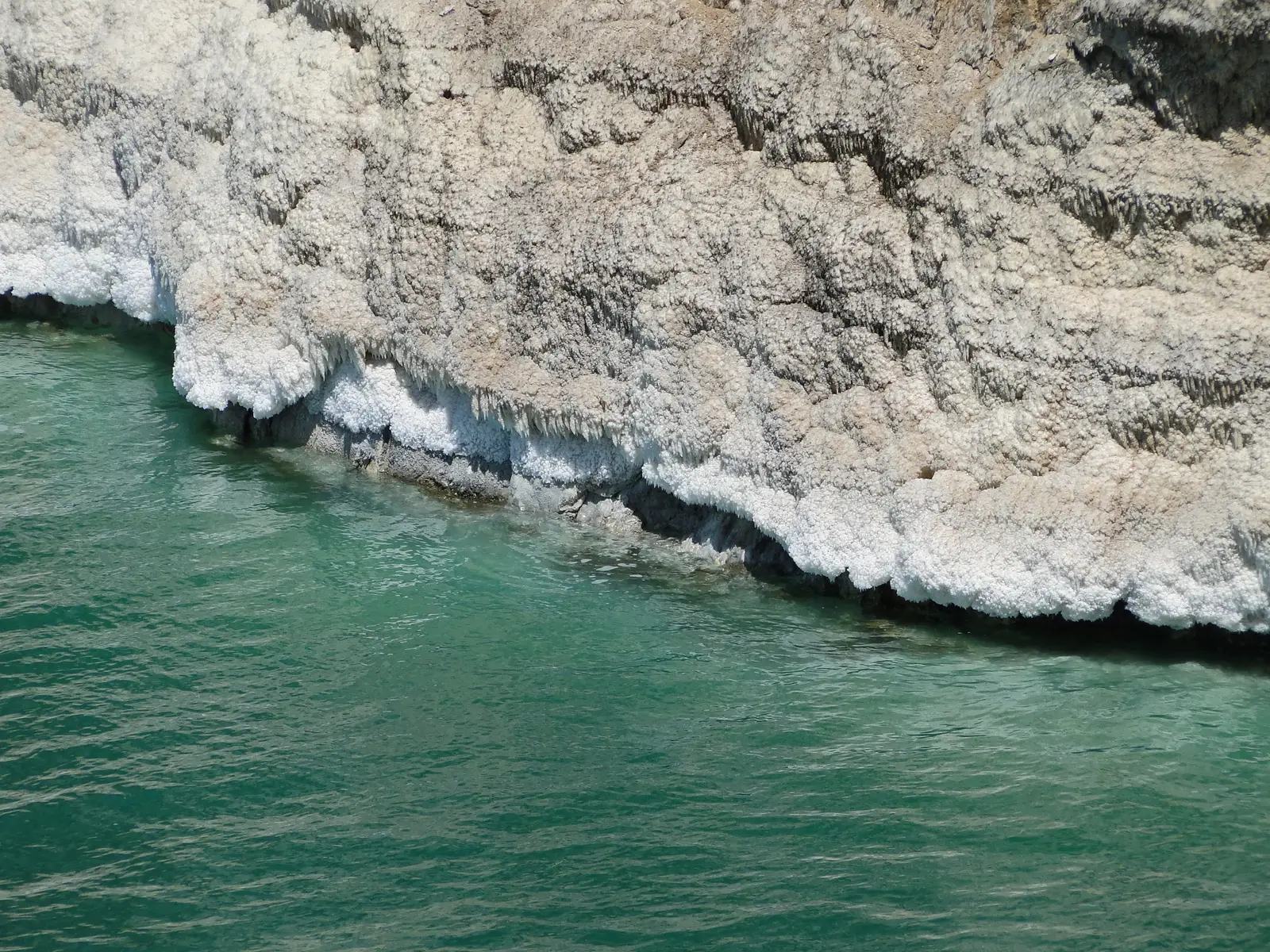
On the shores of the Dead Sea, the land itself seems to be made of salt. White crusts cover the rocks, and strange pillars rise from the hills. It is no surprise that one of the oldest stories of this region is about a woman who turned into salt.
The story of Lot and his family
The story is told in both the Bible and the Quran, where Lot is known as the Prophet Lut. He lived among the cities of the plain near the Dead Sea, whose people had turned to wrongdoing. Messengers came to warn Lot that the cities would be destroyed, and told him to leave at night with his family and not to look back. In the account of the Book of Genesis, Lot's wife looked back at the burning cities and was turned into a pillar of salt. The Quran tells that she remained behind with those who were destroyed. Lot and his daughters escaped into the hills, where, tradition says, they sheltered in a cave.
Salt pillars and storytellers
The Dead Sea is one of the saltiest bodies of water on Earth, and as its water evaporates, it leaves salt behind on the rocks and the shore. Over time, wind and rain carve the soft salty hills into columns and figures. Around the Dead Sea, several of these natural pillars have been called Lot's wife by local people and travellers, each one a different candidate in a very old game of imagination. These formations are natural creations of geology, and none of them can be connected to the story with any certainty. Yet standing in this bright, silent landscape, it is easy to see how the story and the land have shaped each other.
The monastery at Lot's Cave
On a steep hillside near the town of Ghor es-Safi, south of the Dead Sea, stand the ruins of a Byzantine monastery built around a natural cave. Christians of the Byzantine period honoured this cave as the place where Lot and his daughters took refuge. Archaeologists who excavated the site from the late 1980s found a church with mosaic floors, and Greek inscriptions that mention Saint Lot.
Several of the inscriptions are dated to the late sixth and seventh centuries AD. Pottery found in and around the cave shows that people used it much earlier, in the Bronze Age, thousands of years before the monastery was built. The exact location of the cities of the plain remains unknown, and scholars still discuss it. The cave, however, shows how strongly this story was rooted in the local landscape.
Visiting today
The site, known in Arabic as Deir Ain Abata, can be reached by a path and a long flight of steps that climb the hillside. The walk is short but steep and hot for much of the year, so it is best done in the morning with water and a hat. From the top, the view stretches over the farms of the southern Jordan Valley towards the Dead Sea. Nearby, the Museum at the Lowest Place on Earth displays objects from the monastery and from the wider region, including mosaics, pottery and ancient textiles. A visit to both gives you the story, the landscape and the history together.
Frequently asked questions
Where is the pillar of salt of Lot's wife?
There is no single confirmed pillar. Around the Dead Sea, several natural rock and salt formations have been given the name Lot's wife by local people and travellers. They are created by evaporation, wind and rain, and none can be linked to the story with certainty. They show how this ancient story has been connected to the landscape.
Can you visit Lot's Cave in Jordan?
Yes. Lot's Cave, known as Deir Ain Abata, lies on a hillside near Ghor es-Safi, south of the Dead Sea. A path and steps lead up to the ruins of a Byzantine monastery and church built around the cave. Go in the morning, as the climb is steep and the area becomes very hot.
Is the story of Lot in the Quran as well as the Bible?
Yes. Lot, known in Arabic as Lut, is honoured as a prophet in Islam, and his story appears in several chapters of the Quran. It is also told in the Book of Genesis in the Bible. The two accounts share the warning, the escape and the destruction of the cities, with some differences in detail.
More stories
The Madaba Mosaic Map: The Oldest Map of the Holy Land Found Under a Church Floor
The Silent Faces of 'Ain Ghazal: Among the Oldest Statues of the Human Form
Jerash: The Roman City That Slept Under the Earth
Masters of Water: How the Nabataeans Made the Desert Bloom
The Language of the Cup: Bedouin Coffee Rituals in Jordan
Three Days and a Third: The Bedouin Code of Hospitality