Jerash: The Roman City That Slept Under the Earth
For centuries, travellers passing through the green hills north of Amman saw only the tops of columns rising from fields and mounds of earth. Below them lay one of the best preserved Roman cities in the world, waiting to be uncovered.
A city of a thousand columns
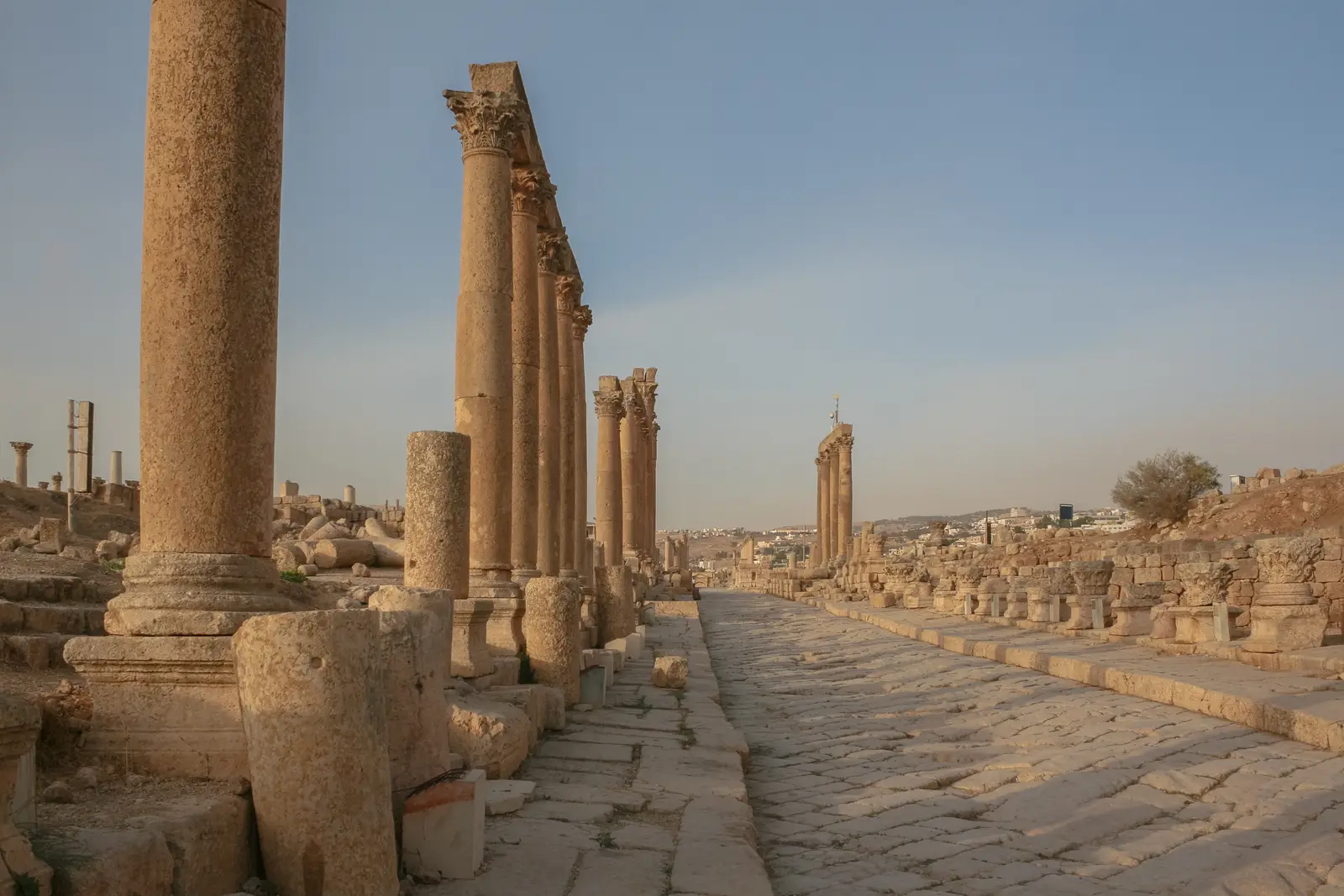
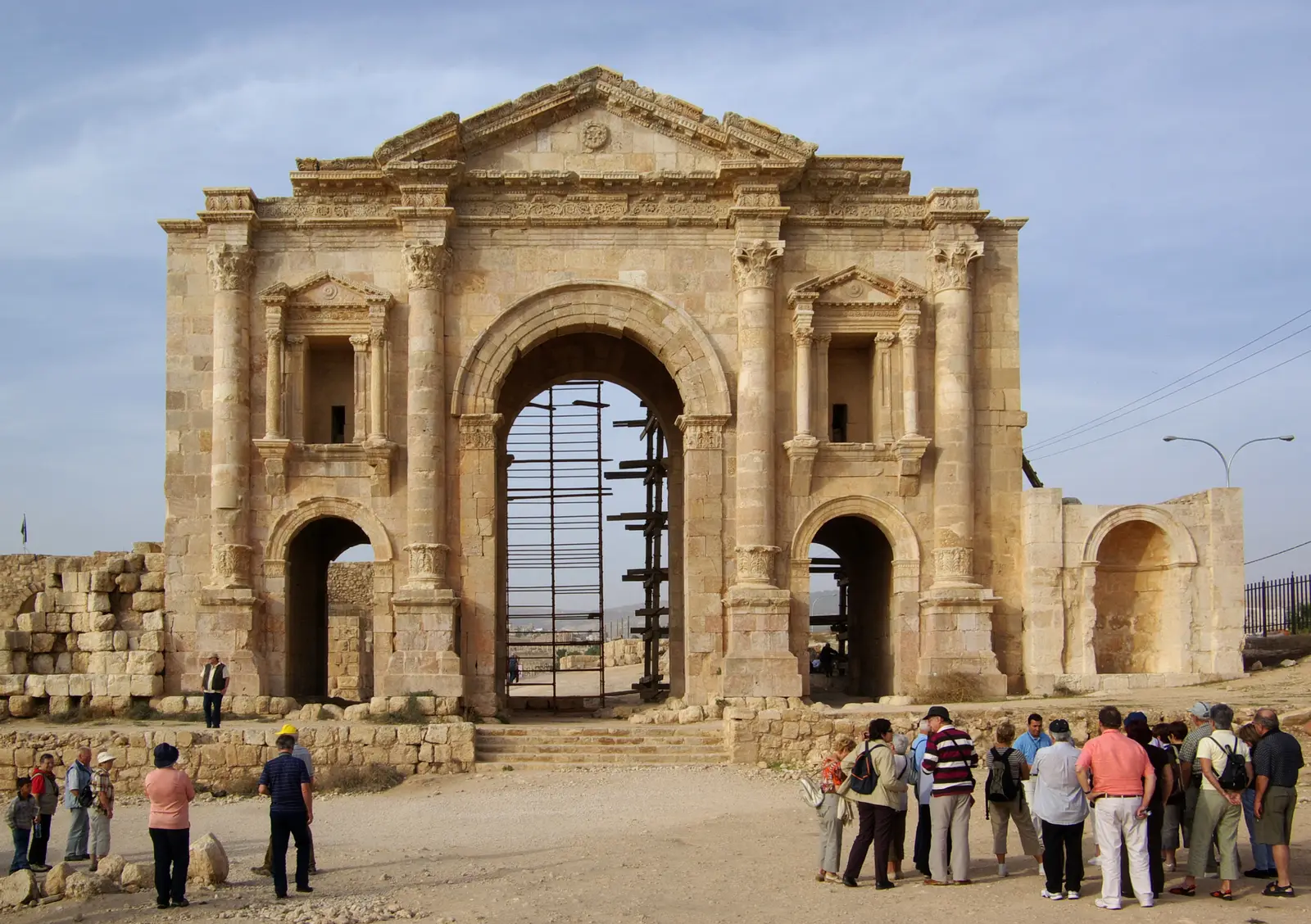
Ancient Gerasa grew into a rich and elegant city during the Roman period. In the second century AD it was at its height: a long colonnaded street paved with stone, an unusual oval plaza, theatres, baths, fountains and great temples to Zeus and Artemis. When the Emperor Hadrian visited in the winter of 129 to 130 AD, the citizens built a triumphal arch in his honour, which still welcomes visitors today. Life continued in the city for centuries. In the Byzantine period many churches were built, decorated with fine mosaics, and the city remained inhabited into the early Islamic period.
Shaken and buried
In 749 AD a powerful earthquake struck the region and caused great damage to Gerasa. Over the following centuries the population shrank, and the great buildings slowly collapsed. Rain washed soil down from the hills, and fallen stones, earth and windblown dust gathered over the streets and floors. Little by little, the city disappeared under the ground. Columns stood half buried, and the outlines of temples and theatres turned into grassy hills. This blanket of earth, though it hid the city, also protected it, which is one reason why Jerash is so well preserved today.
Rediscovery and excavation
In 1806 the German traveller Ulrich Jasper Seetzen passed through the area and recognised the ruins as ancient Gerasa. Other travellers followed and described the standing columns and arches. In the late nineteenth century, Circassian settlers founded a new town beside the ruins, and modern Jerash grew on the eastern side of the valley. Systematic excavation and restoration began in the 1920s and has continued ever since, with Jordanian and international teams working together. Each season reveals more of the city: streets, shops, houses, workshops and mosaics. Much of Gerasa has still not been excavated.
The swaying columns and visiting today
At the Temple of Artemis, the tall columns are built from stacked stone drums, and some of them move very slightly in the wind. Local guides like to show this by placing a spoon or a key in a gap at the base of a column and inviting visitors to watch it rock gently. It is a small wonder that has delighted visitors for generations.
Give Jerash at least half a day. Walk through Hadrian's Arch, past the hippodrome, into the oval plaza and along the colonnaded street, then climb to the Temple of Artemis and the theatres. Spring and autumn are the most comfortable seasons, and in summer the city hosts a well-known cultural festival with music and performances among the ruins. Comfortable shoes, water and a hat are essential.
Frequently asked questions
Why was Jerash buried?
Jerash, ancient Gerasa, was badly damaged by a major earthquake in 749 AD. As the population declined over the following centuries, buildings collapsed and soil, stone and dust washed down from the hills and covered the city. This layer of earth hid the ruins but also protected them, helping make Jerash one of the best preserved Roman cities.
Who rediscovered Jerash?
The German traveller Ulrich Jasper Seetzen identified the ruins as ancient Gerasa in 1806. Many travellers visited and described them afterwards. Large-scale excavation and restoration began in the 1920s and continues today, with Jordanian and international archaeologists working on the site.
Do the columns at Jerash really move?
Yes, slightly. Some of the tall columns at the Temple of Artemis are built from stacked stone drums and sway a little in the wind. Guides often place a spoon or key in a gap at the base so visitors can see it rock. The movement is tiny and the columns have stood this way for many centuries.
More stories
Masters of Water: How the Nabataeans Made the Desert Bloom
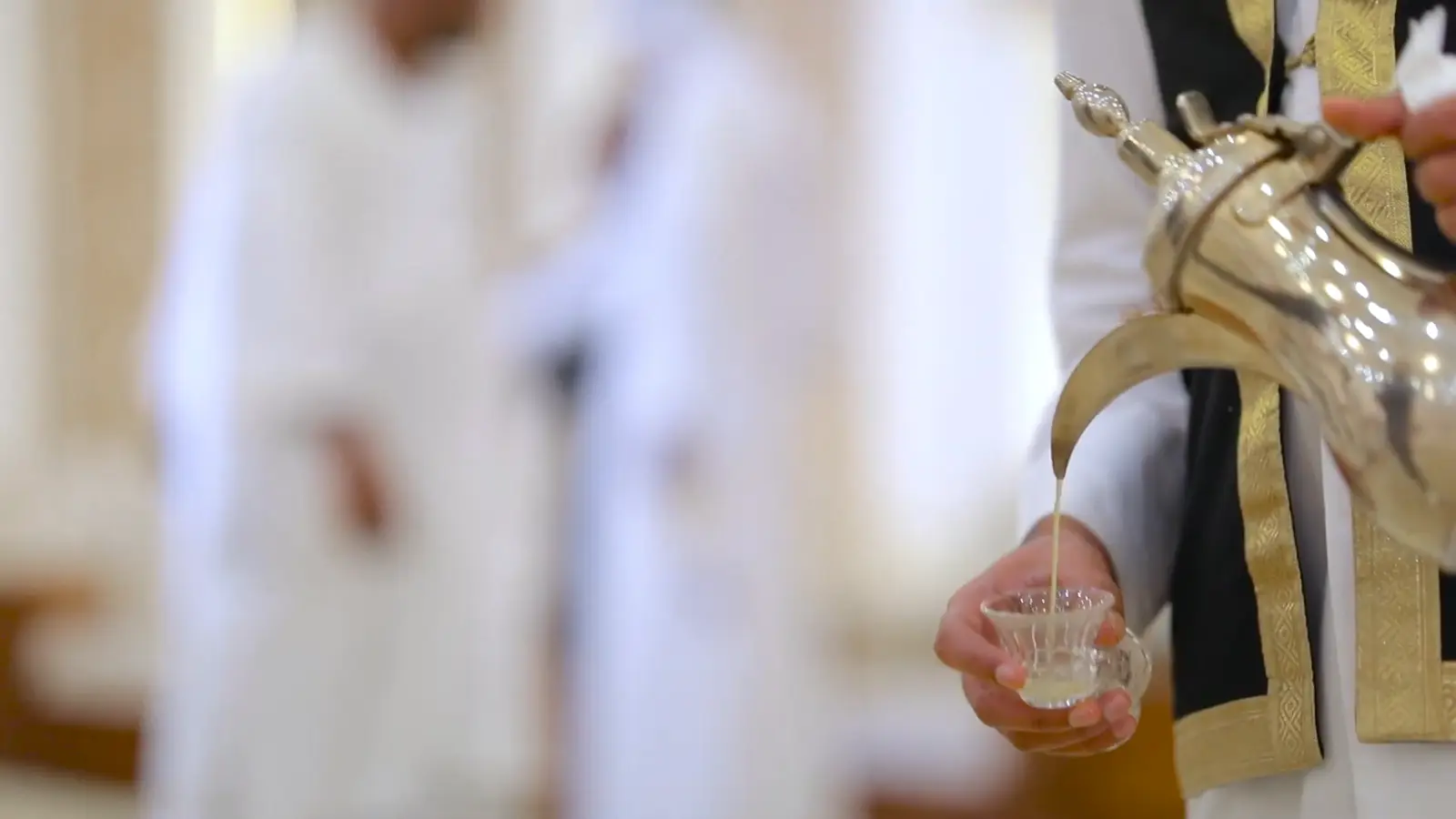
The Language of the Cup: Bedouin Coffee Rituals in Jordan
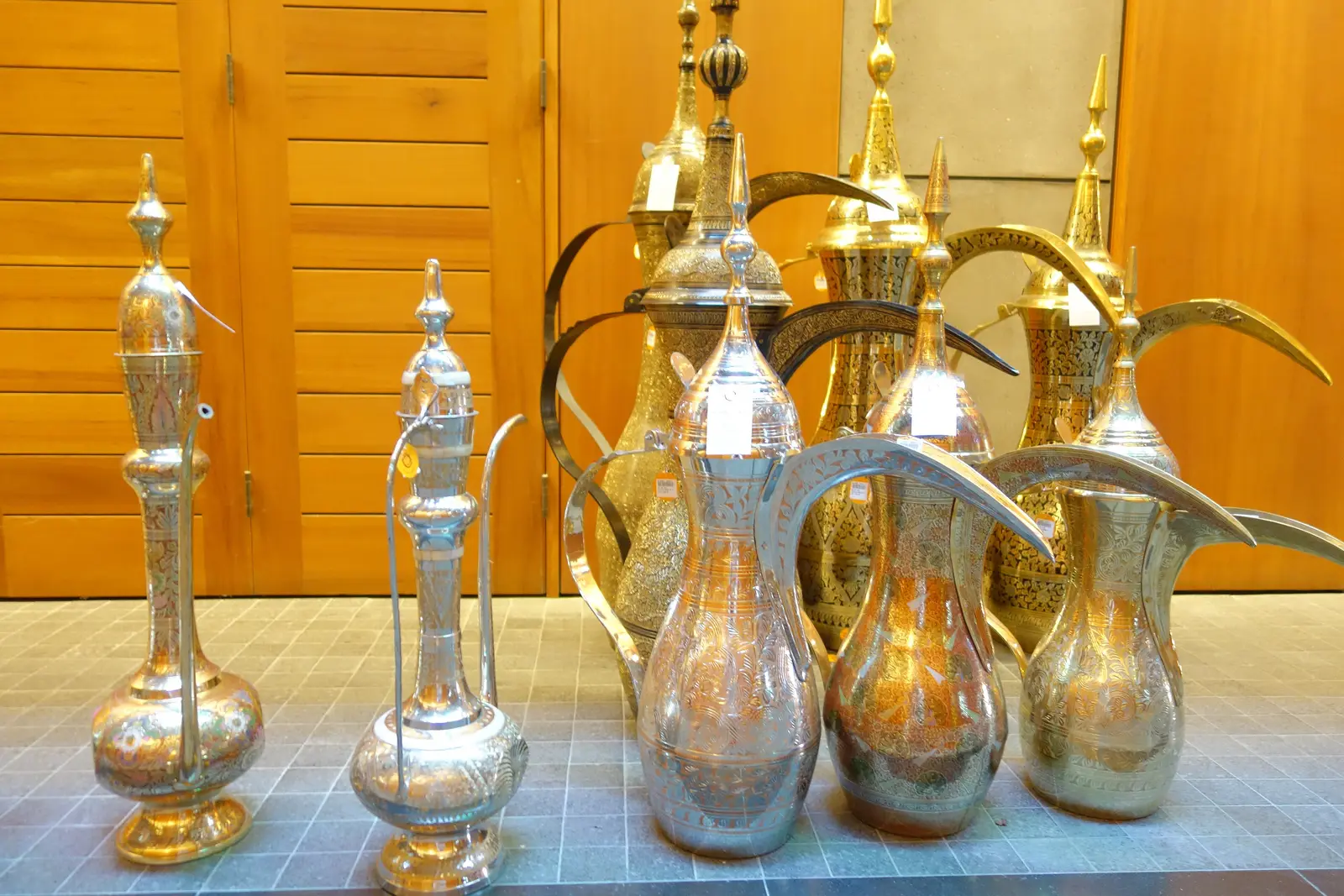
Three Days and a Third: The Bedouin Code of Hospitality
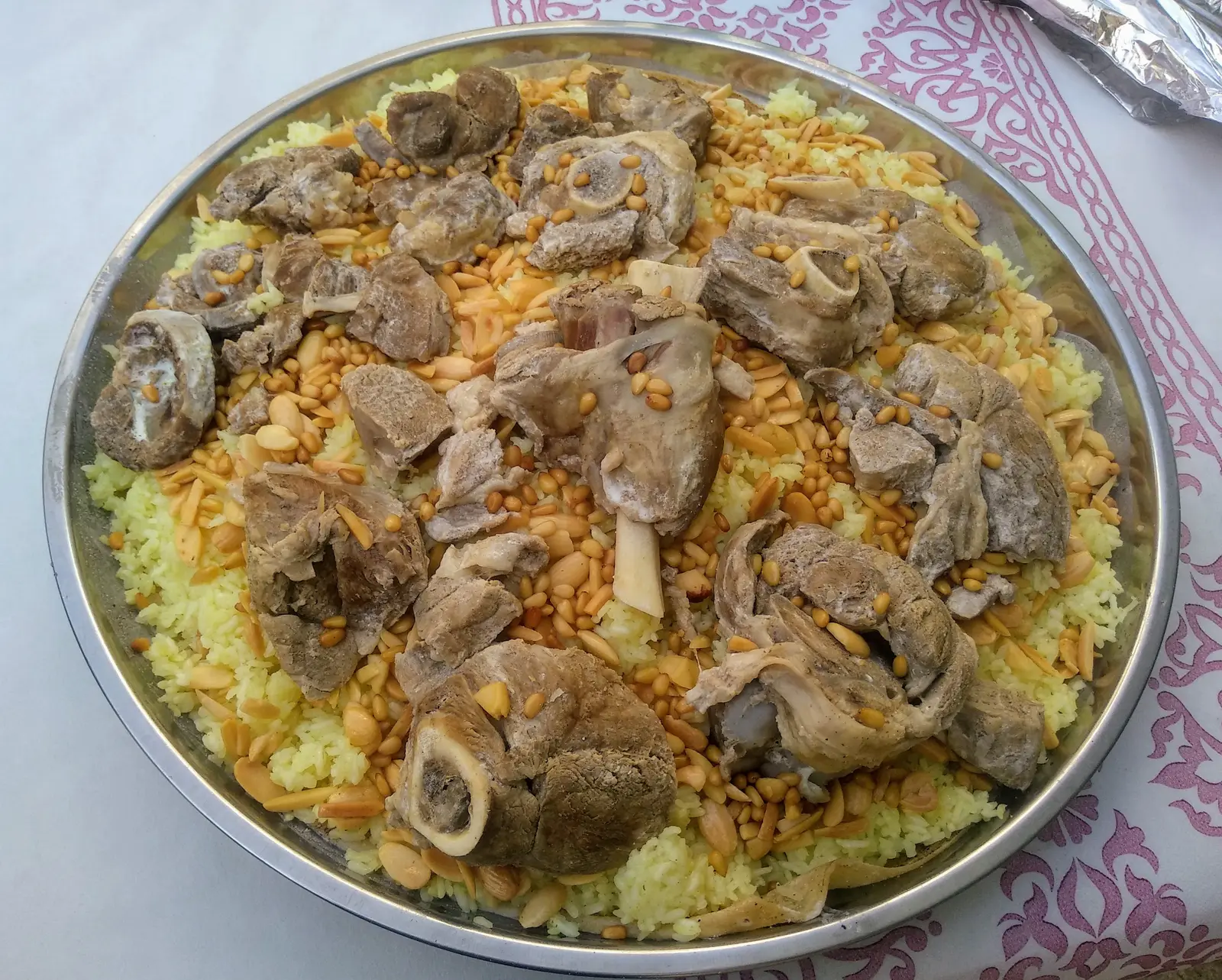
The Story of Mansaf: Jordan's Feast Around One Tray
The Black Iris: The Dark Flower of Jordan's Spring
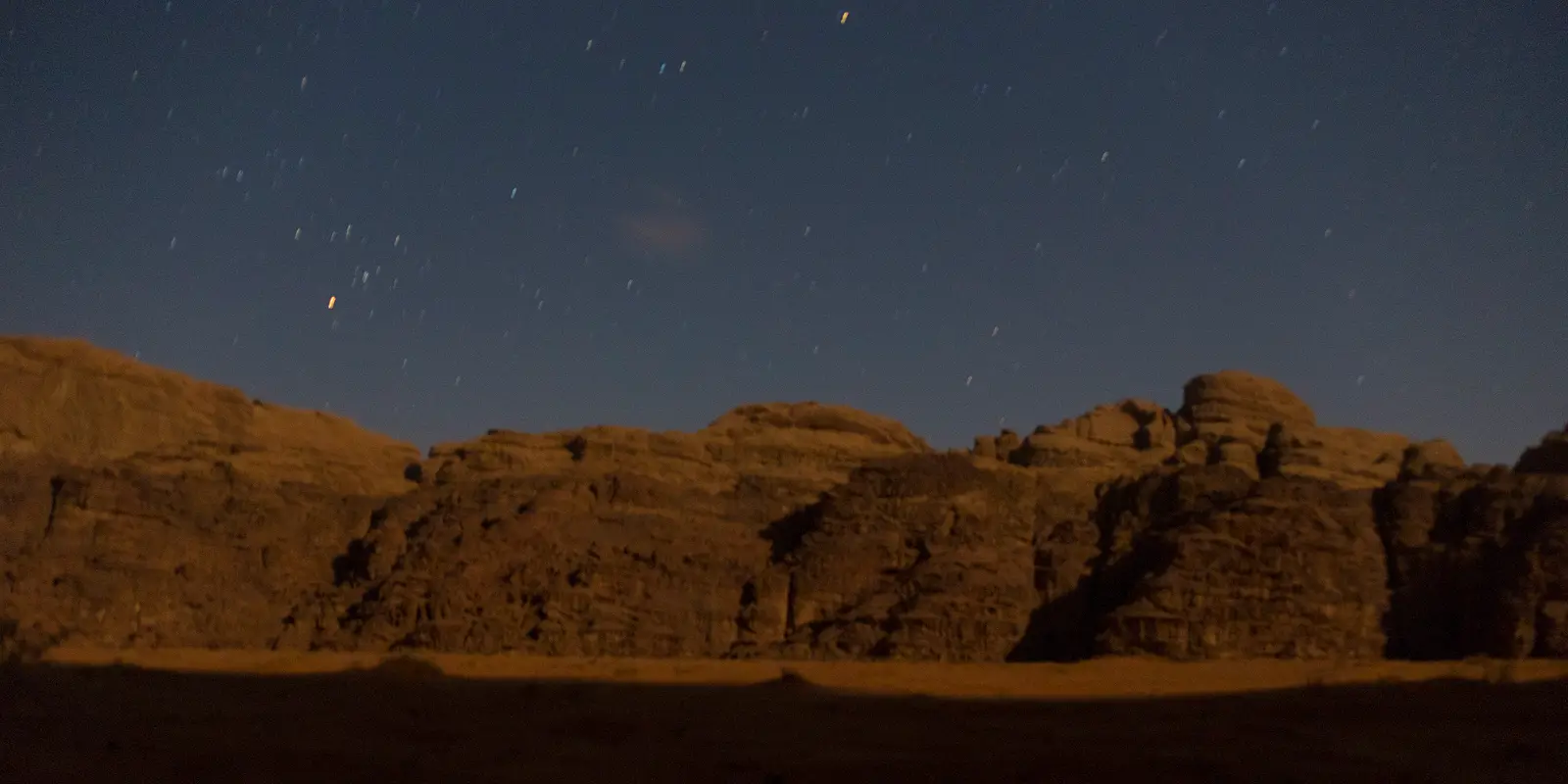
Under the Desert Sky: Bedouin Star Lore in Wadi Rum
Fire on the Hilltop: Ajloun Castle, Beacon Fires and Messenger Pigeons