Three Days and a Third: The Bedouin Code of Hospitality
In the old desert, a traveller who reached a tent at nightfall did not need to knock or ask. He would be welcomed, fed and protected, often without even being asked his name. For three days, he was a guest, and that word carried the weight of law.
A law written in the sand
Life in the desert was hard, and anyone could find themselves lost, hungry or far from home. Over many centuries, the Bedouin tribes of Arabia and the lands that are now Jordan developed a code of hospitality that every family respected. A guest who arrived at a tent had the right to food, water, shelter and safety, whether he was a friend, a stranger or even someone from a rival tribe.
Tradition says that a guest could stay for three days and a third before the host would politely ask about his purpose. The three days allowed the guest to rest and regain his strength, and the third of a day was a gentle extra, so that no one would feel rushed away. A host who asked questions too early was considered impolite.
Bread and salt
Once a guest had eaten in a tent, a bond was formed. People in Jordan still say that there is bread and salt between them, meaning that sharing a meal creates loyalty and trust. In the old understanding, the food remained in the guest's body for some days, and during that time the host was responsible for his safety. Another old custom allowed a person in danger to ask for protection, called dakhala. By touching the tent pole or entering the tent and asking for refuge, he placed himself under the host's care. Protecting such a guest was a matter of honour for the whole family, and failing to do so was considered deeply shameful.
The legend of the most generous man
Arab storytellers love to tell of Hatim al-Tai, a poet of ancient Arabia whose name became a symbol of generosity. According to a famous legend, travellers once arrived at his tent on a cold night when he had nothing left to feed them. Without hesitation, he slaughtered his beloved horse so that his guests would not go hungry. Whether every detail is true or not, the story has been told for many centuries because it captures an ideal: a good host gives the best he has, and never lets a guest feel that he is a burden. In Jordan, people still compare a generous person to Hatim.
Hospitality in Jordan today
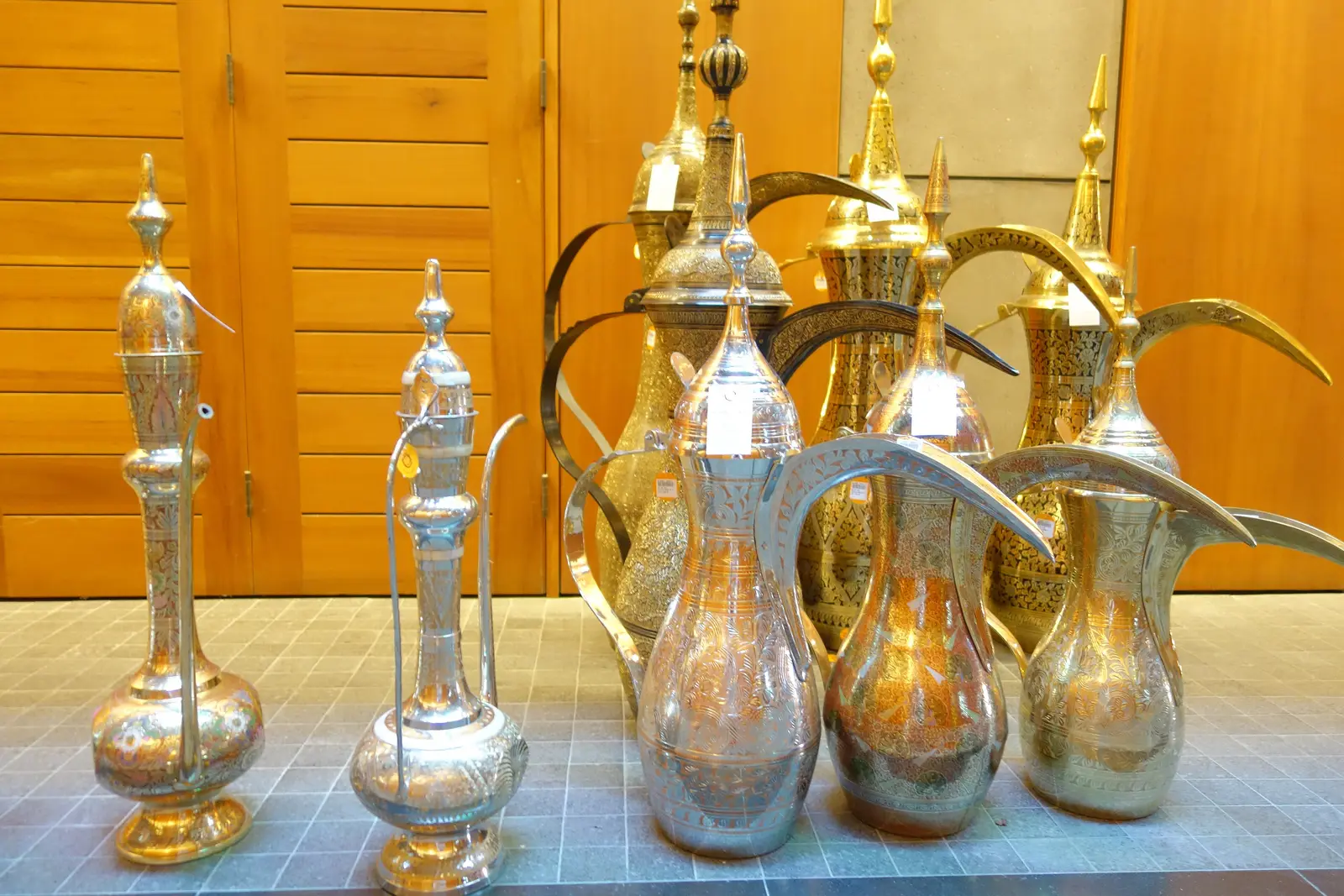
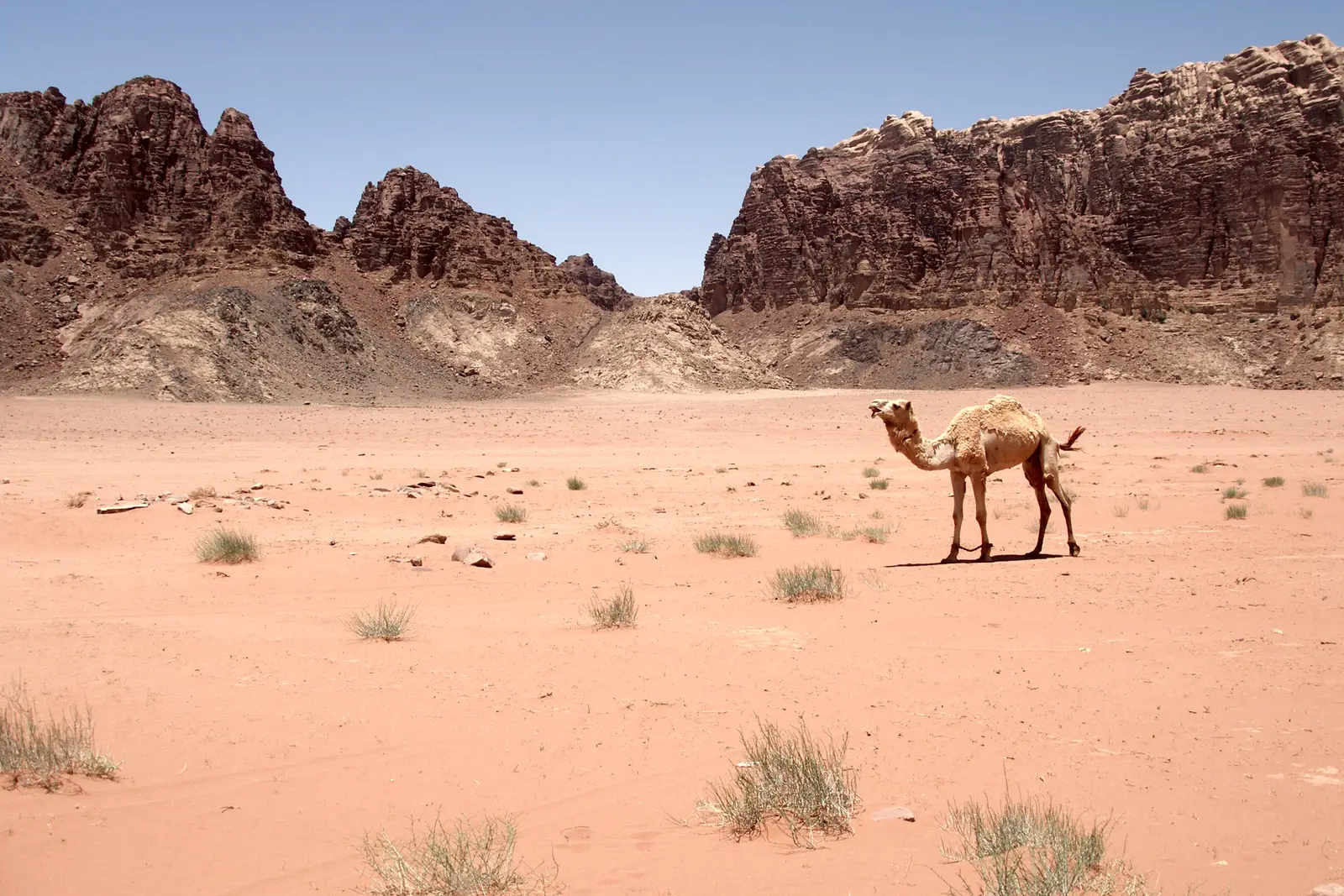
Modern life has changed the desert, but the spirit of the code remains strong. Visitors to Jordan are often surprised by how quickly they are offered tea, coffee or a meal, sometimes by people they have just met. The common greeting ahlan wa sahlan means that you are among family and on easy ground. In Wadi Rum and around Petra, staying at a Bedouin camp gives a glimpse of this tradition: the open side of the black goat-hair tent, the fire, the coffee pot and the long evening conversations. Accept invitations with grace, eat with your right hand, and thank your hosts warmly. Respect is always returned.
Frequently asked questions
What is the Bedouin rule of three days of hospitality?
According to Bedouin tradition, a guest may stay three days and a third with a host, receiving food, shelter and protection, before the host politely asks the reason for the visit. The custom ensured that any traveller in the desert, even a stranger, could rest and recover in safety.
What does bread and salt mean in Jordan?
Saying that there is bread and salt between two people means they have shared a meal and are bound by trust and loyalty. In Bedouin tradition, eating together created a moral bond, and the host became responsible for the guest's safety. The expression is still used in everyday Jordanian life.
How should a visitor respond to Jordanian hospitality?
Accept tea or coffee when it is offered, as refusing can seem cold. Use your right hand to eat, drink and pass things, and thank your host warmly. You do not need to accept every invitation, but a polite and smiling answer is always appreciated. Simple courtesy is the best way to honour the tradition.
More stories
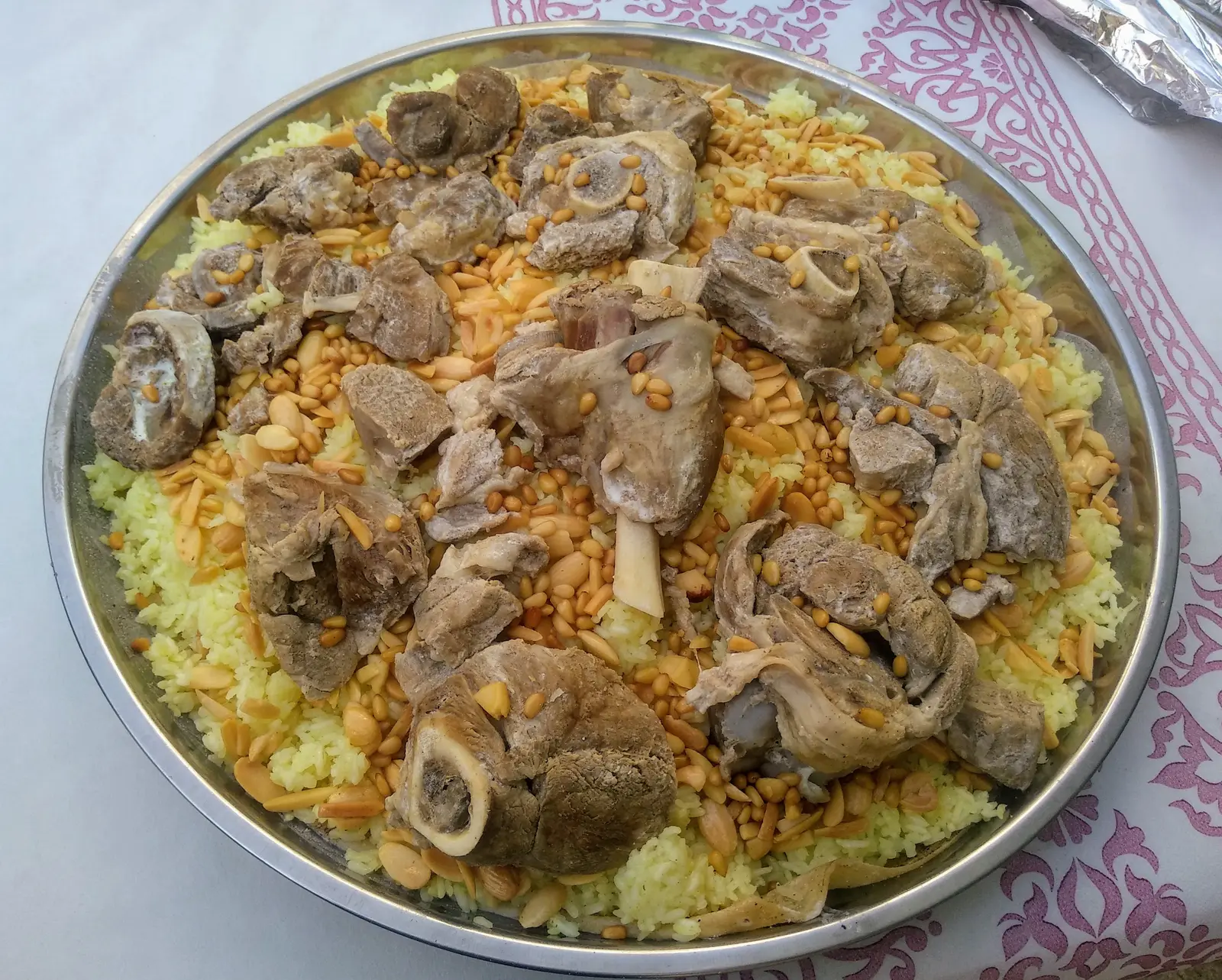
The Story of Mansaf: Jordan's Feast Around One Tray
The Black Iris: The Dark Flower of Jordan's Spring
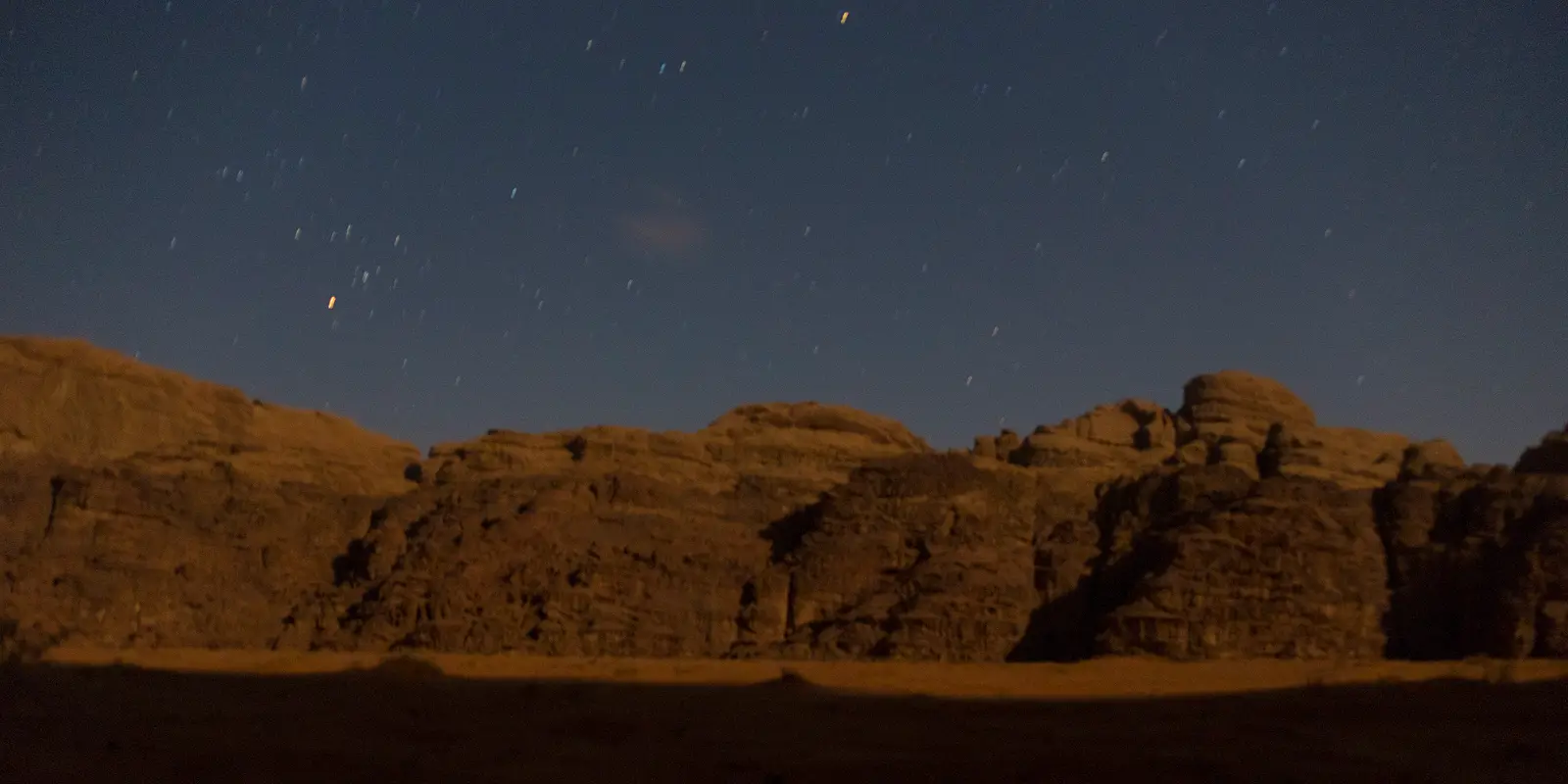
Under the Desert Sky: Bedouin Star Lore in Wadi Rum
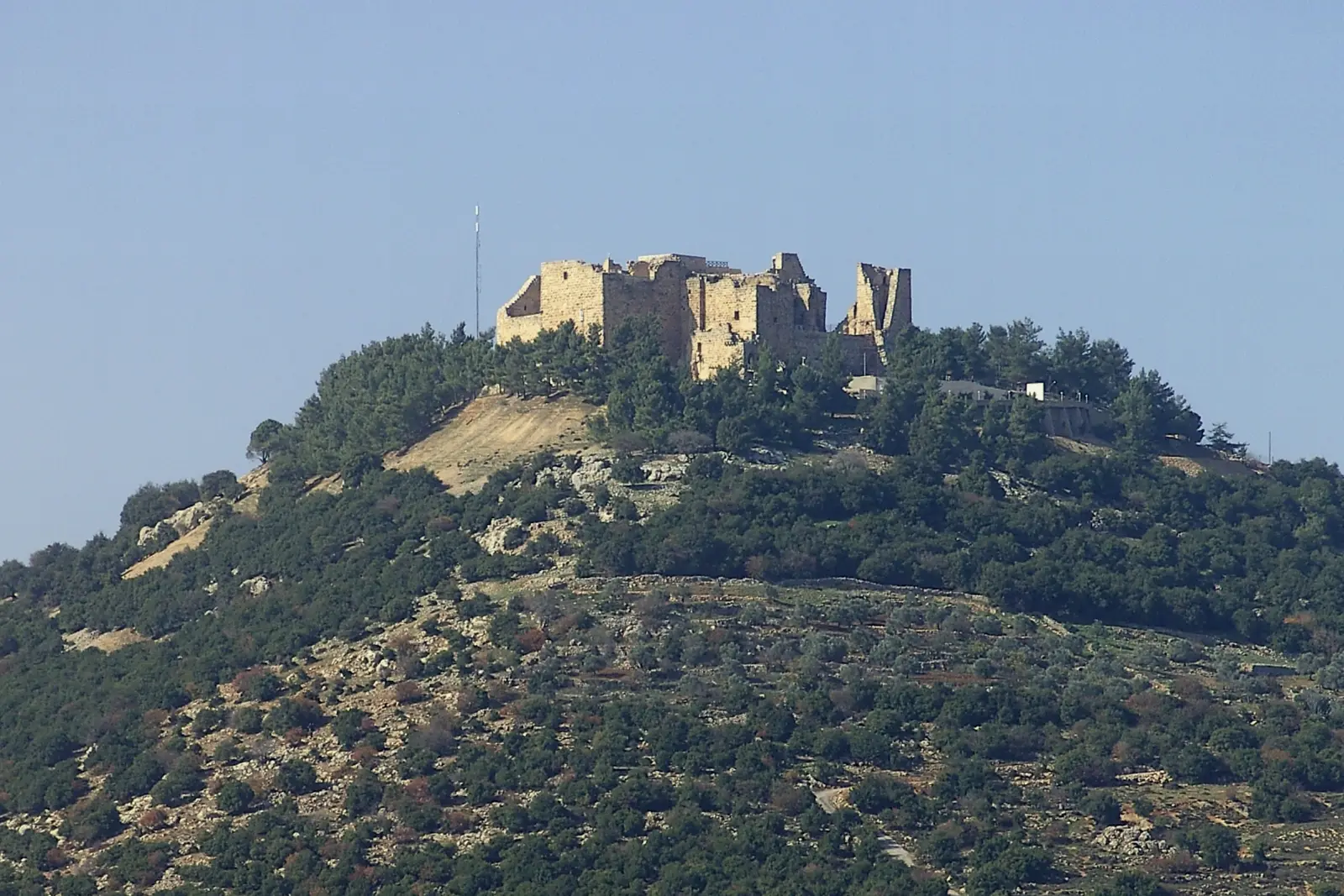
Fire on the Hilltop: Ajloun Castle, Beacon Fires and Messenger Pigeons
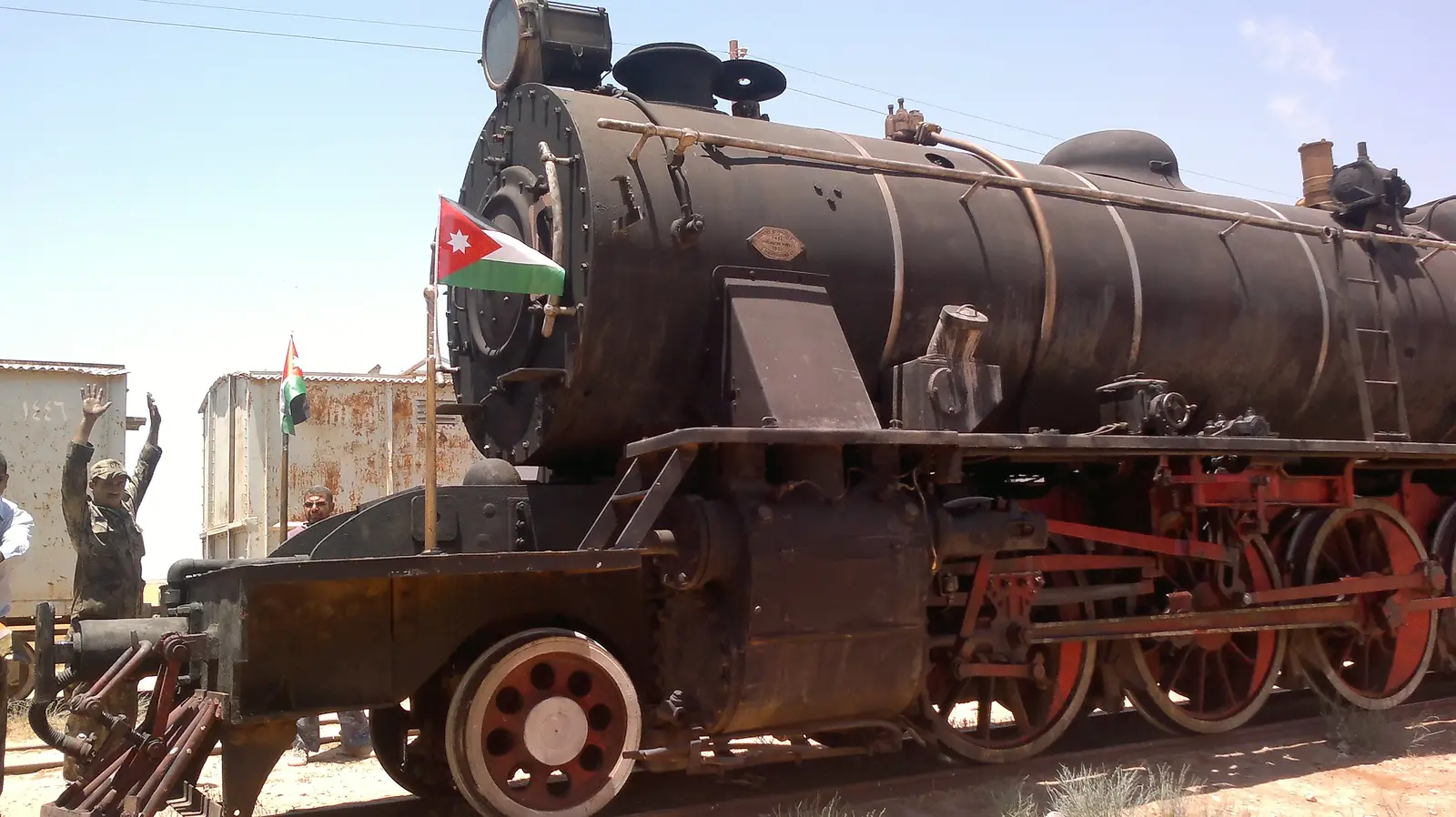
The Hejaz Railway: The Steam Train That Crossed the Desert
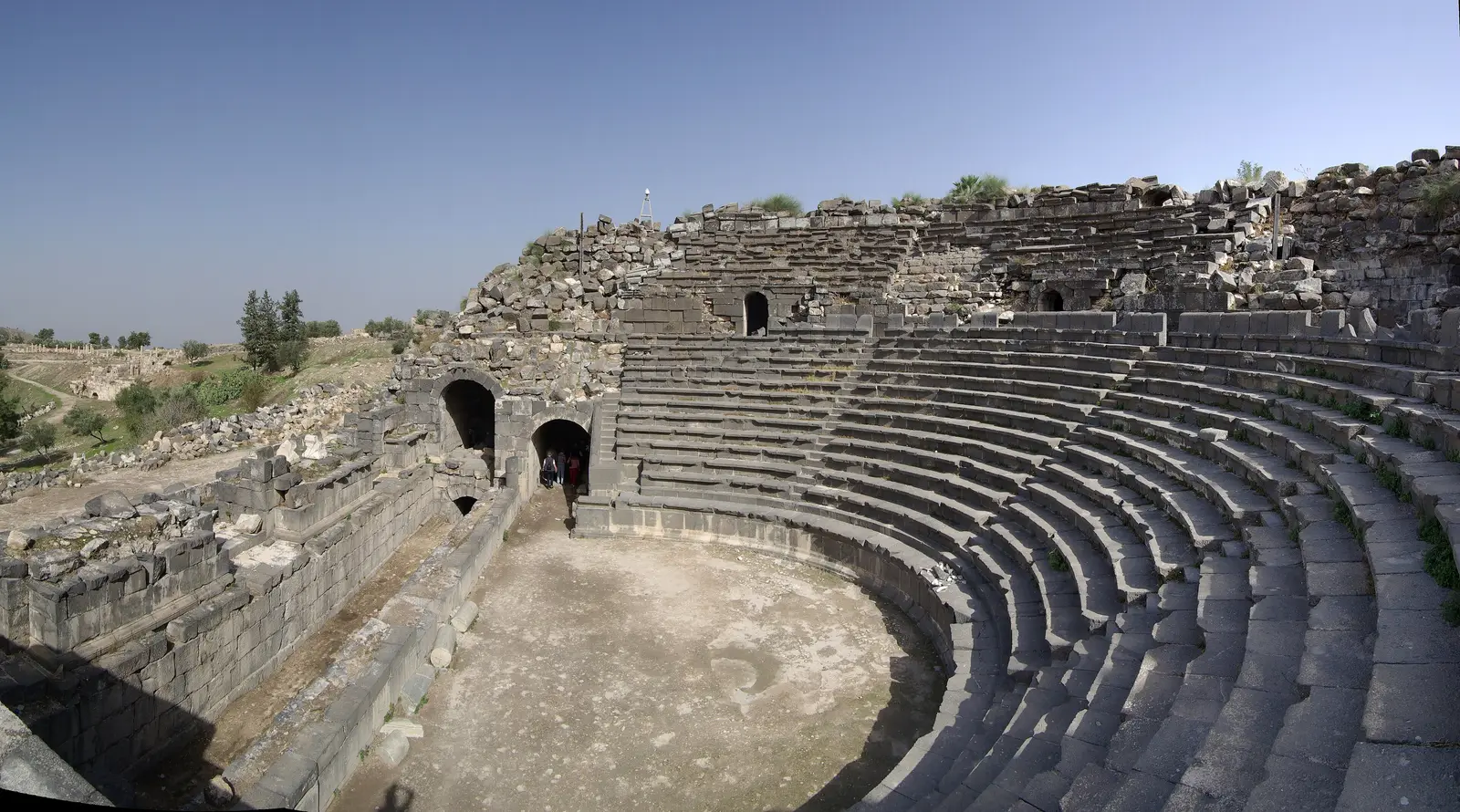
Gadara: The City of Poets and Philosophers at Umm Qais
Machaerus and the Hot Springs: Herod's Fortress Above the Dead Sea