The Language of the Cup: Bedouin Coffee Rituals in Jordan
In a Bedouin tent, coffee is never just a drink. From the moment the beans are roasted over the fire to the small shake of the cup when you have had enough, every step is part of a quiet conversation about respect, welcome and trust.
The sound that calls the guests
Traditional Bedouin coffee, known as qahwa saada, is bitter and fragrant, flavoured with cardamom and served without sugar. In the old way of making it, green coffee beans are roasted in a long-handled iron pan over the fire, then cooled and ground in a wooden mortar called a mihbash. Grinding was an art. The host would strike the pestle against the mortar in a steady, musical rhythm, and the sound carried across the camp in the quiet desert air. According to tradition, the rhythm was an invitation: neighbours who heard it knew that coffee was being prepared and that they would be welcome to come and share it.
How the coffee is served
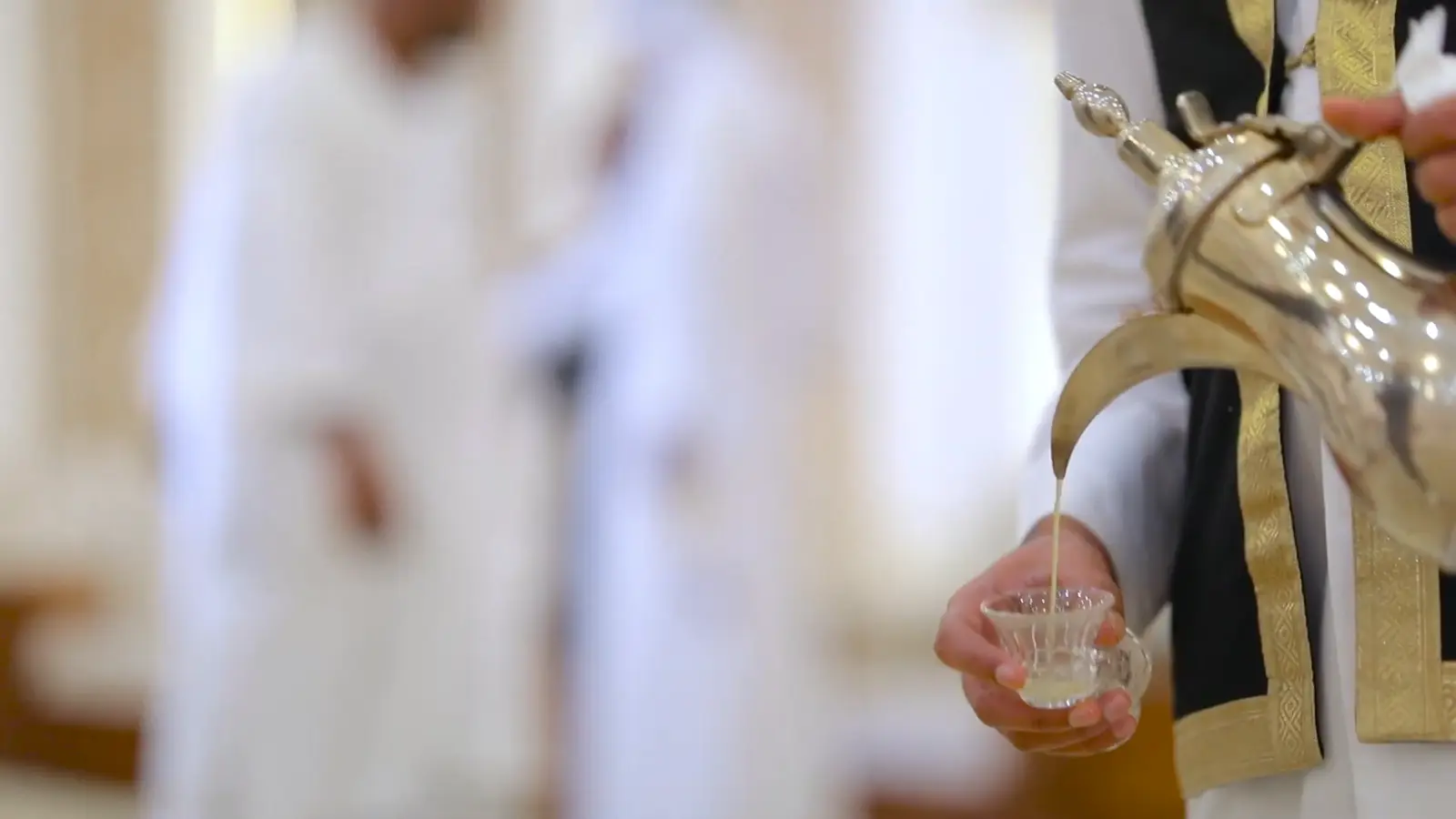
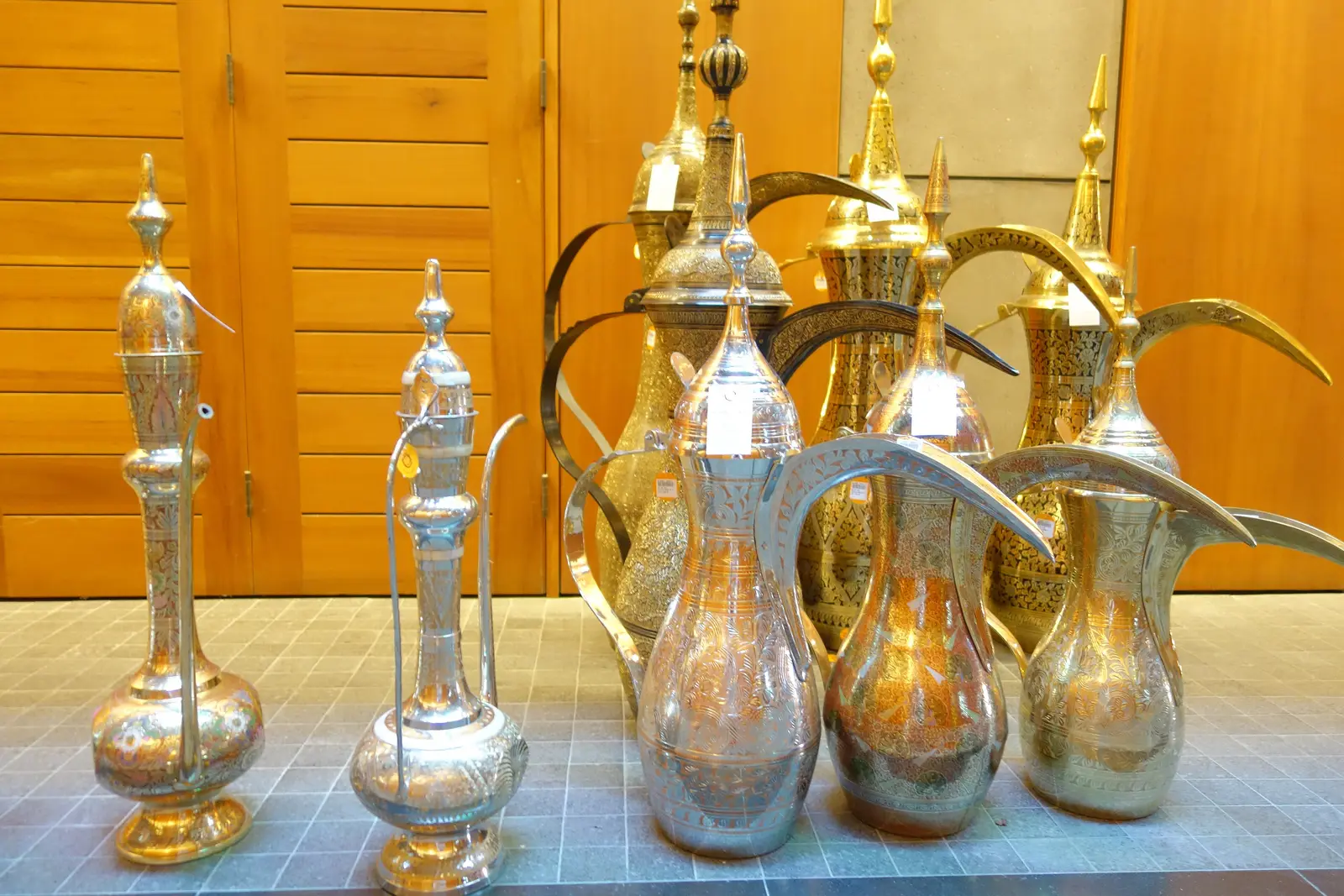
The coffee is boiled in a brass or copper pot with a long spout, called a dallah, and poured into small cups without handles, called finjan. The server holds the pot in the left hand and offers the cup with the right hand. Only a small amount is poured, just a few sips, because the honour lies in being served again and again.
The guest receives the cup with the right hand. When you have had enough, you gently shake the cup from side to side before handing it back. This small movement tells the host, without words, that you are satisfied. If you simply hand the cup back without shaking it, the host will happily fill it once more. Holding the empty cup still is understood as a request for more.
The meaning of the cups
Storytellers in Jordan and across the Arab world often explain the cups with rhyming names, though the details vary from one region and family to another. In a common telling, the first cup, called al-heif, is drunk by the host himself to show that the coffee is good and safe. The second, ad-deif, is for the guest, as a sign of welcome. The third, al-keif, is for enjoyment.
Some add a fourth cup, as-seif, the sword, which in old times was understood as a promise to stand by the host in difficult times. In another old custom, a guest who had come to ask for help might hold his cup without drinking until the host agreed to listen. Today these meanings are remembered with affection, and most guests simply enjoy one to three cups.
Sharing coffee today
Arabic coffee is still at the centre of Jordanian life, served at weddings, at gatherings of condolence, at reconciliations and at ordinary family visits. In homes and offices you will also be offered sweet tea, often flavoured with sage or mint. Visitors are most likely to experience the full ritual in the desert, especially in Wadi Rum and in Bedouin homes around Petra, where hosts may still roast and grind beans by the fire. Accept the cup with your right hand, drink slowly, and remember the shake. It is one of the simplest and warmest ways to connect with Jordanian culture.
Frequently asked questions
Why do you shake the cup when drinking Bedouin coffee?
Shaking the small cup gently from side to side before handing it back is a polite signal that you have had enough. Without it, the host will keep refilling your cup, because serving coffee again and again is a sign of generosity. It is a simple gesture that every guest in Jordan quickly learns.
How many cups of Arabic coffee should a guest drink?
There is no strict rule. Many guests drink one to three small cups. Popular tradition gives names to the cups, such as the cup of the guest and the cup of enjoyment, and some stories mention a fourth cup with a special meaning. The important thing is to accept at least one cup as a sign of respect.
What does Bedouin coffee taste like?
Bedouin coffee, or qahwa saada, is light in colour, bitter and strongly scented with cardamom. It is usually served without sugar, often with dates on the side to balance the bitterness. It is very different from Turkish style coffee, which is darker, thicker and often sweetened.
More stories
Three Days and a Third: The Bedouin Code of Hospitality
The Story of Mansaf: Jordan's Feast Around One Tray
The Black Iris: The Dark Flower of Jordan's Spring
Under the Desert Sky: Bedouin Star Lore in Wadi Rum
Fire on the Hilltop: Ajloun Castle, Beacon Fires and Messenger Pigeons
The Hejaz Railway: The Steam Train That Crossed the Desert
Gadara: The City of Poets and Philosophers at Umm Qais