The Hejaz Railway: The Steam Train That Crossed the Desert
At the beginning of the twentieth century, a line of iron rails began to stretch south through the desert, carrying the sound of steam engines to places that had known only the footsteps of camels. The Hejaz Railway was one of the great engineering adventures of its time.
A railway for the pilgrims
For centuries, pilgrims travelling from Damascus to the holy cities of Arabia crossed the desert in great caravans. The journey to Medina took many weeks and was exhausting and often dangerous. At the end of the nineteenth century, the Ottoman state decided to build a railway that would make this journey faster and safer. Construction began in 1900. Much of the money came from donations made by Muslims in many countries, who saw the railway as a service to pilgrims. The line ran south from Damascus through the lands that are now Jordan, passing stations including Amman and Ma'an, and reached Medina in 1908, about 1,300 kilometres from its starting point.
Building through the desert
The railway was a huge challenge. Water was scarce, temperatures were extreme, and building materials had to be carried long distances. Engineers built stone stations at regular intervals, many with water tanks for the steam engines, as well as bridges and culverts to cross the valleys that flood in winter. The chief engineer was the German engineer Heinrich August Meissner, who worked with a large team of local engineers and workers. The narrow track gauge reduced the cost and the time of construction. Thanks to the railway, the journey from Damascus to Medina could be completed in a few days instead of several weeks.
What remains today
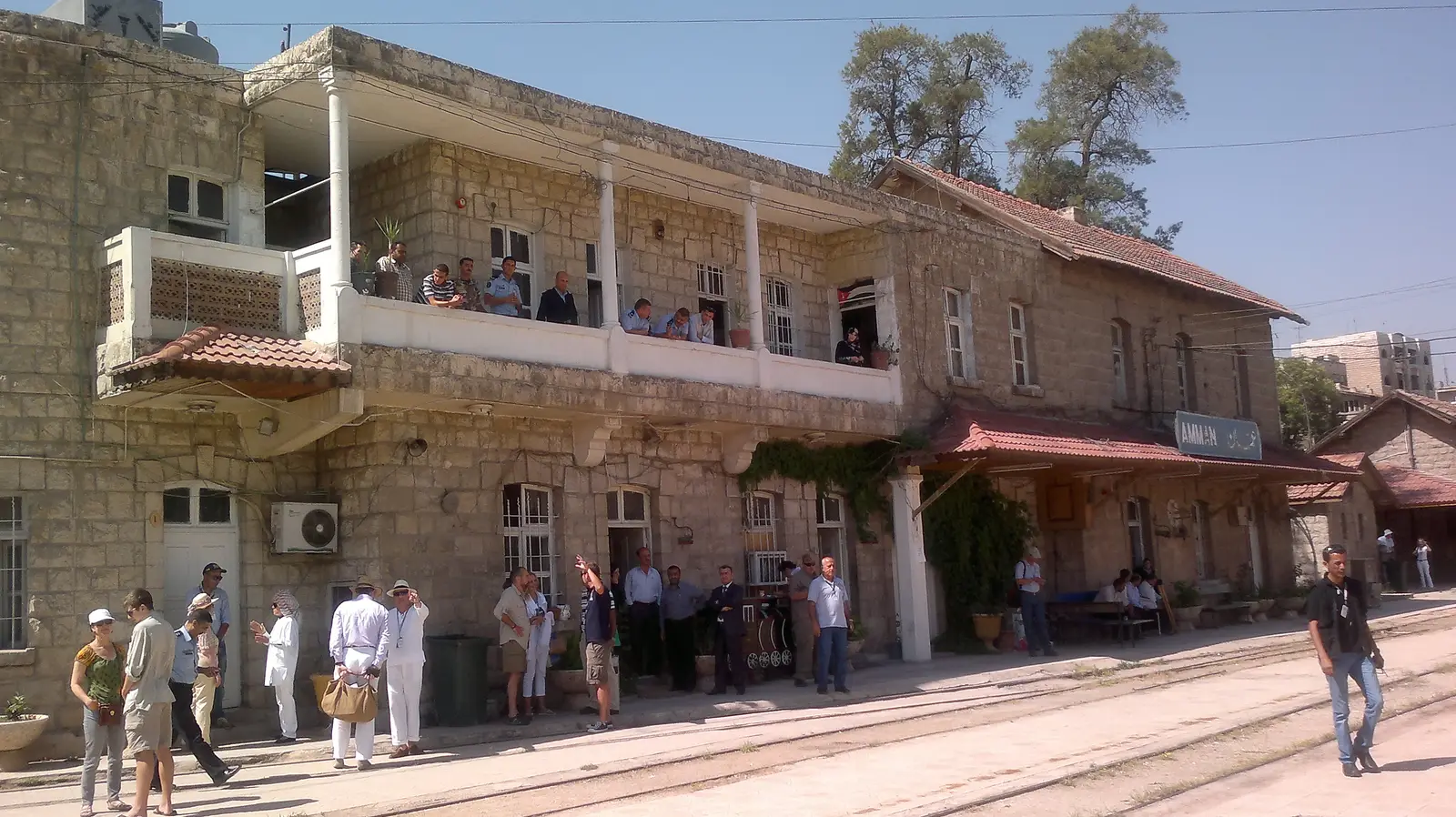
The railway's southern section fell out of regular use only a few years after it opened and was never fully restored. Along its route, however, many stone station buildings, bridges and fragments of track can still be seen in the desert, especially along the old route in southern Jordan. The line from Amman north towards Damascus continued to run for many decades, and the Hejaz Railway remains an important part of the region's heritage. Its stations, with their solid stone walls and arched windows, show the care with which they were built.
Seeing the railway in Amman
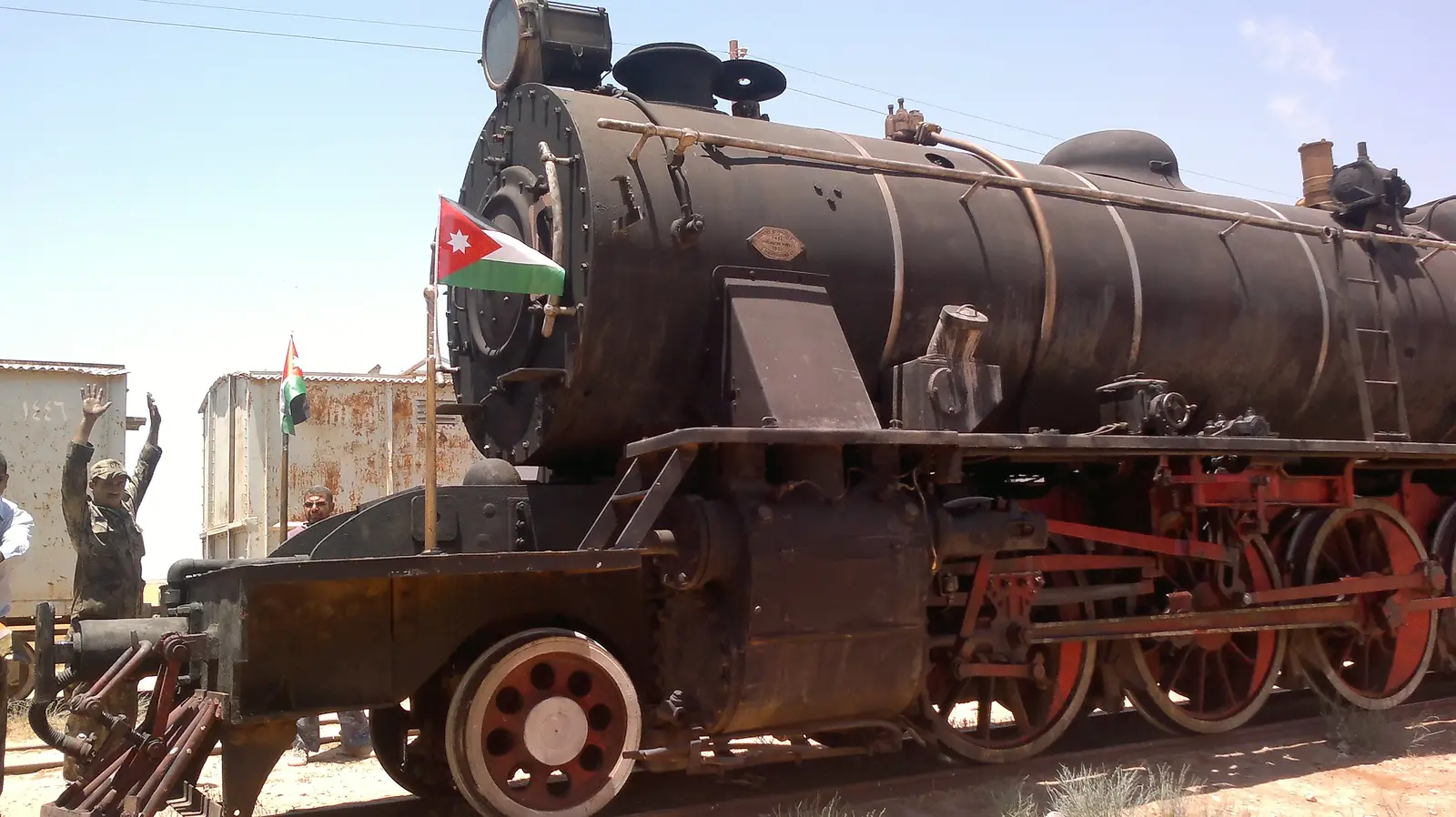
The historic Amman station, in the Mahatta area in the east of the city, is home to a small railway museum with old carriages, tools, photographs and documents. In the station yard you can see steam locomotives, some of which are still kept in working order for special heritage trips. The station is a wonderful stop for families and for anyone who loves engineering. Walk among the old engines, read about the people who built the line, and imagine pilgrims stepping off the train after crossing the desert in a matter of days.
Frequently asked questions
When was the Hejaz Railway built?
Construction of the Hejaz Railway began in 1900, and the line reached Medina in 1908. It ran about 1,300 kilometres from Damascus through what is now Jordan to Medina. It was built mainly to carry pilgrims, and was funded in large part by donations from Muslims in many countries.
Can you visit the Hejaz Railway in Jordan?
Yes. The historic station in Amman houses a small museum about the railway, with old carriages, photographs and steam locomotives in the station yard. Old station buildings and bridges can also be seen along the former route in other parts of Jordan.
Does the Hejaz Railway still run?
The full line from Damascus to Medina no longer operates, and its southern section has been out of service for many decades. In Amman, steam locomotives are kept at the historic station, and heritage train trips are organised from time to time. It is best to check locally for current schedules.
More stories
Gadara: The City of Poets and Philosophers at Umm Qais
Machaerus and the Hot Springs: Herod's Fortress Above the Dead Sea
The Pharaoh's Gold: The Legend of the Urn at Petra's Treasury
Ain Musa: The Spring of Moses at the Gates of Petra
Sheikh Ibrahim and the Rose-Red City: How Burckhardt Reached Petra in 1812
Lot's Wife, the Pillar of Salt and the Cave Above the Dead Sea
The Madaba Mosaic Map: The Oldest Map of the Holy Land Found Under a Church Floor