Fire on the Hilltop: Ajloun Castle, Beacon Fires and Messenger Pigeons
Picture a dark night in the hills of northern Jordan. On a distant summit, a fire suddenly flares. Moments later, from the towers of Ajloun Castle, an answering flame rises into the sky, and the message continues on its way faster than any rider could carry it.
A castle among the forests
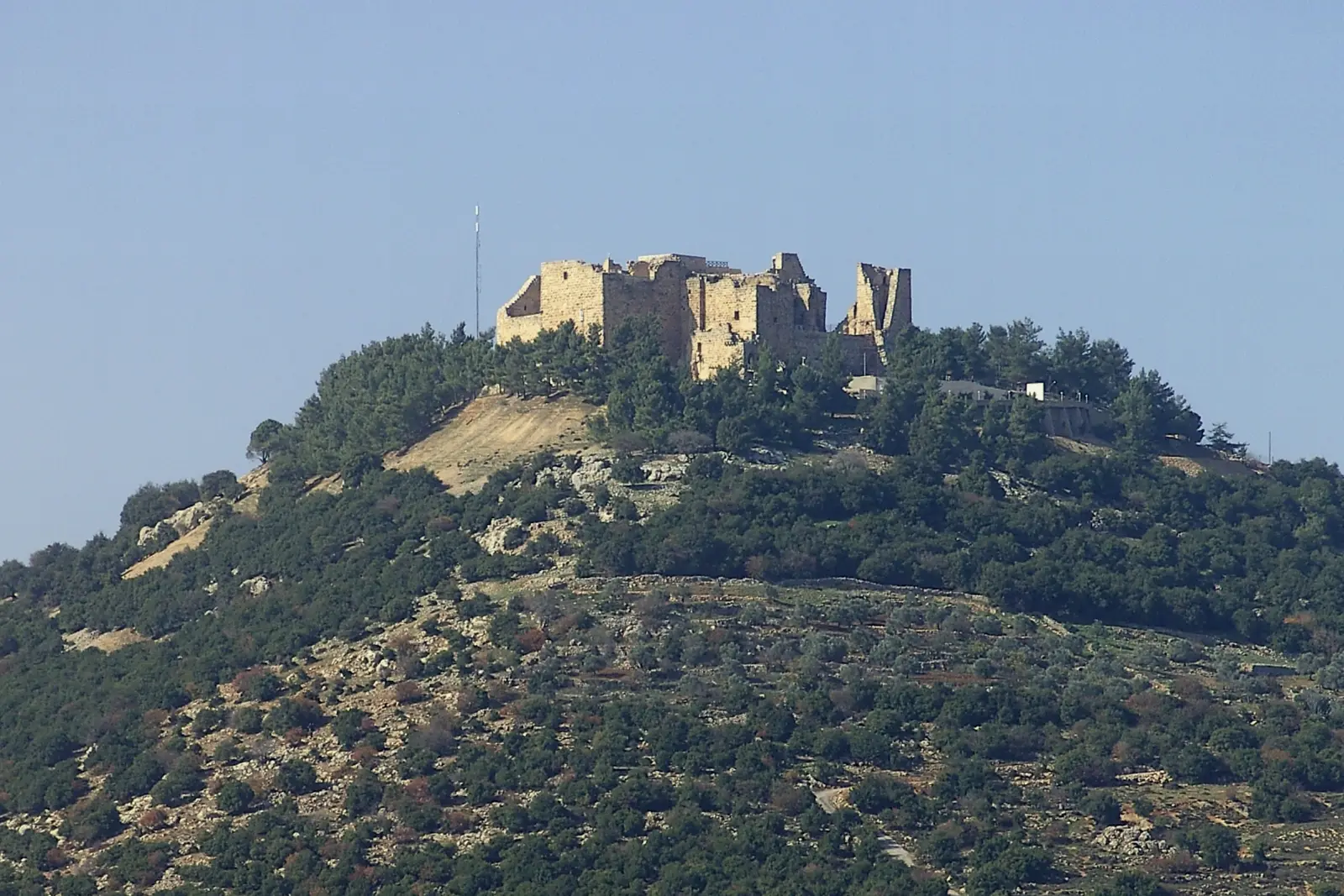
Ajloun Castle, known in Arabic as Qal'at al-Rabad, stands on a hilltop surrounded by pine and oak forests in northern Jordan. It was built in 1184 and 1185 by Izz al-Din Usama, a commander serving the Sultan Salah al-Din, known in the West as Saladin. Its position allowed it to watch over the Jordan Valley, the roads of the region and the iron mines in the nearby hills. Later, under the Mamluk sultans, the castle was enlarged and strengthened. Thick stone walls, towers, a dry moat and narrow passages made it a powerful stronghold, and its builders used the natural shape of the hill to make it even harder to approach.
A chain of fire
In medieval times, news could be sent across long distances using beacon fires. Towers on hilltops were placed so that each one could see the next. When a signal was needed, a fire was lit at night or a column of smoke was made by day, and the next station repeated it, passing the message along the chain. A simple signal could cross great distances in a short time.
According to tradition, Ajloun was one of the links in such a chain, and a signal lit here could be seen from other hilltops and passed on towards Damascus. Local storytellers like to say that news could travel from the Jordan Valley to Damascus in a single night. Historians agree that such systems existed in this period, although the exact route and timing are not certain.
Messengers with wings
Fire could send only simple signals. For longer messages, the rulers of the time used pigeons. The Mamluk state was famous for its pigeon post, in which trained birds carried small written messages tied to their bodies between official stations, flying back to their home lofts. Tradition holds that Ajloun Castle kept pigeons for this purpose, and visitors are often shown spaces said to have been used for the birds. Whether every detail of the story is correct or not, it is true that pigeon messengers were part of the communication network of the region, connecting castles and cities across Syria and Egypt.
Visiting Ajloun today
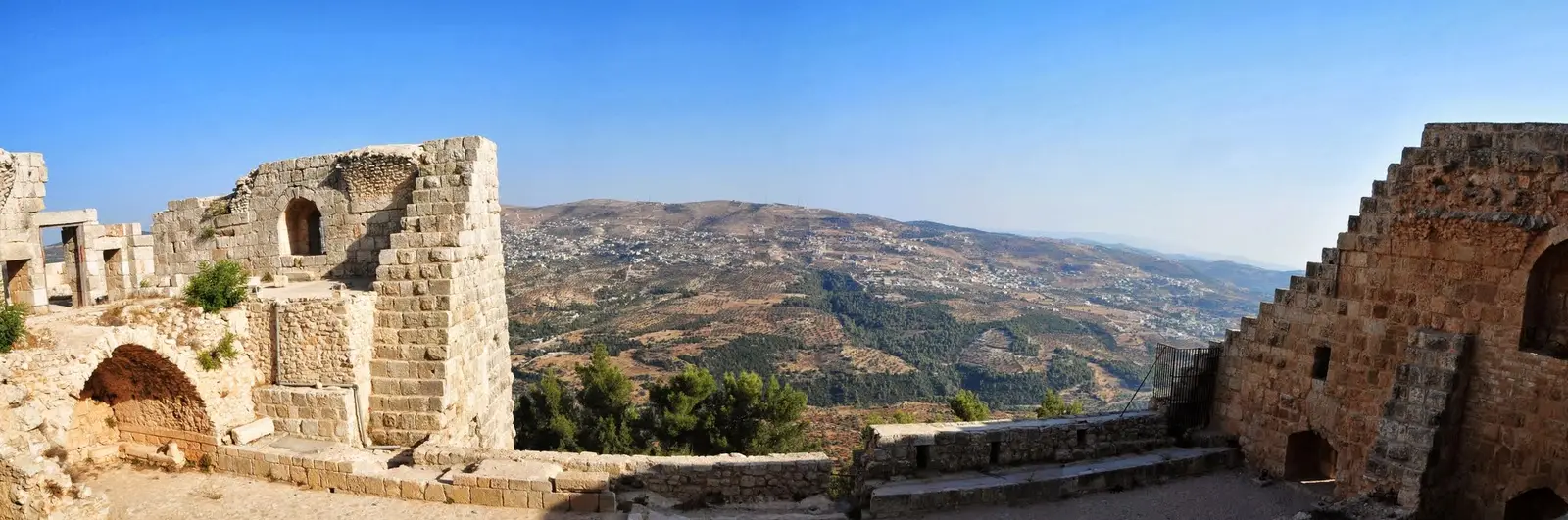
The castle is about an hour and a half's drive north of Amman. Walk across the bridge over the moat, explore the vaulted halls and staircases, and climb to the upper levels for wide views over the green hills. On clear days the view stretches far across the Jordan Valley. Ajloun is one of the greenest regions in Jordan, and it is lovely in spring, when wildflowers cover the slopes. Combine a visit to the castle with a walk in the nearby forest reserve, and imagine the fires and the birds that once carried news from this very hilltop.
Frequently asked questions
Who built Ajloun Castle?
Ajloun Castle was built in 1184 and 1185 by Izz al-Din Usama, a commander serving Sultan Salah al-Din. It was later enlarged by the Mamluks. The castle overlooked the Jordan Valley, important roads and the iron mines of the area.
Did Ajloun Castle really use messenger pigeons?
Pigeon post was a well-documented communication system in the Mamluk period, linking castles and cities across the region. Tradition says that Ajloun Castle kept pigeons and was also part of a chain of beacon fires. The general system is historical, while some local details are part of the castle's popular story.
How long does it take to visit Ajloun Castle?
Most visitors spend about one to two hours exploring the castle. It is about an hour and a half by car from Amman, so many people combine it with Jerash, which is nearby, or with a nature walk in the Ajloun forests. Spring is especially beautiful in this green region.
More stories
The Hejaz Railway: The Steam Train That Crossed the Desert
Gadara: The City of Poets and Philosophers at Umm Qais
Machaerus and the Hot Springs: Herod's Fortress Above the Dead Sea
The Pharaoh's Gold: The Legend of the Urn at Petra's Treasury
Ain Musa: The Spring of Moses at the Gates of Petra
Sheikh Ibrahim and the Rose-Red City: How Burckhardt Reached Petra in 1812
Lot's Wife, the Pillar of Salt and the Cave Above the Dead Sea