Gadara: The City of Poets and Philosophers at Umm Qais
On a hilltop in the far north of Jordan, among black basalt columns and olive trees, there once lived a remarkable number of writers and thinkers. Their city, Gadara, was so proud of its learning that one of its poets called it an Attic homeland, a little Athens in the East.
A city on the edge of the hills
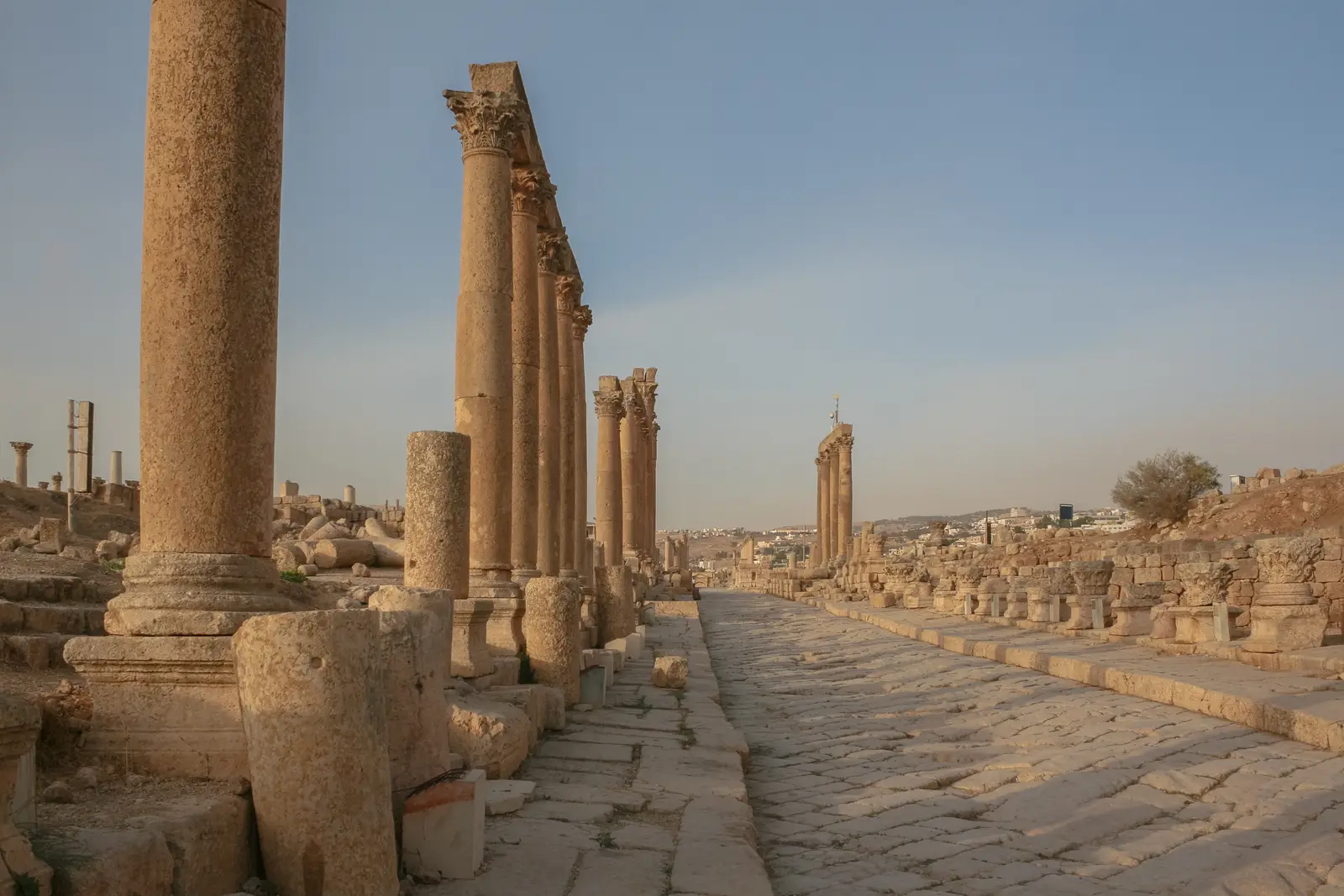
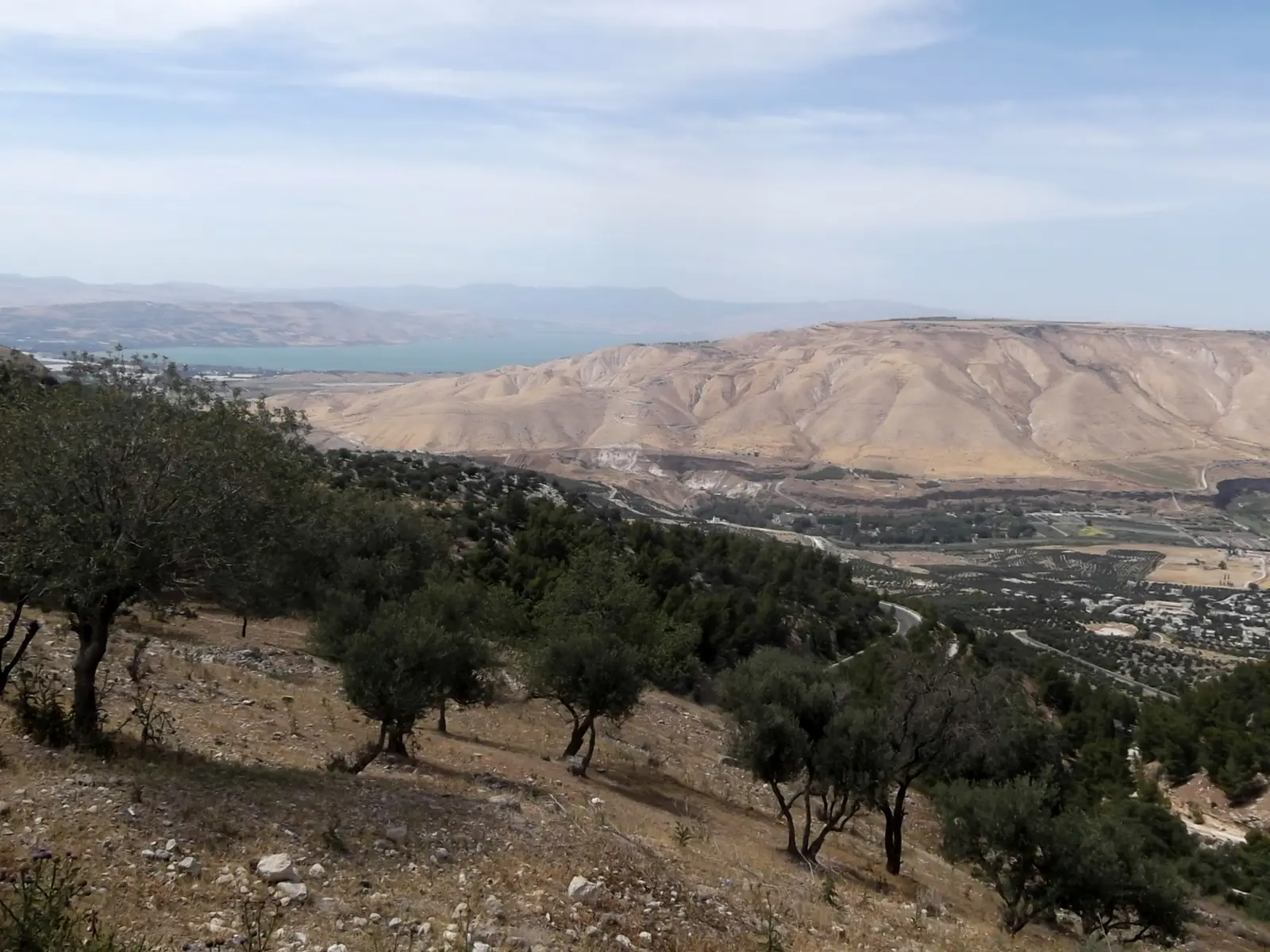
Gadara stood where the village of Umm Qais is today, on a ridge with wide views over the Jordan Valley, the Yarmouk gorge and the lake known as the Sea of Galilee. It became an important Hellenistic and later Roman city, one of the group of cities known as the Decapolis, and it grew rich and cultured. Its people spoke Greek, built temples, theatres and colonnaded streets, and valued education. Hot springs nearby, at the place now called al-Himma, were famous in the ancient world, and visitors came to bathe in them. In this setting, a lively intellectual life flourished.
The poets and thinkers of Gadara
One of Gadara's most famous sons was Menippus, a philosopher of the Cynic school who lived in the third century BC. He wrote humorous works mixing prose and verse to mock human pride and foolishness, and this style became known as Menippean satire. Writers in many later centuries were inspired by it. Around the end of the second century BC, the poet Meleager was born in Gadara. He wrote graceful short poems about love and nature, and he collected the poems of many other writers into an anthology he called the Garland. This collection became one of the foundations of the Greek Anthology, which has preserved thousands of ancient poems to this day.
The philosopher whose books survived a volcano
Philodemus of Gadara, born around 110 BC, became a respected teacher of the philosophy of Epicurus, which taught that a calm and simple life, free from fear, is the key to happiness. He later settled in Italy, where he was connected with important Roman writers and patrons. In a remarkable twist of history, a library of scrolls containing many of his works was found in a Roman villa at Herculaneum, near Naples, which had been buried by the eruption of Mount Vesuvius in 79 AD. The scrolls were turned to charcoal, and scholars are still using modern technology to read them, word by word.
Visiting Umm Qais today
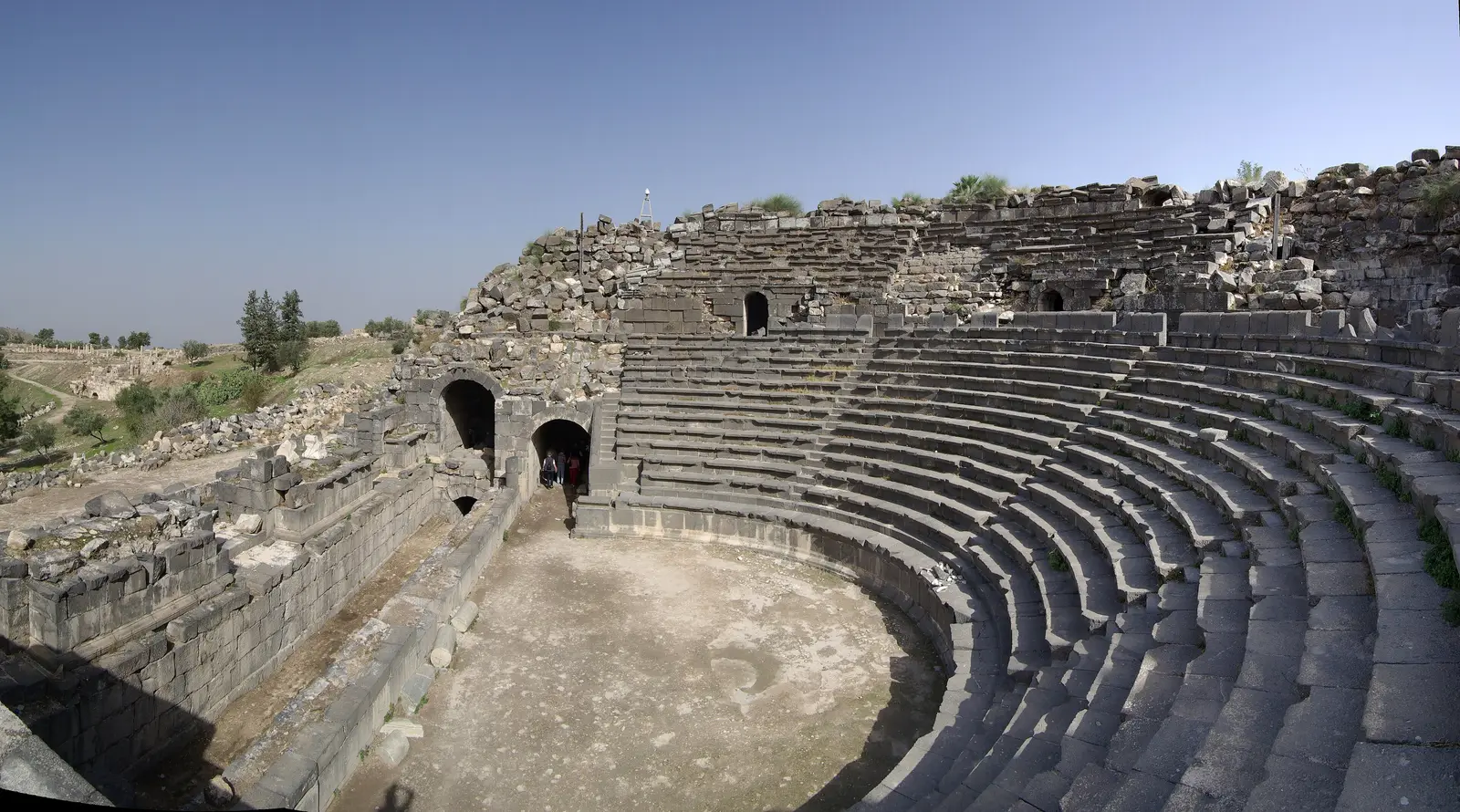
At Umm Qais you can walk along the ancient main street, sit in the West Theatre built of black basalt, and explore the remains of churches, shops and a large bath complex. A small museum in a restored Ottoman-era house displays finds from the site, including a fine marble statue of a seated goddess found in the theatre. Visit in the late afternoon, when the light turns golden over the valleys and the lake. It is easy to understand why poets and philosophers once felt inspired here. Reading a short poem by Meleager on the theatre steps is a wonderful way to bring the city back to life.
Frequently asked questions
What was ancient Gadara?
Gadara was a Hellenistic and Roman city in northern Jordan, on the site of today's village of Umm Qais. It belonged to the Decapolis, a group of Greek-speaking cities in the region, and was known for its culture and learning. Its ruins include a basalt theatre, a colonnaded street and churches.
Which famous writers came from Gadara?
Gadara was the home of the satirist Menippus, the poet Meleager, who compiled the Garland anthology of Greek poems, and the Epicurean philosopher Philodemus. Other teachers and writers also came from the city. Meleager proudly described Gadara as a little Athens among the peoples of the East.
What is there to see at Umm Qais?
Visitors can explore the West Theatre built of black basalt, the colonnaded main street, the remains of churches and baths, and a small museum in a restored traditional house. The site also offers sweeping views over the Jordan Valley, the Yarmouk gorge and the Sea of Galilee, especially beautiful at sunset.
More stories
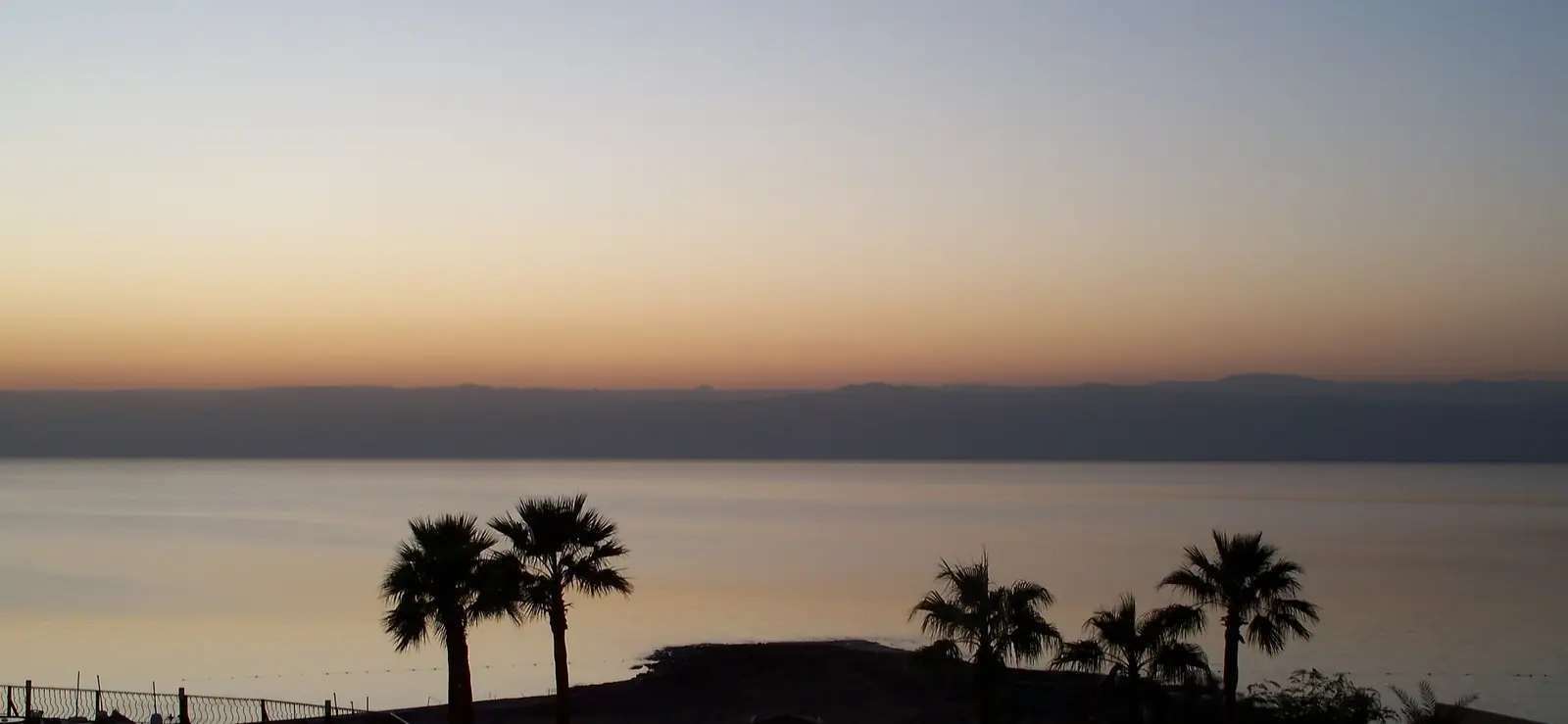
Machaerus and the Hot Springs: Herod's Fortress Above the Dead Sea
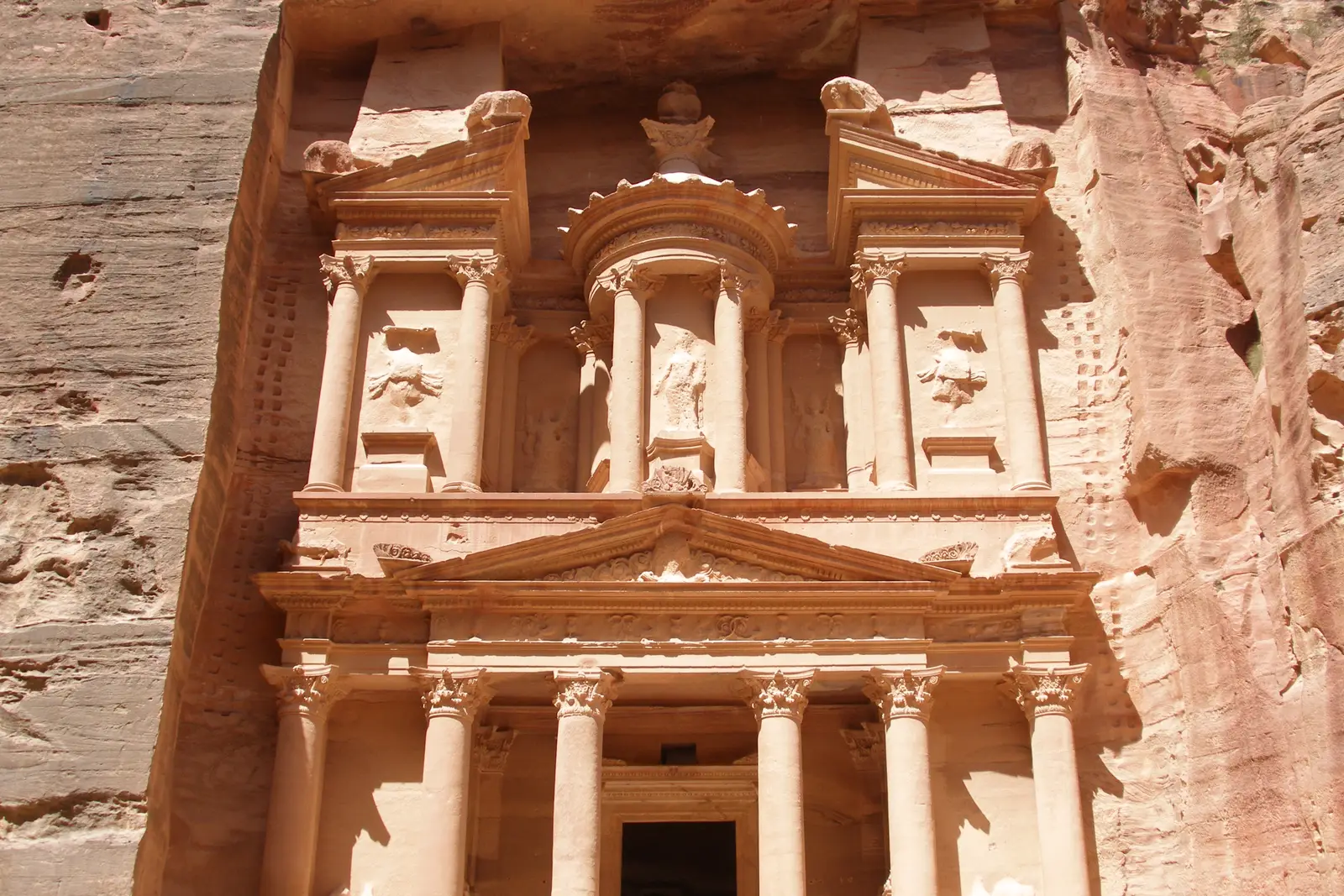
The Pharaoh's Gold: The Legend of the Urn at Petra's Treasury
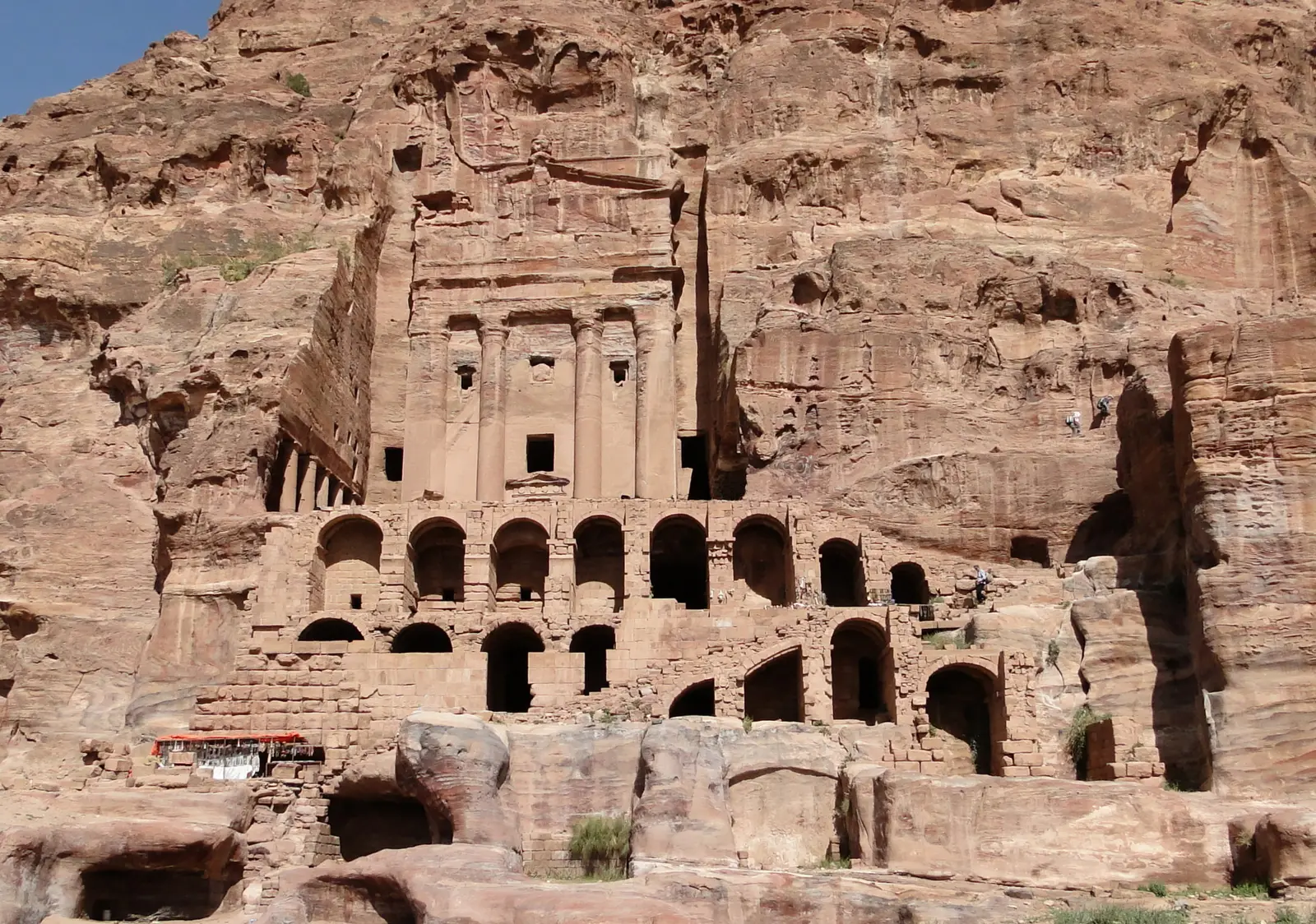
Ain Musa: The Spring of Moses at the Gates of Petra
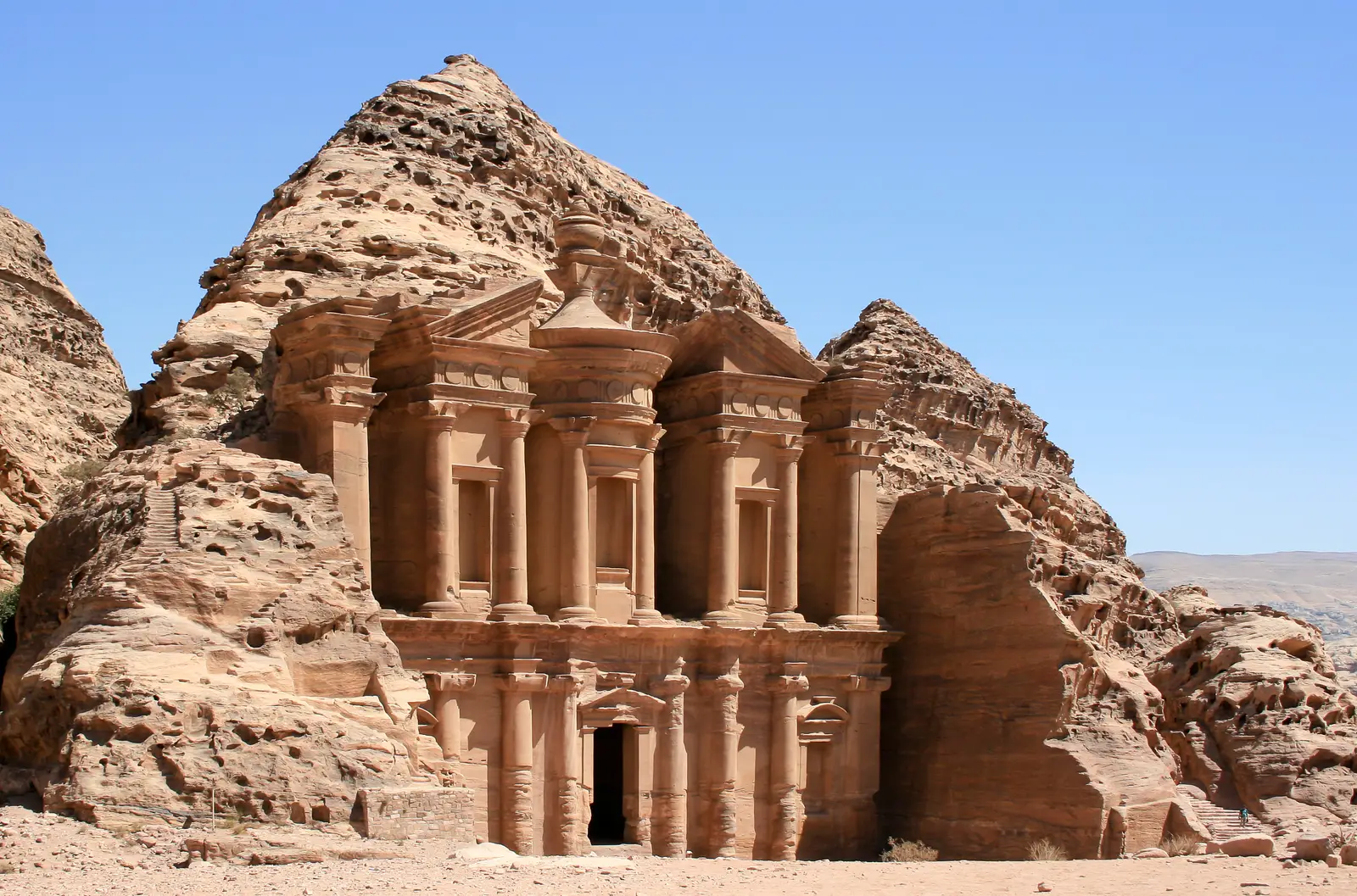
Sheikh Ibrahim and the Rose-Red City: How Burckhardt Reached Petra in 1812
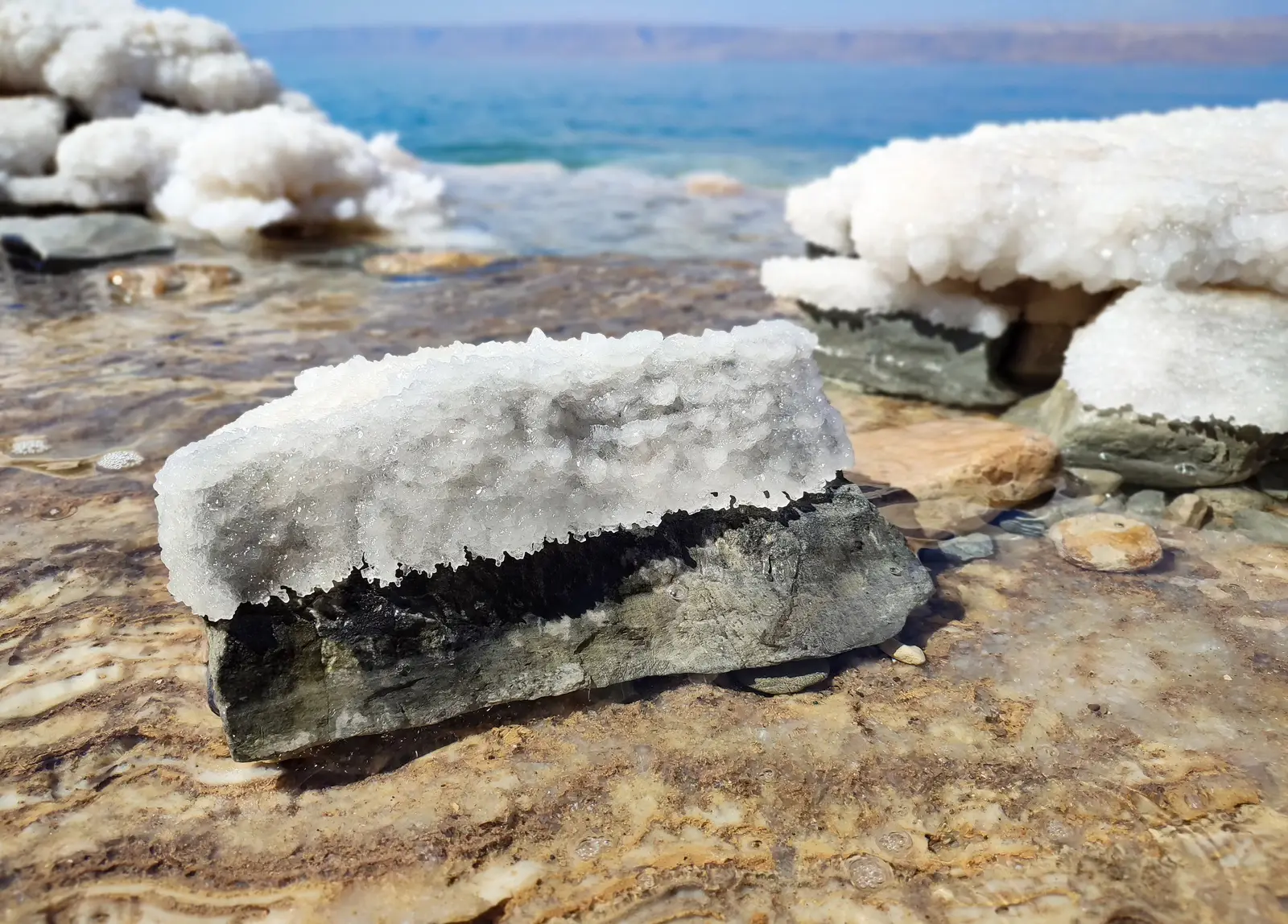
Lot's Wife, the Pillar of Salt and the Cave Above the Dead Sea
The Madaba Mosaic Map: The Oldest Map of the Holy Land Found Under a Church Floor
The Silent Faces of 'Ain Ghazal: Among the Oldest Statues of the Human Form