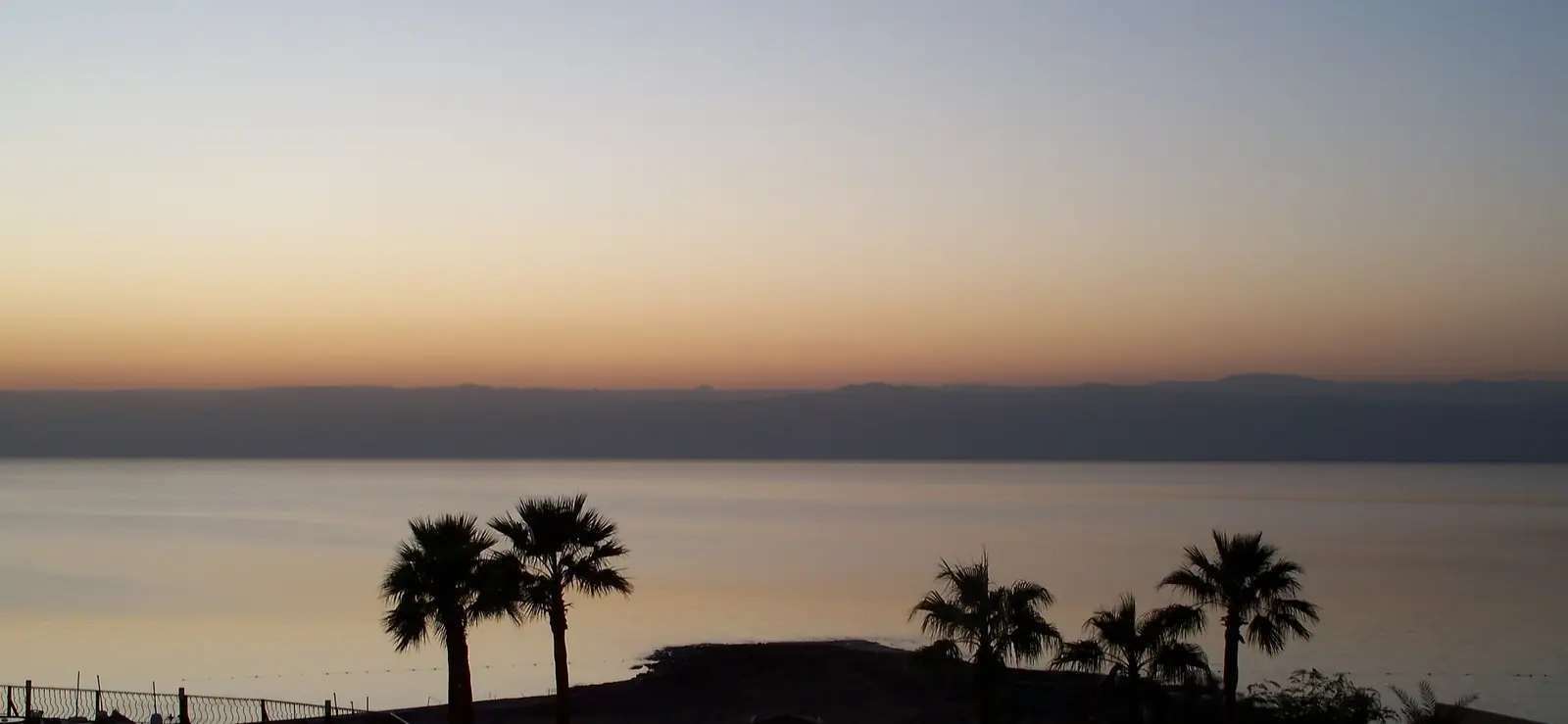
Machaerus and the Hot Springs: Herod's Fortress Above the Dead Sea
South of Madaba, the land falls away towards the Dead Sea in deep valleys and bare hills. On one isolated summit stand the ruins of a palace fortress where, according to an ancient historian, John the Baptist met his end. In the valleys nearby, hot water still pours from the rock.
A palace on a lonely hill
The fortress of Machaerus, near the modern village of Mukawir, was first built in the first century BC and later rebuilt and enlarged by Herod the Great, who ruled the region under Rome. He turned the hilltop into a fortified palace with courtyards, baths and a view across the Dead Sea. After Herod's death, the fortress passed to his son Herod Antipas, who governed Galilee and Perea, the region east of the Jordan River. Around AD 72 Roman forces besieged and destroyed the fortress, and the remains of their siege works can still be traced on the surrounding slopes.
The story of John the Baptist
The Gospels tell how John the Baptist was arrested by Herod Antipas and later executed at the request of Salome, the daughter of Herodias, after she danced at a banquet. The Gospels do not name the place where this happened. The ancient historian Flavius Josephus, writing in the first century, states that John was imprisoned and put to death at Machaerus. For this reason, Christian tradition has long linked this hilltop with the end of John's life. John is also honoured in Islam as the Prophet Yahya, and his story is respected by many faiths. Visitors who come here often combine it with a visit to the Baptism Site on the Jordan River.
Waters that heal
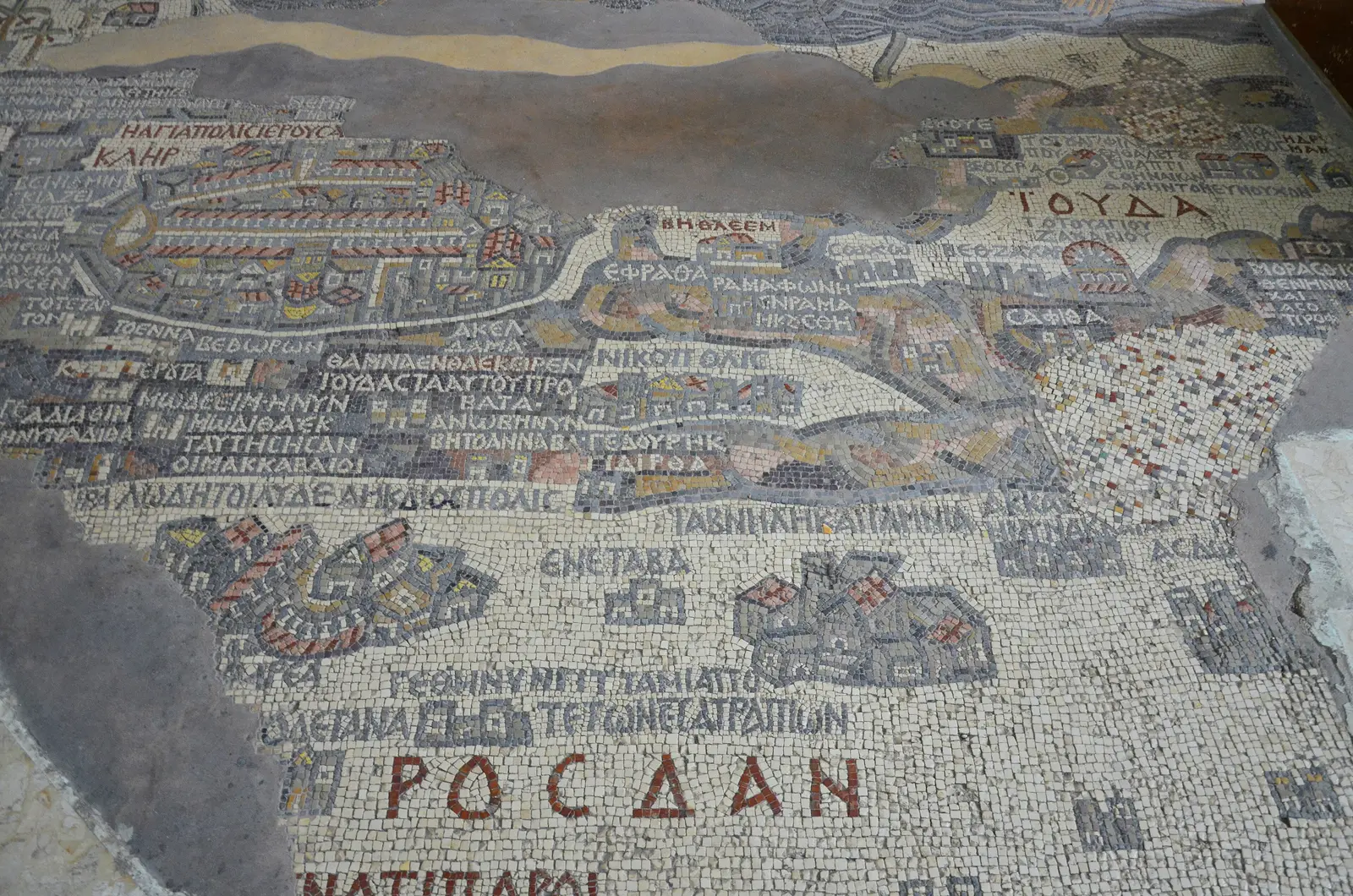
The region around Machaerus is famous for its hot springs. Josephus wrote that Herod the Great, during his final illness, went to bathe in the warm waters of Callirrhoe near the Dead Sea, hoping to be healed. This spring is generally identified with the springs at Zara on the eastern shore of the Dead Sea, and it is even shown on the Madaba Mosaic Map. A little further inland, at Hammamat Ma'in, many hot springs pour down the walls of a deep, narrow valley, forming steaming waterfalls coloured by minerals. The water is rich in minerals, and people have bathed in it for its warmth and believed healing powers since ancient times.
Visiting today
From the village of Mukawir, a path and steps climb the hill to the ruins of Machaerus. The walk takes around twenty to thirty minutes and rewards you with some of the most dramatic views in Jordan, across the Dead Sea and, on clear days, to the hills on the far shore. Restored columns mark the courtyard of the palace. Late afternoon light is especially beautiful. Hammamat Ma'in is reached by a steep and winding road that descends from the Madaba plateau. The hot waterfalls can be seen and enjoyed by visitors, and the drive itself, through rugged canyon scenery, is part of the experience.
Frequently asked questions
Where was John the Baptist beheaded?
The Gospels do not name the place, but the first-century historian Flavius Josephus wrote that John the Baptist was imprisoned and executed at Machaerus, Herod's fortress near the modern village of Mukawir in Jordan. For this reason, Machaerus is traditionally associated with his death.
What is Hammamat Ma'in?
Hammamat Ma'in is a group of hot springs in a deep valley between Madaba and the Dead Sea. Mineral-rich water flows down the cliffs in steaming waterfalls. People have bathed in the springs since ancient times for their warmth and the healing qualities traditionally attributed to them.
How do you get to Machaerus?
Machaerus lies above the village of Mukawir, about 30 kilometres southwest of Madaba. From the parking area, a path and steps lead up the hill in around twenty to thirty minutes. Bring water and good shoes, and go in the morning or late afternoon to avoid the strongest heat.
More stories
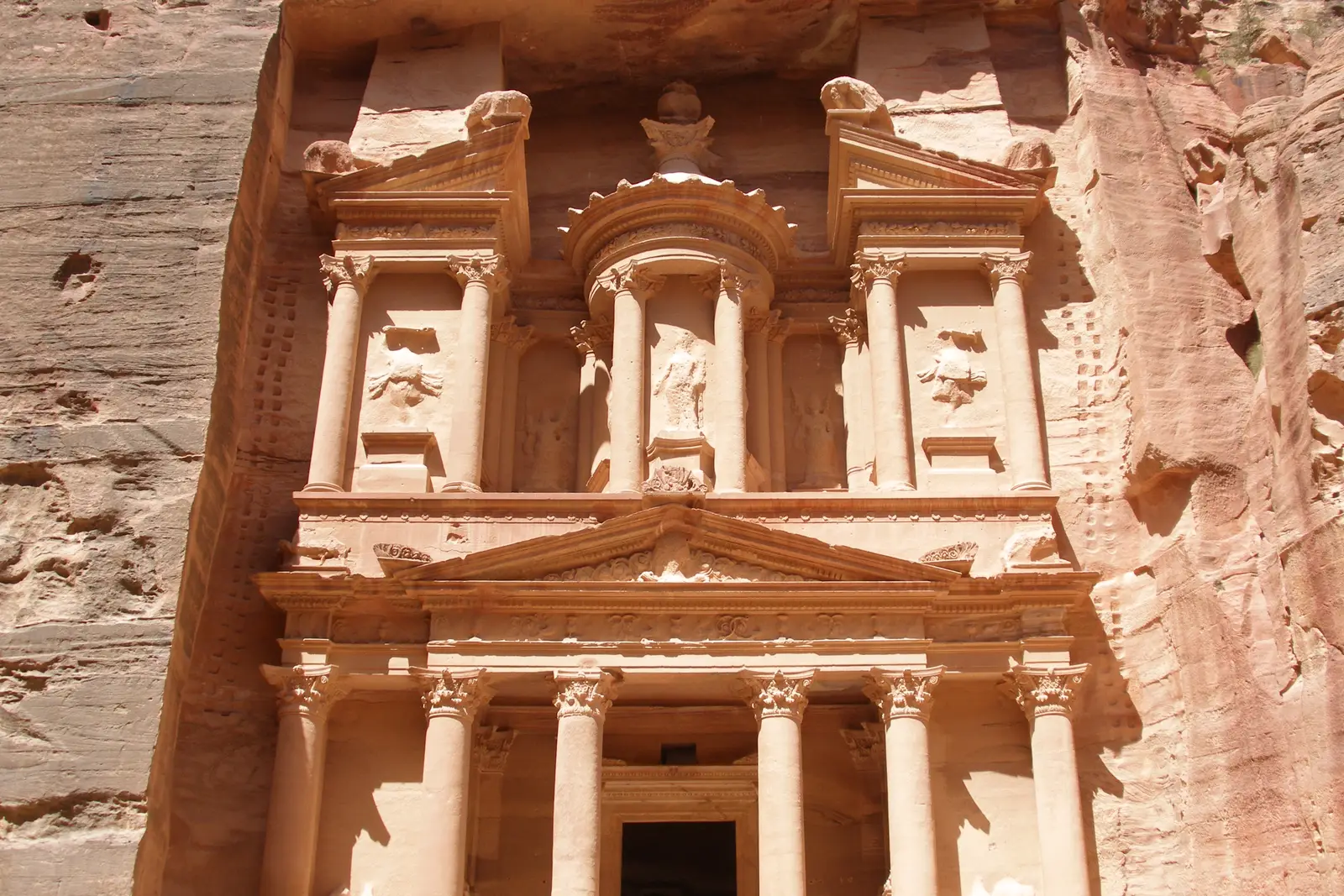
The Pharaoh's Gold: The Legend of the Urn at Petra's Treasury
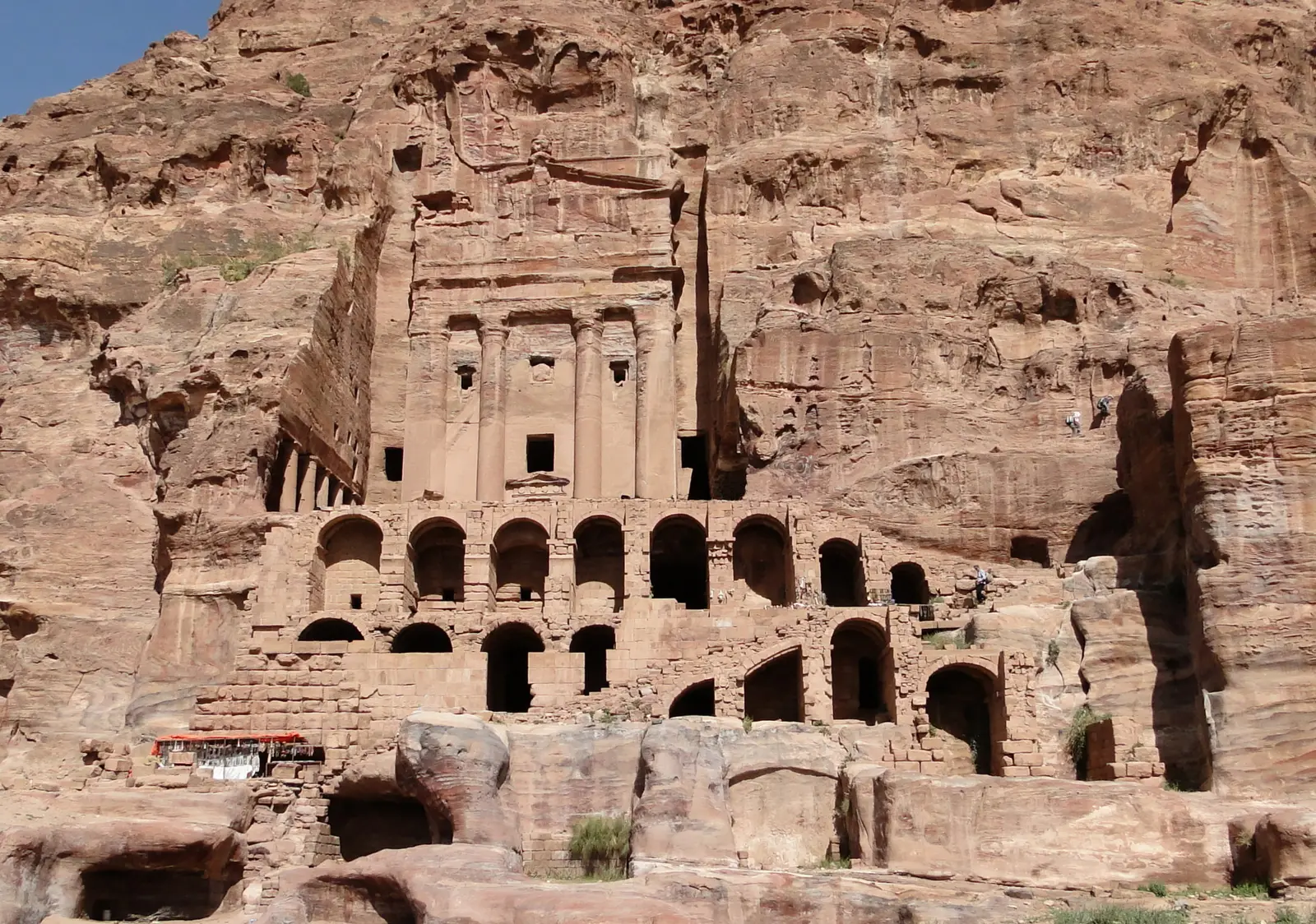
Ain Musa: The Spring of Moses at the Gates of Petra
Sheikh Ibrahim and the Rose-Red City: How Burckhardt Reached Petra in 1812
Lot's Wife, the Pillar of Salt and the Cave Above the Dead Sea
The Madaba Mosaic Map: The Oldest Map of the Holy Land Found Under a Church Floor
The Silent Faces of 'Ain Ghazal: Among the Oldest Statues of the Human Form
Jerash: The Roman City That Slept Under the Earth