Arabic coffee (qahwa sada)
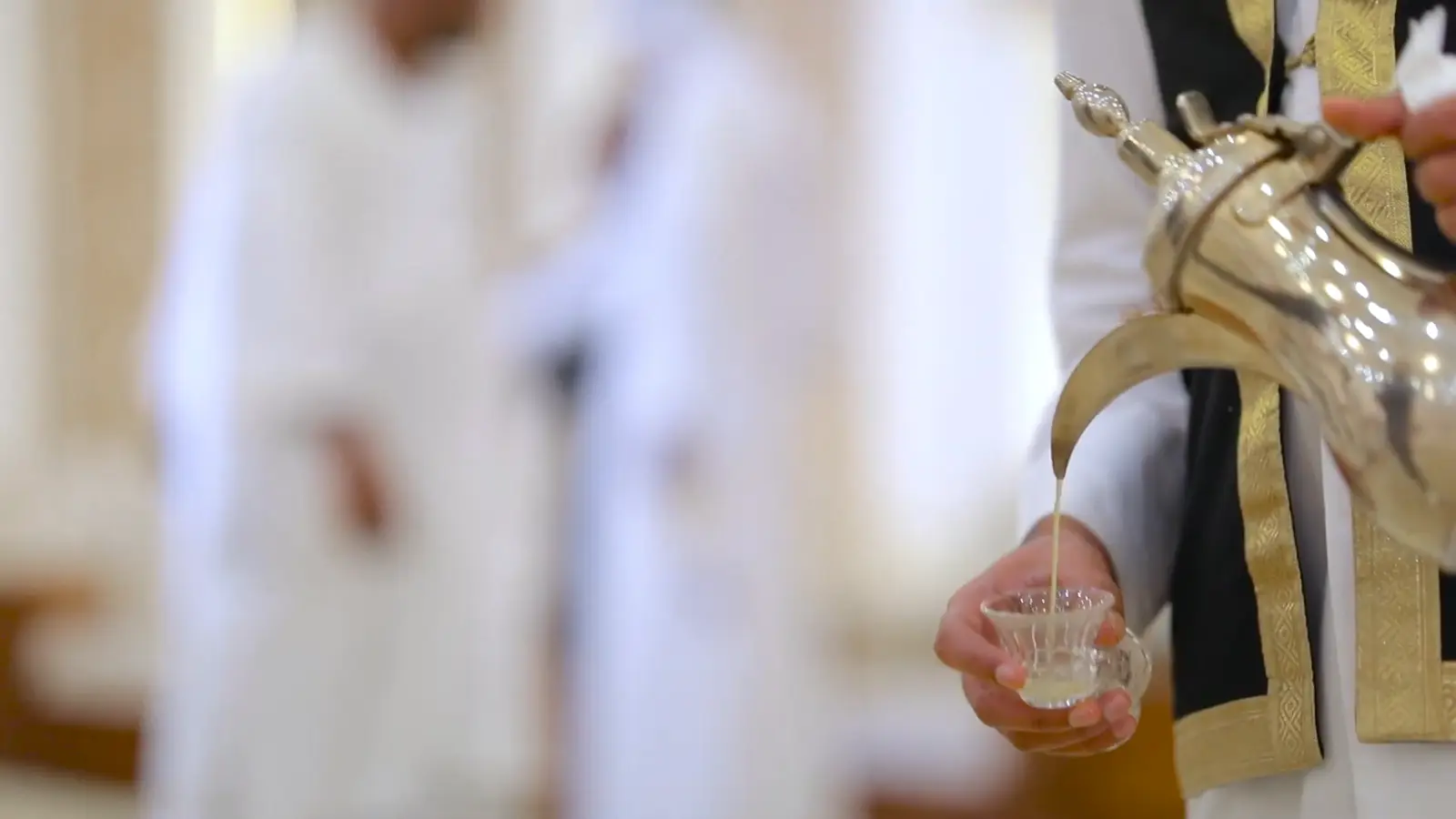
In Jordan, a small cup of bitter coffee can say more than many words. Poured from a long-spouted pot into a tiny handleless cup, fragrant with cardamom and barely covering the bottom, qahwa sada is offered to every honoured guest. Accepting it, drinking it and knowing when to stop are part of a ritual of welcome that is centuries old.
Origins and meaning
Coffee has been part of life in the Arabian Peninsula and the Levant for centuries, and among the Bedouin of Jordan it became a central symbol of hospitality and honour. 'Qahwa sada' means 'plain coffee', referring to the fact that it is served without sugar. In the traditional Bedouin tent, the preparation of coffee was a public act: roasting the beans and grinding them in a wooden or brass mortar produced sounds and aromas that told neighbours a guest had arrived and was being welcomed.
Ingredients and how it is made
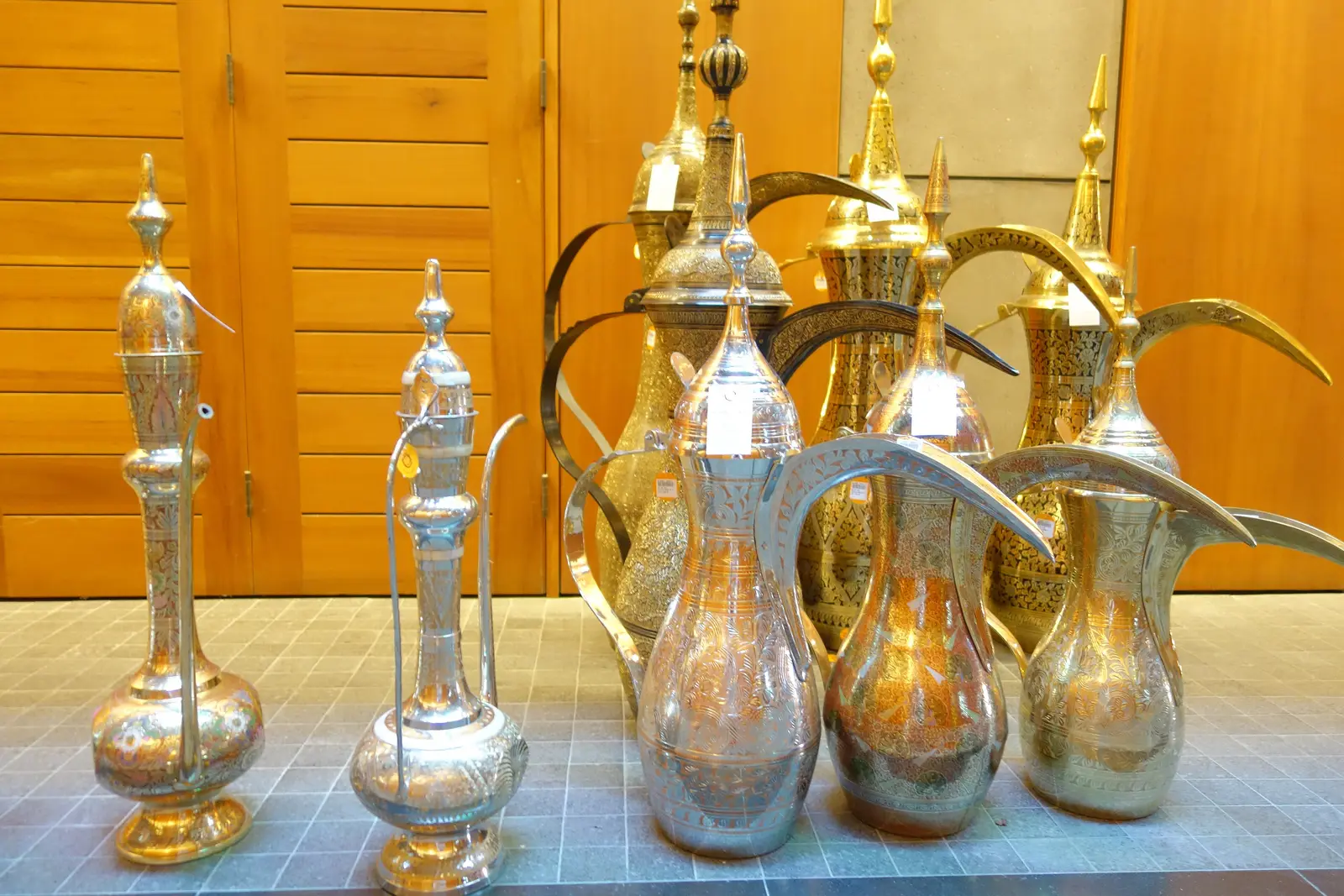
Arabic coffee is made from coffee beans that are roasted, often lightly, and then ground. The ground coffee is boiled in water for a long time, sometimes repeatedly, to make a strong, bitter brew. Crushed cardamom is added generously, and some families also add a little saffron or cloves. The coffee is allowed to settle, then carefully poured into a dallah, the traditional pot with a long curved spout, leaving the grounds behind. Some families prepare a large batch and keep it in a thermos to serve throughout the day.
How it is served and etiquette
The host or a younger family member stands holding the dallah in the left hand and a small stack of cups in the right. Only a small amount is poured into each cup. The coffee is offered first to the most senior or honoured guest, and it is received and drunk with the right hand. When you have had enough, gently shake the empty cup from side to side as you hand it back. If you simply return it without shaking, it will be refilled. Accepting at least one cup is considered polite.
Arabic coffee is served on many important occasions. At weddings and family gatherings, it is a sign of welcome. In the traditional jaha, when one family visits another to ask for a daughter's hand in marriage, the guests may wait to drink their coffee until their request has been accepted. At gatherings of condolence, unsweetened coffee is served to all who come to pay their respects.
Where to try it in Jordan
Visitors are most likely to be offered qahwa sada as guests in Jordanian homes, at Bedouin camps in Wadi Rum and other desert areas, and at cultural events and traditional restaurants. Some hotels and heritage sites also serve it as a gesture of welcome. In cities, you will see coffee vendors with large brass pots, though many of them serve a different, sweetened style of coffee, so it is worth asking for 'sada' if you want the traditional bitter version.
Related drinks and foods
Arabic coffee is often served with dates, whose sweetness balances the bitterness. It is also a common way to end a meal of mansaf. Jordan's other everyday hot drinks include sweet black tea with sage, and a thicker, sweeter boiled coffee, sometimes called Turkish coffee, made with finely ground beans and often flavoured with cardamom, and served in small cups with handles.
Frequently asked questions
What is qahwa sada?
Qahwa sada is the traditional bitter Arabic coffee of Jordan. It is made by boiling ground coffee with plenty of cardamom, without sugar, and is served in small handleless cups from a brass or metal pot called a dallah. It is a strong symbol of hospitality and is offered to guests, especially at important occasions.
How do you say no to more Arabic coffee?
When you have had enough, gently shake the empty cup from side to side a few times before handing it back to the person serving. This signals that you do not want any more. If you return the cup without shaking it, the host will normally refill it, as continuing to serve is part of their hospitality.
Why is Arabic coffee served in small amounts?
Only a small amount is poured into each cup so that the coffee stays hot and so that the host has the honour of serving the guest again and again. Pouring too much can even be seen as a sign that the guest is not expected to stay long. Guests usually drink one to three cups.
Is Arabic coffee the same as Turkish coffee?
No. Arabic coffee, or qahwa sada, is usually made from lightly roasted beans, boiled with cardamom, strained, and served unsweetened in tiny handleless cups. Turkish-style coffee is made from darker, very finely ground beans, often with sugar, and is served unfiltered in small cups with handles, with the grounds settling at the bottom.
Does Arabic coffee have caffeine?
Yes, Arabic coffee contains caffeine because it is made from coffee beans. However, it is served in very small portions, so a single cup usually contains less caffeine than a typical mug of filter coffee. Lightly roasted beans and the brewing method also give it a flavour quite different from most Western coffee.
More dishes to discover
Sage tea
Jameed
Za'atar and olive oil
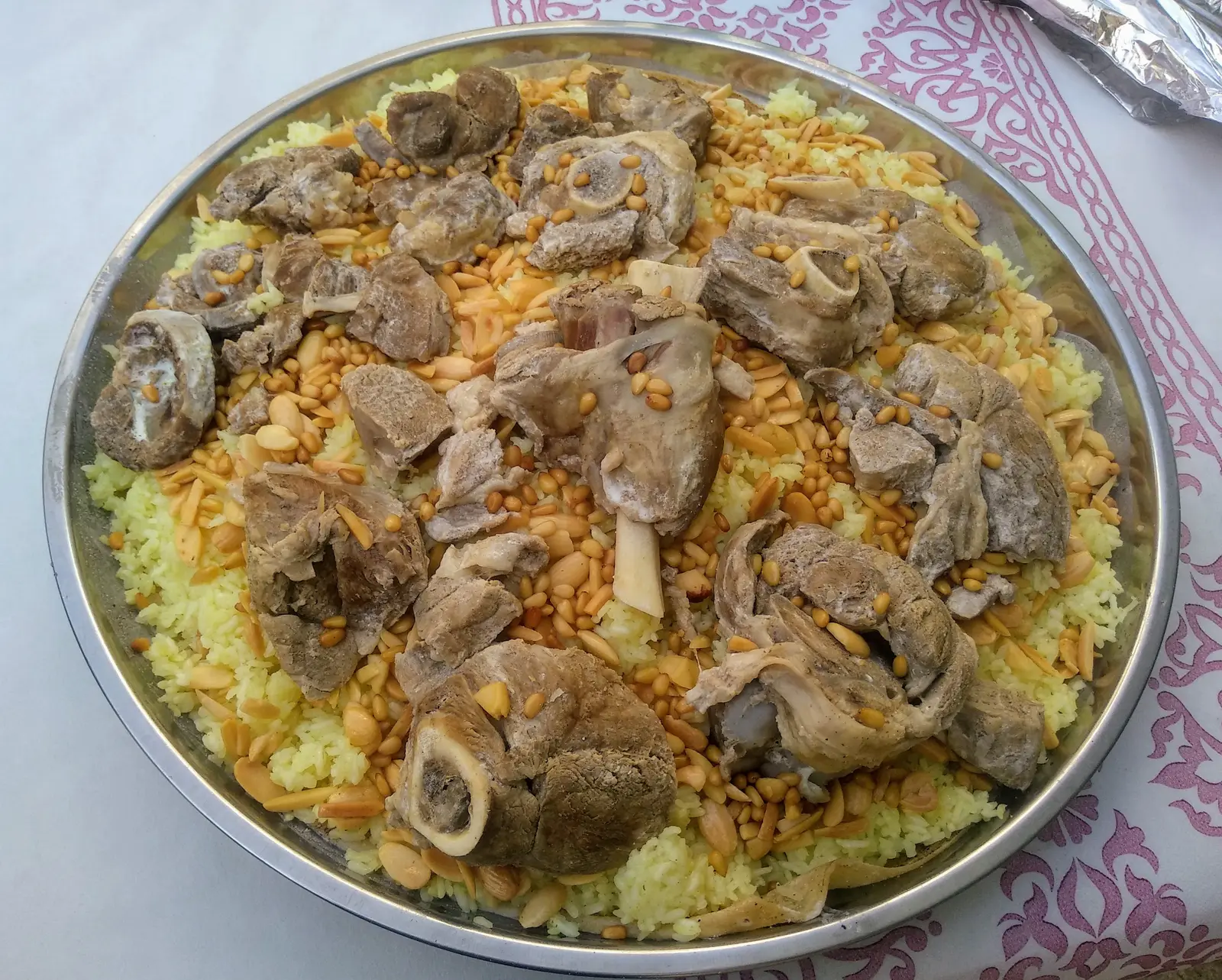
Mansaf
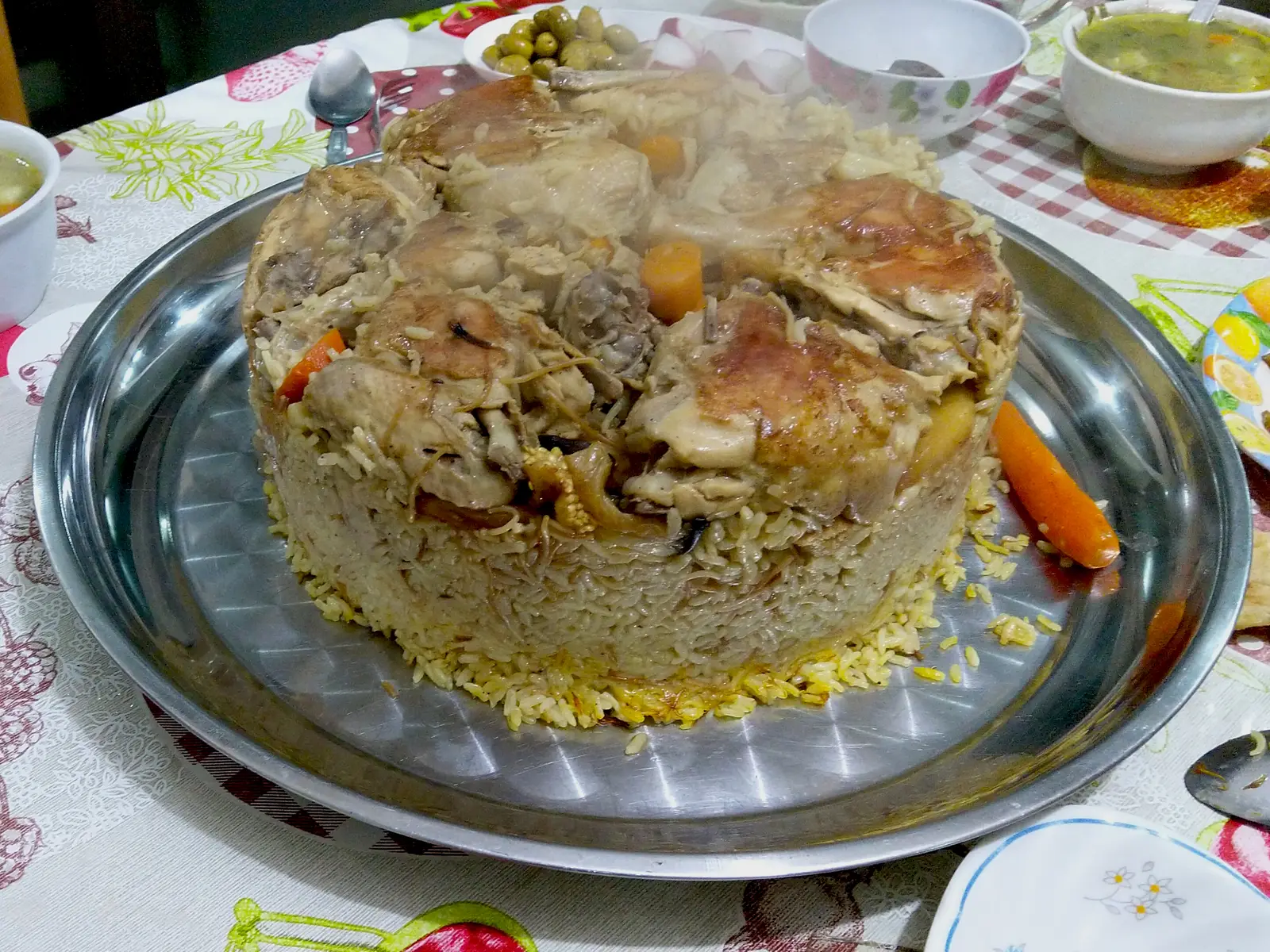
Maqluba
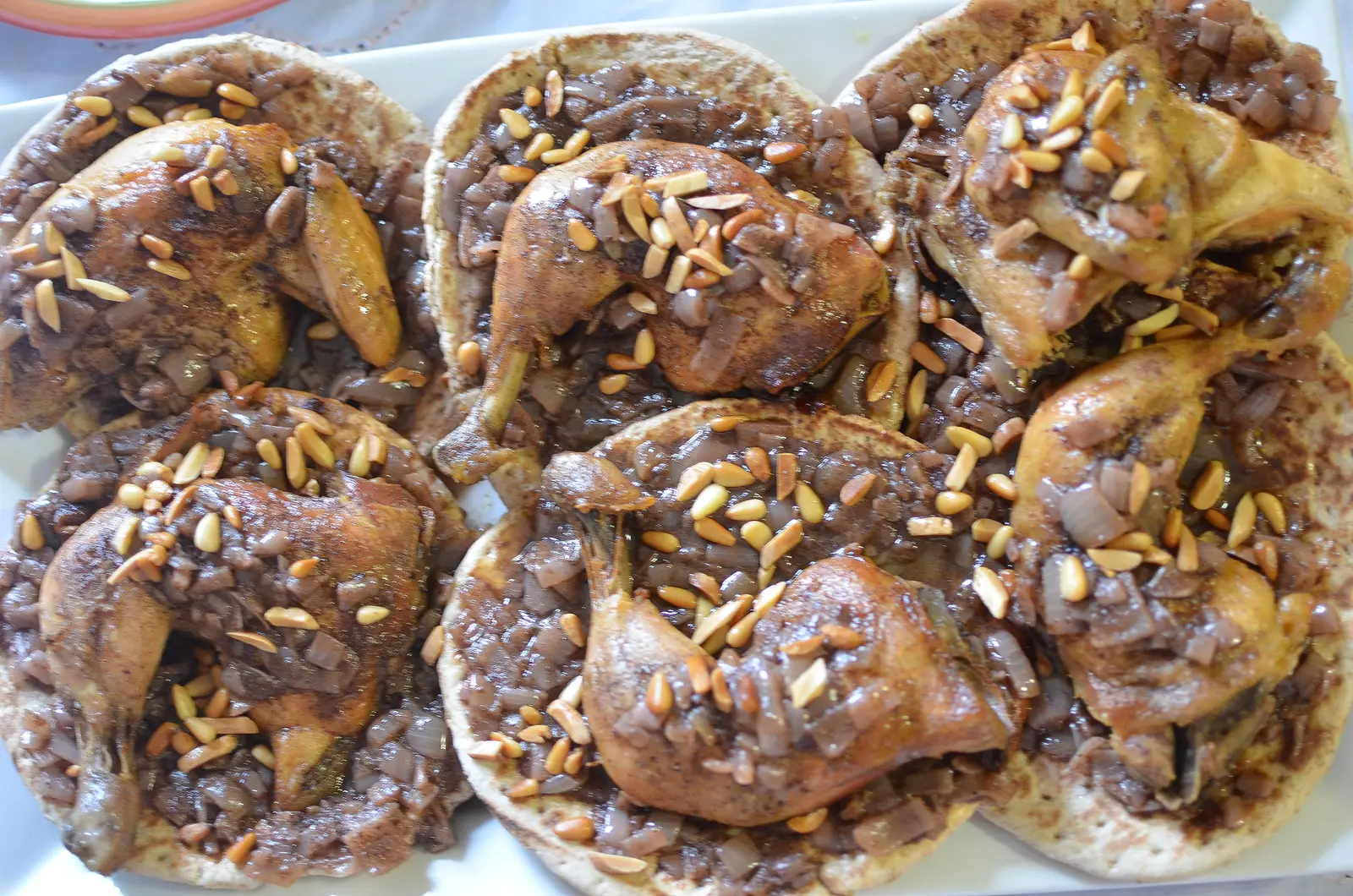
Musakhan