Zarb
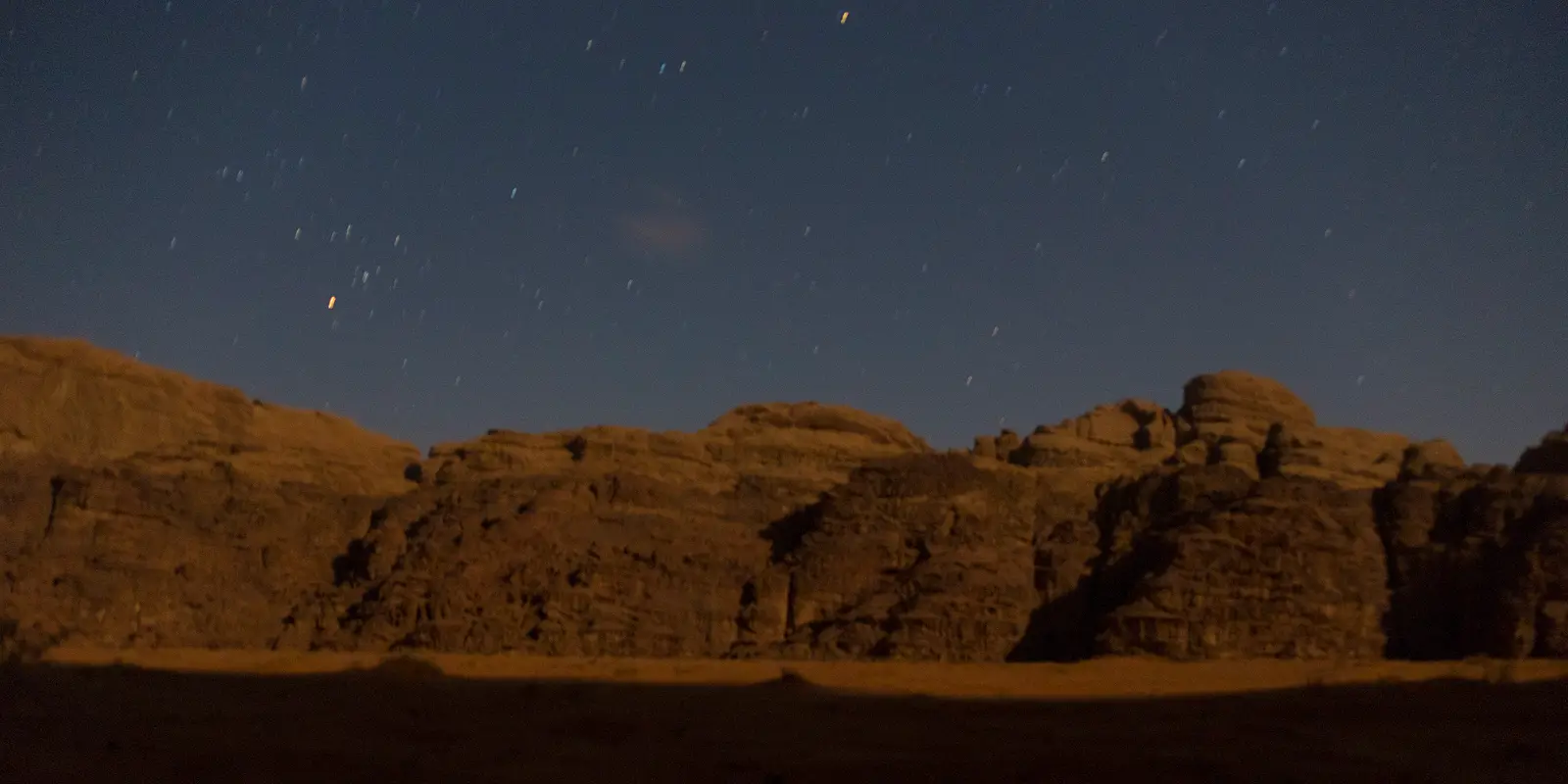
In the quiet of the desert, a cook brushes away the sand, lifts a heavy lid, and a cloud of fragrant steam rises into the evening air. Beneath it, trays of meat and vegetables have been cooking slowly for hours over buried coals. This is zarb, the Bedouin underground oven, and opening it is a moment visitors to Jordan's desert remember.
Origins and story
Zarb is less a single recipe than a traditional method of cooking. It developed among Bedouin communities who needed a way to cook large amounts of food without constant attention, using simple tools and the fuel available in the desert. By burying food over hot coals and sealing it beneath the sand, they created an oven that kept a steady heat for hours. The method is still used today, both at family gatherings in the desert and as a highlight of an evening at many camps in southern Jordan.
Ingredients and how it is made
A pit is dug in the sand and a fire is built inside it, usually with wood or charcoal, until it burns down to a bed of glowing coals. Meanwhile, the food is prepared. Pieces of lamb or chicken are marinated with onion, garlic, spices and sometimes yoghurt or lemon. Potatoes, carrots, onions, courgettes and peppers are cut into large pieces. Some cooks also place a tray of rice in the oven.
Everything is arranged on a stack of metal trays or a tiered rack, with the meat usually on top so that its juices drip onto the vegetables below. The rack is lowered into the pit, covered with a metal lid, and then sealed with blankets or cloth and a thick layer of sand to keep in the heat. After two to three hours, the sand is cleared, the lid is lifted, and the food comes out tender, juicy and lightly smoky.
How and when it is eaten
Zarb is a dish for groups. The trays are brought straight from the pit to a long table or a mat on the ground, and the meat and vegetables are shared with flatbread, rice, fresh salads and dips such as hummus. The opening of the oven is part of the experience, and guests often gather to watch. At desert camps, zarb is usually served for dinner after sunset, followed by sweet sage tea or Arabic coffee around the fire. The meat is halal, and alcohol is not part of the tradition.
Where to try it in Jordan
Wadi Rum is the best-known place to enjoy zarb, and many camps in the protected area serve it as their evening meal, often after a day of exploring the desert by jeep, camel or on foot. Camps in other desert areas and around the Dead Sea and Petra regions may also prepare it, especially for groups. Because the cooking takes hours, it is a good idea to confirm with your camp in advance whether zarb is included and whether vegetarian options can be prepared.
Related dishes
Zarb shares its Bedouin roots with mansaf, the national dish, and with shrak, the thin bread baked over a fire on a metal dome. Galayet bandora, a simple pan of tomatoes cooked over the flames, is another favourite on desert trips. To end the evening the Bedouin way, try sage tea or a few small cups of bitter Arabic coffee flavoured with cardamom.
Frequently asked questions
What is zarb?
Zarb is a traditional Bedouin method of cooking food in a pit dug into the sand. Meat and vegetables are placed on metal trays, lowered onto hot coals, covered and sealed with sand, then left to cook slowly for several hours. The result is tender, juicy meat and soft vegetables with a light smoky flavour.
Where can I try zarb in Jordan?
The most popular place to try zarb is Wadi Rum, where many desert camps prepare it for their guests in the evening. Some camps in other desert areas also offer it. Because zarb takes hours to cook, it is usually prepared for groups, so it is wise to ask your camp in advance whether it is on the menu.
How long does zarb take to cook?
Zarb usually cooks for about two to three hours once the food has been placed over the coals. Before that, the fire must burn down for some time to create a bed of hot embers. The exact time depends on the amount of food, the size of the pieces and the heat of the coals.
Is zarb the same as mandi?
Zarb and mandi are related ideas but not the same dish. Both are traditional methods of slow-cooking meat with gentle, enclosed heat. Mandi comes from the Arabian Peninsula and usually cooks meat above spiced rice in a closed oven, while zarb is the Bedouin sand-pit method known in Jordan, cooking meat and vegetables on stacked trays.
Is there a vegetarian zarb?
Yes, it is possible. The vegetables in zarb, such as potatoes, carrots, onions and peppers, cook beautifully in the pit, and a tray of rice can be added too. Many camps can prepare a separate vegetable tray if asked ahead of time. Simply mention your dietary needs when you book your stay.
More dishes to discover
Galayet bandora
Mujaddara
Shorbat adas (lentil soup)
Falafel and hummus
Ful
Kubbeh
Mlukhiyeh