Mansaf
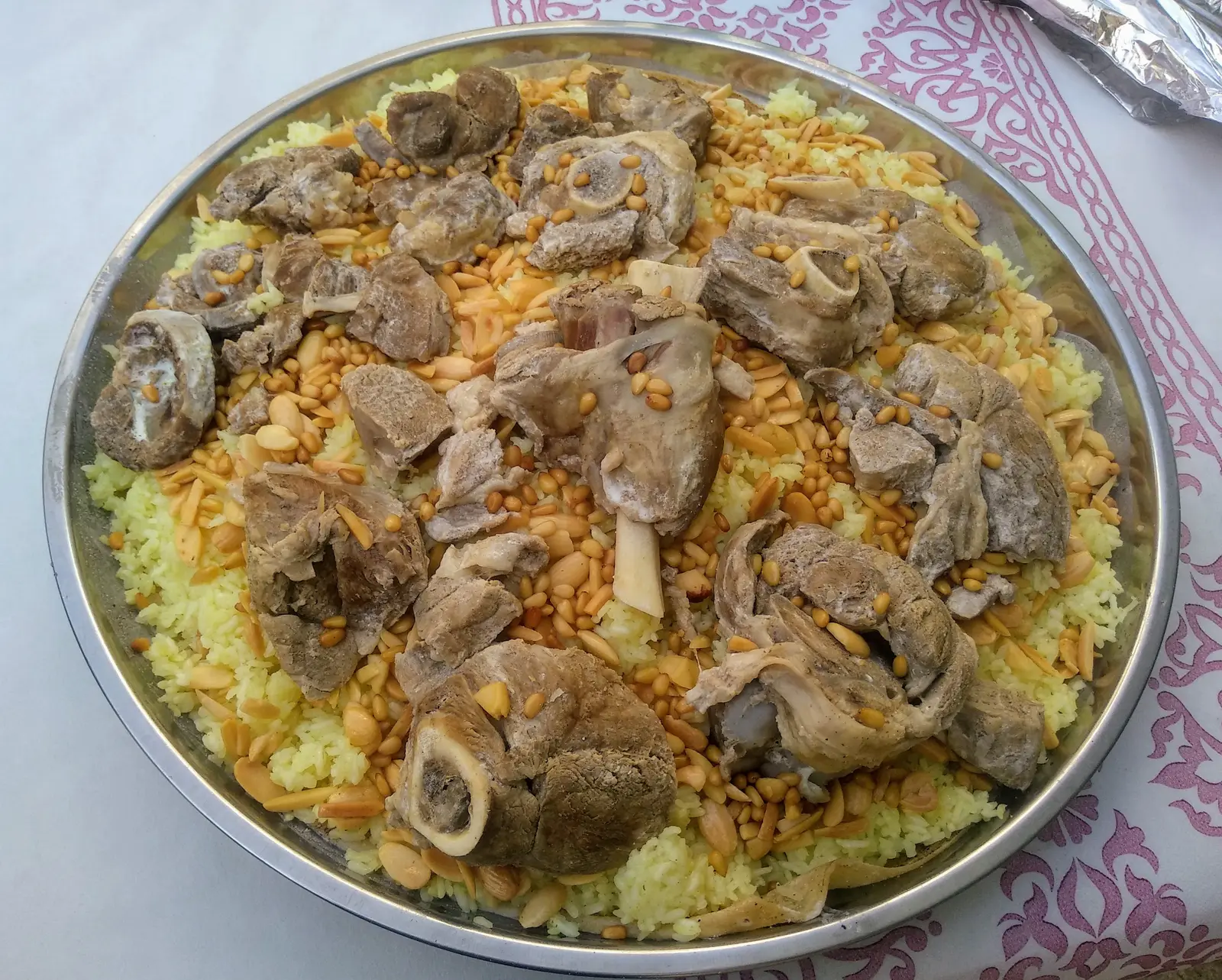
Mansaf is the dish Jordanians reach for when a day truly matters. Tender lamb cooked in a tangy sauce of dried yoghurt is piled high on rice and thin bread, scattered with golden nuts and set down on one great tray for everyone to share. To be offered mansaf is to be honoured as a guest.
Origins and meaning
Mansaf grew out of the Bedouin and rural life of the lands east of the Jordan River, where herding families lived from their sheep and goats. Meat, milk and grain were the foods at hand, and mansaf brings all three together. Older versions were served on bread or cracked wheat; rice became the usual base during the twentieth century as it grew more widely available. Over time the dish became a shared symbol of the whole country and is now widely regarded as Jordan's national dish.
The meaning of mansaf goes far beyond taste. Preparing it takes time, money and care, so serving it says that a guest or an occasion deserves the best a family can give. It is the meal of weddings, graduations, homecomings and religious holidays, and it is also served when families gather to settle disputes or offer condolences. Many Jordanians say that a celebration without mansaf does not feel complete.
Ingredients and how it is made
The heart of mansaf is jameed, yoghurt that has been strained, salted and dried into hard white balls. The jameed is soaked and broken down, often by hand or in a blender, into a smooth liquid. Pieces of lamb on the bone, usually from the shoulder or leg, are first boiled and skimmed, then cooked slowly in the jameed until the meat is soft and the sauce is rich and slightly sour. The sauce must be stirred patiently, since it can separate if it boils too hard.
While the meat cooks, rice is prepared with samn, a clarified butter, and is often tinted pale yellow with turmeric. To serve, a large round tray is lined with sheets of shrak, a paper-thin flatbread, and moistened with some of the sauce. The rice goes on top, then the lamb, and finally a scattering of toasted almonds or pine nuts and sometimes chopped parsley. Extra hot sauce is served in bowls at the side.
How and when it is eaten
Traditionally, guests stand or sit around the tray and eat with the right hand only, while the left hand stays behind the back. Diners gather a little rice and meat, press it gently into a ball with their fingers, and pour more jameed sauce over their part of the tray as they go. Hosts often tear the best pieces of meat and place them in front of their guests. Today spoons are always welcome, and many families serve mansaf on individual plates as well.
Mansaf is a midday meal more often than an evening one, and it is rich, so it is usually followed by fruit, sweet tea or bitter Arabic coffee. Saying 'Daymeh' to the host after the meal, which wishes that their generosity may always continue, is a polite and warmly received gesture. The host will usually reply with 'Sahtein', meaning 'to your health'. Hosts often insist that guests eat more, so pacing yourself is a good idea.
Regional variations and where to try it
Families across Jordan argue happily about the best mansaf. The town of Karak, in the south, is especially famous for its jameed, while other regions have their own preferences for the thickness of the sauce or the choice of nuts. Some households make a lighter version with chicken instead of lamb, and others cook the meat in fresh cooked yoghurt instead of jameed. Visitors can find mansaf in traditional restaurants in Amman, Karak, Madaba and Salt, often on Fridays, and at many Bedouin camps when ordered in advance.
Related dishes
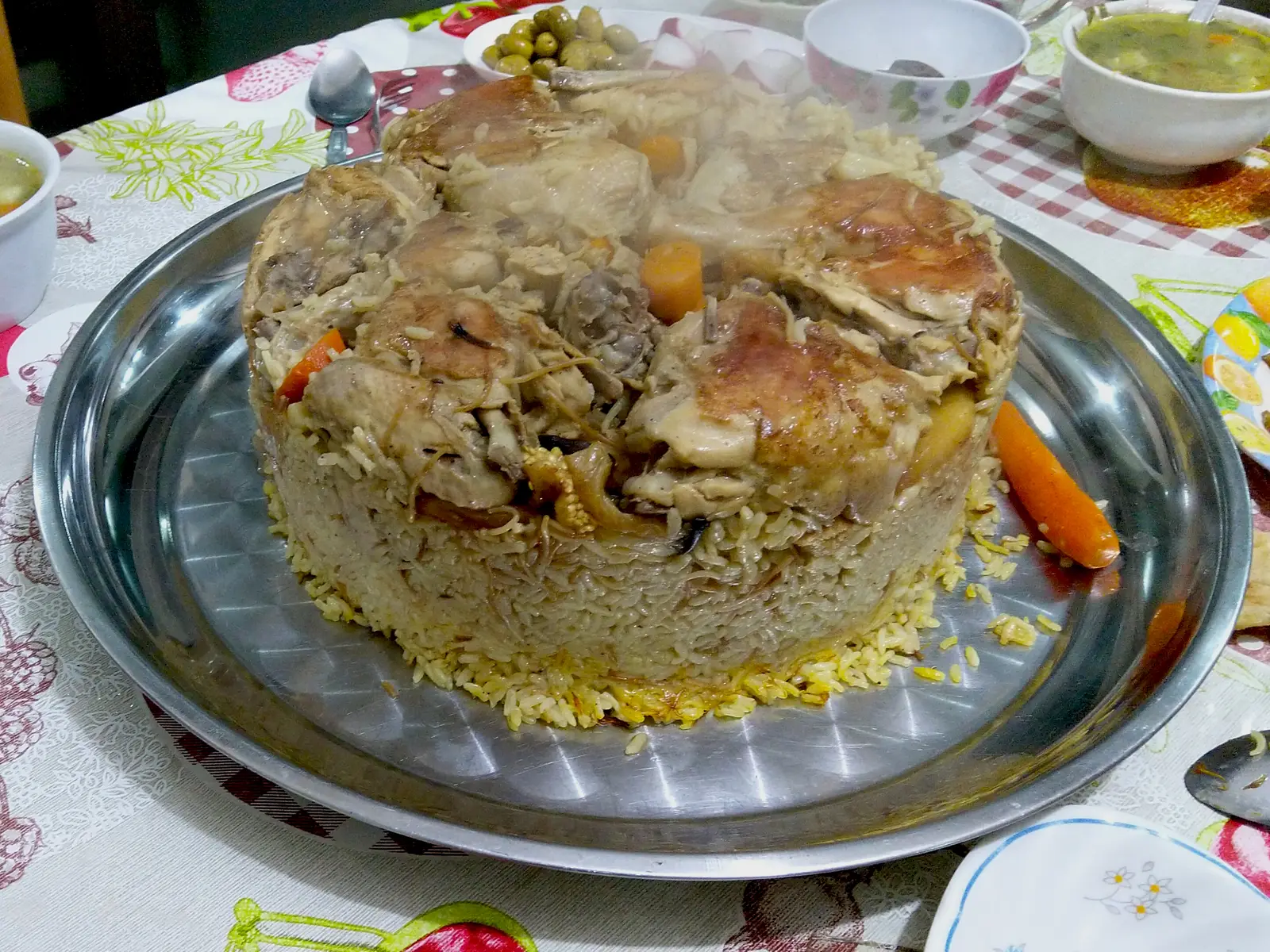
If you enjoy mansaf, look for other dishes built on the same ingredients. Shrak, the thin bread laid under the rice, is worth tasting fresh from the saj. Jameed itself appears in simpler home dishes such as rashouf, a hearty soup of lentils or grains. For another celebration dish served on a large shared platter, try maqluba, the layered rice dish that is turned upside down at the table.
Frequently asked questions
What is mansaf made of?
Mansaf is made of lamb cooked in a sauce of jameed, which is dried, salted yoghurt that has been rehydrated. The meat and sauce are served over rice cooked with clarified butter, on a base of thin shrak bread, and topped with toasted almonds or pine nuts. Some versions use chicken instead of lamb, but lamb is the traditional choice.
How do you eat mansaf traditionally?
Mansaf is traditionally eaten from a shared tray using the right hand. You gather a small amount of rice and meat, press it into a loose ball with your fingers and eat it, adding more jameed sauce as you go. The left hand is not used. Spoons and plates are perfectly acceptable today, and hosts will never expect visitors to master the technique.
Is mansaf spicy?
No, mansaf is not spicy. Its main flavour is the tangy, salty richness of the jameed sauce, balanced by tender lamb, buttery rice and toasted nuts. Cooks may add mild spices such as cardamom or bay leaf to the meat while it boils, but there is no chilli heat. Those who find the sauce too sour can simply pour on less.
Is mansaf halal?
Yes. In Jordan, mansaf is prepared with halal lamb or chicken, as with other meat dishes served in the country. It contains no pork and no alcohol. The dish does contain dairy, since the sauce is made from yoghurt and the rice is cooked with clarified butter, so it is not suitable for people who avoid milk products.
Why is mansaf the national dish of Jordan?
Mansaf reflects the Bedouin and rural traditions that shaped Jordanian society, using the meat and milk of herding families. It is served at the most important moments in life, from weddings to reconciliations, and sharing it from one tray expresses generosity, equality and respect. Because it is linked so closely with hospitality and honour, it has become a symbol of the country as a whole.
More dishes to discover
Maqluba
Musakhan

Zarb
Galayet bandora
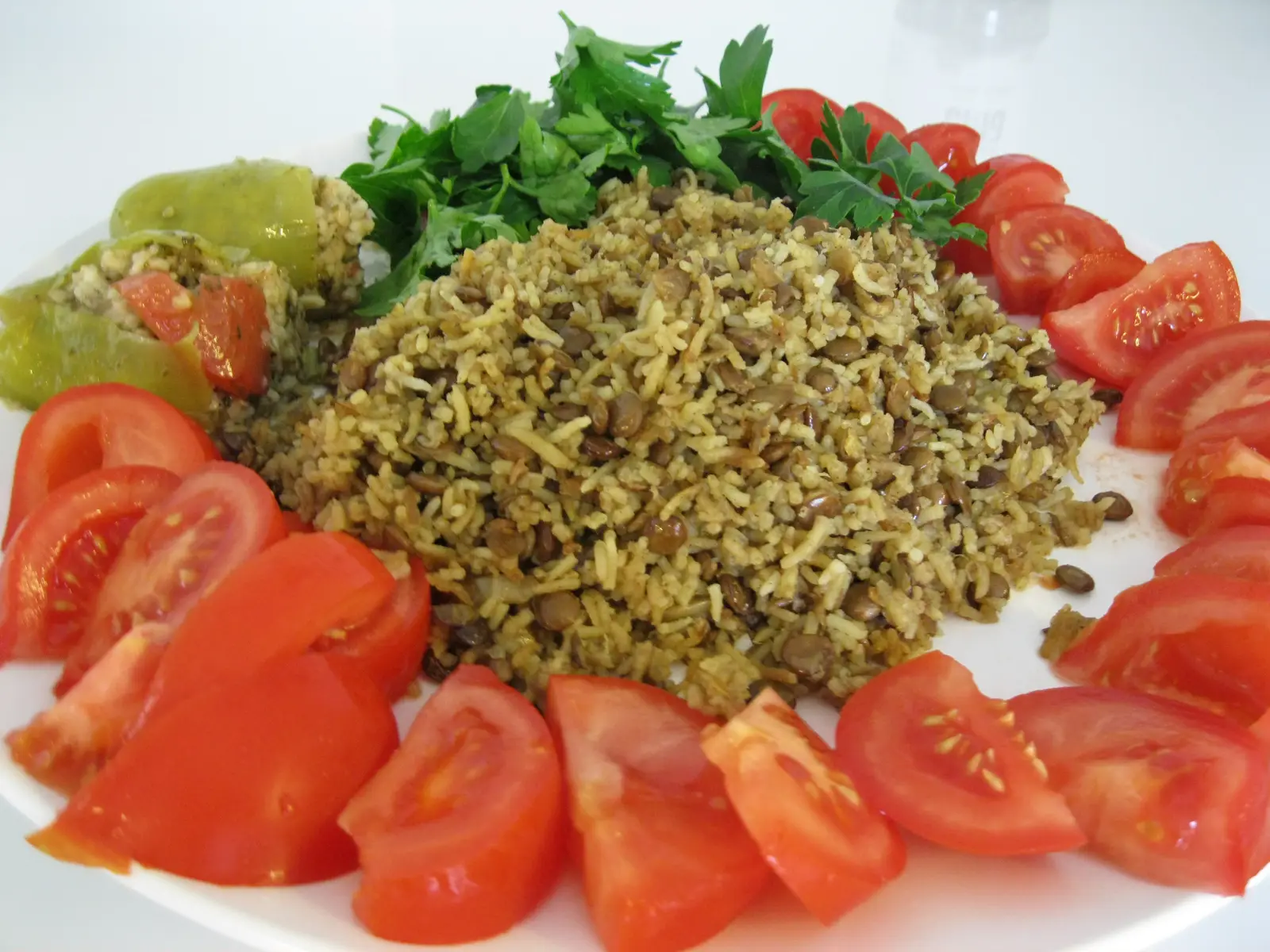
Mujaddara
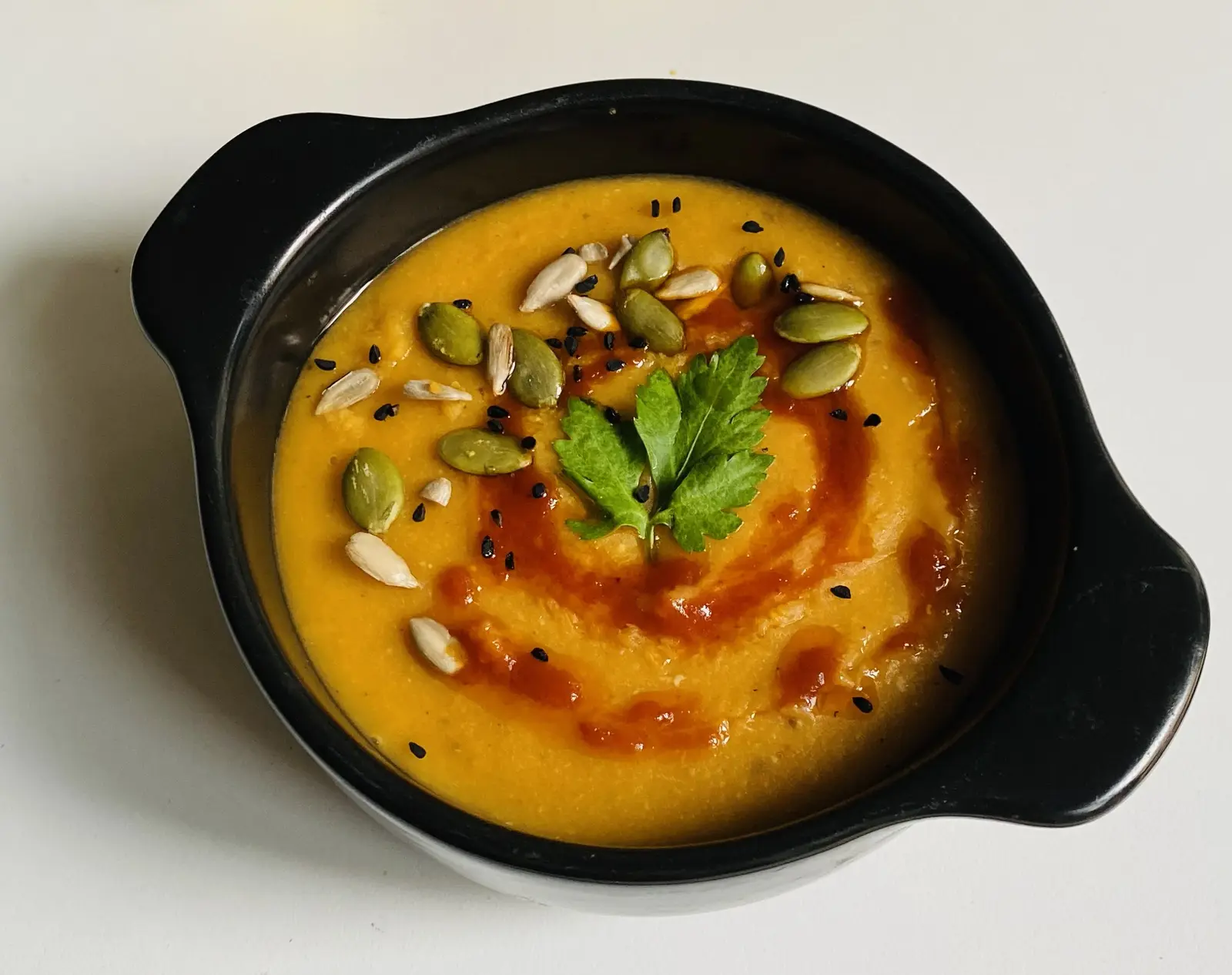
Shorbat adas (lentil soup)

Falafel and hummus