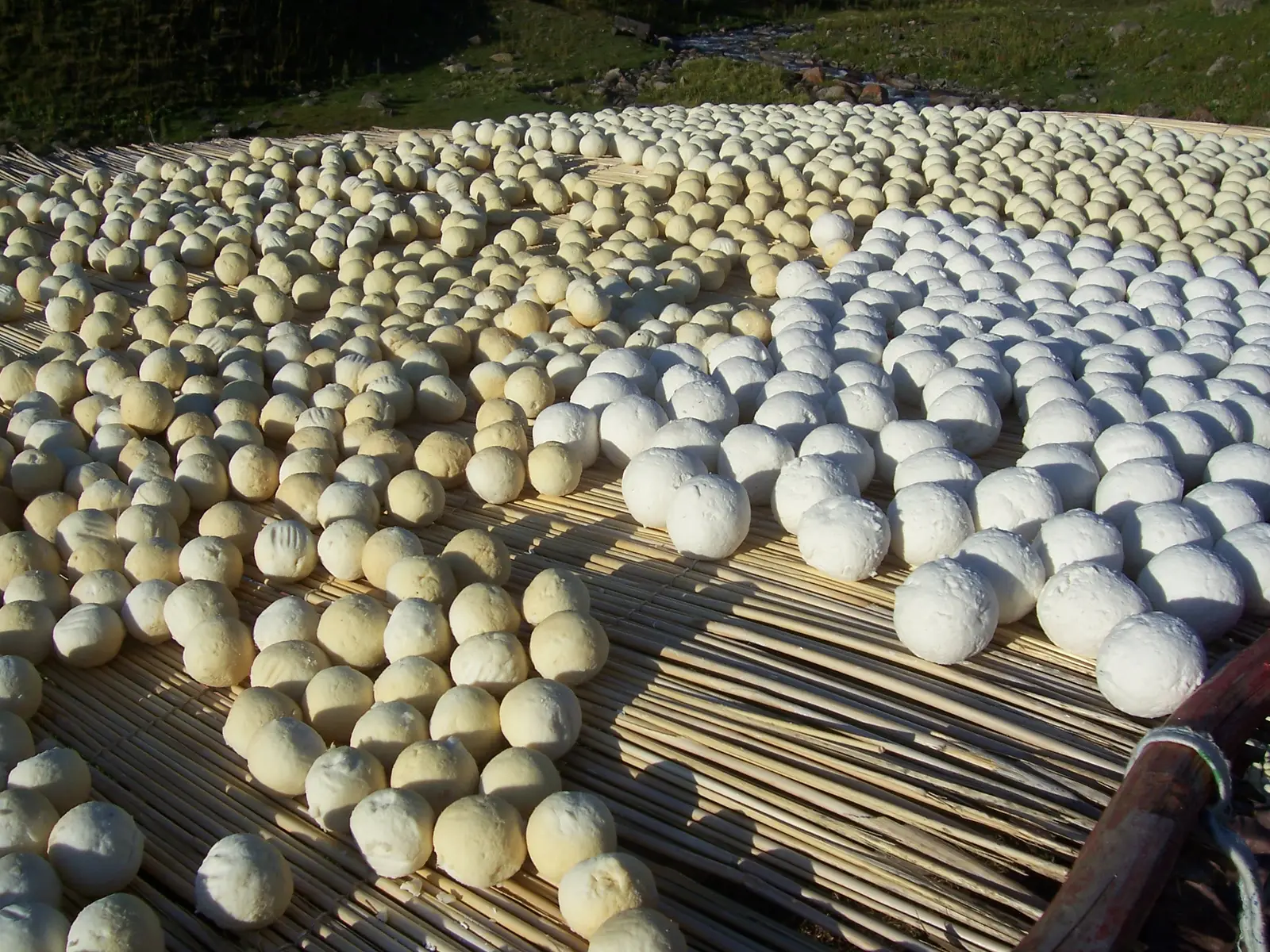
Jameed
Jameed looks like a simple white stone, but it holds the flavour of a whole way of life. Made from strained, salted yoghurt shaped by hand and dried in the sun, it allowed herding families to keep milk for months. Softened and stirred into a smooth sauce, it becomes the tangy heart of mansaf, Jordan's national dish.
Origins and story
Jameed developed among the herding communities of Jordan and nearby regions as a way to preserve milk. In spring, when sheep and goats give plenty of milk, there was far more than a family could use fresh. By turning the milk into yoghurt, removing the butter, and then straining, salting and drying what remained, families created a food that could be stored for a long time and carried easily. The name comes from an Arabic word meaning 'hardened' or 'solid'. Today jameed is a symbol of Jordanian food heritage.
How it is made
Traditionally, jameed is made from sheep's milk or goat's milk, although cow's milk is also used today. The milk is turned into yoghurt and churned to separate the butter, which is often used to make samn, a clarified butter. The remaining liquid, a kind of buttermilk, is heated and then poured into cloth bags and hung to strain until it becomes thick.
Salt is kneaded into the thick yoghurt, which is then shaped by hand into balls or rounded cones, often with the marks of the maker's fingers still visible. These are laid out to dry in the sun and open air for several days until they become hard and white or pale cream in colour. Well-made jameed has a strong, sour and salty flavour and can be stored for many months.
How it is used
Before cooking, jameed must be softened. Traditionally, the balls are broken into pieces and soaked in warm water, then rubbed or pounded by hand until they dissolve into a thick liquid. Today many cooks use a blender, and liquid jameed sold in packages is also common. This liquid is cooked slowly with lamb to make the sauce for mansaf. Jameed is also used in other dishes, such as rashouf, a hearty soup of lentils or grains. Some people enjoy small pieces of hard jameed as a salty snack.
Regional variations and where to find it in Jordan
Many regions of Jordan make jameed, but the Karak area in the south is especially famous for it, and jameed from Karak is often considered among the finest. Its taste varies with the type of milk, the amount of salt and how it is dried, so families often buy from producers they trust. You can find jameed in markets, dairy shops and grocery stores across the country, especially in Karak, Madaba, Salt and the old markets of Amman. It makes a meaningful gift for those who love Jordanian cooking.
Related dishes
Jameed is inseparable from mansaf, in which lamb is cooked in a jameed sauce and served over rice and shrak bread. The butter separated while making jameed becomes samn, which gives mansaf rice its rich flavour. If you enjoy the tangy taste of yoghurt in cooking, try kubbeh in yoghurt sauce or fatteh with its garlicky yoghurt topping. Each of them shows how central yoghurt is to Jordanian cooking.
Frequently asked questions
What is jameed?
Jameed is a traditional Jordanian dried yoghurt. Yoghurt is churned to remove the butter, then strained, salted, shaped into hard balls by hand and dried in the sun. It has a strong, sour and salty flavour and can be stored for many months. It is the key ingredient in the sauce of mansaf, Jordan's national dish.
What does jameed taste like?
Jameed tastes strongly sour, salty and rich, similar to a very concentrated yoghurt or a sharp aged cheese. When it is dissolved in water and cooked with lamb for mansaf, the flavour becomes smoother and more rounded, while keeping its distinctive tang. Some people enjoy small pieces of hard jameed as a salty snack.
How do you use jameed for cooking?
Hard jameed is broken into pieces and soaked in warm water until it softens, then rubbed by hand or blended until smooth. The liquid is strained and cooked slowly, stirring often, so it does not separate. Ready-made liquid jameed is also available and saves time. It is then used for mansaf or other dishes.
Is there a substitute for jameed?
There is no perfect substitute, which is why Jordanians abroad often bring jameed back with them. Some cooks outside Jordan use strained yoghurt with extra salt, or a mixture of yoghurt and a little dried yoghurt powder, but the flavour is milder. For an authentic mansaf, it is best to use real jameed or packaged liquid jameed.
More dishes to discover
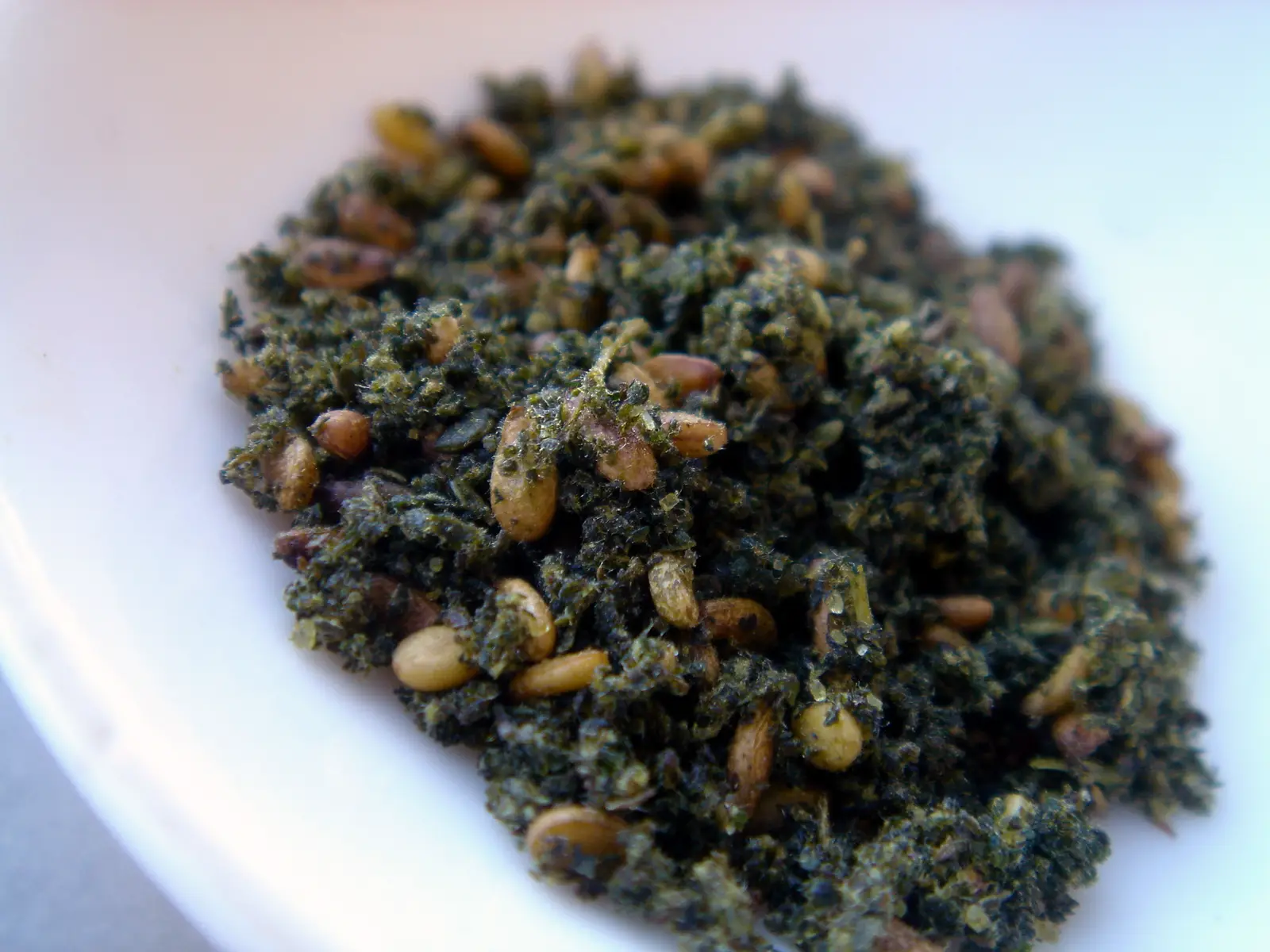
Za'atar and olive oil
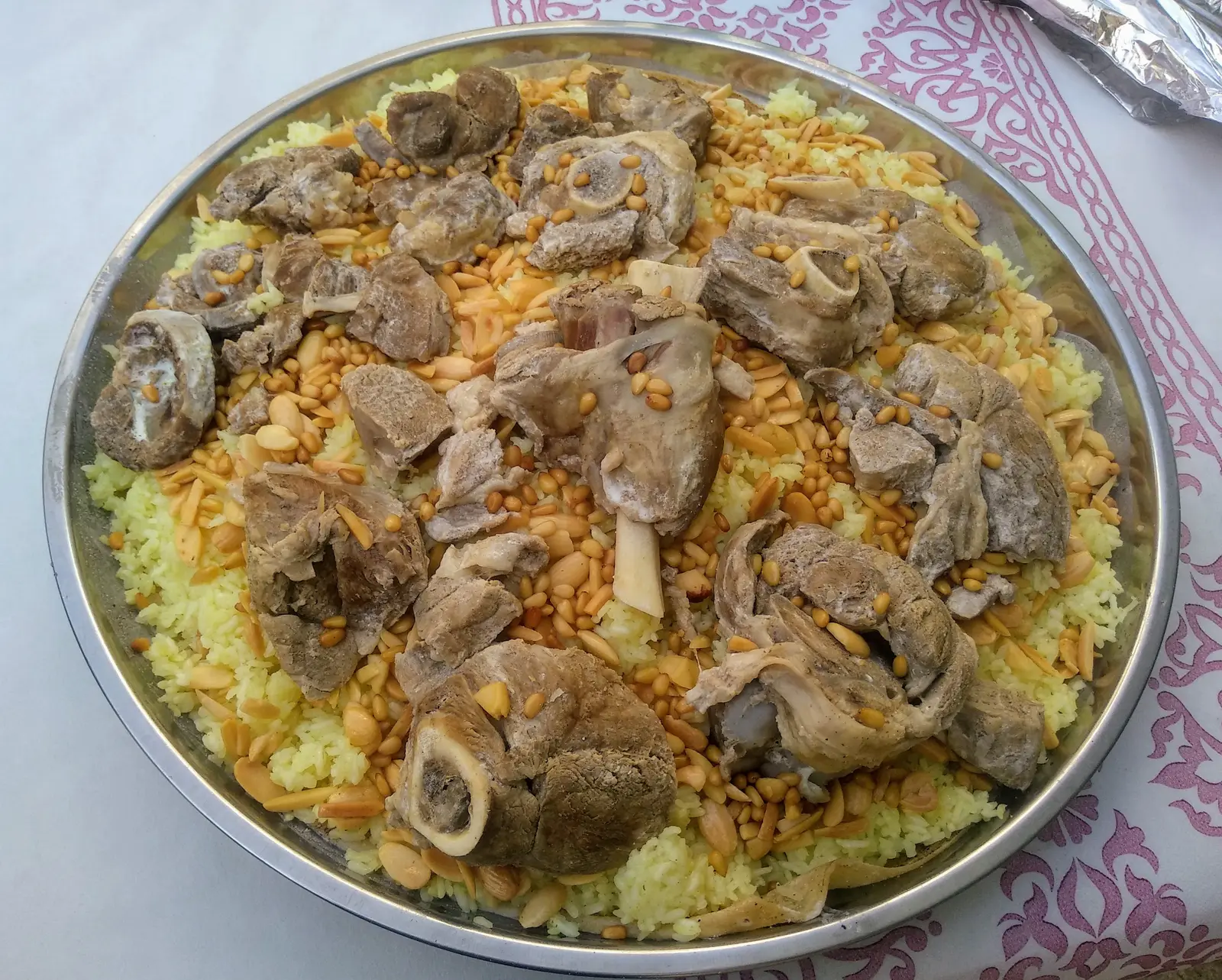
Mansaf
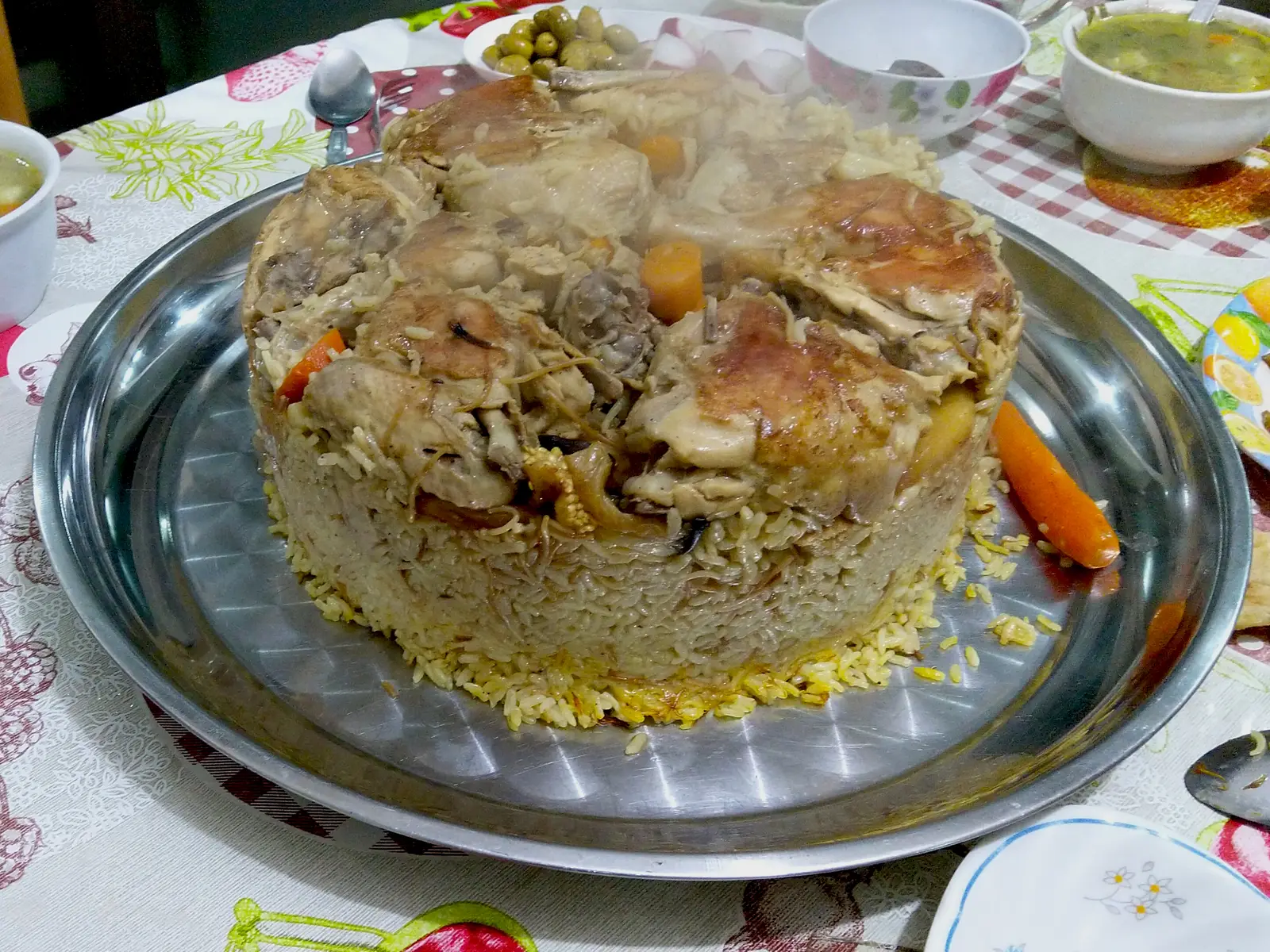
Maqluba

Musakhan

Zarb
Galayet bandora
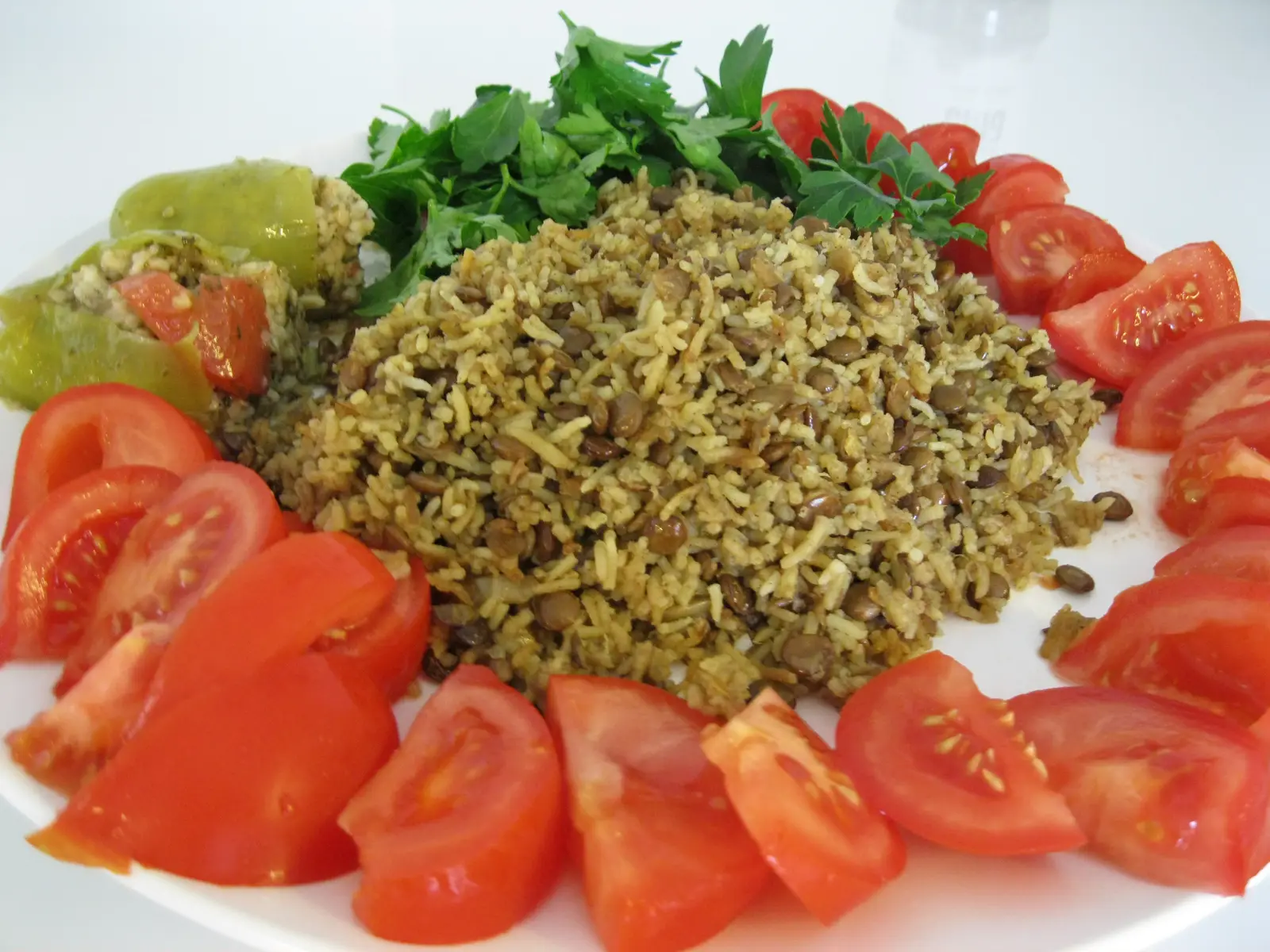
Mujaddara