Ful
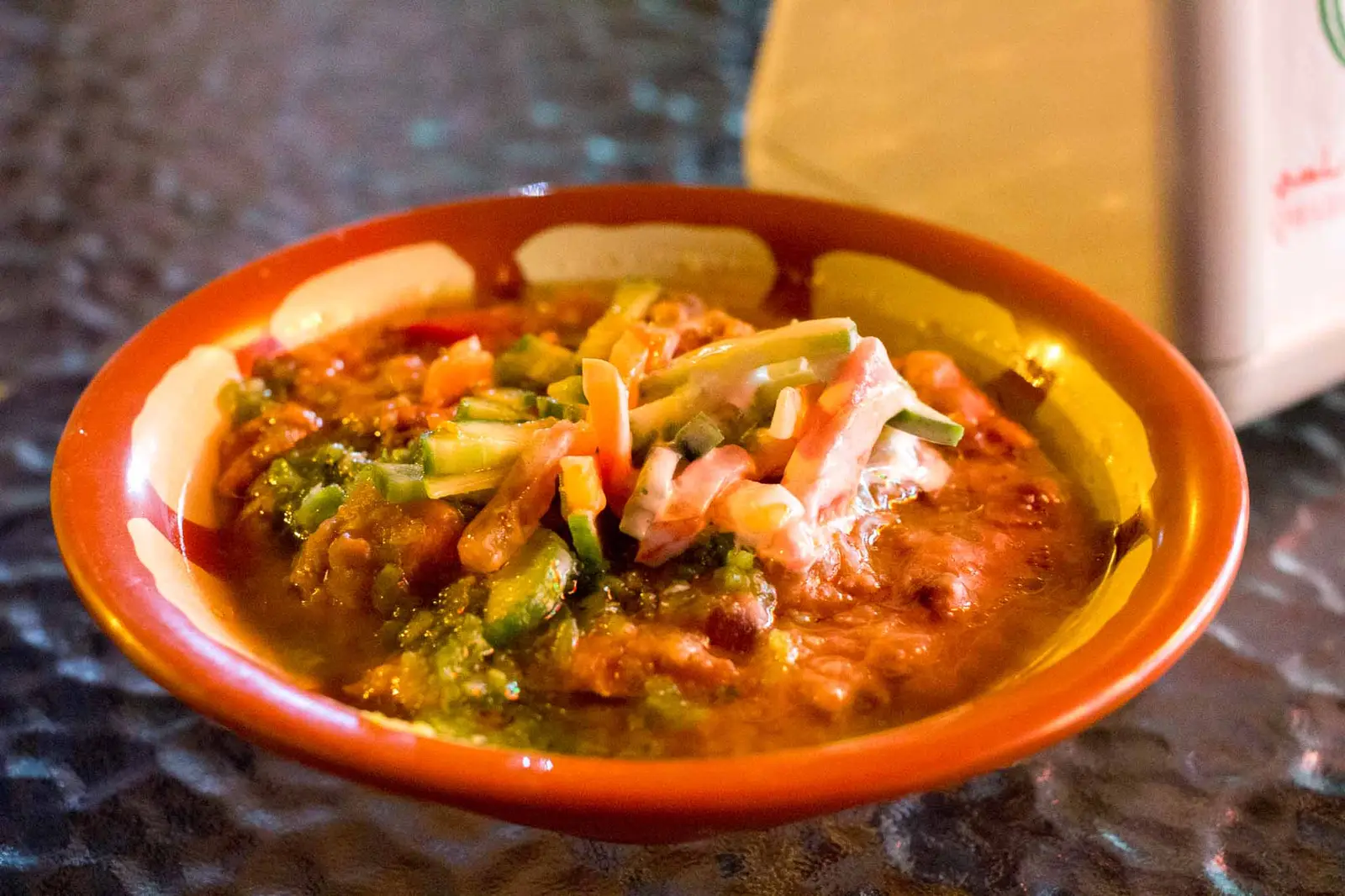
Ful is the slow, steady heartbeat of the Jordanian breakfast. Warm fava beans are mashed with lemon, garlic and cumin, finished with a ribbon of olive oil and scooped up with fresh bread, raw onion and mint. It is filling, inexpensive and full of flavour, and it keeps people going through a long morning.
Origins and story
Fava beans, also called broad beans, have been eaten in the Middle East and around the Mediterranean since ancient times. Ful medames, the dish of slowly cooked fava beans, is especially famous in Egypt and is widely eaten across the Levant, where each country and family has its own way of preparing it. In Jordan, ful has become an essential part of breakfast culture. It is served in homes and in small shops that also sell hummus and falafel, many of which open at dawn.
Ingredients and how it is made
Traditionally, dried fava beans are soaked and then simmered very slowly for many hours, sometimes overnight, until they are soft and creamy. Today, many home cooks use canned beans for convenience. The warm beans are partly mashed and seasoned with lemon juice, crushed garlic, salt and cumin. Olive oil is poured generously on top. Many versions add chopped tomato, parsley and hot green or red chilli, and some include a spoonful of tahini sauce or a few whole chickpeas. The result is earthy, tangy and comforting.
How and when it is eaten
Ful is a breakfast dish above all, though it is also eaten at other times of day. It arrives in a shallow bowl, still warm, and is eaten by scooping it up with pieces of flatbread. Around it are usually raw onion, fresh mint, sliced tomatoes, green chillies, olives and pickles, which add crunch and freshness. Sweet black tea is the usual drink. On Friday mornings, many families buy ful from a local shop in a covered container and bring it home to share with hummus and falafel.
Variations and where to try it in Jordan
Some prefer their ful almost smooth, others with whole beans that keep their shape. The most common differences are in the toppings: plain with lemon and oil, rich with tahini, or bright with tomato and parsley. Some versions are quite spicy. You can find ful in small breakfast shops across Amman, especially in the downtown area and in busy neighbourhoods, and in every Jordanian town. These shops are at their best early in the morning, when everything is freshly made.
Related dishes
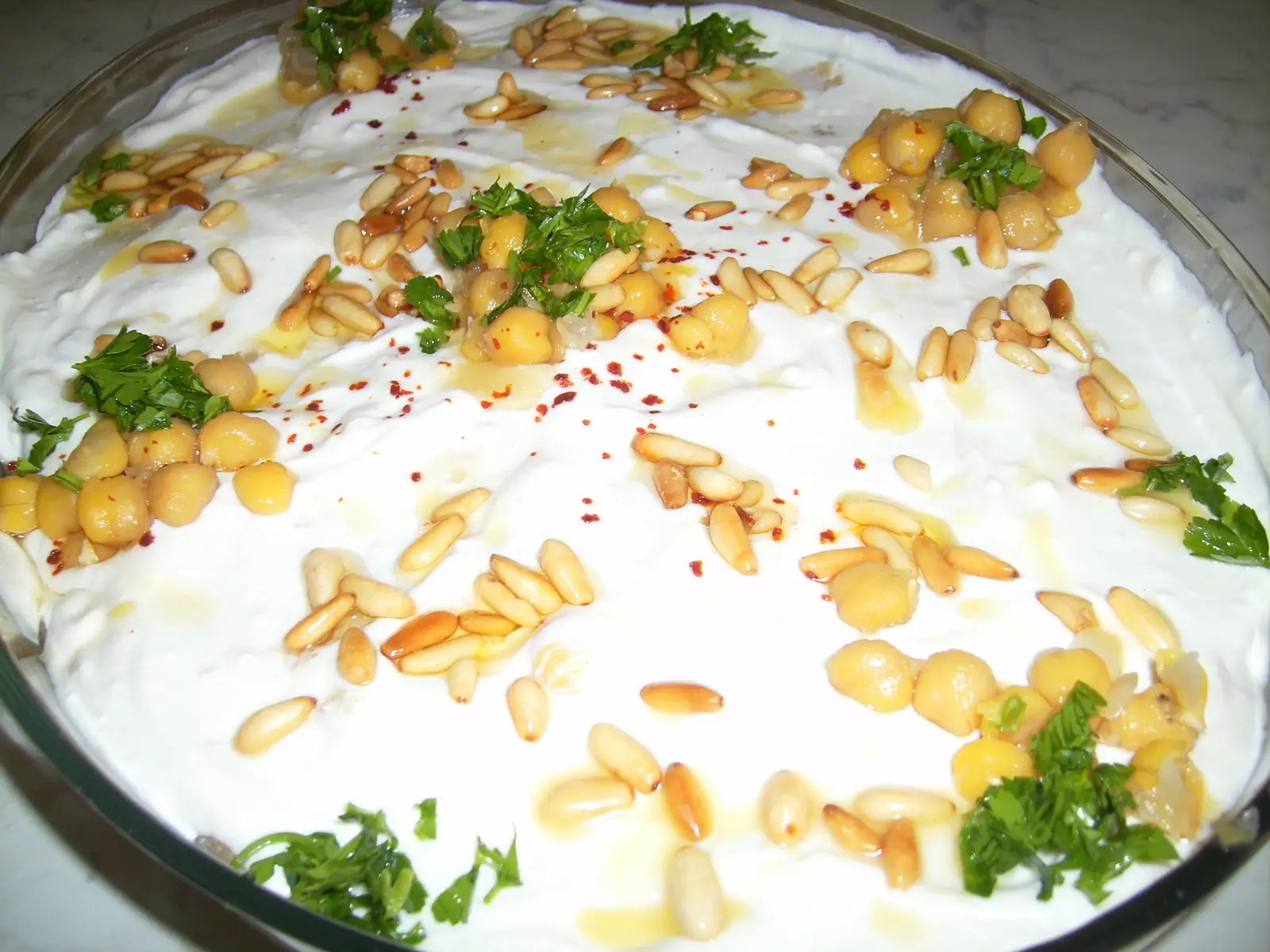
Ful is part of a breakfast trio with hummus and falafel, and the three are almost always served together. Fatteh, made with bread, chickpeas and yoghurt, is another popular weekend breakfast. For something simpler, try fresh bread with olive oil and za'atar, or galayet bandora, the warm pan of tomatoes cooked with garlic and chilli. Together, these dishes show how much of Jordanian breakfast is built on beans, bread and good olive oil.
Frequently asked questions
What is ful made of?
Ful is made of cooked fava beans, also called broad beans, mashed and seasoned with lemon juice, garlic, salt and often cumin, then topped with olive oil. Many versions in Jordan add chopped tomato, parsley, chilli or tahini sauce. It is eaten warm with flatbread, usually for breakfast.
Is ful the same as ful medames?
Yes. 'Ful' is the short name, and 'ful medames' is the fuller name that refers to fava beans cooked slowly until soft. The dish is widely eaten in Egypt and throughout the Levant, and each place has its own style of seasoning and toppings. In Jordan, people usually just say 'ful'.
Is ful vegan?
Classic ful is vegan, since it contains only fava beans, lemon, garlic, cumin, olive oil and vegetables. Tahini sauce, which is sometimes added, is also plant-based. A few versions may include butter or yoghurt, so it is worth asking. Served with bread and vegetables, it is an excellent breakfast for vegans.
Who should avoid fava beans?
People with a hereditary condition called G6PD deficiency are generally advised to avoid fava beans, as eating them can cause a serious reaction. If you have this condition, or are unsure, follow your doctor's advice and choose hummus or falafel made from chickpeas instead. For most people, ful is a nourishing and filling food.
More dishes to discover

Kubbeh
Mlukhiyeh
Fatteh
Shrak
Manakeesh
Kunafa (knafeh)
Qatayef