Mujaddara
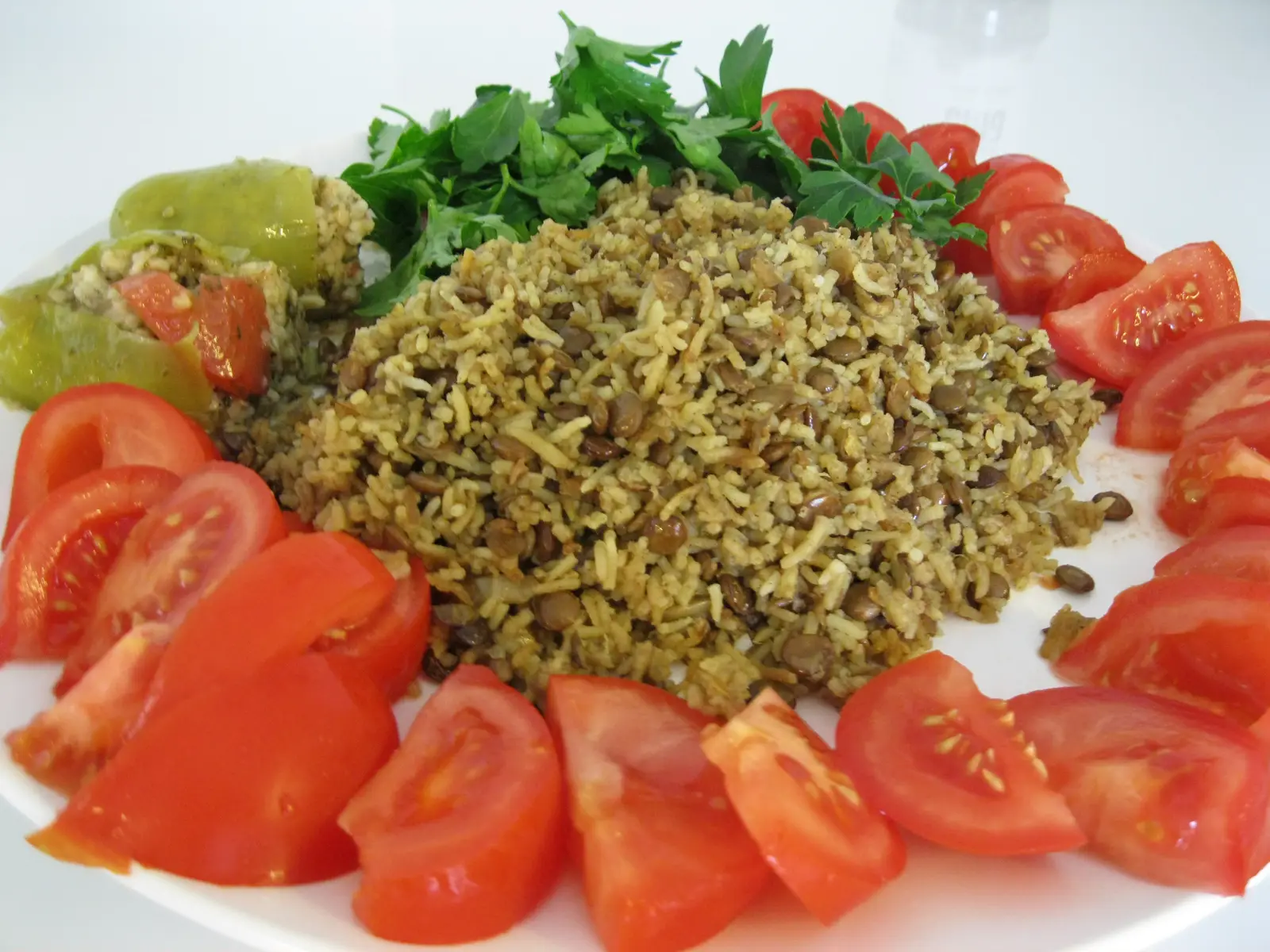
Mujaddara is proof that humble food can be deeply satisfying. Brown lentils and rice or cracked wheat are cooked together until tender, then covered with a heap of onions fried slowly until they are dark, sweet and crisp. It is comforting, inexpensive and naturally vegetarian, and it has fed families in the region for centuries.
Origins and story
Lentils are among the oldest cultivated crops of the Middle East, and dishes combining lentils with grains have been eaten in the region for a very long time. Recipes resembling mujaddara appear in medieval Arabic cookbooks, which shows how deep its roots go. Today it is a shared dish across the Levant and beyond, with many local names and styles. In Jordan it is a familiar home meal, valued because it is nourishing, cheap to prepare and filling enough to feed a large family from a single pot.
Ingredients and how it is made
The ingredients are simple: brown or green lentils, rice or coarse cracked wheat, onions, olive oil or another vegetable oil, salt and often cumin. The lentils are boiled first until they are partly cooked. The rice or cracked wheat is then added with more water and seasoning, and the two cook together slowly until the grains are tender and the water has been absorbed.
The onions are the crowning glory. Large quantities are sliced thinly and fried in oil, slowly and patiently, until they turn a deep golden brown, almost dark. Part of the onions and their oil may be stirred into the lentils for flavour and colour, while the crispiest are kept for the top. The finished dish is earthy and savoury, with a sweetness from the onions that makes it far more than the sum of its parts.
How and when it is eaten
Mujaddara is usually eaten warm or at room temperature, which makes it practical for family meals and for packing for work or school. It is almost always served with something fresh or cool on the side: plain yoghurt, a chopped salad of tomato and cucumber, a cabbage salad, radishes, green onions or pickles. The combination of the soft, earthy lentils with something sharp and crunchy is part of its appeal. It is an everyday dish rather than a festive one, and many families cook it regularly through the year.
Variations and where to try it in Jordan
Families divide into those who prefer mujaddara with rice and those who prefer it with cracked wheat, known as burghul, which gives a nuttier, more rustic texture. In some areas the dish is cooked until the lentils almost dissolve into a soft mash, while elsewhere the grains stay separate. Because it is such a home-style dish, mujaddara is most often eaten in Jordanian homes, but some traditional and home-cooking restaurants in Amman and other cities offer it, particularly as a vegetarian option.
Related dishes
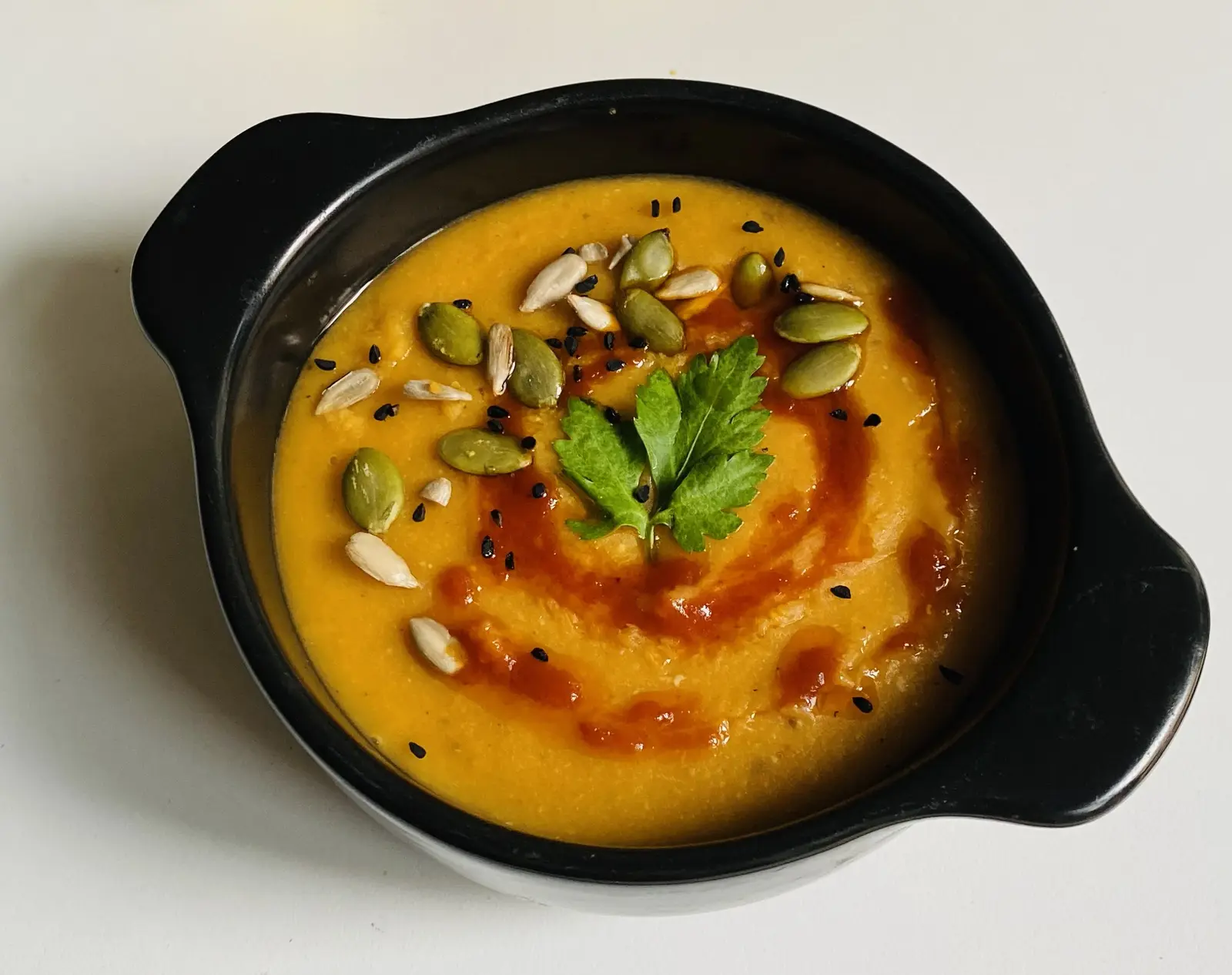
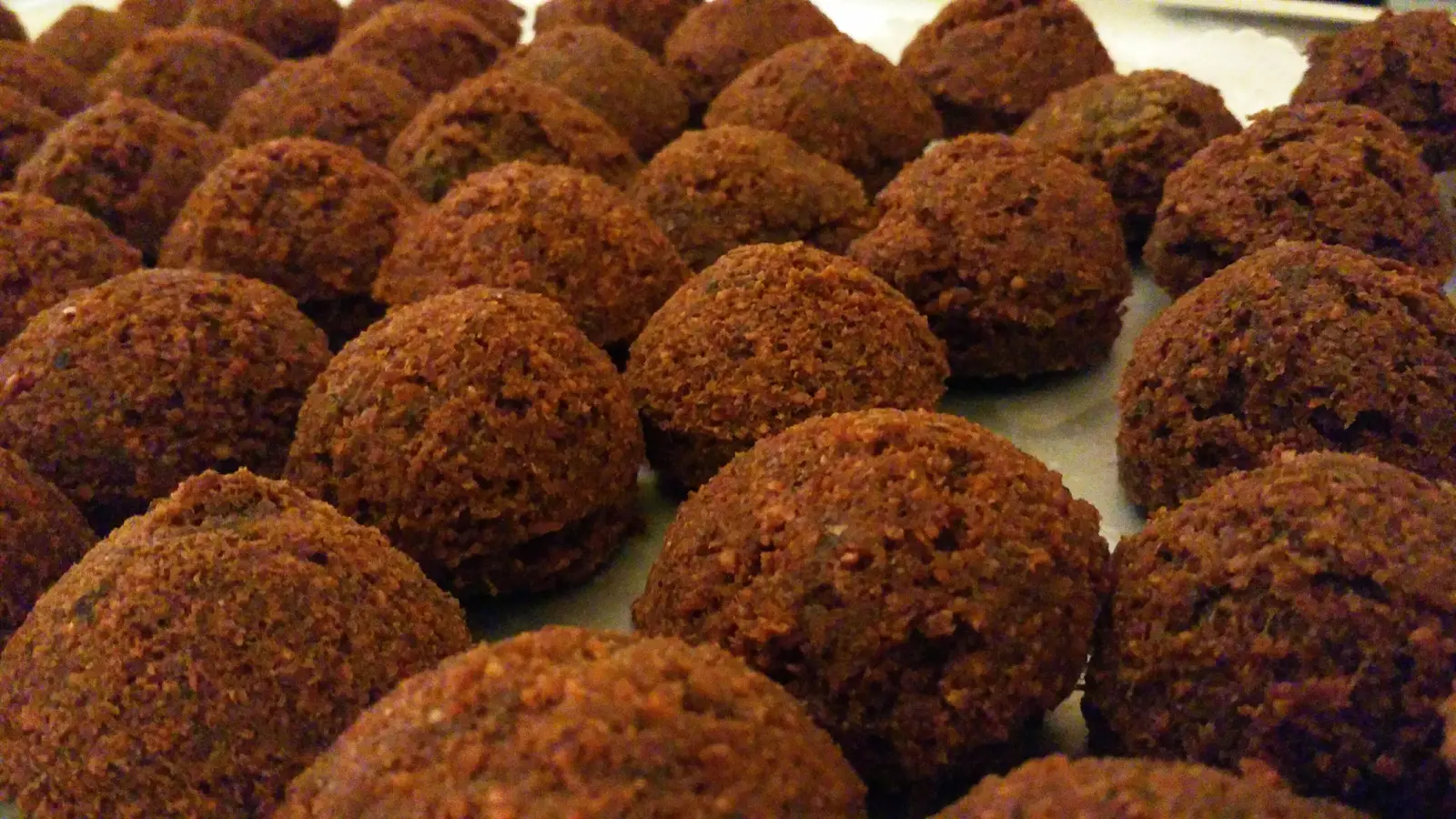
Mujaddara belongs to a group of nourishing lentil and grain dishes. Shorbat adas, the smooth lentil soup, is its close cousin and a favourite in winter and during Ramadan. For other vegetarian meals in Jordan, try galayet bandora, falafel and hummus, or ful. Like maqluba, mujaddara is a one-pot dish that tastes even better with yoghurt and a fresh salad.
Frequently asked questions
What is mujaddara made of?
Mujaddara is made of brown or green lentils cooked together with rice or cracked wheat, seasoned with salt and often cumin, and topped with onions fried slowly until dark and crisp. The cooking oil is usually olive oil or another vegetable oil. It is typically served with yoghurt, salad or pickles.
Is mujaddara vegan?
Yes, mujaddara itself is vegan, as it contains only lentils, grains, onions, oil and spices. It is often served with yoghurt, which is a dairy product, so if you avoid all animal products, simply ask for it with salad or pickles instead. It is a protein-rich choice for vegetarians and vegans.
Is mujaddara healthy?
Mujaddara is generally considered a nourishing meal. Lentils provide plant protein and fibre, and the grains provide energy, which makes it filling. The fried onions add some fat, so the amount of oil used makes a difference. Served with salad or yoghurt, it makes a balanced and satisfying everyday dish.
Should mujaddara be made with rice or bulgur?
Both are traditional. Rice gives a softer, lighter result, while bulgur, or cracked wheat, gives a nuttier and more rustic texture. Preferences vary between families and regions, and many Jordanian households make both depending on what they have at home. Neither version is more correct than the other.
More dishes to discover
Shorbat adas (lentil soup)
Falafel and hummus
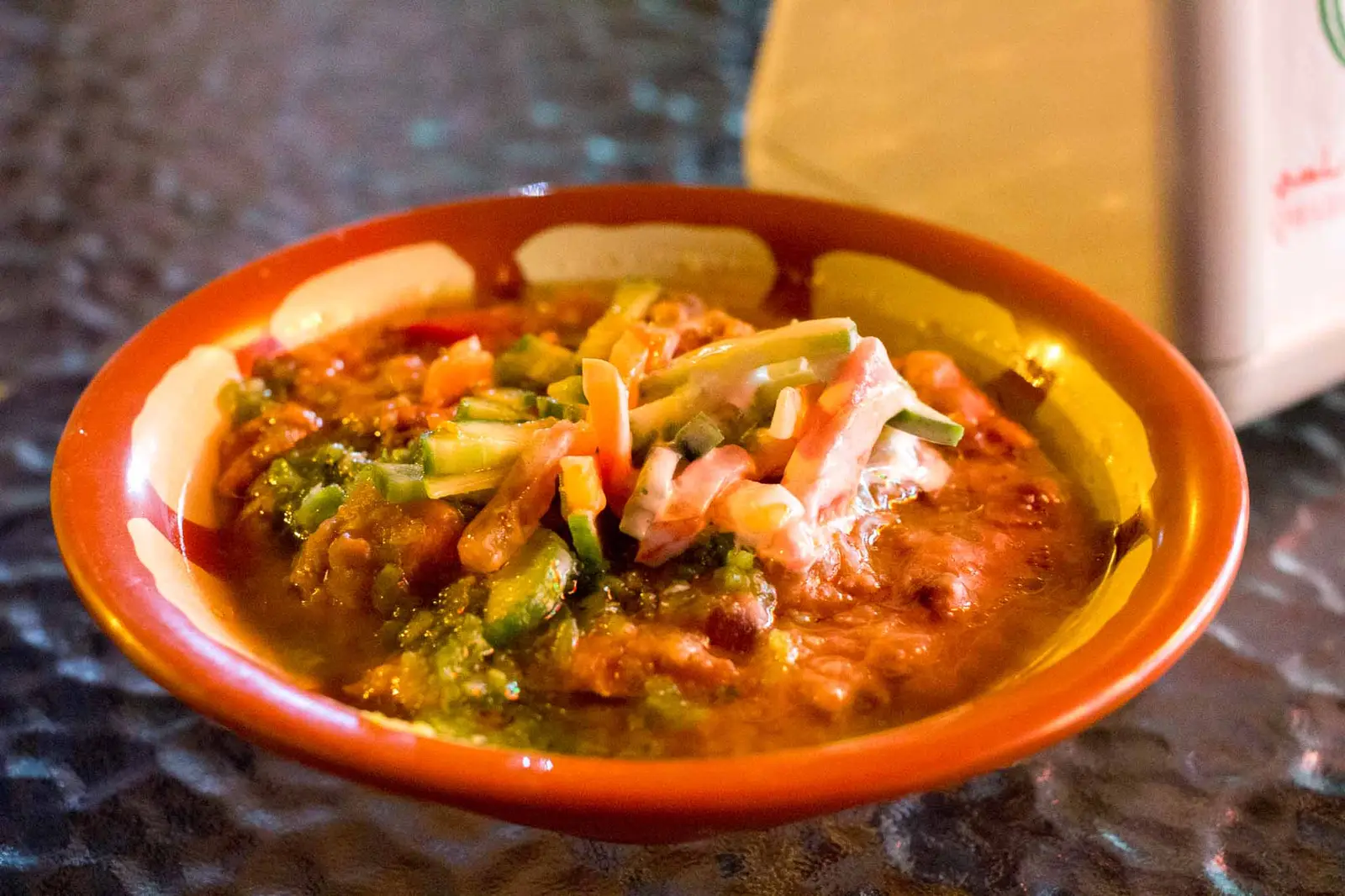
Ful

Kubbeh
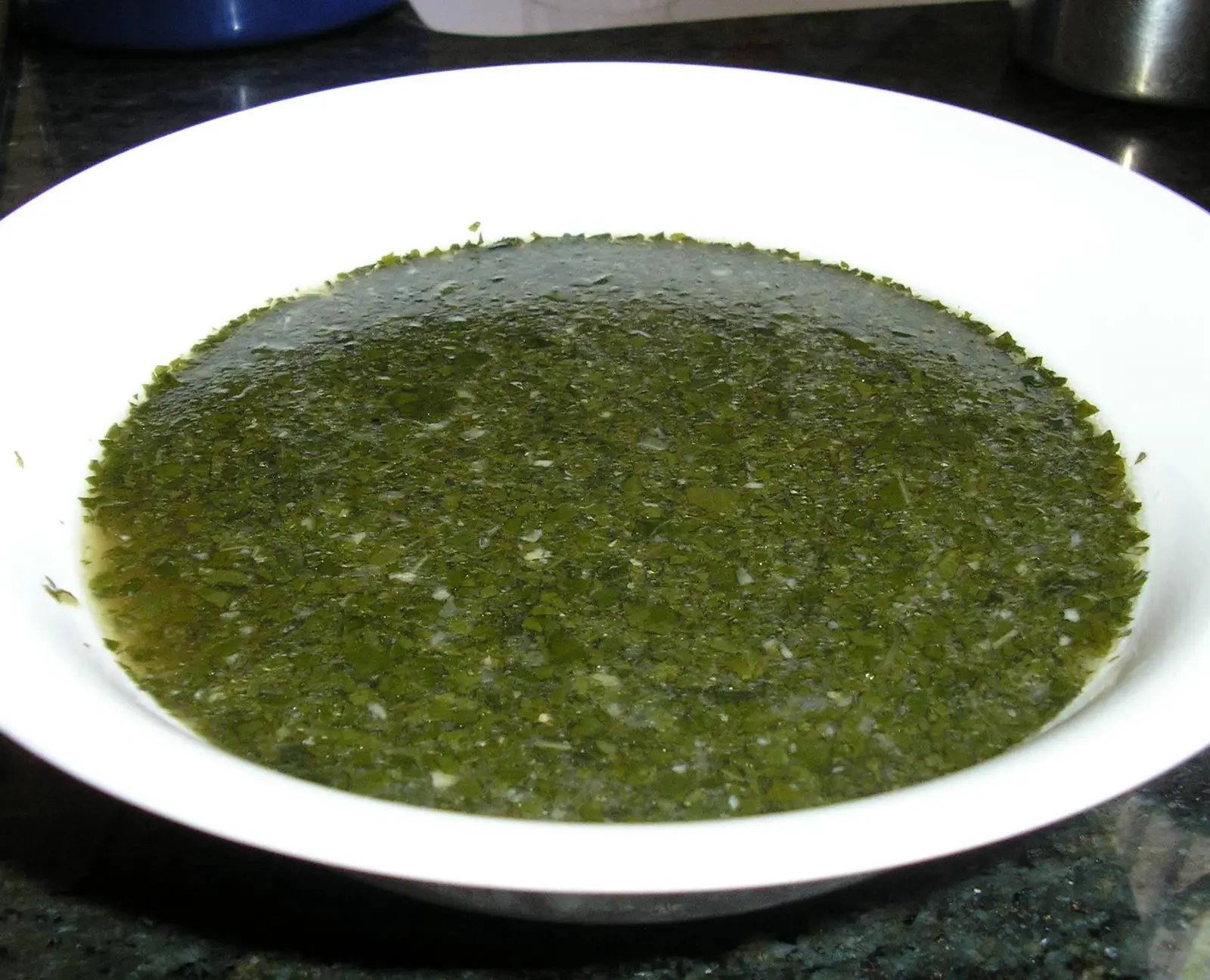
Mlukhiyeh
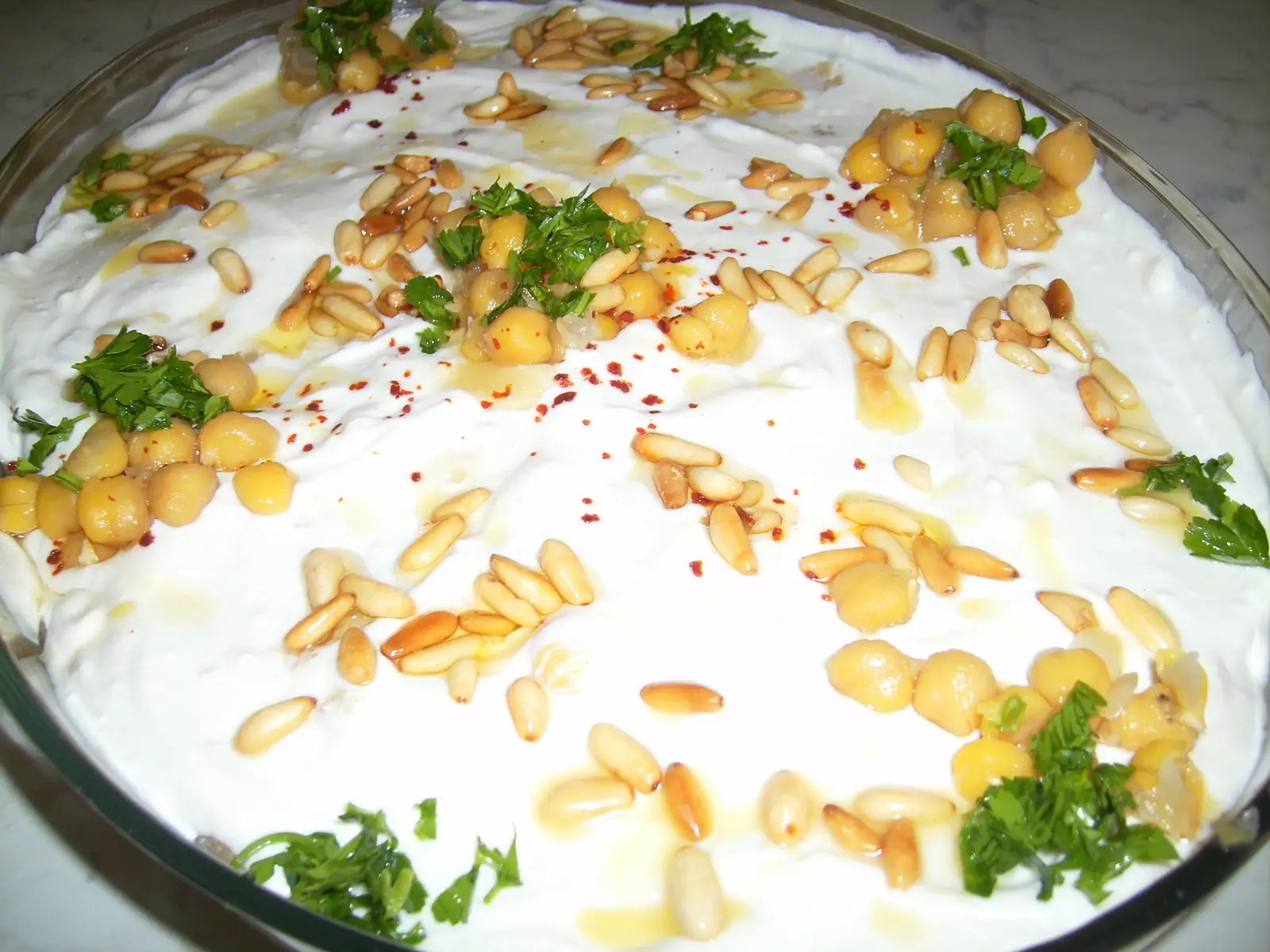
Fatteh
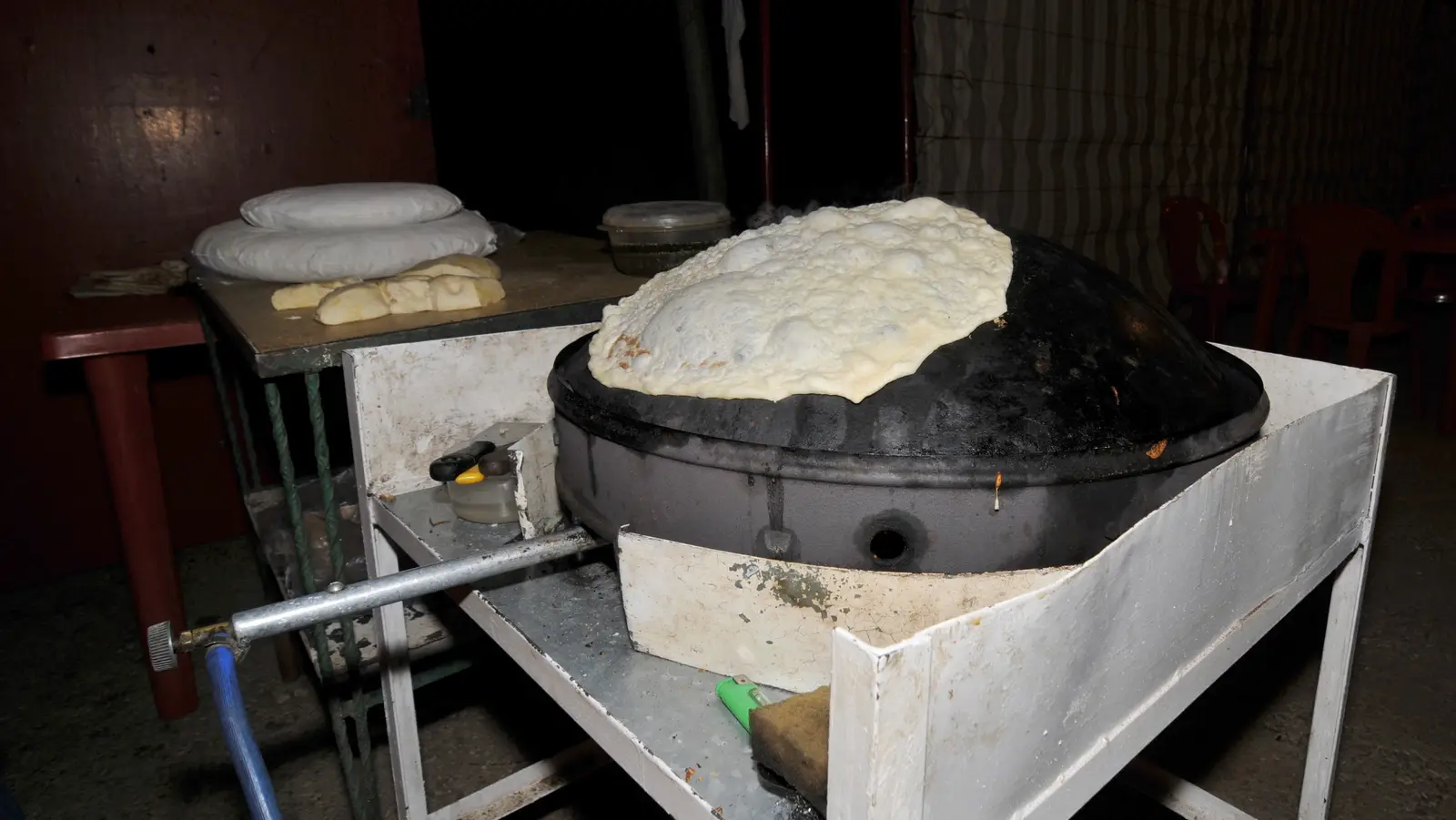
Shrak