
Falafel and hummus
In Jordan, the day often begins with the sound of falafel sizzling in hot oil and the sight of hummus swirled onto a plate with a pool of golden olive oil. These two chickpea classics are cheap, quick and loved by everyone, from students and workers to families sharing a long weekend breakfast.
Origins and story
Chickpeas have been grown in the Middle East for thousands of years, and both falafel and hummus are part of the shared food heritage of the wider region. Their exact origins are debated and probably cannot be traced to a single place. What is certain is that they are woven into daily life in Jordan. Small shops that specialise in falafel, hummus and ful can be found in almost every neighbourhood, and many open very early in the morning to serve people on their way to work.
Ingredients and how they are made
In Jordan, falafel is made from dried chickpeas that are soaked overnight but not cooked. They are ground with onion, garlic, fresh parsley and coriander, and spices such as cumin and ground coriander seed. The green-flecked mixture is shaped into small balls or discs, often with a special scoop, and fried in hot oil until crisp and deep brown outside and soft and fragrant inside. Sesame seeds are sometimes pressed onto the surface.
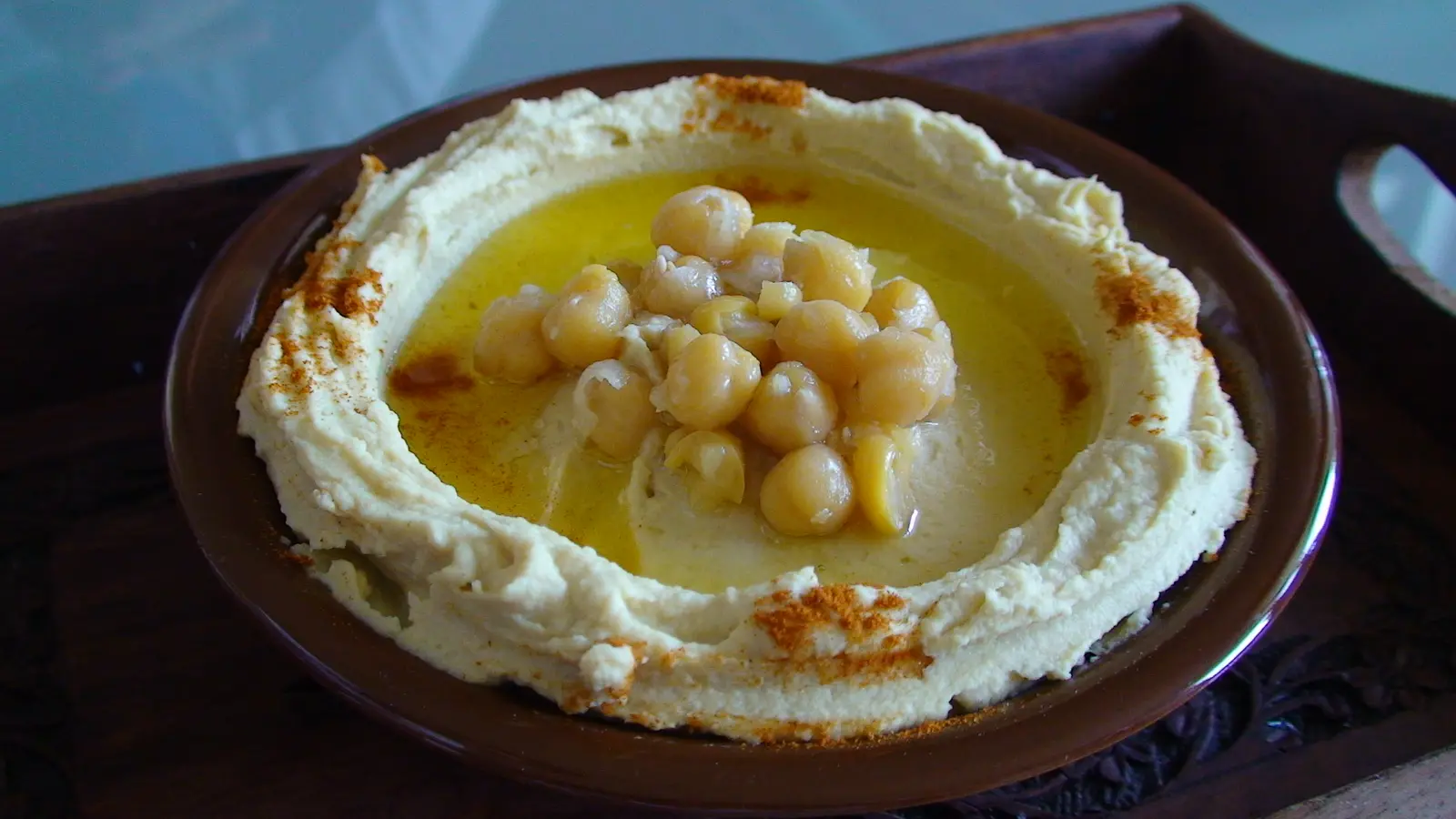
Hummus is made from chickpeas that are soaked and cooked until very soft, then blended with tahini, which is a paste of ground sesame seeds, along with lemon juice, garlic and salt. The aim is a texture that is smooth and creamy. It is spread on a plate with a hollow in the middle, which is filled with olive oil and decorated with whole chickpeas, paprika, cumin or chopped parsley.
How and when they are eaten
Falafel and hummus are the stars of the classic Jordanian breakfast, especially on Fridays, when families gather around plates of hummus, ful, falafel, fresh bread, pickles, tomatoes, onions and mint, with plenty of sweet tea. Bread is used to scoop up the hummus, and fingers or forks are used for the falafel. At other times, falafel is eaten as a sandwich: hot falafel tucked into flatbread with tomato, cucumber, pickles, herbs and a generous spoon of tahini sauce, often with a little chilli.
Variations and where to try them in Jordan
Hummus comes in several popular styles. It may be topped with minced meat or small pieces of lamb fried with pine nuts, or served warm with whole chickpeas in a lemony tahini sauce, a style known as msabbaha. Falafel may be stuffed with onion and sumac or chilli. You can try both at small specialist shops across Amman, especially in the downtown area and in busy neighbourhoods, and in towns and cities throughout the country. Breakfast spots are at their liveliest on Friday mornings.
Related dishes
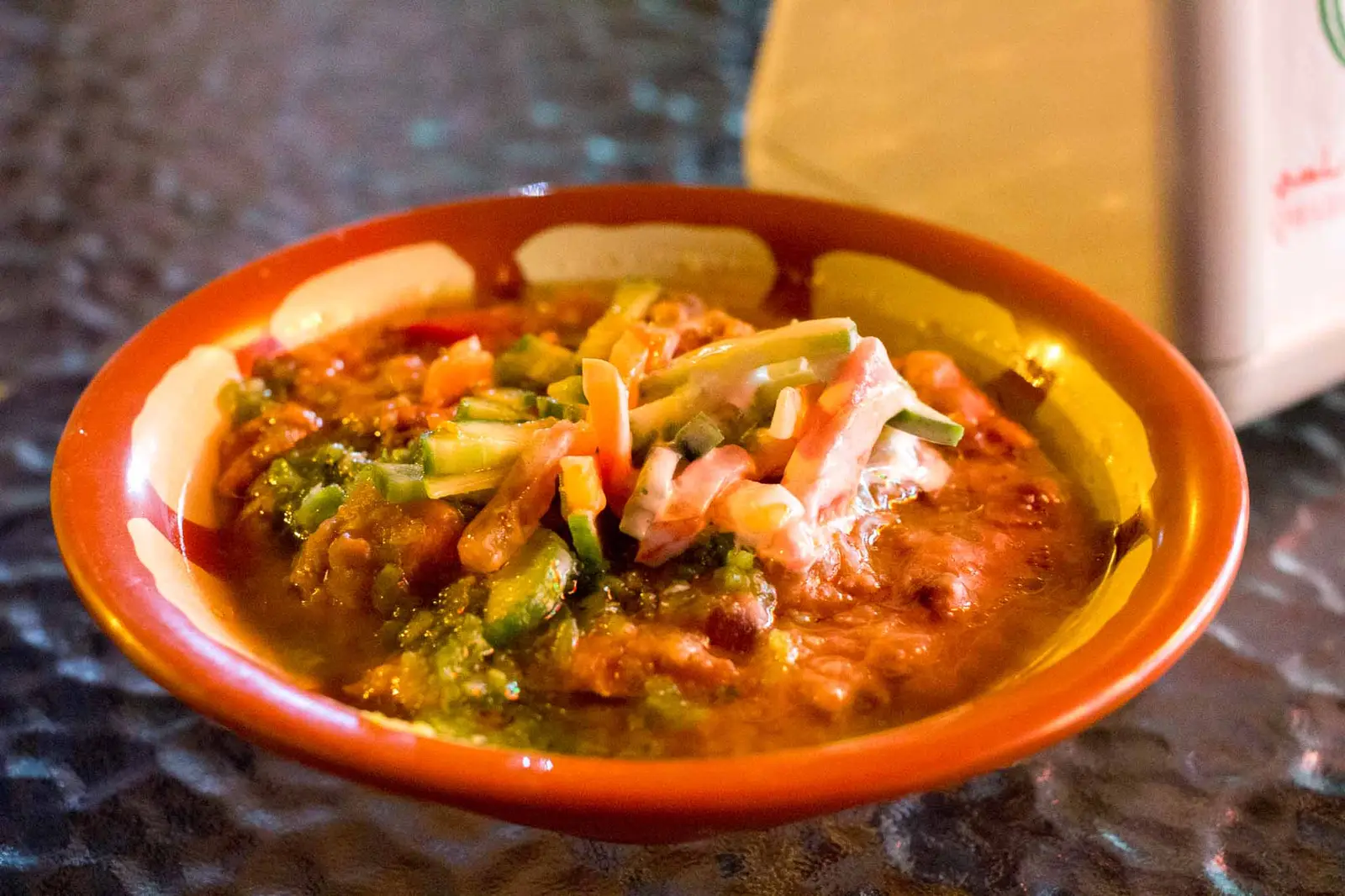
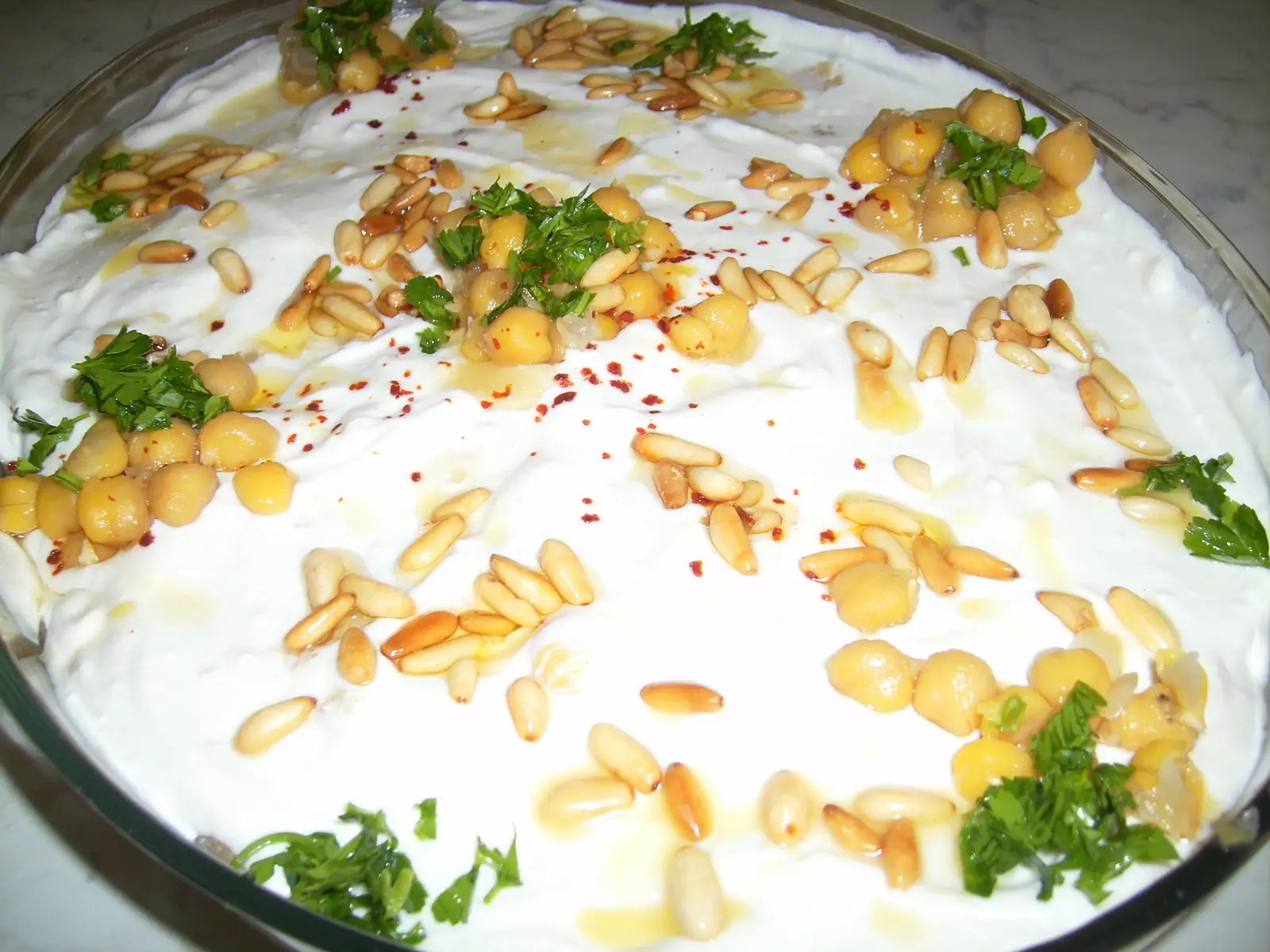
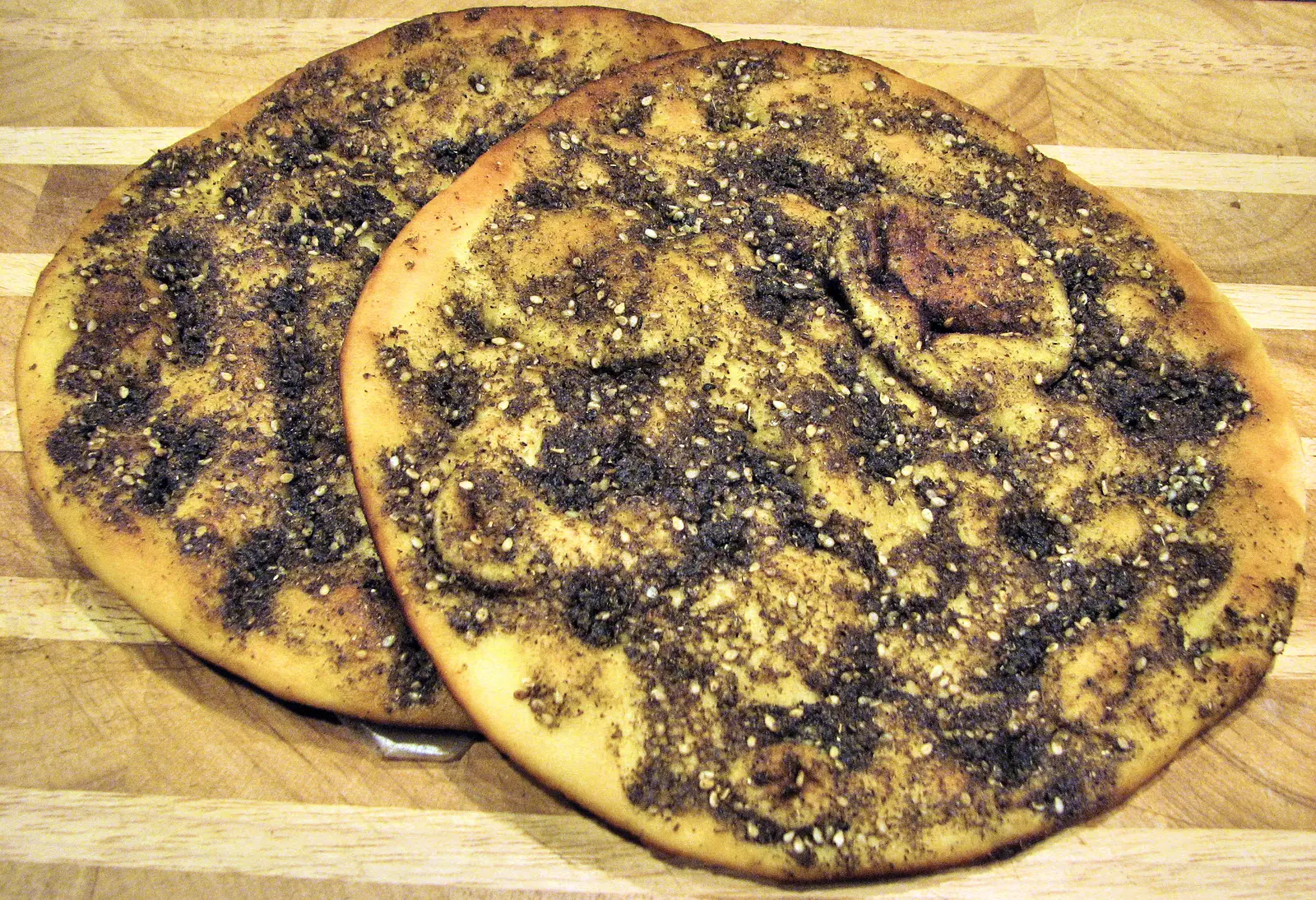
Falafel and hummus are almost always found next to ful, the warm fava bean dish that completes the Jordanian breakfast trio. Fatteh, a layered dish of bread, chickpeas and yoghurt with tahini, uses many of the same ingredients. For a different morning bite, try manakeesh with za'atar from a neighbourhood bakery, or simply fresh bread dipped in olive oil and za'atar.
Frequently asked questions
What is falafel made of in Jordan?
In Jordan, falafel is usually made from dried chickpeas that have been soaked and ground raw, mixed with onion, garlic, fresh parsley and coriander, and spices such as cumin. The mixture is shaped into balls and deep-fried until crisp. This differs from some countries, where falafel is made partly or entirely from fava beans.
What is hummus made of?
Hummus is made of cooked chickpeas blended with tahini, which is a paste of ground sesame seeds, plus lemon juice, garlic and salt. It is served on a plate with olive oil poured on top and often garnished with whole chickpeas, paprika, cumin or parsley. It is eaten by scooping it up with bread.
Are falafel and hummus vegan?
Yes, traditional falafel and hummus are both vegan. Falafel contains chickpeas, herbs, onion, garlic and spices fried in vegetable oil, and hummus contains chickpeas, tahini, lemon, garlic and olive oil. Some hummus toppings include meat or butter, so check if you order a special version. A falafel sandwich with tahini sauce is also normally vegan.
When do Jordanians eat falafel and hummus?
They are most popular at breakfast, especially on Friday mornings, when families share a large spread with ful, bread, vegetables and tea. Falafel sandwiches are also a common quick lunch or snack at any time of day. Many specialist shops open very early in the morning and stay busy until the afternoon.
Is falafel gluten-free?
Falafel made only from chickpeas, herbs and spices contains no wheat, so it is naturally gluten-free. However, some cooks add a little flour or breadcrumbs to bind the mixture, and falafel is often fried in the same oil as other foods or served in bread. People with coeliac disease should ask carefully before eating it.
More dishes to discover
Ful

Kubbeh
Mlukhiyeh
Fatteh
Shrak
Manakeesh
Kunafa (knafeh)