Fatteh
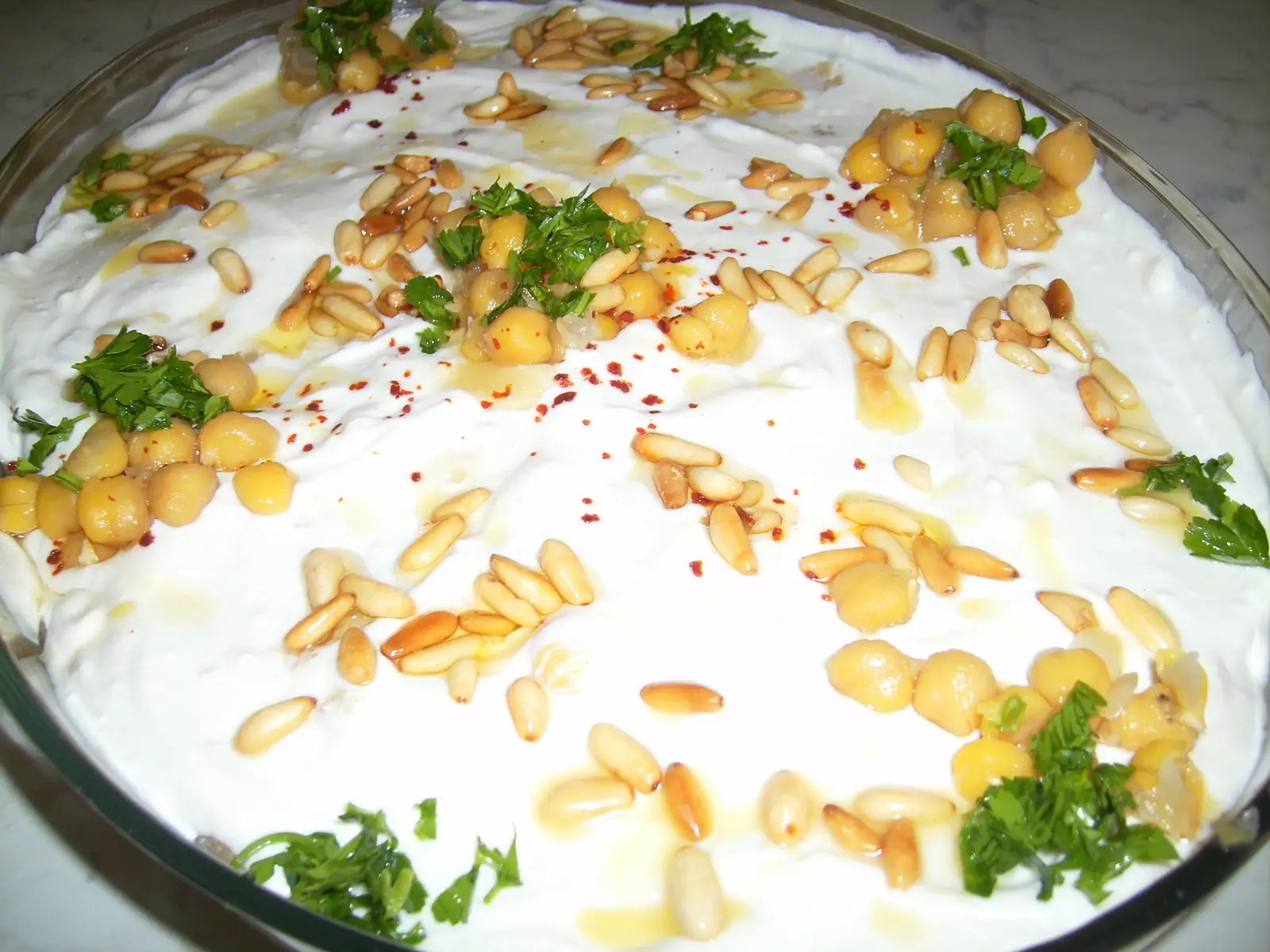
Fatteh is a dish of wonderful contrasts. Crisp toasted bread, warm soft chickpeas and cool garlicky yoghurt meet in one bowl, and just before serving, sizzling butter or olive oil with pine nuts is poured over the top. It is a favourite for slow weekend breakfasts and for the evening meals of Ramadan.
Origins and the meaning of the name
The name fatteh comes from an Arabic word meaning 'to break into pieces' or 'to crumble', which refers to the bread broken into the base of the dish. It began as a practical way to use day-old bread, turning it into something warm and generous. Fatteh is part of the shared cooking of the Levant and nearby regions, with many local versions. In Jordan, the most common form is fatteh with chickpeas, sometimes called fatteh hummus, which is especially popular as a hearty breakfast.
Ingredients and how it is made
There are three main layers. At the bottom is flatbread, cut into pieces and toasted or fried until crisp. Some cooks moisten it slightly with warm chickpea cooking water so it softens a little. The middle layer is warm cooked chickpeas, often lightly seasoned with cumin. The top layer is a sauce of plain yoghurt mixed with tahini, crushed garlic and lemon juice.
The finishing touch makes all the difference. Butter, clarified butter or olive oil is heated in a small pan with pine nuts or almonds until the nuts turn golden, and this is poured over the yoghurt just before serving, so it sizzles. Paprika, cumin, sumac or chopped parsley are often sprinkled on top. The dish should be eaten quickly, while the bread is still crisp and the contrast between warm and cool is at its best.
How and when it is eaten
Fatteh is usually served in a large bowl or individual bowls and eaten with a spoon. It is a popular breakfast, especially on Fridays and holidays, when families have time for a long meal together. It often appears beside hummus, ful and falafel on the breakfast table. During Ramadan, fatteh is also a favourite at the evening meal or at suhoor, the meal before dawn, because it is filling and comforting. It is usually enjoyed with tea, pickles and fresh vegetables.
Variations and where to try it in Jordan
Beyond the chickpea version, there are several types of fatteh. Chicken fatteh adds shredded chicken and rice, while meat fatteh may include lamb. Some versions use fried aubergine, and some regional styles skip the yoghurt and use broth instead. In Jordan, fatteh is served in many breakfast shops and traditional restaurants, particularly those that also sell hummus and ful. Look for it in Amman and other cities on Friday mornings, when it is most popular.
Related dishes
Fatteh is closely related to hummus, since both bring together chickpeas, tahini, lemon and garlic. Its use of yoghurt connects it with kubbeh cooked in yoghurt sauce and with mansaf, which is based on jameed, a dried yoghurt. For a complete Jordanian breakfast, enjoy fatteh with ful, falafel, fresh bread and a glass of sweet sage tea. Pickles, olives and fresh mint complete the table.
Frequently asked questions
What is fatteh made of?
Fatteh is made of layers of toasted or fried flatbread, warm cooked chickpeas and a sauce of yoghurt mixed with tahini, garlic and lemon. It is finished with hot butter or olive oil and toasted pine nuts or almonds, and often sprinkled with paprika, cumin or parsley. Some versions also include chicken, meat or aubergine.
Is fatteh vegetarian?
The classic chickpea fatteh is vegetarian, as it contains bread, chickpeas, yoghurt, tahini and nuts. It is not vegan, because of the yoghurt and often butter. Other versions contain chicken or meat, so check which type you are ordering. Some cooks use olive oil instead of butter on request.
What does fatteh mean?
Fatteh comes from an Arabic verb meaning to break or crumble something into pieces. The name refers to the bread that is broken up and placed at the bottom of the dish. The idea began as a way to use bread that was no longer fresh by turning it into a warm and generous meal.
When is fatteh eaten?
Fatteh is mostly eaten at breakfast, especially on Fridays and holidays, when families have time to share a large meal. It is also popular during Ramadan, both at the evening meal that breaks the fast and at the meal before dawn. It is best eaten as soon as it is made, while the bread is still crisp.
More dishes to discover
Shrak
Manakeesh
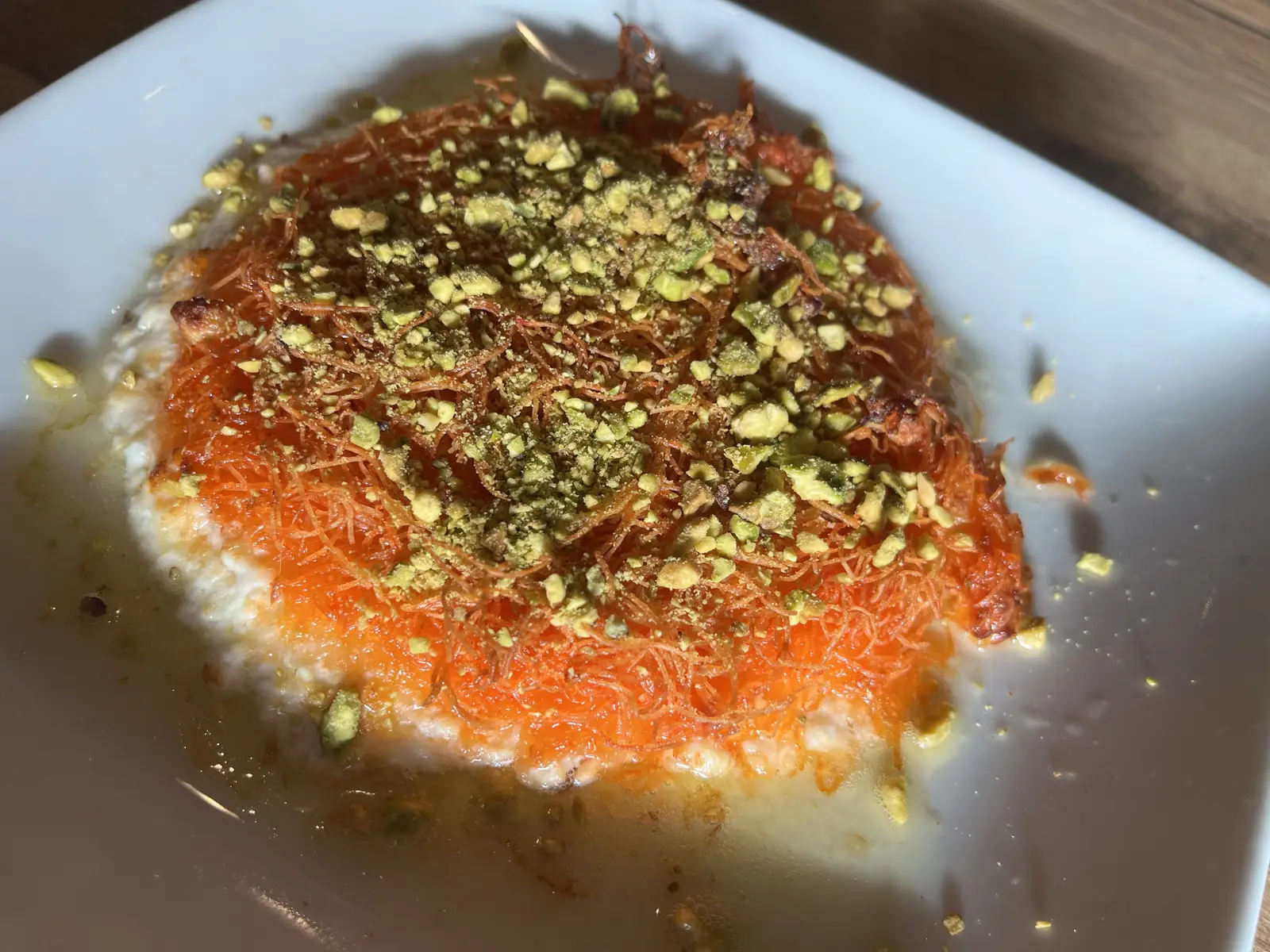
Kunafa (knafeh)
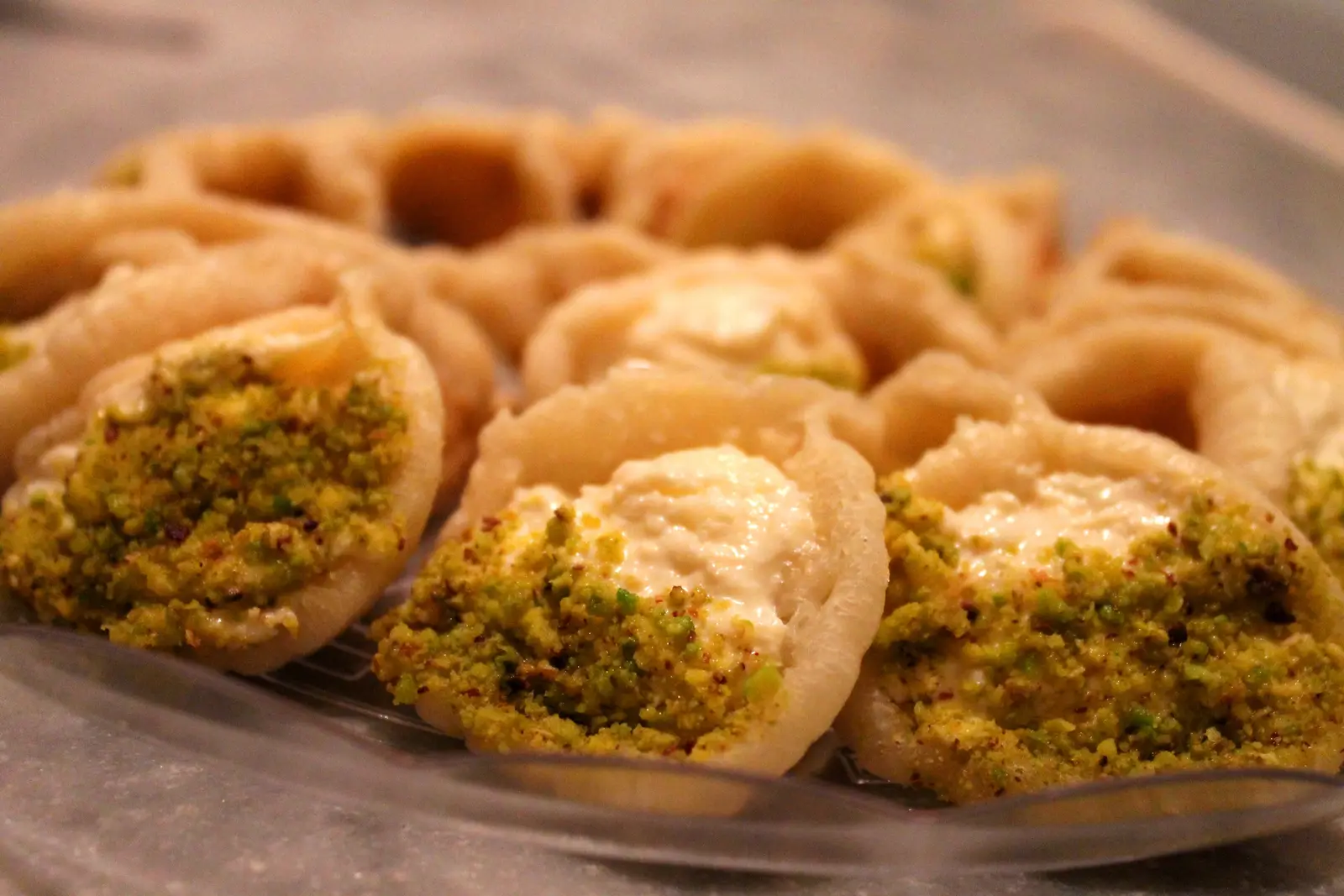
Qatayef
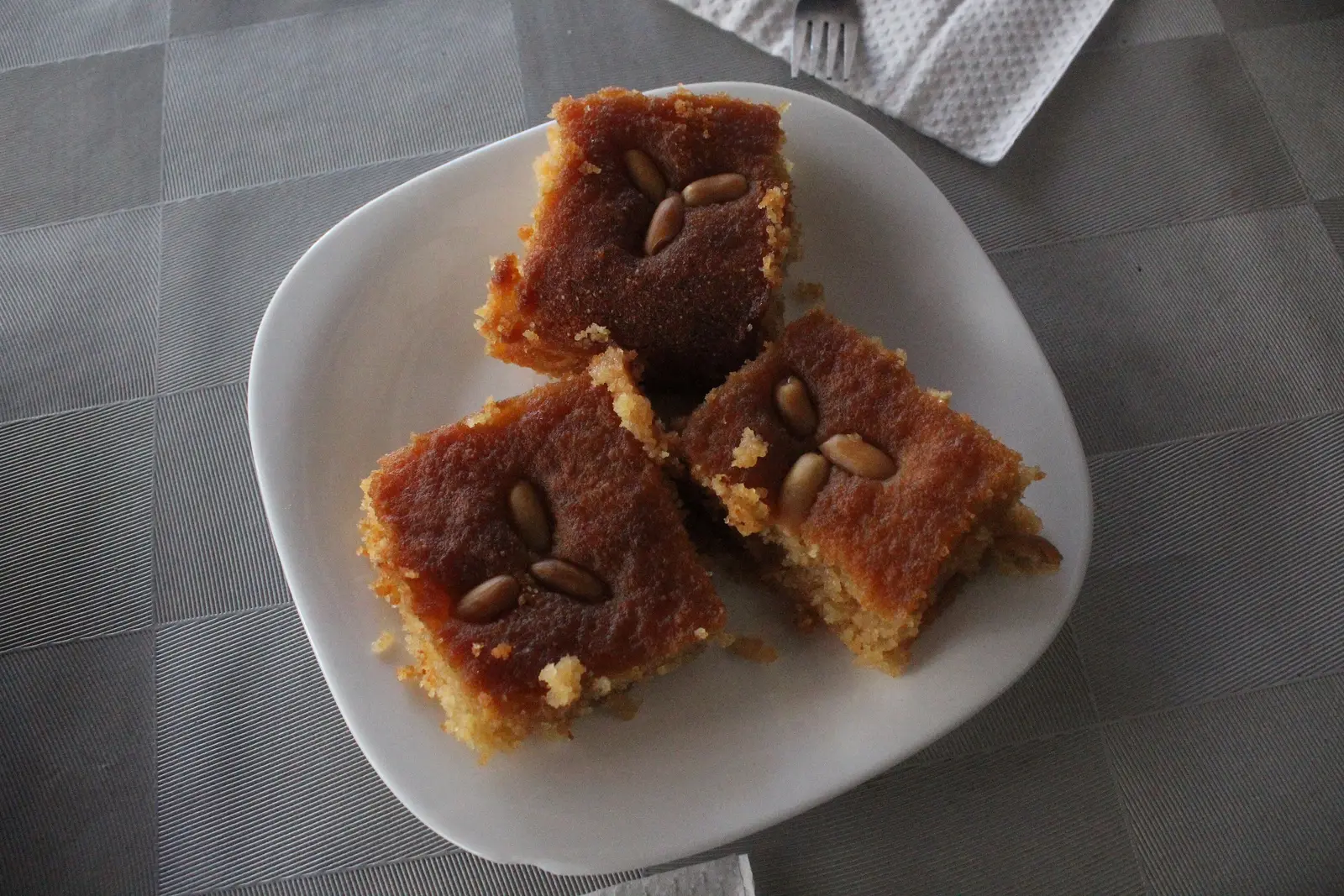
Harisseh and basbousa
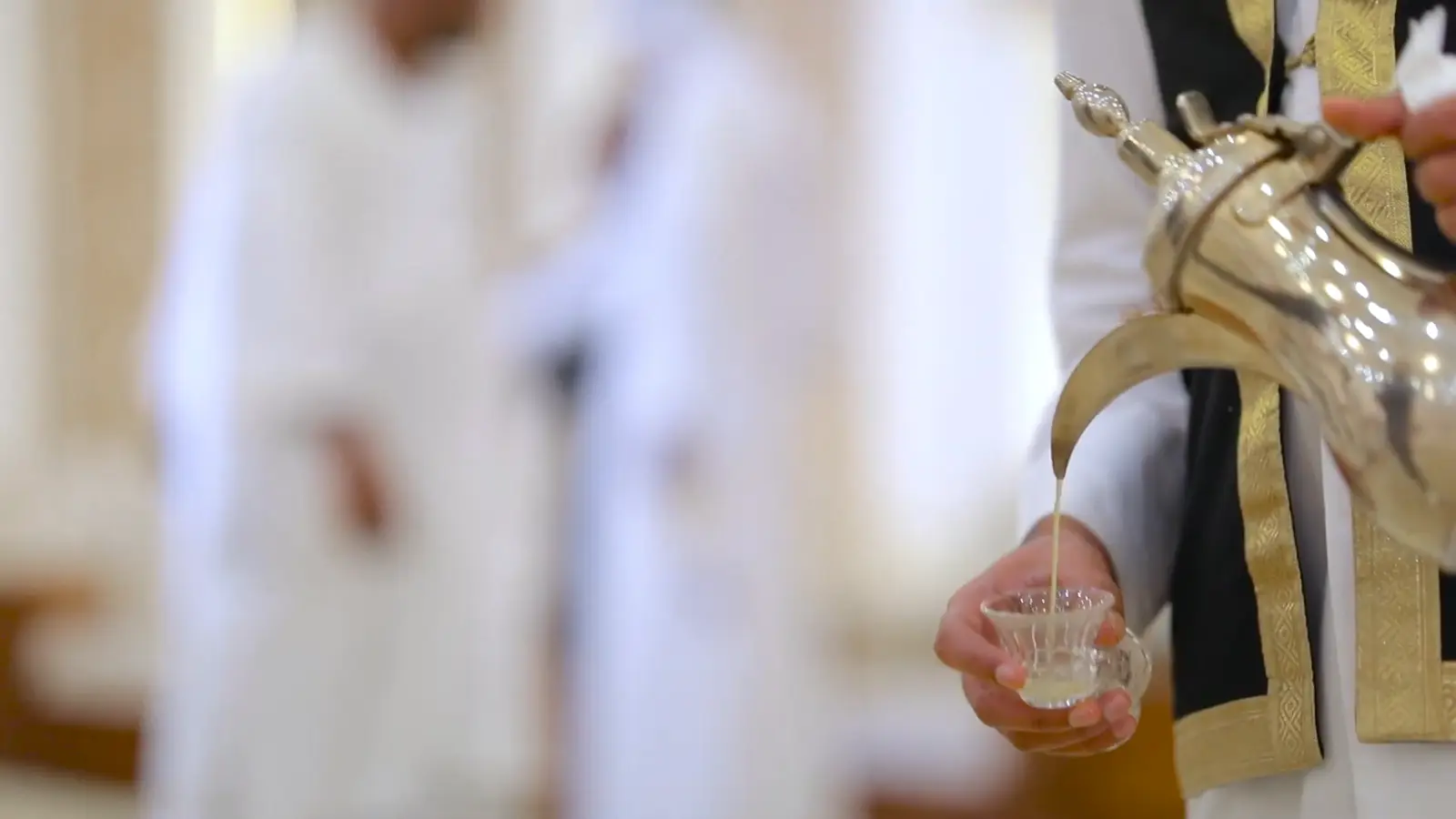
Arabic coffee (qahwa sada)
Sage tea