Shrak
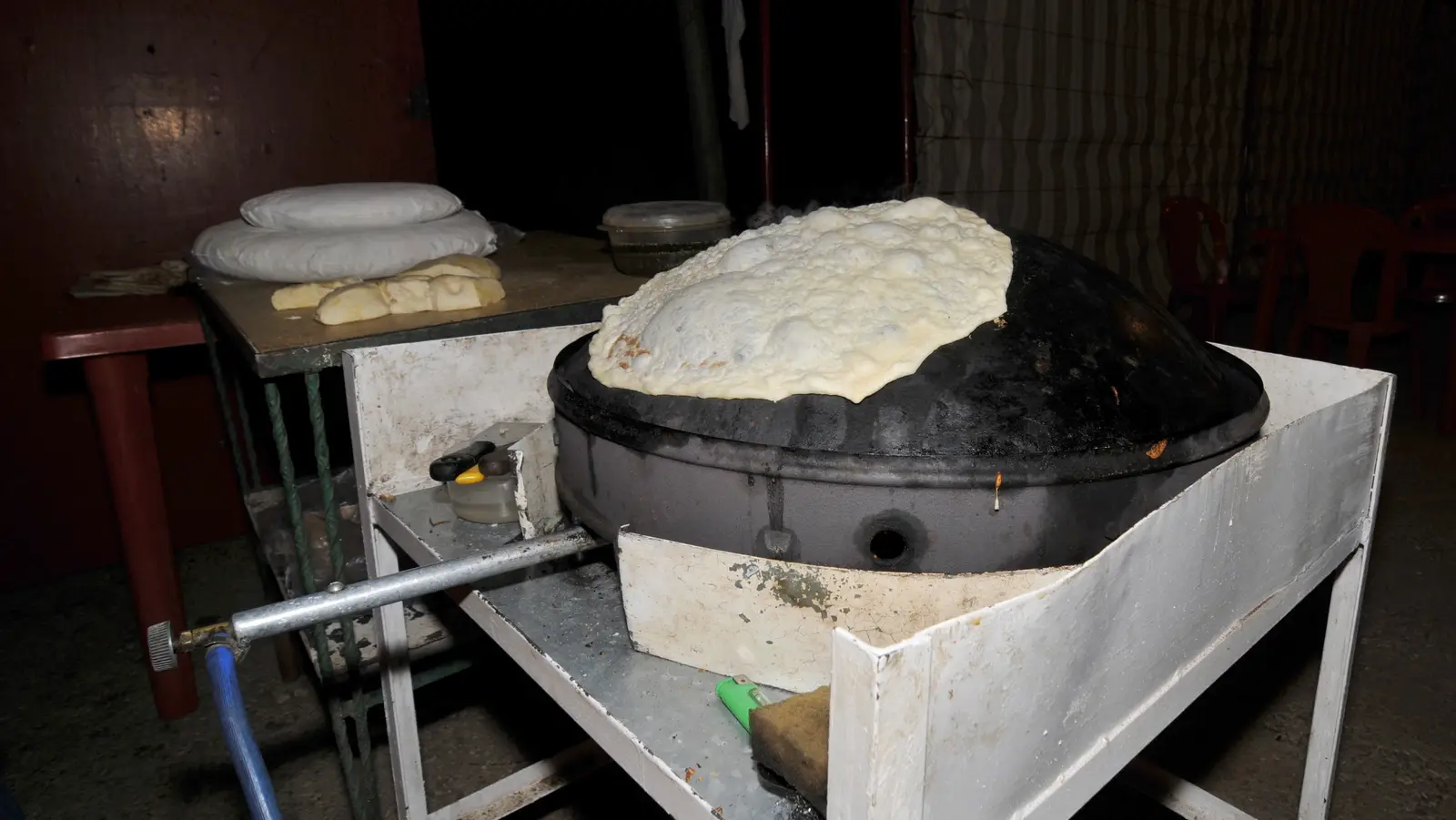
Watching shrak being made is a small piece of theatre. A ball of dough is stretched, flipped and tossed from hand to hand until it is wide and almost transparent, then laid over a hot metal dome, where it bakes in moments. The result is a soft, thin bread with a light toasted flavour, central to Jordanian tradition.
Origins and story
Shrak is one of the oldest and most traditional breads of Jordan, closely linked with Bedouin and rural life. It is baked on a saj, a curved metal dome placed over a fire, which could be carried easily and heated with whatever fuel was available. This made it ideal for people who moved with their herds. Similar thin breads baked on a saj are known across the Levant under different names. In Jordan, shrak holds a special place because it is an essential part of mansaf, the national dish.
Ingredients and how it is made
The dough is simple: flour, water and salt, sometimes with a little yeast. It is kneaded until smooth and elastic and left to rest, which makes it easier to stretch. The baker then flattens a ball of dough and stretches it by hand, often tossing it in the air or flipping it between the forearms until it becomes a very large, thin sheet.
The sheet is laid carefully over the domed saj, which has been heated over wood, gas or charcoal. Because the bread is so thin, it bakes in less than a minute, turning lightly spotted with brown. It is then lifted off, folded and stacked. Making shrak well takes years of practice, and in many families the skill has been passed down from mothers and grandmothers.
How and when it is eaten
Shrak has many uses. For mansaf, sheets of it are spread across the bottom of the serving tray and moistened with jameed sauce before the rice and meat are added, and diners eat the softened bread with the rest of the dish. It is also used to wrap food, to scoop up dips and stews, and as an everyday table bread. Many people enjoy it fresh and warm, simply brushed with olive oil and sprinkled with za'atar, or rolled around white cheese for a quick breakfast.
Where to try it in Jordan
Shrak is sold by bakeries and small roadside bread stands in many parts of Jordan, and it is common in local markets, especially in rural areas and smaller towns. In some traditional restaurants and at Bedouin camps, you can watch it being baked on the saj and taste it straight from the heat. When you order mansaf, you will usually find shrak hidden beneath the rice. Fresh shrak dries quickly, so it is best eaten on the day it is made.
Related dishes
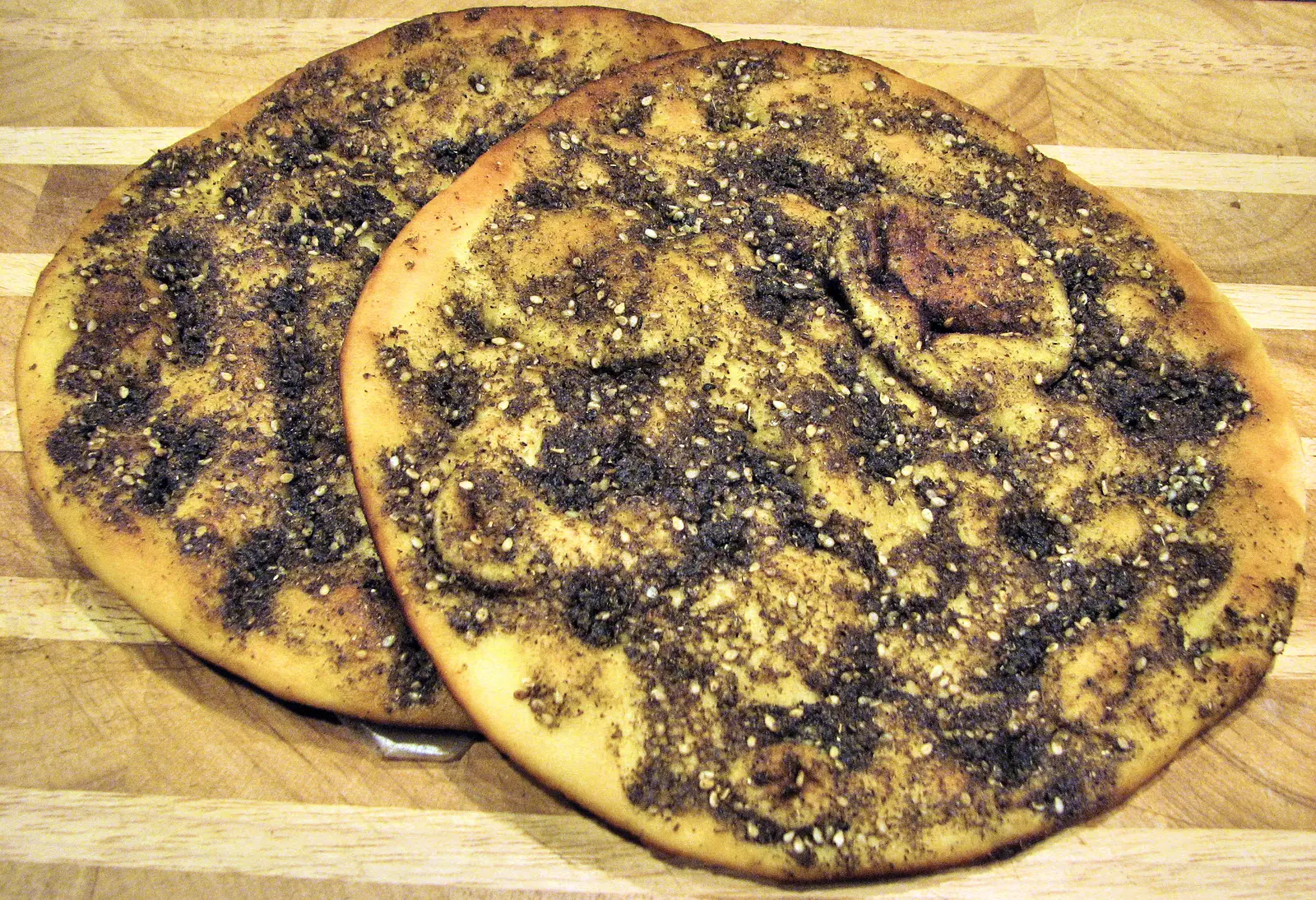
Shrak is inseparable from mansaf, and once you have tasted it fresh you will appreciate its role in that dish even more. Taboon bread, a thicker bread baked on hot stones, is the traditional base for musakhan. Manakeesh, flatbreads topped with za'atar or cheese, are another bakery favourite. Fresh shrak with olive oil and za'atar is one of the simplest pleasures of a Jordanian breakfast.
Frequently asked questions
What is shrak bread?
Shrak is a traditional Jordanian flatbread that is very large and paper-thin. The dough is stretched by hand until almost transparent and then baked on a saj, a curved metal dome heated over a fire. It bakes in under a minute and is soft, light and slightly toasted. It is an essential part of mansaf.
What is a saj?
A saj is a convex metal dome, rather like an upturned wok, that is heated over a wood, charcoal or gas fire. Thin breads such as shrak are laid over its hot surface to bake very quickly. The saj is portable and simple, which made it ideal for Bedouin and rural households across the region.
Is shrak the same as markook?
They are very similar. Markook is the name often used in Lebanon and Syria for a thin bread baked on a saj, while shrak is the usual name in Jordan. Methods, thickness and size can vary from baker to baker, but both belong to the same family of thin saj breads shared across the Levant.
Is shrak vegan?
Yes, in its traditional form. Shrak is usually made only from flour, water and salt, with a little yeast in some recipes, so it contains no animal products. Some bakers may brush it with oil or add other ingredients, so you can ask if you need to be certain. It does contain wheat and gluten.
More dishes to discover
Manakeesh
Kunafa (knafeh)
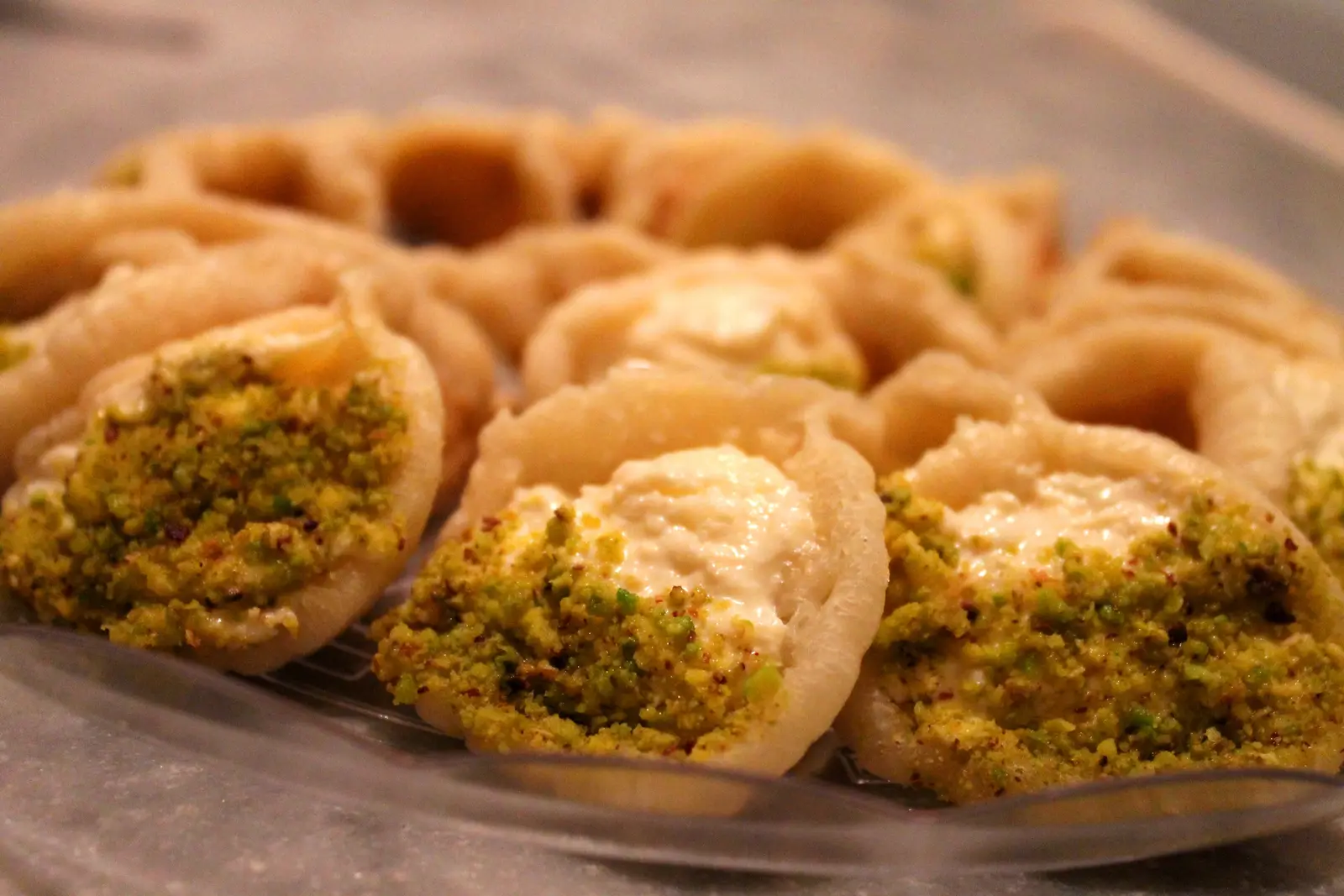
Qatayef
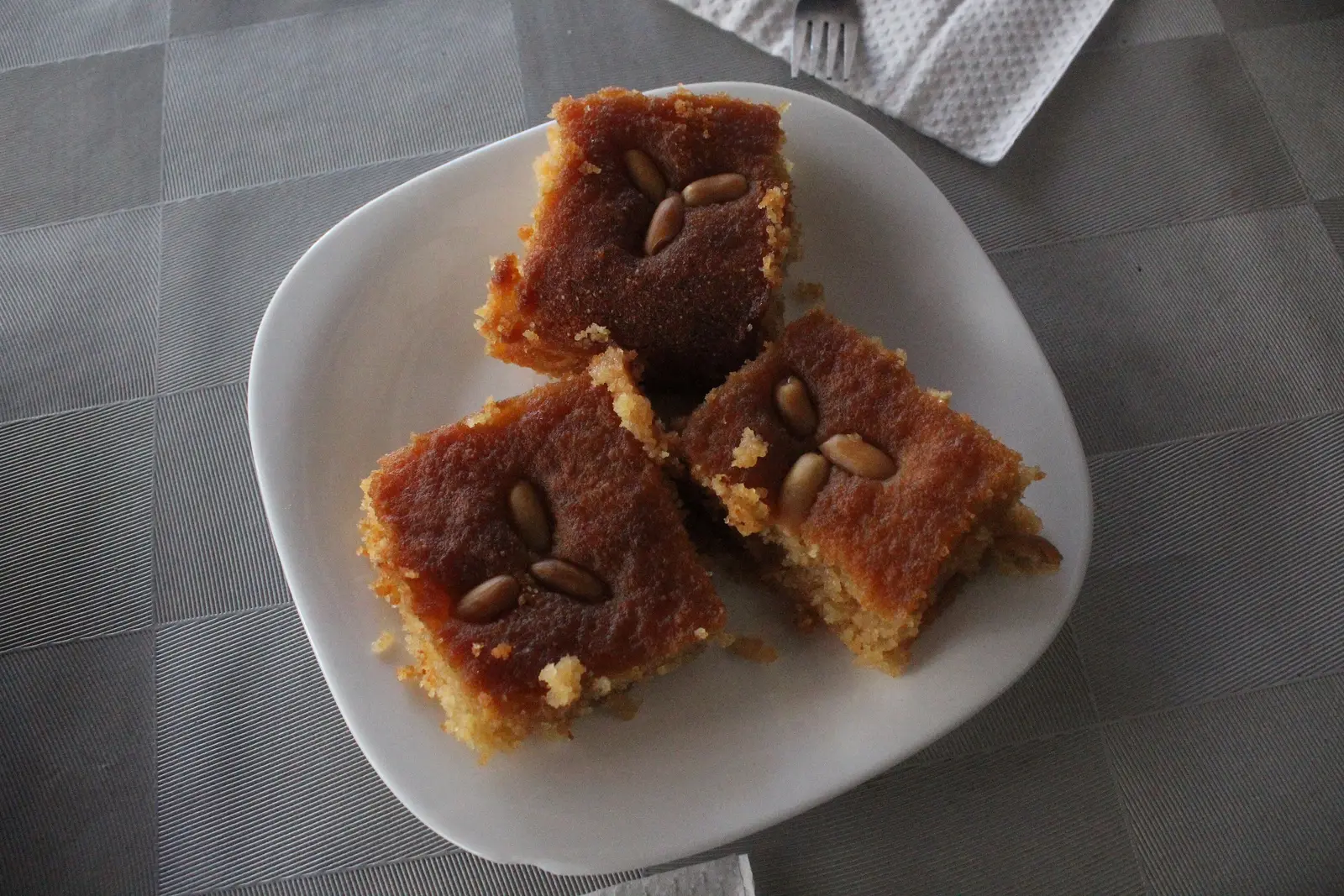
Harisseh and basbousa
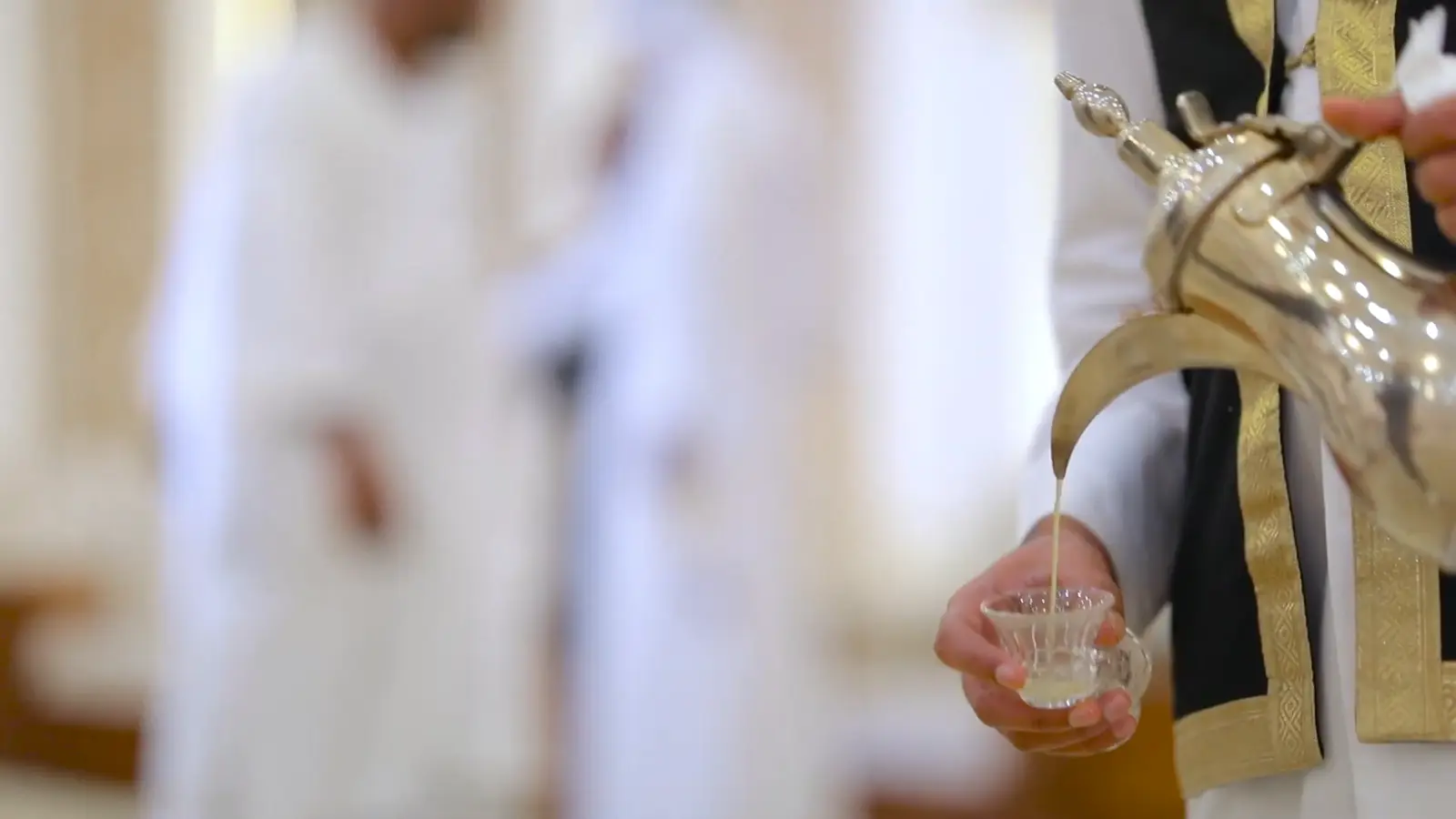
Arabic coffee (qahwa sada)
Sage tea
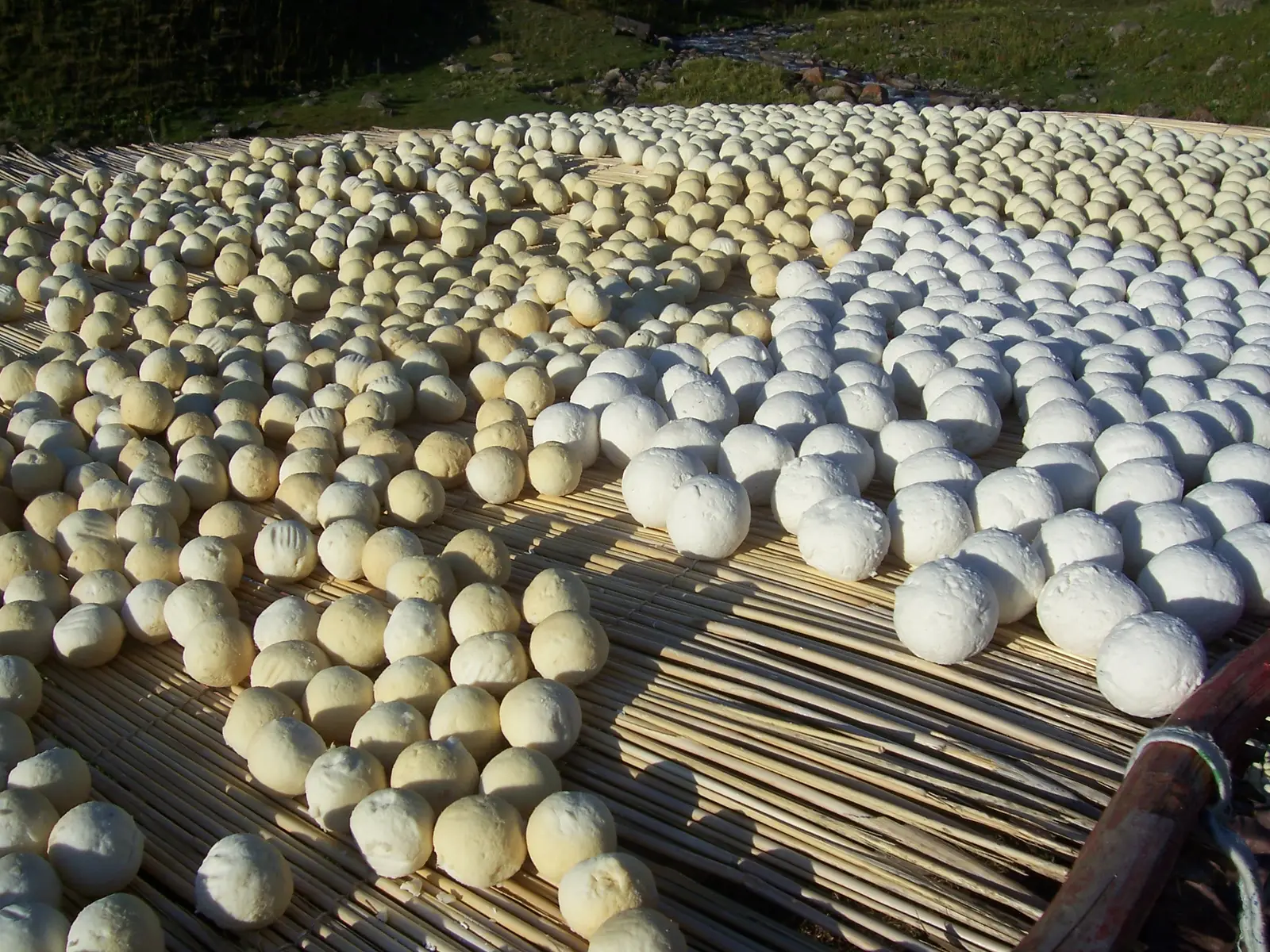
Jameed