Manakeesh
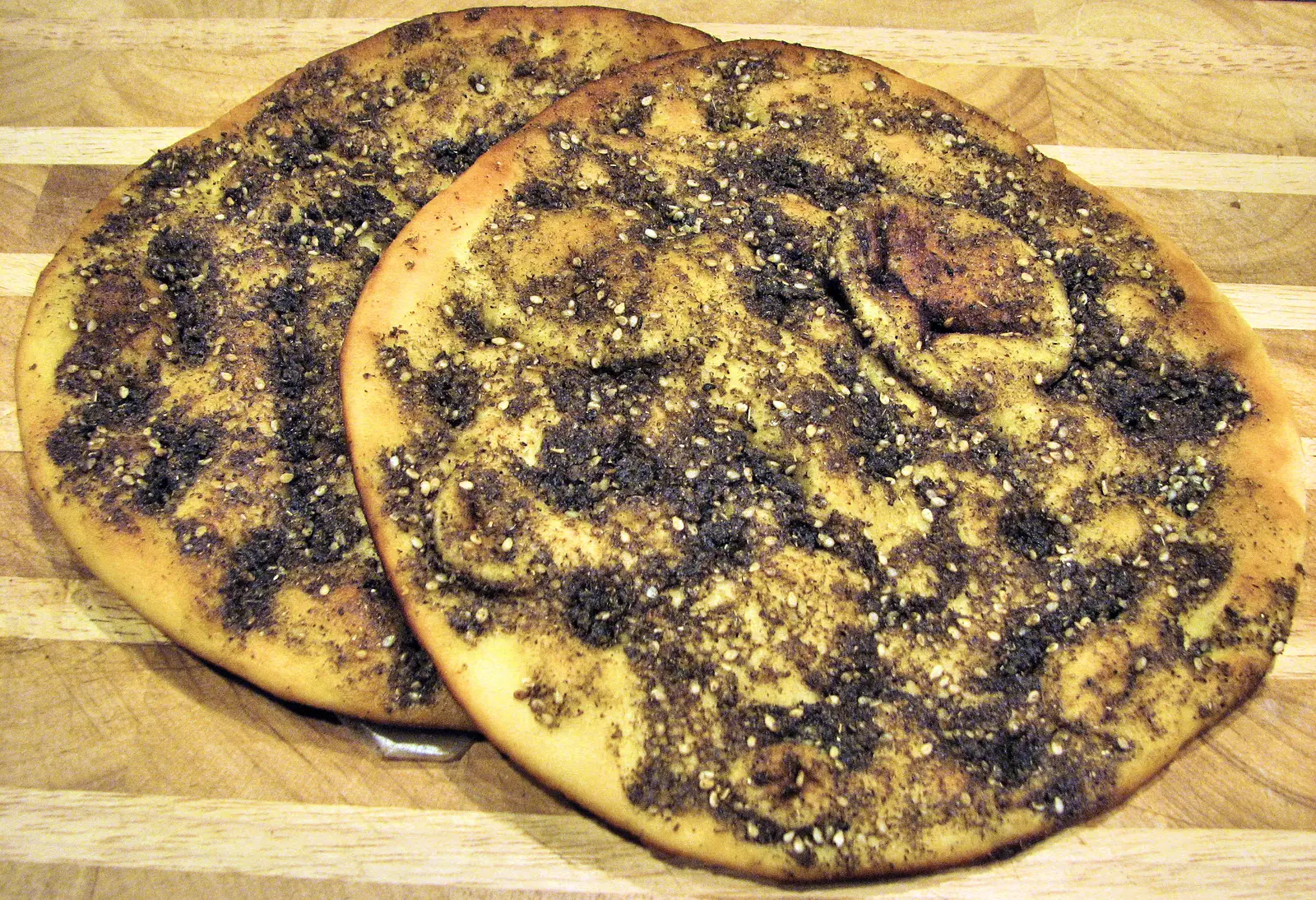
Early in the morning, neighbourhood bakeries across Jordan fill the streets with the smell of warm bread and toasted za'atar. Rounds of dough spread with herbs and olive oil, melting cheese or spiced meat slide out of the oven and are folded into paper for people on their way to school or work. Manakeesh are breakfast at its simplest and best.
Origins and the meaning of the name
Manakeesh, also spelled manaqish, is the plural of man'ousheh. The name comes from an Arabic word meaning 'to engrave' or 'to carve', describing the way the baker presses fingertips into the dough to make small hollows that hold the topping. Flatbreads baked with toppings are an old tradition in the Levant, where they are part of shared daily life. In the past, families would prepare dough at home and take it to the local bakery to be baked, a custom that continues in some neighbourhoods.
Ingredients and how they are made
The dough is a simple yeast dough of flour, water, salt and a little oil, left to rise and then divided into balls. Each ball is flattened into a round, and the baker presses the surface with the fingertips. Then comes the topping. The most classic is za'atar, a mixture of dried wild thyme, sumac and sesame seeds, stirred with olive oil into a paste. Other favourites include white cheese, a mix of za'atar and cheese, minced meat with tomato and onion, or a spicy red pepper paste. The breads are baked quickly in a very hot oven until the edges are golden.
How and when they are eaten
Manakeesh are eaten mainly in the morning, fresh and hot from the oven. They are usually folded in half or rolled up and eaten by hand, which makes them perfect food on the go. Many people add fresh tomato, cucumber, olives or mint leaves inside before folding. At home, families may buy a stack of manakeesh to share for a weekend breakfast with tea. They are inexpensive and filling, which is why they are popular with students, workers and families alike.
Variations and where to try them in Jordan
Each bakery has its own range, but the most common choices are za'atar, cheese, a half-and-half combination, minced meat, and spinach or other greens. Some bakeries also make small closed pastries called fatayer, filled with spinach, cheese or meat. You can find manakeesh in neighbourhood bakeries in every city and town in Jordan, from Amman to Irbid, Zarqa and Aqaba. The best time to visit is early in the morning, when the ovens are busiest and the bread is freshest.
Related dishes
Manakeesh are closely related to the simple breakfast of bread, olive oil and za'atar, which uses the same flavours. Shrak, the thin saj bread, and taboon bread, used for musakhan, are two other traditional Jordanian breads. For a full bakery-and-breakfast experience, enjoy manakeesh with a glass of sweet sage tea, or alongside hummus and ful. A bowl of olives and some fresh vegetables turn a simple stop at the bakery into a complete meal.
Frequently asked questions
What are manakeesh?
Manakeesh are round flatbreads topped before baking with za'atar and olive oil, cheese, minced meat or other toppings. They are baked in a hot oven and eaten fresh, usually folded or rolled. In Jordan, they are a popular and inexpensive breakfast sold by neighbourhood bakeries, mostly in the morning.
What is za'atar?
Za'atar is the name of a wild thyme-like herb and also of the popular spice mixture made from it. The mixture combines the dried herb with sumac, toasted sesame seeds and salt. For manakeesh, it is mixed with olive oil to make a paste that is spread on the dough before baking.
Are manakeesh vegan?
Manakeesh with za'atar and olive oil are normally vegan, as the dough is made from flour, water, yeast, salt and oil. Versions with cheese are vegetarian but not vegan, and versions with minced meat are neither. If you have strict dietary needs, ask the baker how the dough is prepared.
How do you pronounce manakeesh?
Manakeesh is pronounced roughly 'ma-na-KEESH', with the stress on the last syllable. A single bread is called a man'ousheh, pronounced roughly 'man-OO-sheh'. You may also see the spellings manaqish, manakish or manaeesh, which are all attempts to write the same Arabic word in Latin letters.
More dishes to discover
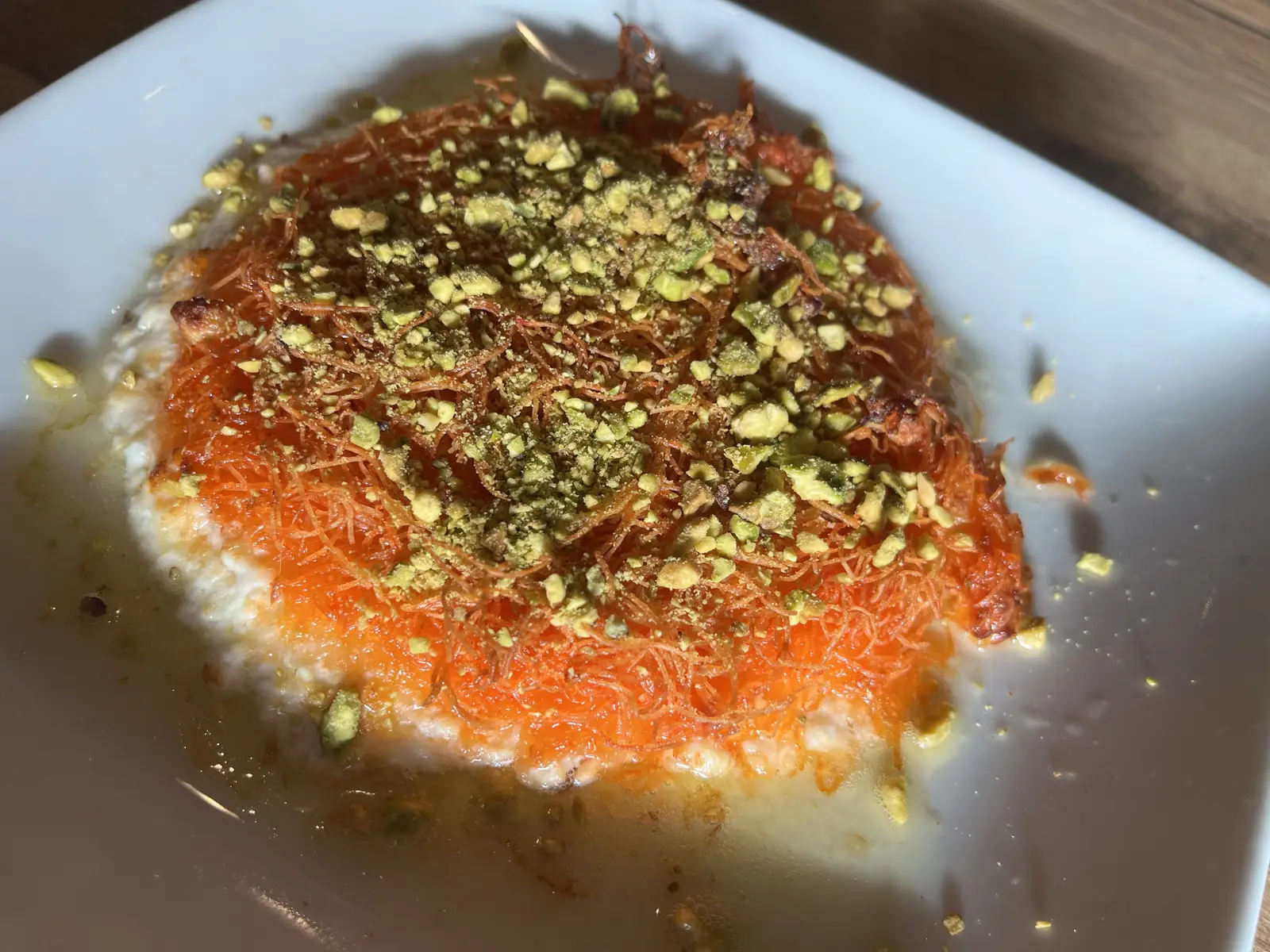
Kunafa (knafeh)
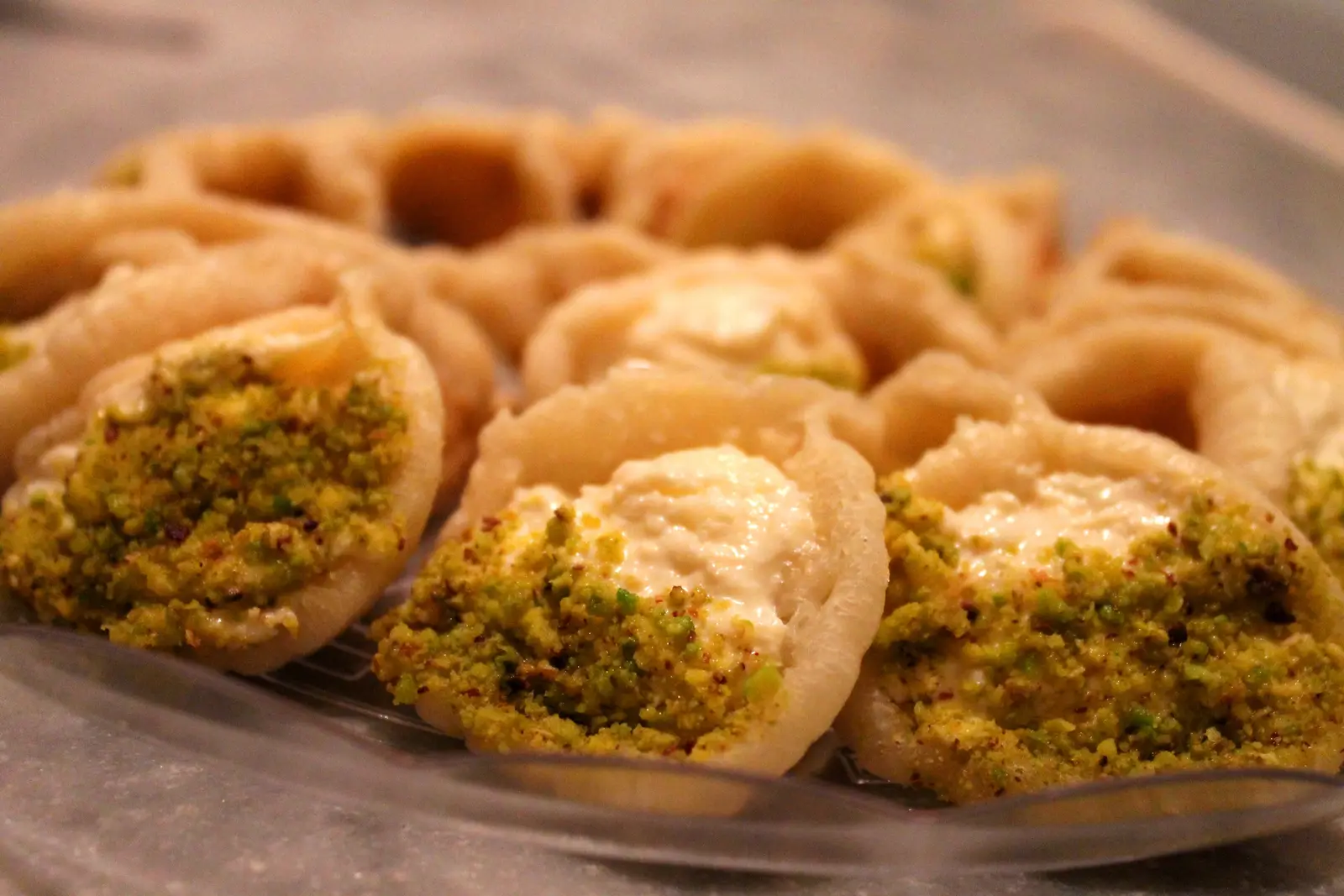
Qatayef
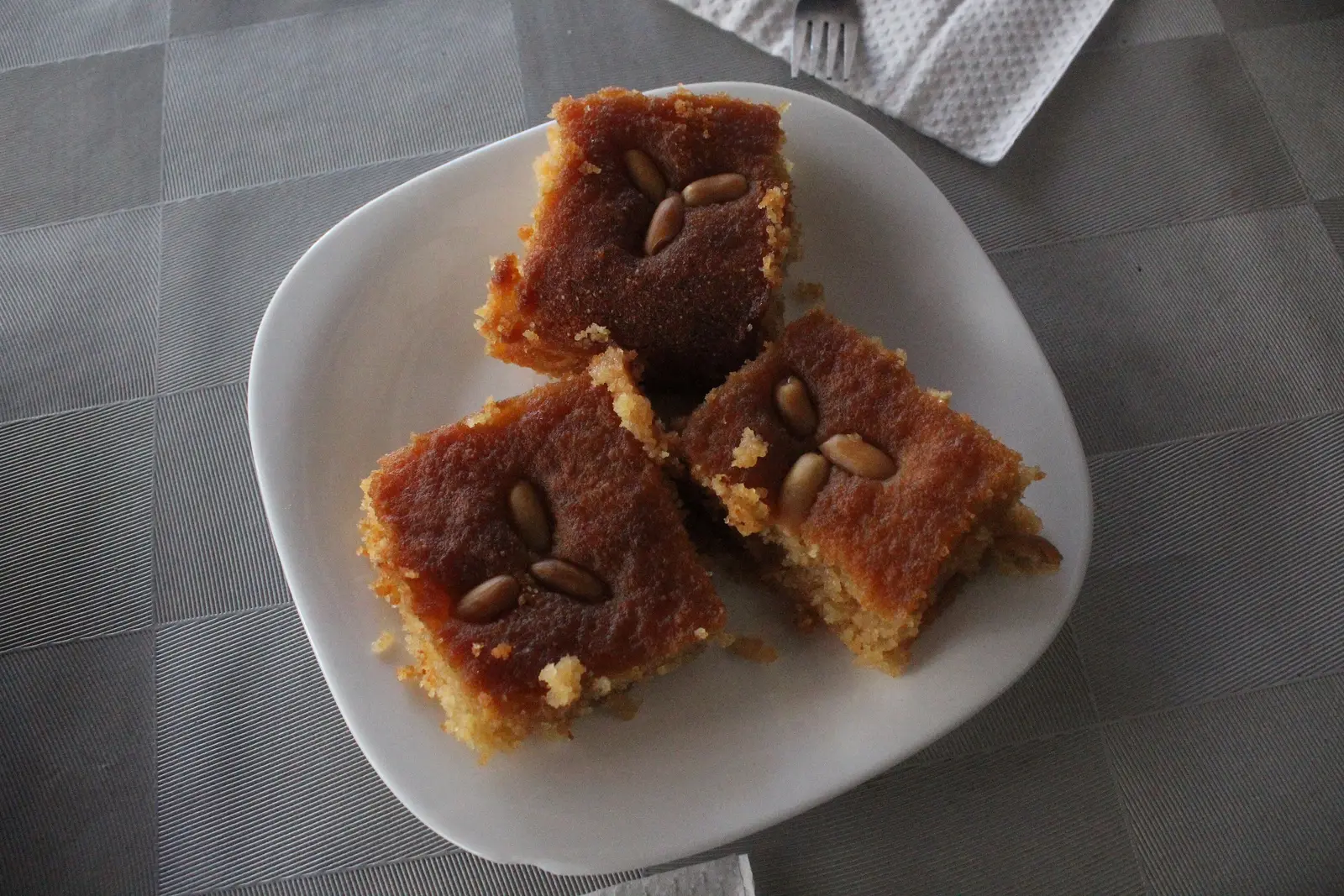
Harisseh and basbousa
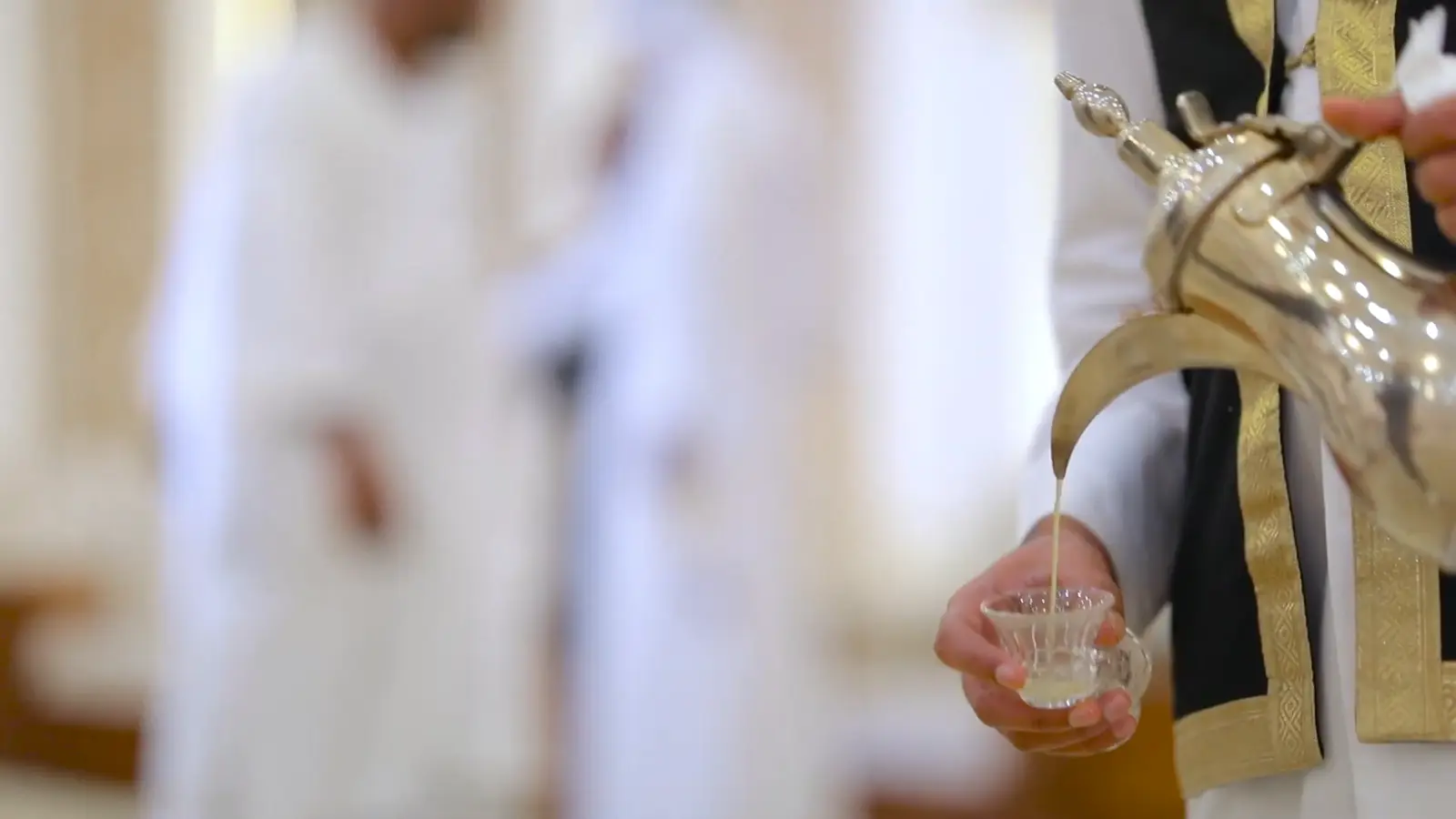
Arabic coffee (qahwa sada)
Sage tea
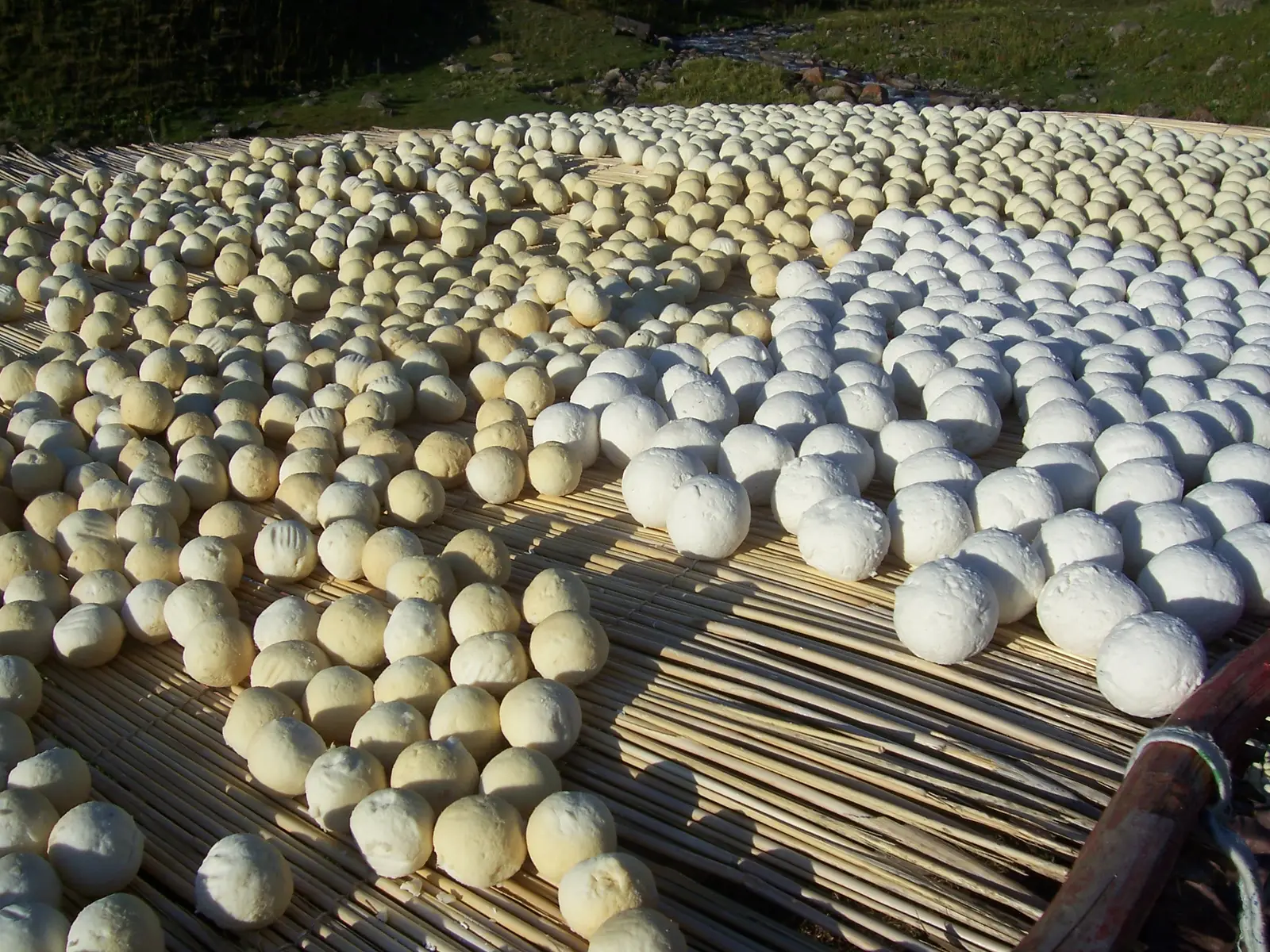
Jameed
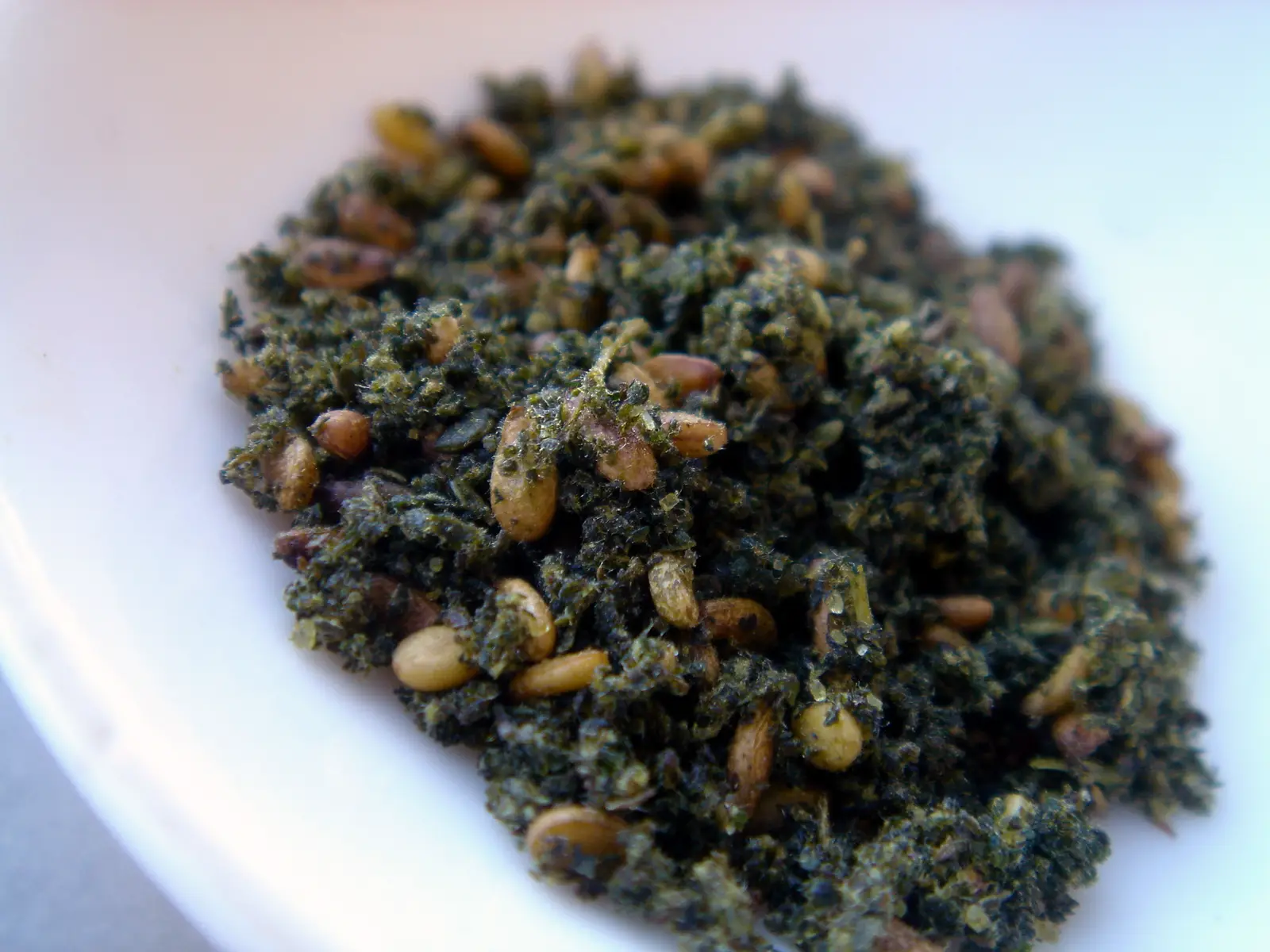
Za'atar and olive oil