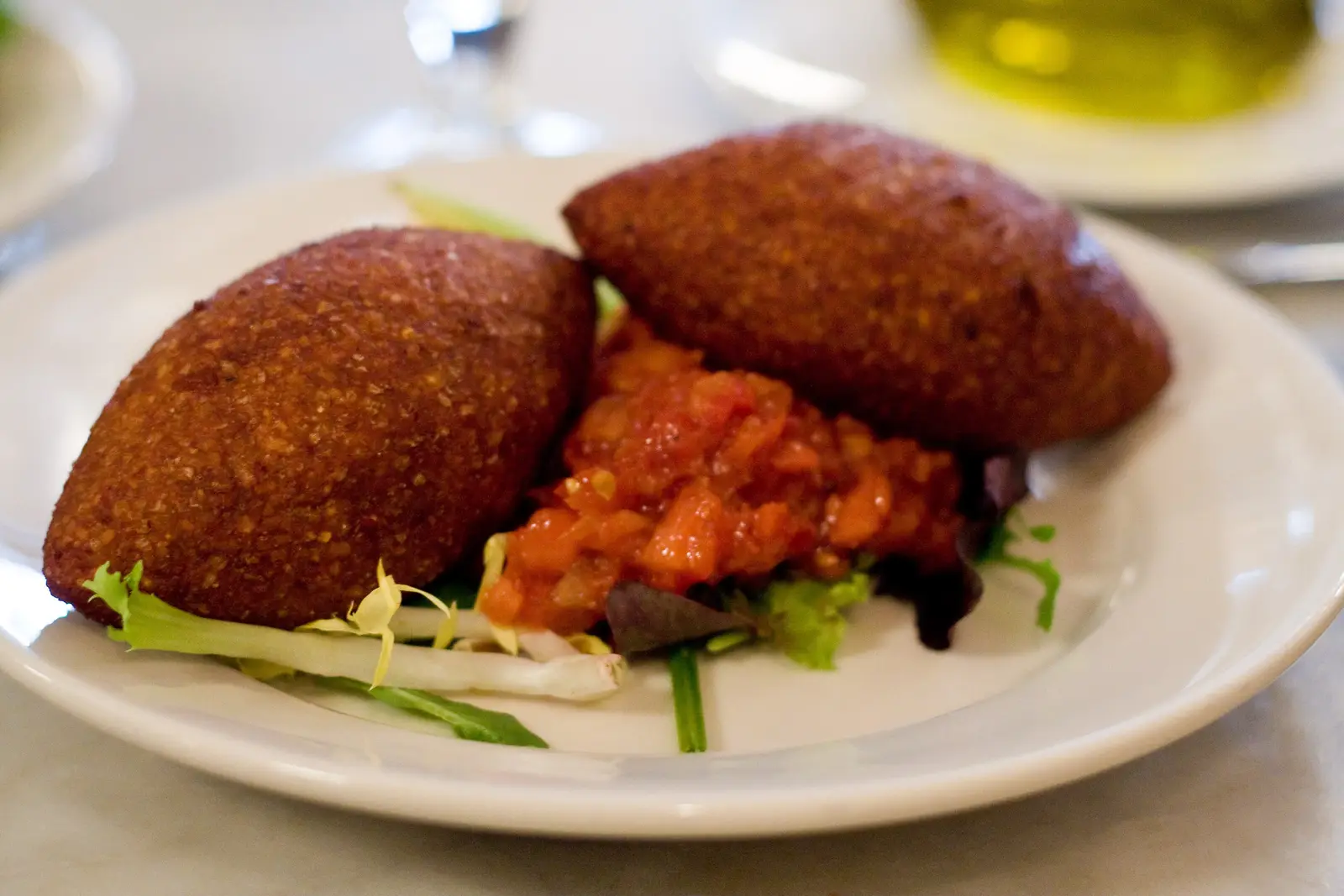
Kubbeh
Kubbeh is a small masterpiece of home cooking. A thin, crisp shell of cracked wheat and minced meat hides a filling of spiced meat, onions and pine nuts. Shaping each one by hand takes patience and skill, which is why kubbeh appears most often when families gather, celebrate or prepare for a special table.
Origins and story
Kubbeh, also written kibbeh or kubba, is part of the shared food heritage of the Levant and neighbouring regions, where it exists in many forms. Its basic idea, combining cracked wheat with meat, makes good use of two staple foods of the region. In the past, the meat and wheat were pounded together by hand in a large stone mortar, a long and rhythmic task. Today most cooks use a mincer or food processor, but making kubbeh is still often a shared family activity, especially before holidays and during Ramadan.
Ingredients and how it is made
The shell is made from fine cracked wheat, called burghul, which is soaked briefly and then kneaded with very lean minced meat, usually lamb or beef, together with grated onion and spices such as allspice, cinnamon and black pepper. The mixture is worked until it becomes a smooth, firm dough. Cooks keep a bowl of cold water nearby and wet their hands often, which keeps the dough soft and easy to shape and stops it from cracking.
The filling is prepared separately by frying minced meat with chopped onion, spices and toasted pine nuts or walnuts. To shape kubbeh, the cook takes a small ball of dough, makes a hollow in it with a finger and turns it patiently against the palm until the walls are thin and even. The hollow is filled, then sealed and shaped into an oval with pointed ends. The finished pieces are usually deep-fried until crisp and dark golden.
How and when it is eaten
Fried kubbeh is served hot or warm as part of a spread of appetisers, or mezze, often alongside hummus, salads and yoghurt. It is eaten with the fingers or a fork, and some people like it with a squeeze of lemon or a spoon of plain yoghurt. Kubbeh is very popular on iftar tables during Ramadan and at weddings, holidays and family gatherings. Because it freezes well, many families prepare large batches in advance and fry them as needed when guests arrive.
Variations and where to try it in Jordan
Beyond fried kubbeh, there are several well-loved versions. Kubbeh bil-siniyeh is baked in a tray, with layers of shell and filling cut into diamond shapes. Kubbeh labaniyeh is cooked in a warm, garlicky yoghurt sauce and served with rice. Some households make meat-free versions with a shell of cracked wheat and pumpkin or potato. Fried kubbeh is sold in many mezze restaurants, sweet and savoury pastry shops and frozen-food sections across Amman and other cities, but homemade kubbeh is considered the best.
Related dishes
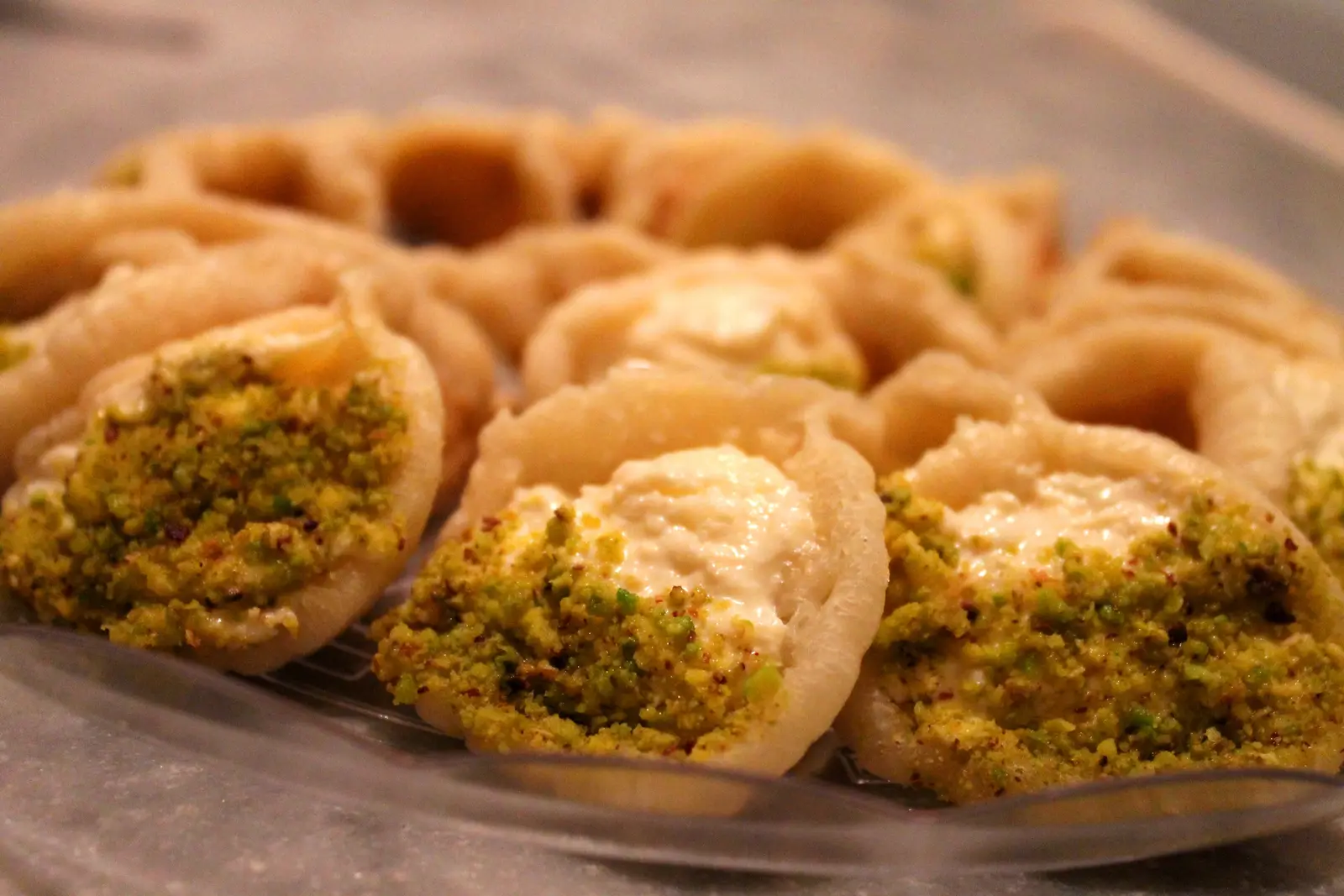
Kubbeh is part of the wider mezze tradition, so try it with hummus, falafel and a fresh salad. Kubbeh in yoghurt sauce shares its warm tanginess with mansaf, which also relies on yoghurt. For other dishes that require skill and teamwork, look for maqluba, which must be turned out of its pot in one piece, or the sweet pancakes called qatayef, filled by hand during Ramadan.
Frequently asked questions
What is kubbeh made of?
Kubbeh is made of a dough of fine cracked wheat, or burghul, kneaded with lean minced meat, onion and spices. This dough forms a shell that is filled with minced meat fried with onion, spices and pine nuts or walnuts. The shaped pieces are usually deep-fried, though they can also be baked or cooked in yoghurt.
Is kubbeh the same as kibbeh?
Yes. Kubbeh, kibbeh, kibbe and kubba are different spellings and local pronunciations of the same family of dishes. In Jordan, the name is usually pronounced 'kubbeh'. The basic idea of a cracked wheat and meat shell is shared across the region, while the shapes, fillings and cooking methods vary.
Is kubbeh vegetarian?
Traditional kubbeh contains meat in both the shell and the filling, so it is not vegetarian. However, there are meat-free versions in which the shell is made from cracked wheat mixed with pumpkin or potato and the filling uses onions, nuts, chickpeas or greens. These are mostly made at home, so ask before ordering in a restaurant.
How do you eat kubbeh?
Fried kubbeh is usually eaten with the fingers or a fork as part of a spread of appetisers. Many people add a squeeze of lemon or dip it in plain yoghurt. Baked kubbeh is cut into pieces and served with salad and yoghurt, while kubbeh in yoghurt sauce is eaten with a spoon alongside rice.
More dishes to discover
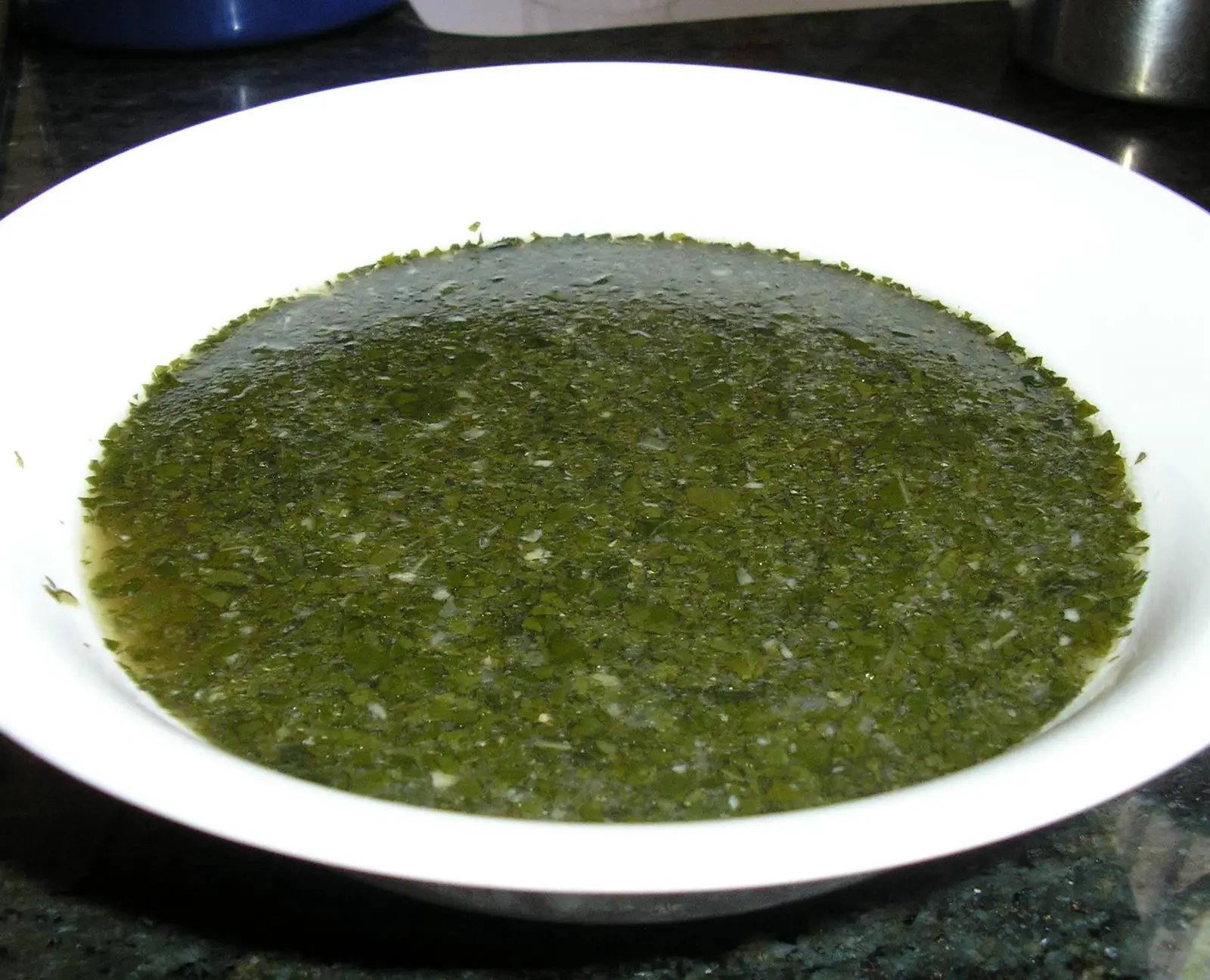
Mlukhiyeh
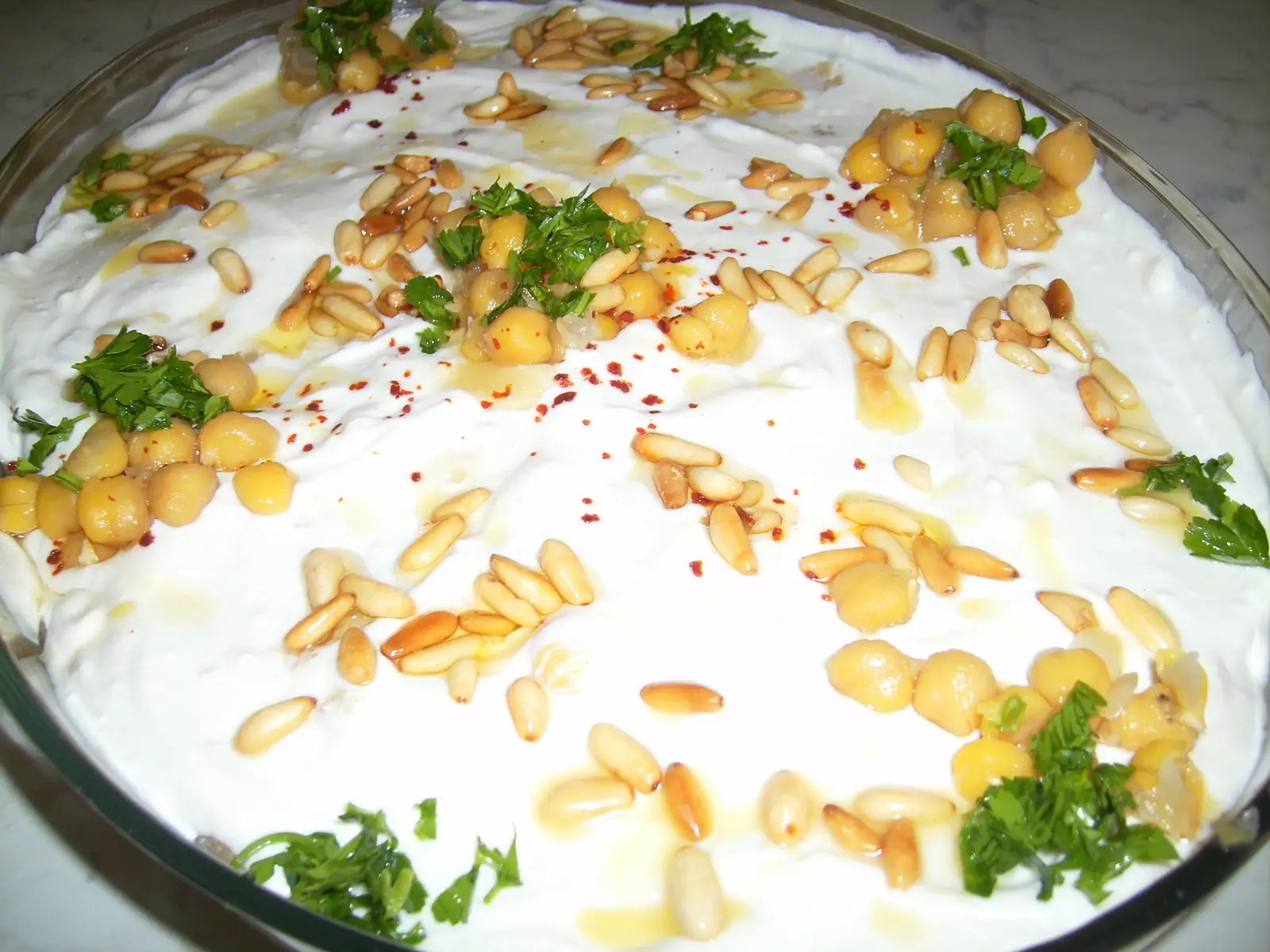
Fatteh
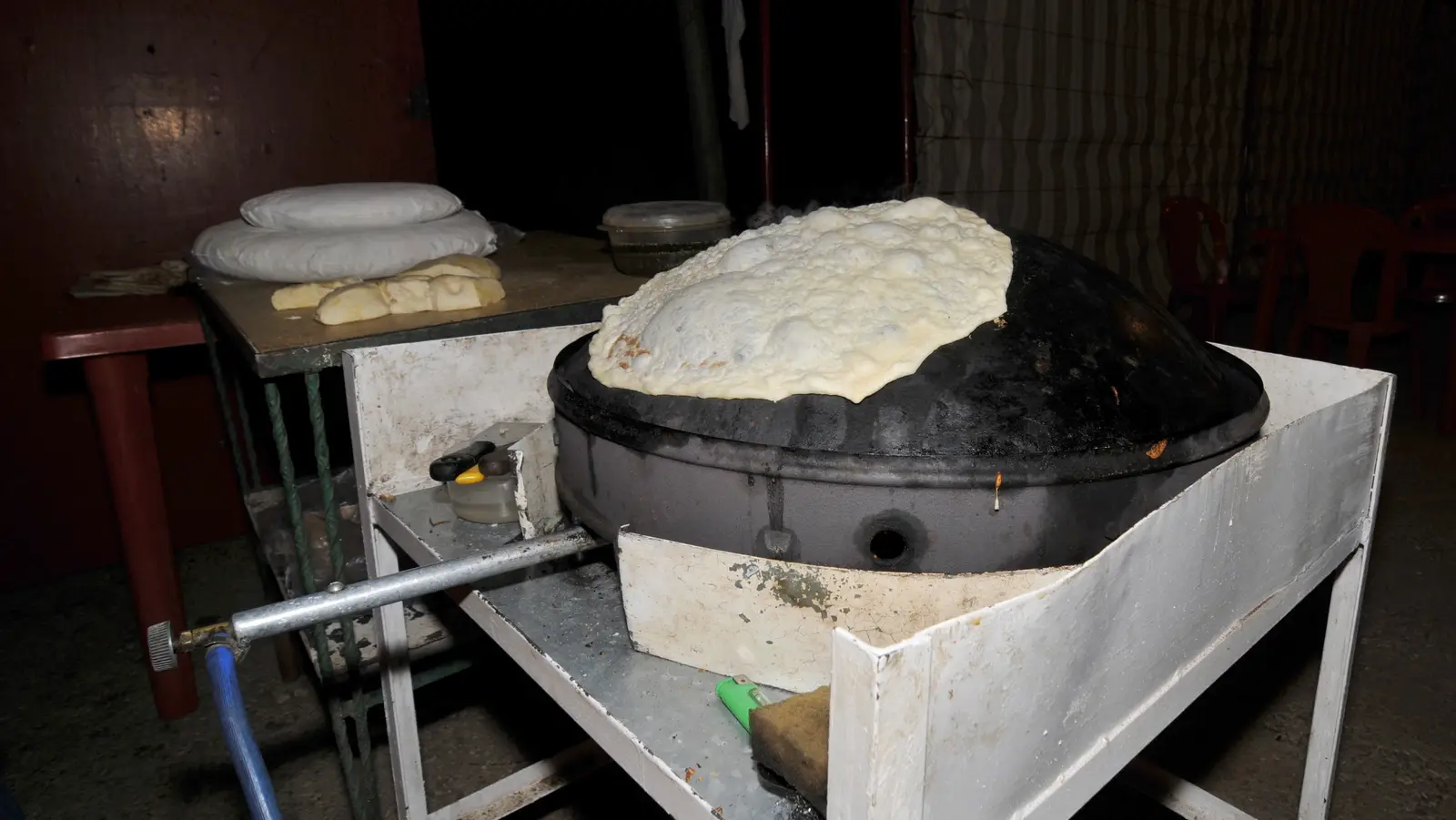
Shrak
Manakeesh
Kunafa (knafeh)
Qatayef
Harisseh and basbousa